The most common mistake is buying a large chest freezer for a household that never fills more than half of it.
The key advantage of large capacity is flexibility: you never have to choose between buying sale-priced frozen items and keeping your existing inventory because there is always room for both.
Organizing a small chest freezer is relatively straightforward because the limited depth and width mean items are never too far from reach.
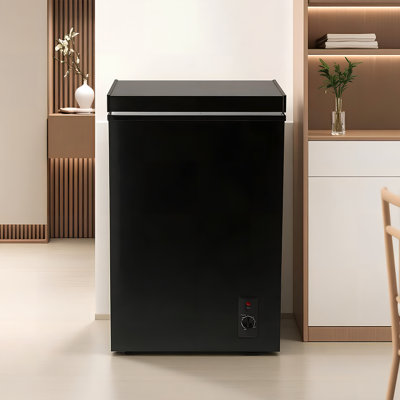
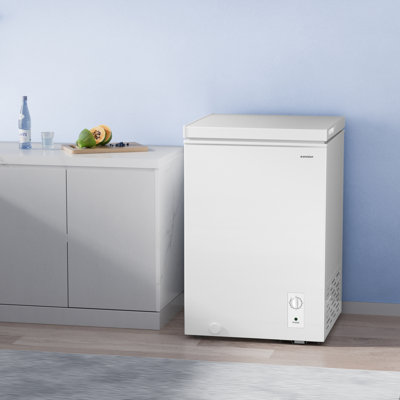
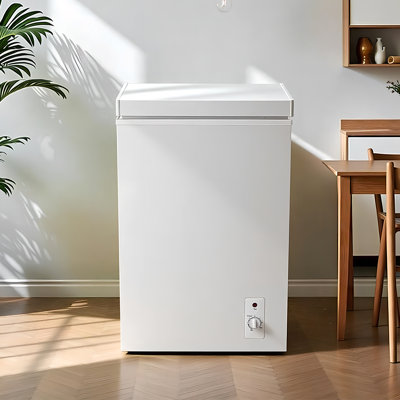
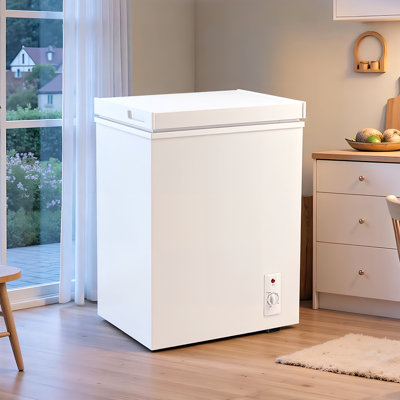
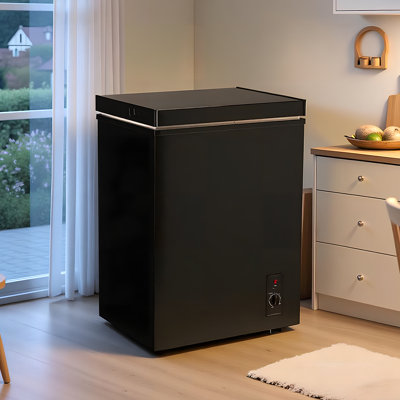
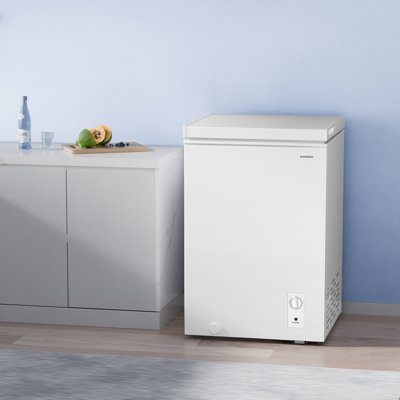
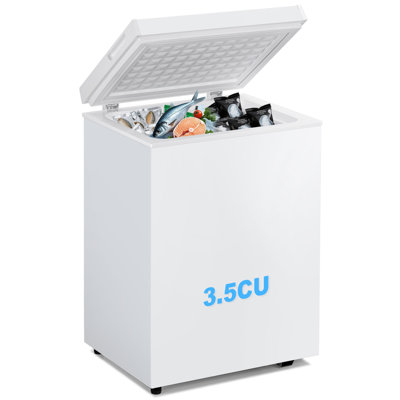
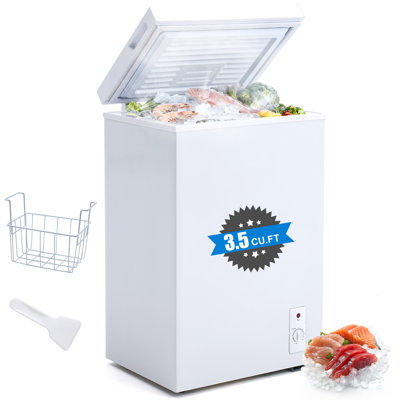
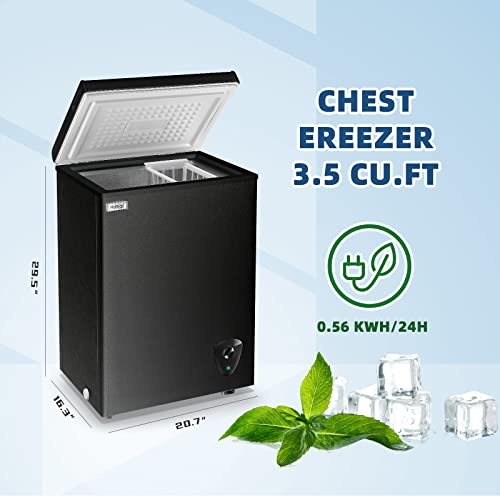
A small chest freezer typically ranges from three and a half to seven cubic feet of total capacity.
Choosing between a small chest freezer and a large chest freezer comes down to how much frozen food your household stores, the space you have available, and whether you prefer a compact supplemental unit or a high-capacity workhorse. Both share the same top-opening design, energy-efficient insulation, and reliable compressor-based cooling, but their size differences create meaningful distinctions in capacity, placement options, energy consumption, and cost. This guide walks you through every factor that matters so you can pick the right chest freezer size for your needs without overspending on unused space or outgrowing a unit that is too small.
Defining Small Chest Freezer
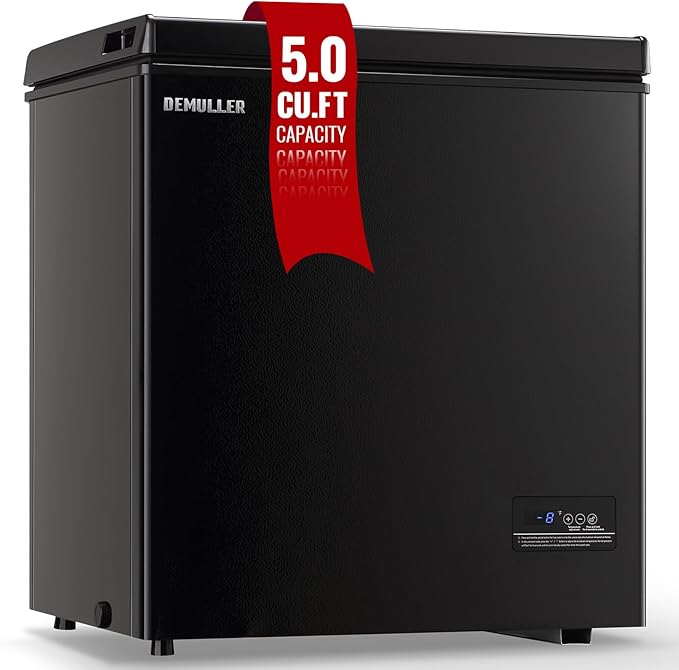
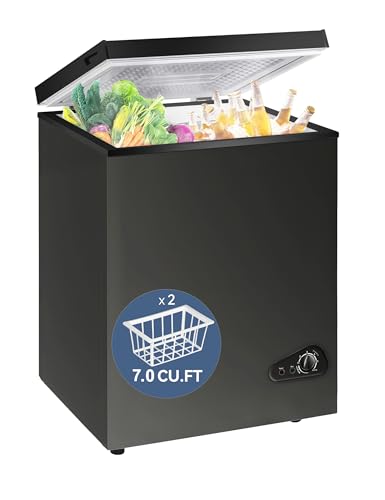
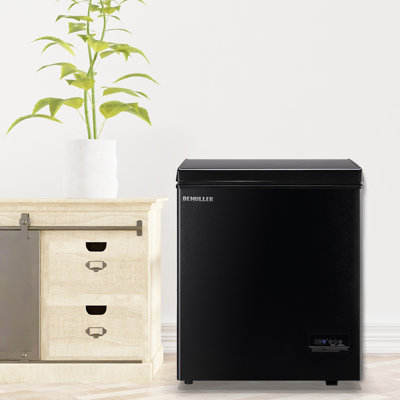
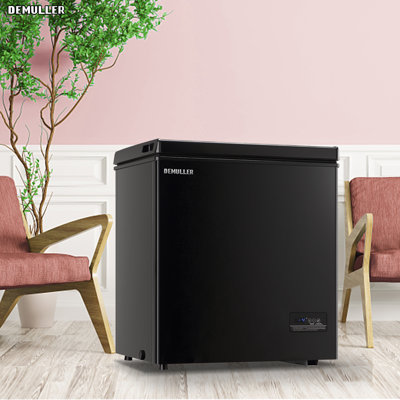
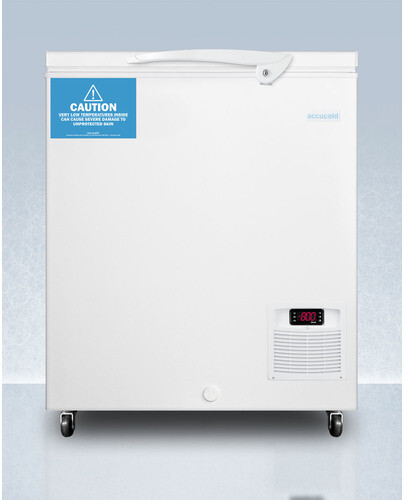
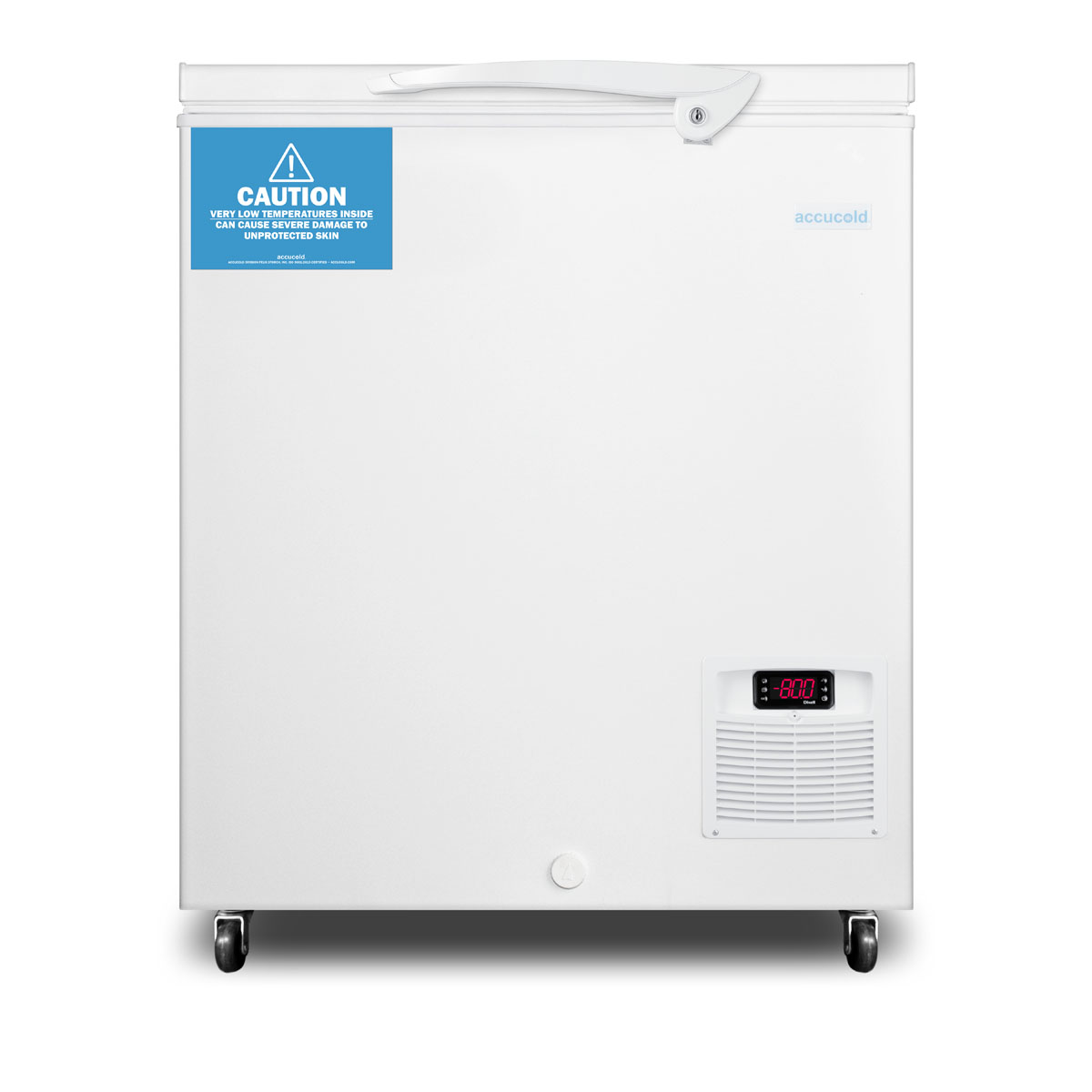
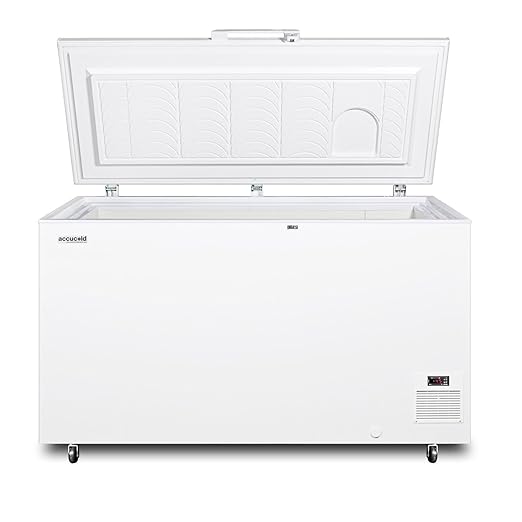
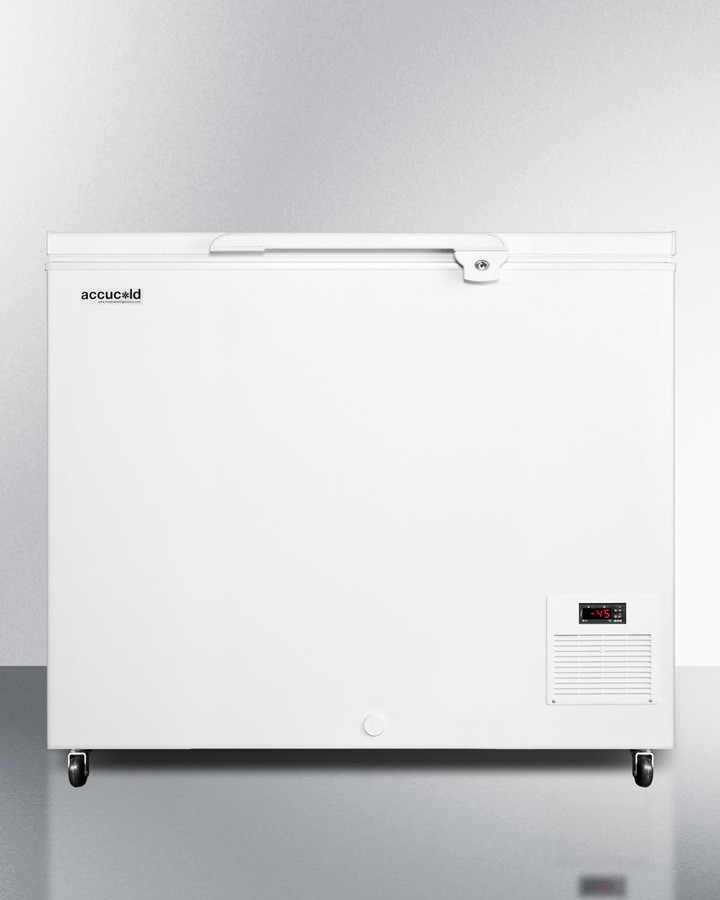
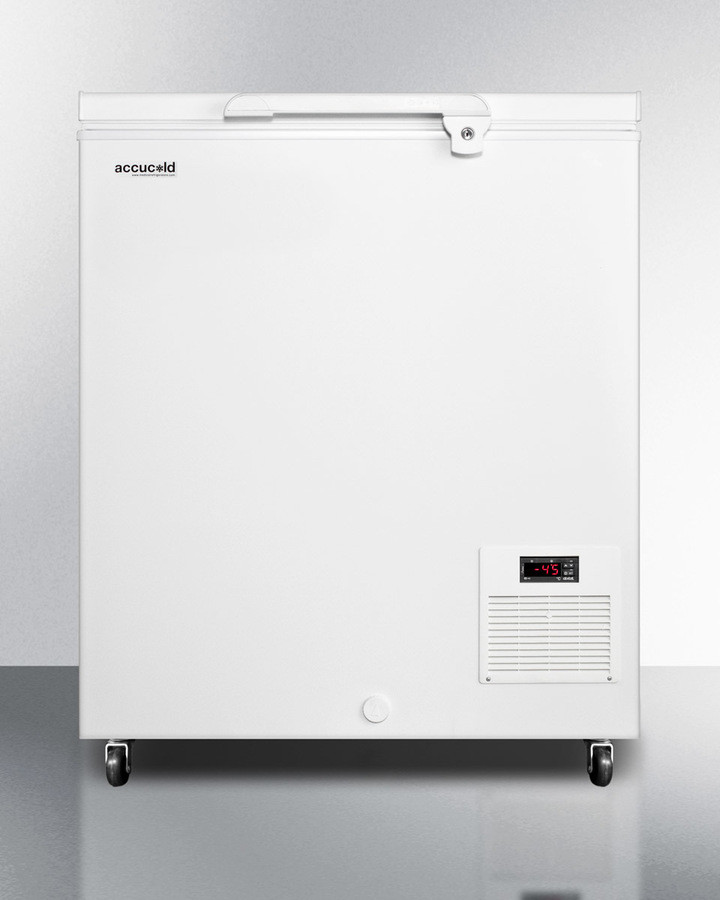
A small chest freezer typically ranges from three and a half to seven cubic feet of total capacity. These units measure approximately twenty to thirty inches wide, eighteen to twenty-four inches deep, and thirty to thirty-six inches tall with the lid closed. The compact footprint makes them suitable for apartments, condos, small garages, and utility rooms where floor space is limited but dedicated frozen storage is needed. A five-cubic-foot small chest freezer holds approximately one hundred seventy-five pounds of frozen food, which translates to roughly two to three months of frozen proteins, vegetables, and prepared meals for one or two people.
Small chest freezers are the entry point for households adding their first dedicated freezer alongside an existing refrigerator-freezer combination. They provide enough room to take advantage of bulk meat sales, store a season's worth of garden produce, keep a rotation of frozen meals for busy weeknights, or maintain a modest inventory of ice cream and frozen treats. The interior typically includes one or two removable hanging wire baskets for organizing smaller items near the top, while larger packages stack in the main cavity below. Most small models use manual defrost with simple mechanical thermostat controls.
Defining Large Chest Freezer
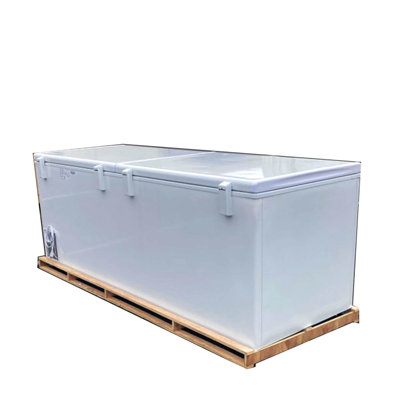
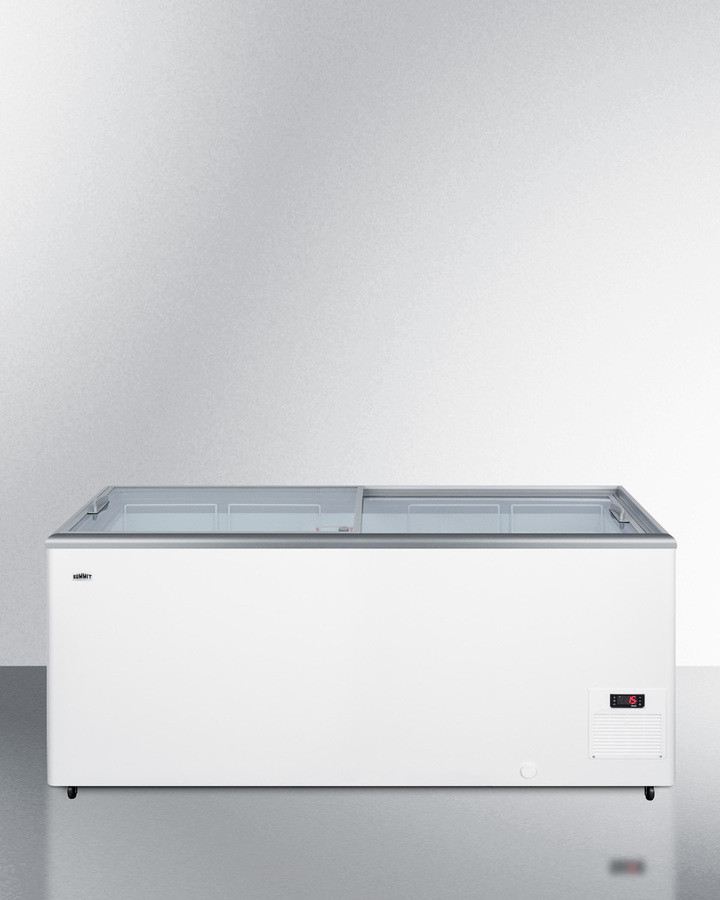
A large chest freezer ranges from fifteen to twenty-five cubic feet of capacity, with some commercial-grade residential models reaching thirty cubic feet or more. These units measure forty-eight to seventy-three inches wide, twenty-seven to thirty-two inches deep, and thirty-three to thirty-six inches tall. The substantially wider footprint requires dedicated floor space in a garage, basement, utility room, or outbuilding where the unit can sit undisturbed. A twenty-cubic-foot large chest freezer holds approximately seven hundred pounds of frozen food, enough to store a quarter or half of a beef cow, an entire season's hunting harvest, or several months of bulk-purchased groceries for a large family.
Large chest freezers serve households with serious frozen food storage demands. They are essential for families that buy meat in bulk from farms or wholesale clubs, hunters who process deer, elk, or other game, gardeners who freeze large harvests of vegetables and fruits, and households that prepare and freeze meals in large batches for extended periods. The interior typically includes two to four removable hanging baskets and sometimes includes interior dividers or adjustable partitions that help organize the deep cavity into manageable sections. Some premium large models offer interior LED lighting, quick-freeze functions, and external temperature displays.
Capacity and Storage Efficiency
The capacity difference between small and large chest freezers is dramatic and directly affects how you shop, cook, and plan meals. A five-cubic-foot small unit provides enough room for about forty to fifty standard frozen food packages, which covers the frozen food needs of a household of one to two people with moderate frozen food habits. You can store a dozen packages of meat, ten to fifteen bags of frozen vegetables, a stack of frozen meals, ice cream, and still have room for ice packs and miscellaneous items. However, a single Costco or Sam's Club bulk shopping trip can fill a small chest freezer to capacity, leaving no room for additional items until you work through your existing inventory.
A twenty-cubic-foot large unit holds four times as much, accommodating two hundred or more standard frozen food packages. This capacity supports households of four to eight people, allows storage of a quarter beef or half hog without careful Tetris-style packing, and provides room to maintain a deep rotation of frozen meals, produce, and proteins that lasts months between major shopping trips. The key advantage of large capacity is flexibility: you never have to choose between buying sale-priced frozen items and keeping your existing inventory because there is always room for both. The disadvantage is that the larger cavity makes it easier to lose track of items buried at the bottom if you do not maintain an organized inventory system.
Small chest freezers are among the most energy-efficient appliances available. A five-cubic-foot model typically consumes between one hundred and one hundred eighty kilowatt-hours annually, costing approximately twelve to twenty-two dollars per year in electricity. The compact interior volume means the compressor does less work to maintain zero-degree temperatures, and the excellent insulation-to-volume ratio of small chest freezers keeps cold air locked in with minimal energy loss. Energy Star certified small models often consume even less, with some units using fewer than one hundred kilowatt-hours annually.
Large chest freezers consume more total energy due to their much greater interior volume. A twenty-cubic-foot model typically uses between three hundred and five hundred kilowatt-hours annually, costing thirty-six to sixty dollars per year. However, the energy cost per cubic foot of storage is often comparable to or even better than small models because the larger compressor operates at a more efficient ratio relative to the volume it cools. The thicker insulation found on many large models also contributes to strong per-unit efficiency. The annual cost difference between a small and large chest freezer amounts to roughly twenty-four to thirty-eight dollars, which is a modest premium for three to four times the storage capacity.
Temperature Stability
Both small and large chest freezers maintain excellent temperature stability thanks to the top-opening design that traps cold air inside when the lid is raised. However, the thermal mass of a well-stocked large chest freezer provides even better temperature stability than a small unit during power outages or extended lid-open periods. A fully loaded twenty-cubic-foot chest freezer can maintain safe frozen temperatures for forty-eight hours or more during a power outage because the large mass of frozen food acts as its own thermal battery, absorbing warmth slowly and keeping surrounding items frozen through its own stored cold energy.
A small chest freezer with less thermal mass keeps food frozen for approximately twenty-four to thirty-six hours during a power outage when fully loaded, and less time when partially full. The smaller interior also experiences temperature swings more quickly when the lid is opened for extended periods while you search for items. For households in areas prone to power outages from storms, a larger, well-stocked chest freezer provides a meaningful safety advantage for protecting your frozen food investment during electrical disruptions.
Space Requirements and Placement
Small chest freezers fit in a wide range of locations thanks to their compact footprint. A five-cubic-foot model needs roughly twenty-four by twenty inches of floor area plus a few inches of ventilation clearance on the sides and eighteen inches of overhead clearance for the lid. These units tuck neatly into apartment closets, small pantries, laundry rooms, garage corners, and even some larger kitchen spaces. The manageable weight of sixty to eighty pounds when empty means one or two people can position and reposition the unit without professional help.
Large chest freezers demand substantial dedicated floor space. A twenty-cubic-foot model requires approximately sixty by thirty inches of floor area, roughly the footprint of a large desk, plus ventilation and lid clearance. These units weigh one hundred fifty to two hundred fifty pounds empty, making them difficult to move without help and impractical to reposition once loaded with food. Most large chest freezers live permanently in garages, basements, or utility rooms where their footprint does not compete with daily living space. Before purchasing, verify that your intended location has a level floor, adequate electrical capacity with a dedicated outlet, and enough room for the lid to open fully without hitting overhead obstacles.
Small chest freezers produce between twenty-five and thirty-five decibels, which is barely audible from a few feet away. The compact compressor runs infrequently because the small, well-insulated cavity retains cold air effectively. Most small chest freezers are quiet enough for placement in bedrooms, home offices, and living spaces without causing any noise disturbance. The consistent low hum blends seamlessly into ambient household sounds.
Large chest freezers operate at similar decibel levels, typically between twenty-eight and thirty-eight decibels, despite their larger compressors. The thick insulation that surrounds the larger cabinet effectively muffles compressor noise, and the efficient cold air retention means the compressor does not need to run frequently even on larger units. The noise difference between small and large chest freezers is negligible for most buyers, and placement in garages or basements further eliminates any noise consideration since these locations are typically away from living and sleeping areas.
Pricing Comparison
Small chest freezers offer the lowest entry price in the dedicated freezer market. Models with three and a half to five cubic feet of capacity start between one hundred thirty and two hundred dollars. Mid-range five to seven-cubic-foot models with features like interior lighting and adjustable thermostats cost between two hundred and three hundred fifty dollars. The low purchase price combined with minimal operating costs and fifteen to twenty year lifespans makes small chest freezers one of the best value propositions among all household appliances.
Large chest freezers cost more but deliver exceptional value per cubic foot of storage. Fifteen-cubic-foot models start around four hundred to six hundred dollars. Twenty-cubic-foot models cost between five hundred and eight hundred dollars. Premium large models with features like quick-freeze functions, LED interior lighting, external temperature displays, and power-on indicator lights range from seven hundred to one thousand two hundred dollars. On a per-cubic-foot basis, large chest freezers typically cost twenty-five to forty dollars per cubic foot compared to thirty-five to fifty dollars per cubic foot for small models, making the larger units a better value when you need the additional capacity.
Price Range
Small Chest Freezer
Large Chest Freezer
Budget
$130–$200
$400–$600
Mid-Range
$200–$350
$600–$800
Premium
$350–$450
$800–$1,200
Cost Per Cu Ft
$35–$50
$25–$40
Annual Energy Cost
$12–$22
$36–$60
Organization and Accessibility
Organizing a small chest freezer is relatively straightforward because the limited depth and width mean items are never too far from reach. One or two hanging baskets hold frequently accessed items near the top, and the main cavity below accommodates a manageable number of packages that you can sort through without losing track of inventory. The compact size naturally limits the depth of stacking, which means items at the bottom are only a few layers down and can be retrieved without major rearrangement.
Large chest freezers present a genuine organization challenge. The deep, wide cavity can hold hundreds of packages in layers that make bottom items practically invisible and difficult to reach without removing everything above them. Without a deliberate organization system, a large chest freezer becomes a frozen archive where food gets lost, forgotten, and eventually suffers quality degradation despite remaining safely frozen. Effective organization strategies include using labeled storage bins or bags to group items by category, keeping a written or digital inventory list taped to the lid, rotating stock by placing newer items below and older items on top, and using all available hanging baskets for items you access most frequently.
Defrost and Maintenance
Both small and large chest freezers predominantly use manual defrost systems, which means ice gradually builds up on interior walls and must be removed periodically. Small chest freezers need defrosting once or twice per year, and the process is relatively quick because the smaller interior has less surface area for ice accumulation. Emptying a small freezer into coolers is manageable since the total food volume is modest, and the defrost cycle completes in two to four hours.
Large chest freezers also need defrosting once or twice annually, but the process is more involved due to the greater volume of food that must be temporarily relocated and the larger interior surface area where ice accumulates. Defrosting a twenty-cubic-foot freezer requires multiple large coolers to hold the food safely during the process, and the larger cavity takes longer to defrost completely, typically four to eight hours. Planning defrost sessions when your inventory is naturally lower, such as before a major restocking trip, minimizes the food handling challenge. Beyond defrosting, both sizes need the same basic maintenance: occasional exterior cleaning, lid gasket inspection, and periodic dusting of the compressor area.
The most common mistake is buying a large chest freezer for a household that never fills more than half of it. A perpetually half-empty freezer wastes energy cooling unused air space, costs more upfront than a right-sized smaller unit, and takes up floor space that could serve other purposes. Honestly assess your frozen food consumption patterns over several months before deciding on size. If your current refrigerator freezer handles most of your needs and you only occasionally wish for extra space, a small chest freezer provides ample supplemental capacity without the commitment of a large unit.
Conversely, buying a small chest freezer when your habits clearly demand more space leads to frustration and an inevitable second purchase. If you regularly buy a quarter beef, hunt multiple deer per season, freeze several bushels of garden produce, or stock up heavily during sales, a five-cubic-foot freezer fills to bursting after a single major stock-up event. In these scenarios, starting with a fifteen to twenty-cubic-foot unit saves the cost and hassle of buying and operating two small freezers later.
Another common error is forgetting to plan for the lid clearance that chest freezers require. Both small and large models need at least eighteen inches of overhead space for the lid to open fully. Placing a chest freezer under a shelf, in a low-ceilinged area, or against a wall that blocks the lid hinge creates an appliance you cannot fully access, defeating the purpose of the storage it provides.
Who Should Buy Which
A small chest freezer is the right choice for individuals and couples who want supplemental frozen storage beyond their refrigerator's built-in freezer, households with limited floor space in apartments or small homes, and buyers looking for the most affordable entry into dedicated frozen food storage. It handles moderate bulk buying, basic meal prep storage, and small-batch garden preservation without demanding significant space or investment.
A large chest freezer is the right choice for families of four or more with substantial frozen food needs, bulk meat buyers, hunters and fishermen, serious gardeners who preserve large harvests, and households that prefer to shop infrequently and maintain deep pantry inventories. The higher capacity justifies the additional cost, floor space, and defrosting effort when you consistently fill and use the available storage. Browse chest freezers at Fridge.com in every size to find the right capacity for your household.
Compare prices on Fridge.com
Fridge.com carries chest freezers from compact three-and-a-half-cubic-foot models to spacious twenty-five-cubic-foot units, all from trusted brands at competitive prices. Whether you need a small supplemental freezer for your apartment or a large capacity workhorse for your garage, Fridge.com has the right model for your needs. Every purchase includes free shipping and expert customer support to help you choose the perfect chest freezer size.
Frequently Asked Questions
7 to 10 cu ft — stores 245-350 lbs of frozen food. Enough for a month of meal prep, bulk shopping, and frozen produce. Buy larger (15 cu ft) if you also buy meat in bulk from farms. Compare at Fridge.com.
From Fridge.com research
Figures below come from data Fridge.com builds and maintains. Each links to the record behind it.
Fridge.com Energy Index, built on U.S. EPA and DOE ENERGY STAR records
Across 5,455 ENERGY STAR certified refrigerators and freezers from 263 brands, median use is 360 kWh per year.