Lettuce lasts anywhere from about 3 days to 2 weeks in the fridge, and how long it stays crisp depends almost entirely on the variety and whether it is whole or cut. A whole head of iceberg or romaine keeps for 1 to 2 weeks when stored dry and cold, trimmed romaine hearts keep about the same 1 to 2 weeks, bagged or chopped lettuce lasts 3 to 7 days, and delicate leaf lettuces such as green leaf and red leaf are good for about 5 to 7 days. Yes, lettuce should be refrigerated: it stays freshest at or below 40°F (4°C) in a high-humidity crisper drawer, away from ethylene-producing fruit. Below you will find storage times for every common type, the right way to prep and store it, how to spot spoilage, and even how to revive limp leaves.
Lettuce Shelf Life at a Glance
Use this quick reference for how long lettuce is good for in the refrigerator. Whole heads always outlast cut, shredded, or pre-washed lettuce, because every cut edge speeds up browning and moisture loss.
Lettuce Type
Form
Shelf Life in the Fridge
Iceberg
Whole head
1–2 weeks
Iceberg
Cut or shredded
3–5 days
Romaine
Whole head
1–2 weeks
Romaine hearts
Trimmed hearts
1–2 weeks
Romaine
Chopped or bagged
5–7 days
Green leaf / red leaf
Whole leaves
5–7 days
Leaf lettuce
Pre-washed
3–5 days
Arugula
Loose leaves
3–5 days
Spinach
Loose leaves
5–7 days
Mixed / spring greens
Bagged
3–7 days
These are estimates. Actual shelf life shifts with the initial freshness at purchase, your fridge temperature, and how well the lettuce is dried and packaged. When in doubt, judge by look, feel, and smell rather than the calendar.
Understanding the varying shelf lives of different types of lettuce helps you plan meals and store greens more effectively. Here is a closer look at the most common varieties.
Iceberg Lettuce
Iceberg lettuce, known for its crisp texture and mild flavor, has the longest shelf life of the common varieties. A whole head keeps for up to 1 to 2 weeks in the fridge, while cut or shredded iceberg drops to 3 to 5 days.
How to Store
What to Do
Shelf Life
Whole head
Do not wash first; place in a produce bag or wrap loosely
1–2 weeks
Pre-cut
Store airtight with a paper towel to absorb excess moisture
3–5 days
Keep iceberg in the crisper drawer, away from ethylene-emitting fruit that accelerates spoilage. For more on keeping produce fresh, read how long does cabbage last in the fridge?
Romaine Lettuce and Romaine Hearts
Romaine, with its long, sturdy dark-green leaves, keeps well when handled right. A whole head lasts about 1 to 2 weeks, romaine hearts (the trimmed inner core) keep about the same 1 to 2 weeks, and chopped or bagged romaine lasts 5 to 7 days.
How to Store
What to Do
Shelf Life
Whole head
Tuck into a produce bag in the crisper drawer
1–2 weeks
Romaine hearts
Keep sealed in their packaging or a produce bag, unwashed
1–2 weeks
Pre-chopped
Airtight container lined with a paper towel
5–7 days
Make sure romaine is dry before storing, as excess moisture leads to quicker decay. A salad spinner is ideal for removing water after washing.
Green Leaf, Red Leaf, and Other Leaf Lettuce
Leaf lettuces such as green leaf and red leaf are the delicate members of the family. Whole leaves last about 5 to 7 days with a little care, and pre-washed leaf lettuce holds for 3 to 5 days.
How to Store
What to Do
Shelf Life
Whole leaves
Wrap in a slightly damp paper towel or store loose in a plastic bag
5–7 days
Pre-washed
Airtight container with a paper towel to catch moisture
3–5 days
Arugula, Spinach, and Mixed Greens
Arugula, spinach, and mixed spring greens are more perishable than head lettuces. Arugula lasts about 3 to 5 days, spinach 5 to 7 days, and mixed greens 3 to 7 days when refrigerated properly.
Type
Shelf Life
Arugula
3–5 days
Spinach
5–7 days
Mixed greens
3–7 days
Store these greens in airtight containers lined with paper towels to absorb excess moisture and prevent wilting. If you are interested in maintaining other vegetables, explore how long do collard greens last in the fridge?
Does Lettuce Need to Be Refrigerated?
Yes. Lettuce should always be refrigerated. As a cold-loving leafy green, it wilts quickly at room temperature, where warmth speeds up wilting and spoilage. Store it at or below 40°F (4°C), ideally in the crisper drawer where humidity stays high. Refrigeration is what keeps the leaves crisp and fresh for days rather than hours.
Proper refrigeration is the key to extending freshness. Here is how to prepare lettuce, the ideal conditions for storing it, and the mistakes to avoid.
Preparing Lettuce for Refrigeration
Remove any damaged or bruised outer leaves.
Rinse the lettuce gently under cold water to remove dirt, grit, and residue (skip this step if you plan to store the whole head unwashed for maximum shelf life).
Dry the lettuce thoroughly using a salad spinner or a clean towel. Excess moisture accelerates spoilage.
Wrap the lettuce in a dry paper towel to absorb any remaining moisture.
Place it in a perforated plastic bag or a lidded container that allows some airflow.
Ideal Storage Conditions
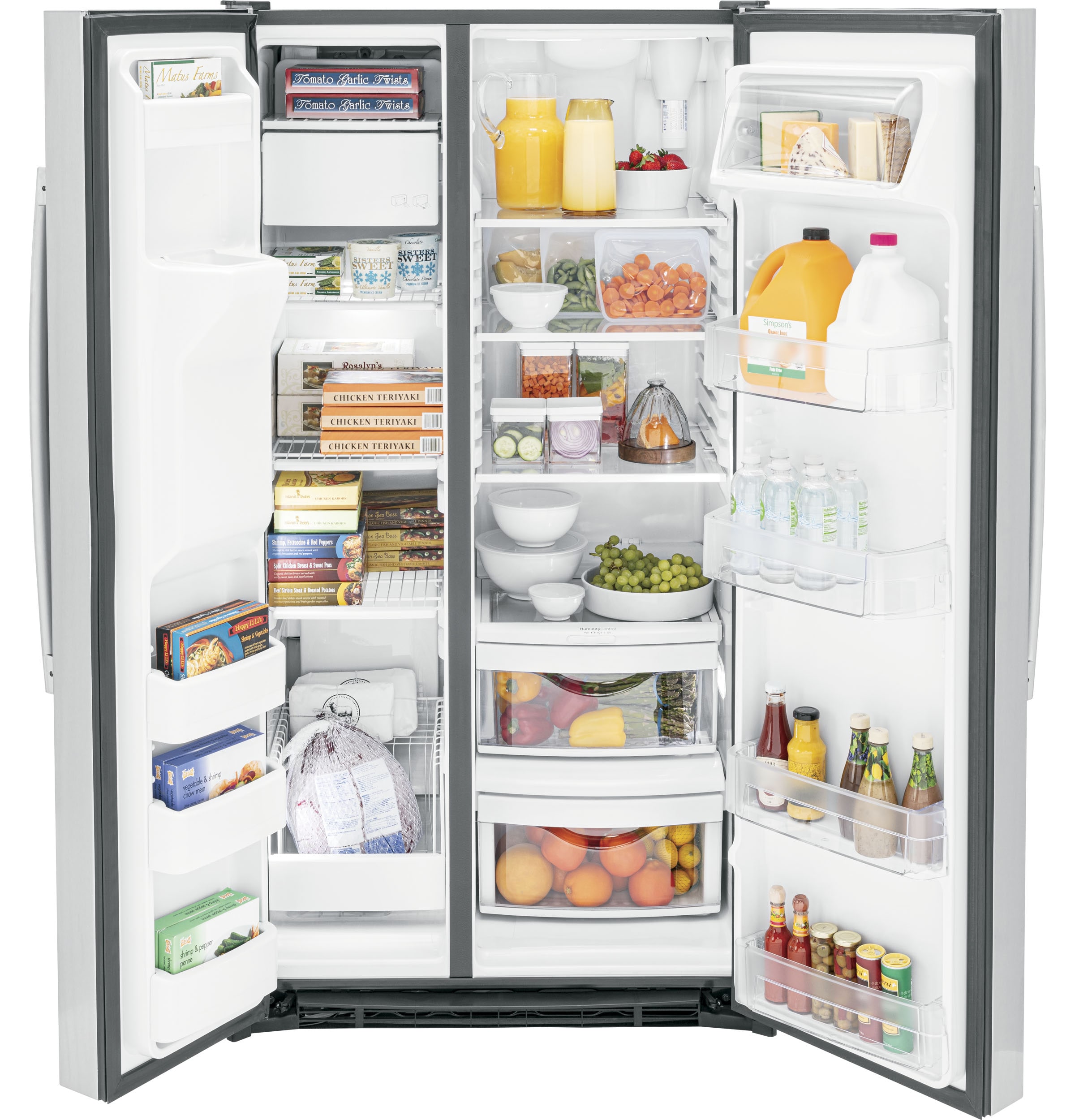
Temperature: Keep your refrigerator at or below 40°F (4°C); the crisper drawer at 32°F–36°F is ideal.
Humidity: Maintain high humidity in the crisper drawer, ideally 95% to 100%.
Location: Store lettuce in the crisper drawer, away from ethylene-producing fruit such as apples and bananas, and away from the warm door shelves.
Tips to Keep Lettuce Fresh Longer
Dry thoroughly: Make sure washed lettuce is completely dry before storage. A salad spinner removes water fast.
Use the right container: Store lettuce in a breathable perforated bag or a container you seal loosely, so moisture is not trapped inside.
Add paper towels: Line the container with paper towels to absorb condensation, and replace them whenever you see droplets or mist forming.
Use the crisper drawer: It is designed to hold the higher humidity produce needs.
Keep it cool and consistent: Store lettuce at a steady 32°F to 40°F. Temperature swings cause wilting and spoilage.
Storage Method
Estimated Shelf Life
Airtight container, paper-towel lined
7–10 days
Wrapped in paper towels, then bagged
5–7 days
Loose in the crisper drawer
3–5 days
Common Mistakes to Avoid
Overcrowding: Cramming too much lettuce into one container traps ethylene and moisture, speeding decay.
Storing with ethylene producers: Keep lettuce away from apples, bananas, and other ripening fruit.
Ignoring temperature: Avoid the warm door shelves; consistent cold is essential.
Skipping inspections: Check regularly and pull out any damaged leaves before rot spreads.
Washing before storage without drying: Do not wash lettuce ahead of time unless you dry it completely, as leftover water promotes mold and mildew.
These same principles apply to other produce, including your collard greens, beets, or avocados.
Watch for these clear indicators that lettuce is past its prime and should be discarded:
Discoloration: Brown, black, or yellowing spots on the leaves signal decay.
Slimy or wilted texture: A slippery film or limp, mushy leaves mean the lettuce has broken down.
Off odor: A sour or foul smell is a strong sign it is time to toss it.
If you spot any of these, err on the side of caution and throw the lettuce out to avoid the risk of foodborne illness. Removing spoiled leaves promptly also keeps the rot from spreading to the rest of the head.
If your lettuce has gone limp but shows no slime, discoloration, or off smell, you can often bring it back to life with cold water. These tricks save salad-worthy leaves from the compost bin.
Submerging in Ice Water
Fill a bowl or clean sink with very cold water and submerge the leaves fully. Let them soak for 15 to 30 minutes. The cold water rehydrates the cells and restores much of the crunch.
The Paper Towel Refresh
Dampen a paper towel, wrap it loosely around the greens, seal them in a plastic bag, and refrigerate overnight. The gentle humidity revives the leaves by morning.
Trim and Soak
If only part of the head is struggling, snip off any brown or damaged bits and stand the cut end in a cup or glass of water for 1 to 2 hours. The stem draws water up and firms the leaves back up.
Method
Time Needed
Submerge in ice water
15–30 minutes
Damp paper towel wrap
Overnight
Trim and soak the stem
1–2 hours
Creative Ways to Use Leftover Lettuce
Lettuce that is nearing the end of its life, but not spoiled, does not have to be wasted. Beyond salads, it works in plenty of dishes.
Smoothies and Juices
Blend a cup of leafy lettuce into a smoothie with a banana, half a cup of yogurt, and a splash of apple or orange juice. It adds vitamins and green color without overpowering the fruit, and it is an easy way to use up softer leaves.
Soups and Stews
Chopped lettuce brings a fresh note to vegetable soups and creamy purees. Stir it in during the last few minutes of cooking so it keeps some texture. For a fully cooked option, see how long does soup last in the fridge?
Wraps and Bulked-Up Salads
Sturdy leaves make excellent low-carb wraps for grilled chicken, ground turkey and salsa, or hummus with cucumber. Extra leaves also bulk up a thin salad so nothing goes to waste.
Most lettuce lasts 3 days to 2 weeks depending on type and form. Whole iceberg and romaine heads keep 1 to 2 weeks, trimmed romaine hearts about the same 1 to 2 weeks, bagged or chopped lettuce 3 to 7 days, and delicate leaf lettuce 5 to 7 days.
How long does romaine last in the fridge?
A whole head of romaine lasts 1 to 2 weeks. Romaine hearts, the trimmed inner core, keep about the same 1 to 2 weeks, and pre-chopped or bagged romaine keeps for 5 to 7 days. Keep it dry and cold in the crisper drawer.
How long does iceberg lettuce last in the fridge?
A whole head of iceberg lasts 1 to 2 weeks, thanks to its dense, crisp leaves. Once cut or shredded, use it within 3 to 5 days.
How long does green leaf lettuce last in the fridge?
Green leaf and red leaf lettuce last about 5 to 7 days as whole leaves, and 3 to 5 days once pre-washed. Wrap them in a slightly damp paper towel to slow wilting.
Does lettuce need to be refrigerated?
Yes. Lettuce should be refrigerated at or below 40°F (4°C). At room temperature it wilts quickly, so keep it cold in the crisper drawer to preserve crispness.
How long is lettuce good for once cut or bagged?
Cut, shredded, or pre-washed lettuce is more perishable than a whole head. Expect 3 to 5 days for cut iceberg and pre-washed leaf lettuce, and 5 to 7 days for chopped romaine, always stored airtight with a paper towel.
How long does it take for lettuce to go bad, and how can you tell?
Lettuce can go bad in as little as 3 days if stored wet or warm, or last up to 2 weeks when kept cold and dry. Signs it has gone bad include brown or slimy leaves, a wilted mushy texture, and a sour or off odor.
Can you revive wilted lettuce?
Often, yes, as long as it is only limp and not slimy or discolored. Soak the leaves in ice water for 15 to 30 minutes, or wrap them in a damp paper towel and refrigerate overnight to restore the crunch.
¿Cuánto dura la lechuga en el refrigerador?
La lechuga dura entre 3 días y 2 semanas en el refrigerador. Una cabeza entera de lechuga iceberg o romana se mantiene de 1 a 2 semanas, los corazones de romana también de 1 a 2 semanas, y la lechuga cortada o en bolsa de 3 a 7 días. Guárdela seca y fría, a 40°F (4°C) o menos.
For more on preserving other perishables, explore how long do kiwi last in the fridge? Proper storage not only saves money but also reduces food waste, making it an essential habit for every household.
Compare prices on Fridge.com
Compare current prices and specifications on Fridge.com, then buy from the retailer you choose; delivery, installation and warranty terms are the retailer’s.
It also has tons of awesome articles about kitchen stuff and home news. Enhance your home, garage, backyard, patio, and office with the coolest essentials. With every necessary type of residential refrigerator or freezer in the collection, you're covered.
Frequently Asked Questions
Yes. Lettuce should always be refrigerated. As a cold-loving leafy green, it wilts quickly at room temperature, where warmth speeds up wilting and spoilage. Store it at or below 40°F (4°C), ideally in the crisper drawer where humidity stays high. Refrigeration is what keeps the leaves crisp and fresh for days rather than hours.