Cabbage lasts 3 to 5 weeks in the fridge when a whole head of green or red cabbage is stored uncut in the crisper drawer. Once you cut or shred it, raw cabbage keeps for only 3 to 5 days, and cooked cabbage lasts about 3 to 5 days. Softer-leaved varieties such as savoy and napa are shorter-lived, staying fresh for roughly 1 to 2 weeks even when whole. Understanding how long cabbage lasts in the fridge is essential for minimizing waste and maintaining food safety.
Here is a quick reference for how long cabbage stays good in the refrigerator by form:
Cabbage Form
Refrigerator Shelf Life
Whole head, green or red (crisper drawer)
3 to 5 weeks
Whole head, savoy or napa
1 to 2 weeks
Halved head, wrapped
1 to 2 weeks
Cut or shredded, airtight
3 to 5 days
Cooked cabbage
3 to 5 days
Cooked cabbage dishes (rolls, soup, stir-fry)
3 to 4 days
Understanding the Basics of Cabbage Storage
When it comes to preserving cabbage, the refrigerator is your ally. Ideally, cabbage should be stored in a cool, humid environment to retain its freshness. If you've just brought home a head of cabbage from the market or pulled one from your garden, it's best to place it in the refrigerator as soon as possible.
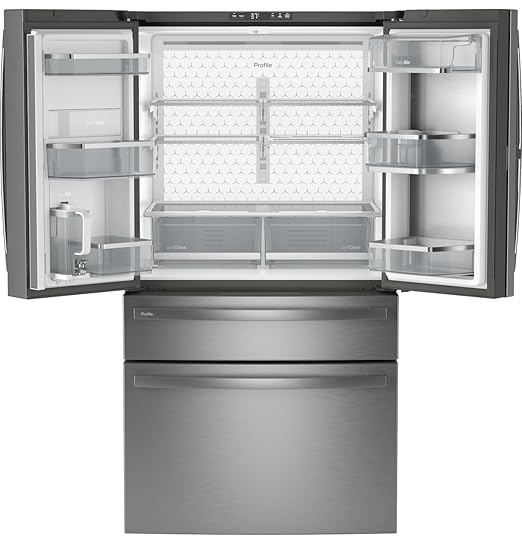
The general guideline for refrigerated cabbage is that a whole, uncut head can last between 3 to 5 weeks, depending on several factors. It's important to store it in the crisper drawer of your refrigerator to maintain the optimal humidity level. The crisper drawer is designed to keep produce like cabbage fresh for longer periods. For more information on the longevity of other vegetables, check out Fridge.com article on how long do collard greens last in the fridge?
Factors Affecting Cabbage Longevity
Several factors can influence how long your cabbage stays fresh in the fridge:
Initial Freshness: The shelf life of cabbage begins the moment it's harvested. The fresher the cabbage when you buy or harvest it, the longer it will last.
Storage Conditions: The temperature and humidity levels of your fridge play a crucial role. Cabbage thrives in temperatures just above freezing and high humidity.
Type of Cabbage: Different cabbage varieties behave differently. Dense green, white, and red cabbage hold up for weeks, while looser-leaved savoy and napa cabbage last only 1 to 2 weeks.
Whole Vs. Cut: A whole head of cabbage will typically last longer than a halved or shredded one because it retains its moisture better.
Handling: Rough handling bruises the leaves, and bruised tissue breaks down and spoils faster. Be gentle when carrying, washing, or chopping cabbage.
To give a clear picture of how these factors might affect the shelf life of cabbage, here's a table with estimated time frames:
Cabbage Type
Whole Head
Halved Head
Shredded Cabbage
Green Cabbage
3-5 weeks
1-2 weeks
3-5 days
Red Cabbage
3-5 weeks
1-2 weeks
3-5 days
Savoy Cabbage
1-2 weeks
3-7 days
3-5 days
Remember that these are estimated time frames, and actual shelf life can vary. For related topics on food freshness, you might find it helpful to read articles such as how long does lettuce last in the fridge? and how long do beets last in the fridge?, which discuss the longevity of other produce items in your refrigerator.
By understanding the basics of cabbage storage and the factors that affect its longevity, you can ensure that your cabbage remains edible and nutritious for as long as possible.
How to Choose Fresh Cabbage
Shelf life starts at the store, so picking a fresh head gives you the longest possible fridge window. A fresh cabbage keeps days longer than one that was already past its prime when you bought it.
Signs of Fresh Cabbage
Firmness: A fresh head feels solid and heavy for its size. A cabbage that feels light or spongy has likely dried out inside.
Color: Look for bright, lively leaves, a rich green for green and white varieties or a deep purple for red cabbage, with no yellowing or brown patches.
Leaves: Outer leaves should hug the head tightly rather than droop or flop loose.
Stem: Check the cut stem end. It should look fresh and slightly moist, not dried out, split, or cracked.
Smell: Fresh cabbage has a mild, faintly sweet scent. A strong or sour odor means it is past its best.
Selecting Cabbage by Variety
Type of Cabbage
What to Look For
Green Cabbage
Solid, tightly packed leaves, bright green
Red Cabbage
Rich purple color, firm feel, no spots
Savoy Cabbage
Crinkly leaves, vivid green, solid head
Napa Cabbage
Crisp, light green leaves, snugly packed
A couple of extra pointers: smaller heads tend to be sweeter while larger heads carry a more robust flavor, and because cabbage is a cool-season crop it is at its freshest and cheapest through the fall and winter months.
When it comes to refrigerating cabbage, there are a few key conditions that will help preserve its freshness. Cabbage thrives in a cool environment, typically between 32°F (0°C) and 40°F (4°C). Your fridge should maintain this temperature range to ensure the cabbage stays crisp and fresh.
Humidity also plays a vital role in cabbage storage. Ideally, you should store cabbage in a crisper drawer with a high humidity setting. This prevents the cabbage from becoming dry and wilted. Make sure the cabbage is not tightly packed with other produce to allow for proper air circulation.
Temperature
Humidity Level
32°F - 40°F
High
How to Prepare Cabbage for Refrigeration
Proper preparation before refrigerating cabbage can greatly extend its shelf life. Start by removing any loose or damaged outer leaves. These leaves are more susceptible to spoilage and can affect the rest of the cabbage if left attached.
Once the cabbage is cleaned up, it should be dried thoroughly to prevent excess moisture, which could lead to mold growth. Rather than washing the cabbage before refrigerating, it's better to wash it right before use. And only cut what you plan to use now, because a whole head keeps far longer than a cut one.
For whole cabbage heads, simply place them in the crisper drawer. If you have a half or quartered cabbage, wrap it tightly in plastic wrap or place it in a resealable bag to minimize exposure to air. If you prefer to avoid plastic, a beeswax wrap can be an effective alternative.
When you store cabbage in the fridge, keep it away from fruits that emit ethylene gas, such as apples or bananas, as this can accelerate spoilage. By following these steps, your cabbage can last anywhere from 3 weeks to up to 2 months in optimal conditions. It's also useful to know how long other items last in the fridge, from sweet tea to collard greens, to manage your fridge space efficiently.
When it comes to storing cabbage in your refrigerator, it's crucial to be able to recognize the signs of spoilage. This ensures that you consume your cabbage while it's still fresh and avoid potential food waste. Here are the visual indicators, texture changes, and shifts in smell that you should look out for.
Visual Indicators
One of the first signs that your cabbage is no longer fresh is a change in color. Fresh cabbage should have crisp, vibrant leaves. If you notice any yellowing or browning of the leaves, especially around the edges, this is an indication that the cabbage is starting to spoil. Additionally, the presence of dark spots or mold signifies that the cabbage has gone bad and should not be consumed.
Freshness Indicator
Description
Color
Bright green or purple, depending on variety
Dark Spots
Small brown or black patches
Mold
Fuzzy or slimy growth
Texture and Smell
The texture of the cabbage is another important factor to consider. Fresh cabbage should feel firm and dense. If the leaves start to feel limp, slimy, or soggy, this is a sign that the cabbage is past its prime. In terms of smell, cabbage should have a slightly earthy scent. An off or sour odor is a clear indicator that the cabbage is no longer fit for consumption.
Here's a quick reference for you to assess the texture and smell:
Sensory Indicator
Fresh
Spoiled
Texture
Firm and crisp
Limp, slimy, or soggy
Smell
Earthy
Sour or unpleasant
By being attentive to these visual cues and sensory changes, you can ensure that you're using cabbage at its best quality. If you have any doubts about whether your cabbage is still good to eat, it's always better to err on the side of caution and discard it.
For more information on how long other food items last in the fridge, explore Fridge.com articles on how long do kiwi last in the fridge? or how long does lettuce last in the fridge?. Remember, proper storage is key to extending the shelf life of your vegetables and other perishables.
To enjoy your cabbage for as long as possible, it's crucial to employ the right storage techniques. By following these tips, you can help to preserve its freshness and extend its shelf life in your refrigerator.
Proper Wrapping Techniques
When it comes to storing cabbage, the way you wrap it can make a significant difference in how long it lasts. Here are steps you can follow to properly wrap your cabbage:
Remove any loose or damaged outer leaves.
Wrap the cabbage in a damp paper towel. This helps to maintain humidity around the cabbage without making it too wet.
Place the wrapped cabbage in a perforated plastic bag. The perforations allow for some air circulation, which prevents excess moisture buildup that can lead to spoilage.
Gently press out as much air as possible before sealing the bag.
By following these steps, you create an environment that balances moisture and airflow, which is key to prolonging the freshness of your cabbage. If condensation builds up inside the bag, tuck in a fresh paper towel to soak up the extra moisture.
Location Matters in Your Fridge
The location of your cabbage within the refrigerator can also impact its longevity. The crisper drawer is typically the best spot as it is designed to hold produce at optimal humidity levels. Here are some guidelines for choosing the right location:
Store your cabbage in the high-humidity crisper drawer if your refrigerator has adjustable settings.
Avoid placing the cabbage near ethylene-producing fruits like apples and bananas, which can accelerate spoilage.
Keep it away from foods with strong odors to prevent the cabbage from absorbing unwanted smells.
By combining proper wrapping techniques with strategic refrigerator placement, you can maximize the shelf life of your cabbage. For more information on how to keep other foods fresh, check out Fridge.com articles on how long does lettuce last in the fridge? and how long do collard greens last in the fridge?.
Preserving Cabbage for the Long Term
When you have more cabbage than you can use within a few weeks, preserving it keeps that vegetable out of the trash and extends it from weeks to many months. Freezing, fermenting, pickling, and dehydrating all work well.
Freezing Cabbage
Freezing is the simplest way to stretch cabbage far beyond its fridge life. Blanch it first to preserve texture, color, and flavor:
Rinse the cabbage under cold water and discard any torn or wilted outer leaves.
Cut it into wedges or shred it, whichever suits how you plan to cook it later.
Blanch in boiling water for about 1.5 to 3 minutes.
Move it straight into an ice bath to stop the cooking, then drain and pat it dry.
Pack it into freezer-safe bags or containers, pressing out the air, and label with the date.
Stored this way, blanched cabbage keeps its best quality for 9 to 14 months in the freezer. Frozen cabbage is best used in cooked dishes such as soups, stir-fries, and casseroles rather than raw slaws.
Fermenting Cabbage
Fermenting both preserves cabbage and boosts it with probiotics, turning it into sauerkraut or kimchi. The basic method is straightforward:
Shred the cabbage finely.
Mix it with salt, using roughly one tablespoon of salt per pound of cabbage.
Pack it tightly into a clean jar, pressing down so the cabbage releases its juices and stays submerged.
Weigh it down to keep it under the brine, cover loosely, and let it ferment at room temperature.
Taste every few days until it reaches the tang you like, usually anywhere from 1 to 4 weeks.
Once fermented to your taste, move the jar to the fridge, where sauerkraut and other fermented cabbage keep for several months.
Pickling and Dehydrating
Pickling: Chop the cabbage and soak it in a mix of vinegar, a little sugar, and spices for tangy pickled cabbage that keeps for weeks in the fridge.
Dehydrating: Dry shredded cabbage in a dehydrator to make crisp cabbage chips or dried flakes that store for months and drop straight into soups and stews.
If your cabbage is nearing the end of its fridge life, cooking it is the best way to avoid waste. Cabbage is versatile enough to stretch across a whole week of meals:
Dish
How to Use Cabbage
Coleslaw
Shred cabbage, add carrots, and toss with a creamy or vinegar dressing for a crisp side.
Stir-Fry
Slice and stir-fry with other vegetables and a protein; cabbage crisps up and soaks in flavor.
Cabbage Soup
Simmer shredded cabbage in broth with leftover vegetables and spices for a filling soup.
Stuffed Cabbage Rolls
Blanch whole leaves, fill with rice and meat, roll, and bake in tomato sauce.
Tacos
Shred raw cabbage over tacos for a fresh crunch that holds up better than lettuce.
Sauerkraut or Kimchi
Ferment shredded cabbage to preserve it and add a probiotic punch.
These common inquiries provide insights into preserving cabbage and identifying signs of spoilage.
How Long Does Raw Cabbage Last in the Fridge?
A whole, uncut head of raw green, white, or red cabbage lasts 3 to 5 weeks in the crisper drawer, while savoy and napa hold for 1 to 2 weeks. Once raw cabbage is cut or shredded, use it within 3 to 5 days, since the exposed surfaces dry out and spoil more quickly.
How Long Does Cut or Shredded Cabbage Last in the Fridge?
Cut cabbage lasts 3 to 5 days when wrapped tightly or sealed in an airtight container. Shredded cabbage sits at the shorter end of that range because it has the most exposed surface area. Store it dry, and add a paper towel to the container to absorb moisture.
How Long Does Cooked Cabbage Last in the Fridge?
Cooked cabbage lasts 3 to 5 days in the refrigerator when stored in an airtight container. Cooked cabbage dishes that include other ingredients, such as stuffed cabbage rolls, soup, or stir-fry, are best eaten within 3 to 4 days.
Does White Cabbage Last as Long as Green Cabbage?
Yes. White cabbage is simply a pale, tightly packed form of green cabbage, and a whole head keeps for the same 3 to 5 weeks in the fridge. Denser heads like green, white, and red cabbage outlast the looser-leaved savoy and napa varieties, which last about 1 to 2 weeks.
Can You Freeze Cabbage?
Yes, you can freeze cabbage. It's a practical way to extend its shelf life beyond refrigeration. Before freezing, blanching the cabbage can help maintain its texture and flavor. Cut the cabbage into wedges or shreds, then blanch for about 1.5 to 3 minutes. Cool it promptly in ice water, drain, and pack it in freezer bags. When stored properly, frozen cabbage can last for 9-14 months.
Does Cabbage Go Bad in the Fridge, and How Do You Know?
Cabbage does go bad, even in the fridge. It has gone bad when you see dark or black spots, mold, or heavy yellowing, when the leaves feel slimy or soggy instead of firm, or when it gives off a sour rather than earthy smell. Any one of these signs means you should discard the cabbage to avoid potential foodborne illness. Peeling off a few slimy or discolored outer leaves is fine as long as the inner head is still firm, crisp, and fresh-smelling.
Does Cabbage Last Longer Whole or Shredded?
Cabbage tends to last longer when kept whole. The intact outer leaves provide protection to the inner leaves, reducing exposure to air and moisture that can accelerate spoilage. Whole cabbage can last in the fridge for 1-2 months, while shredded cabbage has a shorter lifespan of 1-2 weeks due to the increased surface area and vulnerability to spoilage.
Cabbage State
Fridge Lifespan
Whole
1-2 months
Shredded
1-2 weeks
For more tips on food storage and shelf life, explore Fridge.com articles on topics like how long does lettuce last in the fridge? and how long do collard greens last in the fridge?.
Compare prices on Fridge.com
Compare current prices and specifications on Fridge.com, then buy from the retailer you choose; delivery, installation and warranty terms are the retailer’s.
It also has tons of awesome articles about kitchen stuff and home news. Enhance your home, garage, backyard, patio, and office with the coolest essentials. With every necessary type of residential refrigerator or freezer in the collection, you're covered.
Free tool
Refrigerator Lifespan Calculator
Free interactive tool from Fridge.com — get a quick answer while you read.