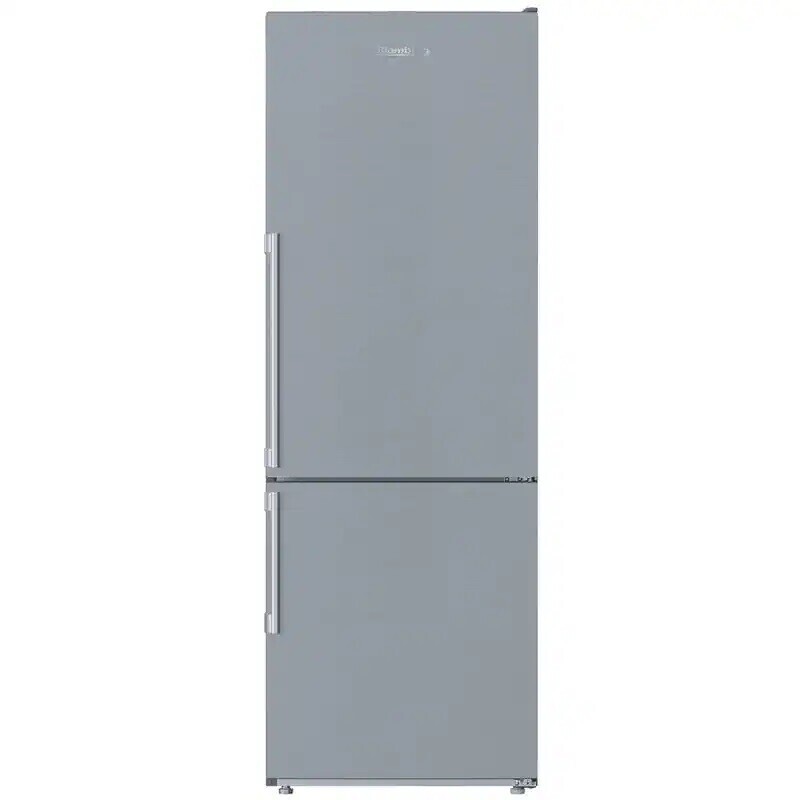
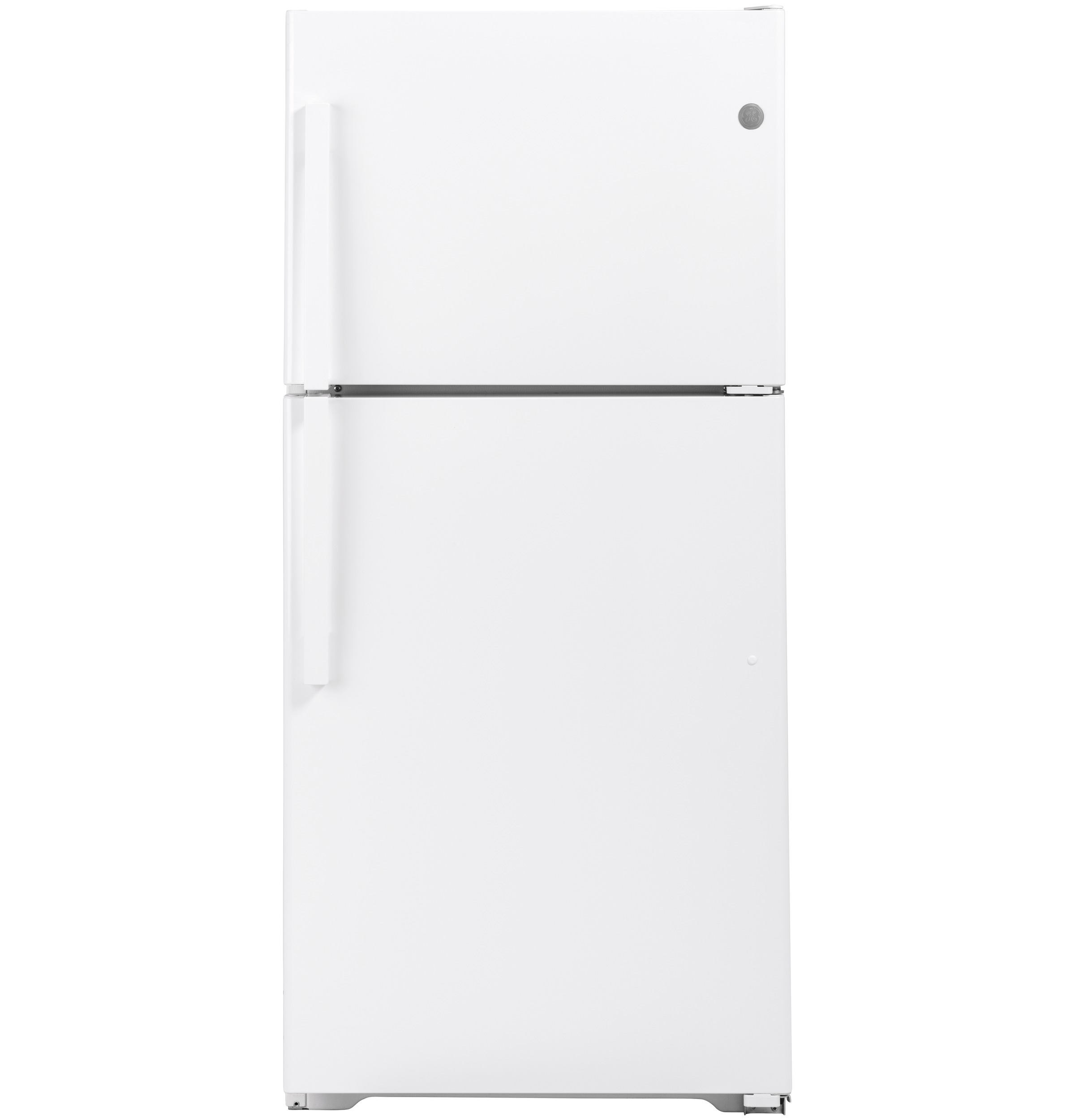
The USDA recommends keeping your refrigerator at 40°F (4°C) or below to slow bacterial growth.
Never leave tuna salad out for more than 2 hours; in warm conditions above 90°F (32°C), that limit drops to just 1 hour.
Once opened, consume it within 3 to 5 days — and within 3 to 4 days to stay on the conservative side — always keeping it in a refrigerator set to the right temperature.
Even kept refrigerated and sealed, opened tuna salad should be eaten within 3 to 5 days.
Tuna salad lasts 3 to 5 days in the refrigerator when it is sealed in an airtight container and kept at or below 40°F (4°C). Some guidance is more conservative, suggesting you finish prepared tuna salad within 3 to 4 days, and any batch left at room temperature for more than 2 hours — or just 1 hour when the room is above 90°F (32°C) — should be thrown out. Store-bought tubs keep until their printed ‘use by’ date while unopened and 3 to 5 days once opened, and frozen tuna salad holds acceptable quality for about 1 to 2 months. The guide below breaks down exact storage times, the container and temperature that extend them, how to spot spoilage, how to freeze and thaw safely, and answers to the most common tuna salad questions.
Storing Tuna Salad in the Refrigerator
Proper refrigeration is what keeps tuna salad both fresh and safe. Store it correctly and you get the full 3-to-5-day window; store it poorly and mayonnaise-based salad can turn in a day.
Proper Storage Guidelines
Store tuna salad in a shallow, airtight container. This keeps out contaminants, stops the salad from absorbing odors from other foods, and slows moisture loss. Refrigerate leftovers promptly to limit the time the salad spends at room temperature, and label the container with the date you made it so you can track the 3-to-5-day window and cut down on waste.
Action
Recommendation
Storage Container
Airtight, shallow containers
Refrigeration Timing
Within 2 hours of preparation
Storage Location
Coldest part of the refrigerator
Choosing the Right Container
The container itself affects how long the salad keeps. Choose a sealed container just large enough for the amount of salad, so there is little trapped air. Glass and BPA-free plastic are the best choices; avoid storing tuna salad in an opened metal can, as the metal can affect the flavor and open cans are only safe for a short time.
Container Type
How Long It Lasts
Glass with a tight lid
Up to 5 days
BPA-free plastic with a tight lid
3 to 4 days
Opened metal can
No more than 2 days
Importance of Refrigeration Temperature
Temperature is the single biggest factor in how long tuna salad stays safe. The USDA recommends keeping your refrigerator at 40°F (4°C) or below to slow bacterial growth. Tuna salad held above this range can spoil rapidly and become unsafe to eat.
Refrigerator Part
Temperature Range
Main Compartment
32°F to 40°F (0°C to 4°C)
Door Shelves
Slightly warmer than the main compartment
Avoid the door shelves, where the temperature is least stable and often warmer than the rest of the fridge. The most consistent spot is the back of the bottom shelf, so place your container there rather than on the door or in a crisper drawer. Use a fridge thermometer to confirm the temperature, since built-in dials are not always accurate.
Whether you mixed up a batch of homemade tuna salad or bought a store-made tub, the guidelines below tell you how many days it stays good in the refrigerator. As a rule, prepared tuna salad keeps 3 to 5 days; some guidance is more cautious at a 3-to-4-day limit, so when in doubt use the shorter figure.
Freshly Made Tuna Salad
Homemade tuna salad should go into an airtight container right away. Stored properly at or below 40°F (4°C), it lasts 3 to 5 days. Refrigerate it within two hours of preparation to avoid bacterial growth, and toward the end of that window rely on the shorter 3-to-4-day guideline if the salad contains a lot of fresh vegetables, which spoil faster than the tuna.
Store-bought tuna salad comes with a ‘use by’ or ‘best before’ date, and it is a good rule of thumb to follow it for peak quality. Unopened and refrigerated, store-bought tuna salad can usually be kept until that date. Once opened, consume it within 3 to 5 days — and within 3 to 4 days to stay on the conservative side — always keeping it in a refrigerator set to the right temperature.
Packaging
Shelf Life
Unopened (store-bought)
By ‘use by’ date
Opened
3 to 5 days (3 to 4 to be safe)
Opened Tuna Salad Container
Once a container of store-bought tuna salad is opened, the clock starts on its freshness. Even kept refrigerated and sealed, opened tuna salad should be eaten within 3 to 5 days. Always use clean utensils to scoop it out so you do not introduce bacteria into the container.
Knowing when tuna salad has gone bad is critical for food safety. Trust your senses — a quick look, sniff, and check of the texture will usually tell you whether to eat it or toss it.
Visual Cues
Visual inspection is often the first warning. Any discoloration — a dull look or areas that have turned grayish, brown, or green — should raise concern, as should wilting or darkening vegetables. Pooling liquid or ingredients that have separated is another red flag. Mold, which may appear as fuzzy white, green, or black spots, means the salad has spoiled and must be discarded.
Smell Test
Spoiled tuna salad has an off-putting smell. Fresh tuna salad has a clean, mild, slightly briny scent. If you detect any sour, rancid, or overly fishy odor, it is a strong sign the salad is no longer safe. Trust your nose — if the smell makes you hesitate, throw it out.
Texture Changes
Texture is the final tell. If the salad feels excessively slimy, or the mayonnaise-based dressing has separated and gone watery, bacteria have started to break down the ingredients. A creamy salad turning either slimy or dried out is a clear sign it has gone bad.
Always inspect tuna salad before eating, especially after several days in the fridge. For more on storing similar items, see how long does fresh tuna last in the fridge? and how long does mayo last in the fridge?.
Extending Shelf Life
A few simple practices help tuna salad stay fresh and safe for as long as possible.
Repackaging Tuna Salad
How the salad is packaged makes a real difference, because reducing air exposure limits both spoilage and drying out. To repackage tuna salad effectively:
Transfer the salad into a clean, dry, airtight container.
Press a piece of plastic wrap directly onto the surface of the salad before sealing to eliminate air pockets and prevent oxidation.
Seal the container tightly and label it with the current date so you can track how long it has been stored.
Adding Fresh Ingredients
Stirring in fresh ingredients can revive tuna salad and improve its texture. Consider mixing in:
Chopped celery or apple for crunch.
Fresh herbs such as dill or parsley for flavor.
A squeeze of lemon juice or a splash of vinegar — the added acidity brightens the flavor and helps hold bacteria at bay.
Even with fresh additions, consume the salad within the recommended time frame. Because mayonnaise and lemon are common tuna salad components, Fridge.com guides on how long does fresh tuna last in the fridge? and how long does mayo last in the fridge? are useful references.
Good handling extends the life of refrigerated tuna salad and keeps it safe to eat.
Avoiding Temperature Abuse
Temperature abuse happens when food sits at room temperature long enough for bacteria to multiply. Never leave tuna salad out for more than 2 hours; in warm conditions above 90°F (32°C), that limit drops to just 1 hour. After serving, return it to the refrigerator promptly and keep it below 40°F. A fridge thermometer is more reliable than the built-in dial for confirming the temperature.
Preventing Cross-Contamination
Cross-contamination transfers bacteria from one food to another. To avoid it:
Wash your hands thoroughly with soap and water before and after handling tuna salad.
Use separate utensils and cutting boards for raw ingredients and ready-to-eat foods.
Use a container with a tight-fitting lid and store it away from raw meats to prevent drip contamination.
Regularly clean refrigerator shelves and compartments to stop bacteria from spreading.
Freezing can extend tuna salad well beyond its refrigerator life, but the results depend heavily on the dressing. Mayonnaise- and yogurt-based salads tend to separate and turn watery once thawed, so they freeze poorly; vinegar- or oil-based salads freeze much better. A good workaround is to freeze the tuna mixture without the mayonnaise and stir in fresh mayo after thawing.
To freeze tuna salad:
Portion it: Divide the salad into single servings so you thaw only what you need.
Use freezer-safe containers: Pack it into airtight containers or heavy-duty freezer bags, pressing out as much air as possible and leaving a little headspace for expansion to prevent freezer burn.
Label it: Mark each container with the freezing date.
Frozen tuna salad keeps its quality for about 1 to 2 months.
Dressing Type
Freezing Suitability
Shelf Life (Frozen)
Mayonnaise- or yogurt-based
Not recommended (separates)
Best eaten fresh
Vinegar- or oil-based
Suitable
1 to 2 months
Thawing Frozen Tuna Salad
Thaw frozen tuna salad in the refrigerator overnight rather than on the counter, which keeps it out of the temperature range where bacteria grow fastest. Once thawed, stir well to recombine any separated ingredients, and freshen it up with chopped celery or a squeeze of lemon juice if the texture has changed. Eat thawed tuna salad within 1 to 2 days and never refreeze it.
Tuna salad is meant to be eaten cold, and reheating a mayonnaise-based salad usually causes the dressing to separate and the ingredients to turn mushy. Reheating only makes sense when the salad contains elements that benefit from warming, such as cooked pasta, potatoes, or grains. If you do warm it, heat it thoroughly to an internal temperature of 165°F (74°C), reheat only once, and eat it immediately — repeatedly heating and cooling raises the risk of foodborne illness.
Microwave Method
The microwave is quick. For even heating and no splatter:
Place the tuna salad in a microwave-safe dish.
Cover with a microwave-safe lid or wrap, leaving a small corner open for steam to escape.
Use a low power or defrost setting to avoid overheating.
Heat in short 15-to-20-second intervals, stirring in between to distribute the heat.
Check after each interval and stop once it reaches the warmth you want.
Stovetop Method
The stovetop gives you more control over the temperature:
Transfer the tuna salad into a heat-resistant bowl.
Bring a few inches of water to a simmer in a pot.
Set the bowl over the pot without letting it touch the water (a double boiler).
Stir occasionally as it warms.
Remove from the heat once it reaches a lukewarm temperature.
The double boiler warms the salad gently, preserving its creamy texture. Do not let it sit out at room temperature while you work, and discard any reheated leftovers rather than cooling and reheating a second time.
Creative Ways to Use Leftover Tuna Salad
If you have leftover tuna salad that is still within its safe window, there are plenty of ways to repurpose it. Just check for signs of spoilage first.
Tuna Salad Sandwiches
A classic for good reason — quick, filling, and endlessly customizable.
Ingredients: leftover tuna salad, bread of choice, plus lettuce, tomato, and any preferred toppings.
Take two slices of bread.
Add a generous layer of tuna salad to one slice.
Top with lettuce, tomato, and any extras you like.
Close with the second slice and serve.
For the best texture, store the salad and bread separately and assemble the sandwich just before eating so the bread does not go soggy.
Tuna Salad Wraps
A lighter, portable alternative to sandwiches.
Ingredients: leftover tuna salad, tortillas or wraps (whole wheat, gluten-free, etc.), greens such as spinach or arugula, and fillings like sliced cucumber or bell pepper.
Lay out a tortilla or wrap.
Spread tuna salad across the center.
Add greens and your chosen fillings.
Roll tightly, tucking in the ends, then cut in half.
Prepared tuna salad, whether homemade or store-bought and opened, lasts 3 to 5 days in the refrigerator when sealed in an airtight container at or below 40°F (4°C). Some guidance is more conservative at 3 to 4 days, so use the shorter figure if you want to stay firmly on the safe side.
How long is tuna salad with mayonnaise good for in the fridge?
Mayonnaise-based tuna salad keeps for the same 3 to 5 days as long as it stays refrigerated below 40°F. Mayonnaise does not shorten that window on its own, but it does make spoilage easier to see: if the dressing separates, turns watery, or smells sour, discard the salad.
How long can tuna salad sit out at room temperature?
No more than 2 hours, and only 1 hour if the surrounding temperature is above 90°F (32°C). Beyond that, bacteria multiply to unsafe levels and the salad should be thrown away, even if it looks and smells fine.
Can you freeze tuna salad?
Yes, for about 1 to 2 months, though the texture may change. Mayonnaise- and yogurt-based salads tend to separate when thawed, so they freeze poorly; freeze the tuna mixture plain and add fresh mayo after thawing, or freeze a vinegar- or oil-based salad instead. Thaw in the refrigerator overnight, eat within 1 to 2 days, and do not refreeze.
How can you tell if tuna salad has gone bad?
Look for discoloration or a grayish, brown, or green tint; smell for any sour, rancid, or off odor; and check the texture for sliminess, watery separation, or dryness. Any mold means the salad must be discarded. When in doubt, throw it out.
Can you reheat tuna salad?
Tuna salad is best eaten cold. Reheat it only if it contains warm-friendly elements such as pasta or potatoes, heat it thoroughly to 165°F (74°C), reheat it only once, and eat it right away. Mayonnaise-based salad generally does not reheat well because the dressing separates.
Does tuna salad have an expiration date?
Store-bought tuna salad carries a ‘use by’ or ‘best before’ date; follow it while unopened and eat within 3 to 5 days after opening. Homemade tuna salad has no printed date, so label the container with the day you made it and use the 3-to-5-day (or conservative 3-to-4-day) rule to track it.
Frequently Asked Questions
Whether you mixed up a batch of homemade tuna salad or bought a store-made tub, the guidelines below tell you how many days it stays good in the refrigerator. As a rule, prepared tuna salad keeps 3 to 5 days; some guidance is more cautious at a 3-to-4-day limit, so when in doubt use the shorter figure.