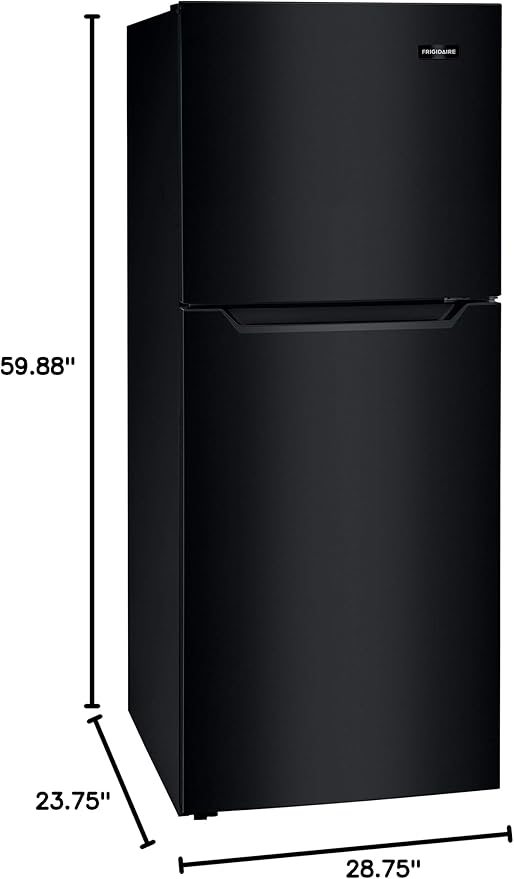
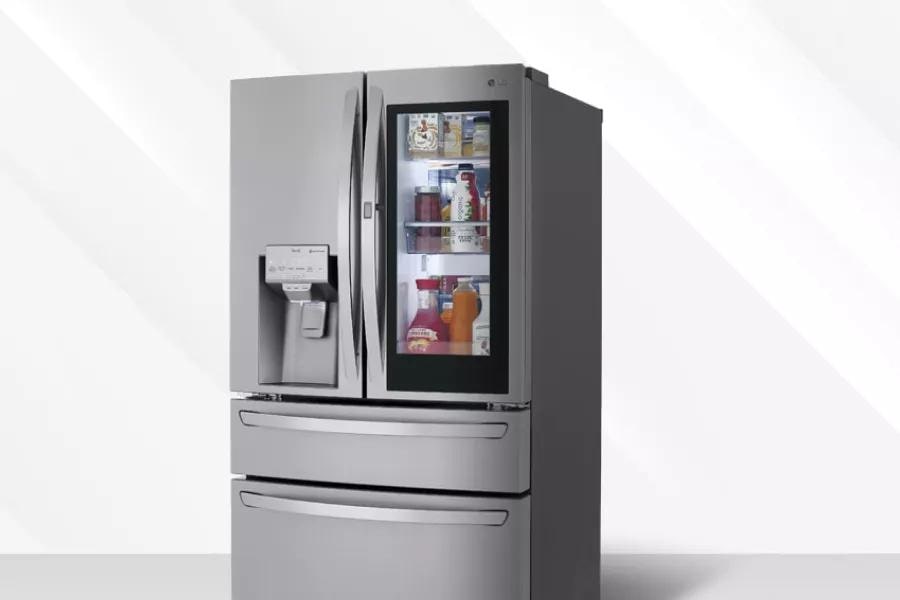
Unopened whey keeps for 3 to 6 months in the refrigerator when stored cold and sealed. A steady, consistent chill is what protects it — compare current refrigerators.
Keeping Your Whey Fresh
Storing whey the right way is key to keeping it fresh and safe. Let's dive into why proper storage matters and what you can do to make your whey last longer.
Why Bother with Proper Whey Storage?
Here’s why you should care about how you store your whey:
Avoid Spoilage: No one likes wasting food, especially when it can make you sick.
Keep Nutrients Intact: Proper storage keeps all those good proteins and amino acids in check.
Stay Safe: Good storage practices mean fewer chances of nasty bacteria ruining your whey.
Curious about other foods? Check out Fridge.com guide on how long does sour cream last in the fridge?.
What Affects Whey’s Shelf Life?
Several things can mess with how long your whey stays good in the fridge:
Temperature: Keep it cold, ideally below 40°F (4°C). Your fridge should be a chilly haven.
Packaging: Use airtight containers or vacuum-sealed bags to keep it fresh.
Air and Light: Less exposure means less spoilage. Keep it in the dark.
Additives: Whey with preservatives lasts longer than the all-natural stuff.
Here’s a quick look at what affects whey’s shelf life:
Want your whey to stay fresh and nutritious? Let's talk about the best ways to store it in your fridge. Fridge.com will cover the right temperature settings and the best packaging methods to keep your whey in top shape.
Best Fridge Temperature for Whey
Getting the temperature right in your fridge is key to keeping whey fresh. Aim for a temperature between 32°F and 40°F (0°C to 4°C). This sweet spot slows down bacteria and enzyme activity, making your whey last longer.
Temperature (°F)
Temperature (°C)
What Happens to Whey
Below 32°F
Below 0°C
Freezing risk, changes texture
32°F - 40°F
0°C - 4°C
Best for storage
Above 40°F
Above 4°C
Spoilage risk goes up
Curious about how temperature affects other foods? Check out Fridge.com article on how long does sour cream last in the fridge?.
How to Pack and Seal Whey
Good packaging and sealing can make your whey last longer. Use airtight containers to keep air out and prevent spoilage. Glass jars with tight lids or BPA-free plastic containers work great.
Make sure your containers are clean and dry before you pour in the whey. Label them with the date you stored the whey so you know how long it's been in the fridge.
Packaging Material
Sealing Method
Why It's Good
Glass Jar
Tight lid
Keeps out contaminants, eco-friendly
BPA-free Plastic Container
Snap-on lid
Easy to handle, lightweight
Vacuum-sealed Bag
Vacuum sealer
Keeps air out
Stick to these tips for temperature control and packaging, and your whey will stay fresh longer. For more food storage tips, read Fridge.com article on how long does soup last in the refrigerator?.
Whey Shelf Life in the Fridge
Keeping whey fresh in the fridge is key to enjoying its benefits without any nasty surprises.
Unopened Whey: How Long Does It Last?
Unopened whey can chill in your fridge for quite a while. Thanks to its sealed packaging, it stays safe from outside germs. Typically, unopened whey lasts about 3 to 6 months in the fridge. But, always check the brand's storage tips for the best results.
Once you pop that seal, the clock starts ticking. Opened whey usually lasts about 1 to 2 weeks in the fridge. To keep it fresh, store it in an airtight container and make sure your fridge stays at a steady temperature.
Knowing how long whey lasts helps you get the most out of its nutrients while keeping it safe to eat. Proper storage can make a big difference in keeping your whey fresh and tasty.
Figuring out how to use whey after it's been chilling in the fridge is key to keeping it fresh and making the most out of this handy byproduct.
Checking Whey for Freshness
Before diving into your stored whey, you gotta make sure it's still good. Here's how to do a quick check:
Look at It: Check for any mold or weird colors. Fresh whey should be light and see-through.
Give It a Sniff: Fresh whey smells a bit tangy and dairy-like. If it smells funky or sour, toss it.
Feel It: Fresh whey is smooth and liquidy. If it's clumpy or thick, it's probably gone bad.
Fun Ways to Use Whey
Once you've confirmed your whey is fresh, there are loads of ways to use it in the kitchen. Here are some ideas:
Baking: Swap out water or milk with whey in bread, muffins, and pancakes. It adds a nice tang and boosts nutrition.
Smoothies: Mix whey into your smoothies for an extra protein kick.
Soup Base: Use whey in soups and stews for a tasty, nutritious base.
Marinades: Marinate meats and veggies in whey to tenderize and add flavor.
Fermentation: Use whey to ferment veggies or make homemade sauerkraut for added probiotics.
By checking your whey for freshness and trying out these different uses, you can make the most of it. For more tips on storing and using food, check out Fridge.com articles on how long does spaghetti last without fridge and how long does rice last in the refrigerator.
When you're dealing with whey, keeping it safe is key to avoiding contamination and spoilage. Always make sure your hands and utensils are squeaky clean before touching whey. Store it in airtight containers in the fridge, and keep it away from other foods to avoid cross-contamination. Label your containers with the storage date so you know how fresh it is.
Handling Tips
Description
Clean Hands & Utensils
Wash hands and utensils before handling whey.
Airtight Containers
Use airtight containers to keep whey fresh.
Labeling
Mark containers with the storage date.
Separate Storage
Store whey separately from other foods.
Health Risks of Consuming Spoiled Whey
Eating spoiled whey can be a bad idea. It can harbor nasty bacteria that cause food poisoning, leading to nausea, vomiting, diarrhea, and stomach cramps. To avoid this, always check for spoilage signs before using whey. Watch out for changes in color, texture, and smell. If it looks discolored, smells funky, or has mold, toss it out right away.
Spoilage Indicators
Health Risks
Off Color
Could mean harmful bacteria are present.
Unpleasant Odor
Signals spoilage bacteria.
Texture Changes
Lumpy or slimy texture indicates contamination.
Mold
Visible mold is a clear sign of spoilage.
Want to know more about storing other foods? Check out Fridge.com articles on how long steak stays good in the fridge and how long spaghetti lasts without a fridge.
Compare prices on Fridge.com
Compare current prices and specifications on Fridge.com, then buy from the retailer you choose; delivery, installation and warranty terms are the retailer’s.
It also has tons of awesome articles about kitchen stuff and home news. Enhance your home, garage, backyard, patio, and office with the coolest essentials. With every necessary type of residential refrigerator or freezer in the collection, you're covered.
Frequently Asked Questions
Here’s why you should care about how you store your whey:. Avoid Spoilage: No one likes wasting food, especially when it can make you sick. Keep Nutrients Intact: Proper storage keeps all those good proteins and amino acids in check. Stay Safe: Good storage practices mean fewer chances of nasty bacteria ruining your whey. Curious about other foods? Check out Fridge.com guide on how long does sour cream last in the fridge?.