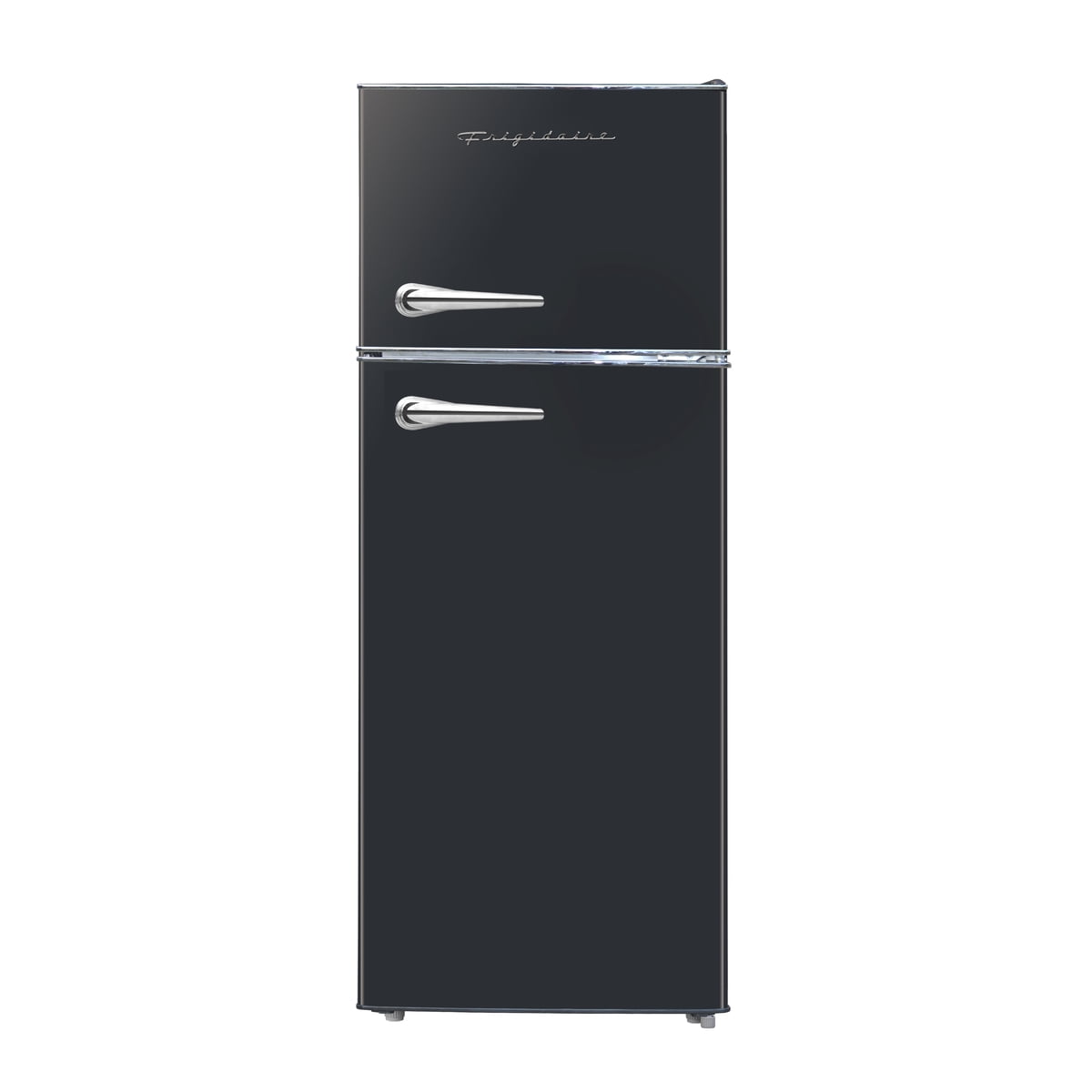
Storing edible fats in your fridge the right way is key to keeping them fresh and tasty. Let's break down why this matters and what can mess with their shelf life.
Why Storage Matters
When you store fats like butter, margarine, and lard properly, you keep their taste, texture, and nutritional value intact. Mess it up, and you risk spoilage, which means wasted food and money. So, getting it right is a win-win.
What Affects Shelf Life?
Several things can mess with how long your fats stay good in the fridge:
Temperature: Keep it cool and steady. Your fridge should be between 35°F and 40°F (1.6°C and 4.4°C). Too warm or too cold, and you're asking for trouble.
Packaging: Airtight containers or the original packaging are your best friends. They keep out moisture and other nasties.
Light: Light can make fats go bad faster. Use opaque containers or stash them in the darkest part of your fridge.
Cleanliness: Always use clean utensils to avoid introducing bacteria. Dirty spoons or knives can speed up spoilage.
Knowing these tricks helps you keep your fats fresh longer. Want more tips on keeping other foods fresh? Check out Fridge.com article on how long can fridge food last without power?.
By paying attention to these details, you can make sure your fats stay fresh and safe to eat. For more specific tips on different types of fats, head over to Fridge.com section on proper storage tips.
Wondering how long your fats can chill in the fridge? Let's break down the shelf life of three kitchen staples: butter, margarine, and lard.
Butter
Butter's a kitchen classic, perfect for cooking and baking. Made from churned cream, it’s got that rich flavor we all love. But how long does it last in the fridge?
Butter Type
Refrigerated Shelf Life
Salted Butter
1 - 3 months
Unsalted Butter
1 - 2 months
To keep your butter fresh, store it in its original wrapping or an airtight container. This keeps it from soaking up fridge smells and growing mold.
Margarine
Margarine, the butter wannabe, is made from vegetable oils and water. It’s a go-to for spreading and cooking, and it lasts longer than butter.
Keeping your edible fats fresh in the fridge is key to enjoying their best flavor and avoiding any nasty surprises. Let's break down how long butter, margarine, and lard can hang out in your fridge before they go bad.
Butter Shelf Life
Butter is a staple in most kitchens, and it can last quite a while if you store it right. The type of butter you have—salted or unsalted—makes a difference.
Type of Butter
Shelf Life in the Fridge
Salted Butter
1 - 3 months
Unsalted Butter
1 - 2 months
Salted butter sticks around longer because the salt acts as a natural preservative. For the best taste, keep your butter in its original wrapper or a sealed container.
Margarine Shelf Life
Margarine, the butter wannabe, also has a decent fridge life. Thanks to preservatives and stabilizers, it can last quite a bit.
Type of Margarine
Shelf Life in the Fridge
Regular Margarine
4 - 5 months
Reduced-Fat Margarine
2 - 3 months
Regular margarine outlasts the reduced-fat kind. Always keep the lid tight to keep it fresh.
Lard Shelf Life
Lard, which is pork fat, can last a good while in the fridge if stored right.
Type of Lard
Shelf Life in the Fridge
Rendered Lard
6 months
Leaf Lard
6 months
Keep lard in an airtight container to keep it from picking up fridge smells or getting soggy. Check it now and then for any weird smells or textures.
Storing fats like butter, margarine, and lard in the fridge is a smart move, but you gotta know when they've turned. Here’s how to spot if your fats have gone bad.
Rancidity
Rancidity is the big red flag. When fats go rancid, they oxidize, leading to nasty flavors and smells. Light, heat, and air speed this up. Rancid fats taste sharp and bitter—definitely not what you want on your toast.
Edible Fat
Shelf Life (Fridge)
Rancid Signs
Butter
1 - 3 months
Sharp, bitter taste
Margarine
4 - 6 months
Sour or metallic taste
Lard
6 months
Musty or soapy taste
Texture Changes
Texture is another giveaway. Fresh fats should be smooth. If your butter, margarine, or lard turns grainy, lumpy, or rock-hard, it’s time to toss it.
Edible Fat
Normal Texture
Spoiled Texture
Butter
Smooth and creamy
Grainy or lumpy
Margarine
Spreadable
Crumbly or separated
Lard
Smooth and firm
Hard or brittle
Funky Smells
If your fats smell off, they probably are. Fresh fats smell neutral or pleasant. Spoiled ones? Not so much. Think sour, musty, or just plain rancid. Trust your nose—if it smells weird, ditch it.
Edible Fat
Normal Smell
Off Smells
Butter
Mild, creamy
Sour or rancid
Margarine
Neutral or buttery
Metallic or musty
Lard
Neutral
Soapy or musty
Keeping an eye out for these signs can help you keep your fats fresh and safe. Want more tips on fridge storage? Check out these articles: how long can green juice stay in the fridge, how long can ground turkey be in the fridge, and how long can fresh steak stay in the fridge. Regular checks and proper storage can keep your fridge goodies in top shape.
Follow these tips, and your edible fats will stay fresh and safe to eat for as long as possible.
Frequently Asked Questions
Several things can mess with how long your fats stay good in the fridge:. Temperature: Keep it cool and steady. Your fridge should be between 35°F and 40°F (1.6°C and 4.4°C). Too warm or too cold, and you're asking for trouble. Packaging: Airtight containers or the original packaging are your best friends. They keep out moisture and other nasties. Light: Light can make fats go bad faster. Use opaque containers or stash them in the darkest part of your fridge. Cleanliness: Always use clean utensils to avoid introducing bacteria. Dirty spoons or knives can speed up spoilage. Knowing these tricks helps you keep your fats fresh longer. Want more tips on keeping other foods fresh? Check out Fridge.com article on how long can fridge food last without power?. By paying attention to these details, you can make sure your fats stay fresh and safe to eat. For more specific tips on different types of fats, head over to Fridge.com section on proper storage tips. And if you're curious about other foods, like how long can guinea fowl last in the fridge?, Fridge.com has you covered there too.