When comparing a compact refrigerator to an upright freezer, it's essential to understand their fundamental differences. Both appliances serve distinct purposes and cater to diverse needs. Knowing these differences helps you make an informed decision based on your specific requirements.
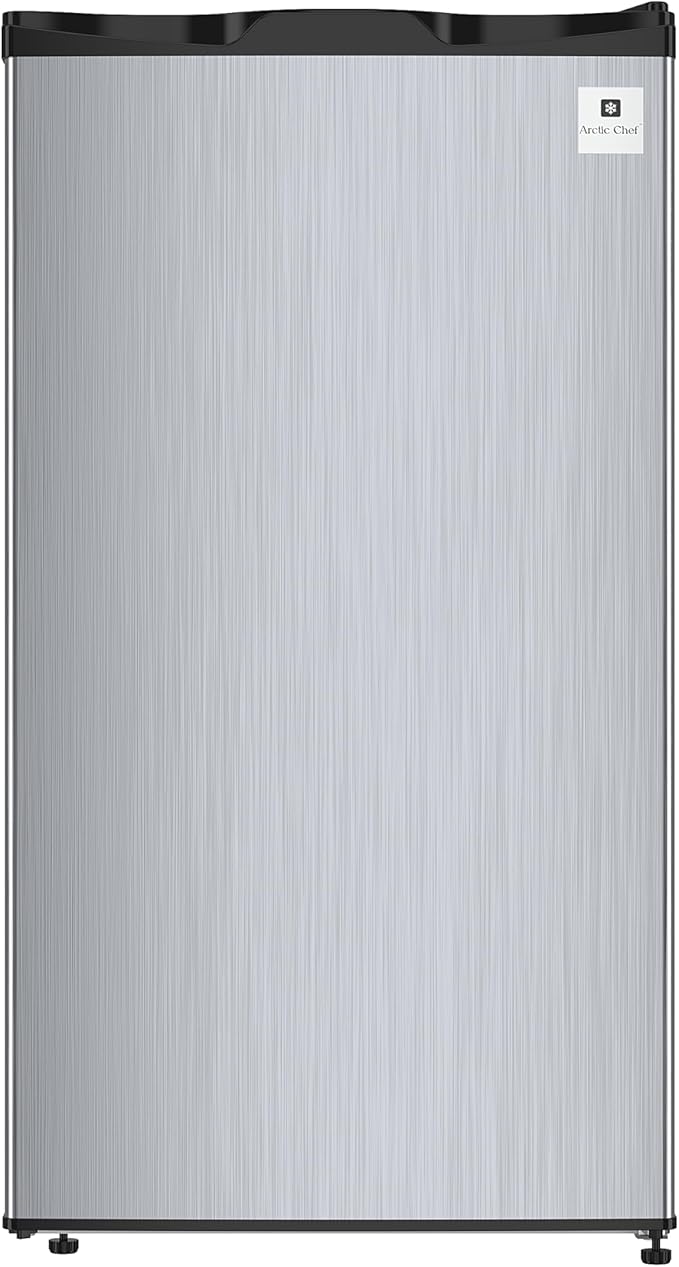
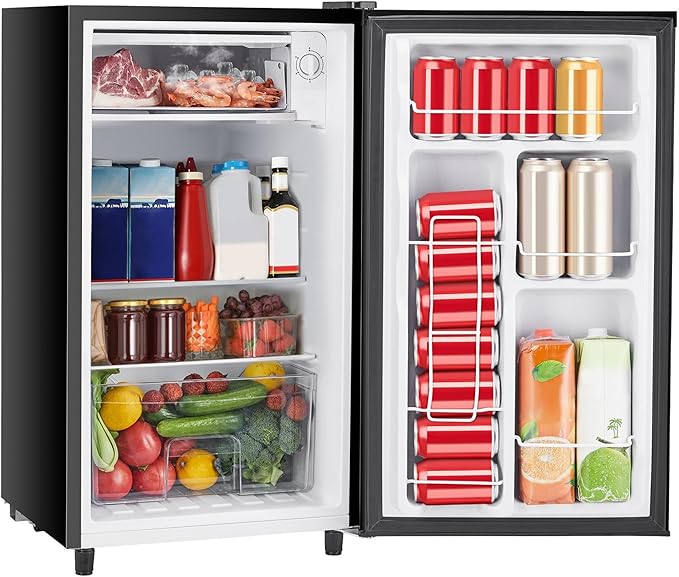
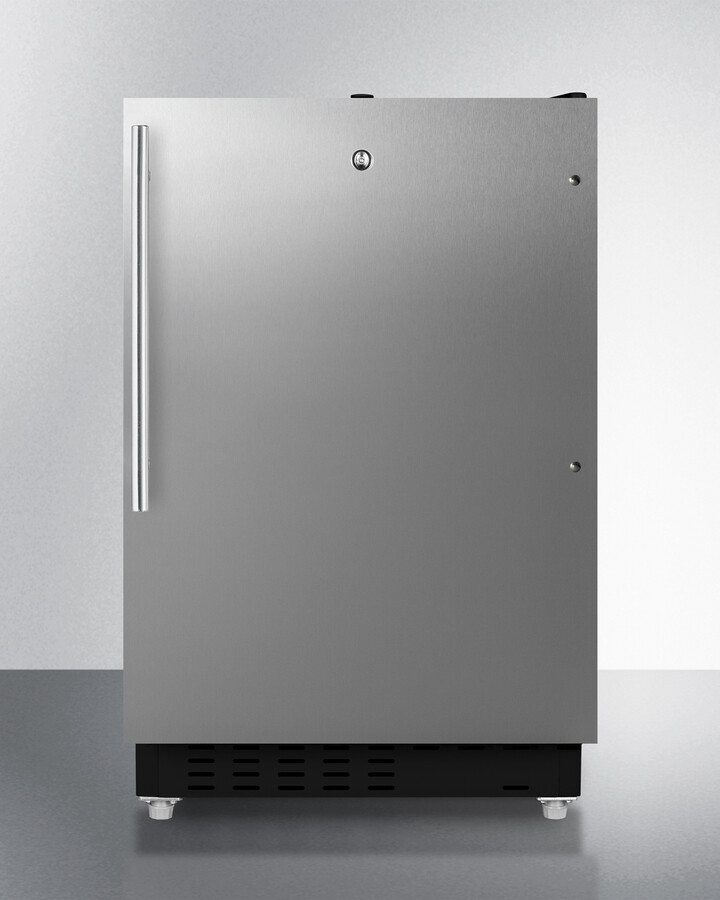
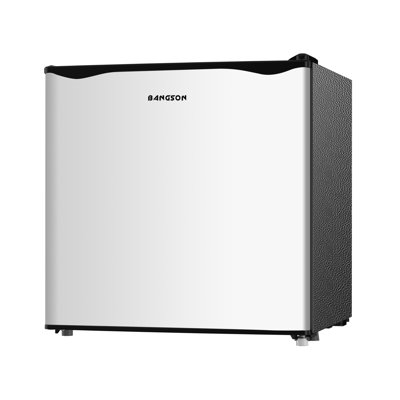
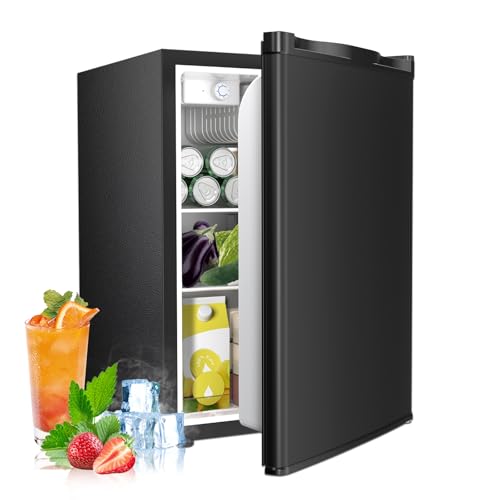
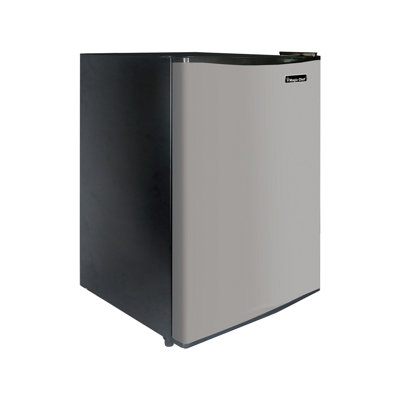
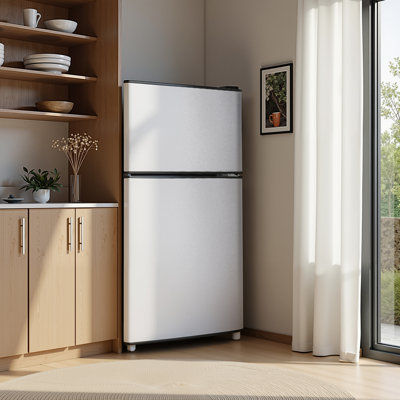
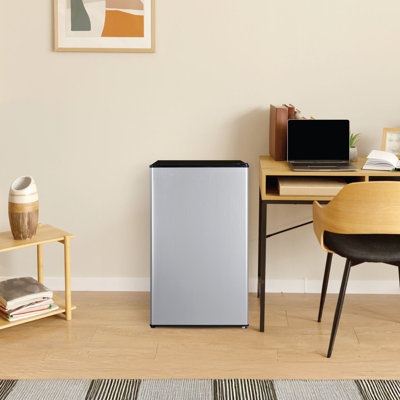
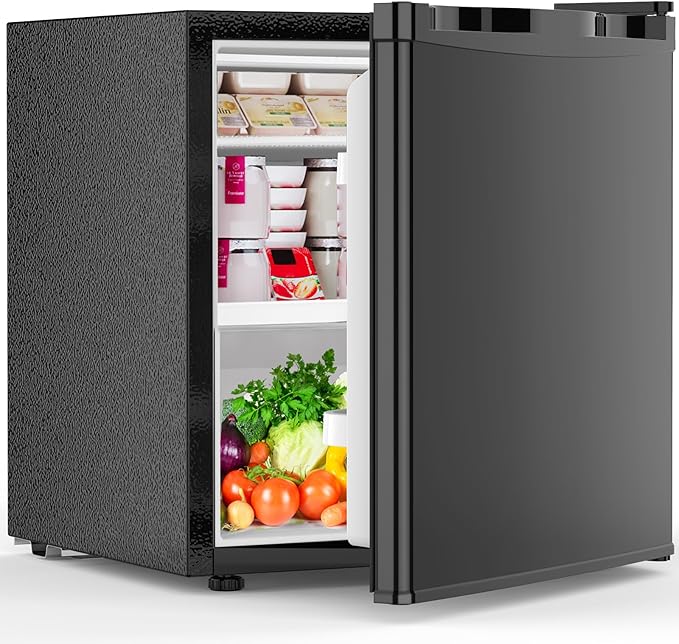
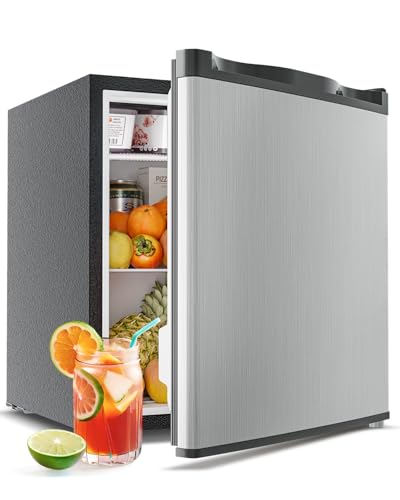
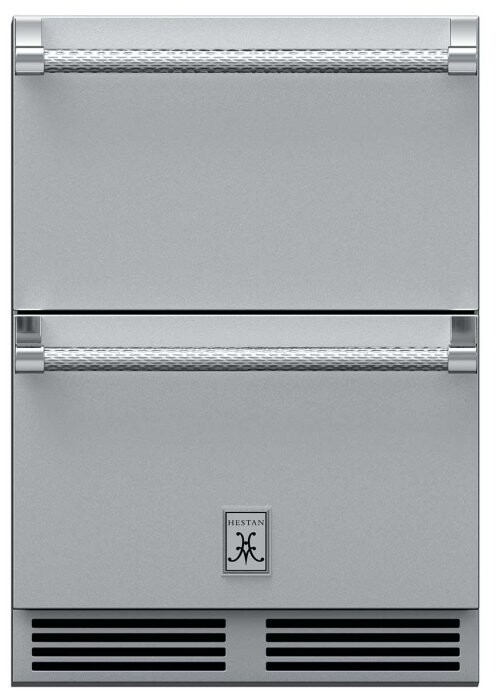
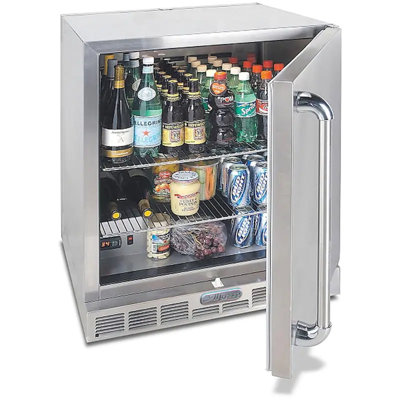
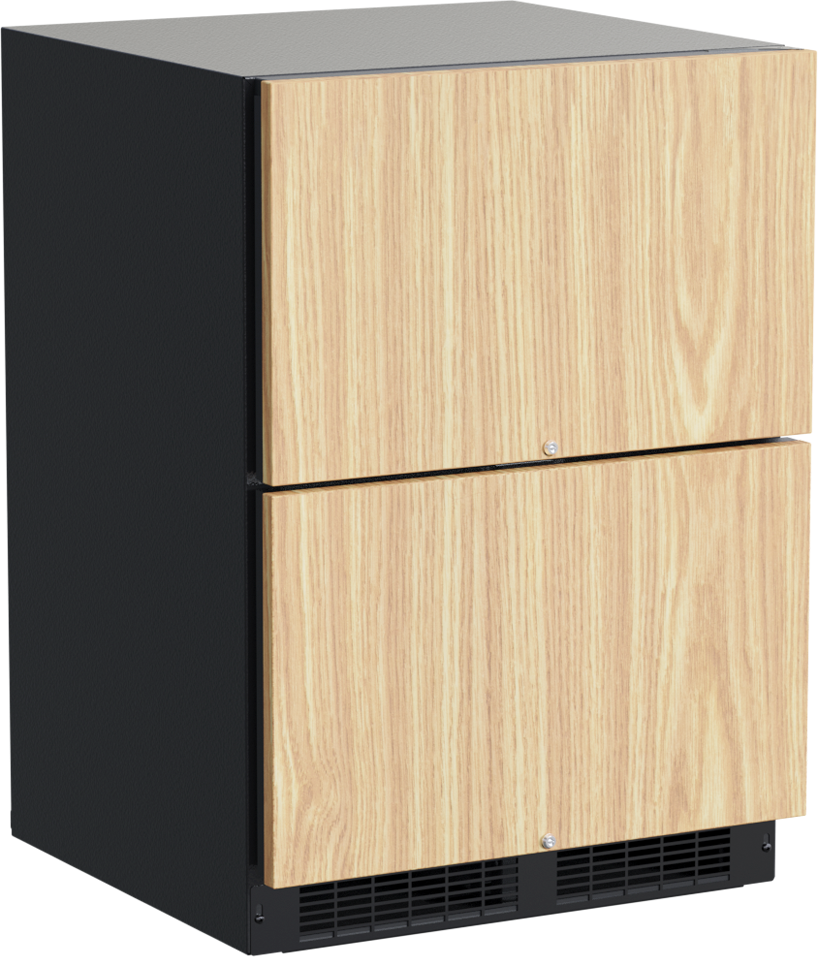
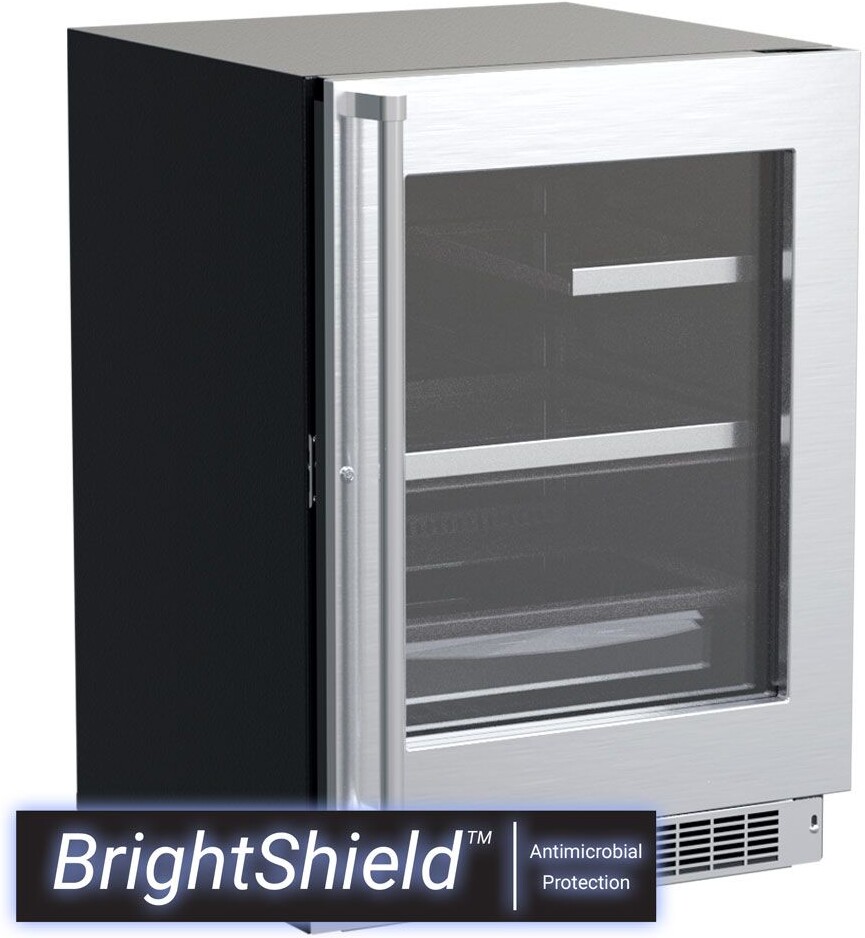
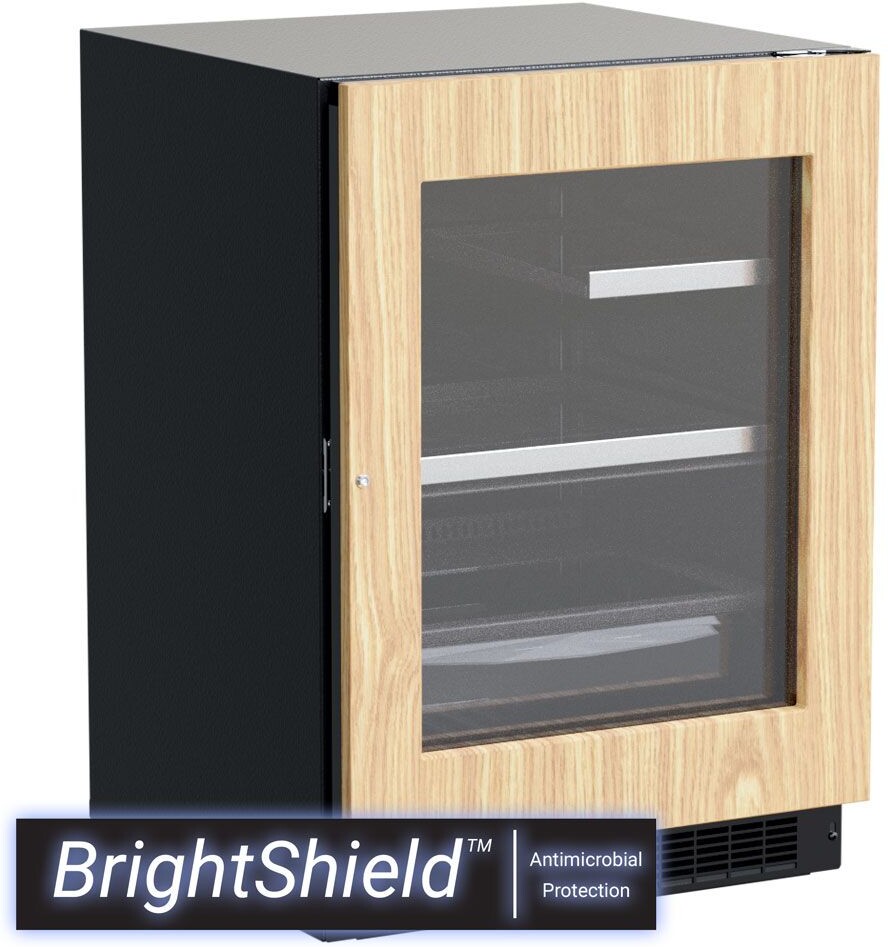
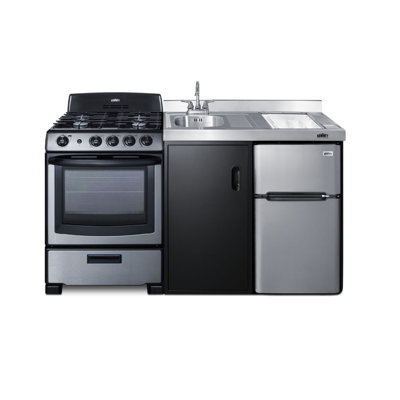
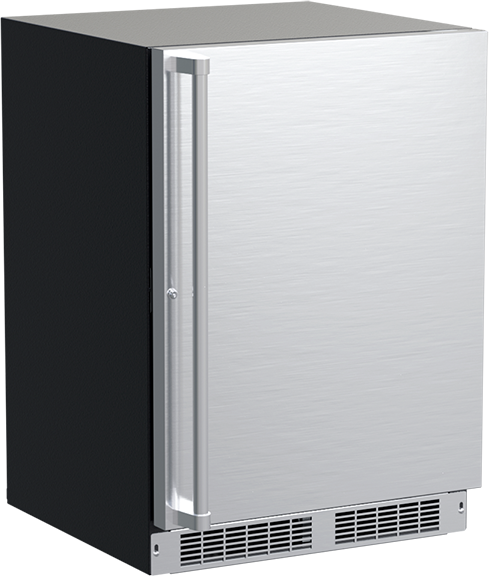
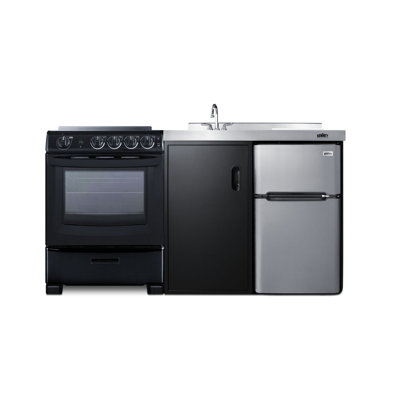
A compact refrigerator is a small, versatile cooling unit designed to fit in tight spaces. It's ideal for dorm rooms, offices, small apartments, and other areas where space is limited. These fridges typically feature a combination of a refrigeration section and a small freezer compartment. The primary function is to keep your food and beverages cold, making it suitable for storing perishables and drinks.
In contrast, an upright freezer is specifically designed for freezing and long-term storage of food items. This appliance is perfect for those who need additional freezer space beyond what a standard refrigerator offers. Upright freezers come with multiple shelves and compartments, allowing for better organization and easy access to frozen goods.
Understanding these distinctions is crucial. While a compact refrigerator offers versatility and convenience for everyday use, an upright freezer provides ample storage for bulk items and long-term preservation of food. For more comparisons, check out Fridge.com article on outdoor refrigerator Vs. reach in refrigerator.
When considering a compact refrigerator versus an upright freezer, understanding their size and capacity is essential. This can help you make an informed decision based on your specific needs and available space.
Compact Refrigerator
Compact refrigerators are designed to fit into smaller spaces, making them ideal for dorm rooms, offices, or small apartments. They are generally smaller in size compared to standard refrigerators, yet they offer a reasonable amount of storage capacity for essential items.
Feature
Compact Refrigerator
Average Height
20-40 inches
Average Width
18-24 inches
Average Depth
17-22 inches
Storage Capacity
1.7-4.5 cubic feet
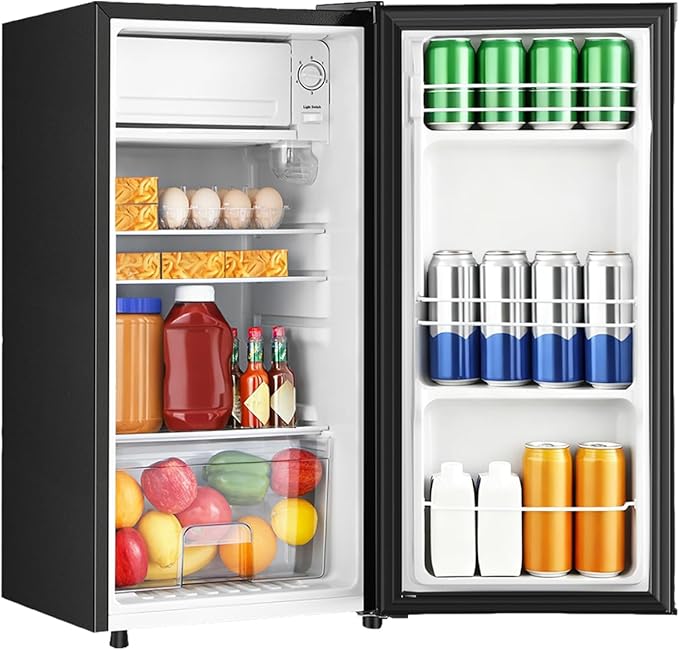
Compact refrigerators often come with a combination of shelves and small compartments, allowing for efficient organization of your food and beverages. They may also include a small freezer compartment for ice or frozen snacks.
Upright Freezer
Upright freezers are designed to provide more storage space for frozen items, making them suitable for larger households or those who require extra freezer space. They stand tall and narrow, similar to a regular refrigerator, but their primary function is freezing and long-term storage of food.
Feature
Upright Freezer
Average Height
55-75 inches
Average Width
24-32 inches
Average Depth
24-30 inches
Storage Capacity
10-21 cubic feet
Upright freezers typically come with multiple shelves and compartments, allowing for efficient organization and easy access to frozen items. They offer significantly more storage capacity compared to compact refrigerators, making them ideal for bulk storage of meats, vegetables, and other perishables.
Both compact refrigerators and upright freezers offer unique advantages depending on your storage needs and space limitations. For more comparisons on different types of refrigerators and freezers, you can explore Fridge.com articles on outdoor refrigerator Vs. reach in refrigerator and ice maker Vs. top freezer refrigerator.
Understanding the temperature control and features of compact refrigerators and upright freezers can help you decide which appliance best suits your needs. Both offer unique functionalities tailored to different types of storage requirements.
Compact Refrigerator
Compact refrigerators are designed to keep your food and beverages cool in a smaller footprint. These units often feature adjustable temperature controls, allowing you to set the ideal temperature for your perishables.
Feature
Description
Temperature Range
Typically 32°F to 50°F
Adjustable Shelves
Yes
Freezer Compartment
Often included with a separate temperature control
Crisper Drawers
Available for fruits and vegetables
Defrosting
Manual or automatic defrost options
Compact refrigerators usually come with adjustable shelves and crisper drawers for better organization. Some models also include a small freezer compartment, providing additional versatility.
Upright Freezer
Upright freezers are specifically designed for long-term storage of frozen items. They offer precise temperature control to maintain the required freezing conditions.
Feature
Description
Temperature Range
Typically -10°F to 0°F
Adjustable Shelves
Yes, often wire shelves
Frost-Free
Many models feature frost-free technology
Door Alarms
Some models include alarms to alert if the door is left open
Fast Freeze
Quick-freeze function for rapid freezing of new items
Upright freezers often come with frost-free technology, which eliminates the need for manual defrosting. They may also include features like door alarms and fast freeze options to enhance functionality.
When comparing the compact refrigerator Vs. upright freezer, consider how you plan to use the appliance and the specific features that will best meet your needs. For more comparisons, you can check out Fridge.com articles on outdoor refrigerator Vs. reach in refrigerator and ice maker Vs. top freezer refrigerator.
When comparing a compact refrigerator and an upright freezer, storage and organization are key considerations. Each type offers unique features that cater to different needs and preferences.
Compact Refrigerator
Compact refrigerators are designed to maximize storage in a small footprint. They typically come with various compartments and shelves to help you organize your food and beverages efficiently. Common organizational features include:
Adjustable Shelves: Most compact refrigerators have adjustable shelves, allowing you to customize the interior layout according to your needs.
Door Bins: These are great for storing bottles, cans, and condiments, making them easily accessible.
Crisper Drawers: Ideal for storing fruits and vegetables, these drawers help keep your produce fresh.
Freezer Compartment: Some compact refrigerators include a small freezer compartment, suitable for ice and small frozen items.
Here's a table summarizing the typical storage features of compact refrigerators:
Feature
Description
Adjustable Shelves
Customizable storage space
Door Bins
Storage for bottles, cans, condiments
Crisper Drawers
Keeps fruits and vegetables fresh
Freezer Compartment
Small space for ice and frozen items
Upright Freezer
Upright freezers offer ample storage space and are designed to keep your frozen goods well-organized. Key features often include:
Shelves and Drawers: Upright freezers usually come with multiple shelves and drawers, allowing you to separate different types of food.
Door Storage: Similar to compact refrigerators, upright freezers often have door bins for additional storage.
Frost-Free Technology: Many models feature frost-free technology, reducing the need for manual defrosting and keeping your food easily accessible.
Temperature Control: Advanced temperature controls ensure your food is stored at optimal conditions.
Here's a table summarizing the typical storage features of upright freezers:
Feature
Description
Shelves and Drawers
Separate storage for different types of food
Door Storage
Additional storage in door bins
Frost-Free Technology
Reduces need for manual defrosting
Temperature Control
Ensures optimal storage conditions
For more detailed comparisons on different appliances, check out Fridge.com articles on outdoor refrigerator Vs. reach in refrigerator and ice maker Vs. top freezer refrigerator.
Energy Efficiency and Cost
Compact Refrigerator
Compact refrigerators are designed to be energy-efficient, making them a popular choice for small spaces like apartments, offices, and dorm rooms. These small fridges consume less electricity compared to larger refrigerators, which translates to lower utility bills for you. The energy consumption of compact refrigerators can vary based on factors like size, design, and additional features.
Feature
Compact Refrigerator
Average Energy Consumption
100-200 kWh/year
Average Annual Cost
$12-$24
Compact refrigerators often come with energy-saving features such as adjustable thermostats and energy-efficient compressors. For additional information on comparing different refrigerators, visit Fridge.com article on outdoor refrigerator Vs. reach in refrigerator.
Upright Freezer
Upright freezers generally consume more energy than compact refrigerators due to their larger size and greater cooling requirements. However, many modern upright freezers are designed with energy efficiency in mind and may come with features like improved insulation, energy-efficient compressors, and automatic defrosting systems.
Feature
Upright Freezer
Average Energy Consumption
300-700 kWh/year
Average Annual Cost
$36-$84
While upright freezers might have higher energy consumption, they are ideal for those needing substantial freezer space. For more details on different types of freezers, check out Fridge.com article on outdoor freezer Vs. reach in refrigerator.
Both compact refrigerators and upright freezers have their unique benefits and costs. Understanding these factors helps you make a more informed decision based on your needs and usage patterns. For further reading on specialized cooling appliances, visit Fridge.com article on 3 door refrigerator Vs. fridge freezer.
When deciding between a compact refrigerator and an upright freezer, it's important to consider the suitability for various spaces. Each type of appliance offers unique advantages based on your specific needs and available space.
Compact Refrigerator
Compact refrigerators are ideal for small spaces and versatile environments. They are commonly used in dorm rooms, offices, small apartments, and even outdoor settings. These units are designed to fit into tight spaces while still providing adequate storage for your essentials.
The compact size makes it easy to place under counters, in corners, or on countertops. This flexibility allows you to maximize your available space without compromising on refrigeration needs. Additionally, compact refrigerators often come with adjustable shelves and door bins, allowing you to customize the interior layout according to your requirements.
Upright freezers are better suited for spaces where you need more freezing capacity. These units are ideal for basements, garages, and large kitchens. Upright freezers provide ample storage space for bulk purchases and long-term food storage, making them a great addition for families and those who entertain frequently.
The vertical design of upright freezers allows for easier organization and access to frozen items. Many models come with adjustable shelves, door bins, and storage baskets, which help in keeping your frozen goods neatly arranged.
Space Type
Suitability
Basement
High
Garage
High
Large Kitchen
High
Outdoor
Low
For further information on how upright freezers compare to other types of freezers, refer to Fridge.com article on outdoor freezer Vs. reach in refrigerator.
By understanding the suitability of compact refrigerators and upright freezers for different spaces, you can make an informed decision based on your specific needs and preferences. Whether you need a small refrigerator for your office or a large freezer for your basement, both options offer distinct advantages tailored to various environments.
Compare prices on Fridge.com
Compare current prices and specifications on Fridge.com, then buy from the retailer you choose; delivery, installation and warranty terms are the retailer’s.
It also has tons of awesome articles about kitchen stuff and home news. Enhance your home, garage, backyard, patio, and office with the coolest essentials. With every necessary type of residential refrigerator or freezer in the collection, you're covered.
Free tool
Freezer BTU Calculator
Free interactive tool from Fridge.com — get a quick answer while you read.