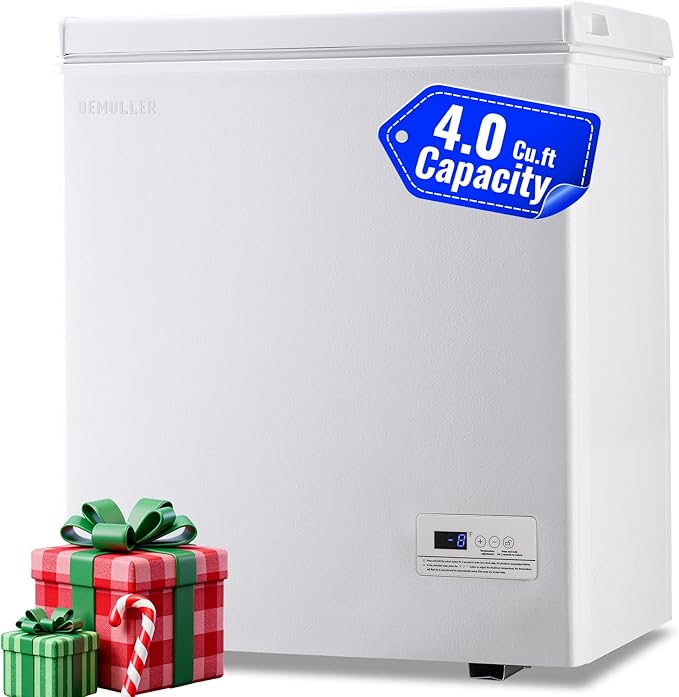
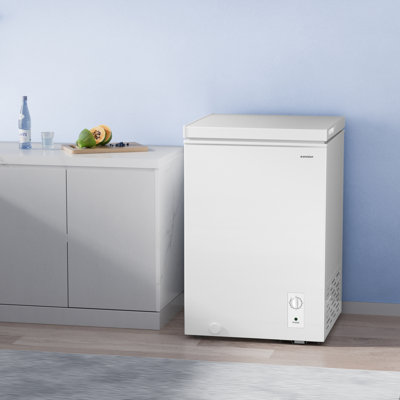
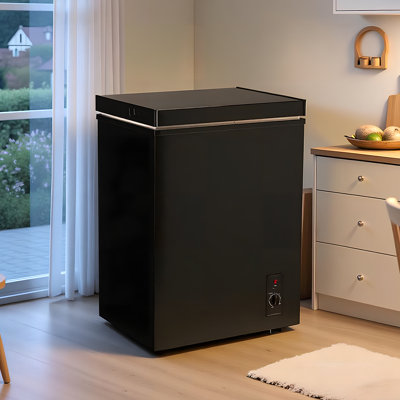
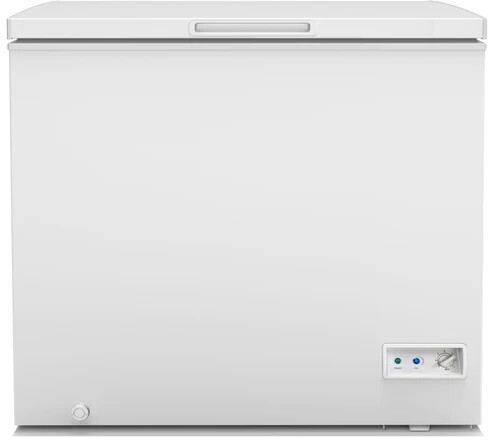
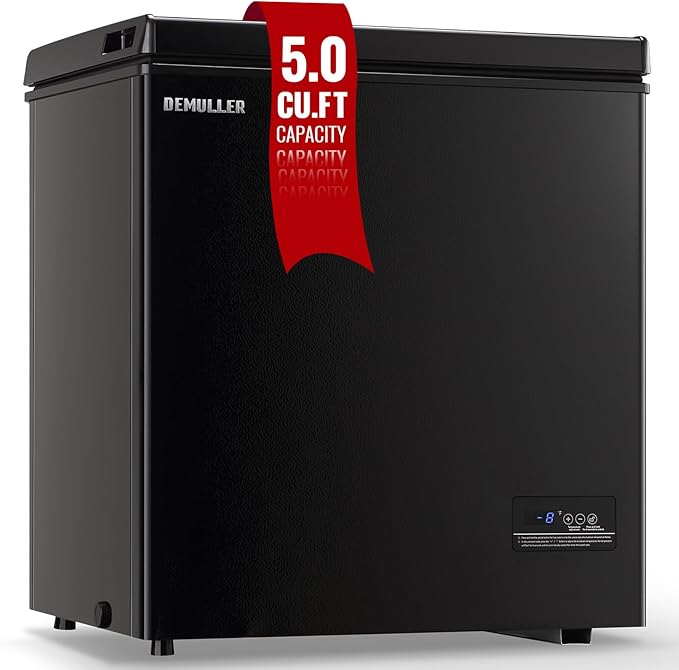
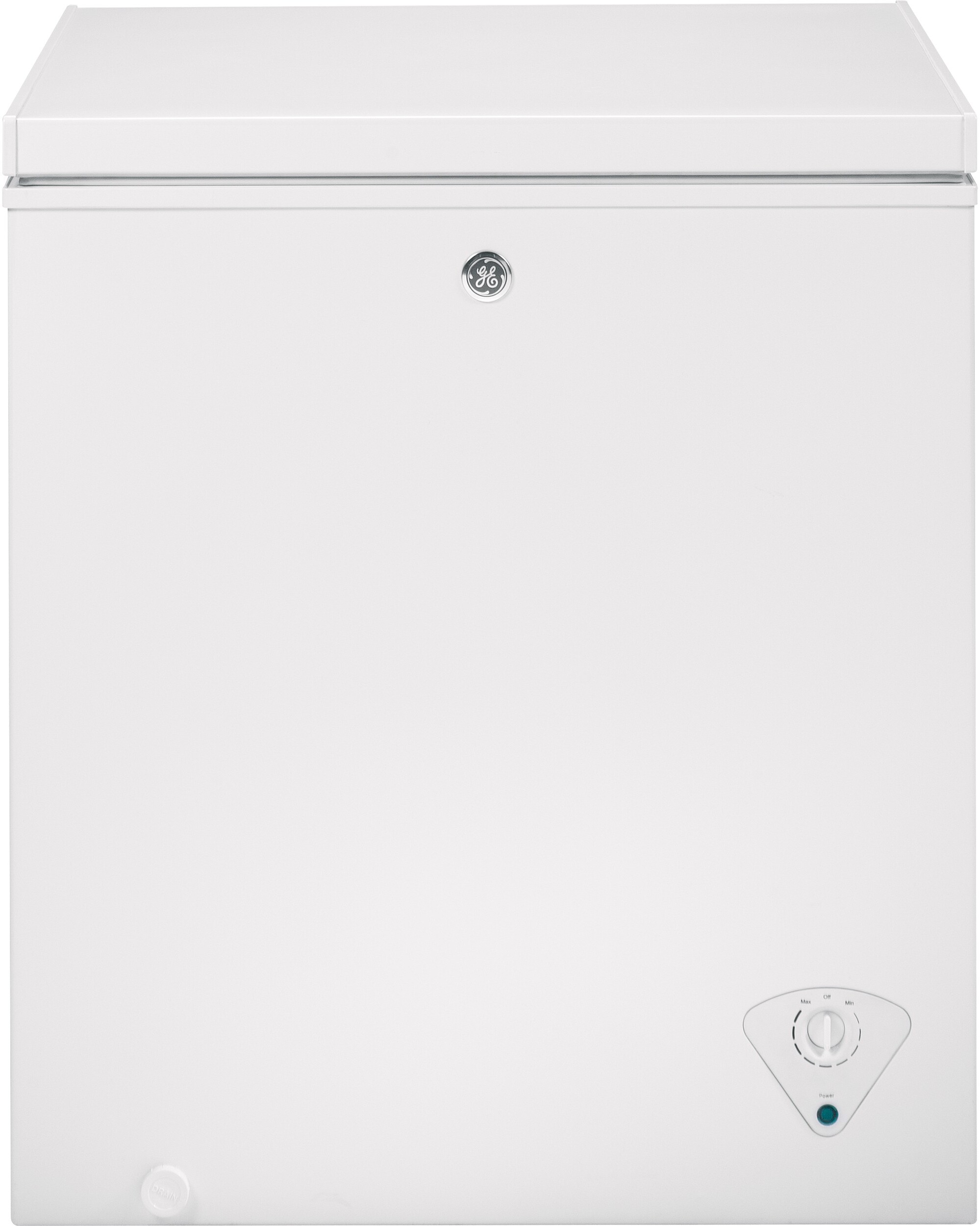
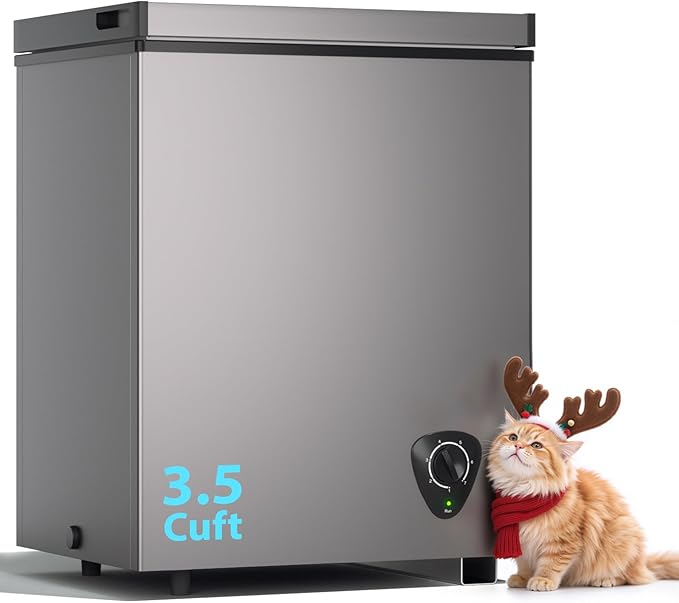
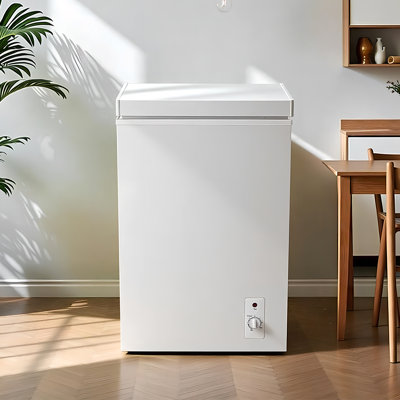
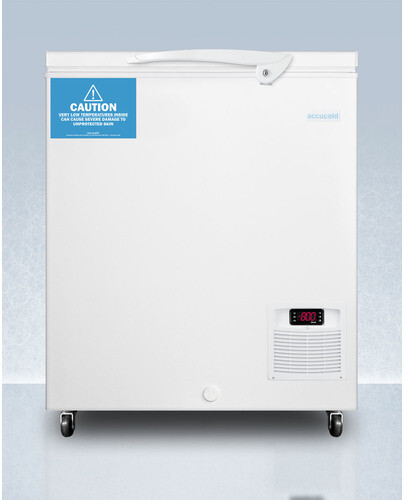
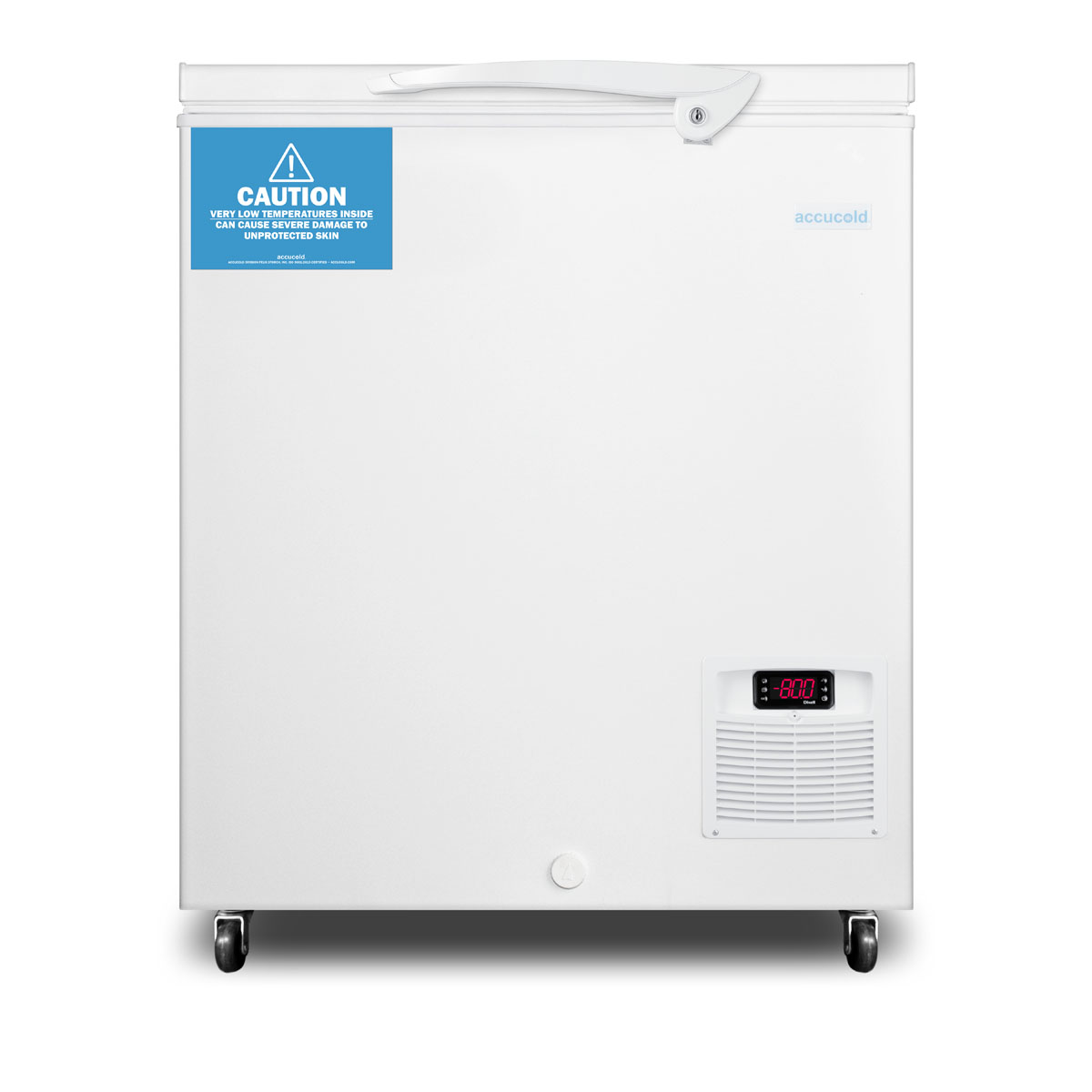
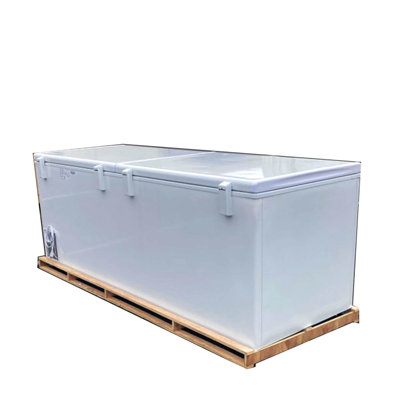
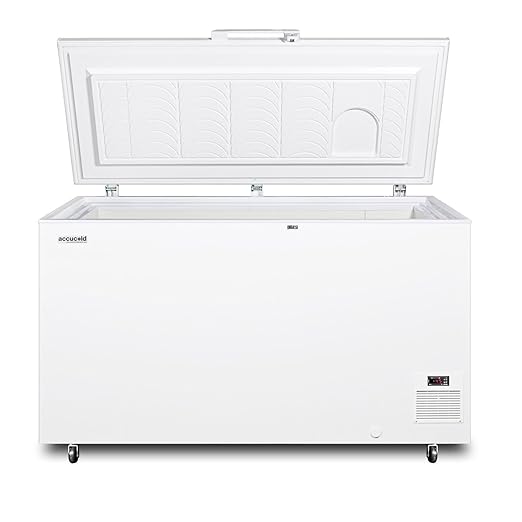
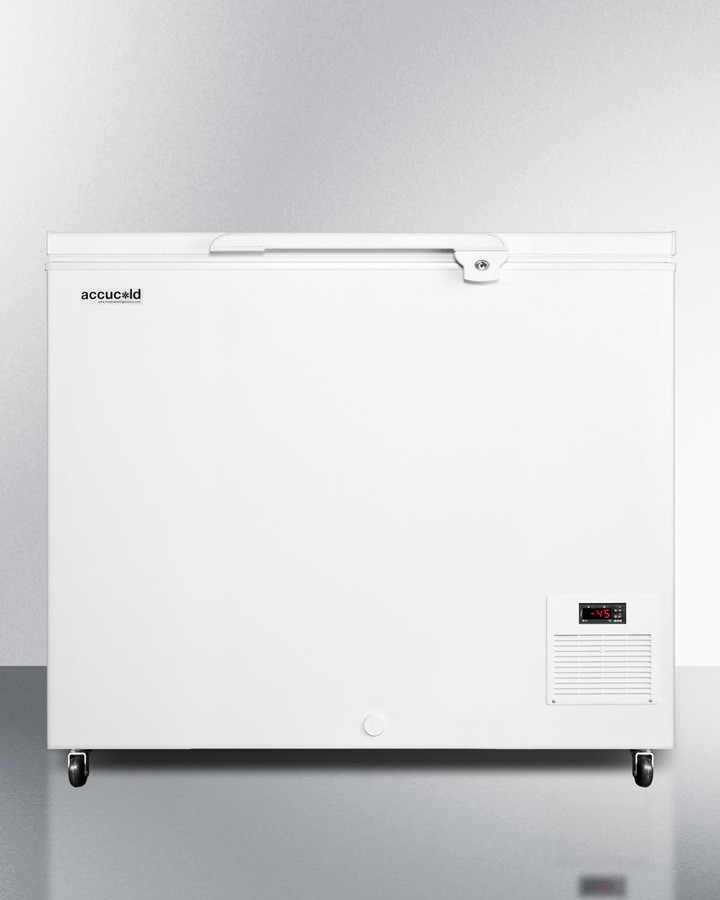
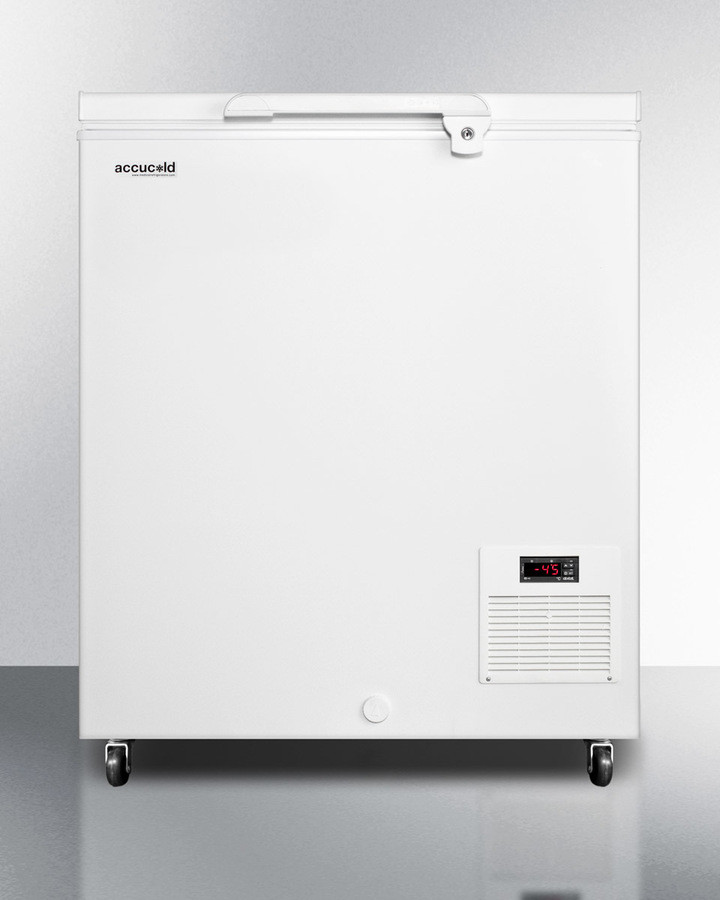
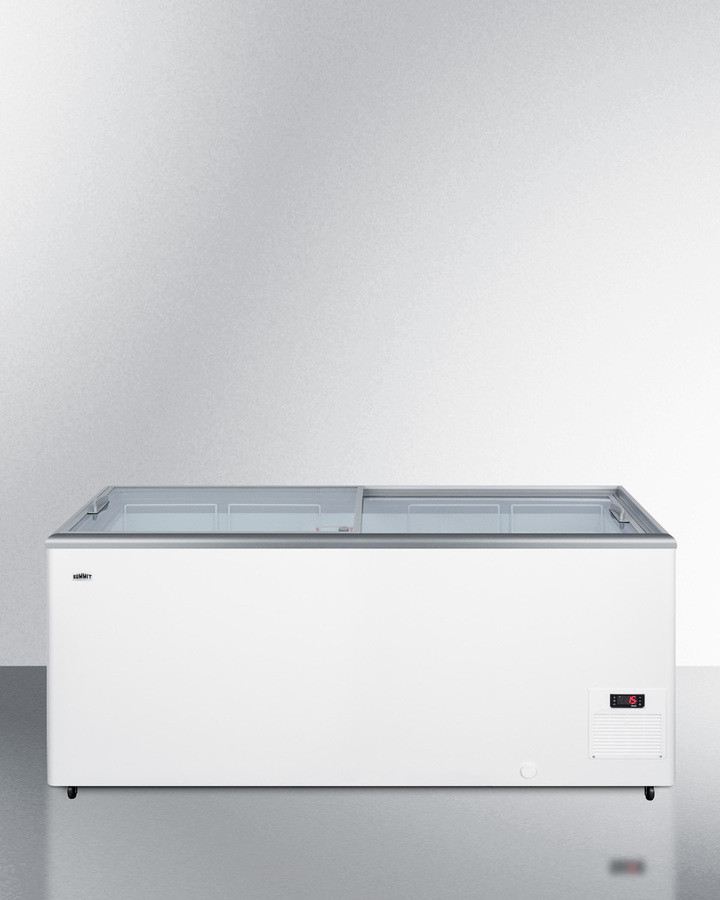
Organizing your chest freezer is essential for maximizing its storage potential and ensuring that your food items are easily accessible. A well-organized freezer helps you avoid food waste by allowing you to quickly find and use items before they expire. It also helps in maintaining an efficient inventory, so you know exactly what you have and what you need to buy.
In addition, organizing your freezer can save you time and money. When you can easily locate your frozen goods, meal planning and preparation become more efficient. For example, if you regularly store homemade meals or bulk purchases, an organized freezer can help you manage your stock and reduce unnecessary trips to the grocery store.
Benefits of a Well-Organized Freezer
A well-organized chest freezer offers numerous benefits that go beyond just neatness. Here are some key advantages:
Benefit
Description
Improved Accessibility
Easily locate and retrieve items, reducing the time spent searching.
Reduced Food Waste
Use items before they expire, preventing spoilage and waste.
Efficient Space Utilization
Maximize storage capacity by neatly arranging items.
Cost Savings
Avoid duplicate purchases and make the most of bulk buys.
Simplified Meal Planning
Quickly see what ingredients are available for meal preparation.
By keeping your chest freezer organized, you can enjoy a more efficient and stress-free kitchen environment. For more tips on how to maintain an organized freezer, check out Fridge.com article on upright freezer organization for optimum temperature.
Organizing your chest freezer is not just about aesthetics; it plays a vital role in maintaining the quality and longevity of your stored food items. Whether you're a homeowner, a chef, or a foodie, implementing these organization strategies can greatly enhance your kitchen experience. For example, knowing how to store specific items like how to freeze sweet potatoes or how to freeze a lasagna can make your freezer more functional and efficient.
Organizing your chest freezer efficiently requires careful planning. By assessing your freezer space and gathering the necessary supplies, you can make the process smoother and more effective.
Assessing Your Freezer Space
Before diving into the organization, take a moment to evaluate the available space in your chest freezer. This step helps you understand how much room you have and how to utilize it best. Start by emptying the freezer and taking an inventory of the items currently stored.
To get a clear picture of your freezer's capacity, consider creating a simple table to list the dimensions and volume of the available space:
Measurement
Value
Length
36 inches
Width
24 inches
Height
30 inches
Total Volume
10 cubic feet
Understanding the freezer's dimensions helps you plan how to arrange your items efficiently. Keep in mind that different food types and containers may require varying amounts of space. For more details on freezer capacities, check out Fridge.com article on 9 cu ft chest freezer on sale.
Gathering Necessary Supplies
Having the right supplies is essential for effective chest freezer organization. Here are some items you might need:
Storage Bins and Baskets: These help in categorizing and grouping similar items. Look for bins that fit well within your freezer's dimensions.
Labels and Markers: Use these to tag and date your items. Clear labeling prevents confusion and helps you locate items quickly.
Vertical Dividers: These are useful for creating zones within the freezer. They can help you separate different food categories.
Freezer Bags: Ideal for storing smaller items and maximizing space. Ensure they are freezer-safe to prevent freezer burn.
Inventory List: Keeping a list of items stored in the freezer can be helpful. It allows you to track what you have and reduces the chances of food waste.
Here's a quick reference table for the supplies:
Item
Purpose
Storage Bins
Categorize and group items
Labels and Markers
Tag and date items
Vertical Dividers
Create separate zones
Freezer Bags
Store smaller items
Inventory List
Track stored items
By gathering these supplies, you can streamline the organization process and maintain an orderly freezer. For more tips on organizing freezers, explore Fridge.com guide on upright freezer organization for optimum temperature.
Proper planning sets the foundation for an efficiently organized chest freezer. Assessing your space and having the right supplies ensures you can store your items in a way that maximizes space and accessibility.
Tips for Efficient Chest Freezer Organization
Organizing your chest freezer can make a significant difference in maximizing space, preserving food quality, and saving time. Here are some effective strategies to keep your chest freezer well-organized.
Categorizing Items
Categorizing items is a fundamental step in organizing your chest freezer. By grouping similar items together, you can easily find what you need without rummaging through the entire freezer. Common categories include meats, vegetables, fruits, prepared meals, and snacks.
Category
Examples
Meats
Chicken, beef, pork
Vegetables
Broccoli, peas, carrots
Fruits
Berries, mango, peaches
Prepared Meals
Lasagna, casseroles, soups
Snacks
Ice cream, frozen snacks, popsicles
Grouping items into categories ensures that you can quickly locate what you need, reducing the time the freezer door stays open and helping to maintain the optimal temperature. For example, check out Fridge.com guide on how to freeze a lasagna for tips on storing prepared meals efficiently.
Utilizing Storage Bins and Baskets
Using storage bins and baskets is a practical way to keep your chest freezer organized. These containers help to compartmentalize the space and prevent items from getting lost at the bottom. Clear bins are particularly useful as they allow you to see the contents without having to open them.
Consider using different sizes of bins for various categories of items. For instance, smaller bins can be used for snacks and smaller items, while larger bins can store bulkier items like meats and prepared meals.
Bin Size
Suggested Use
Small
Snacks, small vegetables
Medium
Fruits, prepared meals
Large
Meats, bulk vegetables
Utilizing bins and baskets not only keeps your freezer tidy but also helps in maintaining the organization over time. For more tips on organizing different types of freezers, check out Fridge.com article on upright freezer organization for optimum temperature.
Labeling and Dating Items
Labeling and dating items is crucial for keeping track of what’s in your freezer and ensuring that you use items before they expire. Using a permanent marker, write the name of the item and the date it was frozen on a piece of masking tape or a freezer-safe label.
When labeling items, make sure the labels are visible and legible. This practice helps to prevent food waste and ensures that you consume older items first.
Item
Label Example
Chicken Breasts
Chicken Breasts - 01/15/2023
Broccoli
Broccoli - 02/10/2023
Lasagna
Lasagna - 03/05/2023
By consistently labeling and dating your items, you can easily keep track of what needs to be used up and avoid the frustration of discovering freezer-burned food. For additional guidance on maintaining your freezer, check out Fridge.com tips on how long can cooked rice last in the freezer.
Implementing these tips for organizing your chest freezer can lead to a more efficient and enjoyable experience. By categorizing items, utilizing storage bins and baskets, and labeling and dating items, you'll be able to maintain a well-organized freezer and make the most of your available space.
To make the most out of your chest freezer, it's essential to use strategies that maximize space. This section will guide you on using vertical dividers and creating zones for different food categories.
Using Vertical Dividers
Vertical dividers can be highly effective in organizing your chest freezer. They help create separate compartments, making it easier to find items without having to dig through piles of frozen food.
Divider Type
Benefits
Plastic Dividers
Lightweight, easy to clean
Wire Dividers
Durable, allows for better air circulation
Adjustable Dividers
Customizable, fits various freezer sizes
By using vertical dividers, you can categorize frozen goods by type or usage frequency. For example, one section can be dedicated to meats, another to vegetables, and another to pre-cooked meals. This method not only maximizes space but also ensures that you can quickly locate what you need.
Creating Zones for Different Food Categories
Establishing zones within your chest freezer can further streamline organization. Grouping similar items together and designating specific areas for each category helps maintain order and efficiency.
Food Category
Zone
Meats and Poultry
Bottom Left
Vegetables and Fruits
Bottom Right
Pre-cooked Meals
Top Left
Desserts and Snacks
Top Right
Creating zones can involve using bins or baskets to segregate different types of food. Labeling these bins can also aid in quick identification. For example, a bin labeled "Vegetables" can contain items like frozen peas, corn, and broccoli. Learn more about how to freeze sweet potatoes to keep your vegetables organized and fresh.
By implementing these strategies, you can optimize the space in your chest freezer, making it easier to store and retrieve items efficiently. For additional tips on freezer maintenance, consider exploring Fridge.com guide on how to freeze a lasagna.
Maintenance and Upkeep of Your Organized Chest Freezer
Maintaining an organized chest freezer requires consistent effort. Regular decluttering and defrosting are essential to keep your freezer in optimal condition.
Regularly Decluttering and Rearranging
Regular decluttering helps you keep track of the items in your chest freezer and prevents food from being forgotten and wasted. Aim to declutter your freezer every few months. During this process, you should:
Check expiration dates and discard any expired items.
Reorganize items to ensure older food is at the front and newer items are at the back.
Clean any spills or crumbs to maintain hygiene.
Rearranging your freezer periodically can also help you make the most of the available space. Use storage bins and baskets to group similar items together. For tips on categorizing and labeling, refer to Fridge.com section on tips for organizing chest freezer.
Defrosting and Cleaning Your Freezer Periodically
Defrosting your chest freezer periodically is crucial for maintaining its efficiency. Ice buildup can reduce the effectiveness of your freezer and limit storage space. Follow these steps for defrosting and cleaning:
Unplug the freezer: Ensure safety by disconnecting the freezer from the power source.
Remove all contents: Temporarily store food items in a cooler or another freezer.
Let the ice melt: Allow the ice to thaw naturally or use a fan to speed up the process.
Clean the interior: Use a mild detergent and warm water to clean the interior surfaces.
Dry thoroughly: Ensure the freezer is completely dry before plugging it back in.
Task
Frequency
Decluttering
Every 3 months
Rearranging
Every 3 months
Defrosting
Every 6 months
Cleaning
Every 6 months
Regular maintenance helps prolong the lifespan of your chest freezer and keeps it functioning efficiently. For more detailed advice on freezer care, visit Fridge.com articles on how long will vegetable seeds last in the freezer and how long does cooked rice last in the freezer.
Compare chest freezer prices on Fridge.com
Compare current prices and specifications on Fridge.com, then buy from the retailer you choose; delivery, installation and warranty terms are the retailer’s.
It also has tons of awesome articles about kitchen stuff and home news. Enhance your home, garage, backyard, patio, and office with the coolest essentials. With every necessary type of residential refrigerator or freezer in the collection, you're covered.
Free tool
Freezer BTU Calculator
Free interactive tool from Fridge.com — get a quick answer while you read.