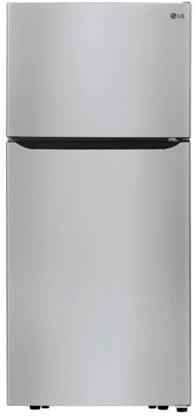
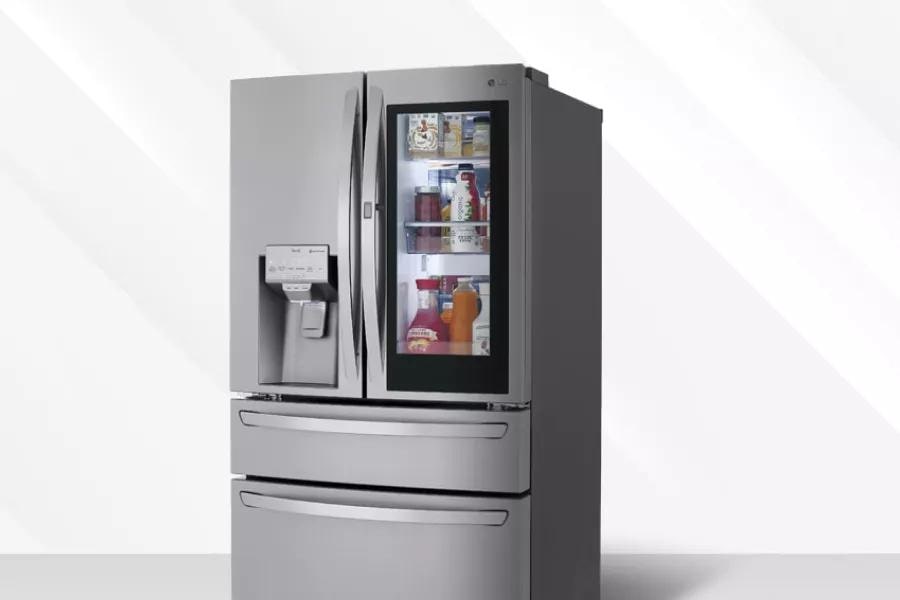
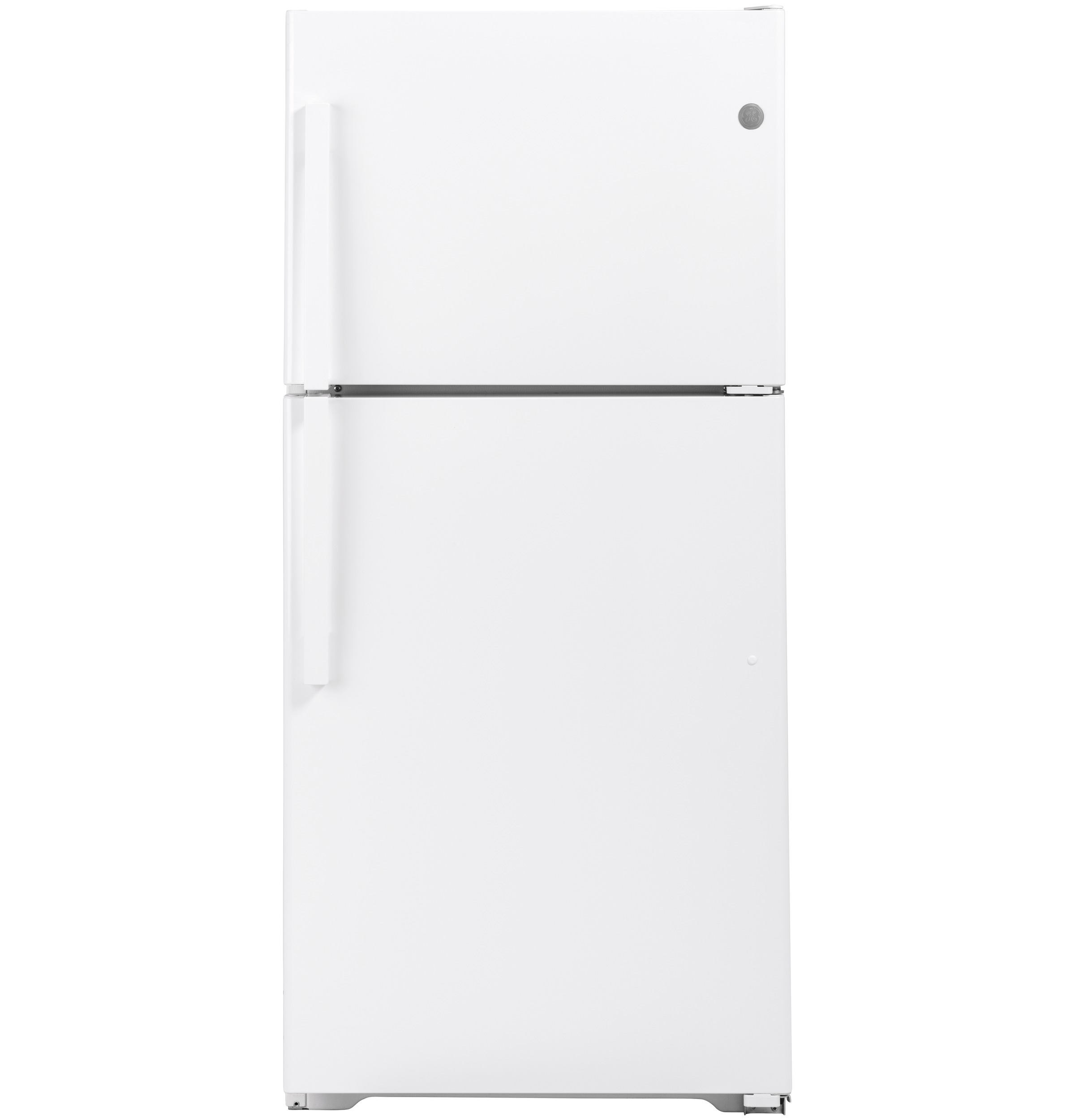
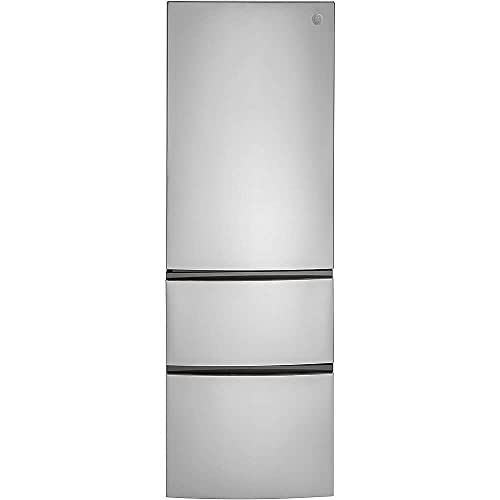
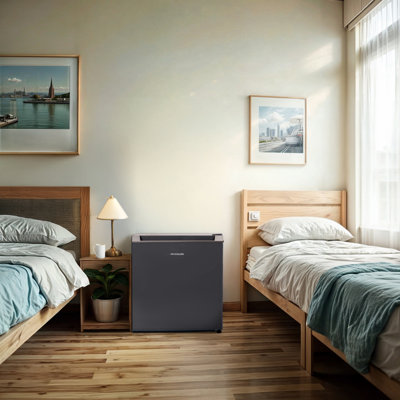
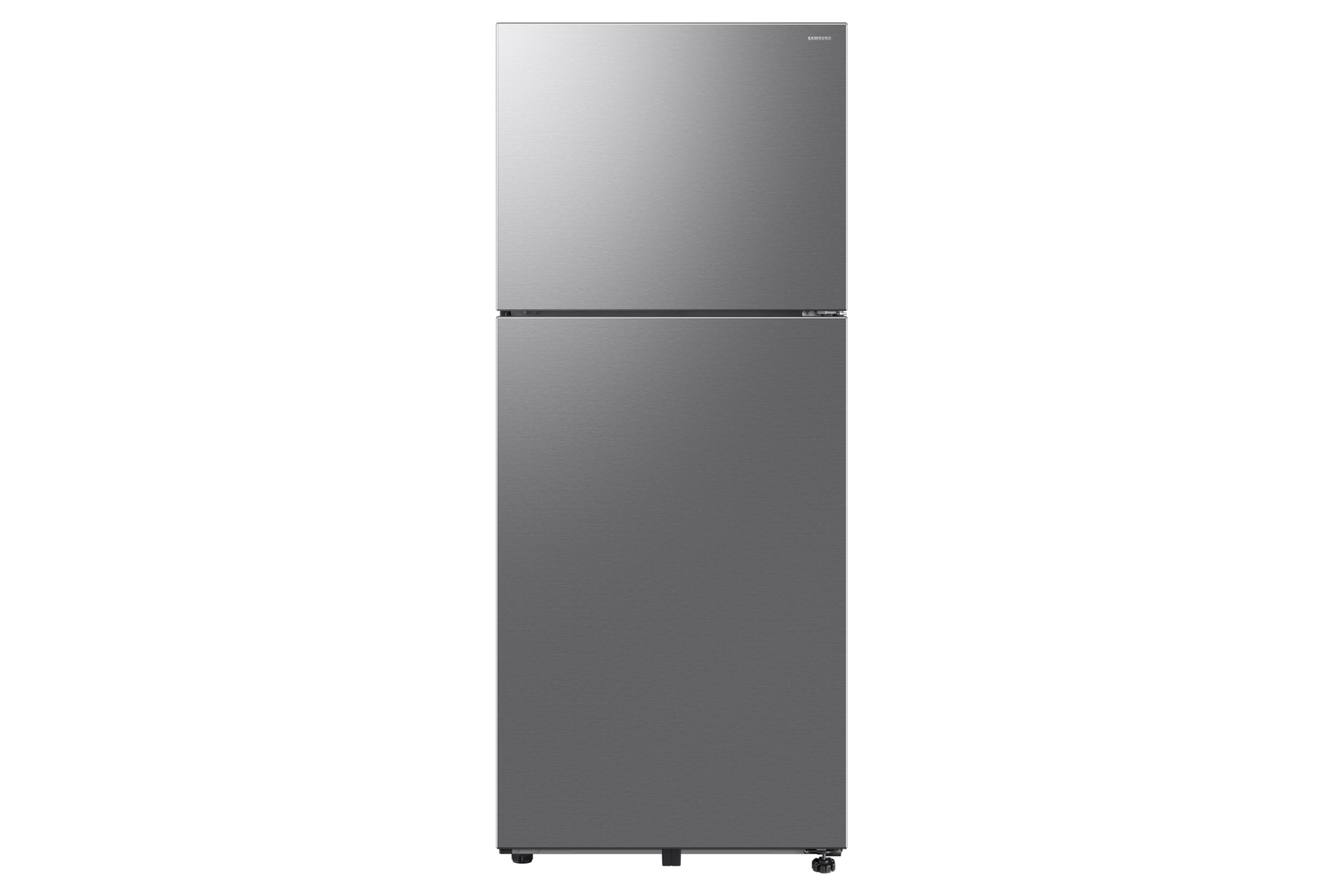
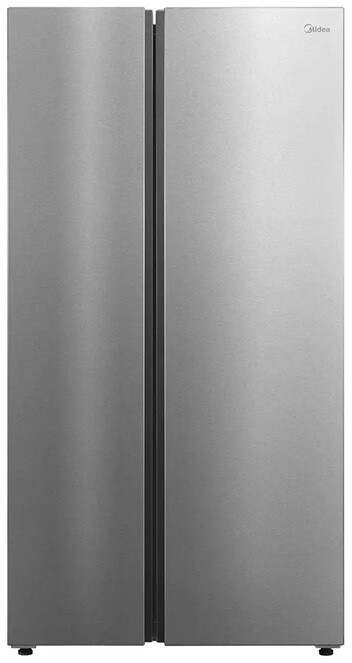
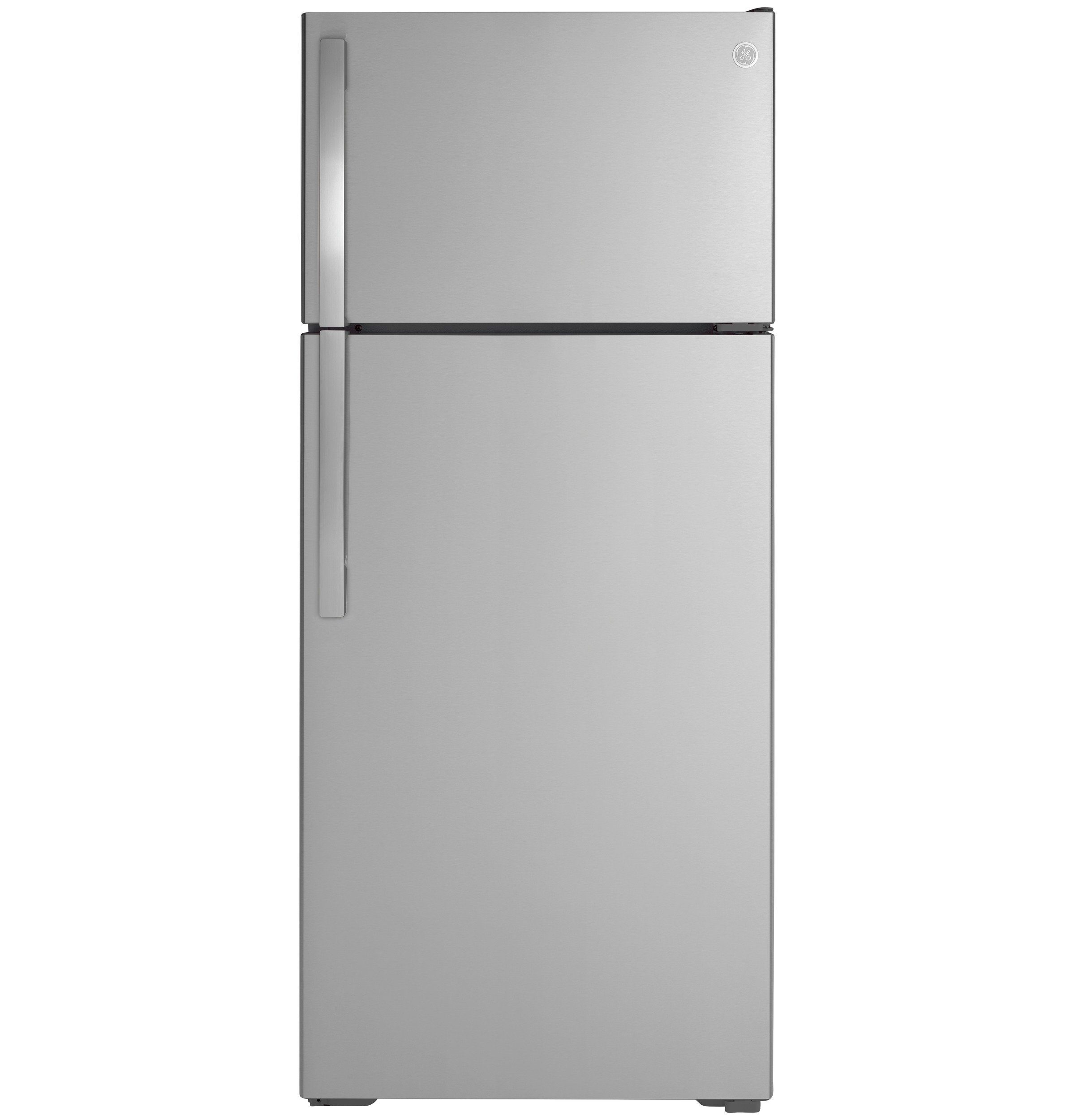
Picking between a chest refrigerator and a narrow refrigerator can be a bit like choosing between a spacious SUV and a sleek sports car. Each has its perks, and knowing what they bring to the table can help you decide which one fits your lifestyle best. Let's break it down.
Overview of Refrigerator Types
Chest Refrigerators:
These are the big, boxy units that open from the top. You might find them chilling out in garages or basements, holding everything from frozen pizzas to ice cream tubs. They’re known for their roomy interiors and energy-saving features.
Narrow Refrigerators:
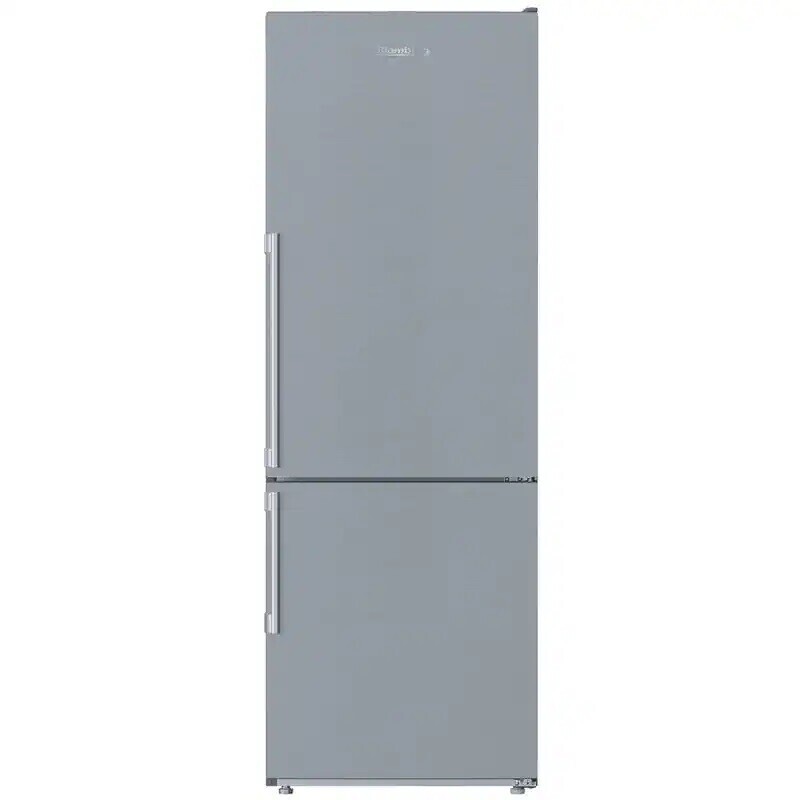
Also called column or slim refrigerators, these are the tall, skinny ones that squeeze into tight spots. Perfect for small kitchens or apartments, they pack a surprising amount of storage into a compact frame.
Factors to Consider When Choosing Between Chest and Narrow Refrigerators
When you're on the hunt for a new fridge, keep these points in mind:
1. Space Availability:
First, check out where you plan to put the fridge. Chest refrigerators hog more floor space, while narrow ones can slip into smaller nooks.
Factor
Chest Refrigerator
Narrow Refrigerator
Space Requirement
Needs more floor space
Fits into smaller spaces
2. Storage Needs:
Think about how much stuff you need to store. Chest refrigerators are like the Costco of fridges—great for bulk storage. Narrow refrigerators are more like your local grocery store—compact but efficient.
Factor
Chest Refrigerator
Narrow Refrigerator
Storage Capacity
Larger storage
Smaller storage
3. Energy Efficiency:
Both types can be energy savers, but chest refrigerators often win this round. Their design helps keep the cold in, which means they use less energy.
4. Accessibility:
How easy is it to grab what you need? With chest refrigerators, you might have to dig around a bit. Narrow refrigerators offer shelves and compartments at different heights, making it easier to find what you're looking for.
Factor
Chest Refrigerator
Narrow Refrigerator
Accessibility
Requires reaching down
Easier access with shelves
5. Installation and Space Requirements:
Consider how much hassle it is to set up. Chest refrigerators can be bulky and heavy, making them a bit of a pain to install. Narrow refrigerators are lighter and easier to fit into tight spaces.
Factor
Chest Refrigerator
Narrow Refrigerator
Installation
May require more effort
Easier to install in tight spaces
6. Maintenance and Cleaning:
Nobody loves cleaning the fridge, but some are easier to clean than others. Chest refrigerators can be a bit of a chore due to their depth. Narrow refrigerators usually have more accessible parts that you can easily remove and clean.
Factor
Chest Refrigerator
Narrow Refrigerator
Maintenance
Can be harder to clean
Easier to clean
Choosing between a chest refrigerator and a narrow refrigerator boils down to what you need and what fits your space. Whether you’re after more storage, better energy efficiency, or a fridge that fits into a small kitchen, knowing these factors will help you make the right choice. For more comparisons, check out Fridge.com articles on column refrigerator Vs. mini fridge with freezer and 5 door refrigerator Vs. bottom freezer refrigerator.
Chest Refrigerators
Design and Features
Chest refrigerators, or chest freezers, are like the big, friendly giants of the fridge world. They open from the top, making it easy to grab what you need without bending over. Inside, they’re roomy with minimal shelves, perfect for storing big items. Some models even come with baskets or dividers to keep things organized. The lid is insulated to keep everything nice and chilly.
Feature
Description
Orientation
Horizontal
Access
Top-opening
Interior
Large, open space with minimal shelving
Organization
Removable baskets or dividers
Insulation
Insulated lid
Pros of Chest Refrigerators
Big Storage Space: These fridges are like the TARDIS—bigger on the inside. Perfect for stocking up on groceries or storing large items.
Saves Energy: Thanks to the top-opening design, they keep the cold air in better, which means they use less energy.
Steady Temperature: The insulation helps keep the temperature steady, so your food stays fresh longer.
Budget-Friendly: They’re often cheaper than other types of refrigerators.
Flexible Placement: You can put them in the basement, garage, or pantry—wherever you have space.
Cons of Chest Refrigerators
Takes Up Space: They need a good chunk of floor space, which might be a problem in smaller homes.
Hard to Organize: With all that open space, it can be tricky to keep things organized, especially items at the bottom.
Heavy Lid: The lid can be a bit of a workout to open and close, especially when the fridge is full.
Manual Defrosting: Many models need to be defrosted by hand, which can be a hassle.
Few Shelves: If you like lots of shelves to keep things neat, you might find these lacking.
If you’re curious about other types of refrigerators, check out Fridge.com comparisons like basement refrigerator Vs. column refrigerator and chest refrigerator Vs. column freezer to see what fits your needs best.
Slim refrigerators are a hit for those tight on space but big on style. These fridges pack a punch in small areas, perfect for apartments, offices, or any nook that needs cooling.
Design and Features
Slim refrigerators are all about fitting in without skimping on the cool stuff. They slide into tight spots, making them perfect for cramped kitchens or cozy offices. Even though they're small, they come loaded with features to keep your food fresh and organized.
Key features of slim refrigerators include:
Adjustable Shelves: Move them around to fit your groceries just right.
Temperature Control: Set it how you like it to keep your food at the perfect chill.
Energy Efficiency: Save on your electric bill with these power-sipping fridges.
Quiet Operation: No annoying hums or buzzes, just peace and quiet.
Why You'll Love Slim Refrigerators
Slim refrigerators bring a lot to the table, especially if you're short on space. Here’s why they’re awesome:
Space-Saving Design: Perfect for small kitchens, apartments, and offices.
Efficient Storage: Plenty of room inside with adjustable shelves and compartments.
Energy Efficiency: They’re easy on your wallet when it comes to electricity.
Versatility: Great for homes, offices, dorm rooms, you name it.
Things to Consider
Slim refrigerators are great, but they do have a few quirks:
Limited Capacity: They might not hold as much as bigger fridges, which can be a bummer for big families or serious foodies.
Fewer Features: Some might miss out on extras like ice makers or water dispensers.
Price: Sometimes, you might pay more per cubic foot compared to bigger models.
Feature
Slim Refrigerator
Average Width
18-24 inches
Storage Capacity
7-12 cubic feet
Noise Level
Low
Want to see how slim refrigerators stack up against other types? Check out Fridge.com comparisons on column refrigerator Vs. mini fridge with freezer and 5 door refrigerator Vs. bottom freezer refrigerator. These articles will help you pick the perfect fridge for your needs.
Chest Vs. Narrow Refrigerators: Which One Fits Your Needs?
Picking between a chest refrigerator and a narrow refrigerator can be a bit like choosing between a spacious SUV and a compact car. Each has its perks and quirks, so let's break it down.
Chest Refrigerators
Chest refrigerators, or chest freezers, are the big boys in the fridge world. They’re like the walk-in closets of refrigeration. With their horizontal design, they take up more floor space but give you a ton of room to stash your goodies.
Feature
Chest Refrigerator
Storage Volume (cubic feet)
10 - 25
Usable Space
High
Best For
Bulk storage, large items
Narrow Refrigerators
Narrow refrigerators, also called column or slim refrigerators, are the sleek, space-saving ninjas of the kitchen. They stand tall and fit into tight spots, perfect for those cozy kitchens where every inch counts.
Feature
Narrow Refrigerator
Storage Volume (cubic feet)
7 - 15
Usable Space
Moderate
Best For
Small spaces, minimal storage needs
When deciding between chest refrigerators and narrow refrigerators, think about:
Storage Volume: Chest refrigerators usually win in the storage volume department. They’re great if you like to buy in bulk or need to store big items.
Usable Space: Chest refrigerators let you stack stuff high, but digging out that frozen turkey from the bottom can be a workout. Narrow refrigerators, on the other hand, make it easy to grab what you need without the treasure hunt.
Best For: Chest refrigerators are perfect for garages or basements where you can store a lot of food. Narrow refrigerators are ideal for small kitchens or apartments where space is tight.
Want to know more about other fridge types and their storage capacities? Check out Fridge.com articles on column refrigerator Vs. mini fridge with freezer and 5 door refrigerator Vs. refrigerator cooler.
Choosing between a chest refrigerator and a narrow refrigerator? Let's break down what you need to know about their energy efficiency.
Power Usage
Chest refrigerators are champs at keeping things cool with minimal energy. Their design helps keep the cold air in when you open the lid, so they don't have to work as hard.
Narrow refrigerators, though, tend to let more cold air escape when you open the door. But don't worry—modern ones come with nifty energy-saving features to help out.
Refrigerator Type
Average Annual Energy Use (kWh)
Chest Refrigerator
200 - 400
Narrow Refrigerator
300 - 600
Insulation and Compressor Workload
Chest refrigerators usually have thicker insulation, which means they keep the cold in better. This makes the compressor's job easier, so it uses less energy.
Narrow refrigerators might not have as much insulation, which can mean more energy use. But many of them have advanced compressors and cooling tech to help out.
Temperature Control
Both types let you control the temperature, but chest refrigerators often keep things more stable. This means the compressor doesn't have to kick in as often.
Narrow refrigerators can have more temperature swings, especially if you're always opening the door. This makes the compressor work harder, using more energy.
Both chest and narrow refrigerators can earn Energy Star ratings, which means they're good on energy use. Look for models with higher ratings to save more on your power bill.
Refrigerator Type
Typical Energy Star Rating
Chest Refrigerator
4 - 5 stars
Narrow Refrigerator
3 - 5 stars
By keeping these points in mind, you can figure out which type of refrigerator fits your needs best. For more comparisons, check out Fridge.com articles on beverage refrigerator Vs. office freezer and 5 door refrigerator Vs. bottom freezer refrigerator.
Installation and Space Requirements
Space Considerations for Chest and Narrow Refrigerators
Picking the right fridge isn't just about the bells and whistles; it's also about fitting it into your space. Let's break down what you need to know about chest and narrow refrigerators.
Chest Refrigerators
Chest refrigerators are the big, wide, and low ones. They take up a lot of floor space and are usually found in garages, basements, or utility rooms. Their horizontal design means they need more room, but they can store a ton of stuff.
Feature
Measurement Range
Width
30-50 inches
Depth
25-35 inches
Height
30-45 inches
Floor Space Needed
7-15 sq. ft.
Before you get one, measure your floor space to make sure it can handle the width and depth. You don't want to get it home and find out it doesn't fit.
For more details, check out Fridge.com article on chest refrigerator Vs. column freezer.
Narrow Refrigerators
Narrow refrigerators are the tall and slim ones. They're perfect for apartments, condos, and kitchens where space is tight. Their vertical design lets them squeeze into smaller spots without losing much storage.
Feature
Measurement Range
Width
18-24 inches
Depth
20-30 inches
Height
60-75 inches
Floor Space Needed
3-5 sq. ft.
These are great for kitchens and other tight spaces. Just make sure to measure the height and width of the spot you have in mind to ensure it fits.
When deciding between a chest and a narrow refrigerator, think about where you want to put it. Whether it's the garage, kitchen, or somewhere else, knowing the space requirements will help you pick the best one for your needs. For more comparisons, visit Fridge.com articles on beverage refrigerator Vs. office freezer and freestanding refrigerator Vs. ice maker.
Want your fridge to last longer and work better? Here’s how to keep both chest and narrow refrigerators in tip-top shape.
Tips for Chest and Narrow Fridges
Regular Cleaning:
Inside: Every few months, empty your fridge, remove shelves, and clean with mild detergent and warm water. Rinse and dry.
Outside: Wipe down the exterior with a damp cloth and mild cleaner, focusing on handles and seals.
Defrosting:
Chest Fridges: Most need manual defrosting. Turn off, empty, and let ice melt. Use towels to soak up water and clean inside.
Narrow Fridges: Many have auto-defrost. If not, follow the chest fridge steps.
Check Seals:
Clean and inspect door seals. Replace if damaged to avoid energy loss and poor cooling.
Temperature Settings:
Keep chest fridges at 0°F (-18°C) and narrow fridges at 37°F (3°C) for best food preservation.
Ventilation:
Ensure good airflow around your fridge. Keep the area dust-free and don’t place it too close to walls or other appliances.
Condenser Coils:
Clean coils twice a year. Dust and dirt can reduce efficiency. Use a vacuum or brush.
Drain Pan:
Check and clean the drain pan to prevent mold and odors. Refer to your manual for its location.
Lighting:
Replace burnt-out bulbs with the correct wattage as specified by the manufacturer.
Maintenance Task
Chest Fridge
Narrow Fridge
Inside Cleaning
Every few months
Every few months
Outside Cleaning
Monthly
Monthly
Defrosting
Manual (as needed)
Auto or manual (as needed)
Check Seals
Monthly
Monthly
Temperature
0°F (-18°C)
37°F (3°C)
Ventilation
Ensure space
Ensure space
Clean Coils
Twice a year
Twice a year
Clean Drain Pan
As needed
As needed
Replace Lighting
As needed
As needed
Follow these tips to keep your fridge running smoothly. For more cool info, check out Fridge.com articles on column refrigerator Vs. mini fridge with freezer and basement refrigerator Vs. column refrigerator.
Final Thoughts
How to Choose Between a Chest or Narrow Refrigerator
Picking the right fridge can feel like a big decision. Here's a quick guide to help you choose between a chest refrigerator and a narrow refrigerator based on what you need.
Storage Needs
Think about how much food you usually store. A chest refrigerator gives you more room, perfect for big families or bulk shoppers. If you have a smaller household or don't need as much space, a narrow refrigerator might be a better fit.
Available Space
Check out the space where you want to put the fridge. Chest refrigerators are bulkier and need more floor space. Narrow refrigerators are designed to squeeze into tighter spots. Make sure to measure your space so you know what will fit.
Energy Efficiency
Energy use matters. Chest refrigerators are usually better at keeping the cold in, which can save on energy bills. Narrow refrigerators might use more energy because they get opened more often. For more info, check out Fridge.com article on energy efficiency of refrigerators.
Accessibility
Think about how often you need to grab stuff from the fridge. Chest refrigerators can be a pain to organize and reach into, especially for things at the bottom. Narrow refrigerators make it easier to see and grab items at eye level, which can be more convenient for daily use.
Installation and Mobility
Consider how easy it is to set up and move the fridge. Chest refrigerators are heavier and harder to move, so they might not be great if you move a lot. Narrow refrigerators are easier to install and move around, giving you more flexibility.
Feature
Chest Refrigerator
Narrow Refrigerator
Storage Capacity
High
Moderate
Space Requirement
Large floor space
Compact footprint
Accessibility
Hard to reach bottom items
Easy access
Installation and Mobility
Less flexible
More flexible
Maintenance and Cleaning
Maintenance is another thing to think about. Chest refrigerators can be tougher to clean and organize because they're deeper. Narrow refrigerators are usually easier to clean and keep tidy. For some handy tips, check out Fridge.com article on maintenance tips for refrigerators.
Budget
Finally, think about your budget. Chest refrigerators might cost more but offer more storage. Narrow refrigerators can be cheaper but have less space. Weigh your needs against your budget to make the best choice.
By keeping these factors in mind, you can make a smart choice between a chest refrigerator and a narrow refrigerator. For more comparisons, take a look at Fridge.com articles on column refrigerator Vs. mini fridge with freezer and narrow refrigerator Vs. stainless steel refrigerator.
Compare prices on Fridge.com
Compare current prices and specifications on Fridge.com, then buy from the retailer you choose; delivery, installation and warranty terms are the retailer’s.
It also has tons of awesome articles about kitchen stuff and home news. Enhance your home, garage, backyard, patio, and office with the coolest essentials. With every necessary type of residential refrigerator or freezer in the collection, you're covered.
From Fridge.com research
Figures below come from data Fridge.com builds and maintains. Each links to the record behind it.
Fridge.com Energy Index, built on U.S. EPA and DOE ENERGY STAR records
Across 5,455 ENERGY STAR certified refrigerators and freezers from 263 brands, median use is 360 kWh per year.