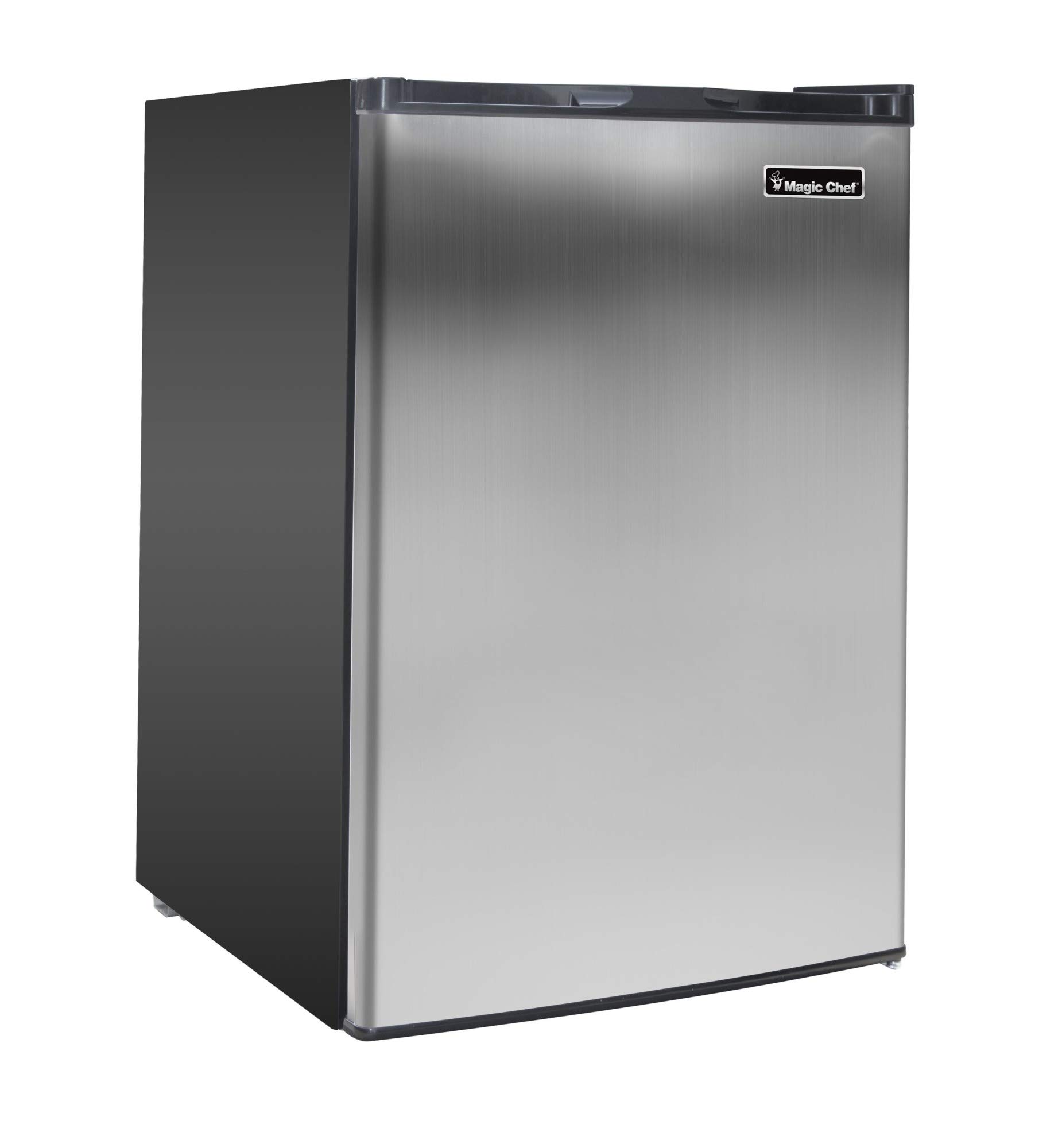
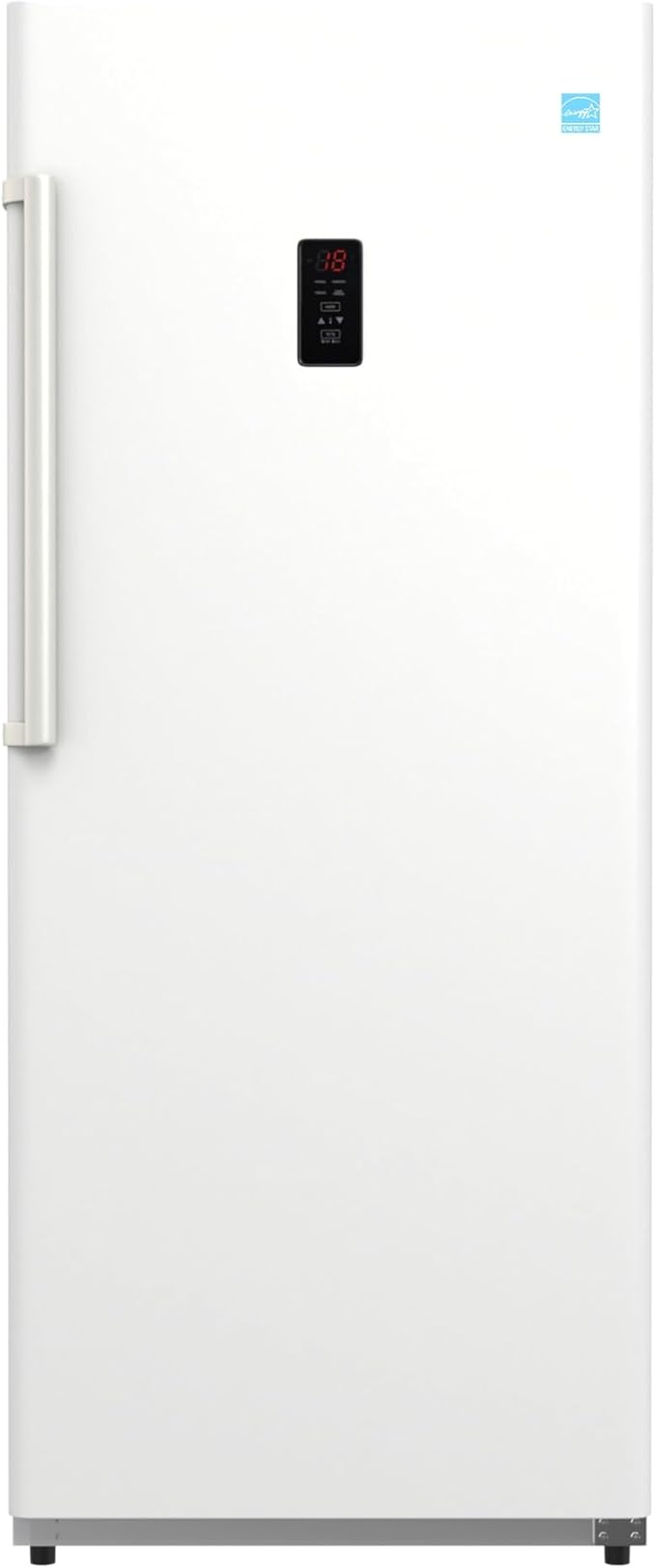
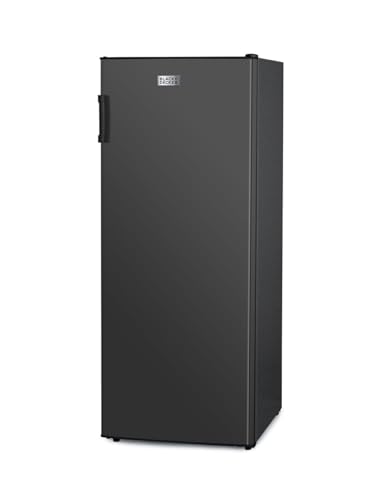
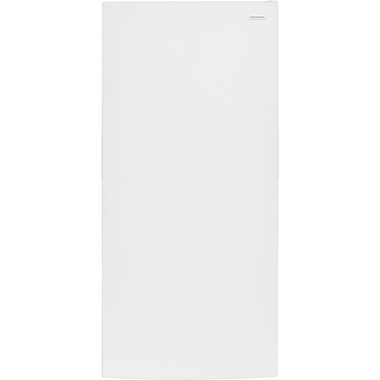
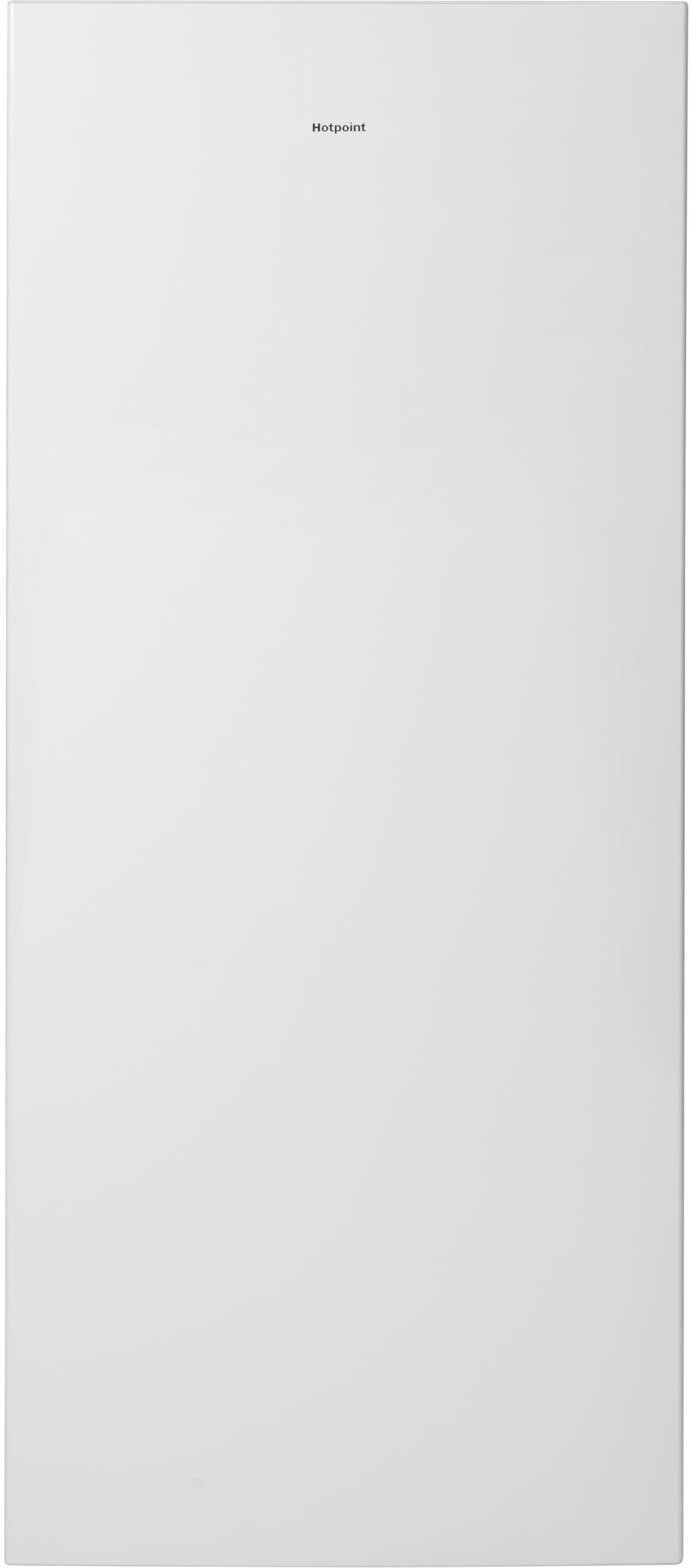
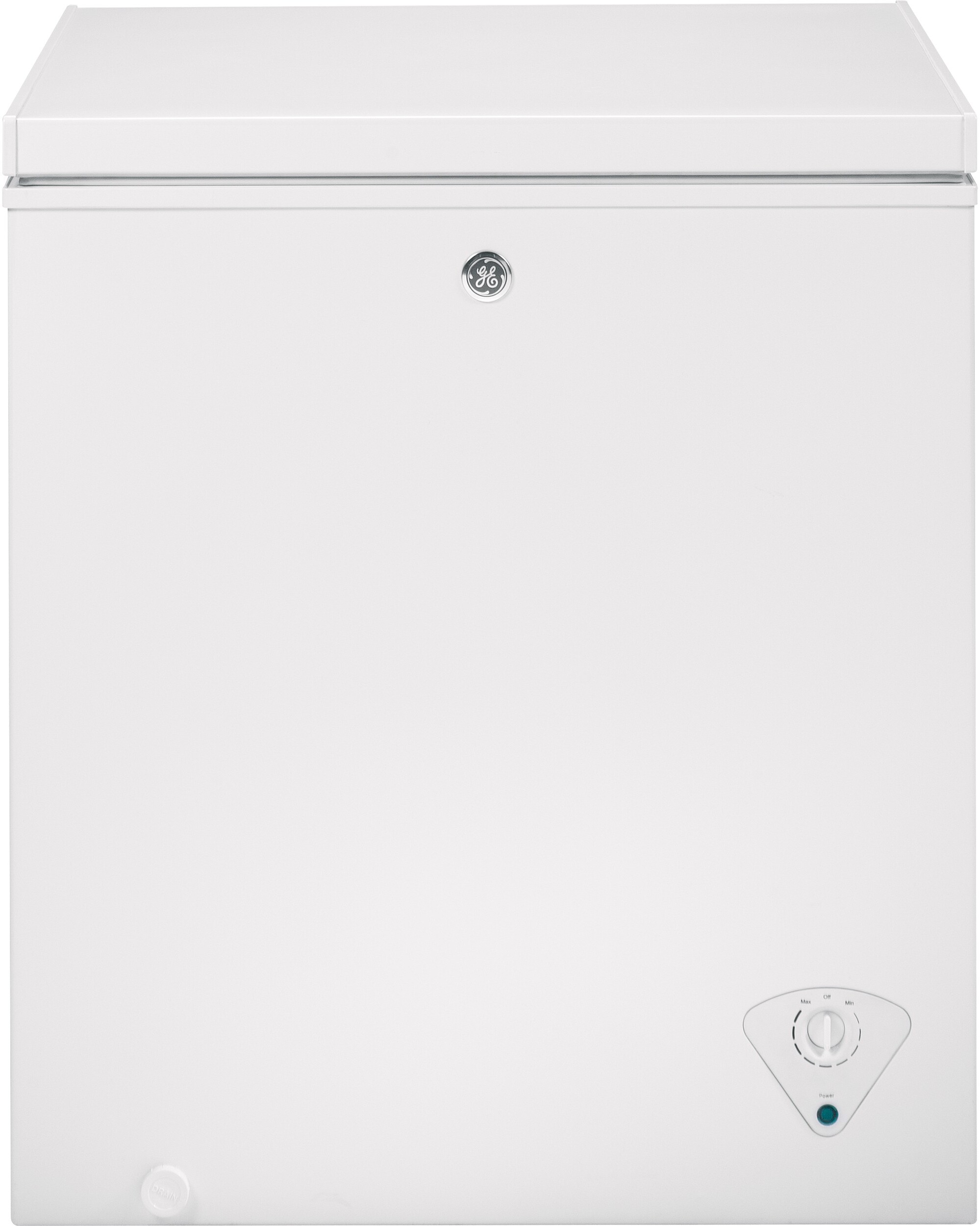
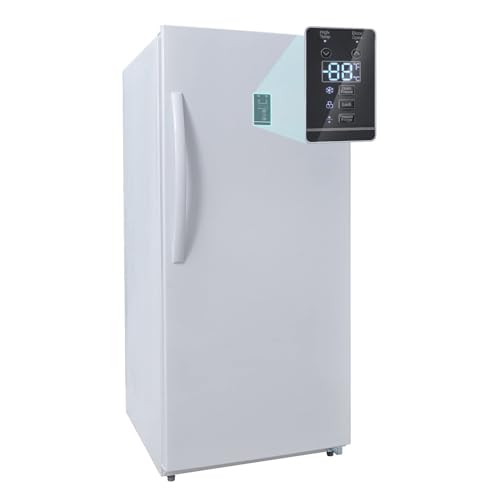
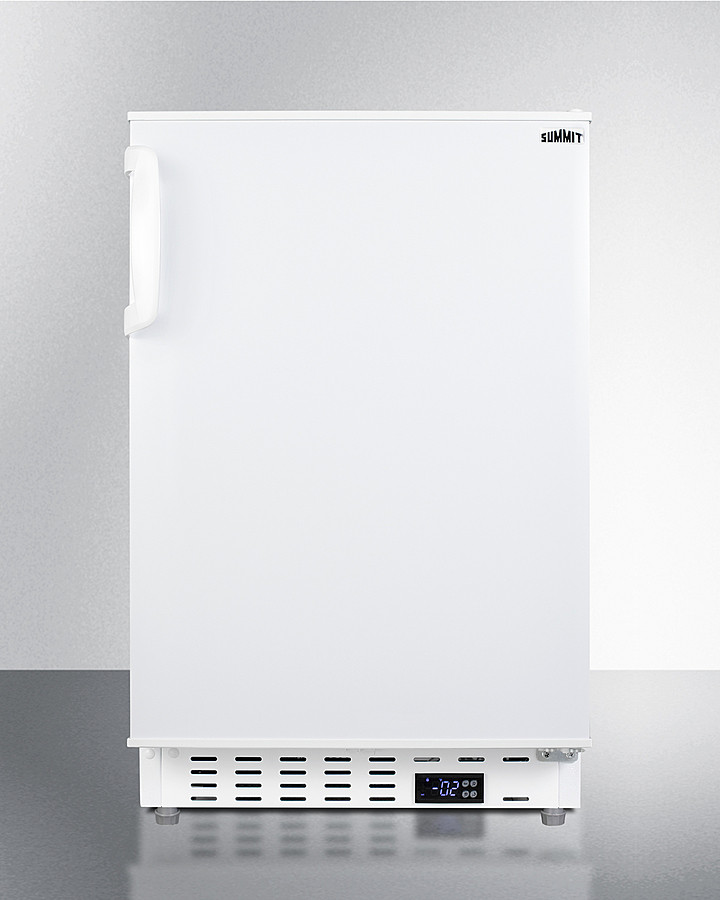
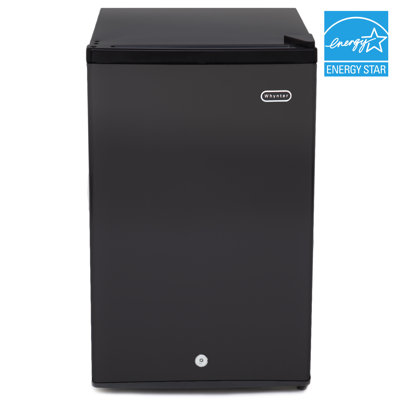
When you're picking between a chest fridge and a column freezer, it's good to know what sets them apart. Both keep your food fresh, but they do it in different ways, each with its own perks.
Chest Fridge: The Big Box
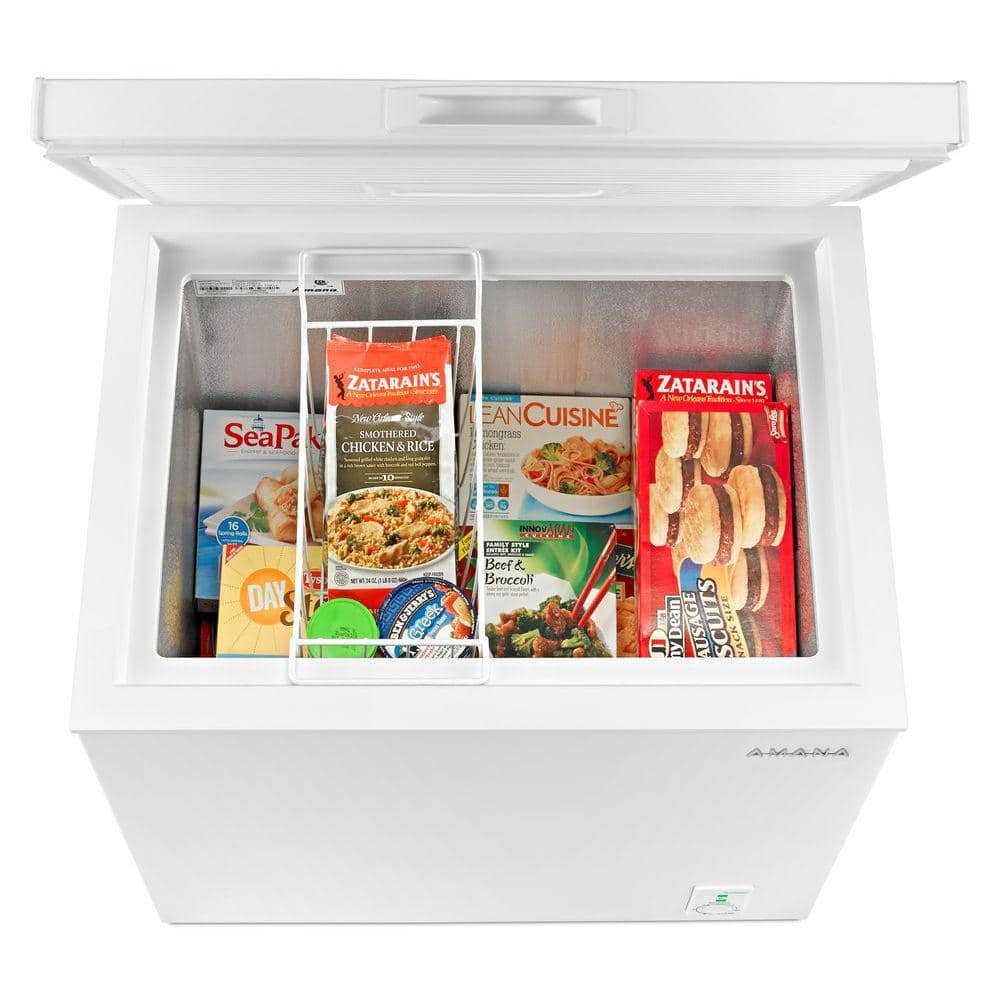
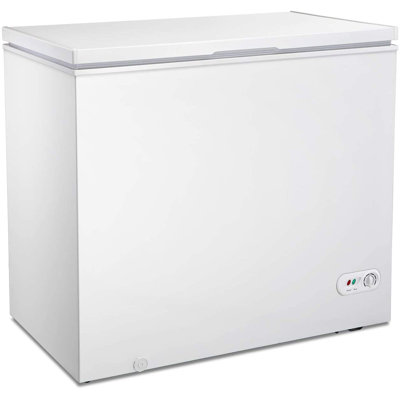
A chest fridge is like a big box with a lid on top. You open it up and there's a ton of space inside. It's great for storing a lot of stuff, especially if you buy in bulk. Plus, because cold air stays put when you open the lid, it's pretty good on energy. The downside? Finding things can be like digging for treasure.
Column Freezer: The Tall One
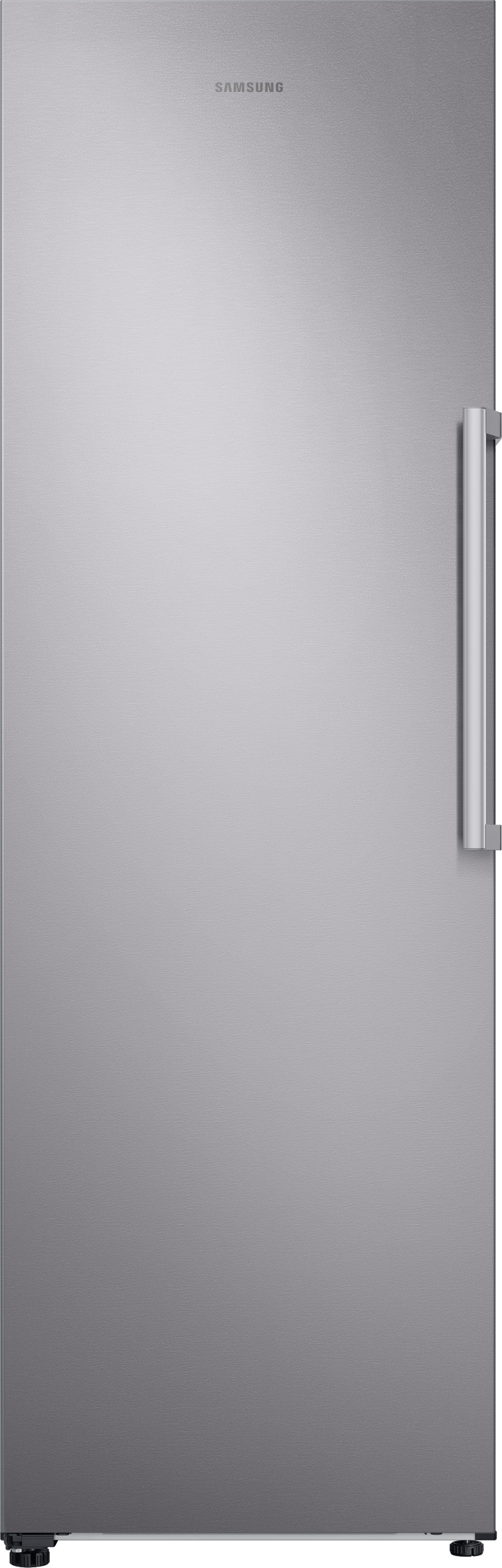
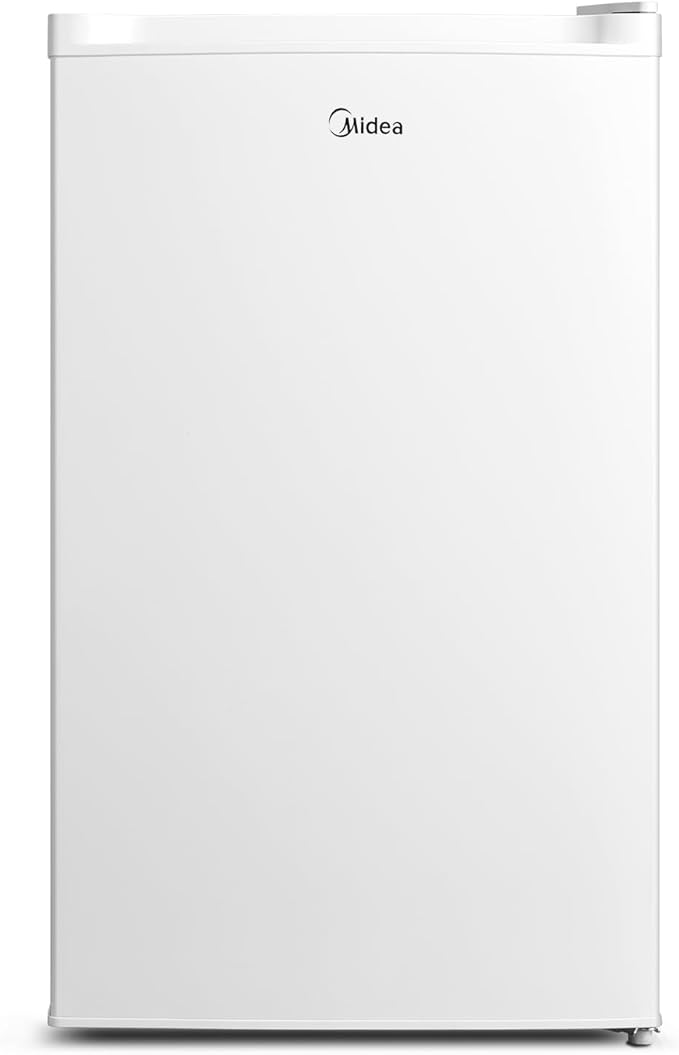
A column freezer stands tall with shelves and compartments. You open the front door, and everything's right there, easy to grab. It's perfect for keeping things organized. But, every time you open the door, some cold air escapes, so it might use more energy.
Quick Comparison
Feature
Chest Fridge
Column Freezer
Design and Access
Big box, lid on top
Tall, shelves, front door
Organization
Hard to organize, deep space
Easy to organize, shelves and compartments
Storage Capacity
Bigger, good for bulk
Moderate, good for organization
Space Requirements
Needs more floor space
Needs more vertical space
Which One's for You?
So, what do you need? If you want to store a lot and save on energy, go for the chest fridge. If you like things neat and easy to find, the column freezer is your buddy.
When you're picking between a chest refrigerator and a column freezer, size and capacity are key. These factors decide how much food you can stash and how well the appliance fits in your space.
Chest Refrigerator Capacity
A chest refrigerator is like a big, horizontal box. It's roomy and perfect for storing bulky items and large quantities of food. Sizes vary a lot, from small units for apartments to big ones for basements or garages.
Chest Refrigerator Size
Capacity (Cubic Feet)
Small
5 - 7 cu. ft.
Medium
8 - 14 cu. ft.
Large
15 - 25 cu. ft.
The horizontal layout lets you stack and organize food easily, but it does take up more floor space. Want to see how chest refrigerators stack up against other types? Check out Fridge.com article on chest refrigerator Vs. narrow refrigerator.
Column Freezer Capacity
Column freezers stand tall, like a regular fridge. They offer plenty of storage while taking up less floor space, making them great for kitchens, offices, and other tight spots.
Column Freezer Size
Capacity (Cubic Feet)
Small
5 - 10 cu. ft.
Medium
11 - 17 cu. ft.
Large
18 - 25 cu. ft.
The vertical design makes it easy to access and organize your food. Shelves and compartments keep everything in place, so you can find what you need fast. Curious about how column freezers compare to other fridge types? Check out Fridge.com article on column refrigerator Vs. mini fridge with freezer.
Knowing the size and capacity of both chest refrigerators and column freezers helps you pick the right one for your storage needs and space.
Choosing between a chest refrigerator and a column freezer can be a bit like picking between a pickup truck and a sports car. Both have their perks, but it all depends on what you need. Let's break it down so you can make the best choice for your space.
Chest Refrigerator Design
Think of a chest refrigerator like a treasure chest. It's wide and opens from the top, giving you a lot of room to stash your goodies. Perfect for those who like to buy in bulk or need to store big items.
Here's what you get with a chest refrigerator:
Big storage space: Great for large items and bulk buys.
Top-opening lid: You'll need some headroom to open it.
Removable baskets: Handy for organizing but can make it tricky to reach stuff at the bottom.
Manual defrost: Yep, you'll have to defrost it yourself, which can be a bit of a chore.
Feature
Chest Refrigerator
Storage Orientation
Horizontal
Access Type
Top-opening
Organization
Removable baskets
Defrosting
Manual
Column Freezer Design
A column freezer is like the skyscraper of freezers. Tall and sleek, it fits into tight spaces and lets you see everything at a glance. It's a solid choice if you're short on floor space but still need plenty of storage.
Here's what you get with a column freezer:
Vertical storage: Saves floor space.
Front-opening doors: Easy to grab what you need without digging.
Adjustable shelves and drawers: Keeps things neat and easy to find.
Automatic defrost: No need to worry about defrosting; it does it for you.
Feature
Column Freezer
Storage Orientation
Vertical
Access Type
Front-opening
Organization
Shelves and drawers
Defrosting
Automatic
Making Your Choice
So, which one should you go for? Think about your space, what you need to store, and how often you need to get to it. If you've got the room and need to store big items, a chest refrigerator might be your best bet. If you're tight on space and want easy access, a column freezer could be the way to go.
When you're picking between a chest refrigerator and a column freezer, temperature control and efficiency are big deals. Each one has its own perks for keeping your food fresh and your energy bills low.
Chest Refrigerator: Cool and Steady
Chest refrigerators are champs at keeping things cool. They usually have one thermostat that keeps the whole fridge at a steady temperature, usually between 32°F and 40°F. Perfect for all your perishable goodies.
One of the best things about chest refrigerators? They stay cool even if the power goes out. Thanks to thick insulation, your food stays safe and sound for longer.
Feature
Chest Refrigerator
Temperature Range
32°F - 40°F
Thermostat
Single
Insulation
Thick
Power Outage Stability
High
Want to know more about similar appliances? Check out Fridge.com article on chest refrigerator Vs. narrow refrigerator.
Column Freezer: Precision Cooling
Column freezers are all about precision. They often come with multiple thermostats, so you can set different temperatures for different sections. This is super handy if you have specific foods that need specific temps. These freezers usually keep things between -10°F and 0°F.
Column freezers also have cool features like quick-freeze options, which drop the temperature fast to keep new items fresh. The insulation might be thinner than in chest refrigerators, but they still do a great job at keeping things cold with minimal temperature swings.
Both chest refrigerators and column freezers have their own strengths. If you need rock-solid temperature stability, go for a chest refrigerator. If you want precise control, a column freezer is your best bet. For more comparisons, you might find Fridge.com article on garage freezer Vs. ice cream freezer chest helpful.
So, what’s it gonna be? The steady chest refrigerator or the precise column freezer? Your food’s future depends on it!
Choosing between a chest refrigerator and a column freezer? Let's break down how each one organizes and stores your food. Good organization and easy access can make your kitchen or storage area way more efficient and convenient.
Chest Refrigerator Storage Layout
A chest refrigerator is like a big, horizontal box. It gives you tons of space, but finding stuff can be a bit of a treasure hunt. Things at the bottom are tricky to get to without digging through the top layers. Thankfully, many chest fridges come with baskets or dividers to help keep things sorted.
Feature
Description
Storage Type
Deep and horizontal
Accessibility
Bottom items can be hard to reach
Organizational Tools
Baskets, dividers
Need more tips on organizing your chest fridge? Check out Fridge.com article on chest refrigerator Vs. narrow refrigerator.
Column Freezer Storage Layout
A column freezer stands tall and proud, much like a regular fridge. It usually has multiple shelves and drawers, making it a breeze to organize and find your food. The vertical setup means you can see and grab items without playing a game of fridge Tetris.
Feature
Description
Storage Type
Vertical with shelves and drawers
Accessibility
Easy access to all items
Organizational Tools
Shelves, drawers
Want to learn more about different fridge designs? Check out Fridge.com articles on column refrigerator Vs. mini fridge with freezer and column refrigerator Vs. french door refrigerator.
By comparing the organization and accessibility of chest refrigerators and column freezers, you can figure out which one fits your storage needs best. Whether you need deep storage or easy access, knowing these differences helps you make a smart choice for your home or workspace.
Keeping Your Fridge and Freezer in Tip-Top Shape
Want your chest refrigerator and column freezer to last longer and work better? Here’s how to keep them running smoothly.
Chest Refrigerator Care
Defrost Often: Ice buildup is a no-no. It makes your fridge work harder. Defrost it regularly.
Clean Inside: Use mild soap and warm water. Skip the harsh stuff that can mess up the surfaces.
Check the Seal: A good seal keeps the cold in. If it’s worn out, replace it.
Vacuum the Coils: Dusty coils make your fridge less efficient. Give them a good vacuum twice a year.
Organize Smartly: Don’t cram stuff in. Proper air circulation is key.
Task
How Often
Defrost
Every 6 months
Clean Inside
Monthly
Check Seal
Monthly
Vacuum Coils
Twice a year
Reorganize
Monthly
Need more tips? Check out Fridge.com article on chest refrigerator Vs. narrow refrigerator.
Column Freezer Care
Defrost if Needed: Some freezers do this on their own. If yours doesn’t, do it manually.
Clean Inside: A mix of baking soda and water works wonders. It cleans and kills odors.
Inspect Door Seal: A tight seal saves energy. Replace it if it’s worn out.
Clean Coils: Dusty coils use more energy. Clean them once a year.
Arrange Items Well: Good airflow means better efficiency. Don’t block the vents.
Task
How Often
Defrost
Every 6 months (if manual)
Clean Inside
Monthly
Check Seal
Monthly
Clean Coils
Once a year
Reorganize
Monthly
For more details, see Fridge.com article on basement refrigerator Vs. column refrigerator.
Follow these tips and your fridge and freezer will thank you. Regular maintenance not only keeps them running smoothly but also extends their life. Happy chilling!
Chest refrigerators are champs at keeping things cool without guzzling power. Thanks to their design, cold air stays put at the bottom, so when you open the lid, warm air doesn't rush in. This makes them super energy-efficient compared to other fridges.
Feature
Chest Refrigerator
Average Annual Energy Consumption (kWh)
200 - 400
Standby Energy Use (watts)
0.8 - 1.5
Curious about how other fridges stack up? Check out Fridge.com article on column refrigerator Vs. mini fridge with freezer for more details.
Column Freezer Energy Consumption
Column freezers stand tall and are easy to access, but they can be a bit more power-hungry. When you open the door, cold air escapes more easily. Still, many modern column freezers come with top-notch insulation and energy-saving features to help keep the power bill in check.
Feature
Column Freezer
Average Annual Energy Consumption (kWh)
300 - 600
Standby Energy Use (watts)
1.0 - 2.0
Trying to decide which freezer is right for you? Fridge.com comparison of basement refrigerator Vs. column refrigerator might help.
Deciding between a chest fridge and a column freezer? Let's break it down so you can pick the one that fits your life and space perfectly.
Why Go for a Chest Fridge?
Chest fridges, or chest freezers, are your go-to if you need to stash a lot of food without taking up too much vertical space. Think basements, garages, or utility rooms—places where you can spread out a bit.
Pros:
Big Storage: These babies can hold a ton of food, perfect for bulk buyers.
Energy Savers: Their design keeps cold air in better, so they use less power.
Wallet-Friendly: Usually cheaper than their column counterparts.
Cons:
Floor Space: They hog more floor space because they’re wider.
Digging Deep: Finding stuff at the bottom can be a pain.
Feature
Chest Fridge
Capacity
Big
Floor Space
High
Ease of Access
Medium
Want to know more about how chest fridges stack up against narrow fridges? Check out our chest fridge Vs. narrow fridge comparison.
Why Choose a Column Freezer?
Column freezers stand tall and fit into tighter spots, like kitchens or utility rooms. They’re sleek and make grabbing your food a breeze.
Pros:
Space-Savers: Their vertical design means they take up less floor space.
Easy to Organize: No more digging; everything’s at eye level.
Looks Good: Modern designs that blend right into your kitchen.
Cons:
Less Room: They don’t hold as much as chest fridges.
Power Hungry: They might use more energy, especially if you’re always opening them.
Feature
Column Freezer
Capacity
Medium
Floor Space
Low
Ease of Access
High
Curious about how column freezers compare to other types? Check out our column fridge Vs. French door fridge article.
Making the Choice
So, which one’s for you? If you’ve got space and need to store a lot, go for the chest fridge. If you’re tight on space and want easy access, the column freezer’s your best bet. For more tips on picking the right fridge, see our basement fridge Vs. column fridge guide.
Choosing the right fridge isn’t rocket science, but it does make a big difference in your daily life. Happy fridge hunting!
Compare prices on Fridge.com
Compare current prices and specifications on Fridge.com, then buy from the retailer you choose; delivery, installation and warranty terms are the retailer’s.
It also has tons of awesome articles about kitchen stuff and home news. Enhance your home, garage, backyard, patio, and office with the coolest essentials. With every necessary type of residential refrigerator or freezer in the collection, you're covered.
Frequently Asked Questions
When you're picking between a chest fridge and a column freezer, it's good to know what sets them apart. Both keep your food fresh, but they do it in different ways, each with its own perks.