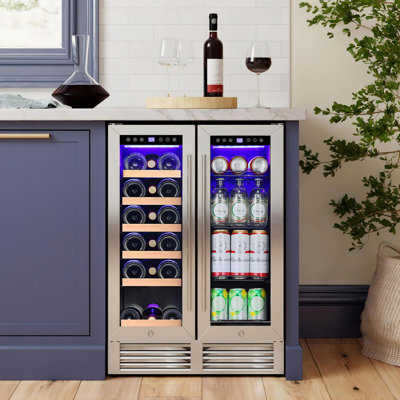
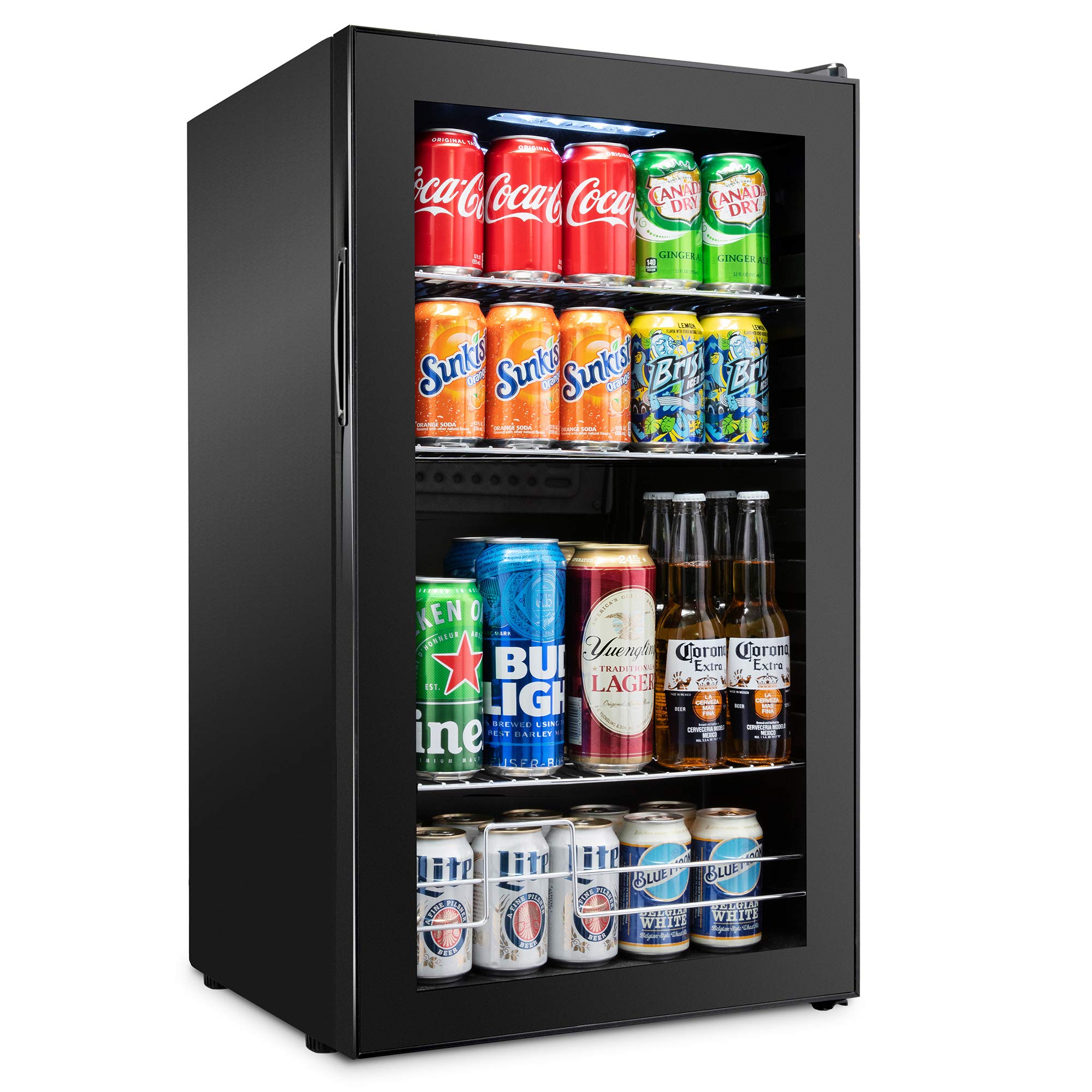
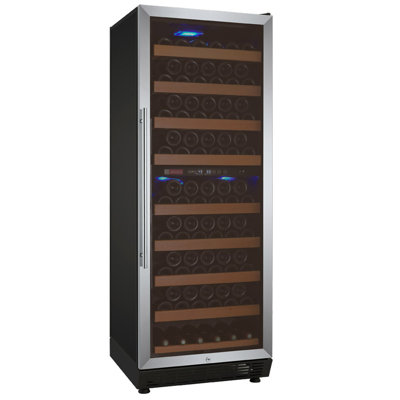
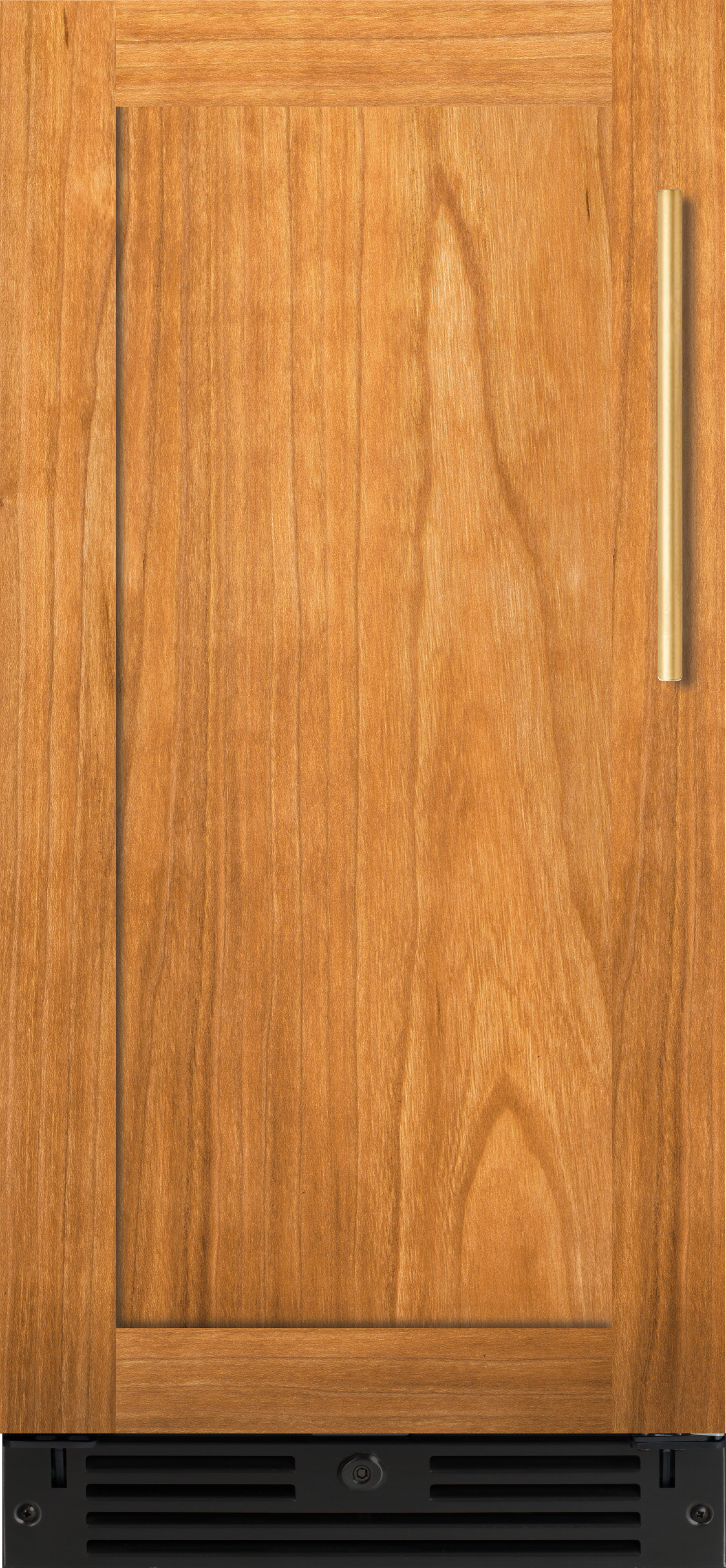
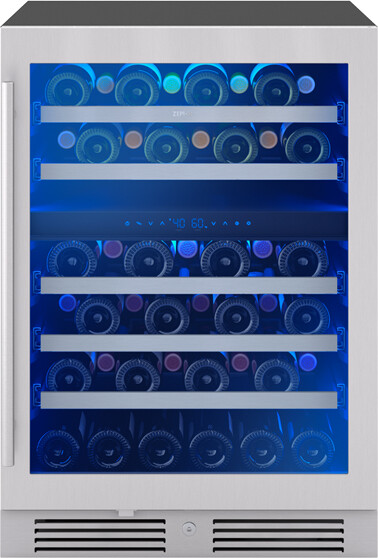
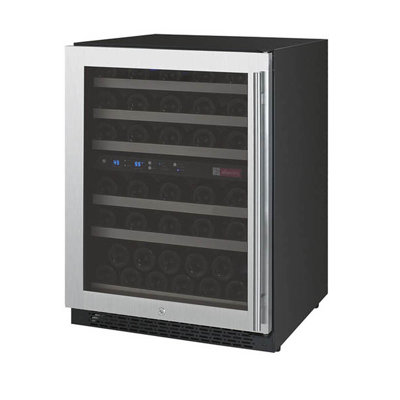
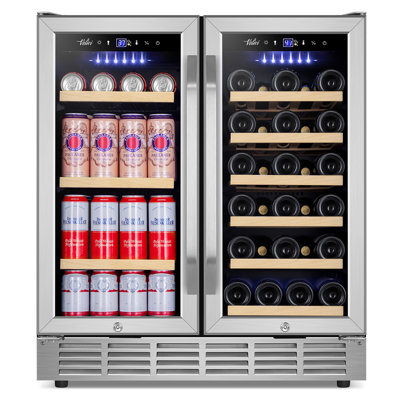
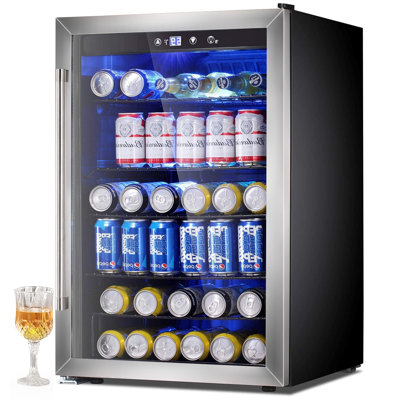
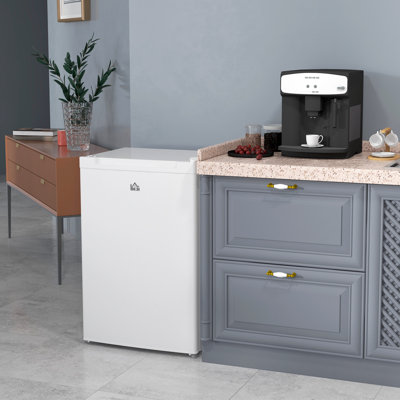
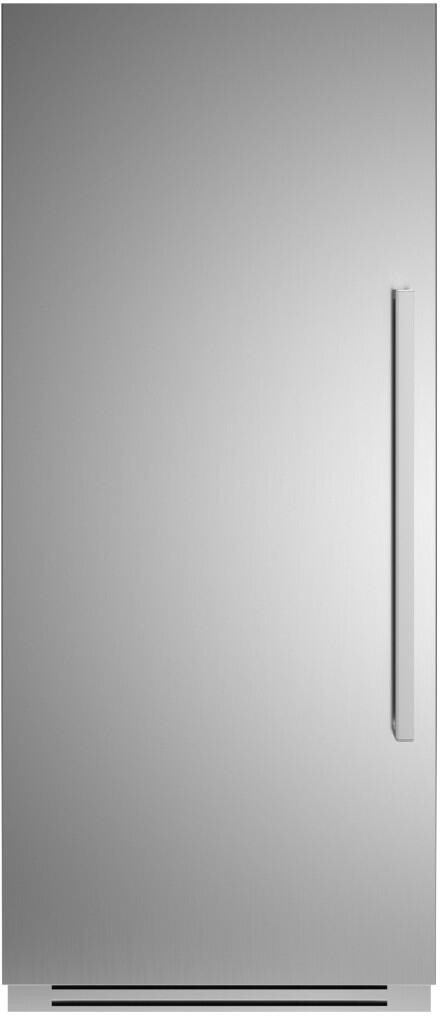
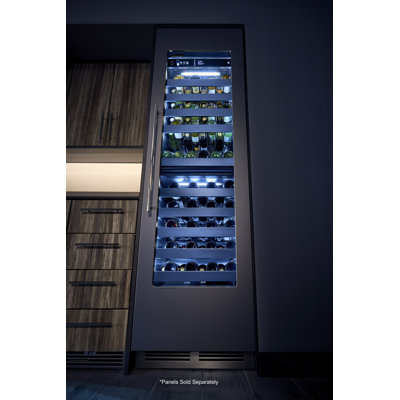
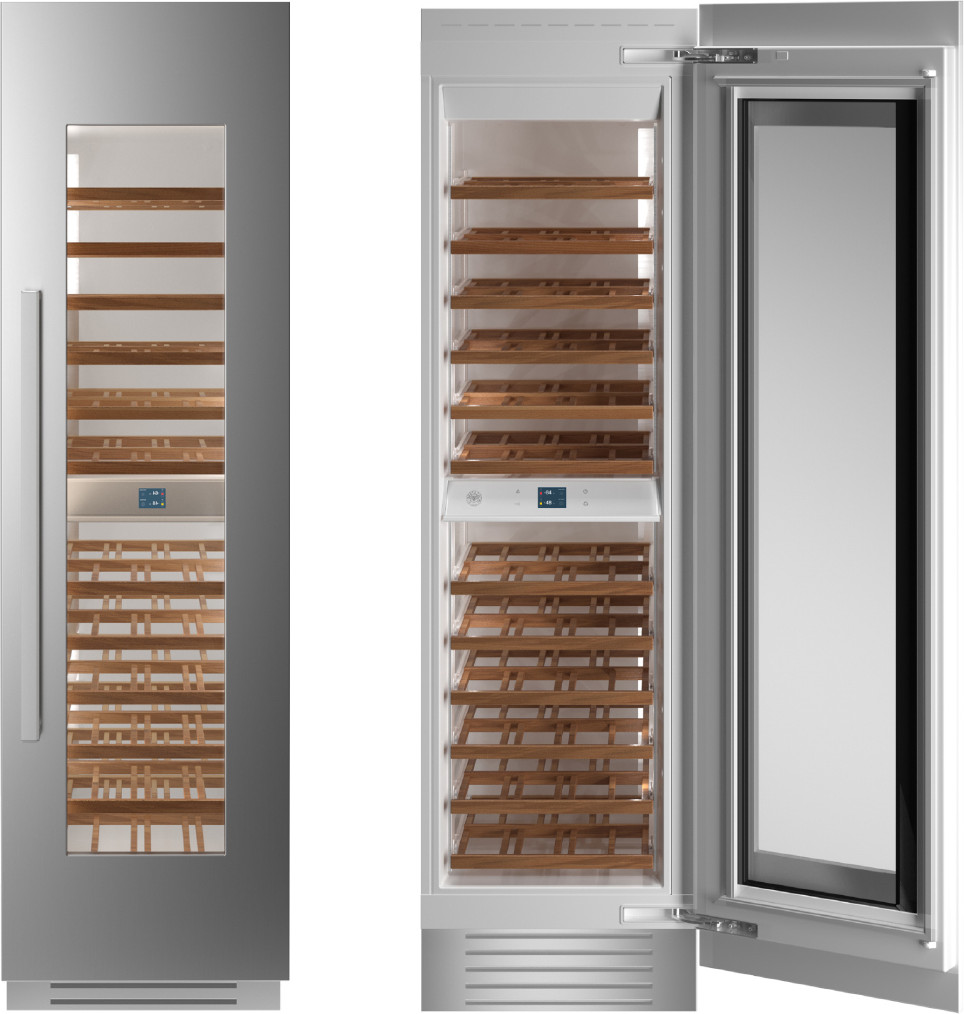
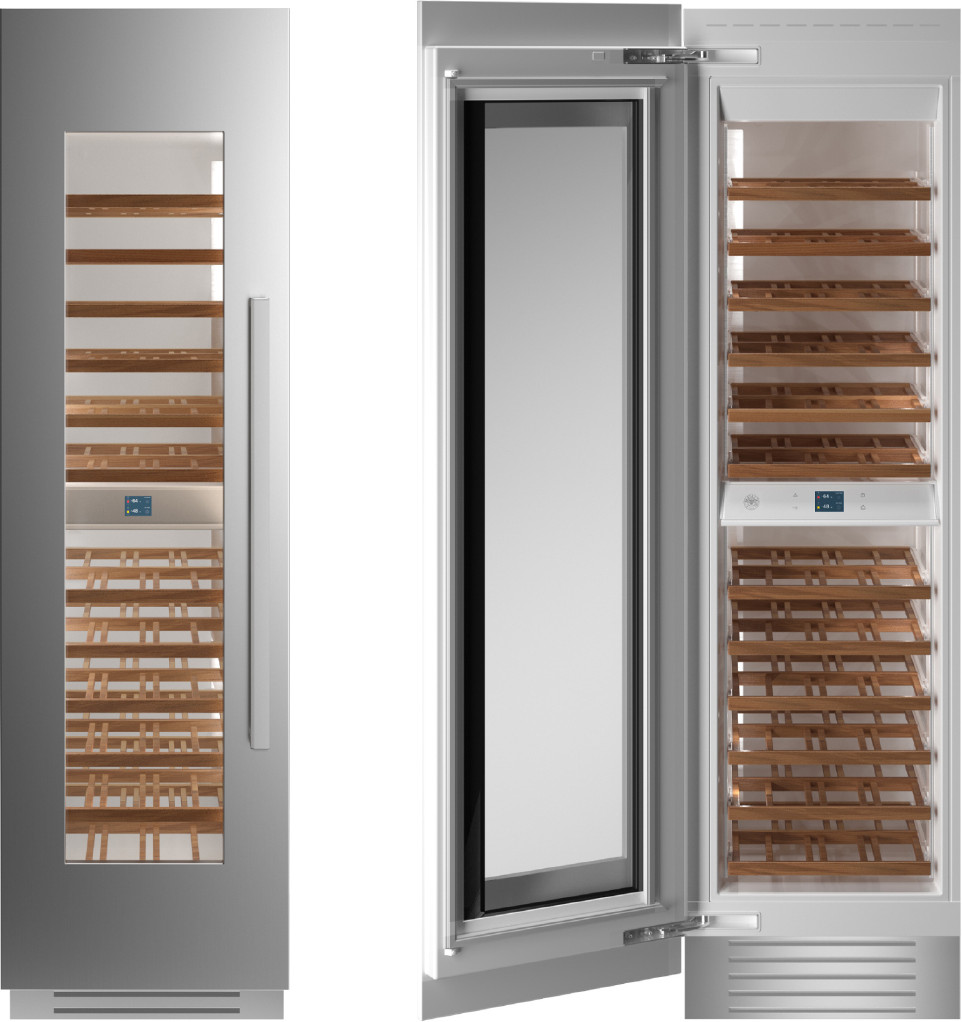
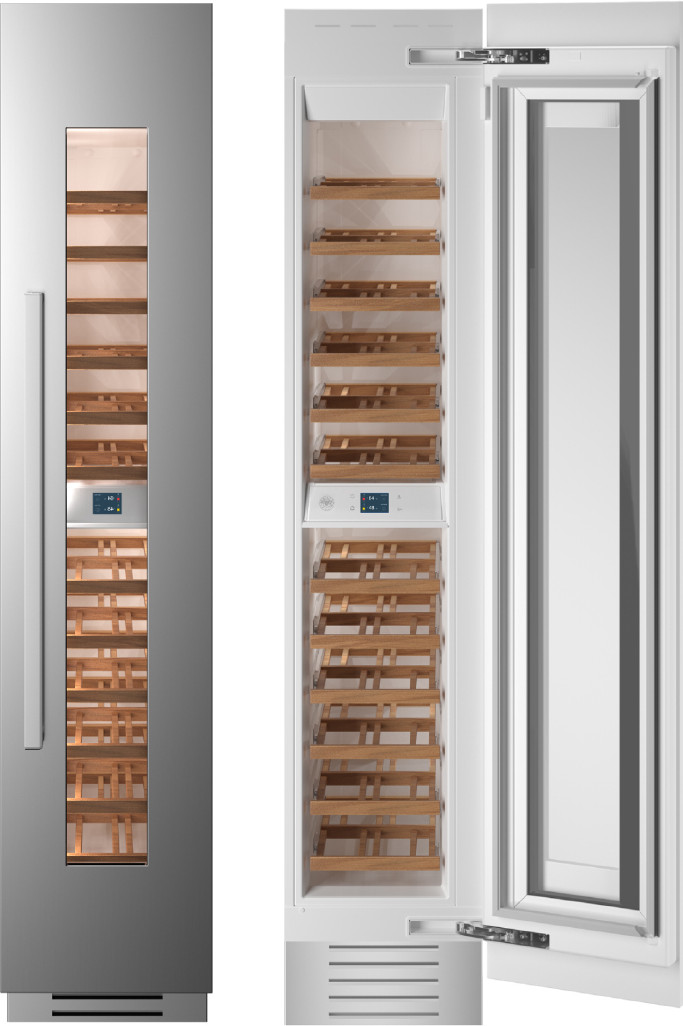
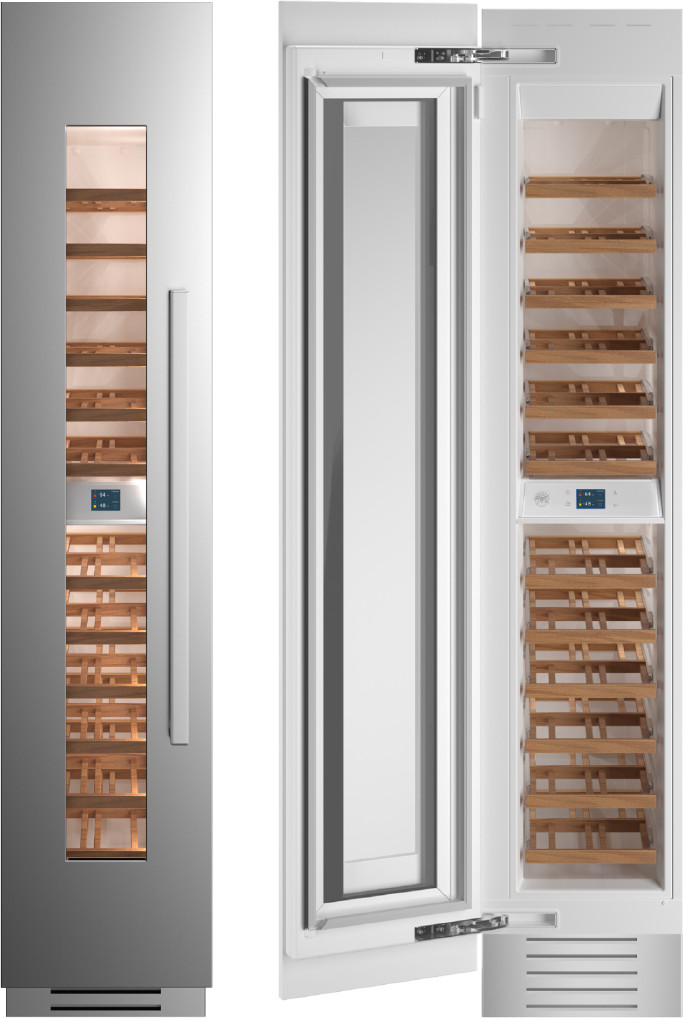
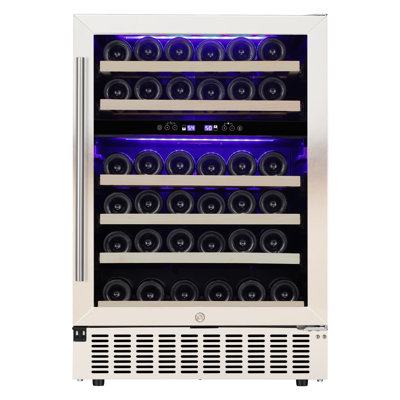
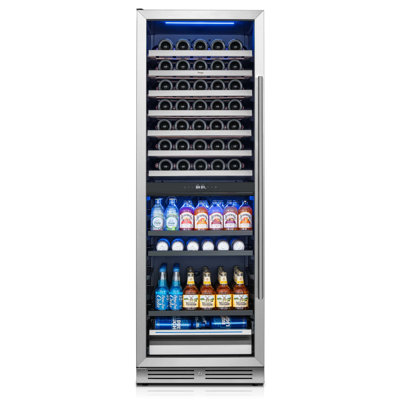
The terms wine cooler and wine chiller are often used interchangeably, but they can describe different appliances depending on the context. A built-in wine cooler is a permanently installed under-counter or full-height unit with front ventilation, precise temperature zones, and environmental controls for long-term wine storage. A wine chiller — in its most common form — is a compact, often countertop or freestanding unit designed to chill a small number of bottles to serving temperature quickly. This comparison clarifies the differences between permanent wine storage and quick-chill wine service.
Storage Vs Service
The core distinction is time horizon. A built-in wine cooler stores wine for days, weeks, months, or years. Temperature stability, humidity, vibration control, and UV protection are designed for preservation. The goal is to keep wine in optimal condition until you are ready to open it — whether that is tonight or five years from now.
A wine chiller brings wine to serving temperature in minutes to hours. Many countertop wine chillers are essentially small thermoelectric coolers that hold 6 to 12 bottles at a set temperature. Some are rapid-chill devices that wrap around a single bottle and drop it to target temperature in 10 to 20 minutes. The goal is service readiness, not long-term preservation.
Capacity
| Type | Bottle Range | Form Factor |
|---|---|---|
| Built-In Wine Cooler (under-counter) | 28 - 54 bottles | 24 inches wide, 34 inches tall |
| Built-In Wine Cooler (full-height) | 80 - 150 bottles | 24 - 30 inches wide, 80 - 84 inches tall |
| Wine Chiller (countertop) | 6 - 12 bottles | 10 - 18 inches wide, 18 - 25 inches tall |
| Wine Chiller (compact freestanding) | 12 - 20 bottles | 15 - 20 inches wide, 25 - 35 inches tall |
Built-in wine coolers hold significantly more bottles because they are larger appliances designed for collection storage. Wine chillers prioritize compactness and portability over volume — they hold what you plan to drink this week, not your entire collection.
Environmental Controls
A built-in wine cooler provides the full suite of wine preservation features. Temperature holds at 45 to 65 degrees across single or dual zones with ±1 to 2 degree precision. Humidity stays at 50 to 70 percent through passive management or active systems. Vibration is dampened through rubber-mounted compressors or eliminated entirely in thermoelectric models. UV-filtered glass protects against light damage. Wood racks hold bottles horizontally for cork contact.
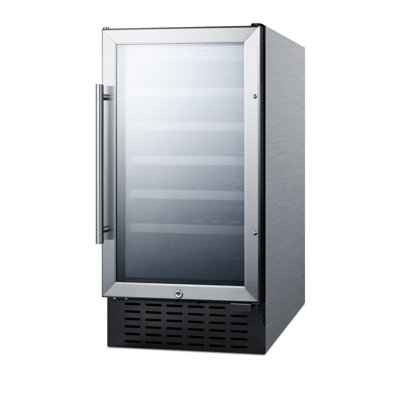
A countertop wine chiller provides temperature control only. Most use thermoelectric cooling with a simple dial or digital control. No humidity management. No vibration dampening beyond the inherent stillness of thermoelectric systems. No UV-specific glass treatment — most use clear or lightly tinted acrylic or glass. Shelving may hold bottles horizontally or at a slight angle depending on the model. The simplified feature set matches the short-term use case — wine stored for a few days does not need the preservation infrastructure that wine stored for months requires.
Installation
A built-in wine cooler requires a prepared cabinet opening, a dedicated electrical outlet, and sometimes professional installation for panel attachment. It becomes a permanent part of the kitchen or bar. Moving it means modifying cabinetry. The installation is an investment in the home's architecture.
A wine chiller sits on a countertop, table, or floor. Plug it into any 120V outlet. Move it to the dining room for dinner, the patio for a party, or a closet when not in use. No installation, no commitment, no modification to the space. Some wine chillers are genuinely portable — small enough to carry and light enough for one person to move.
Temperature Precision
| Type | Range | Precision | Stability |
|---|---|---|---|
| Built-In Wine Cooler | 45 - 65°F | ±1-2°F | Very high (insulated, sealed) |
| Wine Chiller (thermoelectric) | 46 - 64°F | ±3-5°F | Moderate (affected by ambient temp) |
Built-in wine coolers maintain tighter temperature control because they use commercial-grade thermostats, better insulation, and sealed systems designed for continuous operation. Thermoelectric wine chillers are affected by ambient room temperature — if the room is 85 degrees, a thermoelectric unit struggles to cool below 65 degrees. In climate-controlled rooms under 77 degrees, they perform well for short-term use.
Pricing
| Type | Budget | Mid-Range | Premium |
|---|---|---|---|
| Built-In Wine Cooler | $500 - $1,200 | $1,200 - $2,500 | $2,500 - $5,000+ |
| Wine Chiller (countertop) | $50 - $150 | $150 - $350 | $350 - $600 |
| Wine Chiller (compact freestanding) | $100 - $300 | $300 - $500 | $500 - $900 |
Wine chillers are dramatically more affordable. A quality 8-bottle countertop chiller costs less than the installation alone on a built-in wine cooler. The price reflects the difference in purpose — short-term chilling versus long-term preservation.
Energy Use
| Type | Annual kWh | Annual Cost |
|---|---|---|
| Built-In Wine Cooler | 150 - 300 kWh | $18 - $38 |
| Wine Chiller (thermoelectric, always on) | 80 - 180 kWh | $10 - $22 |
| Wine Chiller (used occasionally) | 20 - 60 kWh | $2 - $8 |
Small thermoelectric wine chillers are very energy efficient. If used intermittently rather than continuously, they cost almost nothing to operate. Built-in coolers run continuously to maintain stable conditions — the energy cost is modest but constant.
Noise
Built-in wine coolers with compressors run at 36 to 42 decibels. Thermoelectric built-ins run at 28 to 35 decibels.
Countertop wine chillers using thermoelectric cooling run at 25 to 35 decibels — among the quietest appliances available. This makes them ideal for dining rooms, living rooms, and bedrooms where silence matters. Compressor-based wine chillers are uncommon in the countertop category.
Durability
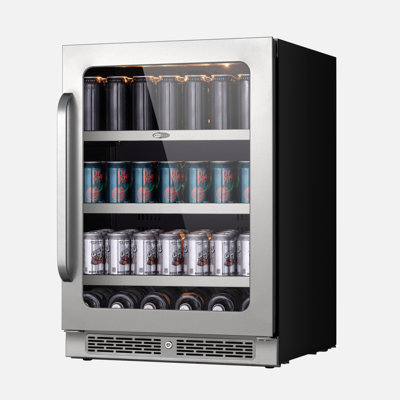
Built-in wine coolers last 10 to 15 years with proper maintenance. The permanent installation and higher build quality support a decade of continuous operation.
Countertop wine chillers last 3 to 8 years. Thermoelectric Peltier elements have a finite lifespan and lose cooling capacity over time. At the lower price point, replacing a countertop chiller every 4 to 5 years remains economical.
Use Cases
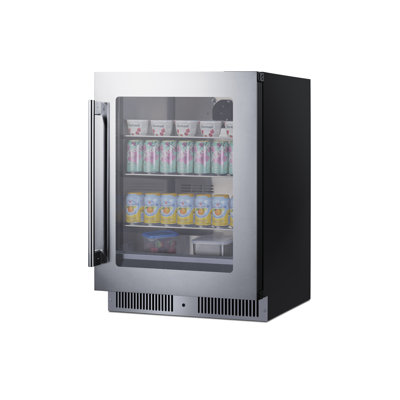
A built-in wine cooler belongs in a kitchen, bar, or dining room where a permanent wine storage station anchors the space. It serves wine collectors with 20 to 150 bottles who want proper long-term conditions and architectural integration.
A wine chiller belongs on a counter, dining room sideboard, or entertaining table where wine needs to reach serving temperature quickly. It serves casual wine drinkers who buy a few bottles at a time and consume them within days. It also works as a complement to a built-in cooler — chill tonight's selection on the dining table while the collection stays in the kitchen cooler.
Who Should Buy Which
Buy a built-in wine cooler if you store wine for more than a week, maintain a collection of 20+ bottles, want architectural integration, and value long-term preservation. The built-in protects your investment in wine over months and years.
Buy a wine chiller if you buy wine for immediate or same-week consumption, keep fewer than 12 bottles at a time, want portability and low cost, and need quick chill-to-serve capability. The chiller gets tonight's bottle to the right temperature without the commitment of a built-in installation.
Shop at Fridge.com
Compare built-in wine coolers and wine chillers at Fridge.com. Filter by bottle count, installation type, cooling method, and price to find the wine cooling solution that matches your drinking habits and collection size.