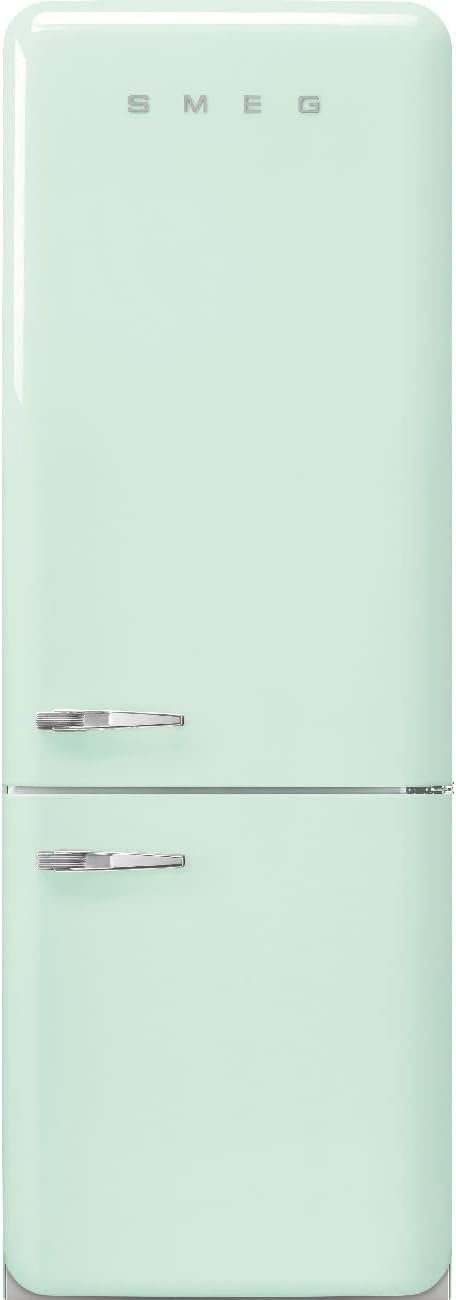
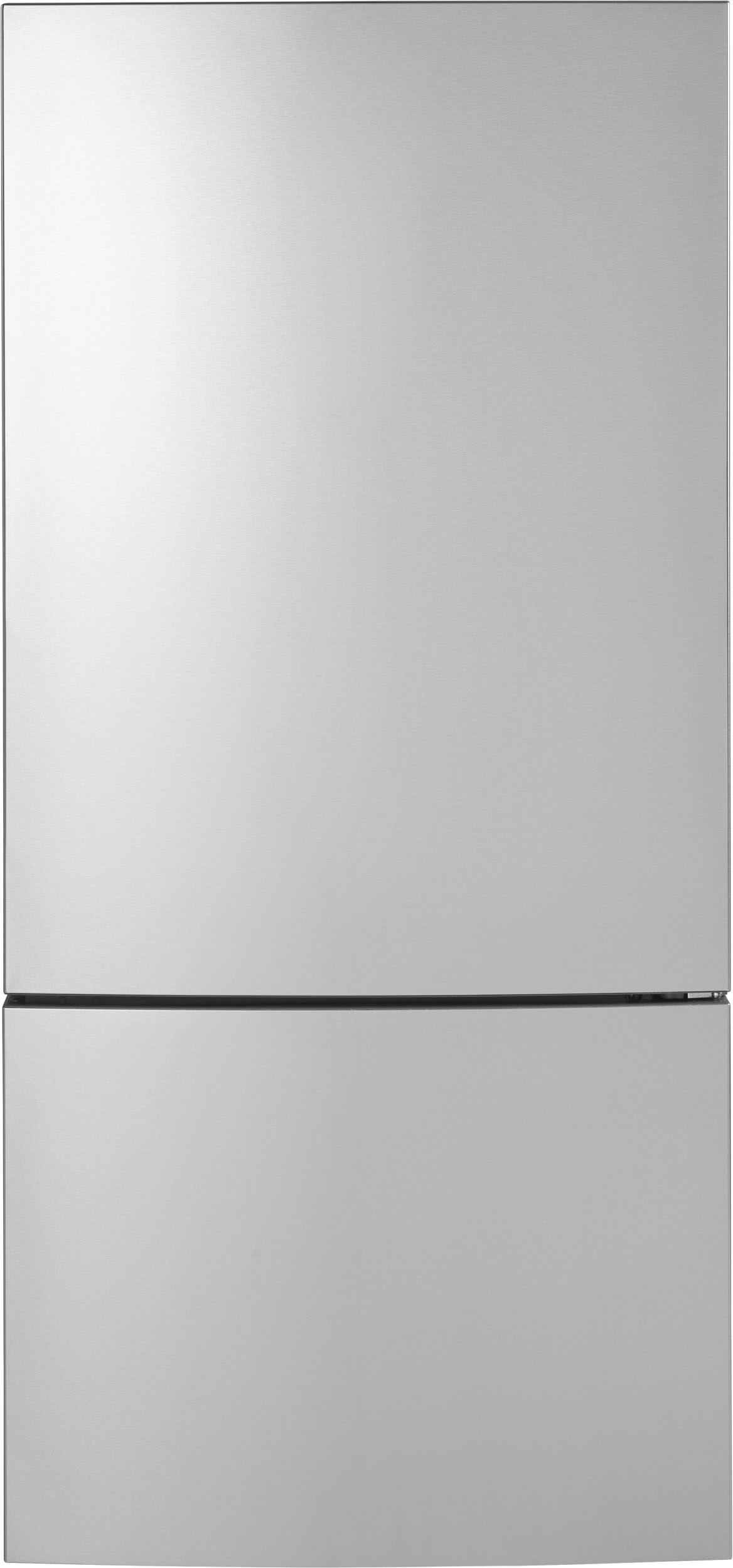
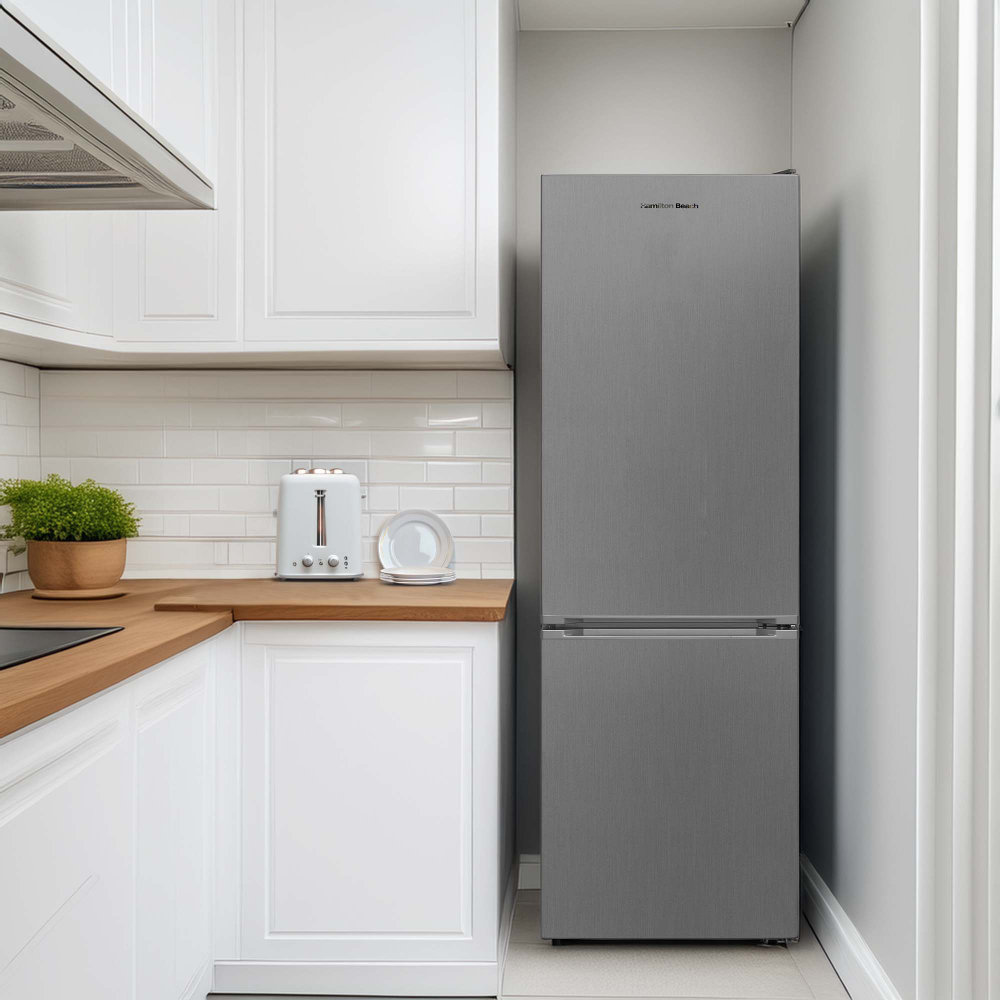
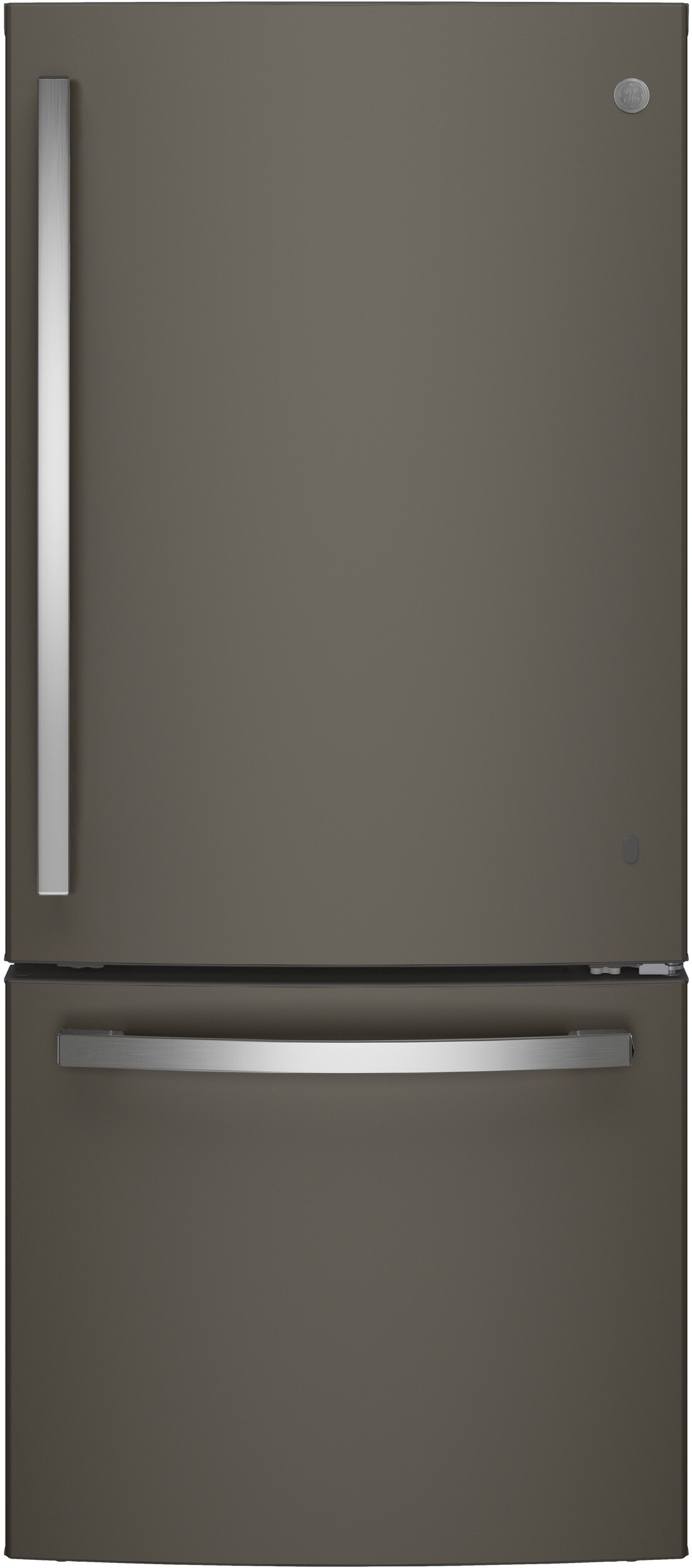
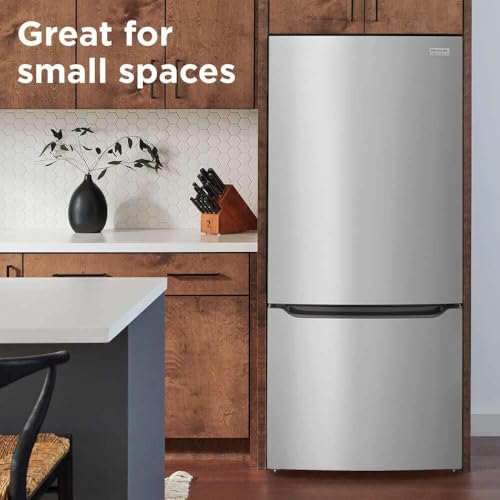
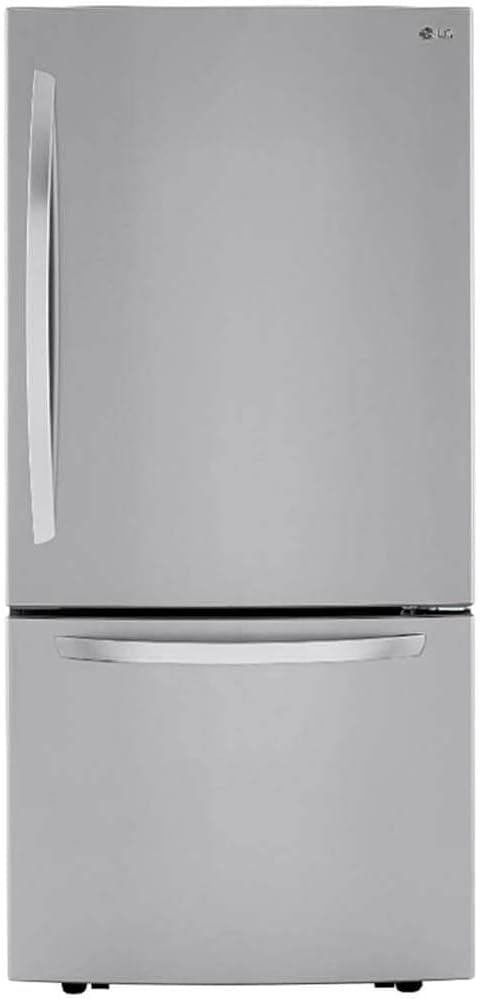
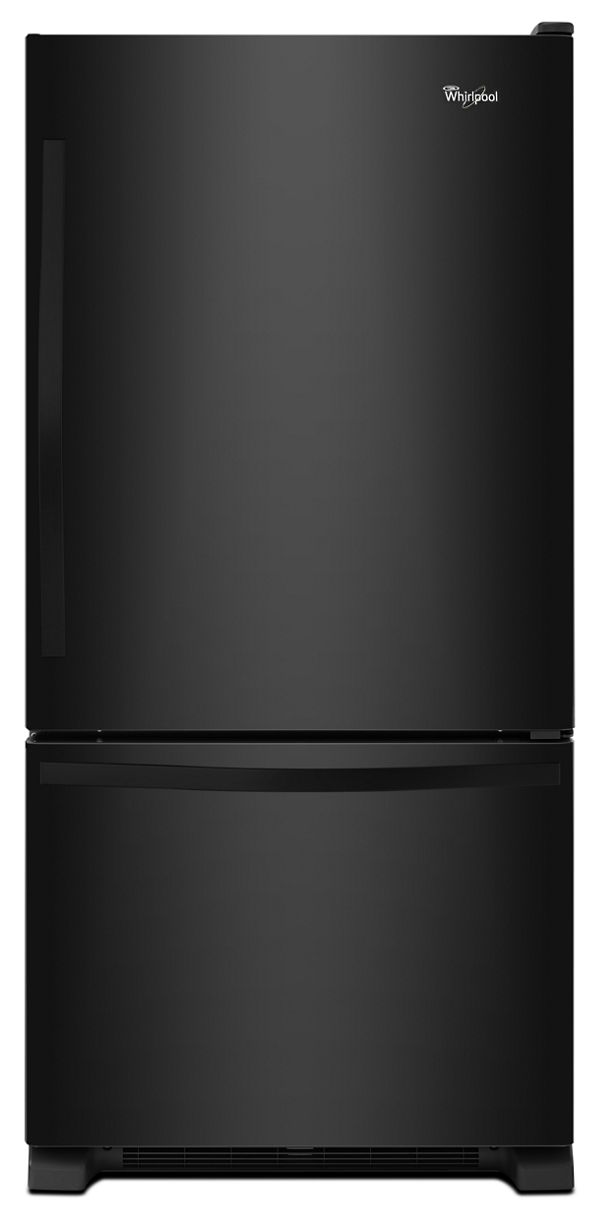
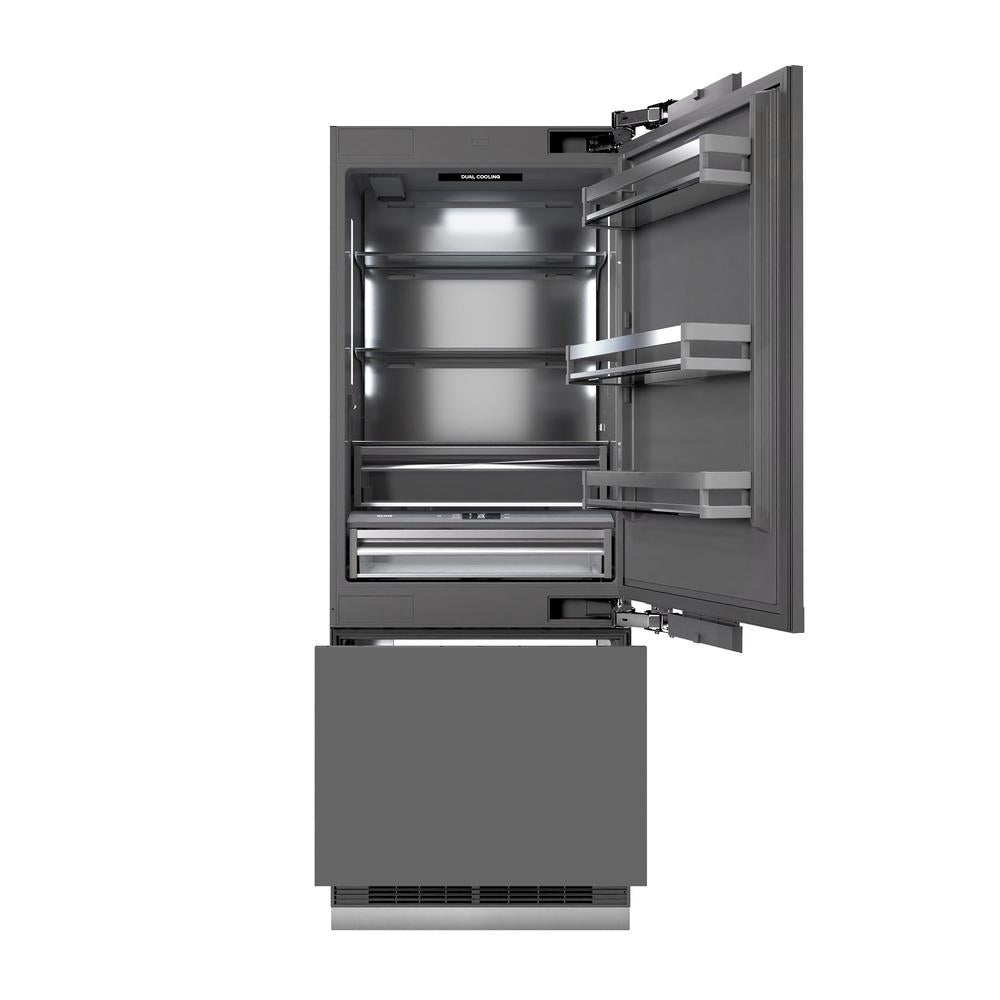
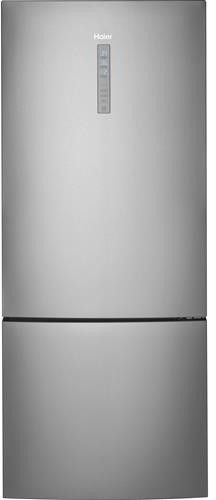
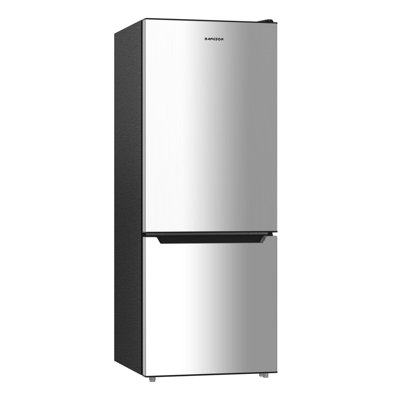
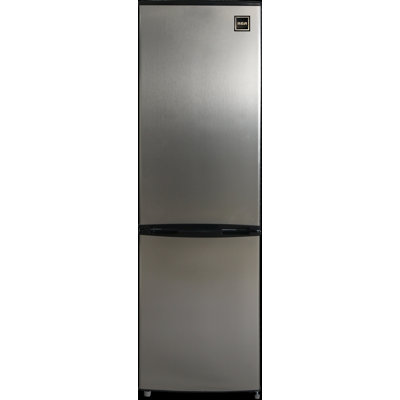
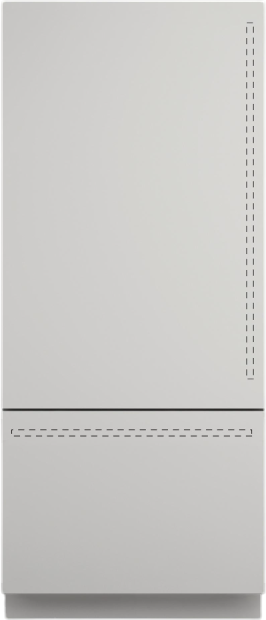
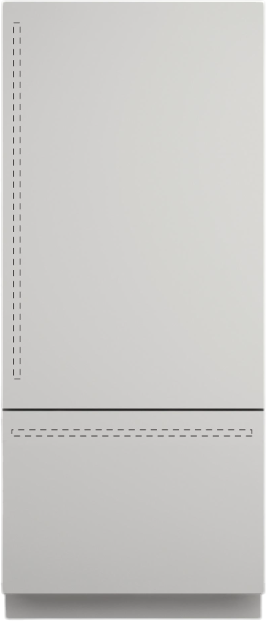
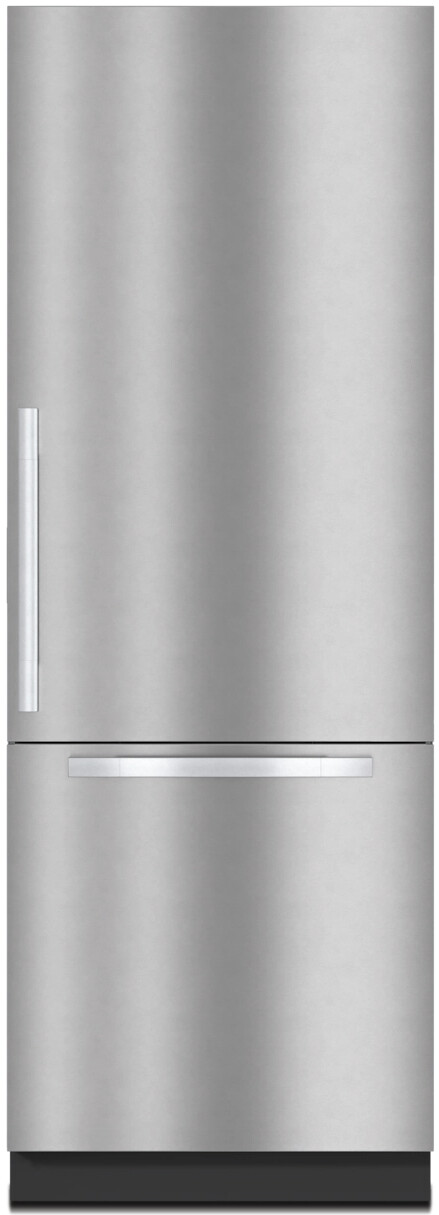
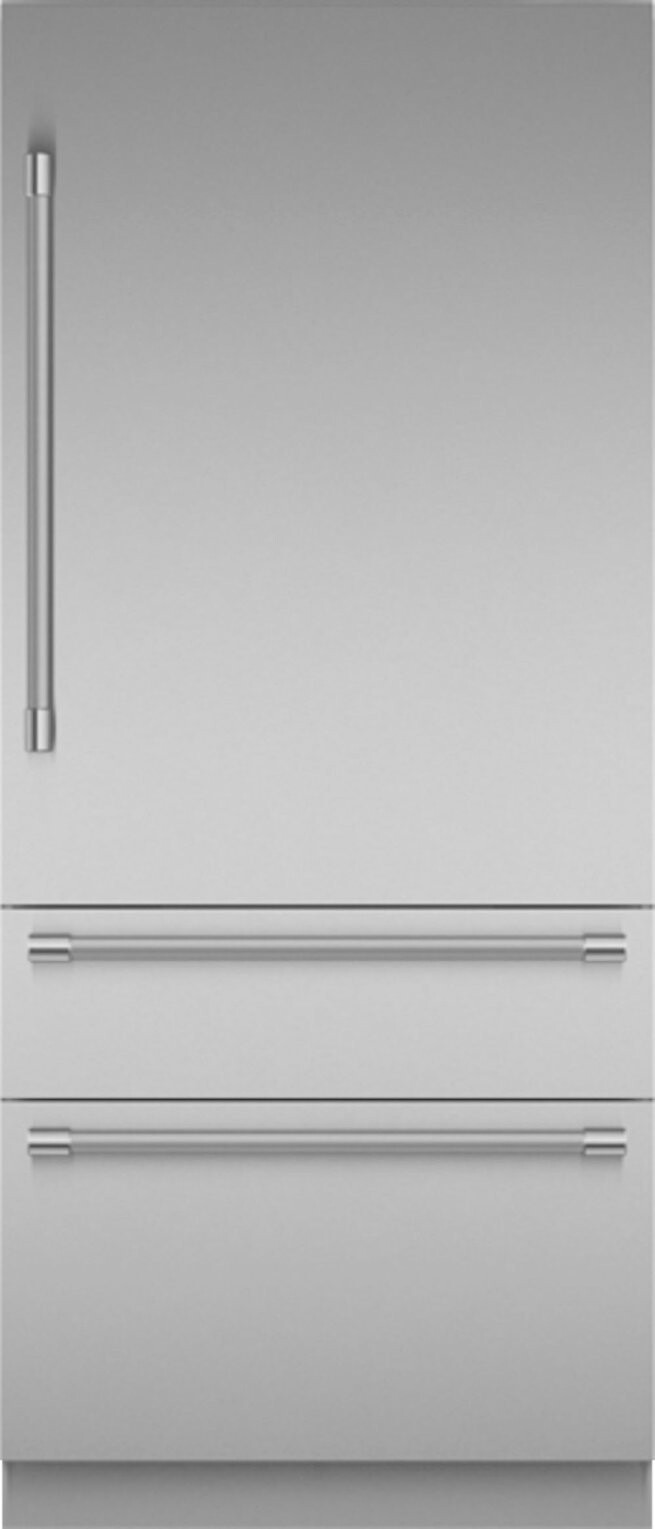
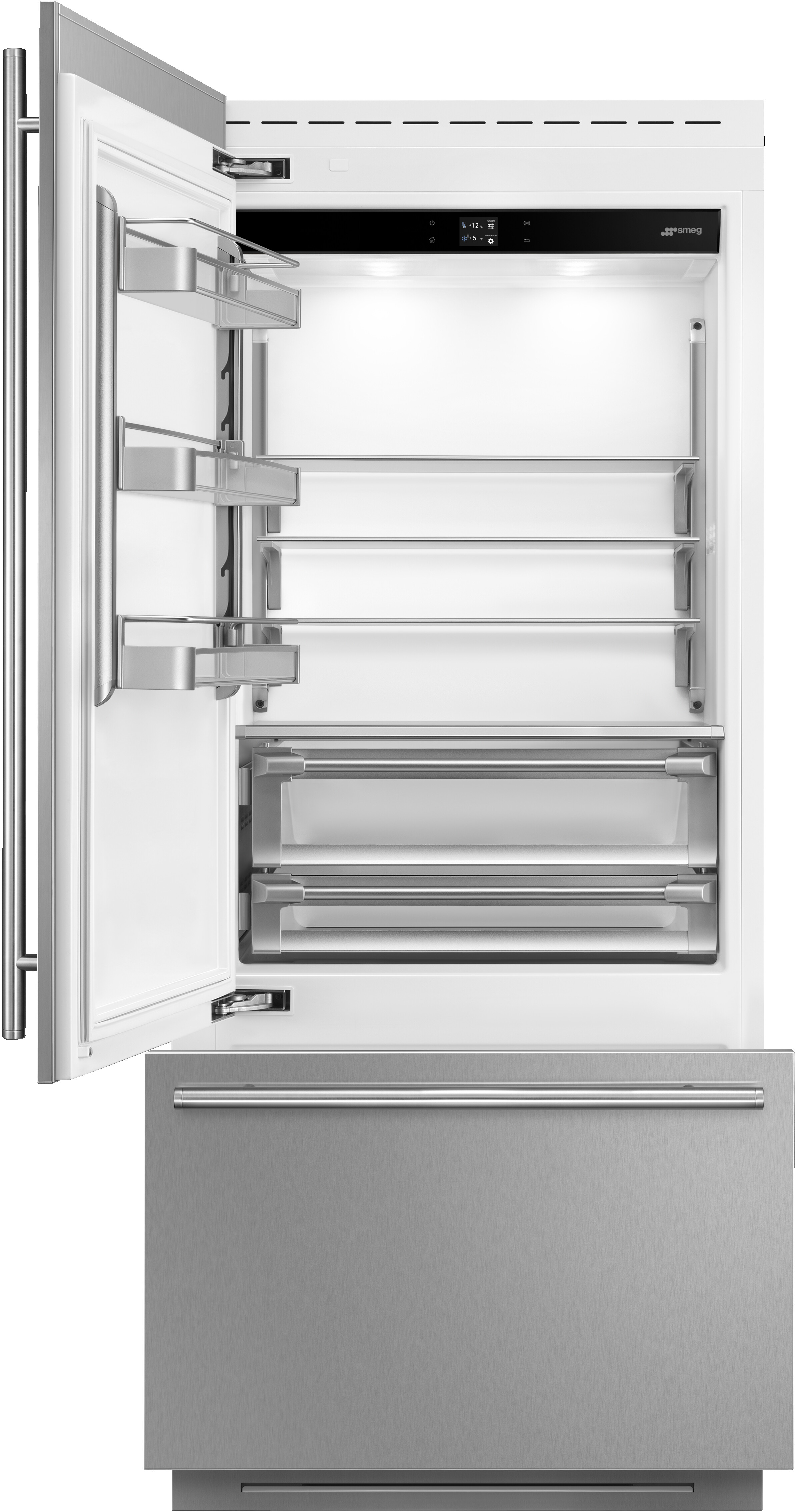
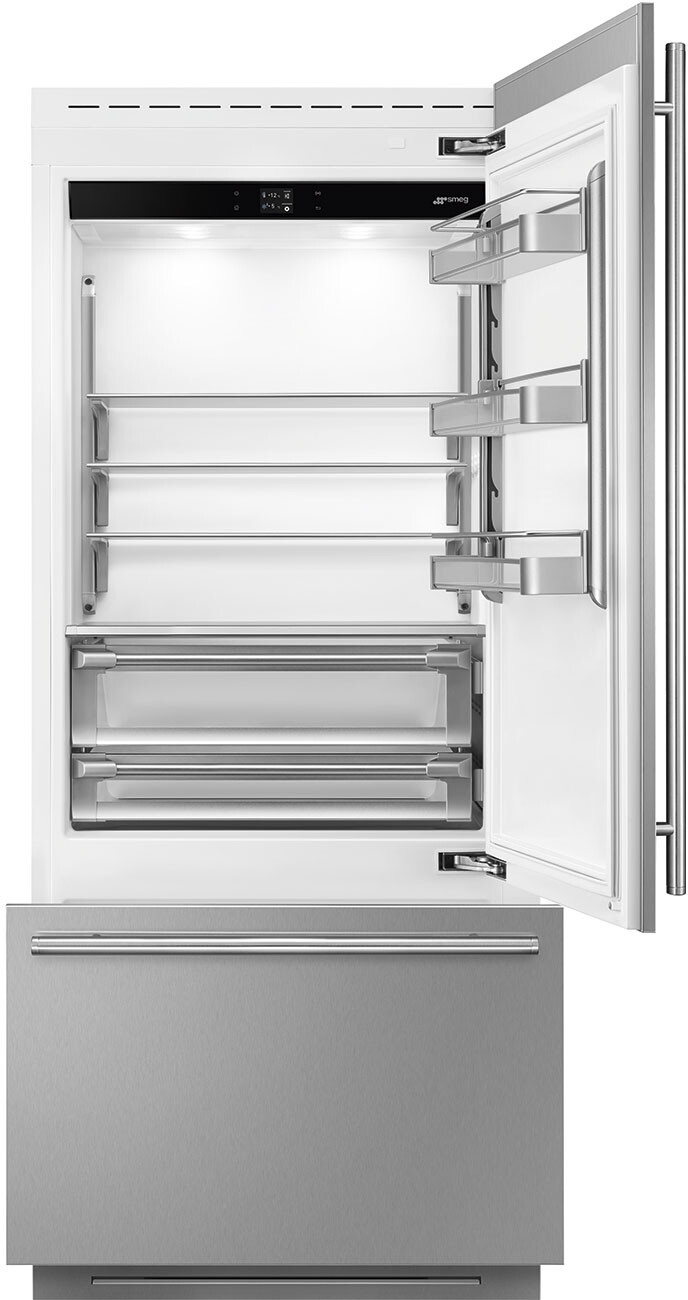
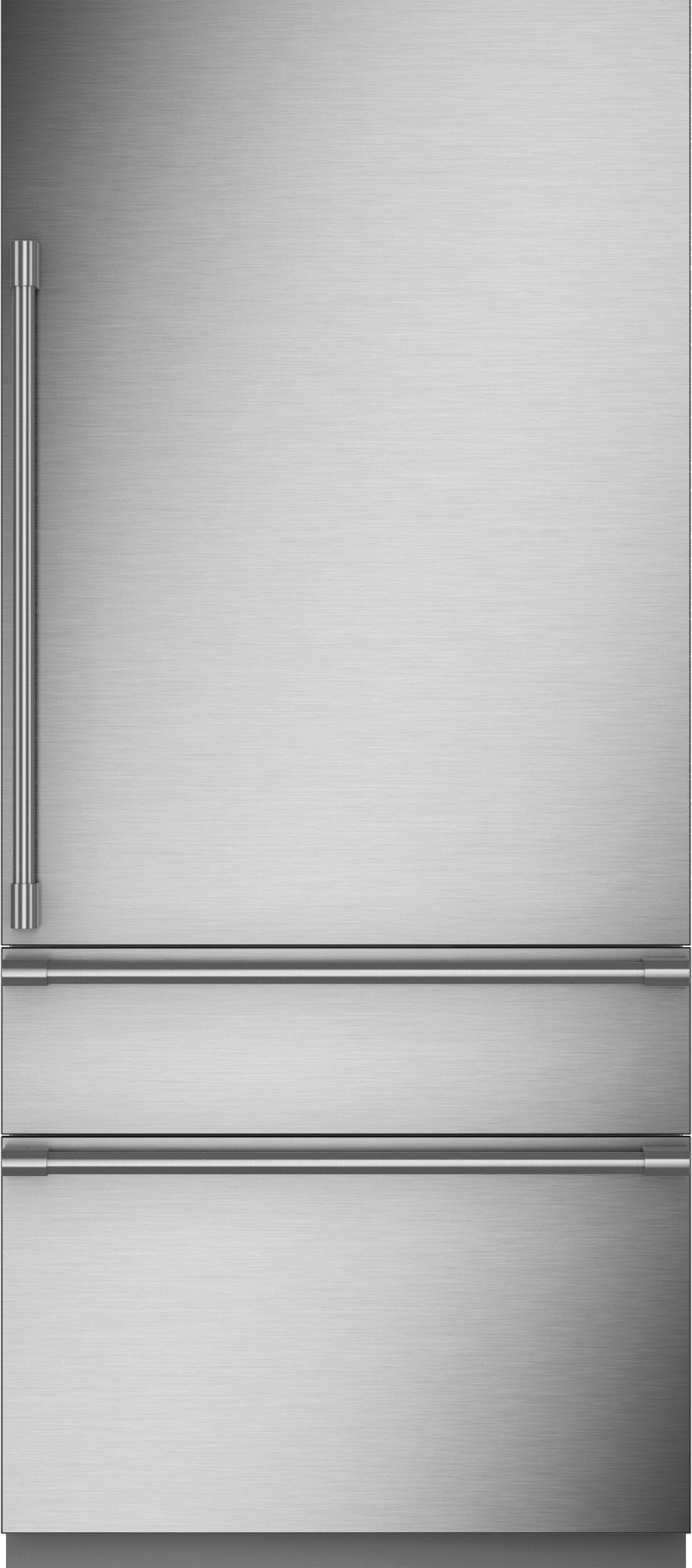
A bottom freezer refrigerator and an upright refrigerator sound like they could be the same thing, but they describe different appliance categories. A bottom freezer refrigerator is a combined fridge-and-freezer unit with the freezer section located below the fresh food section. An upright refrigerator — sometimes called a freezerless refrigerator or all-refrigerator — is a standalone fridge-only unit with no freezer section at all. Understanding the distinction helps you choose the right cold storage setup for your household.
What Each Appliance Provides
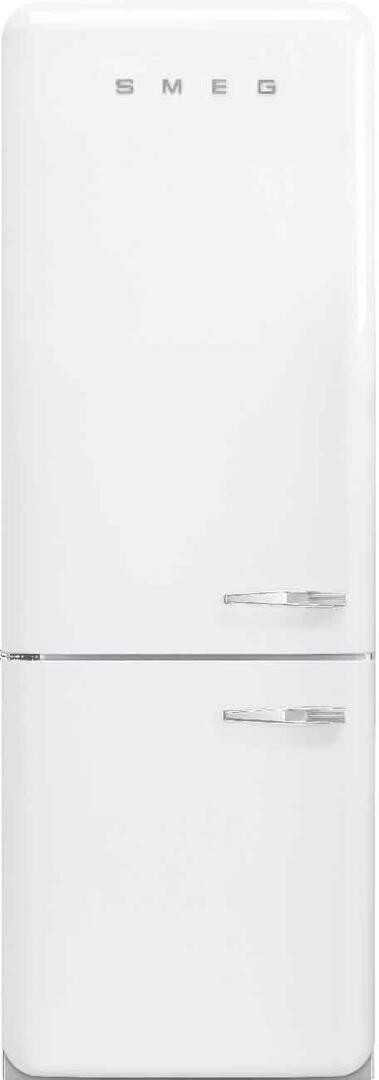
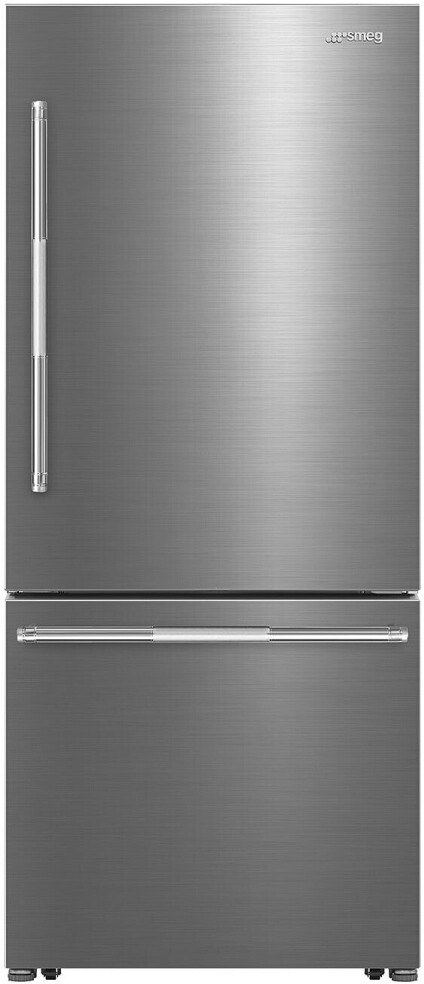
A bottom freezer refrigerator gives you both fresh food and frozen storage in a single unit. The upper section operates at 35 to 38 degrees for dairy, produce, meats, condiments, and leftovers. The lower section operates at 0 degrees for frozen meals, ice cream, bulk meats, and frozen vegetables. Total capacity ranges from 18 to 25 cubic feet with the freezer accounting for 5 to 8 cubic feet. This is the standard configuration for a primary kitchen fridge — one appliance handles everything.
An upright refrigerator dedicates its entire interior to fresh food. No freezer compartment exists inside the unit. Capacity runs from 16 to 21 cubic feet of pure refrigerator space. Every shelf, drawer, and bin stores items at 35 to 38 degrees. The extra volume that would normally go to a freezer section becomes additional fridge shelving. This appliance serves households that own a separate freezer or do not need frozen storage in the kitchen.
Storage Capacity Breakdown
| Type | Fresh Food | Frozen Food | Total |
|---|---|---|---|
| Bottom Freezer Refrigerator | 12 - 18 cu ft | 5 - 8 cu ft | 18 - 25 cu ft |
| Upright Refrigerator | 16 - 21 cu ft | 0 cu ft | 16 - 21 cu ft |
The upright refrigerator provides more fresh food space — up to 21 cubic feet of pure fridge capacity compared to 12 to 18 cubic feet in the fridge section of a bottom freezer model. For households that prioritize fresh ingredients and produce over frozen food, the all-fridge layout maximizes the useful storage for daily cooking.
Who Uses an Upright Refrigerator
The upright refrigerator is popular among several specific user groups. Plant-based eaters and vegetable-heavy cooks who fill entire fridges with produce, herbs, and fresh meal prep components benefit from maximum fridge capacity. CSA (Community Supported Agriculture) subscribers who receive large weekly boxes of vegetables need the extra shelf space. Home canners who store jars of preserves, pickled vegetables, and fermented foods use every available shelf. Households that pair a freezerless fridge with a standalone chest freezer or upright freezer in the garage get more total cold storage than any single combo unit provides.
Medical facilities, offices, and commercial settings that need cold storage without freezer functionality also favor upright refrigerators for their single-temperature simplicity and full-access interior.
The Pairing Strategy
Many households pair an upright refrigerator in the kitchen with a standalone freezer in the garage, basement, or utility room. This combination often provides more total cold storage at a lower combined cost than a single premium bottom freezer refrigerator.
| Setup | Fresh Storage | Frozen Storage | Total | Approximate Cost |
|---|---|---|---|---|
| Bottom Freezer Refrigerator (alone) | 15 cu ft | 7 cu ft | 22 cu ft | $1,200 - $3,000 |
| Upright Fridge + Chest Freezer | 18 cu ft | 10 cu ft | 28 cu ft | $900 - $2,200 |
The combo approach delivers more capacity for less money, with the trade-off that the freezer lives in a different room. For households with garage or basement space, this is the best-value cold storage strategy available.
Temperature Performance
A bottom freezer refrigerator manages two temperature zones simultaneously. Dual evaporator models keep the fridge and freezer on independent cooling circuits, preventing odor transfer and maintaining optimal humidity in each section. Single evaporator models share one cooling system between zones, which can lead to drier fridge air and occasional odor transfer from freezer to fridge.
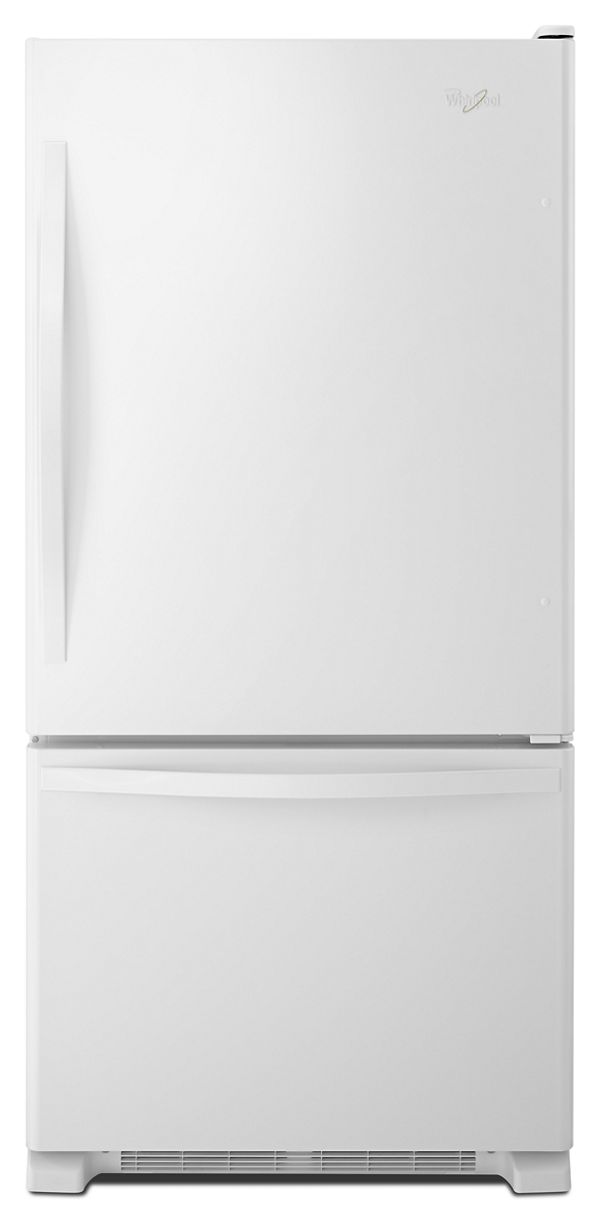
An upright refrigerator manages a single zone at one temperature. The cooling system is optimized entirely for the 35 to 38 degree range. Without the need to maintain a freezer at 0 degrees, the compressor runs less aggressively. Temperature consistency across all shelves tends to be tighter — some upright refrigerators hold within 1 degree across the entire interior because there is no freezer zone competing for cooling capacity.
Energy Efficiency
| Type | Annual kWh | Annual Cost |
|---|---|---|
| Bottom Freezer Refrigerator | 400 - 650 kWh | $50 - $85 |
| Upright Refrigerator (freezerless) | 300 - 450 kWh | $38 - $55 |
| Upright Fridge + Chest Freezer (combo) | 400 - 650 kWh | $50 - $85 |
The upright refrigerator alone uses less energy because it does not power a freezer section. When paired with a chest freezer, the combined energy use is comparable to or slightly less than a bottom freezer refrigerator because chest freezers are extremely efficient at maintaining cold.
Pricing
| Type | Budget | Mid-Range | Premium |
|---|---|---|---|
| Bottom Freezer Refrigerator | $800 - $1,400 | $1,400 - $2,200 | $2,200 - $3,500 |
| Upright Refrigerator | $700 - $1,000 | $1,000 - $1,500 | $1,500 - $2,200 |
Upright refrigerators cost less than bottom freezer models because the single-zone design is simpler to manufacture — no freezer section, no dual evaporator, no freezer drawer mechanism. The savings are meaningful at every price tier.
Features
Bottom freezer refrigerators offer full feature sets — adjustable shelving, humidity crispers, deli drawers, ice makers (in the freezer section), digital controls, LED lighting, and smart connectivity on premium models.
Upright refrigerators focus on maximizing fresh food storage features — multiple humidity-controlled crisper drawers, adjustable glass shelving at many heights, gallon door bins, and bright LED lighting. There is no ice maker (no freezer to house one) and no water dispenser in most models. The feature set is intentionally simple — maximum shelf space with minimum gadgetry.
Dimensions
Both types fit standard kitchen cutouts. Bottom freezer models measure 30 to 36 inches wide, 66 to 72 inches tall, and 29 to 35 inches deep. Upright refrigerators measure 29 to 33 inches wide, 60 to 72 inches tall, and 28 to 34 inches deep. The upright is sometimes slightly narrower and shorter, which can be an advantage in kitchens with non-standard openings.
Noise
Upright refrigerators run quieter than bottom freezer models — typically 34 to 40 decibels versus 36 to 44 for the combo unit. The single cooling zone cycles less frequently, and there is no ice maker generating periodic harvest noise. For noise-sensitive placements, the upright refrigerator is the quieter option.
Who Should Choose Which
Choose a bottom freezer refrigerator if you need a single appliance that handles all fresh and frozen storage for your household. It is the most practical option for kitchens that cannot accommodate a separate freezer elsewhere in the home.
Choose an upright refrigerator if you prioritize maximum fresh food capacity and already own (or plan to buy) a separate standalone freezer. It is the best choice for heavy produce users, meal preppers, and households that want the most fridge space per dollar.
Shop at Fridge.com
Compare bottom freezer refrigerators and upright refrigerators at Fridge.com. Filter by capacity, dimensions, features, and price to find the right fresh food storage approach for your kitchen.