"Pink fridge" usually means a small, often novelty-colored refrigerator—sometimes literally pink, sometimes used to describe a compact or dorm-style unit that is more about looks or portability than capacity. An apartment-size refrigerator is a larger, neutral-appliance option built for small kitchens as the main fridge. This guide compares the two so you can decide whether you need a full apartment refrigerator or whether a small "pink fridge"–style unit is enough.
What People Mean by Apartment-Size Refrigerator
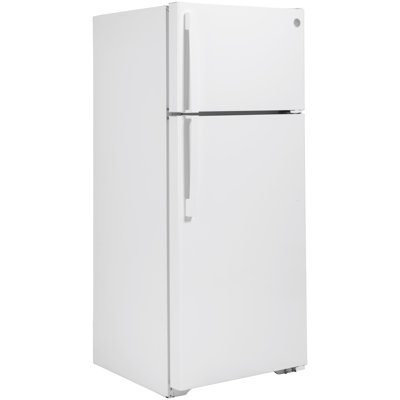
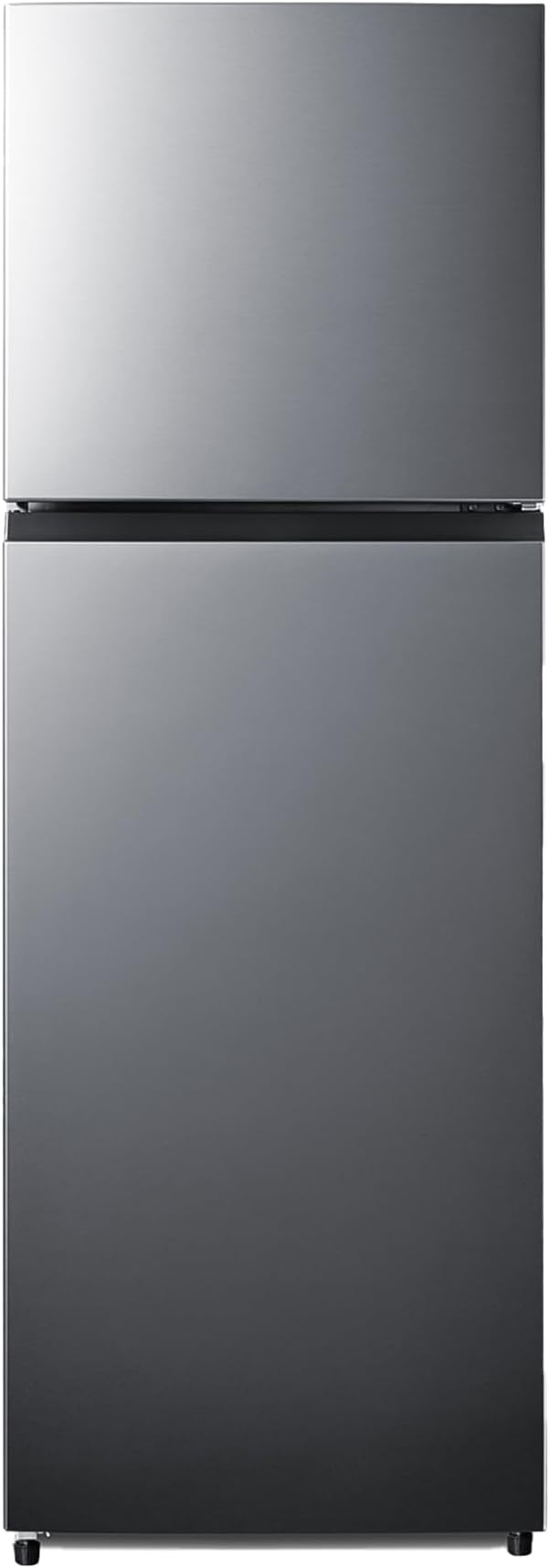
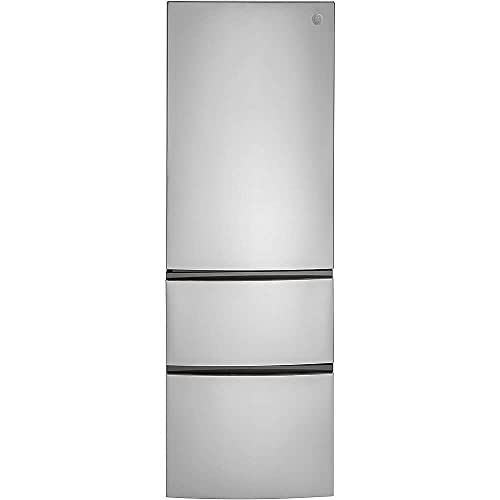
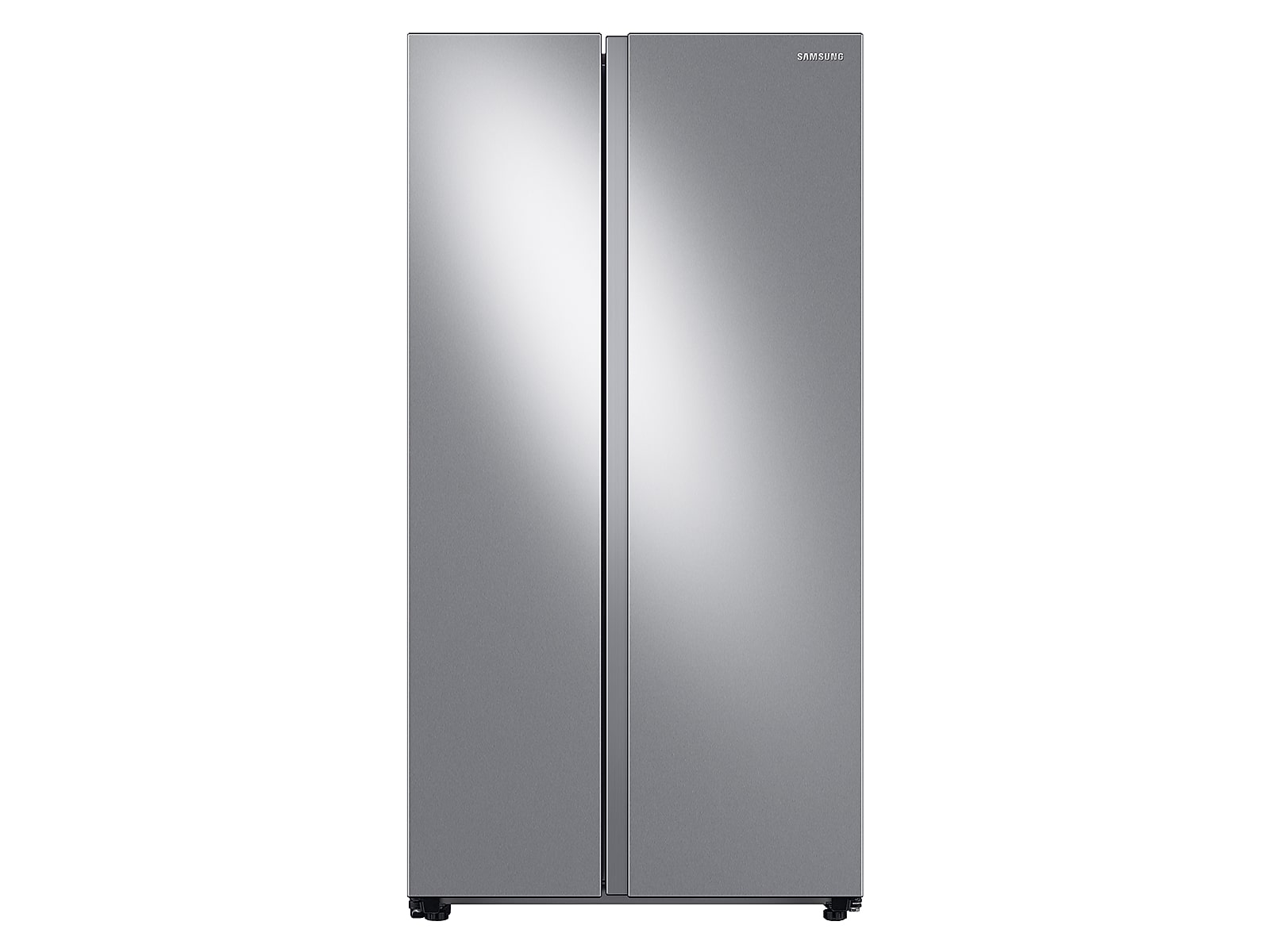
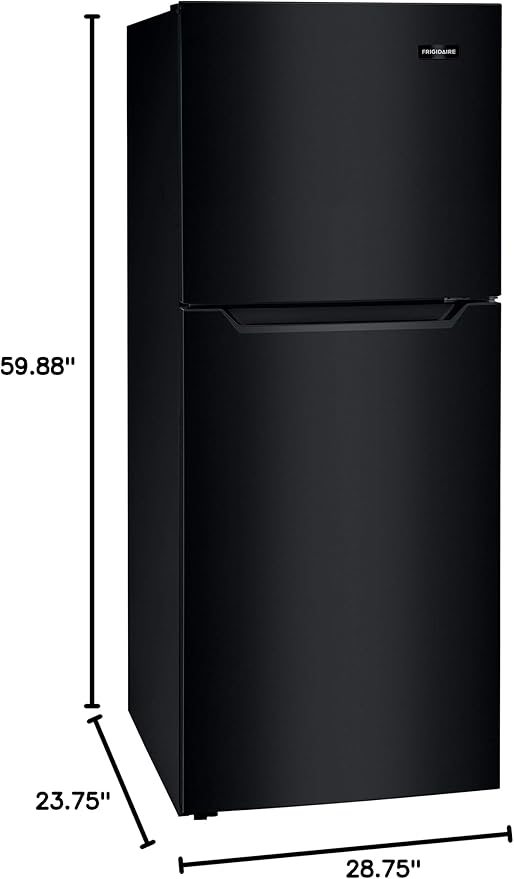
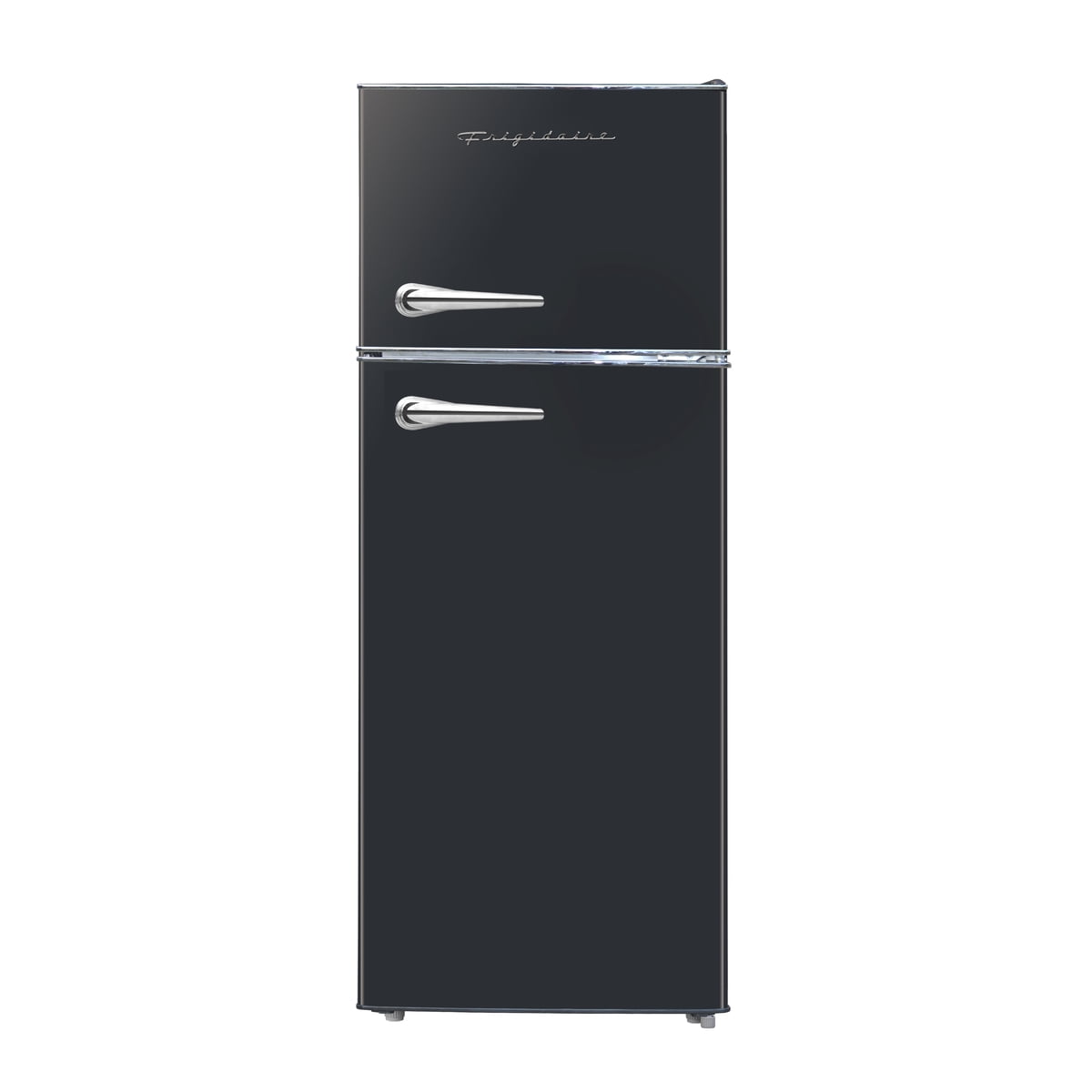
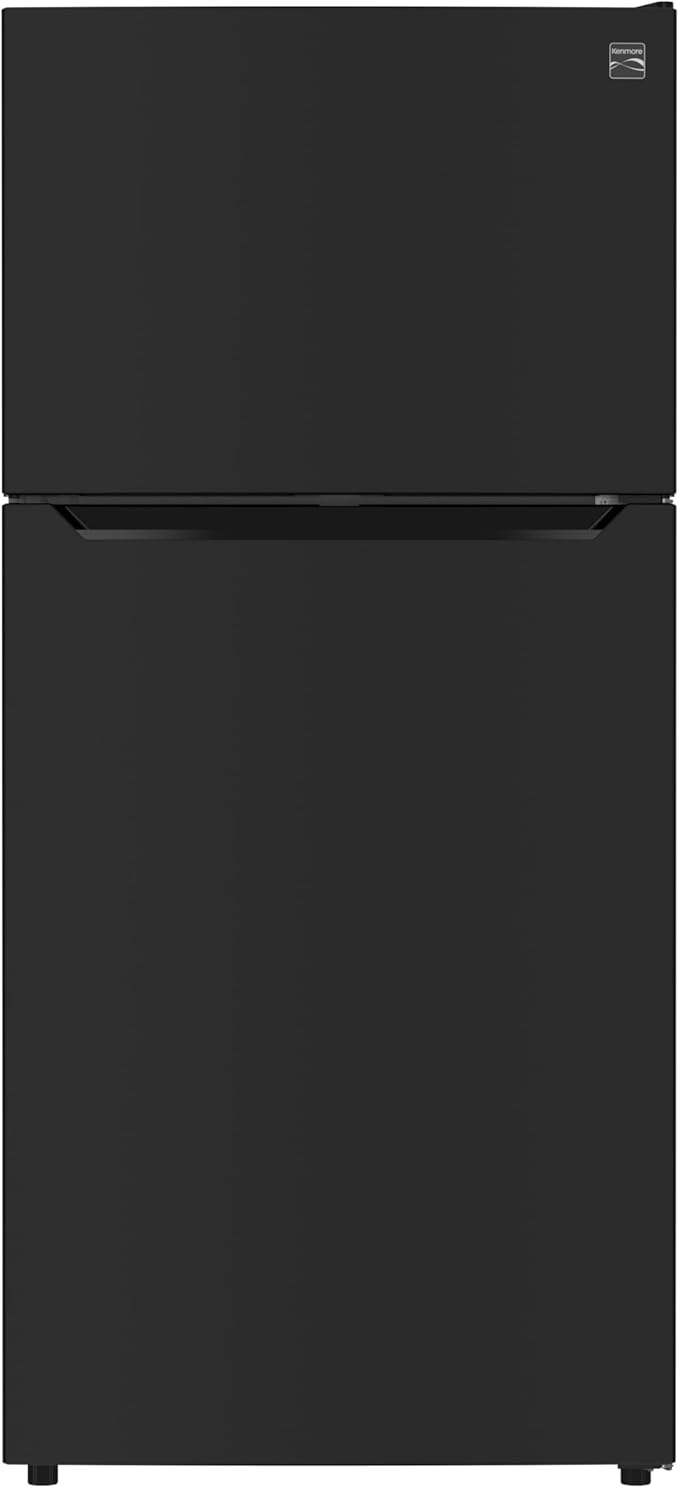
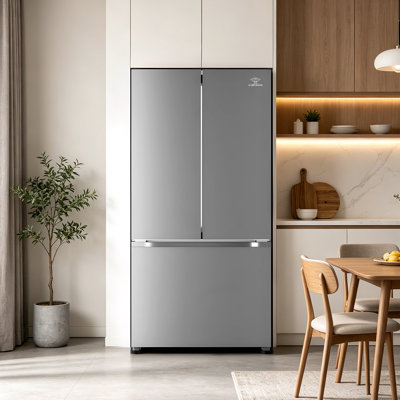
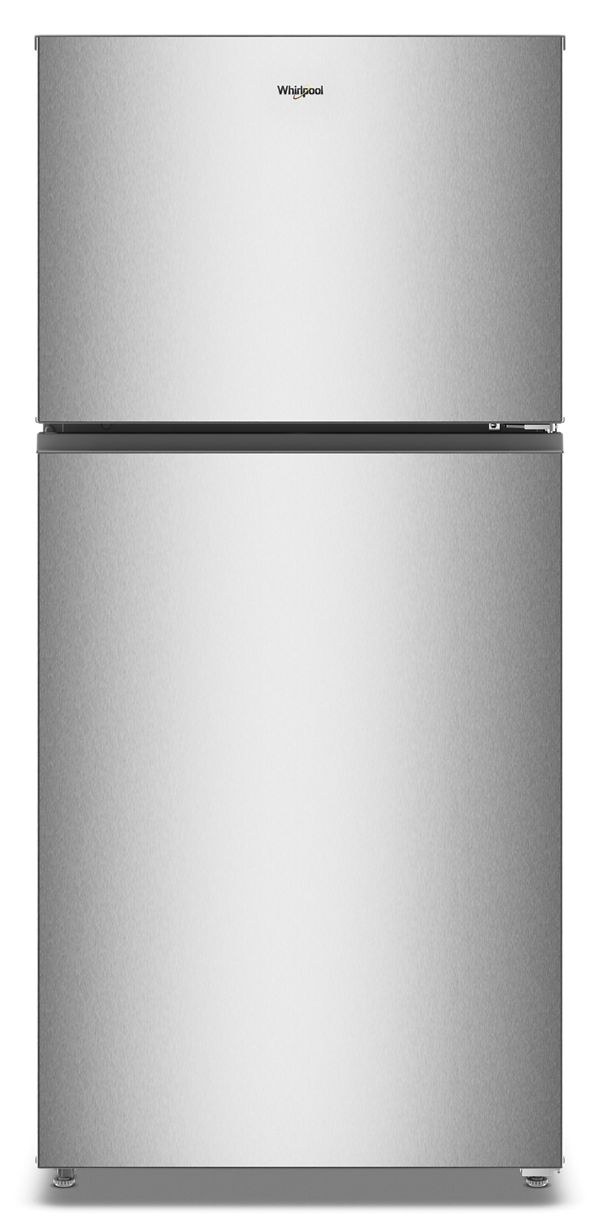
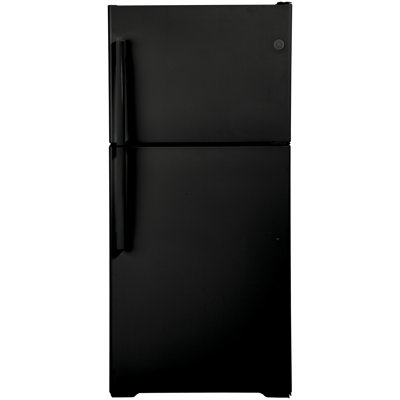
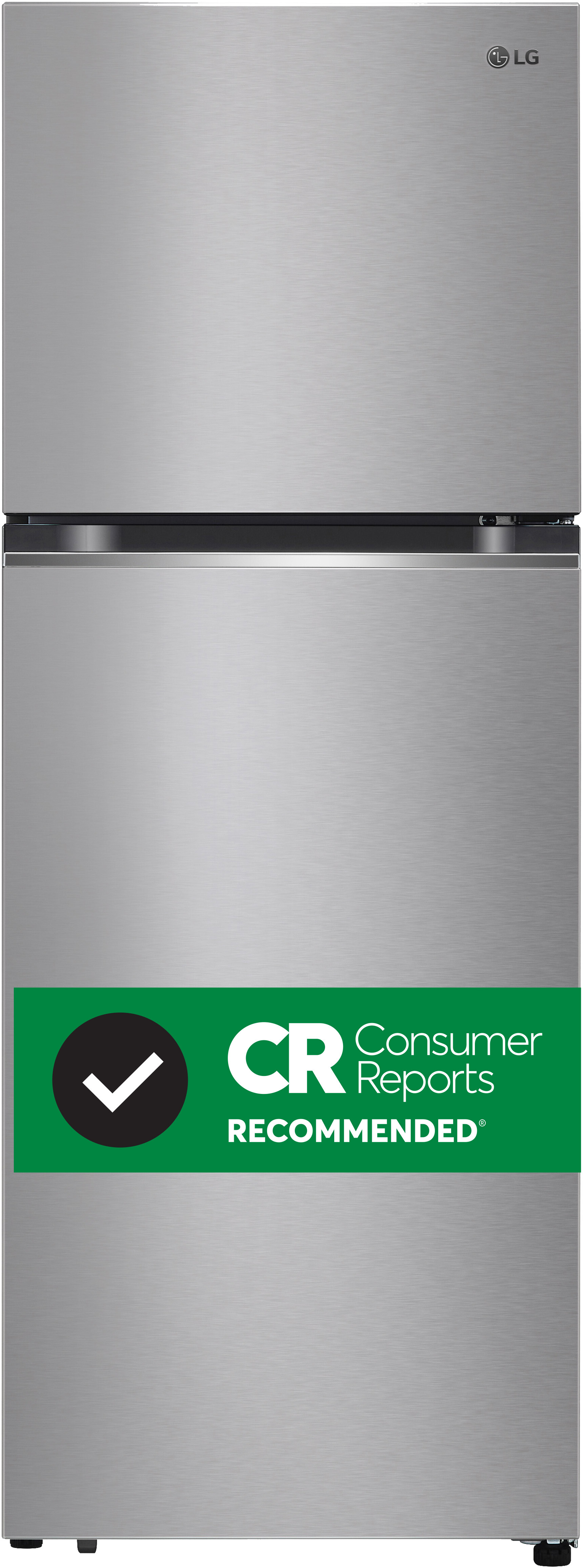
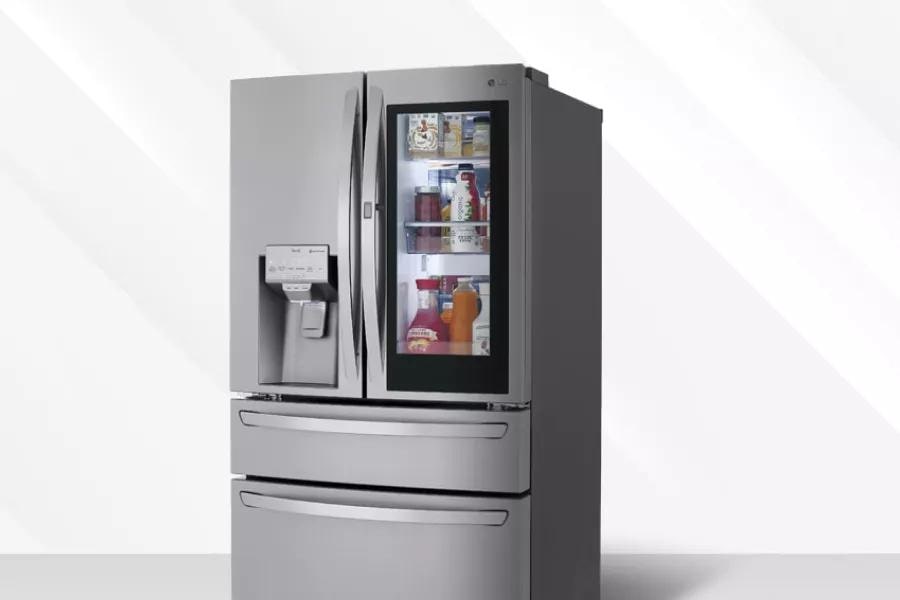
An apartment-size refrigerator is a standalone refrigerator–freezer with 10 to 18 cubic feet of capacity, typically 24 to 30 inches wide and 24 to 28 inches deep. It is designed to be the primary fridge for a household in a small kitchen. It usually has a white, black, or stainless finish and is built to standard appliance dimensions and efficiency standards (e.g. ENERGY STAR). It is not a toy or a novelty item; it is a real refrigerator that holds a week or more of groceries and frozen food.
The U.S. Department of Energy (DOE) sets efficiency standards for refrigerators. Apartment-size units meet the same requirements as full-size refrigerators for temperature performance, energy use, and safety. They are certified by ENERGY STAR when they meet strict efficiency criteria. They are built for years of daily use and are the appropriate choice when you need real food storage.
Apartment refrigerators typically have a freezer compartment—top or bottom—that maintains 0°F or below, as the USDA recommends for frozen food safety. They have adjustable shelves, door bins, and crisper drawers. They are designed to store fresh produce, dairy, meat, leftovers, and frozen items properly.
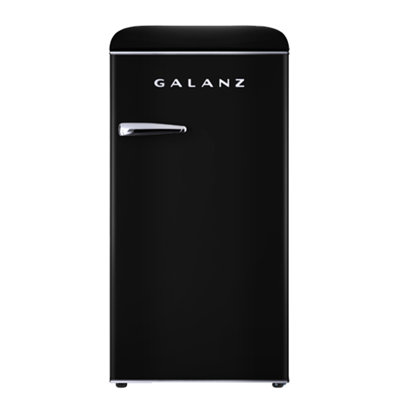
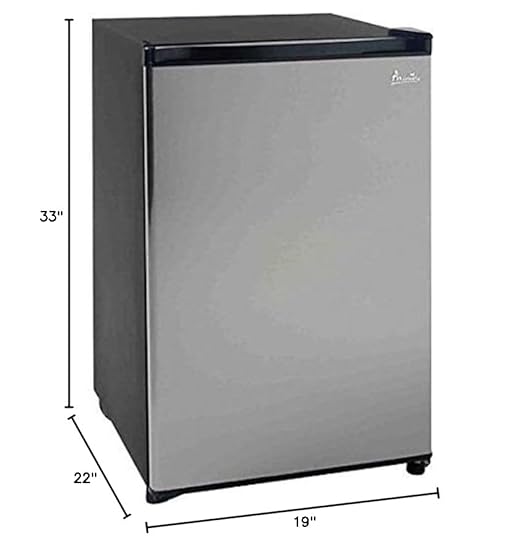
"Pink fridge" often refers to a small compact or mini refrigerator, sometimes in a bright or unusual color (pink, retro red, pastel, etc.). These units are usually 1.5 to 5 cubic feet—big enough for drinks, snacks, or a small amount of food, but not for full grocery storage. They are popular in dorms, kids' rooms, or as a second fridge. The "pink" or colored version is the same appliance with a different finish; the capacity and function are the same as other mini fridges in that size class. Some buyers choose them for style or to match a room; others use the term loosely for any very small fridge.
Pink and other colored minis are often marketed to students, young adults, or anyone who wants a small cooler with personality. The color does not affect performance—it is purely aesthetic. The underlying appliance is a compact refrigerator with limited capacity and often a small or absent freezer.
These units are lightweight and portable—typically 30 to 50 pounds—so they can be moved between rooms or taken to a new apartment. They plug into a standard outlet and require no installation. They are not built for the same daily load as an apartment refrigerator.
An apartment refrigerator holds 10 to 18 cubic feet: fresh food, produce, dairy, leftovers, and a usable freezer. A typical pink or mini fridge holds 1.5 to 5 cubic feet—a few shelves and maybe a tiny freezer. If you need to store real groceries and frozen items for one or more people, an apartment refrigerator is the right choice. If you only need a small cooler for beverages, medication, or snacks in a bedroom or dorm, a pink fridge or any mini fridge in that size class can work.
The USDA recommends storing perishables at 40°F or below. Both types can maintain refrigeration, but an apartment refrigerator is designed for a full load of varied items with proper airflow and temperature uniformity. A mini fridge may have hot spots, limited space, and a freezer that cannot hold much. For food safety, use a mini fridge only for items you will use quickly or that do not require strict temperature control.
Capacity translates to real-world use. A 14-cubic-foot apartment refrigerator can hold a week of groceries for two people. A 3-cubic-foot pink fridge might hold a few drinks, some yogurt, and fruit—enough for a dorm room or bedside cooler, not for a household.
Freezer capacity matters. Apartment refrigerators have 3 to 5 cubic feet of freezer space for frozen meals, ice cream, and ice. Pink and mini fridges often have a tiny freezer compartment—sometimes just a shelf—that holds a few ice trays or a small bag of ice. It is not suitable for regular frozen food storage.
Where Each Fits
An apartment refrigerator needs a dedicated floor space (e.g. 24–30 in. wide), an outlet, and door clearance. It is the main fridge in the kitchen. A pink or mini fridge can sit on a counter, desk, or floor in a dorm, office, or bedroom. It does not replace a full kitchen fridge; it supplements it or serves a single room. If you have a kitchen and need to store regular groceries, get an apartment refrigerator. If you already have a main fridge and want a small, possibly colorful cooler elsewhere, a pink fridge–style unit is an option.
Apartment refrigerators require a 24- to 30-inch opening and space for the door to swing. They are not portable. Pink and mini fridges can go anywhere there is a flat surface and an outlet—under a desk, in a closet, or on a dresser. The placement flexibility is a plus when you do not have a kitchen or when you want a second cooler.
Ventilation is important for both. Apartment refrigerators need rear and side clearance; mini fridges need space around them so the condenser can dissipate heat. Enclosing either type can cause overheating and premature failure.
Style and Finish
Apartment refrigerators are usually sold in white, black, or stainless so they fit most kitchens. Pink and other colored minis are aimed at buyers who want something that stands out or matches a theme. Finish does not change how much the fridge holds or how much energy it uses; it is a matter of preference. If you want a small fridge and like the look of a colored unit, you can choose one. If you need capacity and a neutral kitchen appliance, choose an apartment-size refrigerator in a standard finish.
Neutral finishes have practical advantages: they match most kitchens, do not clash with future decor, and are easier to resell or pass along. Colored minis are a style choice—fun for a dorm or bedroom, but not typically what you would put in a shared kitchen.
If you are renting, check whether the landlord has preferences. Some leases specify that appliances must be neutral or removable; a pink mini in a bedroom may be fine, but replacing the kitchen fridge with a pink unit might not be allowed.
Apartment refrigerators cost roughly $200 to $700 or more depending on size and features; they use 200 to 350 kWh per year when ENERGY STAR certified. Pink and mini fridges cost about $50 to $250 and use less electricity in absolute terms but may be less efficient per cubic foot. For a primary kitchen, the apartment refrigerator is the right investment. For a secondary or decorative cooler, the lower cost of a mini or pink fridge may be enough.
The U.S. Energy Information Administration (EIA) reports average residential electricity prices. At typical rates, an apartment refrigerator might cost $35 to $55 per year to run; a mini fridge might cost $15 to $30. The apartment refrigerator delivers far more cooling per dollar—both in purchase price and operating cost.
ENERGY STAR certifies refrigerators in both size classes. Apartment refrigerators must meet strict efficiency limits. Mini fridges under 7.75 cubic feet have separate criteria; some models meet them, others do not. Check the EnergyGuide label when comparing.
Long-term value favors the apartment refrigerator for primary use. A $400 apartment refrigerator that lasts 10 years and stores a week of groceries is a better investment than a $150 pink fridge that cannot meet your food storage needs and may need replacement sooner.
When to Choose an Apartment-Size Refrigerator
Choose an apartment refrigerator when you need a real kitchen fridge: 10 to 18 cubic feet for groceries, leftovers, and a usable freezer. It is the right choice for a small kitchen, a studio, or any place where you cook and store food regularly. You get standard dimensions, ENERGY STAR options, and a proper freezer. Neutral finishes fit most kitchens and future moves.
If you have a kitchen and need to store fresh meat, produce, dairy, and frozen food, an apartment refrigerator is the only appropriate choice. A pink or mini fridge cannot substitute for this.
When to Choose a Pink or Mini Fridge
Choose a pink or mini fridge when you need a small cooler for drinks, snacks, or medication in a dorm, bedroom, or office—and you already have a main fridge elsewhere. It is also an option when you want a second unit for parties or a home bar and do not need much capacity. If you like the color or the look, that is a bonus. Do not rely on it as your only food storage unless you live in a single room and eat very little from home.
Students in dorms, people in single-room occupancy, or anyone with a primary fridge who wants a bedside or desk cooler can use a pink or mini fridge. It fills a narrow need—convenience cooling in a specific room—not full household food storage.
An apartment-size refrigerator is a 10–18 cu ft primary fridge for small kitchens. A "pink fridge" is usually a small (1.5–5 cu ft) mini or compact fridge, often in a bright color, for dorms or as a second cooler. Choose an apartment refrigerator for main food storage; choose a pink or mini fridge for drinks or snacks in another room. Compare apartment refrigerators by size and features.
Frequently Asked Questions
“Pink fridge” usually means a small compact or mini refrigerator, sometimes in a bright color (pink, retro red, etc.). They are typically 1.5–5 cu ft—for drinks and snacks, not full grocery storage.