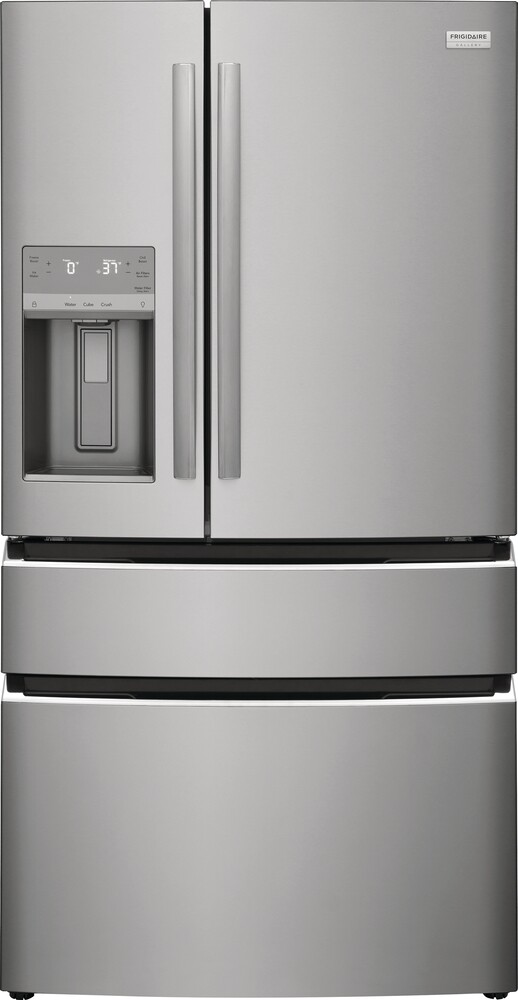
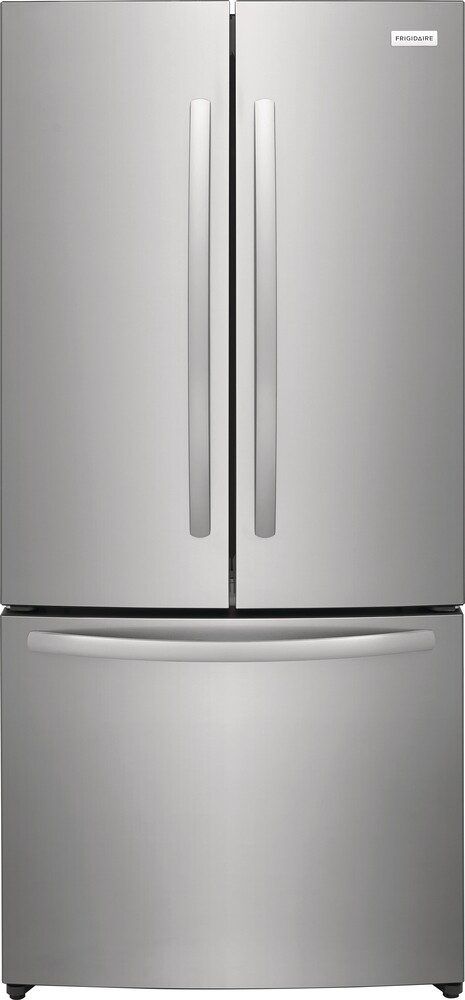
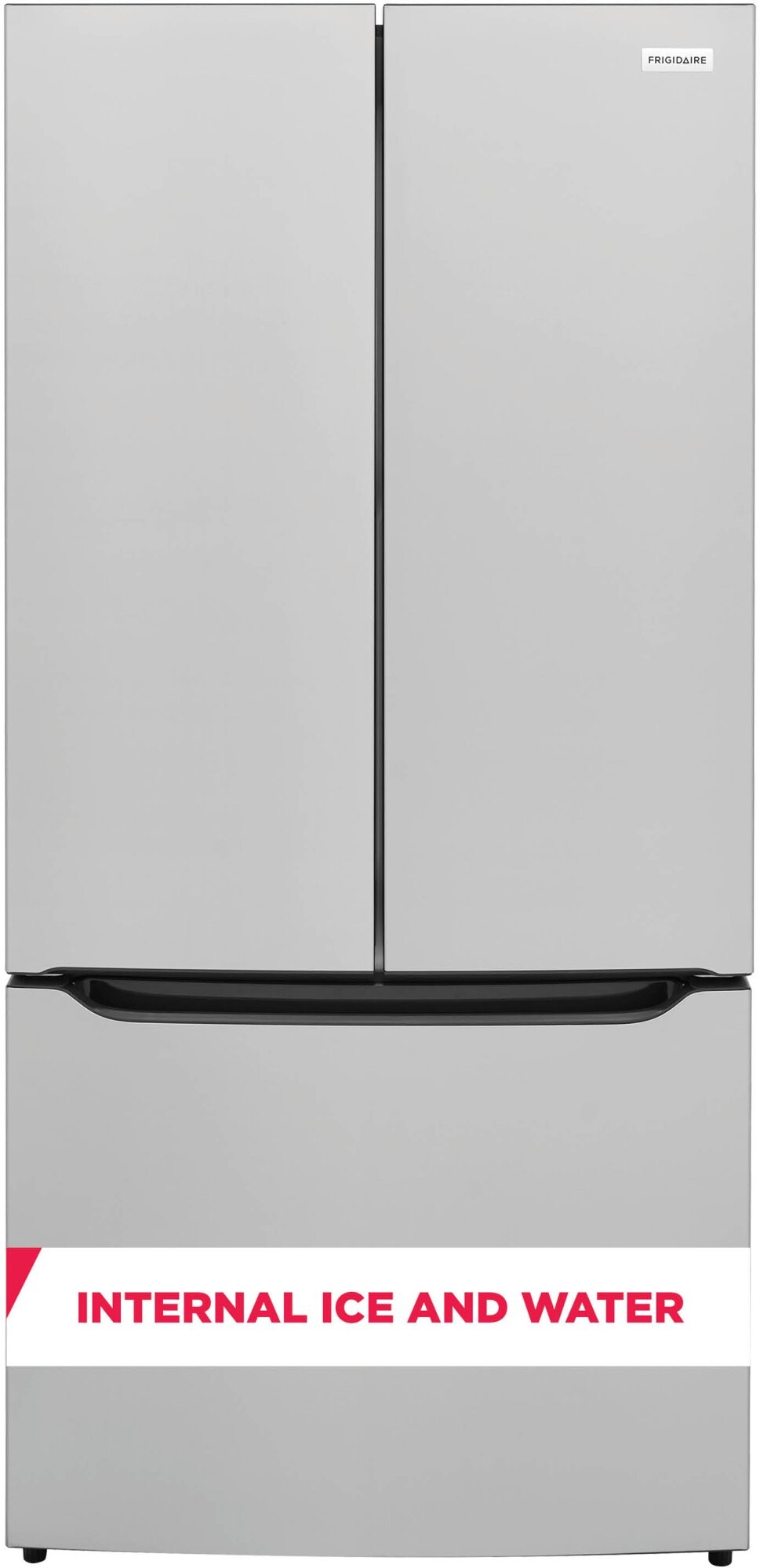
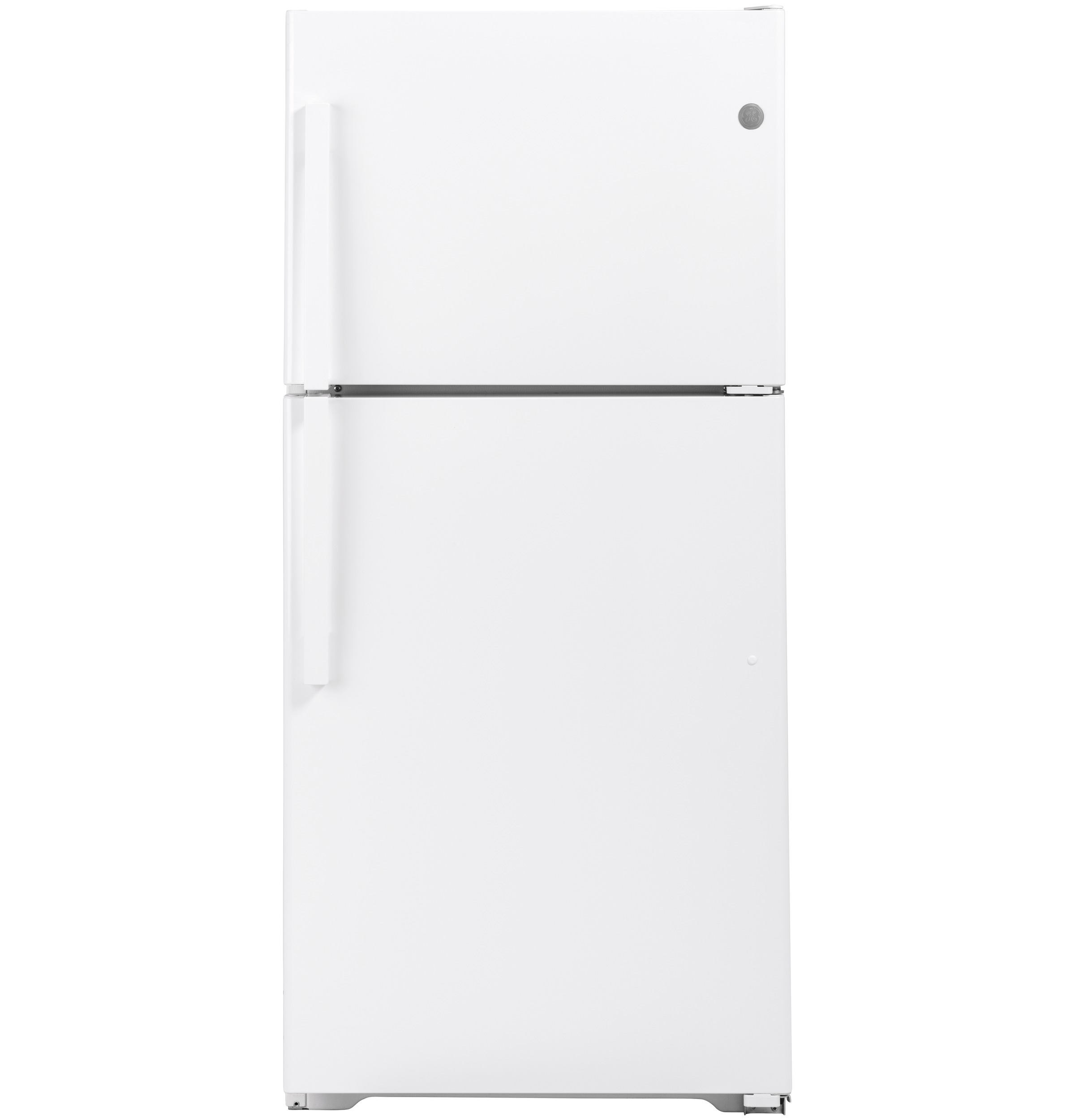
For installation, use the depth “with door” and add the manufacturer’s recommended rear clearance for ventilation—usually 1 to 2 inches—so the condenser can reject heat.
Follow the manual’s recommended clearances—typically 1 to 2 inches at the back and sometimes at the sides.
A 30-inch-wide refrigerator fits in a 30-inch-wide opening (or a 31-inch opening if the manufacturer recommends an extra inch).
Standard-depth refrigerators are typically 30 to 34 inches deep (excluding the door and handles).
Choosing a refrigerator that fits your kitchen and your household’s needs starts with understanding dimensions and capacity. A fridge that is too wide will not fit through the door or between cabinets; one that is too deep can block walkways or stick out past the counter. Capacity, measured in cubic feet, tells you how much food the unit can hold—but capacity alone does not tell you whether the fridge will physically fit. This guide walks you through standard refrigerator dimensions, how to measure your space, the difference between counter-depth and standard-depth models, and how to use size and capacity together so you buy a unit that fits and performs.
Why Dimensions and Size Matter
Refrigerators are among the largest appliances in the kitchen. Unlike a small appliance you can move easily, a full-size refrigerator is heavy, and once it is in place, moving it is a major project. Getting the dimensions wrong can mean a unit that will not fit through the front door or down the hallway, that sticks out too far into the room, or that blocks cabinet doors or other appliances. Measuring your space and comparing it to the manufacturer’s stated dimensions—including required clearances—before you buy avoids costly mistakes and returns.
Capacity, usually given in cubic feet (cu ft), indicates how much storage volume the refrigerator and freezer provide. Two refrigerators can have the same capacity but very different footprints: one might be wider and shallower, the other narrower and deeper. So you need both dimensions and capacity. Dimensions tell you whether the fridge will fit; capacity tells you whether it will hold enough food for your household. This guide uses both.
Standard Refrigerator Widths
Most full-size refrigerators sold in the United States are built to fit standard kitchen openings. Common widths are 30, 32, 33, and 36 inches. A 30-inch-wide refrigerator fits in a 30-inch-wide opening (or a 31-inch opening if the manufacturer recommends an extra inch). Thirty-six-inch models are the widest common size and offer the most interior space for a given depth and height. Narrower units, including 24- to 28-inch-wide models, are often marketed as “apartment size” or “compact” and suit small kitchens, dorm rooms, or secondary locations.
When you see a width in the product specifications, it is usually the “cabinet width” or the width of the unit itself. You must also account for door swing: French door and side-by-side refrigerators need room for the doors to open to 90 degrees or more. Top-freezer and bottom-freezer single-door units need space for the door to swing to the side. Leave at least the clearance the manual specifies—often 1 to 2 inches on the hinge side—so the door can open fully and you can pull out drawers and shelves. If the refrigerator is between two walls or cabinets, measure the opening and compare it to the unit width plus the recommended clearance on both sides.
Depth is where refrigerators differ the most. Standard-depth refrigerators are typically 30 to 34 inches deep (excluding the door and handles). When you add the door and its projection, the unit can extend 35 to 40 inches from the wall, which often puts it several inches past the front of standard 24-inch-deep kitchen counters. That creates a stepped look that some homeowners dislike and can make the kitchen feel crowded.
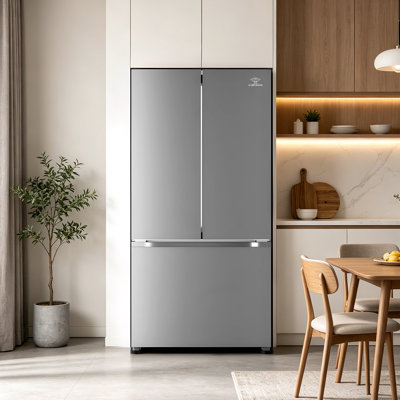
Counter-depth refrigerators are designed to align with the front of the counter, usually 24 to 27 inches deep (cabinet depth). With the door closed, the front of the fridge sits roughly flush with the cabinets, giving a built-in appearance without the cost of a true built-in unit. The tradeoff is capacity: counter-depth models hold less than standard-depth models of the same width and height, often 2 to 6 cubic feet less. If you want a clean, flush look and are willing to give up some capacity, counter-depth is the right choice. If you want maximum storage and do not mind the fridge protruding, standard-depth is the way to go.
When you read dimensions, note whether the depth is “with door” or “without door.” Handles can add another inch or two. For installation, use the depth “with door” and add the manufacturer’s recommended rear clearance for ventilation—usually 1 to 2 inches—so the condenser can reject heat. Pushing the fridge flush against the wall can cause overheating and shorten the life of the compressor.
Refrigerator height varies by style and capacity. Full-size units are often 66 to 70 inches tall. Some extend to 72 inches or more. Under-counter or built-in column units are shorter, typically 34 to 36 inches for a refrigerator or freezer column. If you have upper cabinets above the fridge opening, you must leave enough vertical space for the unit to slide in and enough clearance at the top for airflow. Many manuals specify a minimum clearance above the cabinet—for example, 1 inch—so warm air can escape. If the refrigerator is freestanding with no cabinets above, height is less critical, but you still need to ensure the unit fits through the door and stands upright during delivery.
Toe kicks at the bottom of the cabinet are usually 3 to 4 inches high. Refrigerator dimensions often include the feet or base; if the unit has adjustable leveling feet, the stated height may be at a standard setting. Check whether the fridge will clear any toe kick or trim and whether the doors of adjacent cabinets can open. Measuring the full opening—width, height, and depth—and comparing to the manufacturer’s “required space” or “installation dimensions” is the only reliable way to confirm fit.
Capacity in Cubic Feet
Capacity is the total volume of the refrigerator and freezer compartments, usually in cubic feet. A typical full-size refrigerator might be 22 to 28 cubic feet total, with the fresh-food section making up about two-thirds of that. Compact or apartment-size units might be 10 to 18 cubic feet. Large families or households that stockpile food often look for 28 cubic feet or more.
Capacity is useful for comparing models, but it does not tell you how the space is organized. Two 25-cubic-foot refrigerators can have different shelf layouts, door bins, and drawer configurations, so one may feel more usable than the other. When you compare, look at both the total capacity and the interior layout—shelf adjustability, door storage, and drawer count—to see which fits how you shop and cook. ENERGY STAR and EnergyGuide labels report capacity and estimated energy use so you can compare efficiency within a size class.
Before you shop, measure the place where the refrigerator will go. Record the width of the opening (between cabinets or walls), the height from the floor to the bottom of the upper cabinet or to the ceiling, and the depth from the back wall to the front of the counter or to where you can allow the fridge to extend. If the refrigerator will sit in an alcove, measure the width at the back as well as the front in case the space narrows. Note any obstacles: baseboard trim, outlets, water lines, or vents that could affect placement.
Then compare your numbers to the manufacturer’s dimensions. Use the “with door” depth and add the recommended rear and side clearances. If the specs say “fits in 36-inch opening,” that usually means the unit is 35 or 35.5 inches wide and needs a 36-inch space. Do not assume a 36-inch-wide fridge fits in a 36-inch opening if there is no room for hinge clearance; you may need 37 or 38 inches for the door to open fully. When in doubt, round up and leave a little extra space.
Comparison tools at Fridge.com let you filter refrigerators by width, depth, and capacity so you can narrow the list to models that fit your space before you dig into features and prices.
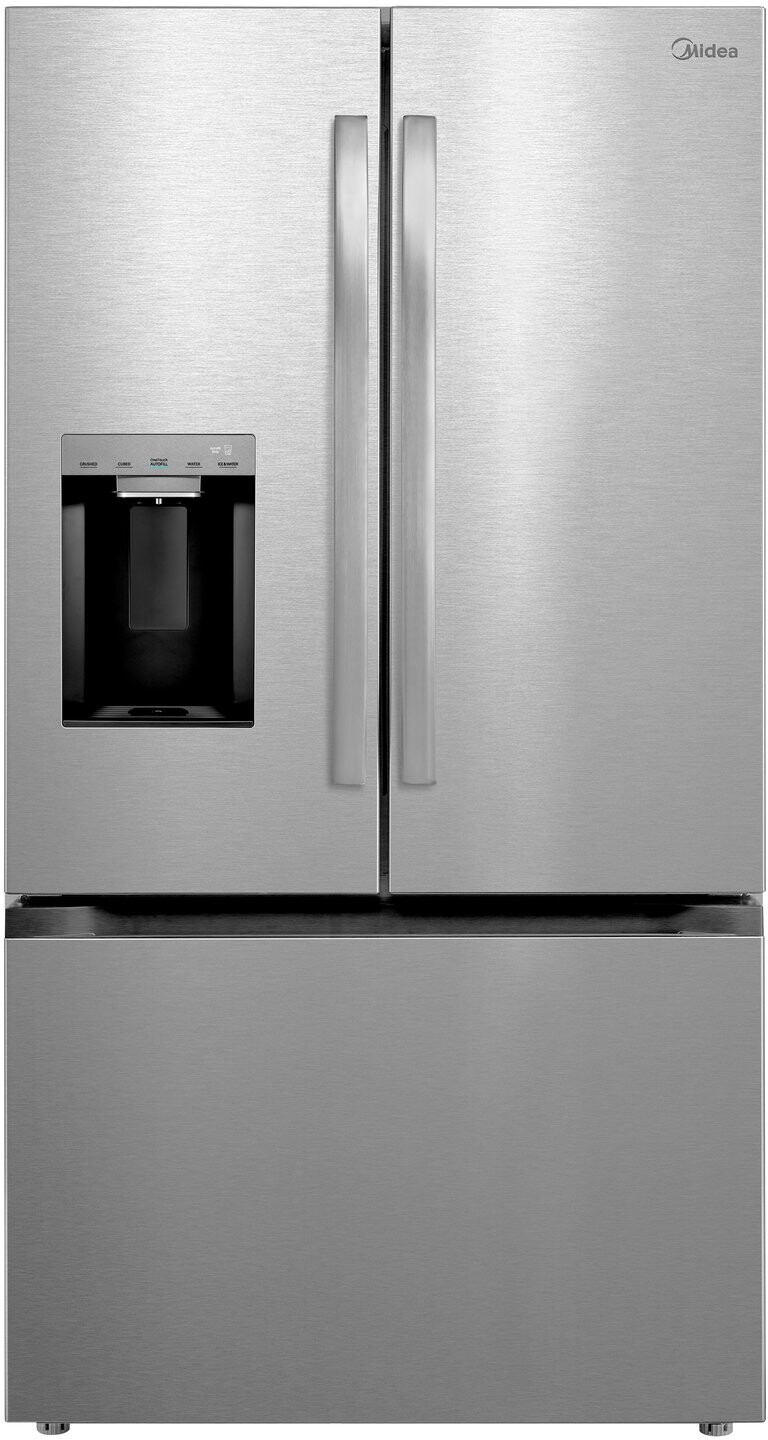
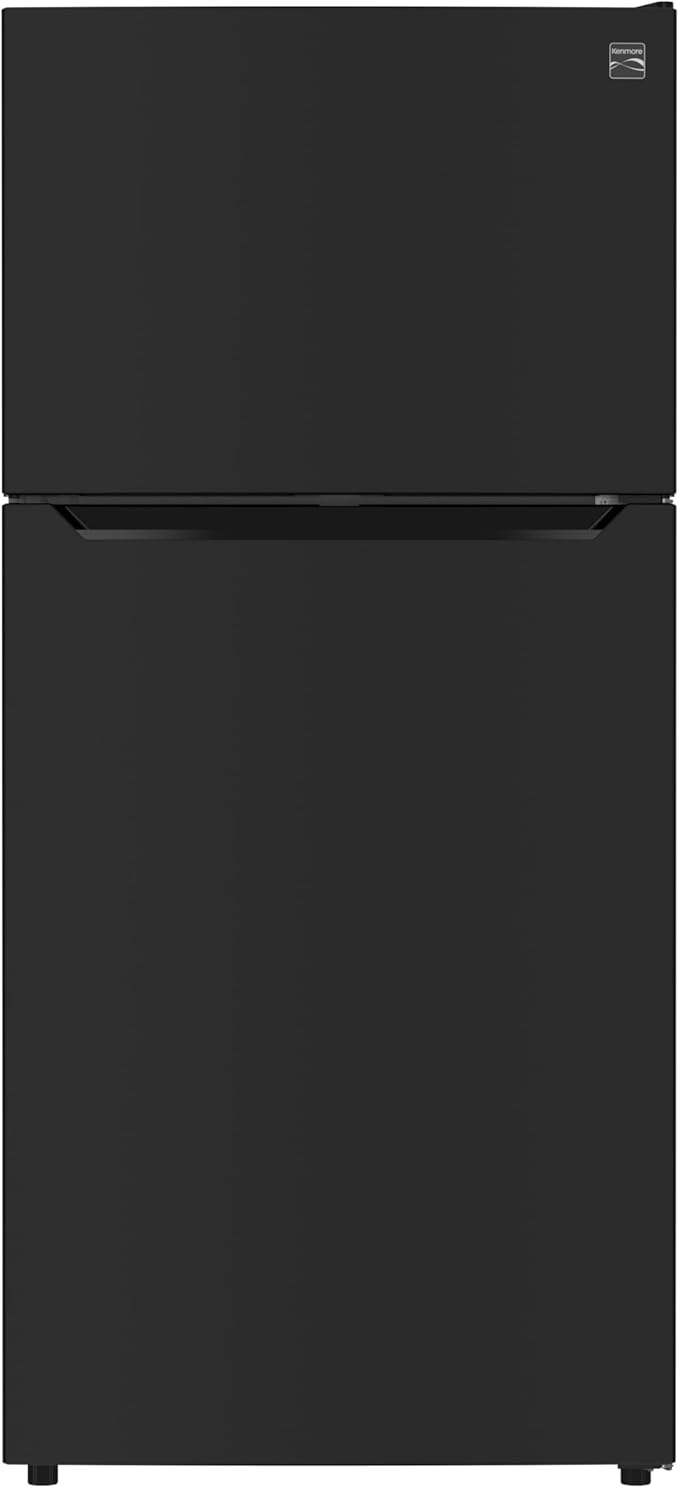
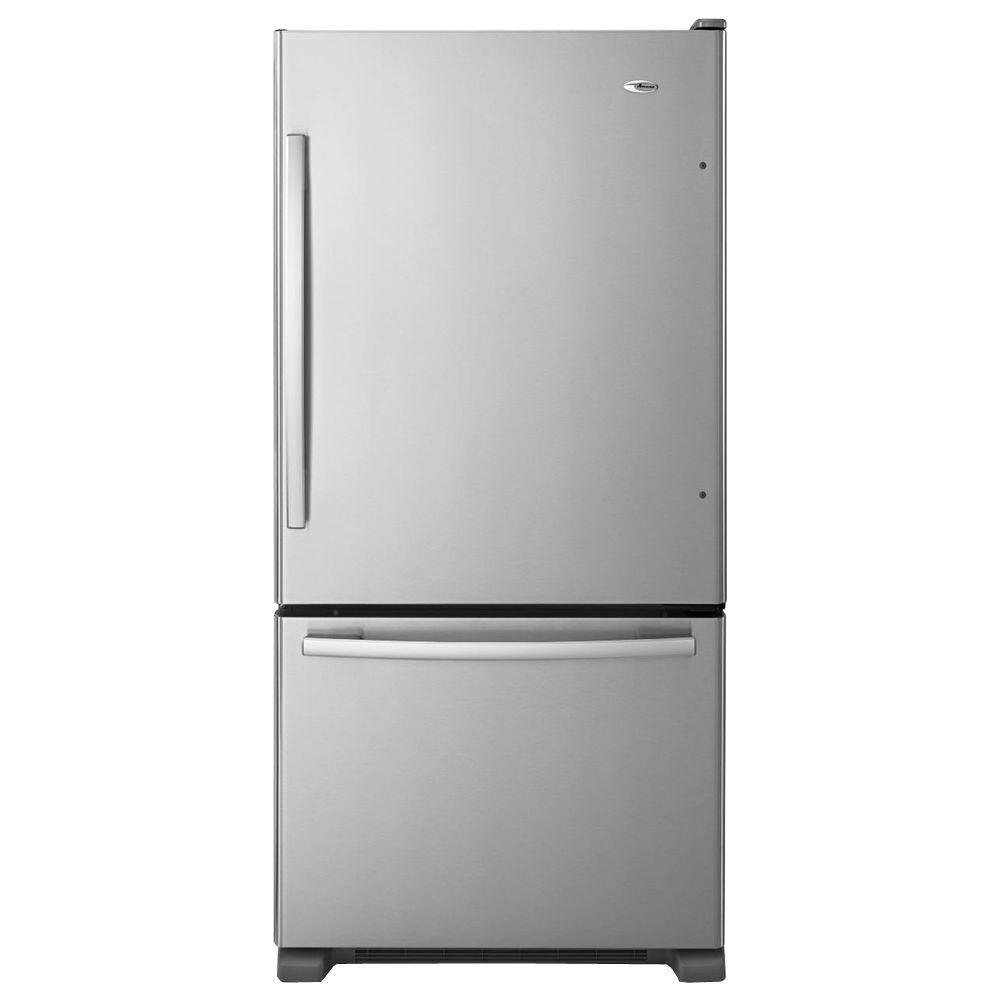
Single-door refrigerators (top-freezer and many bottom-freezer models) have one door that swings to one side, usually the right. You need clearance on the hinge side so the door can open at least 90 degrees; otherwise you cannot access the full width of the shelves or pull out drawers easily. French door refrigerators have two doors that open from the center; each door needs to swing to the side, so you need clear space on both sides. Side-by-side refrigerators have two narrow doors; each swings to the side. In a tight kitchen, check which way the door opens and whether that works with your layout—for example, you may not want the door opening toward a busy walkway.
Some manufacturers offer reversible doors on single-door models so you can switch the hinge to the other side. If your space only allows opening in one direction, look for reversible doors or a model that opens the way you need. Door swing is rarely shown in the basic dimensions; it appears in the manual or in installation guides. Allowing for door swing prevents discovering after delivery that the door hits a wall or cabinet.
Refrigerators are often grouped by size. Compact or mini refrigerators are usually under 18 cubic feet and 24 to 28 inches wide. They suit dorm rooms, offices, garages, or small apartments. Apartment-size or “apartment depth” units are a step up: often 18 to 22 cubic feet and 28 to 30 inches wide, designed to fit in smaller kitchens while still offering a usable freezer. Full-size refrigerators are typically 22 cubic feet and up, 30 to 36 inches wide, and 66 to 70 inches tall. They are the standard for family kitchens.
There is no strict industry definition for these terms; one brand’s “apartment” size might be another’s “compact.” Use the actual dimensions and capacity rather than the category name. If your space is limited, filter by maximum width and depth first, then compare capacity and features among the models that fit.
Getting the Refrigerator Through the Door
Delivery crews often run into trouble when the refrigerator is too tall, too wide, or too deep to fit through the home’s front door, hallway, or around a corner. Stairs and tight turns make it harder. Before you buy, measure the narrowest point on the path from the curb to the kitchen: door width and height, hallway width, and any turns. Compare those to the refrigerator’s height, width, and depth. The unit is often delivered on its back or side; the manual will state the maximum tilt angle and how to transport it. If the path is too small, you may need to choose a smaller refrigerator, remove doors or trim temporarily, or use a different delivery route (e.g. through a sliding door or garage).
Some retailers and manufacturers provide a “will it fit” checklist or require you to confirm the path before delivery. Taking a few minutes to measure the route can prevent a failed delivery and restocking fees.
Refrigerators need airflow around the condenser (usually at the back or bottom) to reject heat. If the unit is pushed flush against the wall or boxed in with no gap, the compressor works harder and the fridge may run hot, use more energy, and fail sooner. Follow the manual’s recommended clearances—typically 1 to 2 inches at the back and sometimes at the sides. Leave the top clear if the manual says so. Do not block vents or grilles with cabinets, boxes, or walls. Proper clearance is part of “fitting” the refrigerator: it is not just about sliding it into the hole but giving it room to operate.
Summary
Refrigerator dimensions and capacity go hand in hand. Width, depth, and height determine whether a unit fits your space and your delivery path; capacity tells you how much food it can hold. Measure your opening and your route before you buy. Use counter-depth for a flush look and standard-depth for maximum capacity. Account for door swing and ventilation clearance. Filter by dimensions and capacity when you compare models so you only consider refrigerators that fit. For side-by-side comparisons by size, capacity, and price, use the filters and comparison tools.
Frequently Asked Questions
Full-size refrigerators are typically 30 to 36 inches wide, 30 to 34 inches deep (standard-depth), and 66 to 70 inches tall. Counter-depth models are usually 24 to 27 inches deep to align with kitchen counters.