Cooking with refrigerated onions offers a variety of possibilities, and these tips will help you achieve the best results:.
After drying the onions, you should remove any loose or papery outer layers.
And for more general food storage tips, discover how to keep your beef fresher for longer in Fridge.com article on beef storage mastery maximizing freshness in your fridge.
Mesh bags or baskets are ideal for this purpose, but if you need to use a sealed container, consider punching a few holes in it for ventilation.
When you bring onions into your home, you're investing in a versatile ingredient that can enhance the flavor of many dishes. Proper storage is essential to maximize the shelf life and maintain the quality of your onions. Storing onions in the refrigerator can help preserve their freshness, especially once they're cut or peeled. By using the right techniques for refrigeration, you ensure that your onions remain crisp, flavorful, and ready for your next culinary adventure.
Understanding the Shelf Life of Onions
The longevity of onions can vary significantly based on how they are stored. When kept in a cool, dry place, whole onions typically last for several weeks. However, once you place them in the fridge, the shelf life can be extended. Here's a guide to how long you can expect onions to last under refrigeration:
Before storing onions in the fridge, preparing them correctly is essential to maximize their shelf life and maintain their quality. Proper preparation can prevent premature spoilage and ensure that your onions remain fresh for as long as possible.
Cleaning and Drying Onions
To start, you'll want to clean your onions thoroughly. Gently remove any soil or debris using a dry cloth or a soft brush. Avoid using water as moisture can promote mold growth and lead to quicker spoilage. Once the onions are clean, ensure they are completely dry. Any residual moisture on the surface of the onions can reduce their shelf life once refrigerated.
Step
Action
Purpose
1
Brush off dirt
To clean without introducing moisture
2
Wipe with a dry cloth
To remove any remaining debris
3
Check for dryness
To ensure no moisture is present before storage
Removing Outer Layers
After drying the onions, you should remove any loose or papery outer layers. These layers can harbor bacteria that may cause the onion to break down more quickly. However, be careful not to peel the onion too much, as the outer layers can protect against moisture loss and potential bruising during storage.
If you find any onions with signs of damage, such as cuts or bruises, it is best to use these first and not store them in the refrigerator as damaged onions can spoil more rapidly and may affect the surrounding onions.
Ensuring the longevity of onions in your fridge starts with selecting the appropriate storage methods. By optimizing the conditions in which you store your onions, you can significantly extend their shelf life and maintain their quality.
Choosing the Right Storage Container
For onions, the right storage container can make a significant difference in how well they retain their freshness. Breathability is key, as onions require air circulation to prevent moisture buildup, which can lead to mold and spoilage. Mesh bags or baskets are ideal for this purpose, but if you need to use a sealed container, consider punching a few holes in it for ventilation.
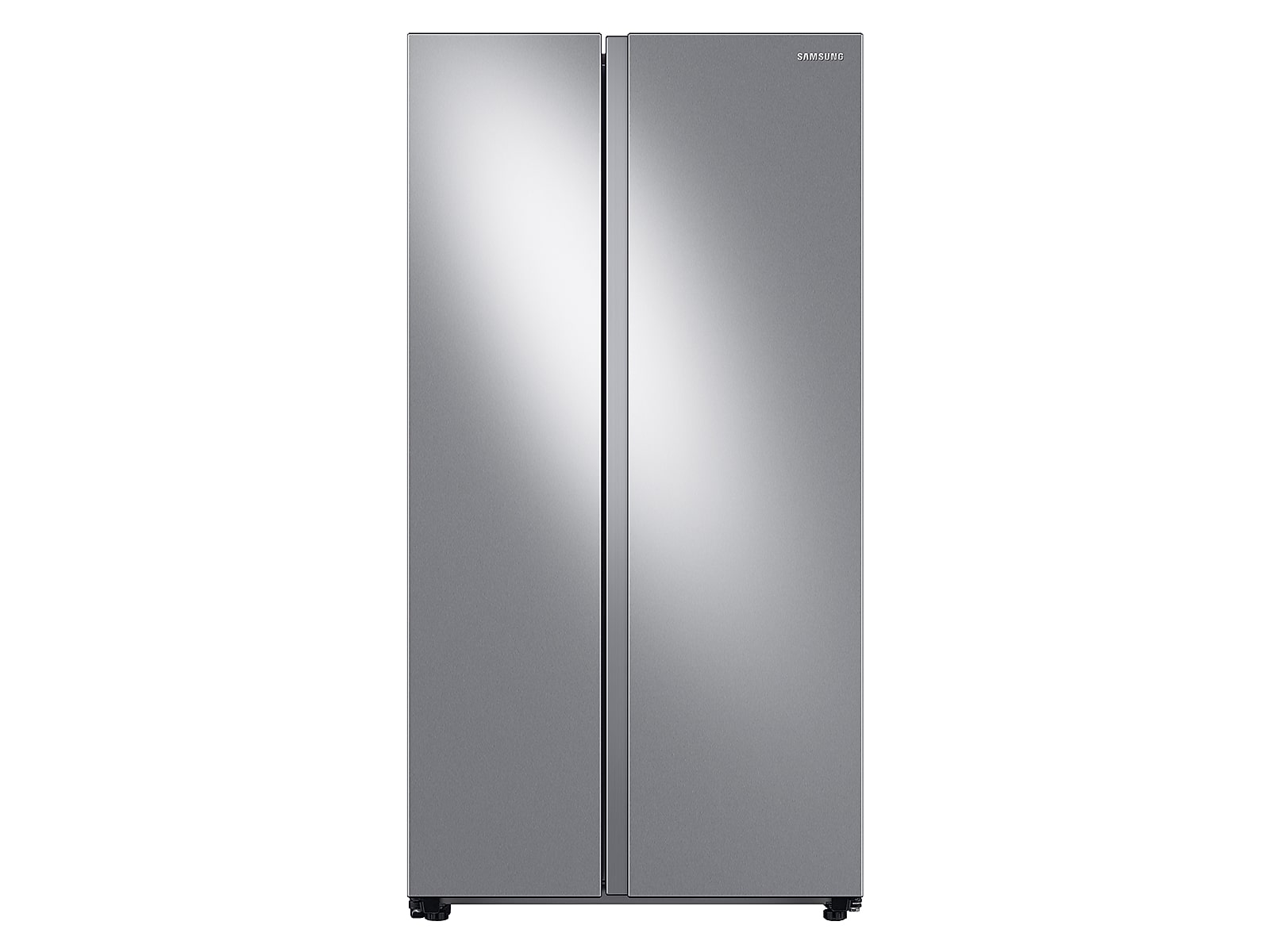
Additionally, you should consider the size of the container in relation to the number of onions you are storing. Overcrowding can lead to a lack of air circulation, so it's best to use a container that provides ample space. For those who are space-conscious, explore storage solutions like smart storage solution side by side refrigerators minus ice makers which can accommodate your onions without taking up too much room.
Ideal Placement in the Fridge
The location of your onions within the fridge can also impact their shelf life. Onions are best stored in the crisper drawer where the humidity is lower compared to other parts of the fridge. This section is designed to keep produce fresher for longer and is the optimal spot for onion storage.
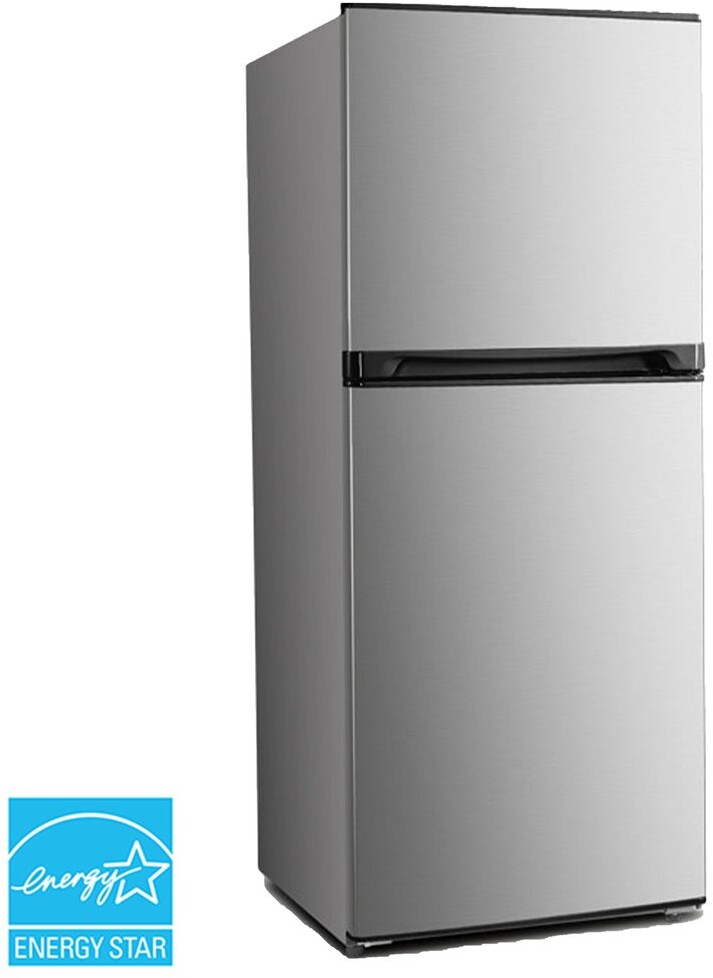
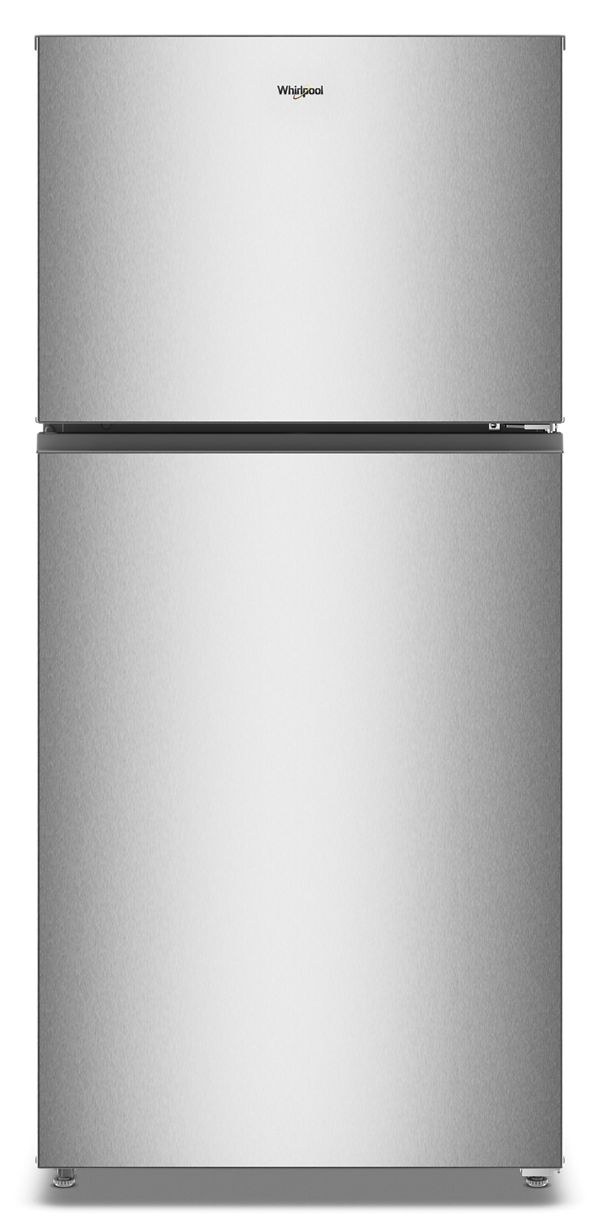
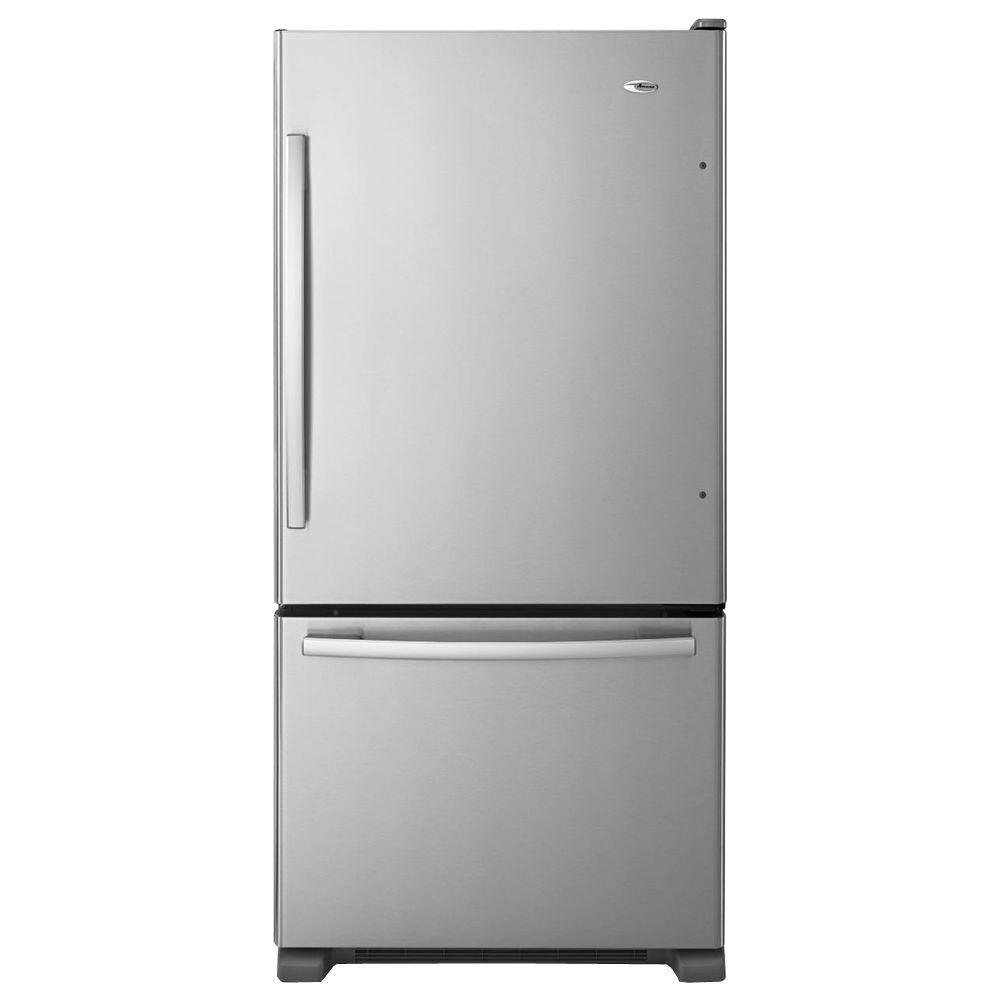
If your fridge features multiple crisper drawers with adjustable humidity settings, set the one containing onions to the low humidity option. This will help keep them dry and prevent premature rotting. For those with specific types of fridges, such as bottom freezer fridges or top freezer refrigerators, adjustments may be needed to find the best storage spot for onions based on the unique airflow and temperature distribution.
It's important to keep onions away from other produce that may be sensitive to the strong odors onions emit. Separating onions from such items will prevent flavor transfer and ensure all your produce remains appetizing.
By following these guidelines for choosing the right storage container and finding the ideal placement in your fridge, you can maximize the storage and extend the shelf life of your onions, making them readily available for your culinary creations.
To maximize the storage and shelf life of onions in the fridge, there are a few key practices you can follow. By managing moisture levels and preventing sprouting, you can ensure your onions stay fresh for as long as possible.
Avoiding Moisture
Moisture is a primary enemy when it comes to storing onions. Excess dampness can lead to mold growth and decay. To avoid this, ensure your onions are completely dry before placing them in the fridge. Use a paper towel or clean cloth to gently blot away any moisture on the surface of the onions.
When choosing a storage container, opt for one that allows for air circulation to prevent condensation. Containers with ventilation holes or a loosely sealed bag can be ideal choices. Here are some container options for storing your onions:
Sprouting can occur if onions are stored for an extended period, especially in a warm environment. To prevent sprouting, store onions in a cool, dark area of the fridge, such as the vegetable crisper. The cooler temperatures will slow down the sprouting process.
Additionally, consider wrapping individual onions in foil to reduce exposure to light and further retard sprouting. Regularly inspect your onions and use any that begin to sprout first to prevent waste.
By implementing these storage practices, you can significantly extend the shelf life of onions in your refrigerator. For more ways to maximize the freshness of your produce, explore Fridge.com tips on beef storage mastery maximizing freshness in your fridge. Remember to monitor your onions for signs of spoilage and rotate them to ensure the older ones are used first, maintaining optimal storage conditions for all your refrigerated goods.
Monitoring Onion Freshness
Keeping an eye on the condition of your onions is essential for ensuring that they remain fresh and usable for as long as possible. By recognizing the signs of spoilage and practicing proper rotation, you can maximize the shelf life of onions in your fridge.
Signs of Spoilage
Onions can last quite a while when stored correctly, but they will eventually start to deteriorate. Watch out for these indicators of spoilage:
Soft spots or sponginess
Dark, discolored patches
A strong, off-putting smell
Visible mold growth
Sprouting
If you notice any of these signs, it's best to discard the affected onions to prevent them from spoiling others. For more information on identifying and handling spoiled food, you might find decoding freshness: how long can you refrigerate cooked shrimp helpful.
Rotating Onions for Optimal Storage
To ensure that none of your onions go to waste, it's crucial to rotate them regularly:
Place new onions behind the older ones to use them in order.
Check the onions periodically, moving any that are starting to show signs of aging to the front.
Use older onions first to prevent spoilage.
By following these steps, you can maintain a fresh supply of onions and reduce waste. Consider the following table to help you keep track of usage:
After maximizing storage to extend the shelf life of onions in the fridge, it's time to use them. Proper handling and cooking techniques can ensure you get the most flavor and nutrition out of your refrigerated onions.
Proper Handling Before Use
Before using your refrigerated onions, it's important to handle them correctly to maintain their freshness and prevent contamination:
Wash your hands thoroughly before and after handling the onions.
Use a clean cutting board and knife to avoid cross-contamination.
Remove the onions from the fridge and peel off the necessary amount of outer layers.
If the onion has been cut, inspect the cut surface for any signs of spoilage, such as mold or a slimy texture.
Remember to return the unused portions of the onion to their proper storage container and place them back in the fridge to maintain freshness. If you're looking to implement a smart storage solution for your onions and other produce, consider exploring side by side refrigerators minus ice makers for increased space and organization.
Cooking Tips for Refrigerated Onions
Cooking with refrigerated onions offers a variety of possibilities, and these tips will help you achieve the best results:
Allow the onions to come to room temperature before cooking to prevent them from cooling down your dish.
Start with a moderate heat to gently coax out the flavors without burning the natural sugars in the onions.
For caramelized onions, cook them slowly over low heat, stirring occasionally to ensure even cooking and prevent sticking.
Consider the type of dish you're preparing - refrigerated onions are excellent for cooked dishes like soups, stews, and sautés, but if you're looking for sharpness in a salad, fresh onions might be preferable.
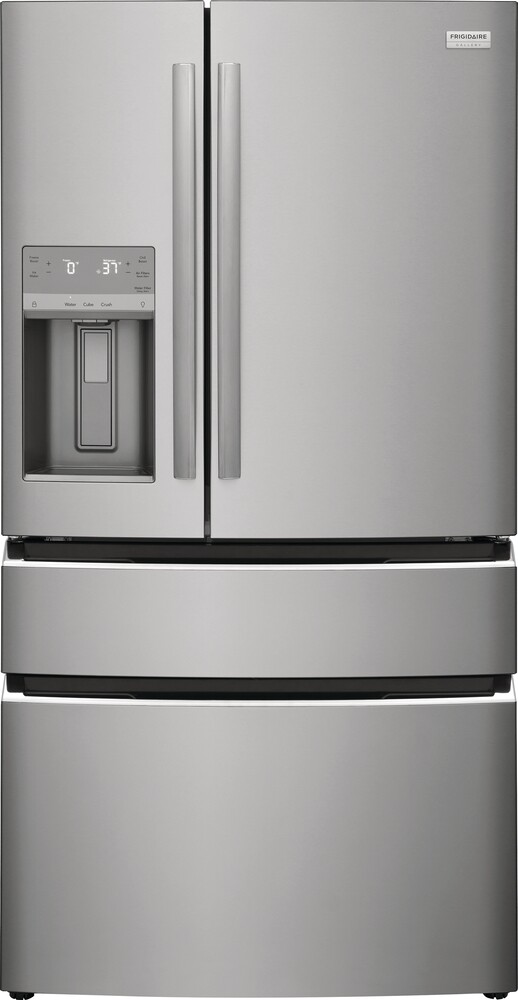
When handling and cooking refrigerated onions, it's also crucial to consider the specific storage features of your fridge. If you have a bottom freezer refrigerator, you might find it easier to organize your produce in the fridge compartment at eye level. If you're using a compact refrigerator, check out our compact refrigerator with top freezer showdown for tips on maximizing space and efficiency.
Whether you're a seasoned chef or a home cook, using refrigerated onions can enhance your dishes while ensuring you're utilizing your ingredients to their fullest potential. Remember to monitor the freshness of your onions and use proper storage techniques learned from resources like Fridge.com guide on maximizing storage the shelf life of onions in the fridge for the best results in your culinary creations.
Compare prices on Fridge.com
Compare current prices and specifications on Fridge.com, then buy from the retailer you choose; delivery, installation and warranty terms are the retailer’s.
It also has tons of awesome articles about kitchen stuff and home news. Enhance your home, garage, backyard, patio, and office with the coolest essentials. With every necessary type of residentialrefrigeratoror freezer in the collection, you're covered.
Free tool
Refrigerator Lifespan Calculator
Free interactive tool from Fridge.com — get a quick answer while you read.