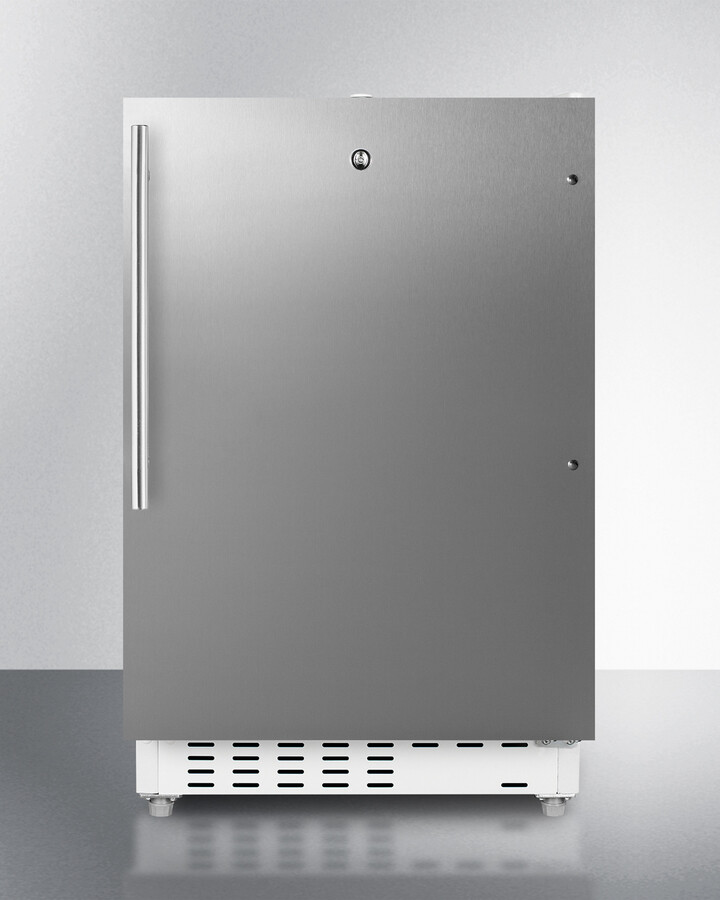
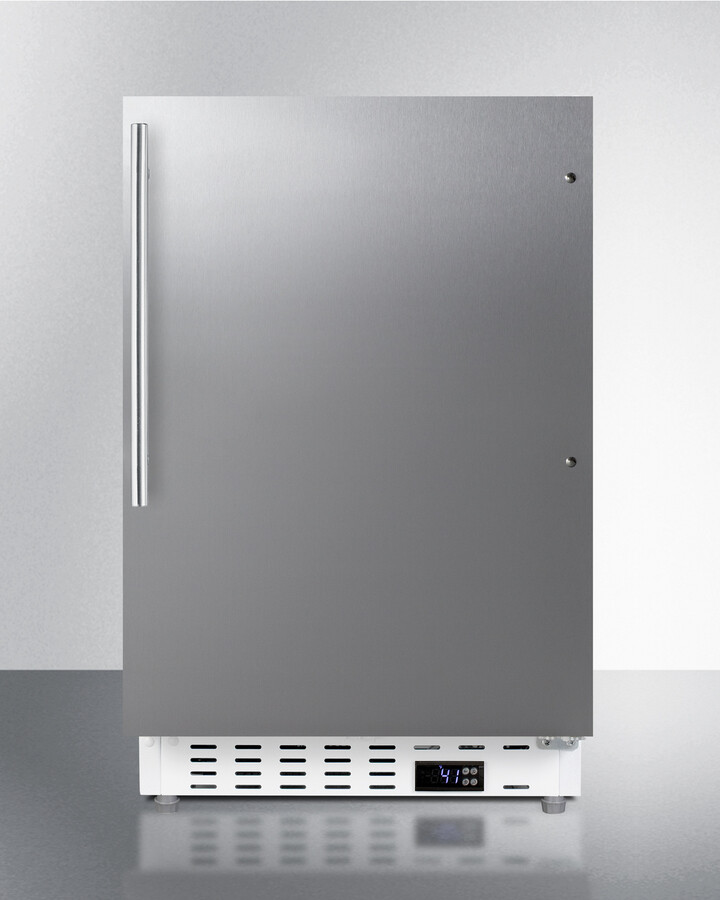
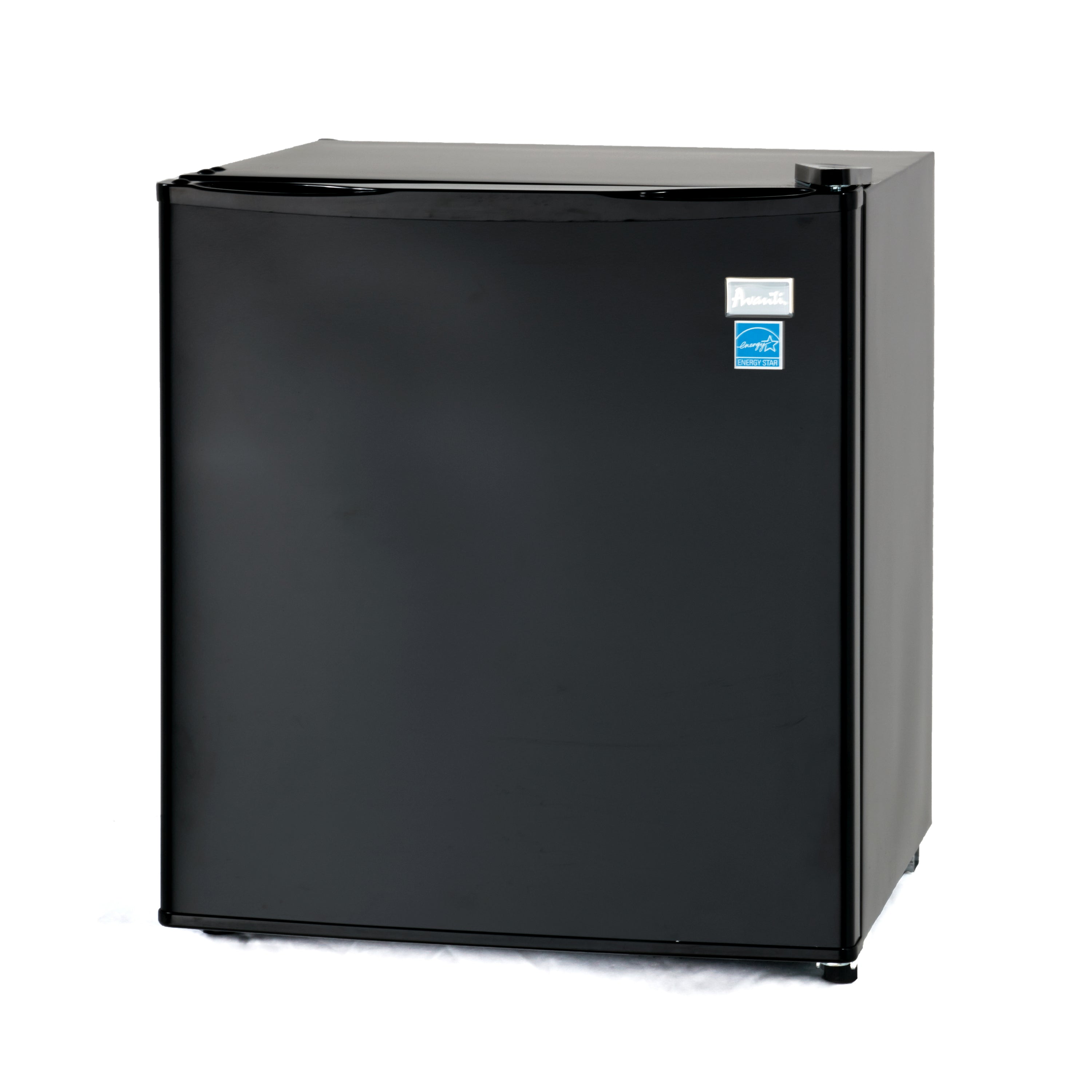
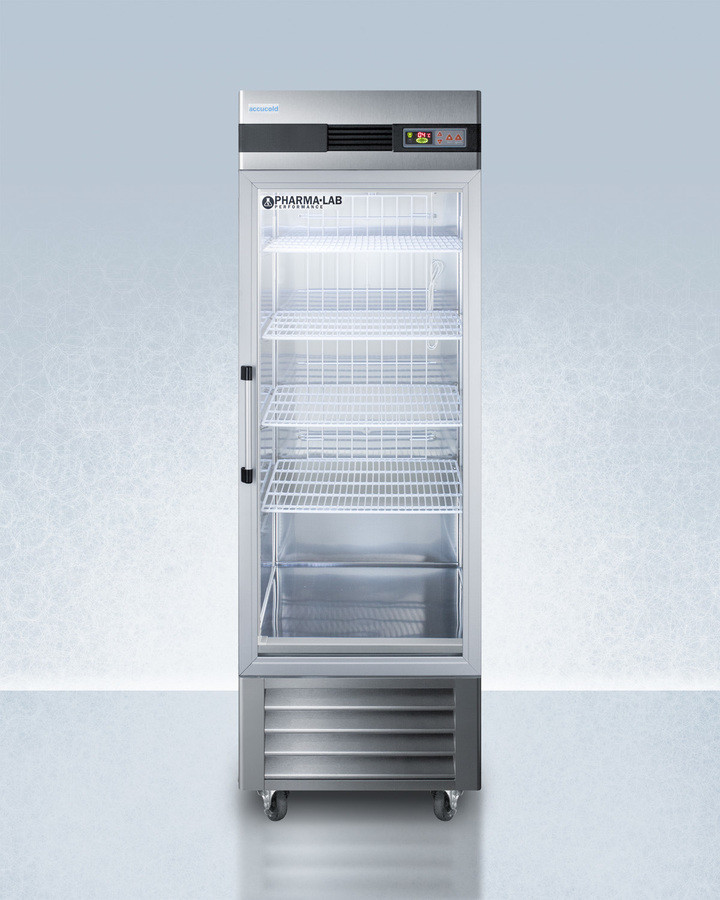
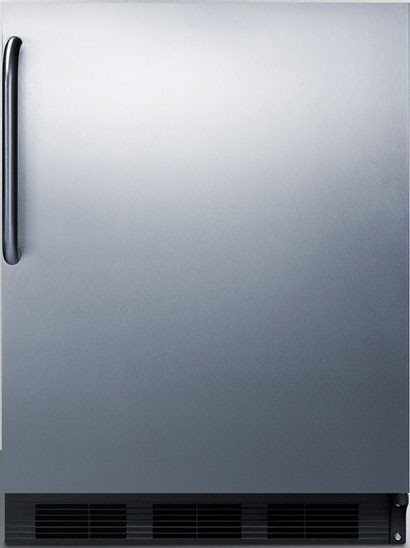
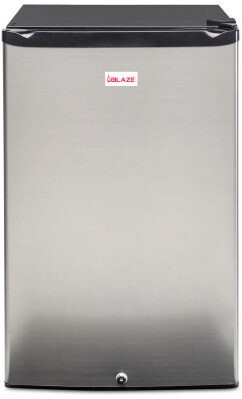
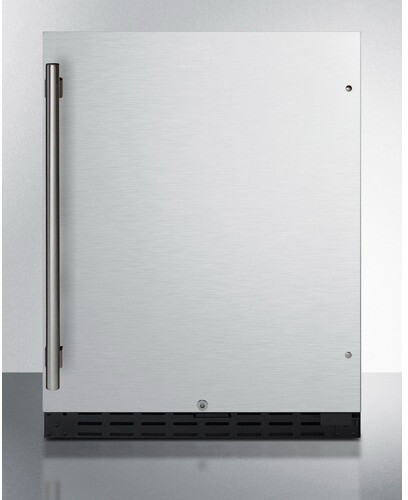
Thermoelectric wine chillers offer the lowest entry price — a quality 12-bottle unit costs $120 to $180, ideal for a small collection of everyday drinking wines.
Ideal Serving Temperature (°F).
Inspecting and cleaning the coils and ventilation areas to ensure efficient operation — condenser coils on compressor models should be cleaned once or twice per year.
In a hot garage at 95°F, the same unit can only reach 65°F to 75°F — too warm for most wines.
A wine chiller and a wine refrigerator differ mainly in cooling technology, capacity, and temperature stability: most wine chillers use thermoelectric (Peltier) cooling and hold 6 to 30 bottles, while wine refrigerators use compressor cooling, scale from 6 to 300 bottles, and hold a steady 40°F to 65°F regardless of room temperature. A thermoelectric chiller can only cool 20°F to 30°F below ambient, so it belongs in climate-controlled rooms; a compressor wine refrigerator keeps performing even in a 90°F garage. Below is the full comparison — technology, capacity, temperature control, noise, energy use, cost, and which one fits your collection.
Wine Chiller Vs. Wine Refrigerator: Quick Comparison
Feature
Wine Refrigerator (Compressor)
Wine Chiller (Thermoelectric)
Cooling Method
Compressor + refrigerant
Peltier module + fan
Temperature Range
40°F - 65°F (independent of room temp)
45°F - 65°F (ambient dependent)
Noise Level
35 - 45 dB
25 - 35 dB
Vibration
Low to moderate
None
Capacity Range
6 - 300 bottles
6 - 30 bottles
Hot Room Performance
Excellent
Poor above 80°F
Note that in retail listings the two terms often get used interchangeably, and "wine chiller" can also refer to a rapid-chill sleeve, bucket, or gadget that brings a single bottle to serving temperature in minutes — those are serving accessories, not storage appliances. This comparison covers the storage appliance categories. For a comparison with a different appliance pairing entirely, see all freezer refrigerator vs. wine refrigerator.
A wine chiller is a compact storage solution designed to keep wine at serving temperature. Most operate on thermoelectric (Peltier) technology instead of a compressor: electric current passes through two ceramic plates to create a temperature differential — one side gets cold, the other hot — and a fan dissipates the heat. This makes them energy-efficient at small sizes and virtually vibration-free, an important factor for preserving wine's integrity.
The main features of a wine chiller include:
Adjustable temperature settings to suit various wine types.
A digital display for monitoring the current temperature.
A cooling system that brings wine to the desired temperature quickly.
Sleek and portable designs that can easily fit on countertops or dining tables.
The key limitation is ambient dependency: a thermoelectric chiller cools the interior 20°F to 30°F below room temperature. If your room is 75°F, the chiller reaches roughly 45°F to 55°F. In a hot garage at 95°F, the same unit can only reach 65°F to 75°F — too warm for most wines.
Pros and Cons of Wine Chillers
Pros
Cons
Portable and compact
Limited to single-bottle storage
Quick cooling for immediate serving
Less suitable for long-term aging
Minimal vibration to preserve wine's flavor
Higher cost per bottle storage compared to wine refrigerators
Wine chillers are convenient and small, making them ideal for small apartments, offices, or the occasional bottle, and their entry price is low. They are not the right choice for serious collectors or anyone aging wine: they lack the capacity, the ambient-independent cooling, and the precise controls long-term storage requires. For individuals with more extensive collections or varying types of beverages, exploring options such as a beverage center vs. wine chiller or freestanding wine cooler vs. wine chiller might provide better insights into suitable storage solutions.
A wine refrigerator (also called a wine cooler) is a compressor-based appliance that stores wine at a consistent 45°F to 65°F. It works like a standard kitchen refrigerator — a compressor circulates refrigerant through coils to extract heat — which delivers strong cooling even in rooms that reach 90°F or higher. Key features:
Temperature Zones: Many models offer dual or multiple temperature zones, allowing you to store different types of wine at their optimal temperatures in the same unit.
Humidity Control: Proper humidity levels are maintained to prevent corks from drying out, which can lead to oxidation and spoilage of wine.
UV Protection: Glass doors are often treated to block out UV rays, which can degrade and prematurely age wine.
Vibration Dampening: These units typically have systems in place to minimize vibration, which can disturb the sediment in wine and affect its aging process.
Shelving: Wine refrigerators often feature specialized shelving designed to hold bottles securely and can be made from wood or metal with various configurations.
Here's a quick comparison of features between entry-level and high-end wine refrigerators:
Feature
Entry-Level
High-End
Temperature Zones
Single
Multiple
Humidity Control
Basic
Advanced
UV Protection
Standard
Enhanced
Vibration Dampening
Standard
Superior
Shelving Material
Metal
Wood/Metal Combo
Pros and Cons of Wine Refrigerators
Pros:
Consistent Temperature: Provides a stable environment with precise temperature control, which is crucial for long-term wine storage.
Humidity Regulation: Helps maintain the right level of humidity to keep corks in good condition.
Space Efficiency: Comes in various sizes to fit different spaces, from small countertop models to larger freestanding units.
Design Variety: Offers options to complement your interior decor, with features like stainless steel finishes or custom panel-ready doors.
Cons:
Cost: Generally more expensive than wine chillers and other basic cooling methods.
Energy Use: Can be more energy-intensive, depending on the size and features of the unit.
Maintenance: May require more maintenance, such as filter changes and cleaning to ensure optimal performance.
Temperature Zones: Single Vs. Dual Zone
Wine refrigerators commonly offer dual-zone or triple-zone temperature control. A dual-zone model maintains one compartment at 45°F to 50°F for whites and sparkling wines and a second compartment at 55°F to 65°F for reds — essential for collectors who store both simultaneously. Triple-zone models add a middle range for rosé or light reds.
Thermoelectric wine chillers are almost exclusively single-zone: the Peltier module cools the entire interior to one temperature. Dual-zone thermoelectric models exist but are rare and more expensive. If you store only red wine or only white wine, single-zone works fine; if you need separate zones, a compressor wine refrigerator is the practical choice. Single-zone chillers also work well as a pure serving-temperature appliance — pull a bottle from pantry storage, chill it in the unit for a few hours, and serve.
If you are a casual wine drinker with a modest collection, a wine chiller might be sufficient — thermoelectric units typically hold 8 to 18 bottles and max out around 30, because the Peltier module cannot generate enough cooling for larger cabinets. For serious collectors or those who aim to age wines, a wine refrigerator offers larger capacity: a 24-inch wide, 34-inch tall under-counter model holds 40 to 60 bottles and fits a standard cabinet opening; freestanding floor models hold 100 to 200 bottles; commercial-grade wine walls hold 300 or more. If your collection exceeds 30 bottles, a compressor wine refrigerator is your only option.
Storage Need
Wine Chiller Capacity
Wine Refrigerator Capacity
Casual drinking
6-20 bottles
Not applicable
Moderate collection
20-40 bottles
20-100 bottles
Large collection
Not applicable
100+ bottles
Space Requirements for Wine Chillers and Refrigerators
Wine chillers are typically compact and can be placed on countertops or tucked away in small spaces, whereas wine refrigerators may require a dedicated area due to their larger size. Before making a purchase, measure the intended area and compare it against the dimensions of the unit you are considering:
Appliance Type
Typical Width
Typical Depth
Typical Height
Wine Chiller
10-20 inches
20-25 inches
10-15 inches
Wine Refrigerator
24+ inches
24+ inches
34+ inches
Wine refrigerators range from undercounter models to full-sized units similar to traditional refrigerators. For more comparisons on sizing and capacity, consider exploring articles like beverage center vs. standard fridge size or basement refrigerator vs. tall refrigerator.
Wine chillers are typically designed for short-term storage and are best for keeping wine at serving temperature. They often have a preset temperature range that is ideal for many types of wine.
Wine Type
Ideal Serving Temperature (°F)
Full-bodied red wines
60-65
Light-bodied red wines
55
Full-bodied white wines
50-60
Light-bodied white wines
45-50
Sparkling wines and Champagne
40-45
Wine refrigerators cater to both short-term and long-term storage needs with more precise temperature control. They generally have a wider temperature range and multiple zones for different wine types, allowing for customization based on your collection.
Storage Type
Temperature Range (°F)
Short-term storage
50-65
Long-term aging
45-65
For the most accurate control, look for models with digital thermostats that allow for incremental adjustments.
Humidity and UV Protection
Proper wine storage requires 50% to 70% relative humidity to keep corks from drying out — too little moisture dries corks and invites oxidation, too much leads to mold. Compressor wine refrigerators can include humidity management systems such as adjustable humidity trays or carbon filters; thermoelectric wine chillers do not actively control humidity, though their lower airflow tends to maintain moderate humidity naturally in smaller cabinets. Neither type matches a dedicated wine cellar or a high-end wine cabinet with active humidification — for long-term aging of premium wines (10+ years), consider a fully climate-controlled wine cabinet.
Both categories use tinted or solid doors to block UV light, which degrades wine over time by breaking down organic compounds that contribute to flavor and aroma. Double-pane tempered glass with UV coating is standard on mid-range and premium models; solid doors provide the best UV protection but eliminate the display appeal.
Maintenance and Expected Lifespan
Regular maintenance is essential, including:
Cleaning the interior and exterior surfaces to prevent odors and mold.
Inspecting and cleaning the coils and ventilation areas to ensure efficient operation — condenser coils on compressor models should be cleaned once or twice per year.
Checking the door seals to maintain consistent temperature and humidity levels.
Checking wooden shelves for mold in humid environments.
A quality compressor wine refrigerator lasts 10 to 20 years with proper maintenance, and replacement compressors are available for many popular models. Thermoelectric wine chillers have fewer moving parts — typically one or two fans plus the Peltier module — but Peltier modules degrade over time, especially when running continuously in warm environments, giving an expected lifespan of 5 to 10 years. When the module weakens, the unit gradually loses cooling capacity before failing, and a replacement module (where available) may cost more than a new entry-level unit. For more maintenance insights across unit types, see reach in refrigerator vs. slate refrigerator.
Thermoelectric wine chillers produce almost no vibration and very little noise — typically 25 to 35 decibels, comparable to a whisper. Wine purists value the zero-vibration environment because vibration can disturb sediment in aging wines and theoretically affect long-term maturation. In a bedroom, living room, or quiet tasting room, the near-silent operation is a real advantage.
Compressor wine refrigerators produce 35 to 45 decibels and generate some vibration during the compressor cycle. Modern inverter compressors have reduced both noise and vibration significantly, and anti-vibration shelves (rubber-mounted wooden racks) further dampen vibrations transmitted to the bottles. For most collectors, the practical difference between a modern compressor model and a thermoelectric model is negligible.
Energy Efficiency
Type
Annual kWh (30-bottle equivalent)
Estimated Annual Cost
Compressor Wine Refrigerator
100 - 200 kWh
$13 - $26
Thermoelectric Wine Chiller
150 - 300 kWh
$19 - $39
At equivalent capacity, thermoelectric units are less energy efficient than compressor models: the Peltier module runs continuously to maintain temperature, while a compressor cycles on and off as needed. In warm environments the thermoelectric unit works even harder and consumes more power. Compressor wine refrigerators with ENERGY STAR certification offer the best energy efficiency in the category.
Wine chillers have a sleek, compact design that fits into various spaces without being obtrusive, in a range of finishes and styles. Wine refrigerators are larger and can be more of a statement piece — some models are designed to be built into cabinetry, blending with your kitchen or bar area, while freestanding units can serve as a focal point.
Placement and Installation Considerations
Thermoelectric wine chillers are almost always freestanding: place the unit on a counter, shelf, or floor, plug it in, and set the temperature. But they need generous ambient airflow because the hot side of the Peltier module must dissipate heat — leave at least 4 inches of clearance on the rear and sides, and never place one inside a closed cabinet without ventilation. A tight enclosed space reduces cooling performance and shortens the module's lifespan.
Compressor wine refrigerators come in freestanding and built-in configurations. Built-in models feature front-venting systems that exhaust heat through the grille at the base, allowing them to slide flush into cabinetry without overheating. Freestanding compressor models vent from the rear or sides and need 3 to 5 inches of clearance around the unit. Larger built-in wine refrigerators require a dedicated 15-amp or 20-amp electrical circuit, especially models over 100 bottles with dual compressors.
Key considerations for any placement:
Ventilation: Adequate airflow around the unit to maintain consistent temperature and prevent motor strain.
Temperature stability: Avoid areas with fluctuating temperatures, such as near ovens or in direct sunlight.
Humidity control: Placing the unit in an area where humidity levels can be maintained will help preserve your wine's quality.
Accessibility: Consider how often you'll access the unit and make sure it's in a convenient location.
For more information on size and space requirements, you might want to explore articles such as beverage center vs. standard fridge size and basement refrigerator vs. tall refrigerator.
Cost Comparison
Initial Investment and Long-Term Costs
Thermoelectric wine chillers offer the lowest entry price — a quality 12-bottle unit costs $120 to $180, ideal for a small collection of everyday drinking wines. Compressor wine refrigerators cost more but deliver better performance, larger capacity, and longer lifespan; the price rises with capacity, temperature zones, and built-in features.
Type
Price Range
Best Value Point
Thermoelectric Chiller (8-18 bottles)
$80 - $300
12-bottle at $120-$180
Compressor Refrigerator (20-50 bottles)
$250 - $800
30-bottle at $350-$500
Compressor Refrigerator (50-100 bottles)
$600 - $1,800
50-bottle at $700-$1,000
Compressor Refrigerator (100+ bottles)
$1,200 - $5,000+
150-bottle at $1,500-$2,500
Factor in electricity, not just the sticker price: thermoelectric chillers consume more power per bottle stored than compressor models, and the gap widens in warmer environments. Over a 5-year ownership period, a compressor wine refrigerator often costs less in total (purchase price plus electricity) than a thermoelectric chiller of equivalent capacity. Maintenance costs also differ — wine chillers require less upkeep due to their simplicity, while wine refrigerators may incur more due to their climate control systems.
Value for Money: Wine Chiller Vs. Wine Refrigerator
If you have a smaller collection and require occasional access to chilled wine, a wine chiller may offer the functionality you need without a significant investment. For those with a more extensive collection or a focus on long-term aging, a wine refrigerator is the better value despite the higher cost, as it provides optimal conditions for preserving wine quality. If you are furnishing a space-limited area like an apartment or office, you might also compare a beverage center vs. standard fridge size or a compact refrigerator vs. freezer drawer to ensure the unit fits comfortably while meeting your storage needs.
Who Should Buy Which
Buy a thermoelectric wine chiller if you have a small collection (under 30 bottles), store wine in a temperature-controlled room (under 77°F), prioritize silence and zero vibration, and want the lowest upfront cost. The thermoelectric chiller is ideal for apartments, bedrooms, and quiet entertaining spaces.
Buy a compressor wine refrigerator if you have 30 or more bottles, need dual-zone temperature control, store wine in a garage or warm room, plan to age wine long-term, or want built-in installation under a counter. The compressor refrigerator is the serious collector's choice and the only viable option for medium to large collections.
The most frequent mistake is buying a thermoelectric chiller for a garage, outdoor kitchen, or any unconditioned space. When ambient temperature exceeds 80°F, thermoelectric cooling cannot maintain wine-safe temperatures — the wine sits at 60°F to 70°F or warmer, fine for short-term holding before serving but damaging over weeks or months. If your storage location gets warm in summer, a compressor wine refrigerator is the only reliable choice.
The second mistake is assuming bigger is better when a small thermoelectric chiller would suffice. A couple who drinks two to three bottles per week and never ages wine beyond a few weeks does not need a 50-bottle compressor unit — a 12-bottle thermoelectric chiller on the kitchen counter keeps a rotating selection at perfect serving temperature for $150 or less. Match the appliance to your actual consumption pattern, not your aspirational collection size.
A third mistake is overlooking the ongoing energy cost of thermoelectric models, which consume more electricity per bottle stored than compressor models — see the energy efficiency comparison above.
FAQ
Is a wine chiller the same as a wine refrigerator?
Not exactly. Retail listings often use the terms interchangeably, but a wine chiller usually means a small thermoelectric (Peltier) unit holding 6 to 30 bottles — or a rapid-chill serving gadget — while a wine refrigerator means a compressor-based storage appliance that holds 6 to 300 bottles and maintains 40°F to 65°F regardless of room temperature.
Which is better: thermoelectric or compressor wine cooling?
Compressor cooling is better for large collections, warm rooms, dual zones, and long-term aging; it also lasts 10 to 20 years versus 5 to 10 years for thermoelectric units. Thermoelectric cooling is better when silence and zero vibration matter most and the collection stays under 30 bottles in a climate-controlled room.
Can I put a wine chiller in the garage?
No — a thermoelectric wine chiller only cools 20°F to 30°F below ambient temperature, so in a 95°F garage it reaches just 65°F to 75°F, too warm for wine. Use a compressor wine refrigerator for garages, outdoor kitchens, or any room that exceeds 80°F.
What temperature and humidity should wine be stored at?
Store wine between 45°F and 65°F for long-term aging, with 50% to 70% relative humidity to keep corks from drying out. Serving temperatures vary by wine type — 60-65°F for full-bodied reds down to 40-45°F for sparkling wines and Champagne (see the serving temperature table above).
Do I need a dual-zone unit?
Only if you store both reds and whites at the same time. A dual-zone wine refrigerator keeps whites and sparkling wines at 45°F to 50°F in one compartment and reds at 55°F to 65°F in the other. If you store one wine type, a single-zone unit works fine.
Do wine chillers use more electricity than wine refrigerators?
Per bottle stored, yes. A 30-bottle-equivalent thermoelectric chiller uses roughly 150 to 300 kWh per year versus 100 to 200 kWh for a compressor wine refrigerator, because the Peltier module runs continuously while a compressor cycles on and off.
How long do wine chillers and wine refrigerators last?
A quality compressor wine refrigerator lasts 10 to 20 years with basic maintenance. A thermoelectric wine chiller typically lasts 5 to 10 years, because the Peltier module gradually degrades — faster in warm environments.
Get Your Upgrade or New Addition at Fridge.com
Whether you're searching for your perfect fridge, freezer, wine fridge, beer fridge, ice maker, or kegerator, Fridge.com has what you need.
From Fridge.com research
Figures below come from data Fridge.com builds and maintains. Each links to the record behind it.
Fridge.com Energy Index, built on U.S. EPA and DOE ENERGY STAR records
Across 4,499 ENERGY STAR certified refrigerators and freezers from 259 brands, median use is 344 kWh per year.