Set one zone at 45-50°F for white wines and the other at 55-65°F for red wines, so both styles are stored and served at their respective ideal temperatures simultaneously.
But for collections of 20 to 200 bottles, a wine refrigerator is the ideal storage solution, and it complements rather than competes with the tall kitchen refrigerator that stores your food.
A wine refrigerator is a specialty appliance that stores wine at 45-65°F with preservation features including horizontal bottle racks, UV-tinted glass, vibration dampening, and humidity maintenance.
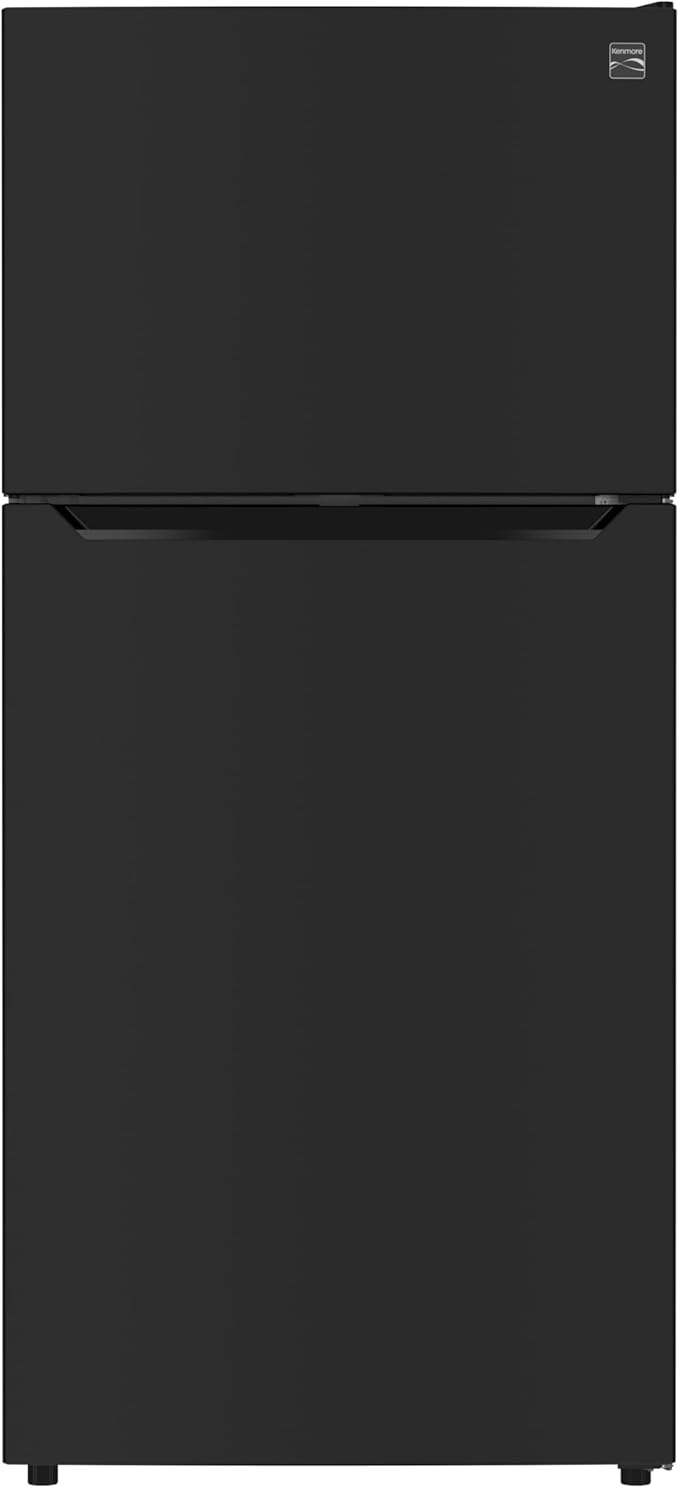
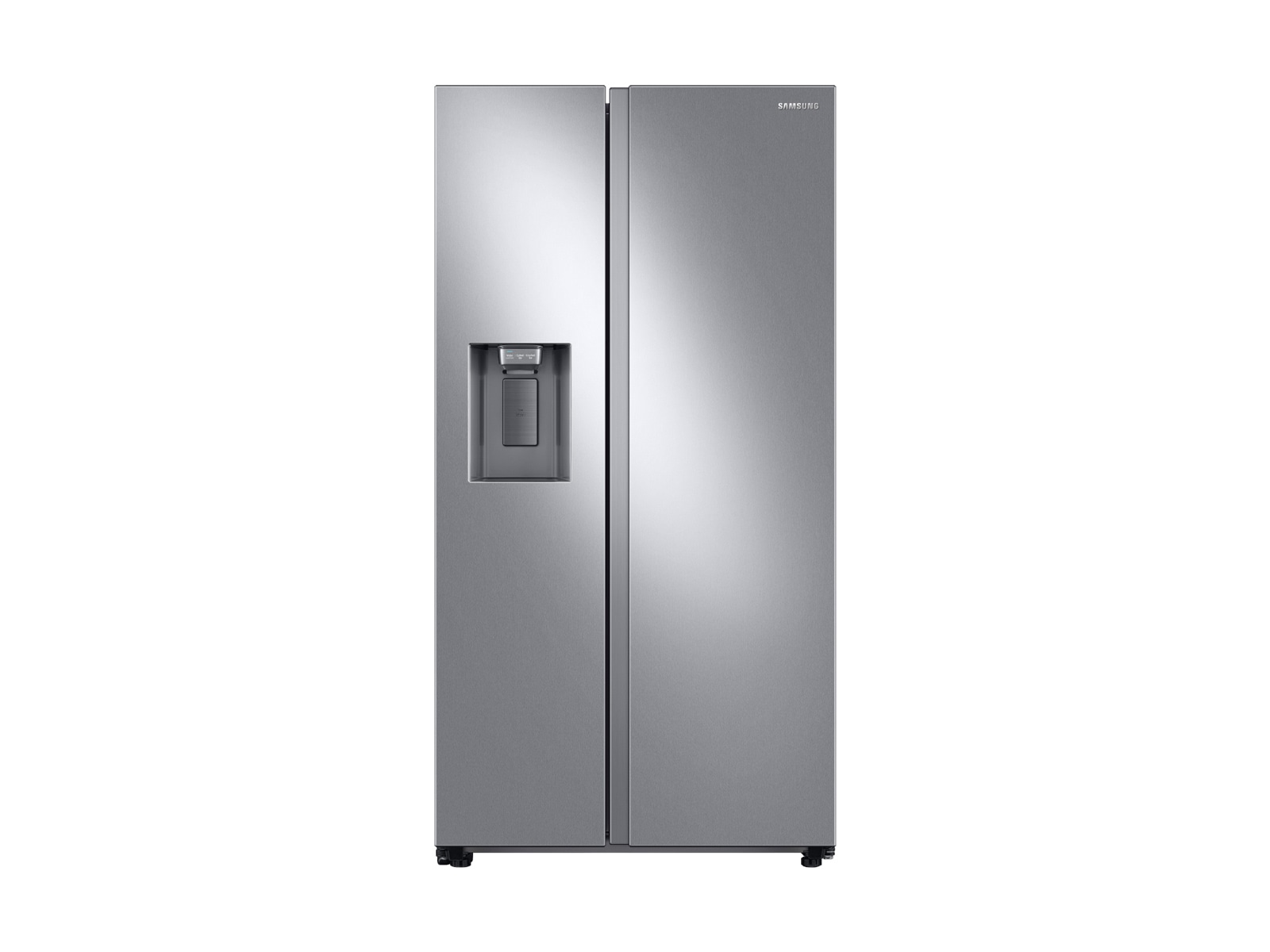
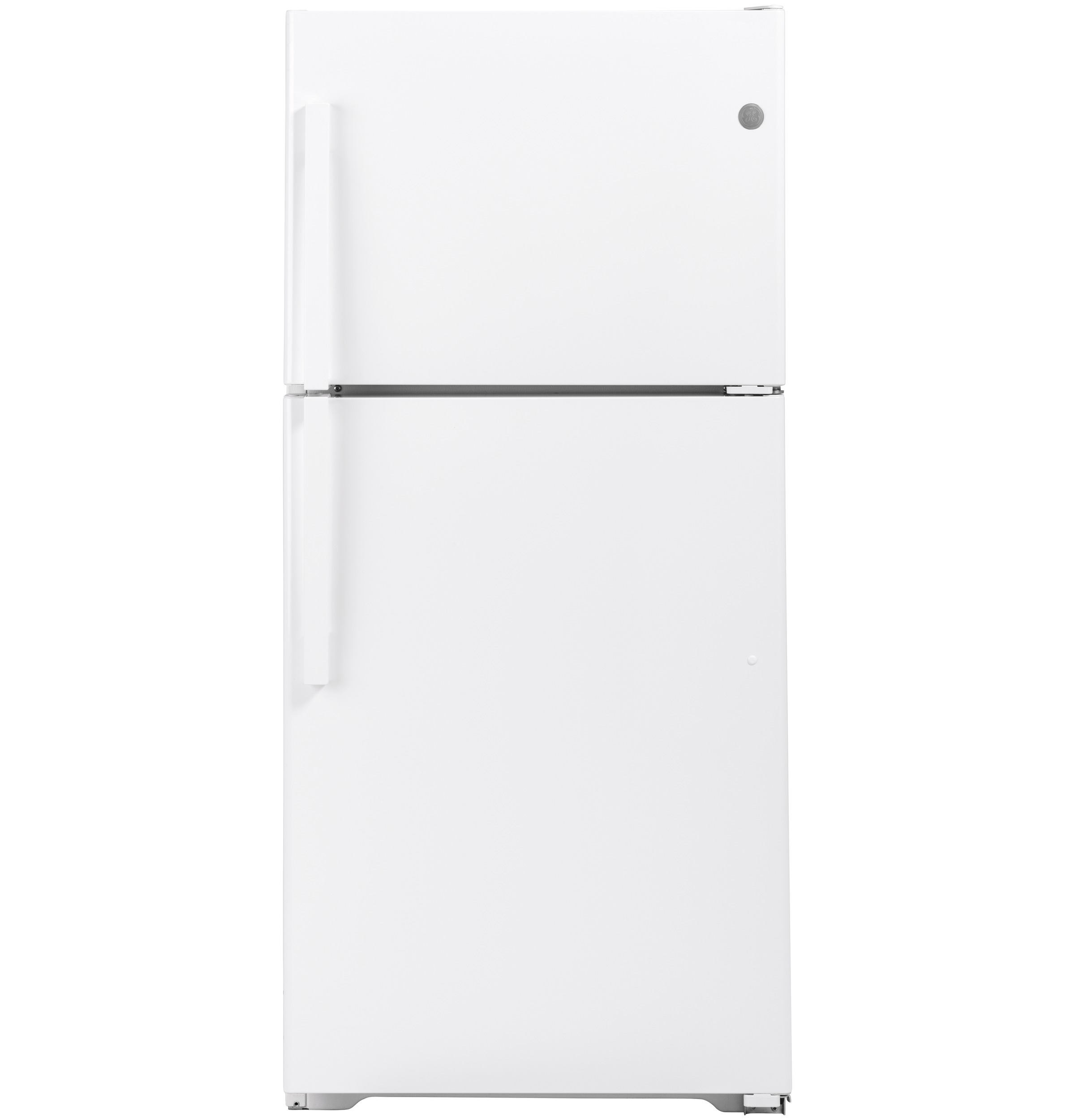
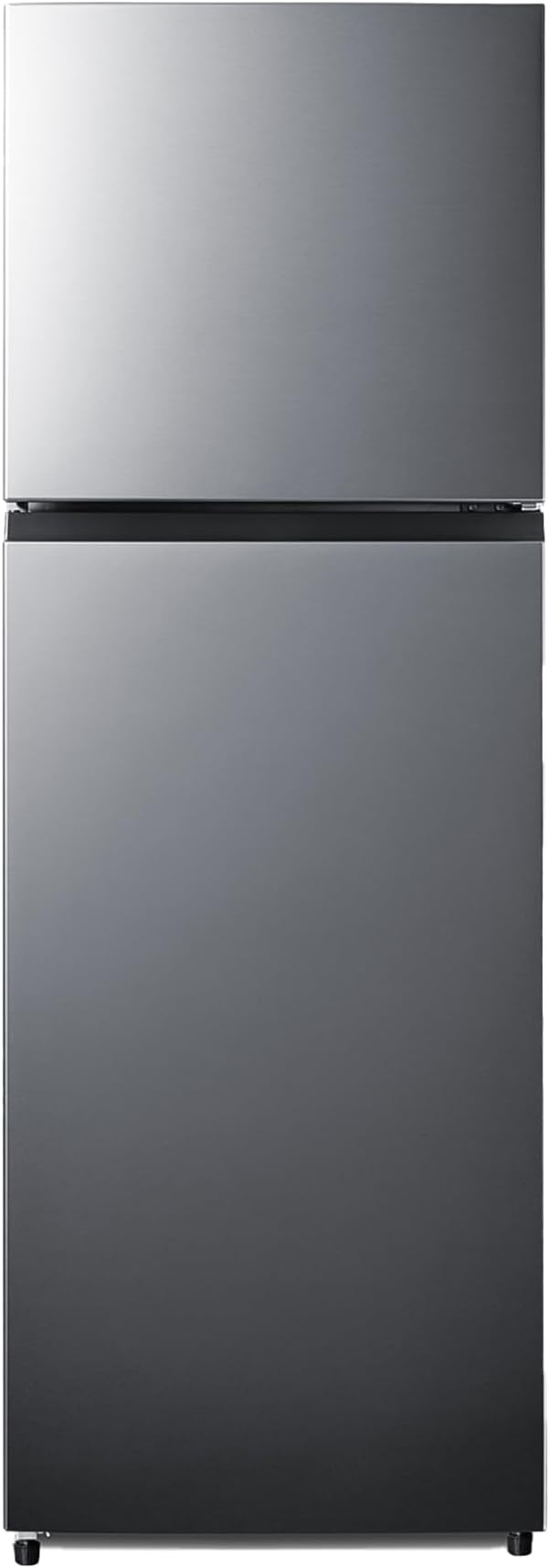
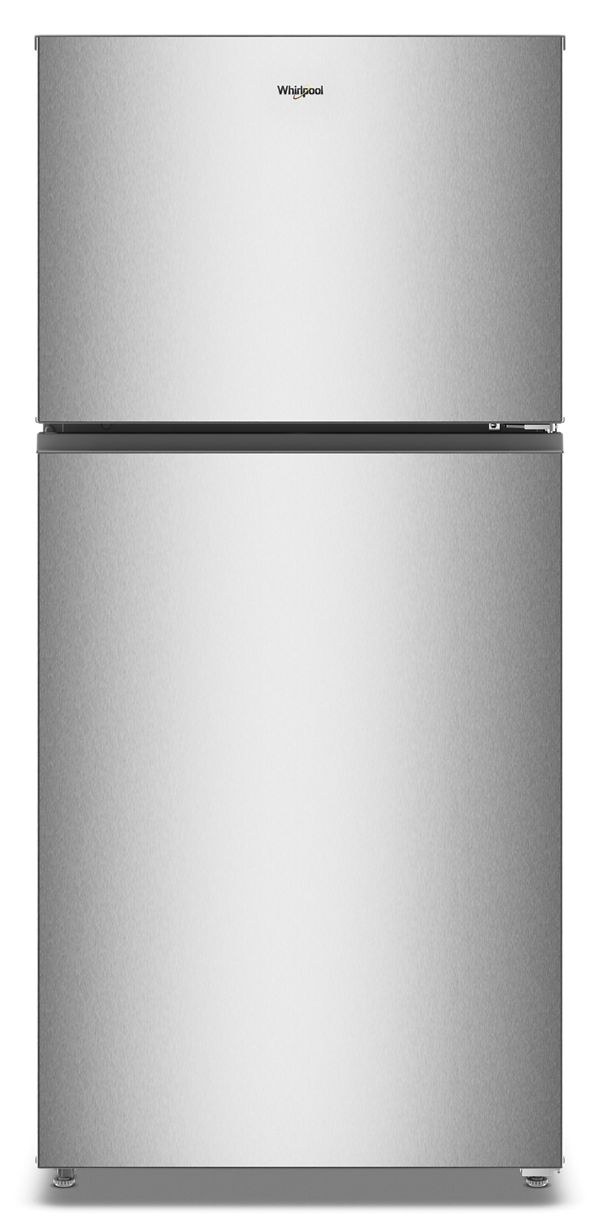
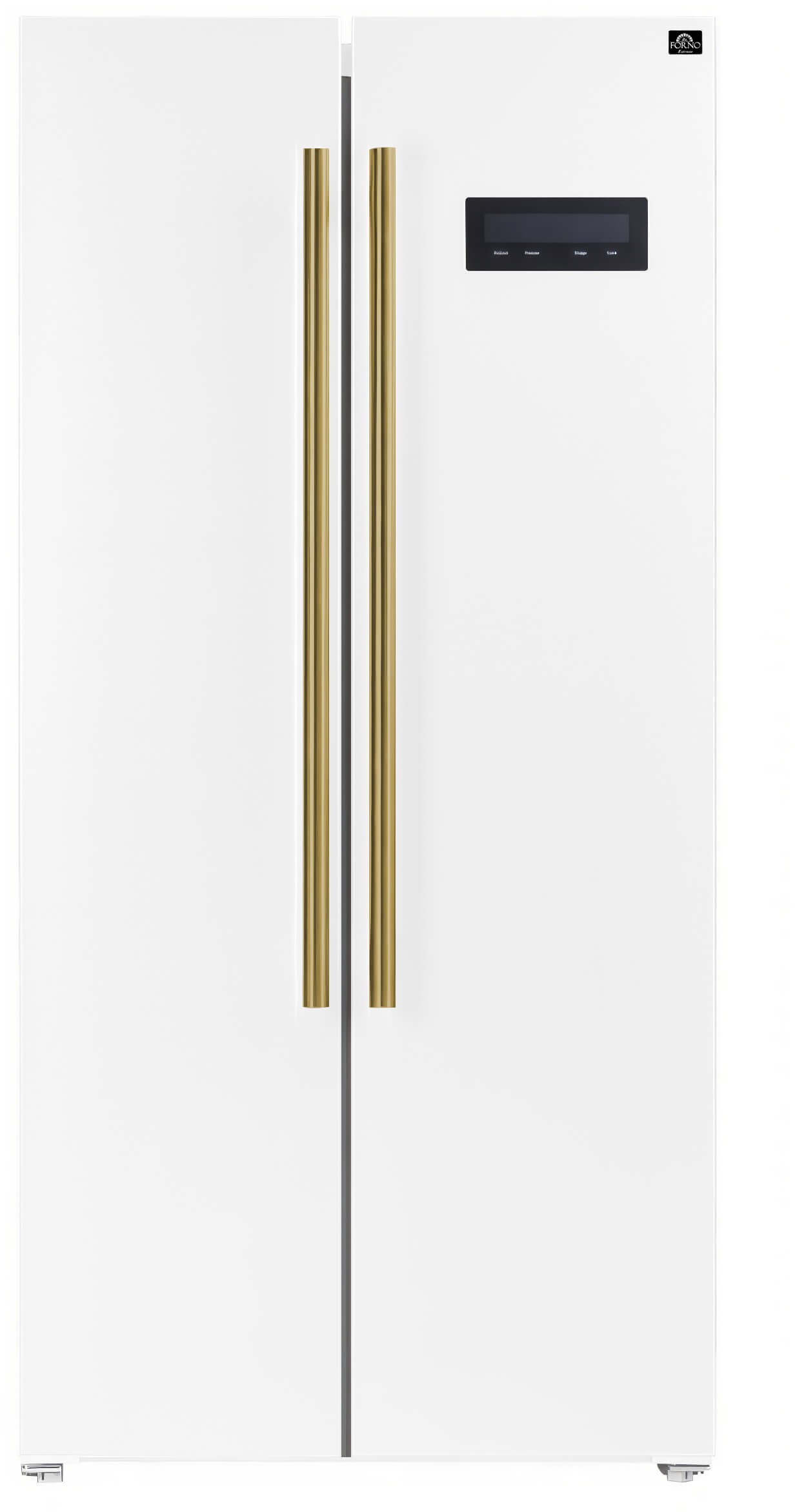
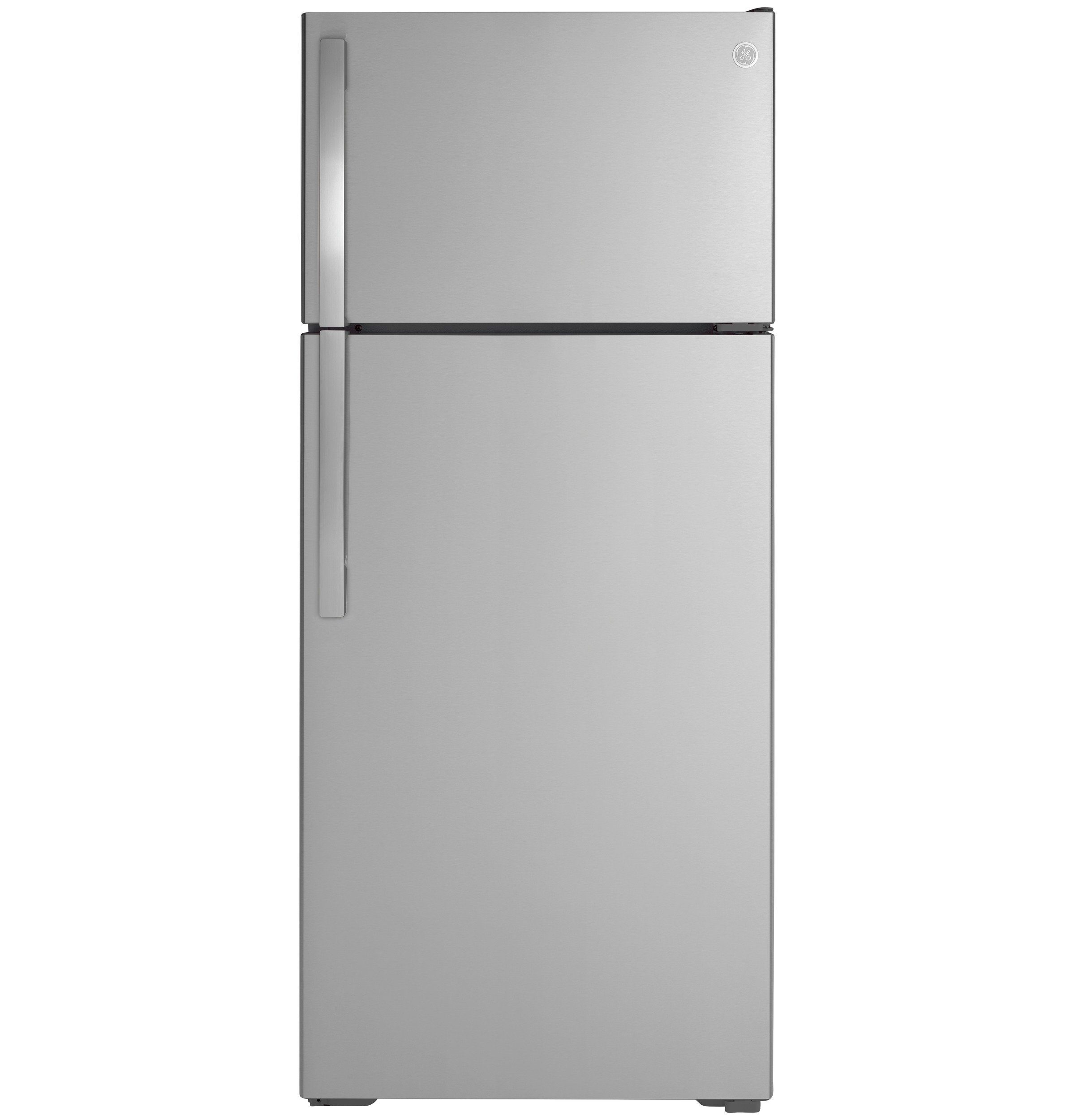
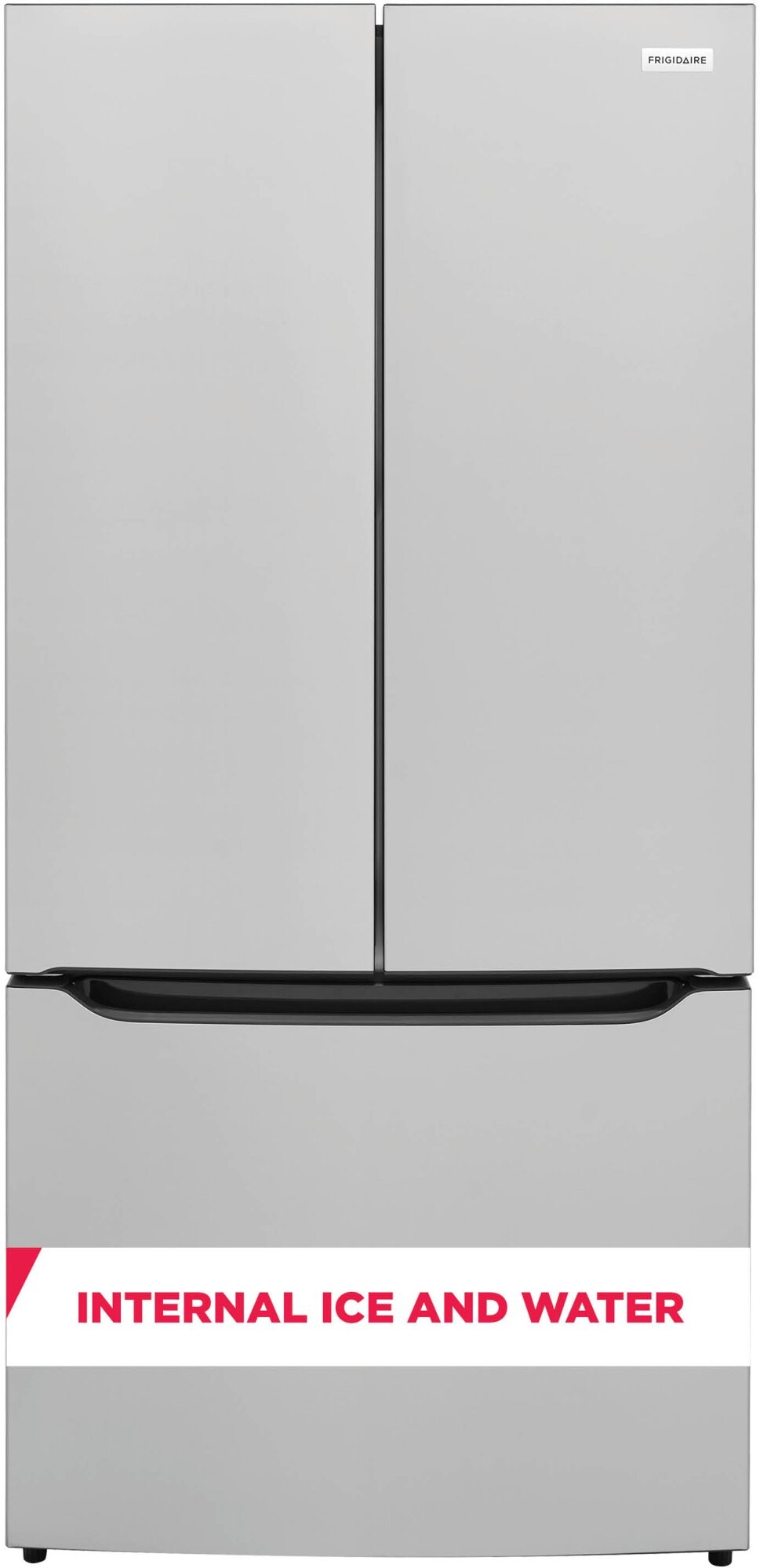
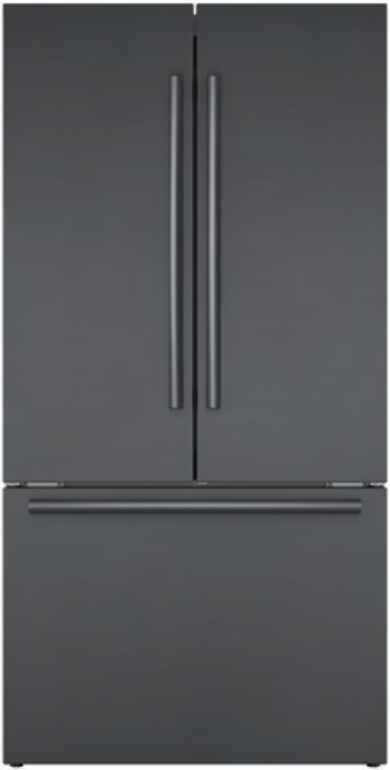
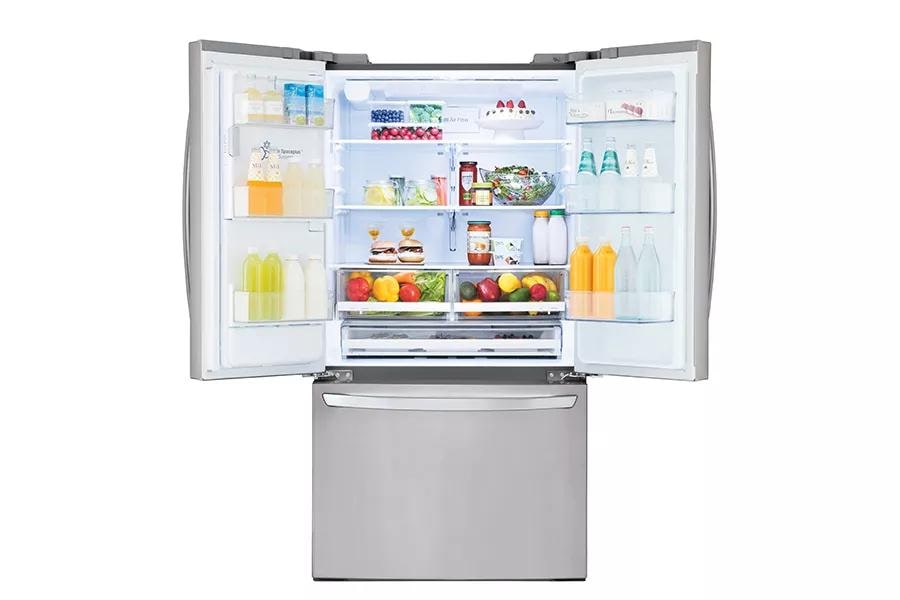
A tall refrigerator is a full-height kitchen refrigerator — typically 66 to 72 inches tall, 28 to 36 inches wide, and 28 to 36 inches deep.
A wine refrigerator and a tall refrigerator serve completely different roles in a home. A wine refrigerator is a specialty appliance that stores wine at 45-65°F with preservation features including horizontal bottle racks, UV-tinted glass, vibration dampening, and humidity maintenance. A tall refrigerator — also called a column refrigerator or full-height refrigerator — is a full-size kitchen refrigerator standing 66 to 72 inches tall, designed for maximum food storage capacity at 35-38°F. These appliances do not compete with each other. One stores wine, the other stores food. This guide explains the differences in detail so shoppers understand why both may belong in a well-equipped kitchen.
What Is a Tall Refrigerator?
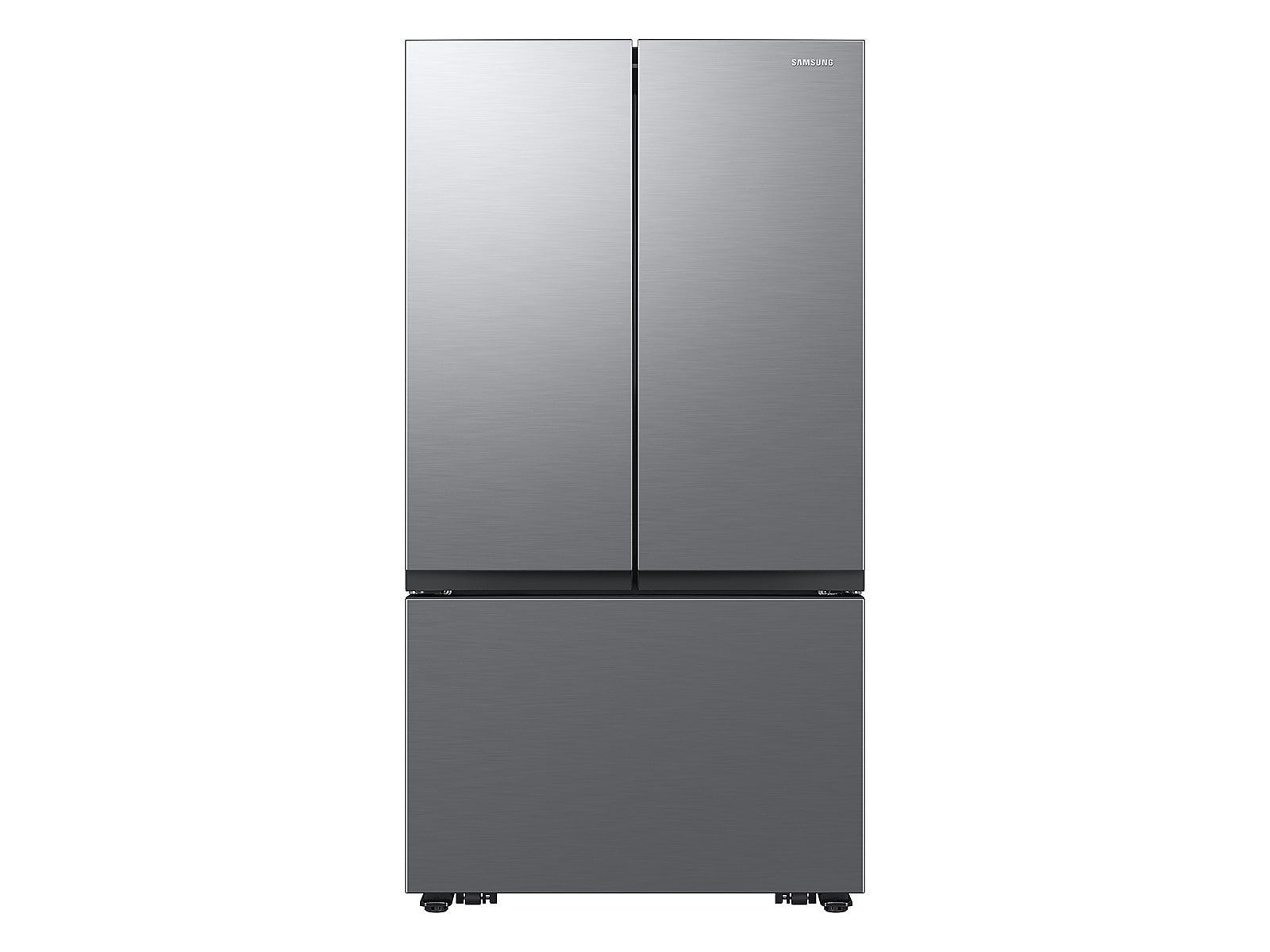
A tall refrigerator is a full-height kitchen refrigerator — typically 66 to 72 inches tall, 28 to 36 inches wide, and 28 to 36 inches deep. The term tall refrigerator distinguishes these full-size units from compact, countertop, or undercounter models. Tall refrigerators come in every major configuration: top freezer, bottom freezer, French door, side-by-side, and column (all-refrigerator or all-freezer with no combined compartments). Capacity ranges from 14 cubic feet for narrow top-freezer models to 30+ cubic feet for wide French door models.
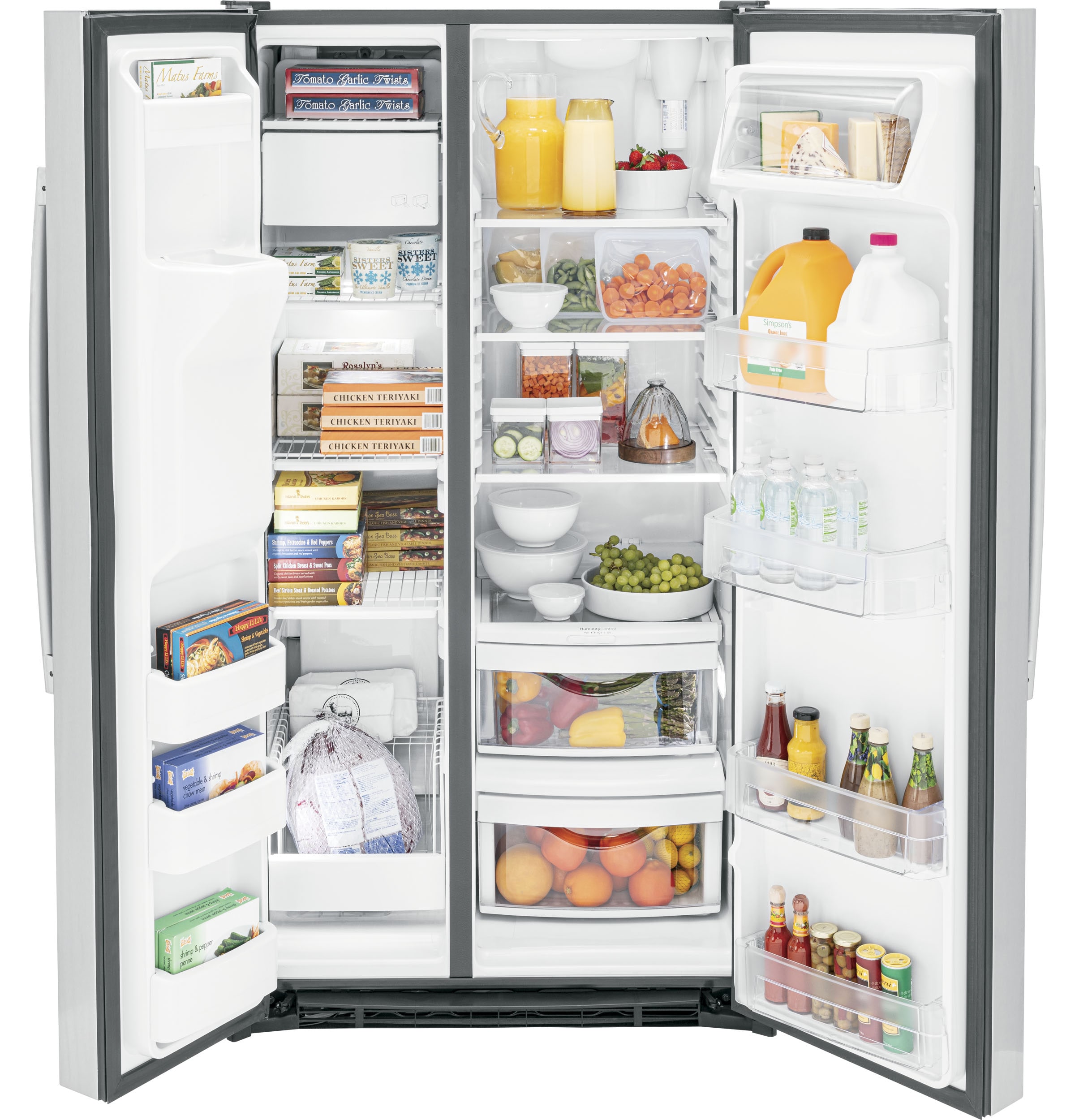
Tall refrigerators are the primary food storage appliance in virtually every American kitchen. They maintain 35-38°F in the fresh food section and 0°F in the freezer. Interior features include adjustable glass shelves, humidity-controlled crisper drawers, deli drawers, door bins for gallon jugs and condiments, ice makers, water dispensers, and increasingly smart features like temperature alerts, inventory cameras, and WiFi connectivity. Every major appliance brand — Samsung, LG, Whirlpool, GE, Frigidaire, KitchenAid, Maytag, Bosch, and Sub-Zero — produces tall refrigerators as their core product line.
Column refrigerators are a premium subcategory of tall refrigerators. A column refrigerator is an all-refrigerator unit (no freezer) designed to pair with a separate all-freezer column for a modular kitchen layout. Column refrigerators from Sub-Zero, Thermador, Monogram, and Miele stand 24 to 36 inches wide and 84 inches tall (built into the cabinetry). They represent the highest end of residential food storage, with prices ranging from $4,000 to $12,000 per column.
What Is a Wine Refrigerator?
A wine refrigerator is a single-purpose appliance designed exclusively for wine storage and preservation. Temperature ranges from 45-65°F — significantly warmer than any food storage refrigerator. The interior uses horizontal wooden or wire shelving with scalloped grooves that cradle bottles on their sides, keeping natural corks in contact with wine to prevent drying and oxidation. UV-tinted double-pane glass doors block ultraviolet light that degrades wine quality. Vibration-dampened compressor mounting protects aging wines from sediment disturbance. The sealed cabinet at warmer operating temperatures naturally maintains moderate humidity (50-70%) that keeps corks healthy.
Wine refrigerators come in countertop (6-20 bottles), undercounter (20-60 bottles), and full-height (40-300 bottles) configurations. Full-height wine refrigerators stand 50 to 72 inches tall — the same height range as tall kitchen refrigerators — but their interior is entirely dedicated to wine. No shelves for food, no crisper drawers, no freezer compartment, no ice maker. A 72-inch tall wine refrigerator holds 150 to 300 bottles depending on width and shelf configuration. Compact and undercounter models run as narrow as 15 to 24 inches wide, which is why wine refrigerators slot into spaces no tall kitchen refrigerator can occupy.
A tall refrigerator cannot store wine properly because 35-38°F is far too cold. Red wine at 37°F loses its aromatic complexity — the cold suppresses volatile compounds that create the wine's bouquet. Tannins taste harsh and astringent instead of smooth and integrated. White wine at 37°F is closer to correct but still 7-13 degrees too cold, resulting in overly sharp acidity and muted fruit character. Short-term chilling in a kitchen fridge (30-60 minutes before serving) is fine, but long-term wine storage at these temperatures degrades wine quality.
A wine refrigerator cannot store food safely because 45-65°F is far too warm. The FDA requires perishable food storage below 40°F to prevent bacterial growth that causes foodborne illness. Dairy, meat, produce, leftovers, and most prepared foods become unsafe within hours at wine refrigerator temperatures. A wine fridge is not a general-purpose cooling appliance — it is exclusively a wine storage device.
Dual-Zone Wine Refrigerators
Many wine refrigerators include dual-zone temperature controls — two independently regulated compartments in one cabinet. Set one zone at 45-50°F for white wines and the other at 55-65°F for red wines, so both styles are stored and served at their respective ideal temperatures simultaneously. Dual-zone models are the practical choice for households that drink both reds and whites, since a single-zone unit forces a compromise temperature. Tall kitchen refrigerators offer nothing comparable for wine: their independently adjustable zones (fresh food and freezer) both sit far below proper wine storage temperature.
Tall refrigerators maximize food storage versatility. Adjustable tempered glass shelves accommodate items from small condiment jars to large casserole dishes. Humidity-controlled crisper drawers maintain 80-95% humidity for produce and 30-40% for meats and cheeses. Door bins hold gallon milk jugs, 2-liter soda bottles, and condiment bottles of various sizes. Deli drawers provide a colder micro-zone for cold cuts and cheeses. The freezer section includes wire baskets, shelves, and sometimes an ice maker and water dispenser. The interior is a multi-purpose storage environment designed for the widest possible variety of food items.
Wine refrigerators dedicate every square inch to wine bottles. Horizontal pull-out wooden racks with scalloped grooves cradle each bottle individually on its side. Ball-bearing shelf glides allow smooth, vibration-free access. Premium models use solid beechwood shelves that absorb vibration and create an elegant display through the glass door. Some models include flat presentation shelves for displaying bottles label-up. There are no drawers, no door bins, no freezer, no ice maker — the entire interior serves one purpose. A full-height wine fridge holds 150-300 bottles in the same exterior footprint that a tall refrigerator uses for 20+ cubic feet of food storage.
Two more interior details separate the categories. Wine refrigerator shelves are adjustable specifically to accommodate oversized formats — Champagne bottles and magnums that will not fit standard rack spacing. And interior lighting differs by purpose: tall refrigerators use standard bright lighting for visibility, while wine refrigerators use soft LED lighting chosen to illuminate the collection without the heat or light exposure that degrades wine.
Size Comparison
Specification
Tall Refrigerator
Full-Height Wine Refrigerator
Height
66-72 inches
50-72 inches
Width
28-36 inches
24-28 inches
Depth
28-36 inches
24-27 inches
Capacity
14-30+ cubic feet
40-300 bottles
Weight
150-350 lbs
80-250 lbs
Full-height wine refrigerators are typically narrower and shallower than tall kitchen refrigerators. A 24-inch wide wine fridge fits in a tighter space than a 30-36 inch wide kitchen fridge, and compact wine refrigerator models drop to 15-24 inches wide and 30-50 inches tall. This makes wine refrigerators easier to integrate into secondary locations — home bars, dining rooms, basements, and wine rooms — where a full-width kitchen refrigerator would be too large.
Tall refrigerators belong wherever bulk food storage is needed: the kitchen first, then garages and basements as secondary overflow units for beverages and bulk groceries, and office breakrooms where multiple people store lunches and snacks. Their finishes — stainless steel through custom panel-ready — are designed to blend with standard kitchen appliances.
Wine refrigerators fit a different set of rooms: kitchens (undercounter installation), dining rooms, living rooms, home bars, and basements. Their glass doors and soft LED lighting make them a deliberate display piece — often a focal point rather than a background appliance. They also earn a place in vacation homes, cottages, and cabins, where a wine refrigerator keeps a collection at stable, correct conditions even when the property sits unoccupied through varying ambient temperatures.
Location
Tall Refrigerator
Wine Refrigerator
Kitchen
Yes — primary placement
Yes — undercounter or freestanding
Garage / Basement
Yes — secondary storage
Basement yes; garage temperature swings work against stable wine storage
Wine refrigerators use less energy than tall kitchen refrigerators for two reasons: they maintain warmer temperatures (less compressor work) and they have no freezer compartment (the freezer is the most energy-intensive section of any refrigerator). A full-height wine fridge uses roughly half the energy of a comparable-height French door refrigerator. ENERGY STAR certification is available for both categories and identifies the most efficient models. Note that dual-zone wine refrigerators, which run two independently controlled compartments, consume more energy than single-zone models of the same capacity.
Vibration, UV, and Humidity
Wine refrigerators incorporate three preservation technologies that tall kitchen refrigerators lack entirely. Vibration-dampened compressor mounting and shelf brackets prevent micro-vibrations from disturbing wine sediment or accelerating unwanted chemical reactions during aging. UV-tinted double-pane glass doors block 95%+ of ultraviolet light that degrades tannins, pigments, and aromatic compounds in wine. The sealed cabinet at 45-65°F maintains 50-70% relative humidity that keeps natural corks moist and sealed.
Tall kitchen refrigerators have standard compressor mounting (no vibration dampening), solid doors (no UV concern since light cannot enter), and actively low humidity in the main compartment (30-40% RH) to preserve food and prevent mold. The low humidity, combined with cold temperatures and food odors that can permeate natural corks, makes a tall kitchen refrigerator a poor long-term wine storage environment even if temperature were not a problem.
Standard tall refrigerators and full-height wine refrigerators overlap in price at the mid-range. A quality full-height wine fridge costs about the same as a quality full-size kitchen refrigerator. Premium column refrigerators and premium wine cabinets from brands like Sub-Zero, EuroCave, and Le Cache both reach $8,000-$12,000 at the top end. The price reflects build quality, temperature precision, compressor engineering, and brand positioning rather than a fundamental cost difference between the two appliance types. Below the full-height tier, the wine refrigerator category starts far cheaper: compact countertop and small undercounter models begin around $150, with the overall category spanning roughly $150-$2,000 across 12-200 bottle capacities.
Why You Might Need Both
Most wine enthusiasts own both a tall kitchen refrigerator for food and a wine refrigerator for wine. These appliances serve non-overlapping purposes — one cannot substitute for the other at any price point. The tall refrigerator goes in the kitchen. The wine refrigerator goes wherever it fits best — kitchen (undercounter), home bar, dining room, basement, or a dedicated wine room. For homeowners planning a kitchen renovation, allocating space for both a food refrigerator and a wine refrigerator is a smart investment that enhances daily living and adds resale value.
For those with very large wine collections (200+ bottles), a full-height wine refrigerator or multiple wine refrigerators may eventually give way to a dedicated wine cellar — a climate-controlled room built for long-term aging. But for collections of 20 to 200 bottles, a wine refrigerator is the ideal storage solution, and it complements rather than competes with the tall kitchen refrigerator that stores your food.
Tall kitchen refrigerators produce 32-47 dB depending on the model, compressor type, and whether the ice maker or automatic defrost cycle is active. Modern inverter compressor models are quieter than older fixed-speed compressors because they adjust speed continuously rather than cycling fully on and off. The noise is a familiar background sound in most kitchens — barely noticeable against the ambient sounds of cooking, conversation, and other appliances. Smart refrigerators may add occasional alerts and notification sounds.
Wine refrigerators produce 35-45 dB with compressor cooling or 25-35 dB with thermoelectric cooling. Since wine fridges are often placed in quieter environments — dining rooms, living rooms, bedrooms, home offices — noise level can matter more than it does in a kitchen. Thermoelectric wine fridges are the quietest option in any appliance category, producing only the faint hum of a small fan. For noise-sensitive placements, thermoelectric models are the preferred choice for collections under 30 bottles.
Tall refrigerators require regular maintenance: clean the interior every 3-6 months, vacuum or brush condenser coils annually, replace water filters every 6 months (models with dispensers), check door gaskets for proper seal, and defrost the freezer if the model is not frost-free. Smart refrigerators may send maintenance reminders through their companion apps. Professional servicing for compressor or sealed-system issues costs $200-$600.
Wine refrigerators need similar basic maintenance with some wine-specific additions: clean interior surfaces every 3-6 months with mild soap, vacuum condenser coils annually, replace carbon air filters every 6-12 months (models with air filtration), and periodically oil wooden shelves to prevent drying and cracking. Check the door gasket seal — a compromised seal allows humidity to drop and temperature to fluctuate. Both appliance types benefit from surge protectors to protect compressor electronics from power spikes.
Two placement-related habits protect a wine refrigerator further. Keep clearance around the cabinet for ventilation and never position it in direct sunlight or next to heat sources like ovens and radiators — heat forces the compressor to work harder and destabilizes internal temperature. And check the temperature reading regularly (weekly checks are a reasonable habit); most wine refrigerators have digital displays that make this a five-second task, and catching drift early protects the collection.
Who Should Buy Which
Buy a tall refrigerator if you need primary food storage for your household. Every home needs a kitchen refrigerator. Choose based on capacity (family size), configuration (French door, side-by-side, top freezer), dimensions (your kitchen space), features (ice maker, smart connectivity), and budget. The tall refrigerator is the most essential kitchen appliance in any home.
Buy a wine refrigerator if you collect, store, or regularly drink wine and want every bottle served at its best temperature. A wine refrigerator supplements your kitchen fridge — it does not replace it. Even a small 20-bottle undercounter model transforms the wine experience by maintaining proper temperature, protecting corks, and keeping wine away from the cold, dry, vibration-prone environment inside your kitchen fridge. Wine refrigerators pay off for entertainers who serve wine at gatherings, and for cooks who pair wine with meals and want every bottle ready at serving temperature.
No. Wine refrigerators run at 45-65°F, well above the FDA's 40°F ceiling for safe perishable food storage. Dairy, meat, produce, and leftovers become unsafe within hours at those temperatures. A wine refrigerator is exclusively a wine storage device.
Can a tall kitchen refrigerator store wine long-term?
No. At 35-38°F it is too cold for both reds and whites, its 30-40% humidity dries out natural corks, its compressor lacks vibration dampening, and food odors can permeate corks. Use a kitchen fridge only for short-term chilling — 30-60 minutes before serving.
What is a dual-zone wine refrigerator?
A wine refrigerator with two independently controlled temperature compartments — typically one zone at 45-50°F for whites and one at 55-65°F for reds — so both wine styles are stored at their ideal temperatures in a single cabinet.
Do wine refrigerators fit Champagne and magnum bottles?
Many do. Adjustable shelving accommodates oversized formats like Champagne bottles and magnums, though large-format bottles reduce the total bottle count versus the rated capacity, which assumes standard 750ml Bordeaux bottles.
Where should a wine refrigerator go?
Kitchens (undercounter), dining rooms, living rooms, home bars, and basements all work. Keep it out of direct sunlight and away from heat sources, and leave ventilation clearance around the cabinet. It also suits vacation homes, where it holds a collection at stable conditions between visits.
Which uses more electricity — a tall refrigerator or a wine refrigerator?
The tall refrigerator. A full-height wine fridge uses roughly 200-400 kWh per year versus 350-700 kWh for tall kitchen refrigerators, because it runs warmer and has no freezer. Dual-zone wine models use somewhat more energy than single-zone equivalents.
Is a wine refrigerator cheaper than a tall refrigerator?
Often, but it depends on size. Compact wine refrigerators start around $150, while standard tall refrigerators start around $500. At the full-height tier the two categories overlap: quality units of either type run $1,000-$2,500 mid-range, and premium models of both reach $8,000-$12,000.
Do I need both appliances?
If you collect or regularly drink wine, yes. They serve non-overlapping purposes — the tall refrigerator stores food at 35-38°F, the wine refrigerator preserves wine at 45-65°F — and neither can substitute for the other at any price point.
Compare prices on Fridge.com
Browse tall refrigerators and wine refrigerators. Compare by height, width, capacity, configuration, energy rating, and price. Build your ideal kitchen with the right food refrigerator and the right wine refrigerator — both available.
Frequently Asked Questions
Only for short-term chilling (30-60 minutes before serving). Kitchen refrigerators at 35-38°F are too cold for wine storage — red wine loses aroma and flavor complexity, and the low humidity dries corks. For wine storage beyond a day, use a dedicated wine refrigerator. Shop at Fridge.com.
From Fridge.com research
Figures below come from data Fridge.com builds and maintains. Each links to the record behind it.
Fridge.com Energy Index, built on U.S. EPA and DOE ENERGY STAR records
Across 5,455 ENERGY STAR certified refrigerators and freezers from 263 brands, median use is 360 kWh per year.