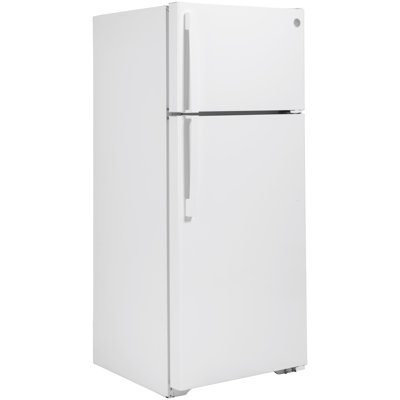
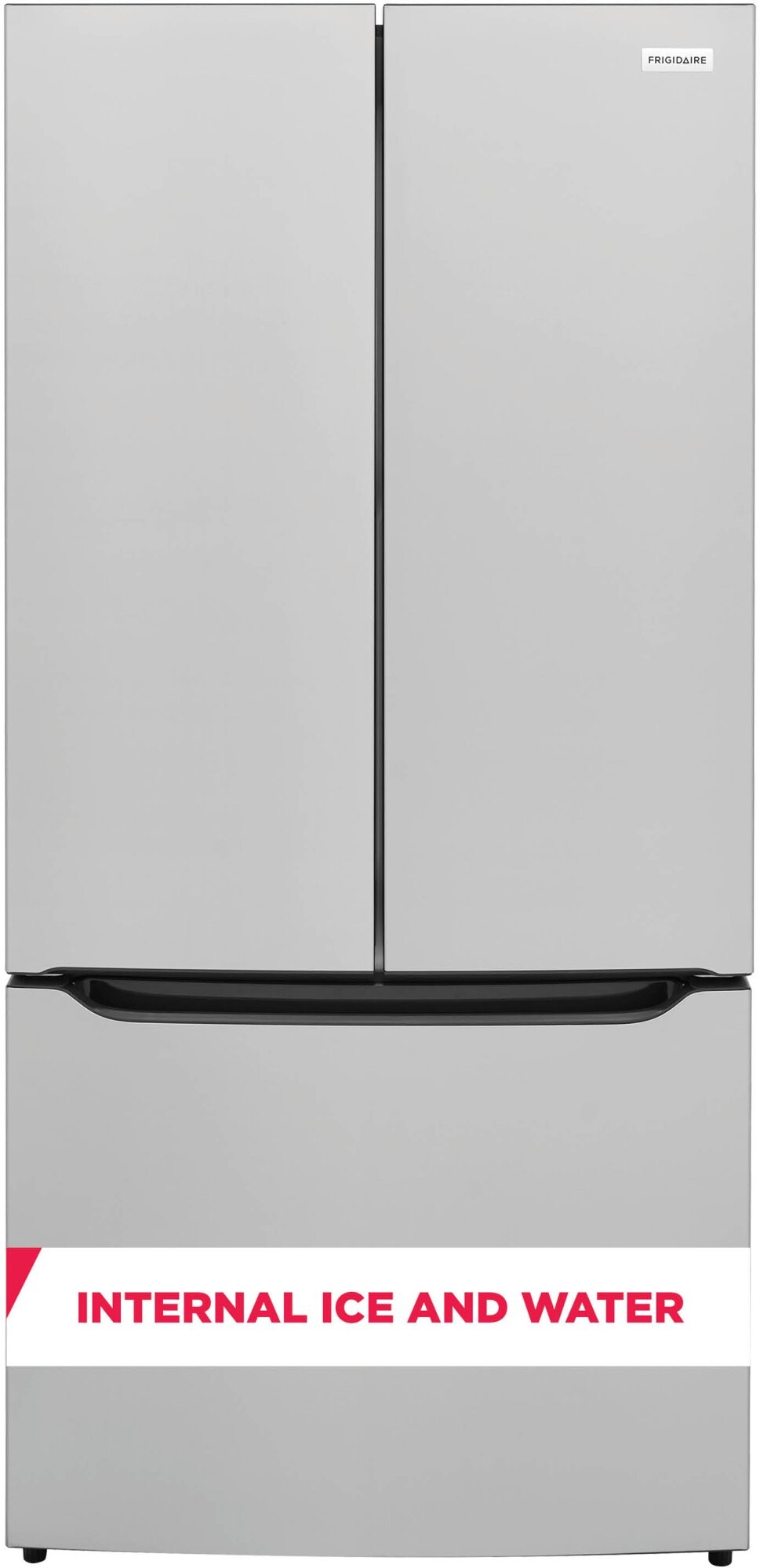
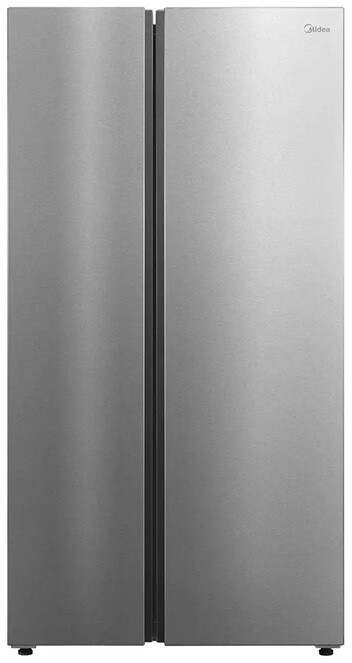
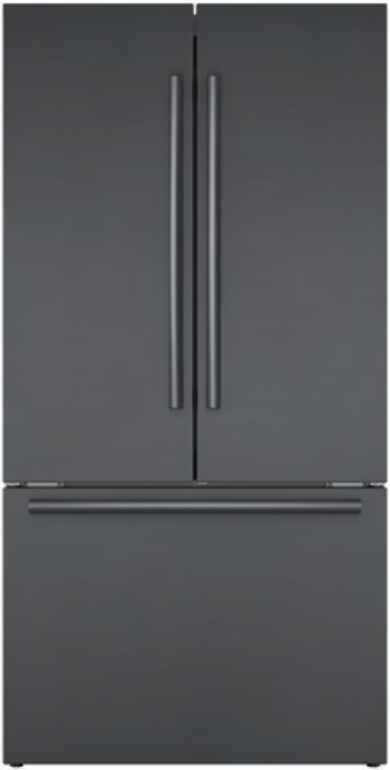
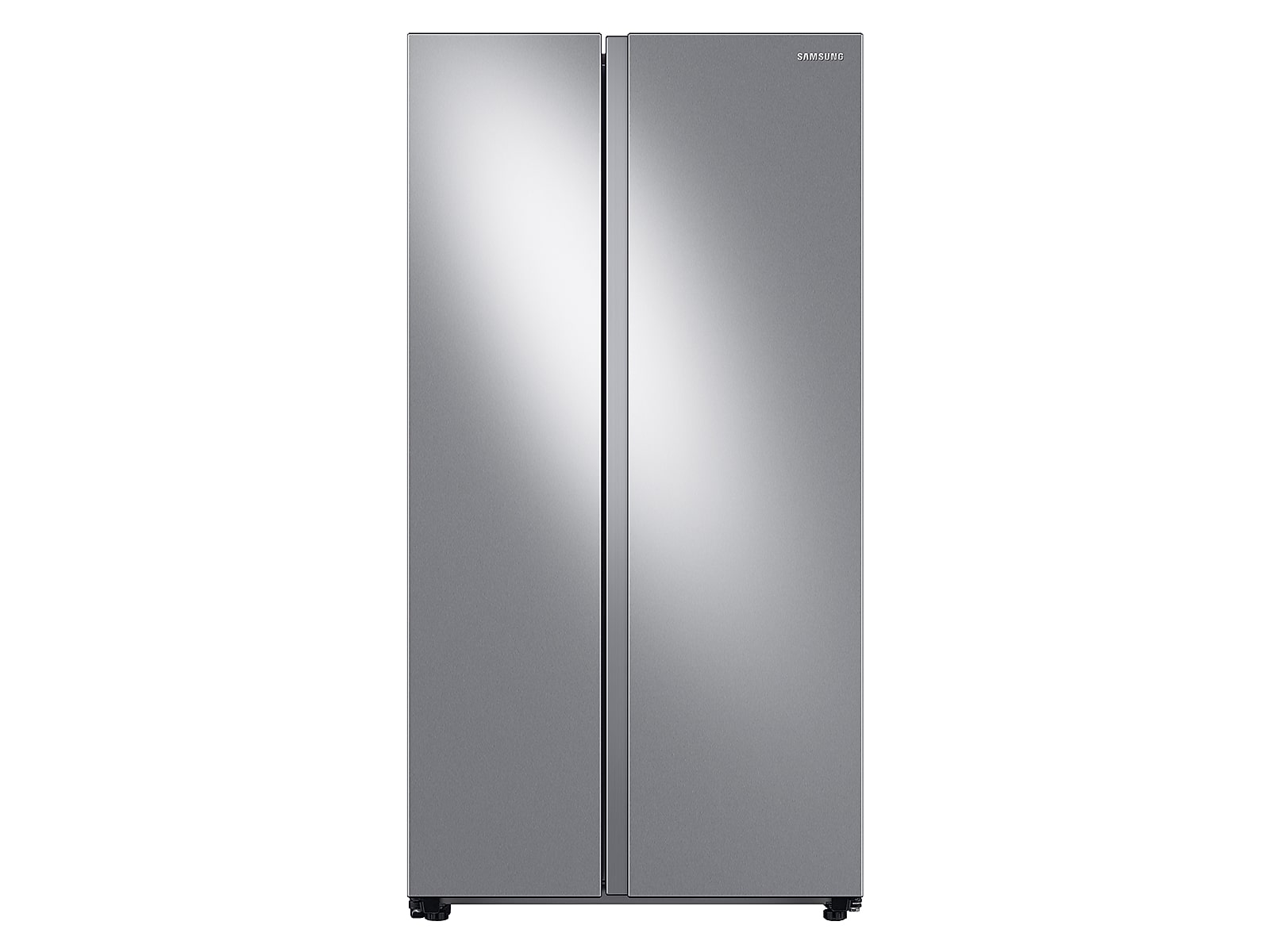
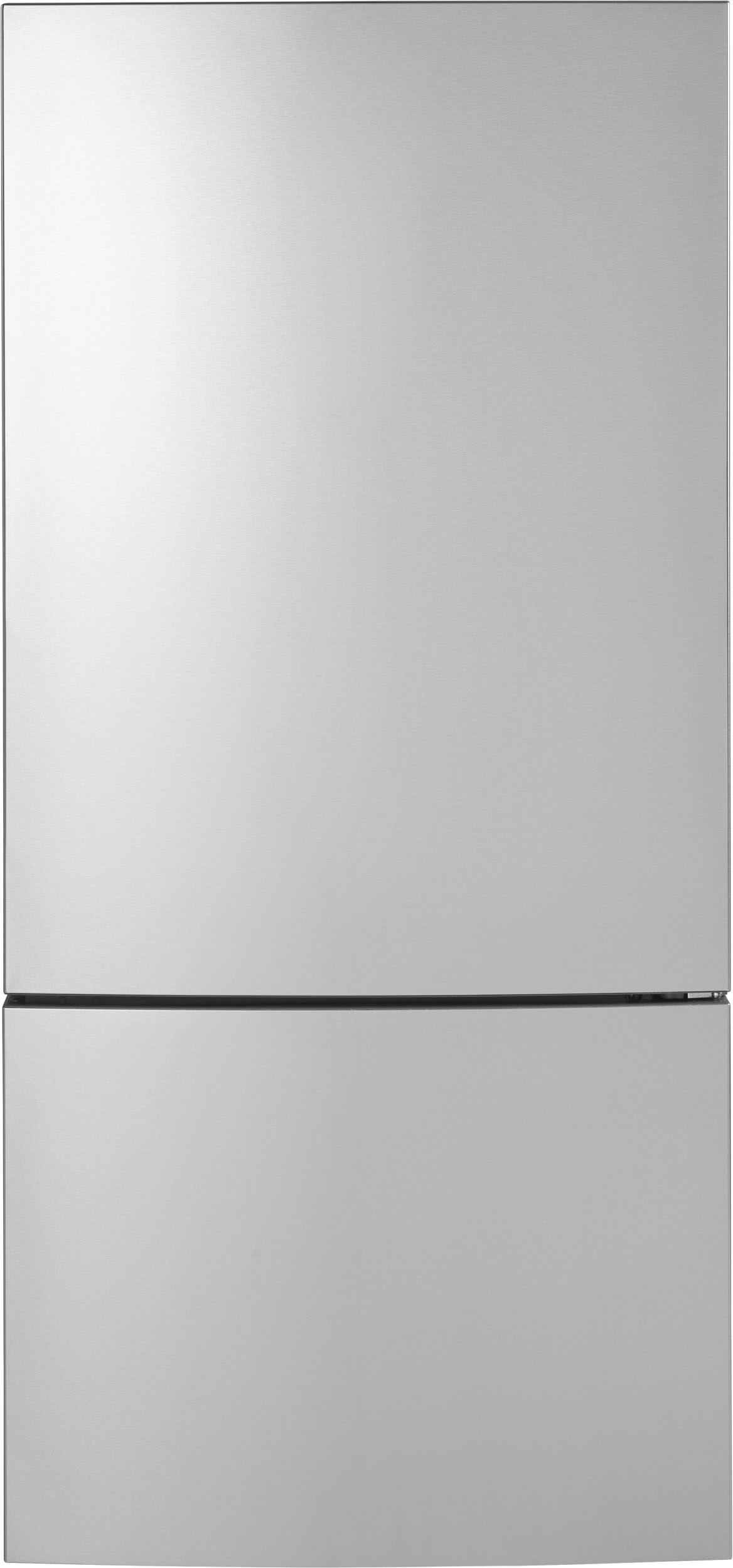
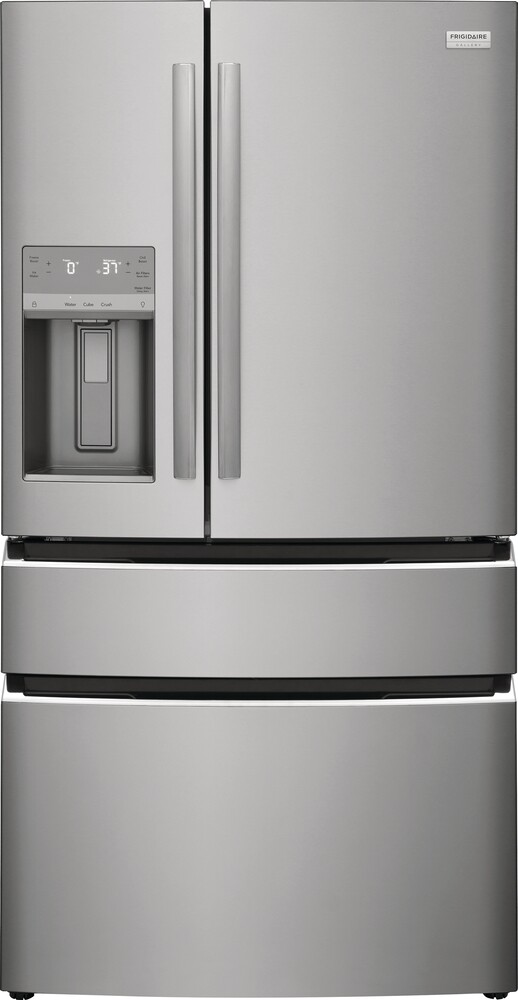
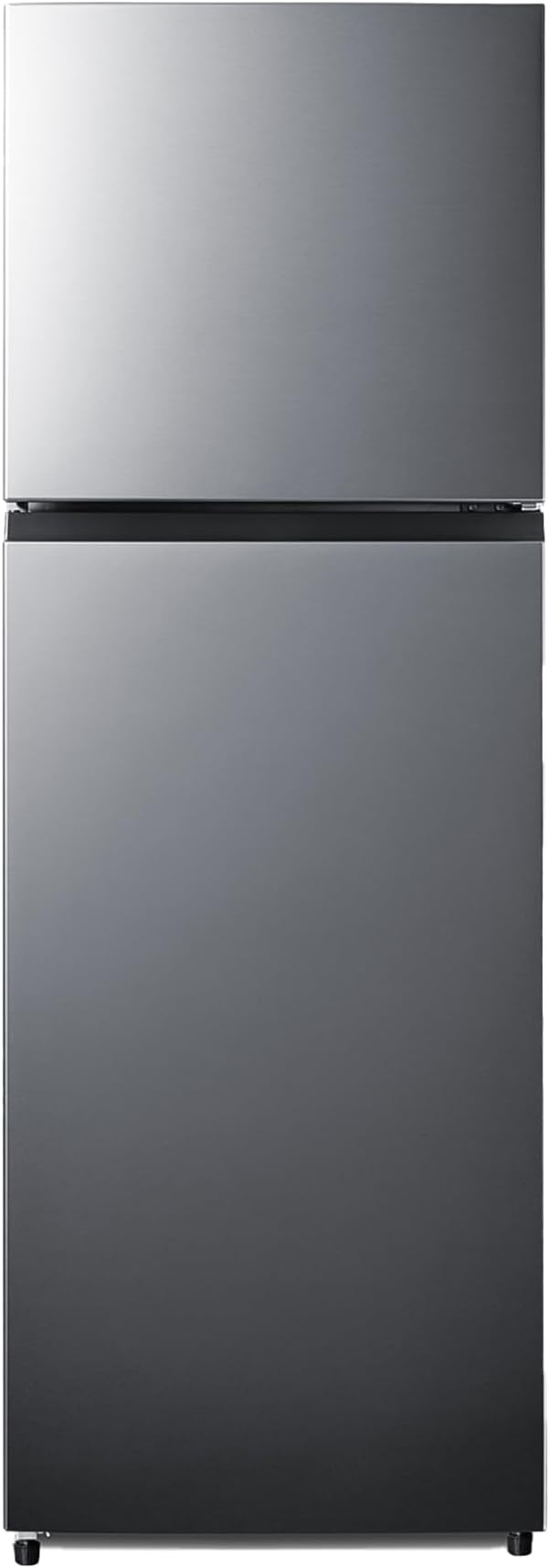
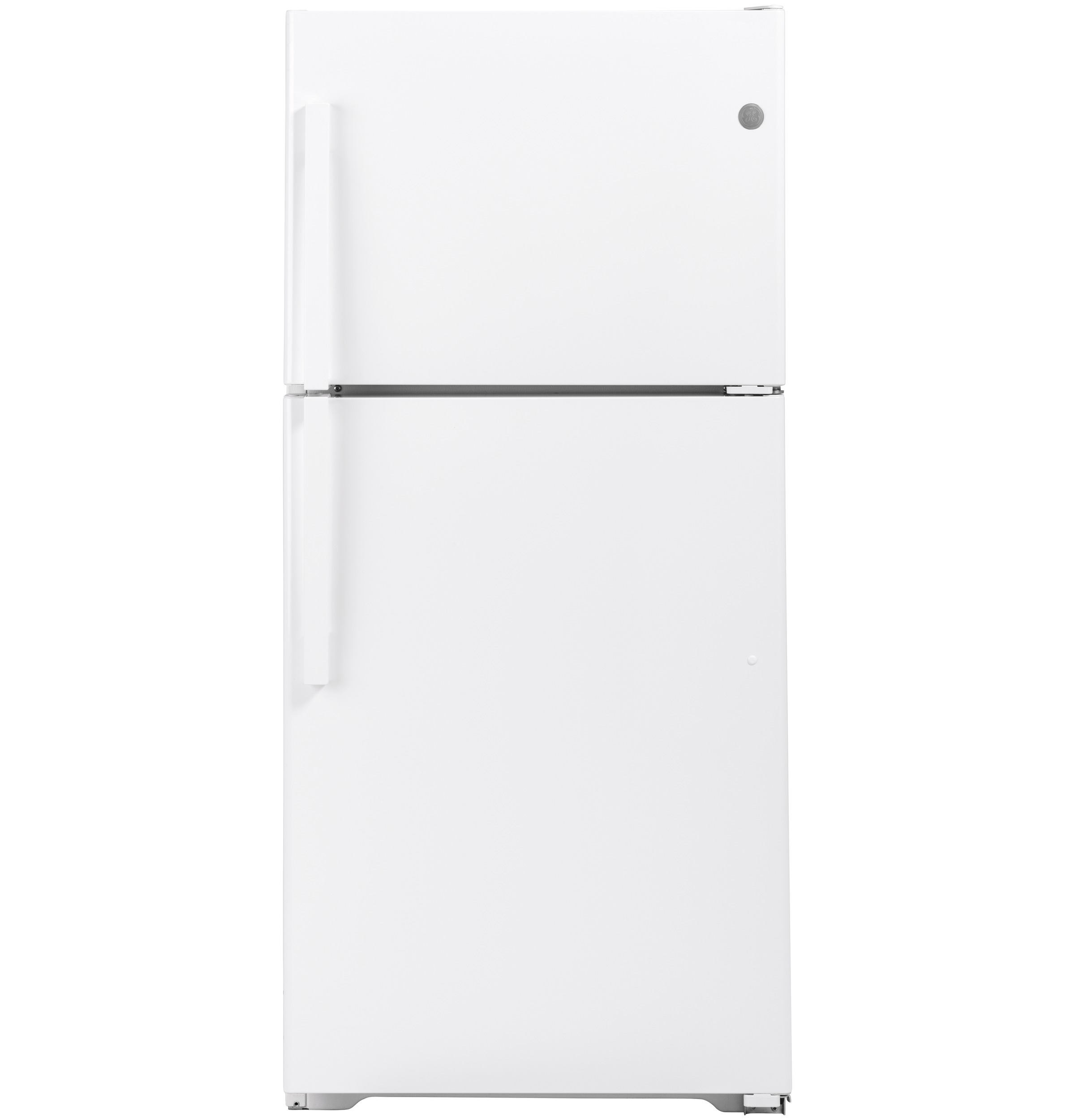
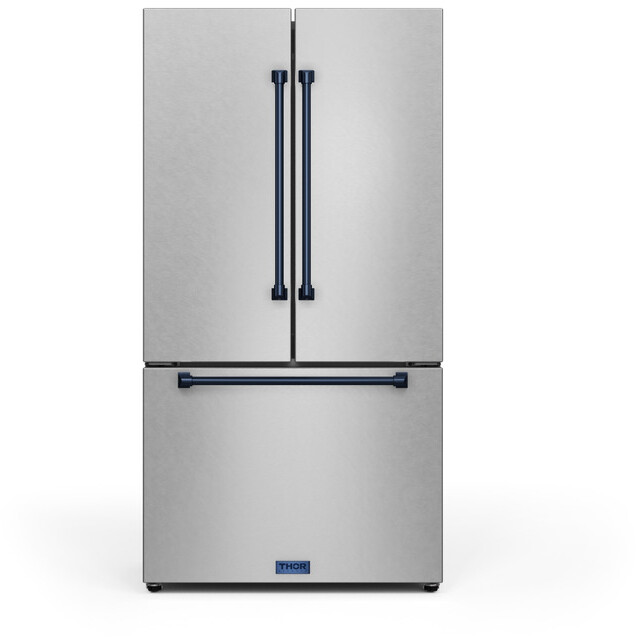
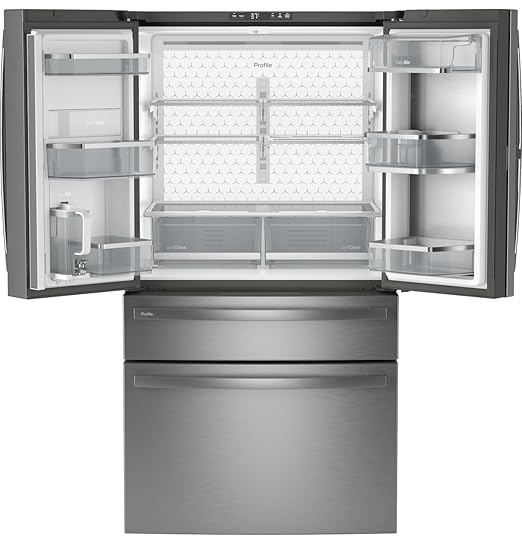
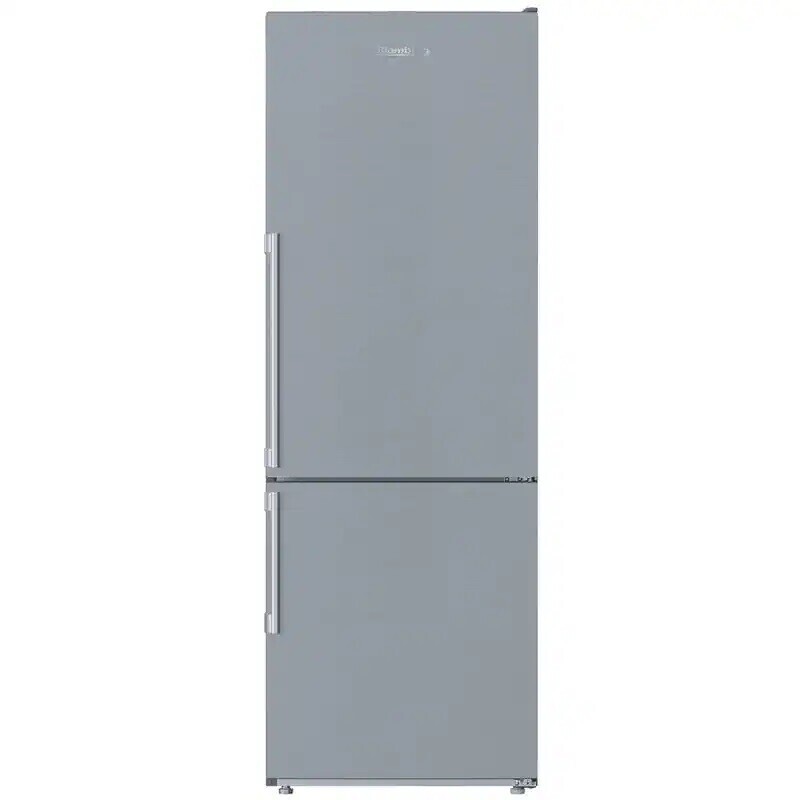
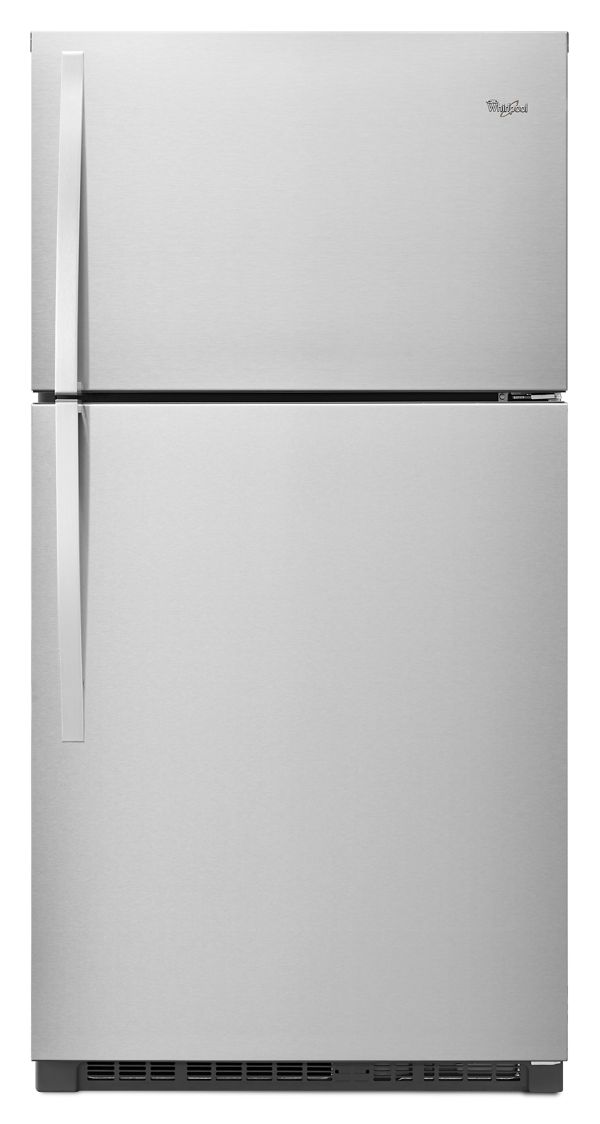
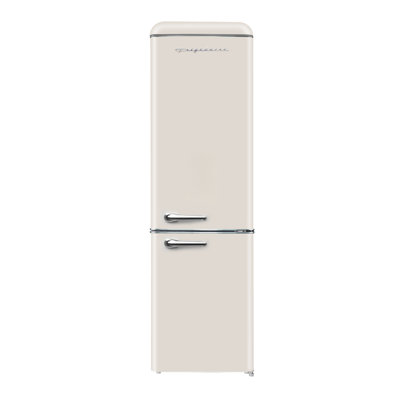
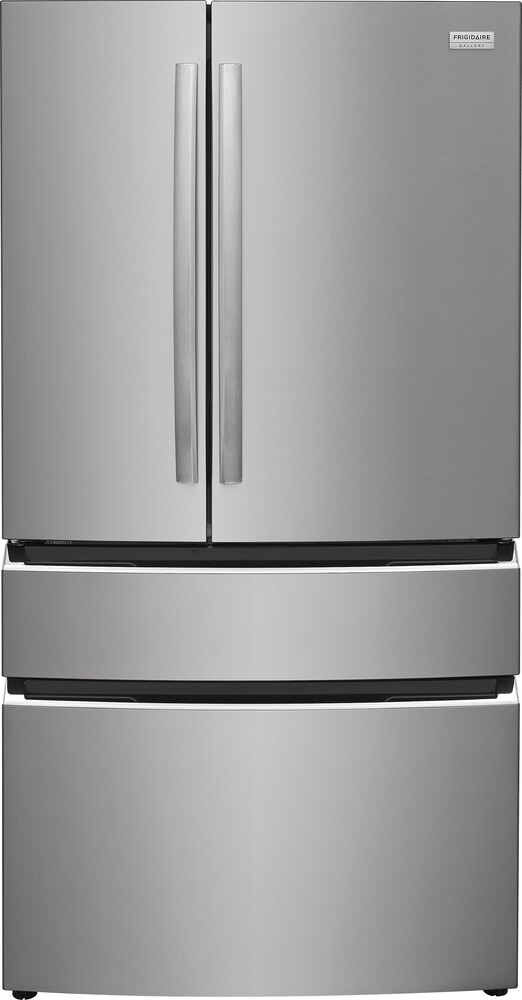
A smart fridge maintains 34-42°F across multiple compartments with Wi-Fi connectivity, internal cameras, touchscreen displays, and app-based inventory management for groceries and meal planning.
The always-on touchscreen alone adds 50-100 kWh annually.
A mid-range smart fridge at $3,000 costs more than most premium wine chillers.
A wine chiller maintains 45-65°F with vibration dampening, UV-tinted glass, and horizontal bottle racks designed exclusively for wine.
A wine chiller and a smart fridge represent two fundamentally different approaches to kitchen cooling — one is a specialized preservation appliance for wine collections, and the other is a full-size connected refrigerator that manages everyday food storage through technology-driven features. A wine chiller maintains 45-65°F with vibration dampening, UV-tinted glass, and horizontal bottle racks designed exclusively for wine. A smart fridge maintains 34-42°F across multiple compartments with Wi-Fi connectivity, internal cameras, touchscreen displays, and app-based inventory management for groceries and meal planning. This guide compares every aspect of both appliances so you can decide whether your kitchen needs dedicated wine preservation, a connected food management hub, or both.
What Is a Wine Chiller?
A wine chiller is a single-purpose cooling appliance engineered to store wine at optimal preservation temperatures. The interior features horizontal pull-out racks with scalloped grooves that cradle bottles on their sides, keeping natural corks in constant contact with wine to prevent drying and oxidation. UV-tinted double-pane glass blocks ultraviolet light that degrades tannins and aromatic compounds over time. Vibration-dampened compressor mounts isolate the cabinet from physical disturbance that can disrupt sediment in aging wines and accelerate unwanted chemical reactions.
Temperature controls maintain 45-65°F, spanning the full range needed for every wine style — sparkling wines at 45°F, crisp whites at 48-52°F, rich whites and light reds at 52-58°F, and full-bodied reds at 58-65°F. Dual-zone models split the cabinet into two independently controlled compartments so you can store whites and reds simultaneously at their ideal temperatures. Wine chillers come in countertop, undercounter, freestanding, and column formats holding anywhere from 6 bottles in a compact countertop unit to over 200 bottles in a full-height column. The wine chiller does one thing — store wine — and does it with precision that no general-purpose refrigerator can match. Every design decision in a wine chiller serves the single goal of keeping wine in ideal condition for months, years, or decades of storage.
A smart fridge is a full-size refrigerator enhanced with connected technology features that go beyond basic food cooling. The core function remains standard refrigeration at 34-42°F with a separate freezer compartment at 0°F, but the smart layer adds Wi-Fi connectivity, internal cameras that photograph contents each time the door closes, a touchscreen display on the exterior door, and a companion smartphone app that provides remote access to inventory, expiration tracking, and shopping list management.
Smart fridges typically offer 20-30 cubic feet of total storage across fresh food, freezer, and specialty compartments. Premium models include features like voice assistant integration, recipe suggestions based on available ingredients, family calendar displays, music and video streaming on the door screen, and compatibility with broader smart home ecosystems. The smart fridge is a primary kitchen appliance that serves as the household's central food storage and, increasingly, a digital kitchen management hub. It handles everything from frozen goods to fresh produce to beverages — but it handles all of them at standard refrigeration temperatures, not at the specialized conditions wine requires.
The temperature difference between these appliances is the most critical distinction. Wine stored in a smart fridge at 37°F is overcooled by 8-28 degrees depending on the varietal. Red wines taste thin, flat, and astringent when served directly from standard refrigeration. White wines lose aromatic complexity. The low humidity environment — typically 30-40% in a standard refrigerator — dries out natural corks within weeks, allowing air infiltration that oxidizes the wine. Meanwhile, the standard compressor vibration in a smart fridge can disturb sediment in aging wines and accelerate chemical degradation. A wine chiller solves all four of these problems simultaneously with purpose-built temperature, humidity, vibration, and UV controls.
Technology and Smart Features
The smart fridge's technology advantage is substantial but entirely irrelevant to wine preservation. Internal cameras let you check contents remotely through a smartphone app — useful for grocery shopping but meaningless for a wine collection that changes slowly. Touchscreen displays show calendars, recipes, and streaming content — convenient for a kitchen hub but unnecessary for wine storage. Expiration date tracking helps manage perishable groceries but does not apply to wine, which has no expiration date in the conventional sense and improves or degrades based on storage conditions rather than calendar dates.
Wine chillers have no smart features in most models. A few premium wine chillers offer Wi-Fi temperature monitoring and alerts — notifying you if the temperature drifts outside the set range — but these are functional preservation tools, not lifestyle technology. The wine chiller's technology investment goes entirely into temperature stability, vibration isolation, and humidity control rather than screens, cameras, and apps. For wine collectors, this focused engineering is far more valuable than any amount of connected kitchen technology.
These appliances occupy completely different roles in kitchen design. The smart fridge is a primary appliance — every kitchen needs one for daily food storage. The wine chiller is a supplemental appliance added when wine collecting or entertaining justifies dedicated preservation. The smart fridge's massive 20-30 cubic foot capacity handles an entire household's refrigeration and freezer needs. The wine chiller's capacity is measured in bottles, not cubic feet, because its interior is designed exclusively for horizontal bottle storage with no accommodation for food containers, produce, or other non-bottle items.
Smart fridges consume significantly more energy than wine chillers because they cool a much larger volume at colder temperatures while powering additional electronics — touchscreens, cameras, Wi-Fi modules, and LED displays. The always-on touchscreen alone adds 50-100 kWh annually. A 46-bottle undercounter wine chiller running at 55°F uses roughly one-third the electricity of a standard smart fridge. Even a full-height wine column remains well below smart fridge consumption because the warmer temperature target requires less compressor work. If you install both appliances, expect combined annual energy costs of $80-$150 depending on models and local electricity rates.
Wine chillers prioritize quiet operation because vibration and noise can affect wine quality and because these units often install in living and entertaining spaces. Compressor-based wine chillers run at 35-42 decibels — comparable to a whispered conversation. Thermoelectric models achieve 25-35 decibels with zero vibration, making them virtually silent. Smart fridges operate at 38-47 decibels, which is slightly louder but still within acceptable kitchen noise levels. The smart fridge's ice maker, water dispenser, and automatic defrost cycles create intermittent noise spikes that wine chillers avoid entirely. In an open-concept living space where the kitchen connects directly to dining and entertaining areas, the wine chiller's quieter operation is a meaningful advantage.
Pricing
Appliance
Budget
Mid-Range
Premium
Wine Chiller
$100-$400
$400-$1,500
$1,500-$5,000
Smart Fridge
$1,500-$2,500
$2,500-$4,000
$4,000-$6,000+
Smart fridges cost substantially more than wine chillers at every tier because they are full-size primary appliances with embedded technology. A mid-range smart fridge at $3,000 costs more than most premium wine chillers. However, the comparison is somewhat misleading because these appliances serve different roles — you cannot replace your household refrigerator with a wine chiller or vice versa. The relevant budget question is whether to add a wine chiller alongside your existing or planned smart fridge, and at $400-$1,500 for a quality undercounter unit, the wine chiller represents a modest incremental investment for meaningful wine preservation capability.
Smart fridges install as standalone units in a standard refrigerator alcove, requiring a water line for ice makers and dispensers plus a dedicated 20-amp electrical circuit. Their large footprint — typically 36 inches wide, 70 inches tall, and 30 inches deep — dominates one wall of the kitchen. Door swing clearance and counter-depth versus full-depth configurations affect kitchen layout planning significantly.
Wine chillers offer far more installation flexibility. Undercounter models fit standard 24-inch cabinet openings with front-venting exhaust for flush installation. Freestanding models can sit anywhere with adequate ventilation clearance. Column models integrate into panel-ready cabinetry for a seamless built-in look. No water line is required. A standard 15-amp outlet provides sufficient power. This flexibility means a wine chiller can be added to an existing kitchen layout — under a bar, in a butler's pantry, in a dining room, or in a basement entertaining space — without the major renovation that relocating or upgrading a smart fridge would require.
Wine chillers require minimal maintenance — annual condenser coil cleaning, door gasket inspection, interior wiping, and occasional rack cleaning to prevent mold on wooden shelves. The simple mechanical design with few electronic components means fewer potential failure points. Compressor-based models last 10-15 years with basic care.
Smart fridges require standard refrigerator maintenance plus technology upkeep. Software updates must be installed periodically to maintain app connectivity and security. The touchscreen can develop dead spots or display failures that are expensive to repair — replacement screens often cost $500-$800 for parts alone. Camera modules may need cleaning or replacement. Wi-Fi connectivity issues can disable smart features entirely while the basic refrigeration continues working. The additional electronic complexity means more potential failure points and higher repair costs. When a smart fridge's technology layer fails, you still have a working refrigerator — but you've lost the premium features you paid for.
Who Should Buy Which
Buy a wine chiller if you collect wine, entertain with wine regularly, or simply want to store more than a few bottles at proper serving and preservation temperatures. The wine chiller provides environmental conditions that no smart fridge can replicate — correct temperature, humidity, vibration isolation, and UV protection. Even a modest 20-bottle undercounter model dramatically improves wine quality compared to storing bottles in a standard refrigerator at 37°F.
Buy a smart fridge if you want a technology-enhanced primary refrigerator that helps manage groceries, meal planning, and household organization through connected features. The smart fridge excels at its core job — keeping food fresh — while adding convenience features that streamline daily kitchen routines. It is not a wine storage solution and should not be treated as one.
For most wine enthusiasts with connected kitchens, the answer is both. The smart fridge handles the household's food storage and digital kitchen management. The wine chiller handles the wine collection with purpose-built preservation. These appliances complement rather than compete with each other, and installing both creates a kitchen that excels at every cooling task.
Browse wine chillers and smart refrigerators. Filter by capacity, temperature zones, smart features, dimensions, and price to find the right combination for your kitchen.
Frequently Asked Questions
No — 37°F is too cold, humidity too low, and compressor vibration disturbs wine. The smart features do not compensate for wrong storage conditions. Use a wine chiller for wine. Compare at Fridge.com.
Free tool
Kitchen Space Planner
Free interactive tool from Fridge.com — get a quick answer while you read.