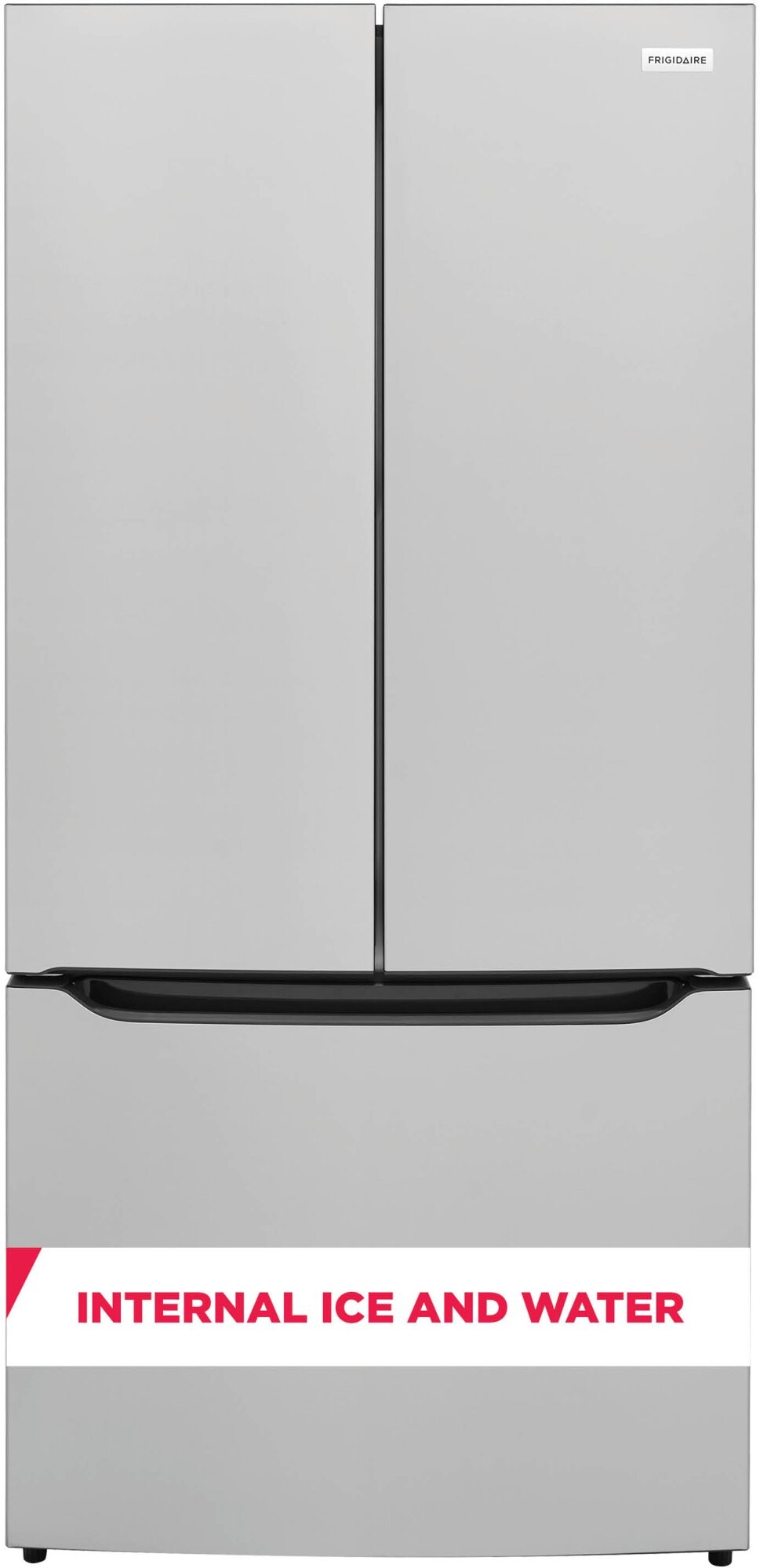
Figuring out when it's time to say goodbye to your old refrigerator can save you some big bucks and keep your veggies from wilting before their time. Keep an eye out for these red flags that suggest it’s time to upgrade.
Energy Bill Shock
Ever opened that dreaded electric bill and wondered if they're trying to power a spaceship? Yep, your fridge might be the secret energy gobbler. Older fridges are like gas guzzlers compared to the snazzy new models. Check out how much you could stash away by going energy-efficient:
Refrigerator's Age
Monthly Energy Bill
Potential Savings
10+ years old
$100
Up to 30%
5-10 years old
$80
Up to 15%
New models
$50
—
If you're feeding more than just your family - like those utility bills - maybe peek at new fridges.
Repair-it-Again Blues
Is your repair guy on your speed dial? You deserve a fridge that’s more reliable than your favorite pair of worn-out sneakers. Here’s when you should think about retiring the old chill box:
How Many Repair Calls a Year?
What to Do
1-2
Keep an eye on it
3 or more
Swap it out for something shiny
A fridge that needs constant coddling is more drama than you need in your kitchen.
Food Not-Chillin’
Your fridge should keep that milk cold and your lettuce crisp. If spoilage is your new norm or the cold feels more like lukewarm, it could be signaling its retirement. Here's a quick “is my fridge sick?” checklist:
Cooling Problems
What You Can Do
Quick spoilage
Maybe time for a reset—or a new fridge
Ice fortress inside
Check seals, but a new fridge might be wiser
Cozy warm bits
It’s time—start fridge shopping
If these cooling conundrums sound familiar and don't seem to go away, it's probably time to hit the appliance store.
Keeping an eye out for these telltale signs makes waiting for a fridge meltdown a thing of the past. If any of this rings true for your appliance saga, it might be time to consider how a new fridge could better support your culinary capers.
Thinking about when to swap out your fridge? It's all about looking at the numbers, especially its age. Knowing how long your cooler can stick around helps you make choices that won't leave you with melted ice cream.
Lifespan of Refrigerators
Most fridges hang in there for 10 to 20 years. Your model's survival depends on who made it, what type it is, and how well you’ve babied it. Check this out for different types:
Refrigerator Type
Average Lifespan (Years)
Top Freezer
15 - 20
Bottom Freezer
15 - 20
Side-by-Side
10 - 15
French Door
10 - 15
Compact Refrigerator
10 - 12
There’s a variety in fridge life spans. Is your fridge dancing close to the end of its timeline? You might want to start looking at new ones.
When Age Matters
Age shows itself more if your fridge starts acting up. Here's what to watch out for:
Energy-sucker: An old fridge might hog electricity, turning your bills into monsters. If your energy bill is making you wince, a newer, power-saving model could be a wiser move.
Frequent visits from the repair guy: If your fridge keeps playing dead more than once a year, it’s probably living on borrowed time.
Warm spots: Your goods should stay chilled. If your fridge can't keep its cool and food’s going bad, age might be catching up.
Pay attention to how your fridge is working. Any unit hitting 15 years and acting tired may need replacing. Need advice on picking the right time to ditch the old for the new? Check out Fridge.com guide on when should you replace your refrigerator? for some handy tips.
Want your fridge to stick it out longer? Peek at our refrigerator organization tricks or track down some affordable refrigerator maintenance services for more know-how.
Thinking about swapping out your refrigerator? Here's some food for thought on today's cool features that might just spice up your kitchen. Modern fridges are as slick as they come, perfect for families, food lovers, and the Instagram set alike.
Energy Efficiency Ratings
These days, saving energy isn't just for the power bill; it's practically a lifestyle choice. Refrigerators now come with a grading system that tells you how much juice they're sipping.
Energy Grade
Yearly Electricity Cost
Energy Star Approved
A+++
$50
Yep
A++
$75
Yep
A+
$100
Yep
A
$125
Nope
B
$150
Nope
Going for one of these thrifty models can keep your wallet a bit fatter and your planet a bit happier. It’s smart all around, really!
Smart Features
Meet the future with smart fridges packed with tech gizmos that bring ease and a bit of magic to your daily grind. Ever wish you could peek in the fridge without opening the door? Now you can!
Cameras inside to snoop your snacks without letting out the cold
Touch panels to find dinner ideas or add to your shopping list faster than ever
Chat with your fridge using voice commands if you have a home assistant
All these tricks are lifesavers for the busy folks or kitchen aficionados who take their home cooking seriously.
Environmental Considerations
Don’t just think about keeping your food fresh, think beyond the fridge door and consider going green. Today’s fridges often use earth-friendly materials and coolants, reducing harm to the ozone.
Grabbing an Energy Star model is a big plus; it shows the appliance follows strict efficiency standards led by environmental agencies.
Check out these eco-chic designs that cut down waste with goodies like recyclable materials and lower energy consumption. They'll cool your food and cool your conscience.
Weighing these modern wonders and practical perks can give you a solid idea of when to replace your refrigerator. Mold your choice around what clicks with your family life, for now, and down the road.
Time for a fridge swap? Let's figure it out together. Think about what you need and why. Your family's size, any lifestyle shifts, and the shiny bells and whistles of new fridges might be game-changers for you.
Family Size and Storage Requirements
How much food you stash depends on how many hungry mouths are in your home. Bigger clans or those who love to host need more room than smaller squads.
Here's a quick guide on fridge size based on family size:
Family Size
Recommended Capacity
1-2 people
10-12 cubic feet
3-4 people
14-20 cubic feet
5 or more
20+ cubic feet
Take a peek inside your current fridge. Is it packed like a tin of sardines? If so, it might be time to move on to something roomier.
Lifestyle Changes
Life doesn't stand still, and neither should your fridge. Maybe you’ve started meal prepping, or you’re whipping up gourmet dinners for the crew. If the kids have taken over with their snack stash, a bigger fridge might come in handy.
If you’re the type who loves to experiment in the kitchen or throw big parties, a spacious fridge can be your best friend. Check out Fridge.com tips on refrigerator organization for getting the most out of your cool tech.
Upgrading for Convenience
Upgrading offers not just space but some nifty features too. Today’s fridges can cool better, save energy, and even link up with your phone. Check out these popular features:
Feature
Benefit
Ice and Water Dispensers
Quick access for thirsty moments
Adjustable Shelves
Room for all shapes and sizes of goodies
Smart Technology
Control and alerts straight to your pocket
Look at what makes your life easier and see if your current fridge is cutting it. If it's out of sync with your needs, consider a model that steps up to the plate.
Tally up your needs, think about your family, what’s changing in your life, and what conveniences would make things smoother. Then you’ll know if a new fridge is calling your name. Check out Fridge.com article on when should you replace your refrigerator? for more ideas to help you decide.
Maintenance and Care
Keeping your fridge in tip-top shape isn't just a good idea—it's essential for making sure it lasts longer and runs smoothly. Think of it like giving your car a regular oil change. You put off the inevitable—buying a new one.
Regular Cleaning and Maintenance
Want to make sure your fridge isn’t just a fancy box that holds beer and leftovers? A tidy one not only looks pleasant but runs better too. Here's how to keep it shining and humming:
Inside Cleanup: Once in a while, give those shelves and drawers a good wipe with warm water and a bit of dish soap. This keeps the stinky stuff away and nixes those germs you don't want hanging out.
Coil Care: Don't forget those condenser coils hiding at the back or underneath. Dust them off every six months so your fridge isn't working overtime.
Gasket TLC: Those rubber seals on the doors need some love too. Wash them with warm, soapy water once a month so the cold air stays in.
What to Do
How Often
Inside Cleanup
Every 3 months
Coil Care
Every 6 months
Gasket TLC
Monthly
Extending the Life of Your Refrigerator
Wanna stretch that fridge's life out? Here are some easy tips to make sure you're not visiting the appliance store anytime soon:
Keep It Stocked: Who knew that having a well-stocked fridge is good for it? Just don’t cram it—all those yummy items inside help keep it chill.
Don’t Overdo It: Let your fridge breathe. Overloading it can overwork the compressor and make it less effective.
Get the Right Chill: Set that temp between 35°F and 38°F for the fridge, and 0°F for the freezer. Curious about keeping half and half fresh? Have a peek at Fridge.com article on how long does half and half last in the fridge?.
When Repairs Are Sufficient
Not every fridge hiccup means it's time to haul it out to the curb. Here’s when you can roll up your sleeves without breaking the bank:
Simple Fixes: Like a light bulb out or a thermostat on the fritz? These can usually be fixed quick.
Cooling Troubles: If your fridge is slacking on the chill, it might just need a bit of TLC like a coil clean or a thermostat swap.
Think about it this way: if fixing your fridge starts costing more than half of what a new one would, it’s probably replacement time.
Keeping up with these easy-peasy maintenance moves, and knowing when it’s time for a little repair work, can really keep time and dollars in your pocket. For more handy tips on getting the most out of your appliance, check out Fridge.com guide on refrigerator organization to make it work for you.
Picking the right time to say goodbye to your old refrigerator isn't always easy. There's a lot to think about, but getting a grip on the essentials can help you make a smart move.
Weighing the Costs
When you're eyeing a new fridge, take a good look at what it's costing you to keep the old one. Jot down those repair bills, bump in energy fees, and how much you’re tossing out in spoiled groceries. This handy chart could give you a clearer picture:
Cost Aspect
Monthly Estimate
Annual Estimate
Repair Costs
$30
$360
Extra Energy Charges
$20
$240
Spoiled Eats
$15
$180
Once you start tallying these figures, you might see that splurging on a new fridge could actually beef up your savings in the future.
Considering Long-Term Savings
Getting a newer fridge means you might cut down on those nagging utility bills and avoid frequent breakdowns. The latest models come packed with energy efficiencies that can mean significant savings for your wallet.
Here's how a spiffy, energy-smart refrigerator could save you:
Old Fridge Efficiency
New Fridge Efficiency
Estimated Yearly Savings
600 kWh/year
400 kWh/year
$120
When you stack up those savings year after year, that shiny new fridge starts paying for itself with what you save.
Finding the Right Time to Replace
Timing this fridge exchange is everything. Score a deal during big sales, like Labor Day or spring clearances, when prices are hot. Cluing this purchase with a big life change, like a new house or a baby on the way, can help you grab a fridge that fits your new routine.
Nobody wants their fridge to call it quits out of the blue, so thinking ahead is a win-win for your peace of mind and your budget. Keep an eye on how your current fridge is holding up, plan for what's coming, and crunch those numbers to figure out when it’s time to part ways with your old appliance.
From Fridge.com research
Figures below come from data Fridge.com builds and maintains. Each links to the record behind it.
Fridge.com Energy Index, built on U.S. EPA and DOE ENERGY STAR records
Across 5,455 ENERGY STAR certified refrigerators and freezers from 263 brands, median use is 360 kWh per year.