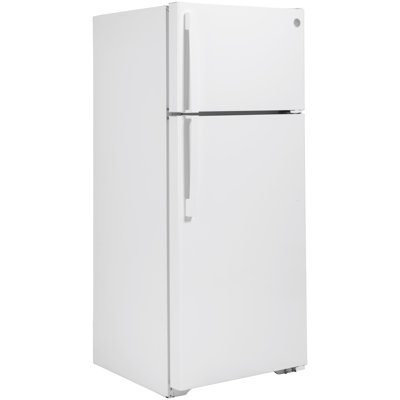
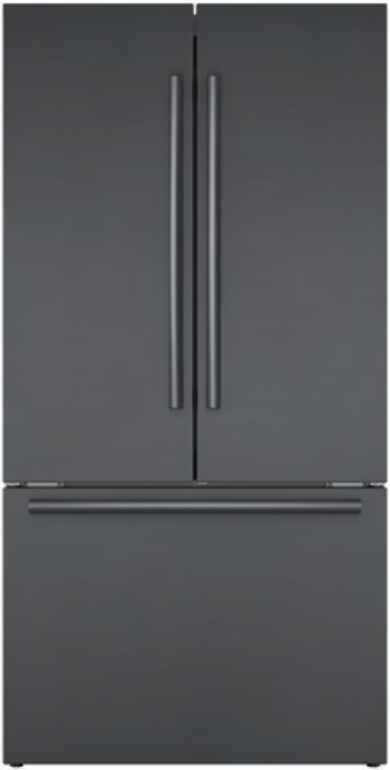
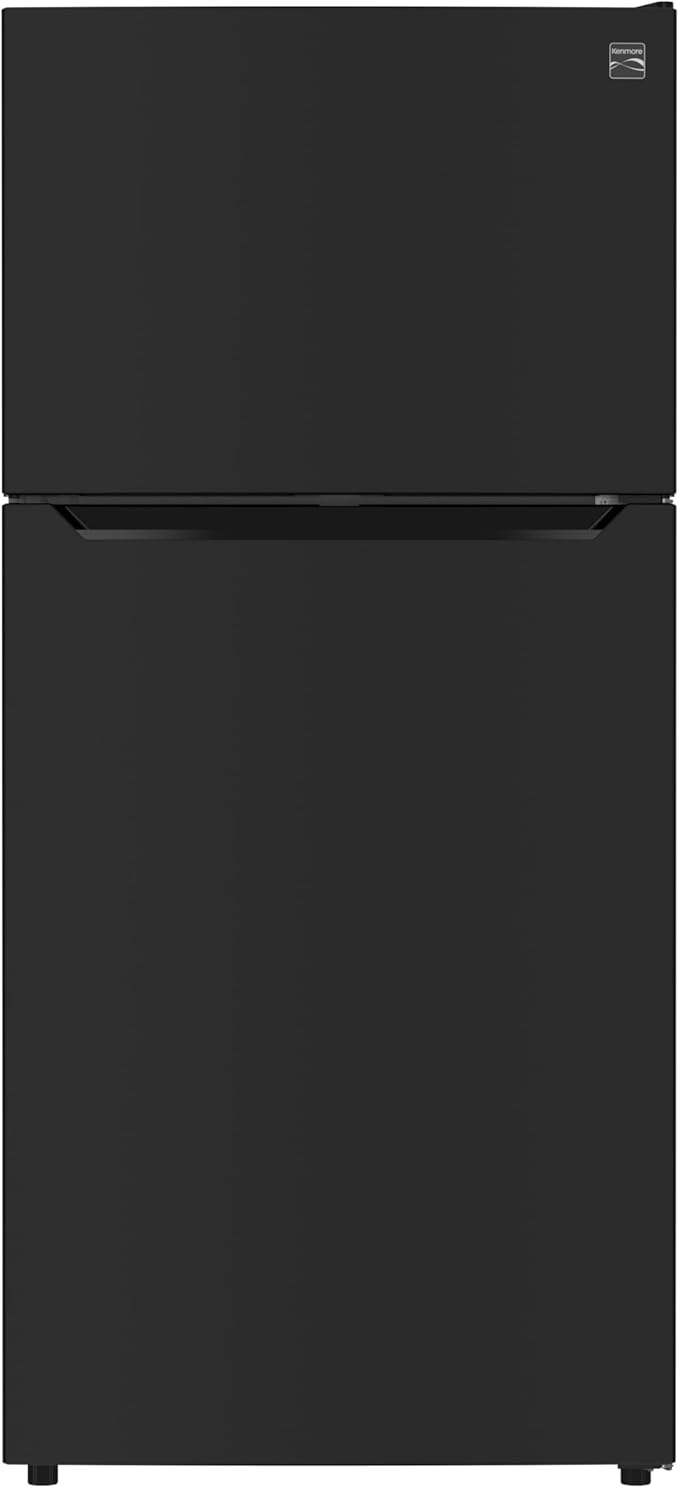
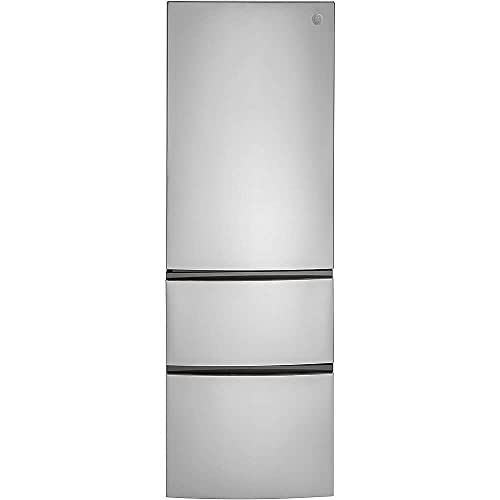
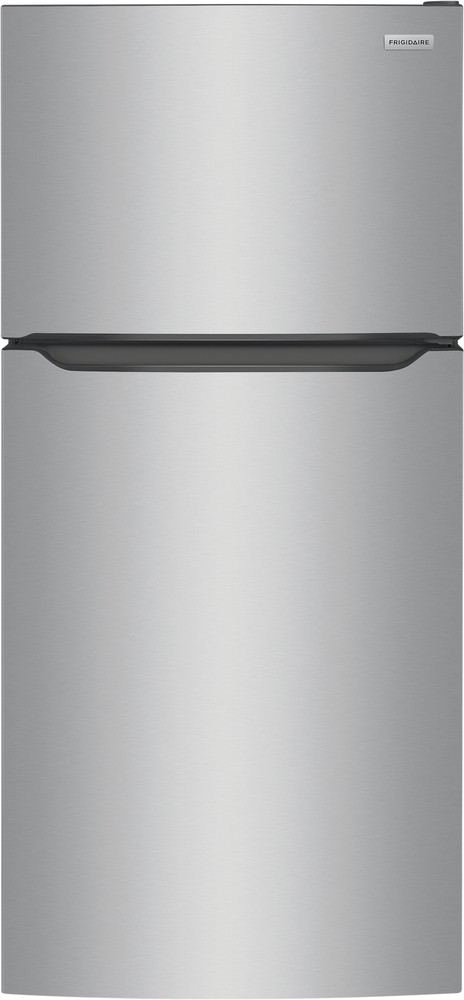
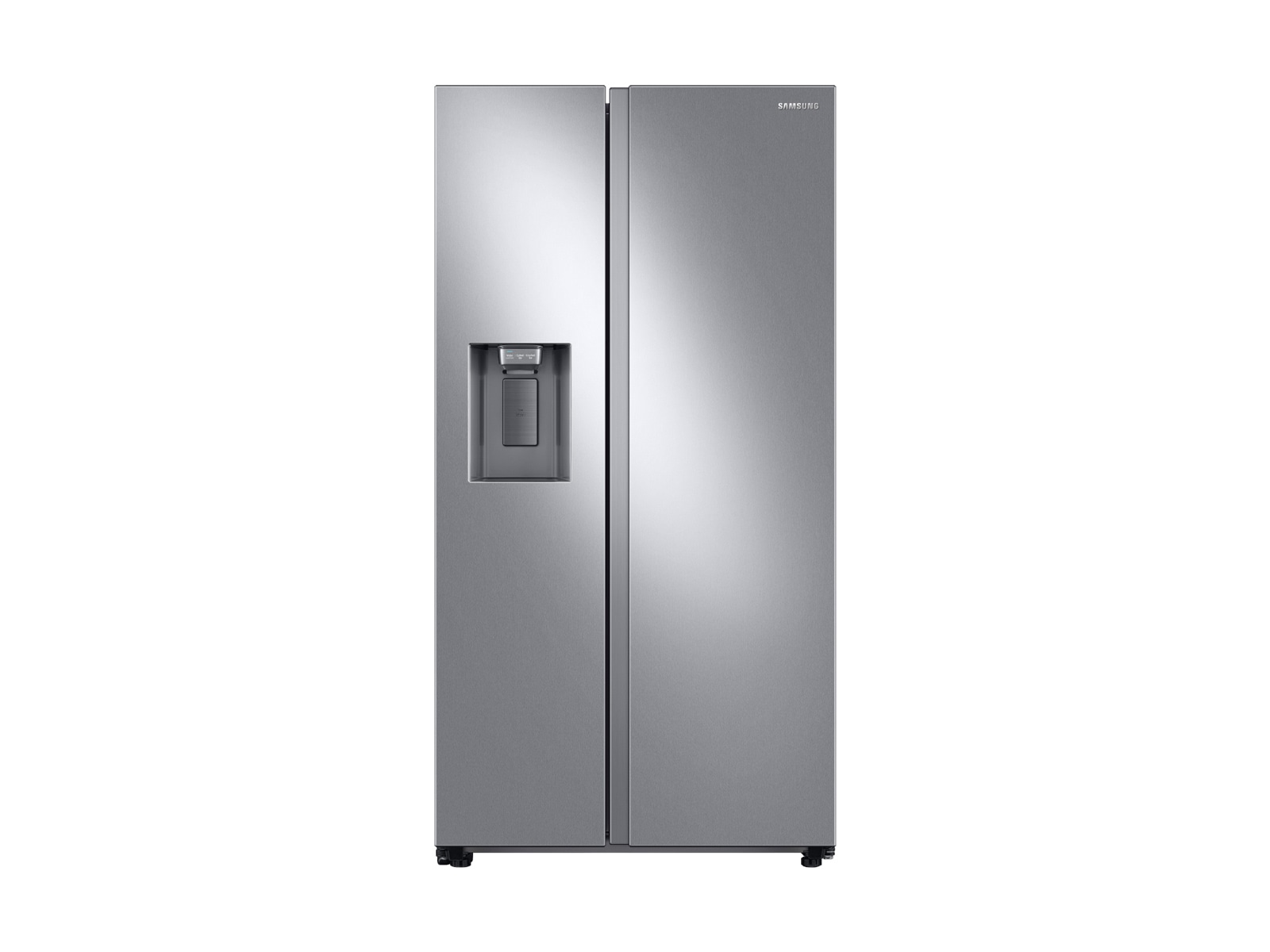
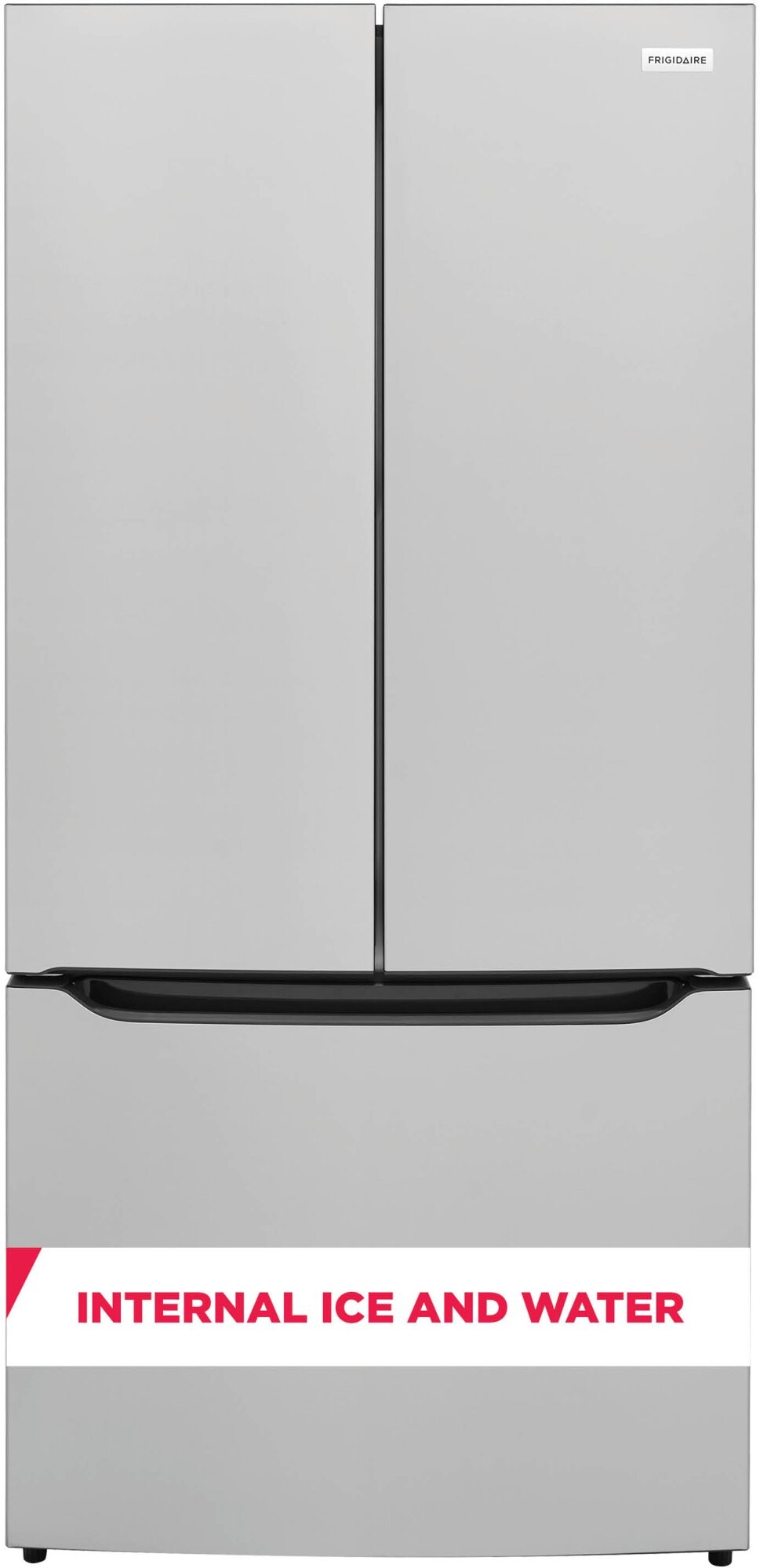
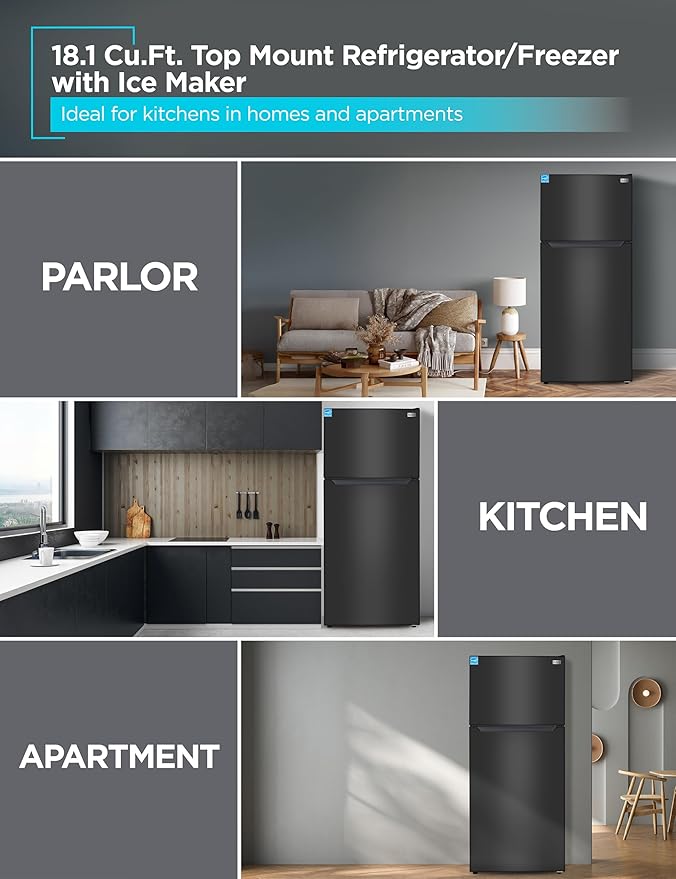
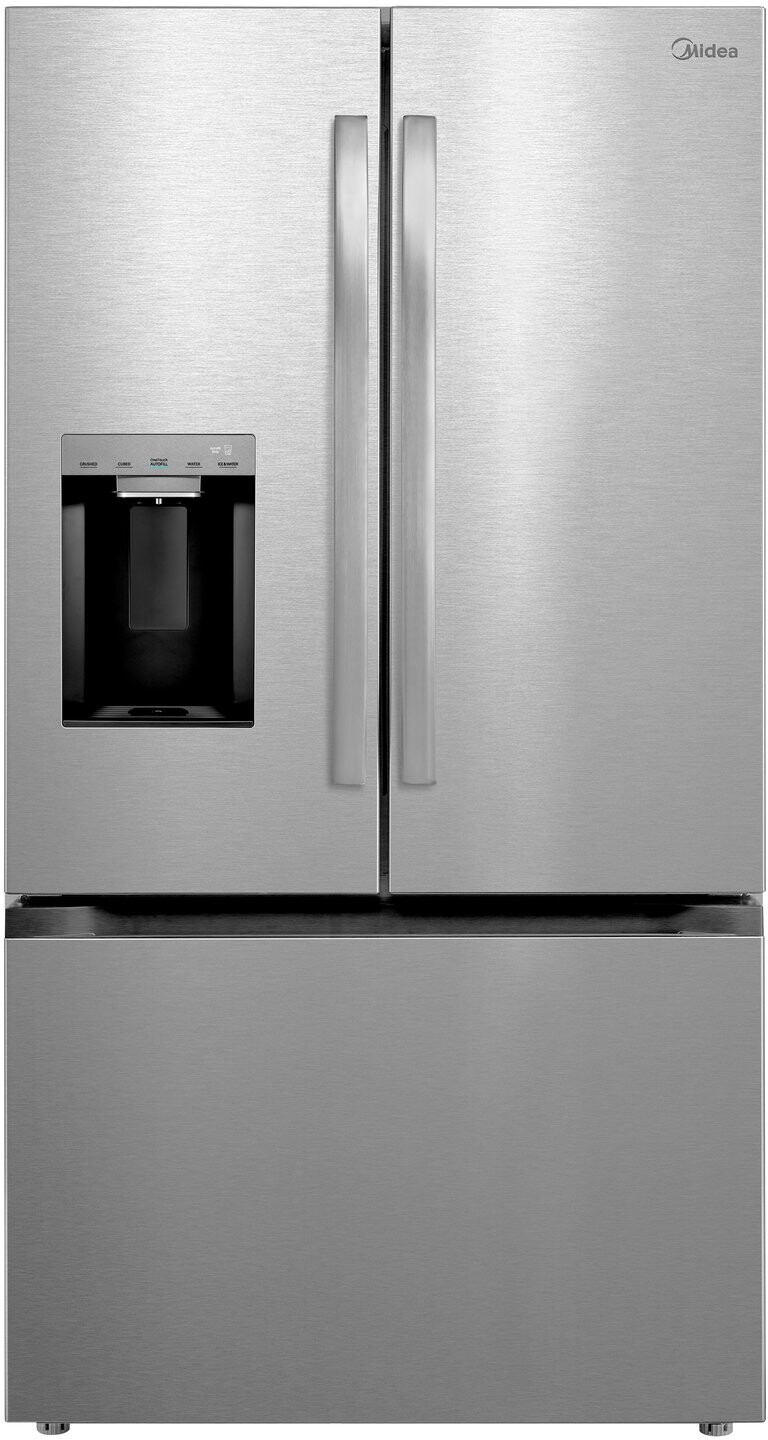
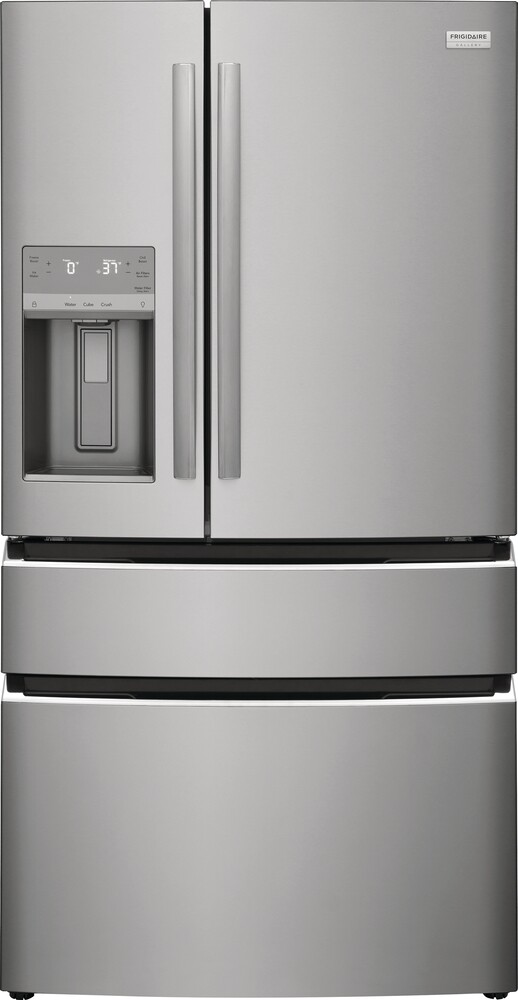
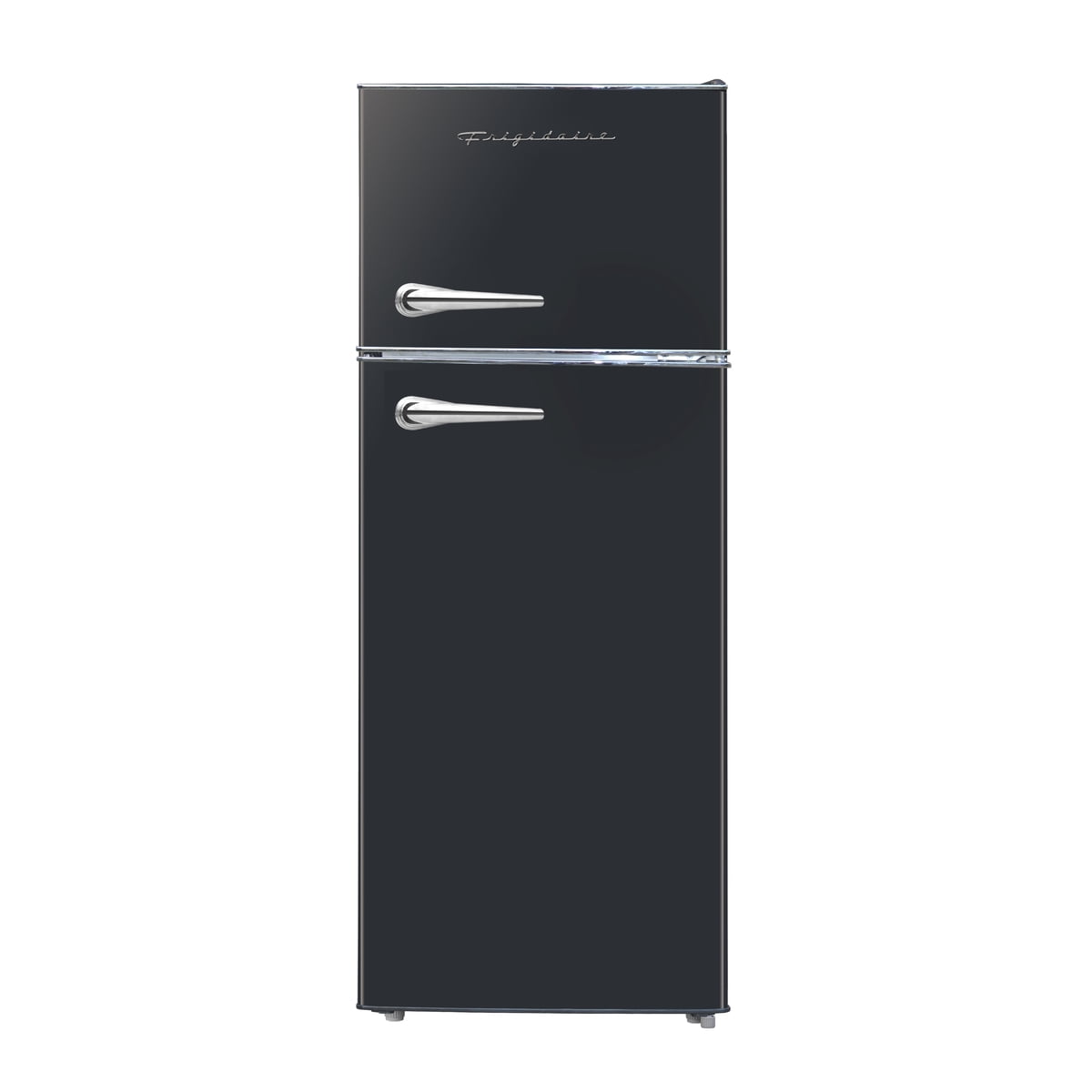
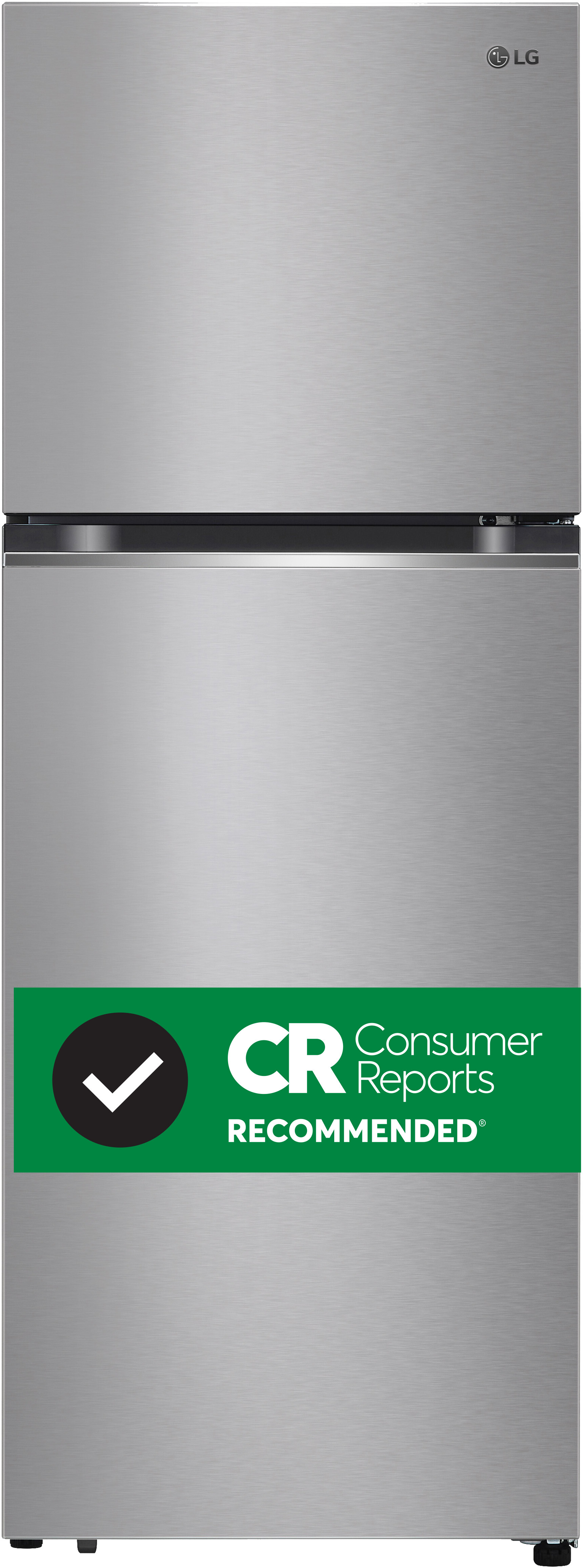
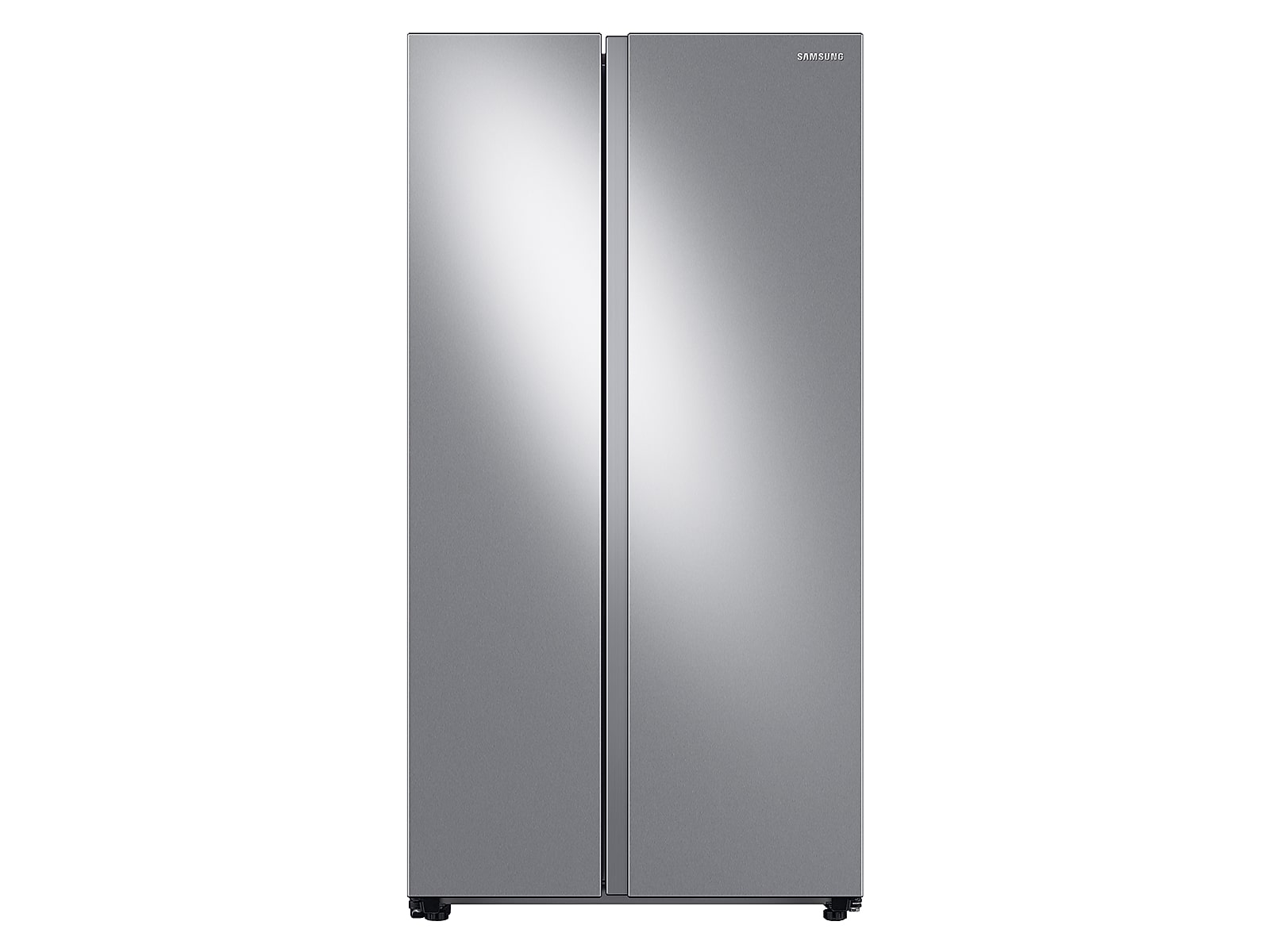
An office refrigerator is a nifty little appliance designed to keep your workplace munchies cool and fresh. Unlike the big ol' fridge you have at home, these are smaller and perfect for storing snacks, drinks, and lunches. They come in all shapes and sizes, like compact refrigerators, mini fridges, and undercounter refrigerators.
Why You Need an Office Refrigerator?
Office fridges aren't just about keeping your soda cold. They bring a lot to the table (pun intended). Here’s why having one is a game-changer:
Convenience for Employees: No more running out for food. Store your meals and snacks right at work. This means more time working and less time hunting for lunch.
Healthy Snack Options: Fresh fruits, veggies, and other healthy snacks can be stored easily, promoting better eating habits.
Save Money on Lunches: Bringing food from home is way cheaper than buying lunch every day.
Want to know more about how an office fridge can save you money? Check out Fridge.com article on cost savings on lunches.
Picking the right office fridge can be a game-changer for your workspace. Let's break down the options: compact refrigerators, mini fridges, and undercounter refrigerators. Each has its own perks, so let's see what fits your needs best.
Compact Refrigerators
Compact refrigerators are the go-to for tight spaces. They range from 1.7 to 4.5 cubic feet, making them perfect for stashing lunches, drinks, and snacks.
Feature
Description
Size
1.7 - 4.5 cu. ft.
Ideal for
Lunches, beverages, snacks
Placement
Countertop, under desk
These little guys often come with adjustable shelves and a tiny freezer compartment. They're energy-efficient and offer just enough room for daily essentials without hogging space. Want more details? Check out what is a compact refrigerator?.
Mini Fridges
Mini fridges are a tad smaller than compact ones, usually between 1.5 to 3 cubic feet. They're great for personal use or small office spaces where you only need to keep a few things cool.
Feature
Description
Size
1.5 - 3 cu. ft.
Ideal for
Individual use, small office spaces
Placement
Desktop, small shelves
These fridges usually have a single door and might include a small freezer section. They're super portable and can easily fit on a desk or small shelf. Curious? Learn more at what is a mini fridge?.
Undercounter Refrigerators
Undercounter refrigerators are built to slide right under counters or fit into built-in spaces. They're bigger than compact and mini fridges, usually ranging from 4 to 7 cubic feet, giving you more room to store stuff.
Feature
Description
Size
4 - 7 cu. ft.
Ideal for
Larger storage needs, built-in spaces
Placement
Under counter, built-in cabinets
These fridges are perfect for offices that need more storage for drinks, lunches, and other perishables. They often come with cool features like temperature control and multiple compartments. Want to know more? Check out what is an undercounter refrigerator?.
Knowing the different types of office refrigerators helps you pick the right one for your needs. Whether you go for a compact fridge, mini fridge, or an undercounter fridge, each has its own benefits to keep your office stocked and organized.
Picking the right office fridge can be a game-changer for your workspace. Let's break down the essentials: size and capacity, energy efficiency, and organization and storage options.
Size and Capacity
Office fridges come in all shapes and sizes. Think about how many people will use it and what you'll be storing. Here's a quick guide:
Refrigerator Type
Average Capacity (cubic feet)
Best For
Compact Refrigerator
1.7 - 4.5
Small offices, personal use
Mini Fridge
4.5 - 6
Medium-sized offices
Undercounter Refrigerator
5.5 - 7
Larger offices, communal use
For a small office or personal use, a compact refrigerator should do the trick. Medium-sized offices might need a mini fridge, while larger offices could go for an undercounter refrigerator for more space.
Energy Efficiency
Energy efficiency isn't just a buzzword; it's a money-saver. Look for fridges with an Energy Star rating. These models meet the Environmental Protection Agency's (EPA) strict guidelines and can cut down on your utility bills. Check the energy consumption in kilowatt-hours (kWh) per year to get an idea of how much juice it uses.
Organization and Storage Options
A cluttered fridge is a nightmare. Features like adjustable shelves, door bins, and crisper drawers can make a world of difference.
Feature
Benefit
Adjustable Shelves
Customize the space for different-sized items
Door Bins
Handy for smaller items like condiments and drinks
Crisper Drawers
Keeps fruits and veggies fresh and organized
A well-organized fridge means less time hunting for your lunch and less food waste. For more tips on different types of fridges and their features, check out Fridge.com articles on what is a mini fridge and what is an undercounter refrigerator.
Why Your Office Needs a Refrigerator
An office fridge isn't just a luxury—it's a game-changer for both employees and the company.
Convenience for Everyone
An office fridge makes life easier. Employees can stash their meals, snacks, and drinks, keeping everything fresh and ready. No more running out to grab lunch or a drink, which means more time to focus on work.
Benefit
What It Means
Meal Storage
Keep lunch and snacks fresh.
Beverage Storage
Cold drinks anytime.
Fewer Trips
Stay in the office, save time.
Healthier Choices
A fridge at work can encourage healthier eating. With a place to store fresh fruits, veggies, and other good-for-you snacks, employees might skip the vending machine and opt for something better. Healthier employees mean fewer sick days and a happier office.
Healthy Snacks
Examples
Fruits
Apples, oranges, berries
Veggies
Carrot sticks, celery, cherry tomatoes
Dairy
Yogurt, cheese sticks
Save Money on Lunch
Bringing lunch from home is way cheaper than ordering out every day. An office fridge makes it easy to bring leftovers or homemade meals, saving employees a lot of money over time.
Expense Type
Average Savings
Takeout Meals
$10 - $15 per meal
Delivery Fees
$2 - $5 per order
Monthly Savings
$200 - $300
For more tips on choosing the right fridge for your office, check out Fridge.com articles on compact refrigerators and mini fridges. These guides can help you find the perfect fit for your needs.
Keep Your Office Fridge Fresh: Easy Maintenance and Cleaning Tips
Keeping your office fridge in tip-top shape isn't rocket science, but it does require a bit of regular TLC. A well-maintained fridge means your food stays fresh, and you avoid those nasty smells that make everyone in the office cringe.
Defrosting: The Chilly Truth
Even if your fridge claims to be frost-free, a little defrosting now and then can work wonders. Frost buildup can make your fridge work harder and use more energy. Here’s how to handle it:
Unplug the Fridge: Safety first, folks. Pull the plug.
Empty It Out: Move all the food to a cooler or another fridge.
Melt the Ice: Leave the door open and let nature take its course.
Scrub It Down: Use a mix of water and baking soda to clean the inside.
Dry It Up: Make sure everything is bone dry before you plug it back in.
Smart Food Storage
How you store your food can make a big difference in how long it stays fresh and how good it tastes.
Label Everything: Write the date on all your food items.
Seal It Tight: Use airtight containers to keep odors and germs at bay.
Group Similar Items: Keep like items together so you can find what you need quickly.
Don’t Overstuff: Leave some space for air to circulate.
Cleaning and Sanitizing: No Germs Allowed
Regular cleaning and sanitizing keep your fridge free from bacteria and mold. Here’s a quick guide:
Gather Your Gear: You’ll need mild dish soap, baking soda, and clean cloths.
Empty It Out Again: Take out all the food and removable parts like shelves and drawers.
Wash Removable Parts: Clean shelves and drawers with warm, soapy water.
Wipe the Inside: Use a mix of water and baking soda to clean the interior.
Sanitize: Mix one tablespoon of bleach with a gallon of water and wipe down all surfaces.
Dry Everything: Make sure all parts are completely dry before putting them back.
Keep It Up
Stick to these tips, and your office fridge will stay in great shape. For more info on different types of fridges and how to care for them, check out Fridge.com articles on compact fridges and undercounter refrigerators.
Maintenance Task
How Often?
Defrosting
Every 3-6 months
Cleaning Interior
Monthly
Sanitizing
Monthly
Checking Seals
Every 3 months
Organizing Food
Weekly
By following these simple steps, you'll keep your office fridge running smoothly and your food fresh. Happy chilling!
Choosing an office fridge isn't rocket science, but it does require a bit of thought. You need to think about space, cooling needs, and budget. Let's break it down.
Checking Out the Space
First things first, measure the spot where you want to put the fridge. You don't want to buy a fridge that's too big or too small. And don't forget to think about the door swing and ventilation.
Space Considerations
Dimensions (inches)
Height
32 - 72
Width
18 - 36
Depth
20 - 30
If you're tight on space, look into a compact fridge or an undercounter fridge. These can fit into smaller spots without losing their cool.
Figuring Out Cooling Needs
How many people are in your office? What kind of stuff are you storing? If you've got a bunch of employees and a mix of drinks and food, you'll need a fridge with enough room and adjustable shelves.
Money matters. Fridges come in all price ranges, and while it's tempting to go cheap, a good fridge can save you money on energy and repairs in the long run.
Picking the right office fridge means your team will always have fresh food and drinks, making the workplace a bit more enjoyable.
Compare refrigerator prices on Fridge.com
Compare current prices and specifications on Fridge.com, then buy from the retailer you choose; delivery, installation and warranty terms are the retailer’s.
It also has tons of awesome articles about kitchen stuff and home news. Enhance your home, garage, backyard, patio, and office with the coolest essentials. With every necessary type of residential refrigerator or freezer in the collection, you're covered.
Frequently Asked Questions
An office refrigerator is a nifty little appliance designed to keep your workplace munchies cool and fresh. Unlike the big ol' fridge you have at home, these are smaller and perfect for storing snacks, drinks, and lunches. They come in all shapes and sizes, like compact refrigerators, mini fridges, and undercounter refrigerators.