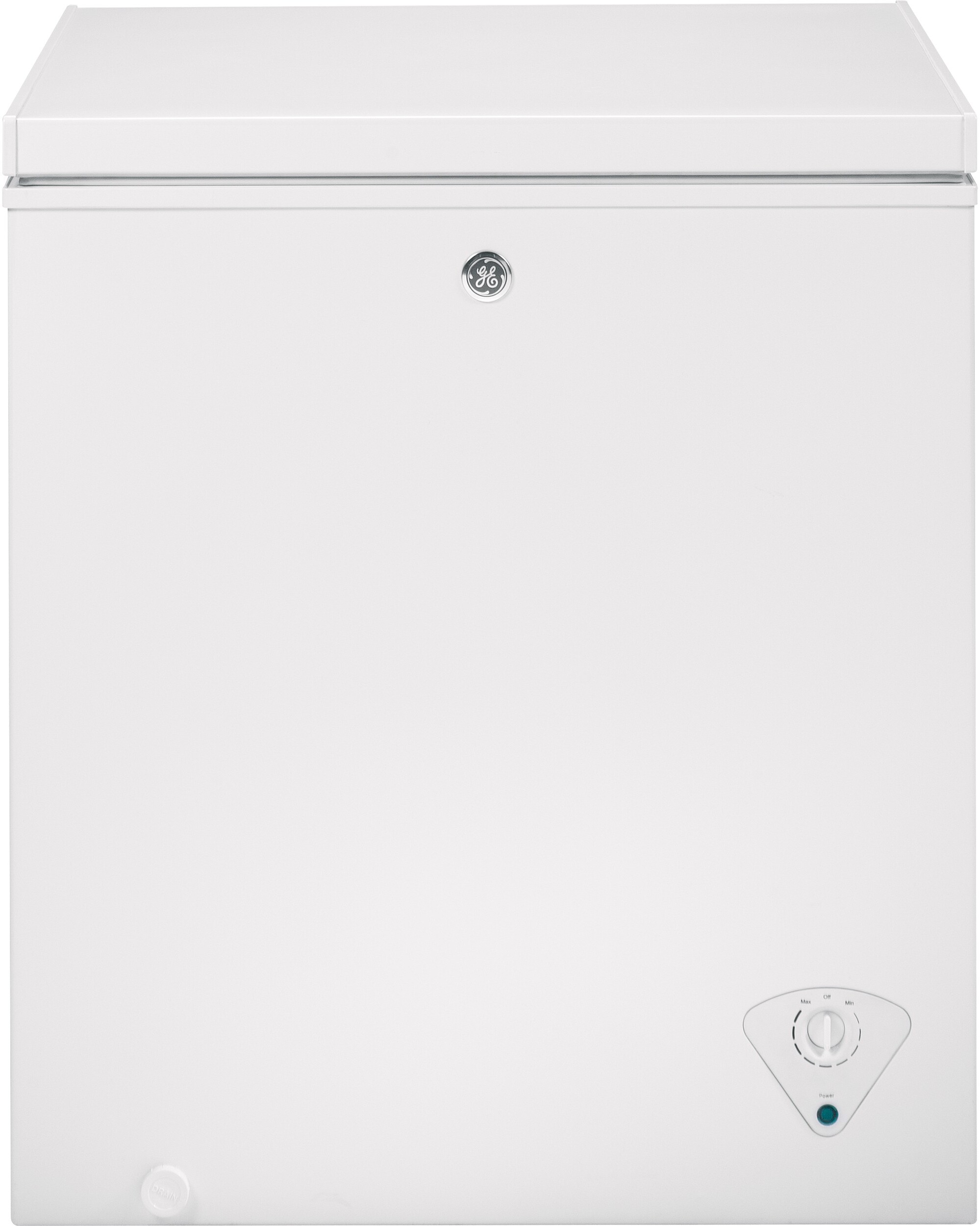
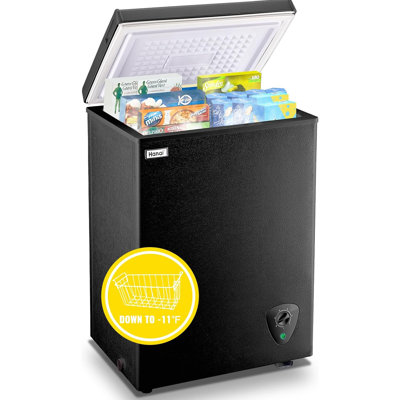
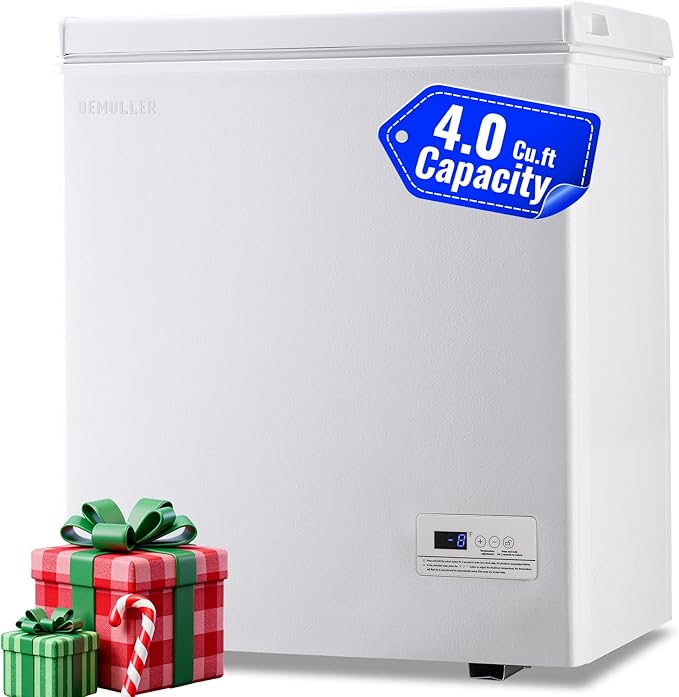
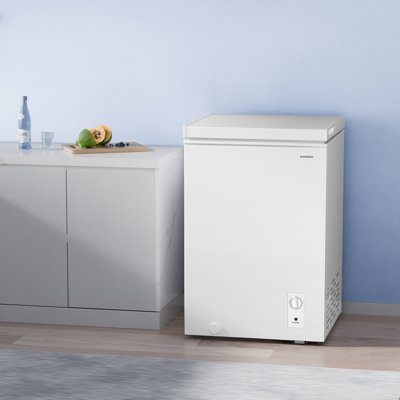
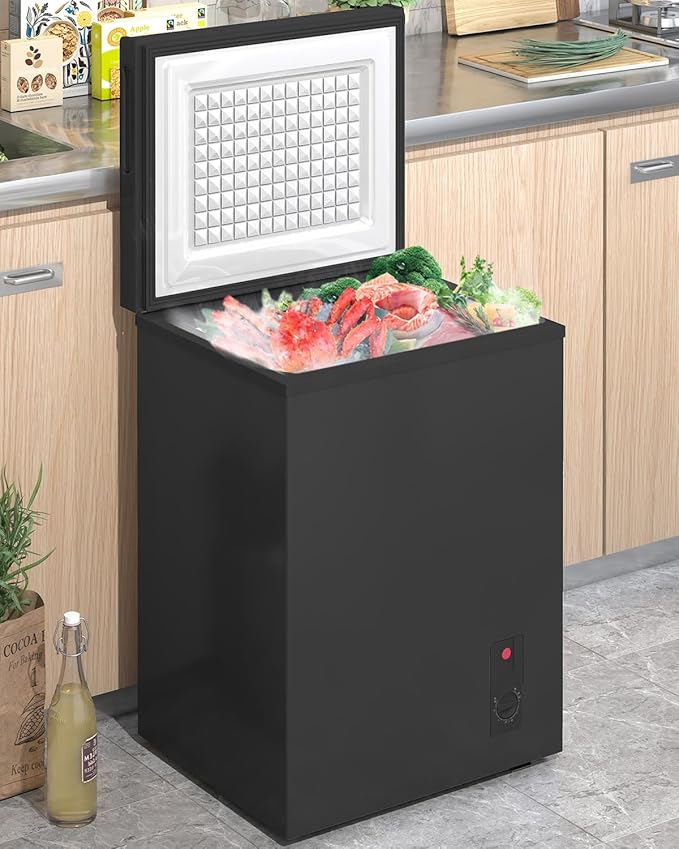
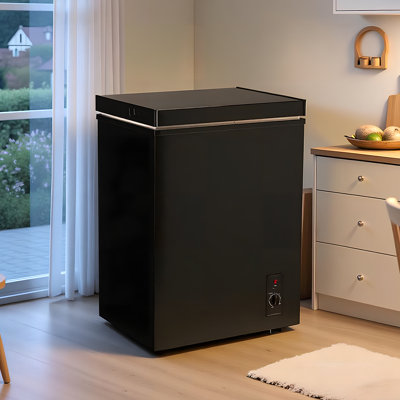
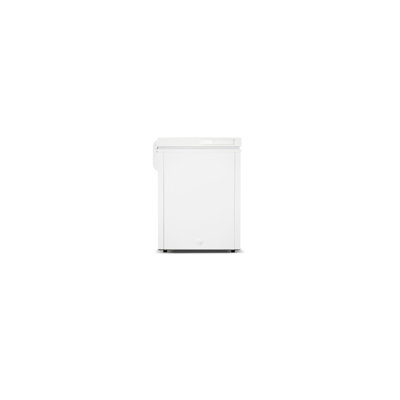
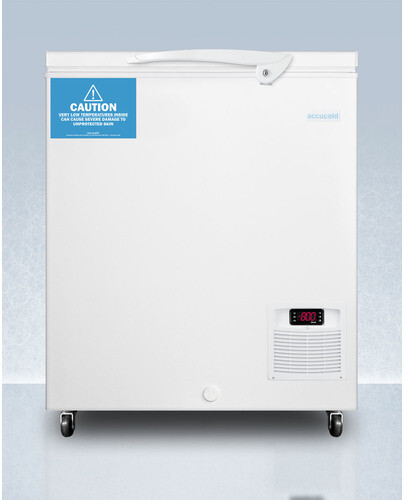
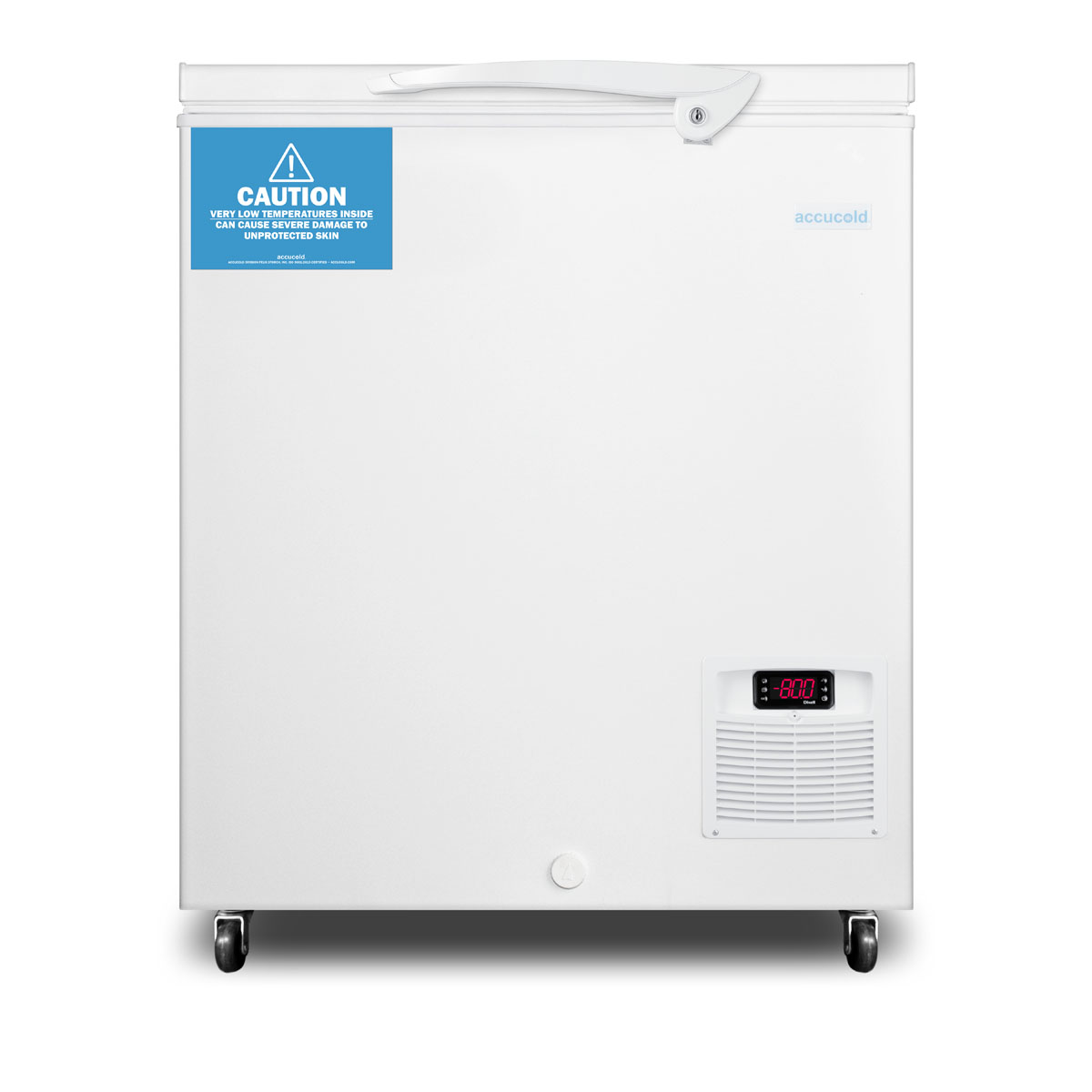
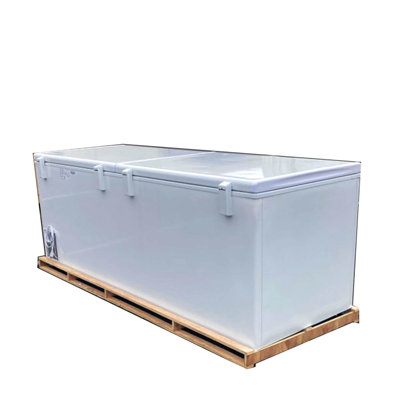
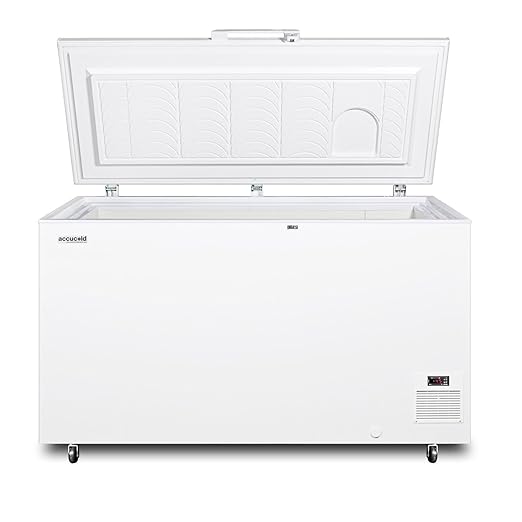
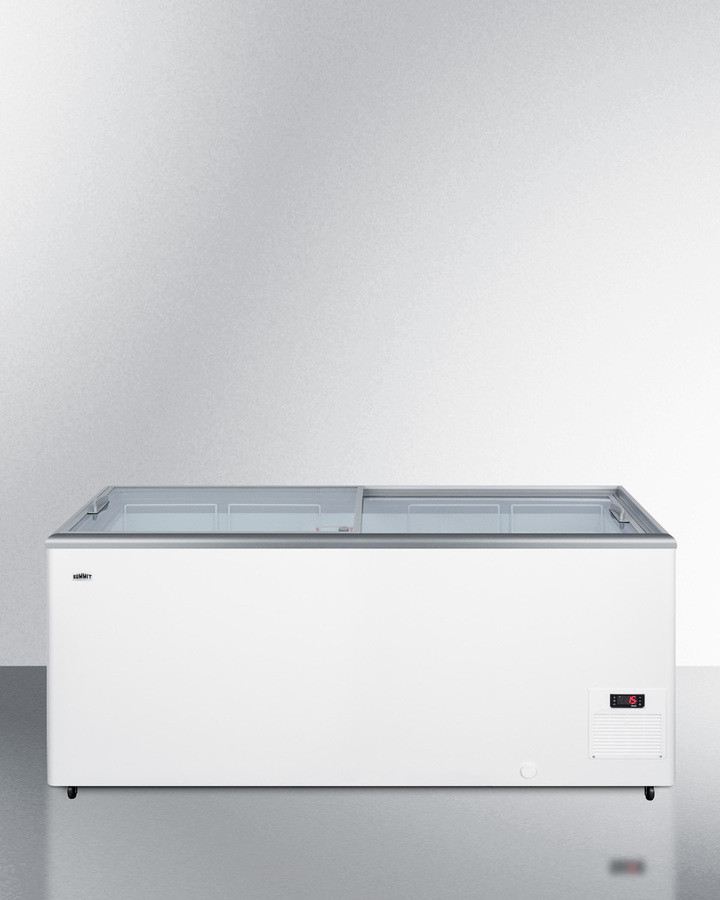
Chest freezers are typically 25-40% cheaper and use roughly 10-50% less electricity than upright freezers of the same capacity, while upright freezers win on organization, floor footprint, and everyday access. A chest freezer opens from the top into a deep well that holds 5-25 cubic feet and keeps cold air pooled inside; an upright freezer opens from the front like a refrigerator, with eye-level shelves, drawers, and door bins in a tall, narrow cabinet. This guide compares both freezer formats — capacity, energy use, cost, defrosting, noise, temperature stability, and placement — so you can pick the right one. Use the Freezer Buying Guide to bring capacity, garage placement, defrost type, and budget together before choosing a model.
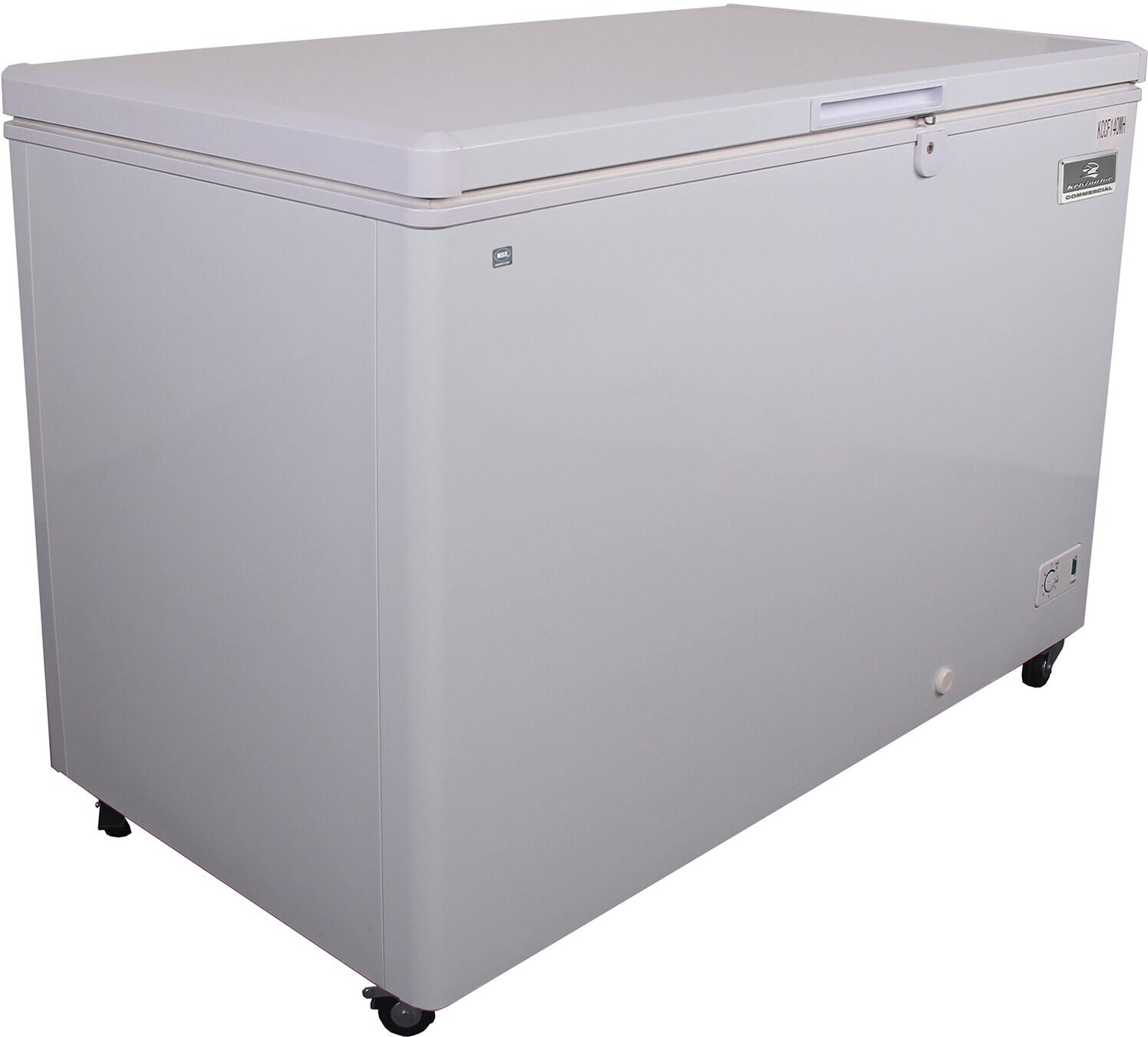
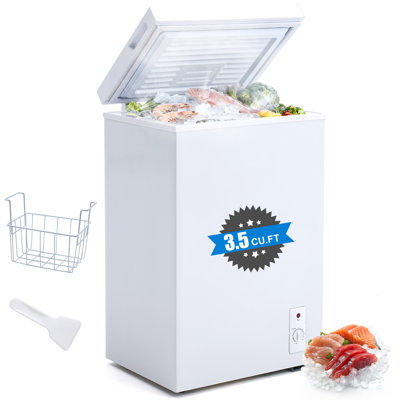
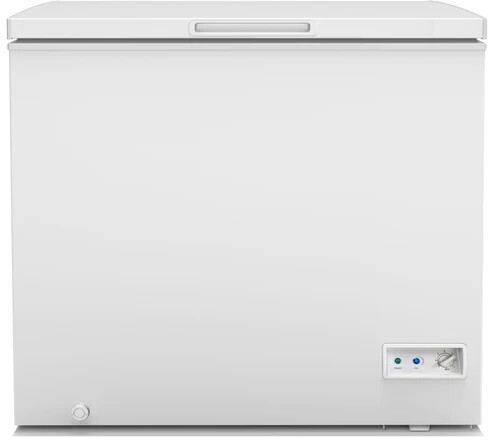
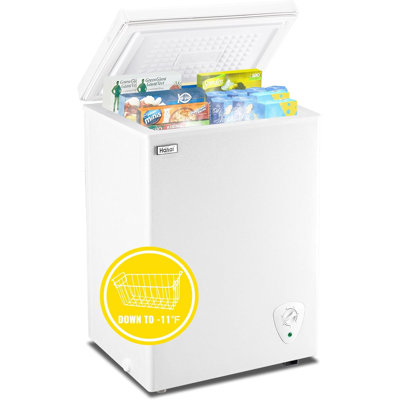
Chest freezers are designed with a top-opening lid and utilize an insulated compartment to keep your food frozen at 0°F. They operate by using a refrigeration system that circulates cold air within the freezer to maintain a consistent and low temperature. The design of the chest freezer, where the lid opens upwards, helps to retain cold air better than front-opening models because cold air sinks and remains inside when the lid is lifted.
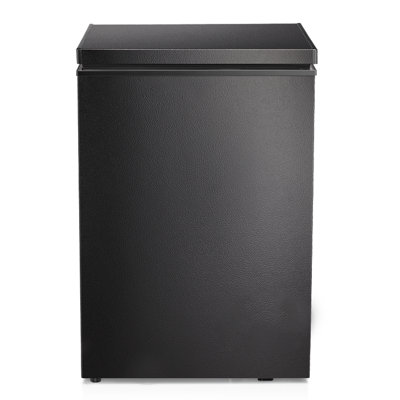
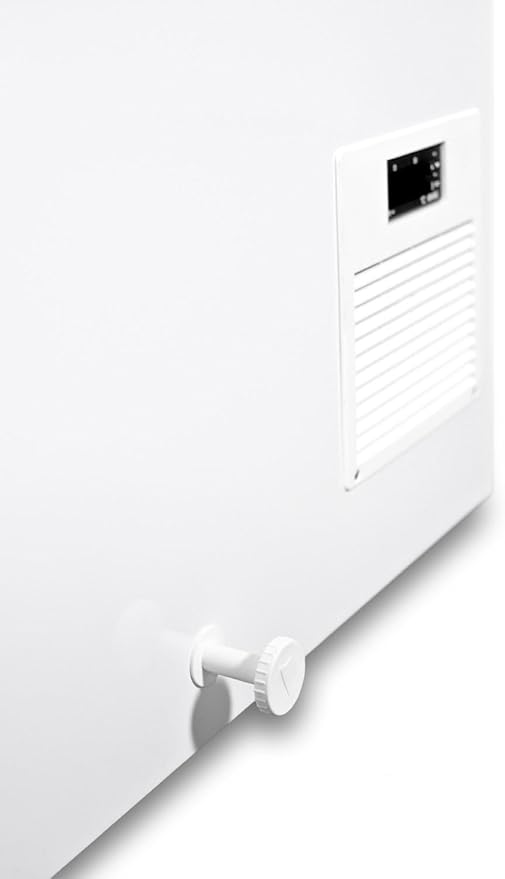
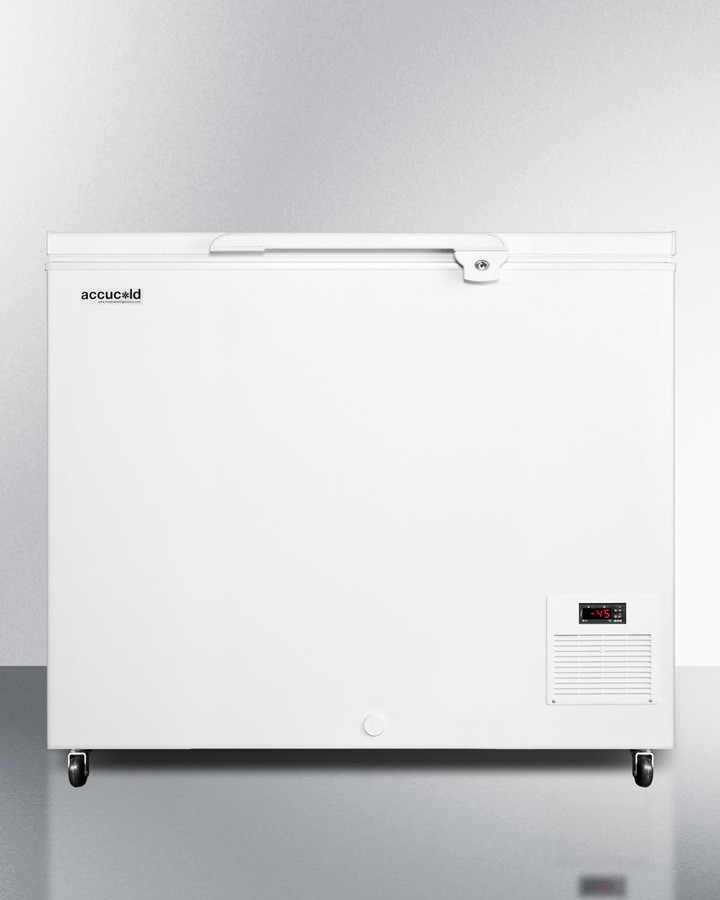
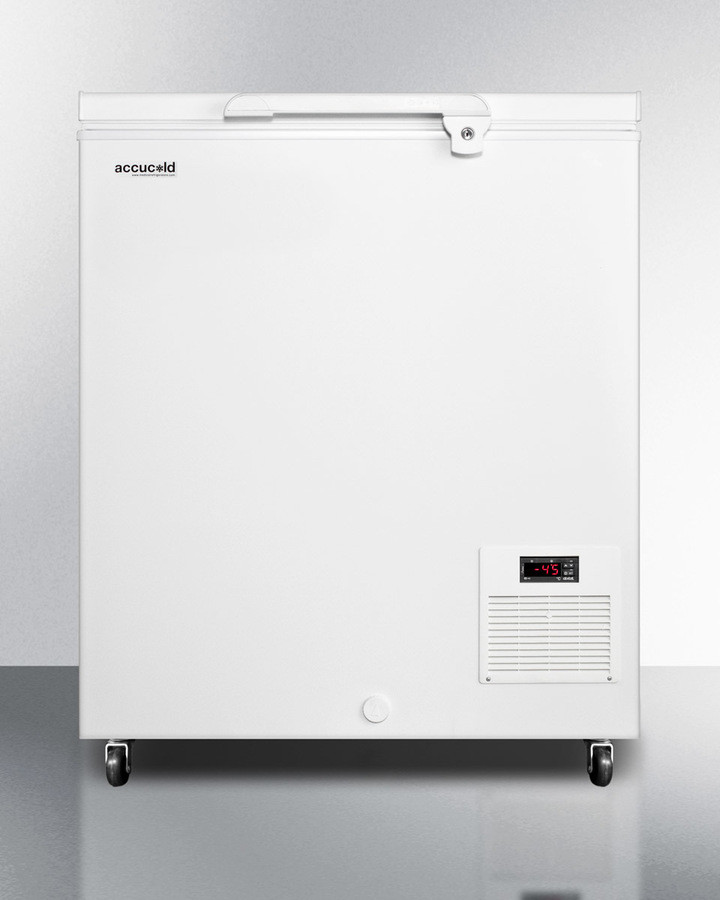
Chest freezers range from compact 3.5-cubic-foot models to large 25-cubic-foot units that can hold hundreds of pounds of frozen food. They sit on the floor in garages, basements, and utility rooms, measuring roughly 30 to 72 inches wide and 25 to 35 inches deep. Hanging wire baskets near the top provide a shallow organizational layer above the deep-well storage below. Most chest freezers use manual defrost systems — a simpler cooling design that contributes to their exceptional energy efficiency and long lifespan.
Pros of Chest Freezers
Chest freezers are known for their spacious interiors and ability to hold large quantities of frozen goods. Below are some of the pros that make them appealing:
Energy Efficiency: Typically, chest freezers are more energy-efficient compared to upright freezers, as their design minimizes the amount of cold air lost when opened.
Storage Capacity: They often offer more usable space for storing bulky items without the constraints of shelves — roughly 85-95% of rated volume is usable, versus 70-80% in an upright.
Lower Cost: Generally, chest freezers are less expensive to purchase than their upright counterparts — a 7 cu ft chest freezer often costs $200 to $350, while an upright with similar capacity runs $300 to $500.
Temperature Stability: Due to their design, chest freezers tend to keep a more consistent temperature, especially during power outages.
Longevity: They can have a longer lifespan — routinely 15 to 25 years — and require less maintenance.
Here's a brief comparison of energy efficiency and cost:
While chest freezers have many benefits, there are also some drawbacks to consider:
Space Requirements: They can take up more floor space — about 60% more floor area than an upright of equal capacity — and may not fit easily into smaller homes or apartments.
Organization: Without shelves, it can be more challenging to keep contents organized; items stack on top of each other, and packages placed at the bottom when the freezer is full may sit forgotten for months beneath newer additions.
Manual Defrosting: Many chest freezers require manual defrosting once or twice a year, which can be time-consuming.
Aesthetics: They may not blend as seamlessly into a kitchen design compared to upright models.
Upright freezers function similarly to your refrigerator's freezer compartment. They use a compressor and coolant to lower the interior temperature to 0°F, often featuring a fan to circulate cold air. This vertical design typically includes several adjustable shelves, pull-out drawers, and door bins for organized storage, allowing for easier access to items without needing to bend over or dig through piles — every item is visible at eye level when you open the door. Upright freezers are also what shoppers sometimes call a front-facing freezer: the front-opening door is the format's defining feature.
Upright freezers come in compact sizes (5-9 cubic feet) for apartments and small households and full-size models (12-21 cubic feet) for large families and bulk shoppers. They stand 55 to 72 inches tall and require 24 to 32 inches of floor width. Most offer frost-free operation — an automatic defrost system that eliminates manual defrosting but uses slightly more energy and can contribute to minor freezer burn on improperly wrapped items. Manual defrost upright models exist but are less common.
Pros of Upright Freezers
Upright freezers have several benefits that might appeal to you, especially if space and organization are priorities:
Space-Saving Design: Their vertical orientation takes up less floor space — roughly 2-3 sq ft versus 6-8 sq ft for a chest freezer — making them suitable for smaller homes or apartments.
Convenient Organization: Multiple shelves, drawers, and door bins allow for better sorting and visibility of contents.
Ease of Access: You won't have to reach or bend down as with a chest freezer; items are at eye level and within easy reach.
Auto-Defrost: Many upright models come with an auto-defrost feature, saving you from the periodic chore of manually defrosting.
Convertible Models: Some upright freezers can convert to refrigerators, offering flexibility for changing needs.
However, there are also drawbacks to consider before deciding if an upright freezer is right for your home:
Higher Cost: They can be more expensive than chest freezers both in upfront cost and sometimes in energy efficiency.
More Energy Consumption: Due to the auto-defrost feature and cold air spilling out of the front-opening door, they may use more energy.
Limited Capacity: While they offer better organization, they may not hold as much as a chest freezer due to their design — shelving, drawers, and air circulation gaps reduce usable volume.
Potential for Frost: If not frost-free, they can develop frost more quickly than chest freezers, requiring regular maintenance.
Challenge
Description
Initial Expense
Generally higher than chest freezers
Storage Space
Can be less than comparable chest models
Frost Buildup
Might need more frequent defrosting
Chest Freezer vs. Upright Freezer: Key Differences
Space and Organization
Chest freezers typically offer more usable space due to their design. Since cold air doesn't escape as easily when opened, they can be filled to a higher capacity. However, organizing and accessing items at the bottom can be more challenging.
Freezer Type
Pros
Cons
Chest Freezer
Greater capacity, can store bulky items
Requires more floor space, difficult to organize
Upright Freezer
Easier to organize with shelves and bins
Smaller capacity, takes up vertical space
Upright freezers, conversely, have a convenient, vertical layout with shelves and drawers that allow for easier categorization and retrieval of items. Here is how the two formats compare on access and inventory management:
Feature
Upright Freezer
Chest Freezer
Access Method
Front-opening door — eye-level shelves
Top-opening lid — reach down into well
Visibility
Excellent — see everything on shelves
Poor — items stack and bury each other
Item Retrieval
Easy — slide items on shelves
Difficult — dig through stacked layers
Organization
Shelves, drawers, door bins
Hanging baskets and open well
Inventory Management
Clear — visible rotation
Challenging — bottom items get forgotten
If you meal prep with many small containers, an upright saves time. If you store large cuts of meat or bulk items, a chest freezer handles them better.
Energy Efficiency
In terms of energy efficiency, chest freezers have an advantage because they are better insulated and the opening on top prevents cold air from spilling out. This means they consume less electricity to maintain the required temperature, which could result in lower utility bills over time — typically $20 to $50 per year, or $150 to $300 over a decade of ownership.
Freezer Type
Annual kWh (manual defrost)
Annual kWh (frost-free)
Annual Cost
Upright (7 cu ft)
250-320 kWh
300-400 kWh
$33-$52
Upright (15 cu ft)
350-450 kWh
400-550 kWh
$46-$72
Chest (7 cu ft)
150-220 kWh
N/A (rare)
$20-$29
Chest (15 cu ft)
200-320 kWh
N/A (rare)
$26-$42
Three factors drive the chest freezer's advantage. First, the top-opening lid retains cold air during access because cold air is denser than warm air and settles into the chest rather than spilling out — an upright dumps its cold air onto the floor every time the door opens, forcing the compressor to recool the interior. Second, chest freezers use thicker insulation in their simple rectangular box design. Third, manual defrost chest freezers avoid the energy overhead of automatic defrost heaters and fans that frost-free uprights cycle periodically.
Capacity and Usable Space
Chest freezers deliver more usable storage per cubic foot because the open-well design wastes less space on shelving hardware, door mechanisms, and drawer tracks. A 15-cubic-foot chest freezer provides roughly 13-14 cubic feet of actual usable space, while a 15-cubic-foot upright provides 10-12 cubic feet after accounting for shelving, drawers, and air circulation gaps.
Freezer
Capacity
Floor Footprint
Usable Volume %
Upright (15 cu ft)
15 cu ft
~30"W x 28"D = 5.8 sq ft
70-80%
Chest (15 cu ft)
15 cu ft
~48"W x 28"D = 9.3 sq ft
85-95%
However, the chest freezer requires significantly more floor space — its wide, low profile occupies about 60% more floor area than an upright of equal capacity. The upright freezer's vertical orientation uses floor space more efficiently, making it the better choice for narrow spaces, closets, and rooms where floor area is limited but vertical height is available.
Temperature Stability and Power Outages
Chest freezers maintain more stable internal temperatures than upright freezers because the top-opening design minimizes cold air loss during access. When you open an upright freezer door, the entire column of cold air falls out and is replaced by warm room air — the compressor must then work to recool the cabinet from 40-50°F back to 0°F. When you open a chest freezer lid, the cold air pool remains largely undisturbed at the bottom of the well. This stability advantage means chest freezers recover faster from door openings and provide more consistent preservation conditions — particularly important during power outages, when a full chest freezer can maintain safe frozen temperatures for 48-72 hours compared to 24-36 hours for a comparable upright.
Noise Levels
Upright freezers run at 38-46 decibels — comparable to a quiet conversation — with frost-free models tending toward the louder end due to defrost fans. Chest freezers operate at 38-44 decibels, and manual defrost models run slightly quieter because they lack defrost cycle noise and their compressors cycle less often. If the freezer will sit in a living area or near bedrooms, a chest model is usually the quieter choice, but for garage or basement placement the difference is minimal.
Cost Considerations
When evaluating the cost, it's not just about the initial purchase price but also the ongoing operating costs. Estimate annual electricity cost using each model’s EnergyGuide kWh and your electricity rate before comparing the purchase prices. Generally, chest freezers are less expensive to buy and operate — 25-40% less than upright freezers of equivalent capacity at every price tier — while upright freezers carry a premium for their organizational features, front-opening access, and frost-free systems.
Freezer Type
Initial Cost
Operating Cost
Chest Freezer
Typically lower
Lower due to energy efficiency
Upright Freezer
Typically higher
Higher due to less energy efficiency
Freezer
Budget
Mid-Range
Premium
Upright (7 cu ft)
$300-$500
$500-$800
$800-$1,200
Upright (15 cu ft)
$500-$800
$800-$1,200
$1,200-$2,000
Chest (7 cu ft)
$200-$350
$350-$500
$500-$800
Chest (15 cu ft)
$400-$600
$600-$900
$900-$1,400
Per cubic foot of storage, the chest freezer delivers the best value in any freezer category. For more comparisons, explore the differences between chest freezer vs. drawer freezer.
Defrosting
Most chest freezers require manual defrosting once or twice a year, when frost buildup exceeds a quarter inch: you unplug the unit, empty it, and let accumulated frost melt over several hours. Many upright freezers offer automatic defrost, which is more convenient but uses slightly more energy. Manual defrost models maintain more consistent temperatures, which is better for long-term food quality.
Garage Placement
Both types come in garage-ready models rated for ambient temperatures from 0 to 110 degrees Fahrenheit. Standard household freezers — both upright and chest — may malfunction when garage temperatures drop below 35°F or exceed 110°F, so check the manufacturer's ambient operating range before putting any freezer in an unheated or uncooled garage. Not all models are rated for extreme temperatures.
The space you have available in your home will greatly influence your choice between a chest freezer and an upright freezer. Chest freezers typically require more floor space due to their horizontal design — a 7 cu ft model might be 37 inches wide and 22 inches deep — but they can be placed in areas like the garage or basement where space may be less of an issue. In contrast, upright freezers have a smaller footprint and can be more easily integrated into kitchen spaces or areas with vertical storage.
Freezer Type
Approximate Footprint
Chest Freezer
6-8 sq ft
Upright Freezer
2-3 sq ft
Before making a decision, measure the area where you plan to place the freezer, and consider any potential constraints that could affect the freezer's installation and operation. For more insights on fitting a freezer into different home layouts, explore Fridge.com comparison on apartment size refrigerator vs. outdoor refrigerator.
Storage Capacity Requirements
Consider how much storage space you'll need. Chest freezers often provide a larger capacity, which is ideal if you buy in bulk or need to store large items like whole turkeys or cuts of meat. Upright freezers may offer less overall space but feature shelves and compartments that make organization easier.
Freezer Type
Storage Capacity Range
Chest Freezer
5-25 cu ft
Upright Freezer
3-20 cu ft
Evaluate your shopping habits and storage preferences to determine which freezer type aligns with your lifestyle. If you tend to stock up on frozen goods, a chest freezer might be the way to go. For more on different freezer capacities and their benefits, check out chest freezer vs. drawer freezer.
Frequency of Access and Convenience
How often you plan to access your freezer and the convenience of use are also key considerations. If you frequently reach for frozen items, an upright freezer's eye-level shelves and compartments provide easy access and visibility. Conversely, chest freezers can make it more challenging to find and retrieve items due to their deep storage bins.
Freezer Type
Accessibility
Chest Freezer
Deep storage, less frequent access
Upright Freezer
Eye-level storage, frequent access
It's also worth noting that upright freezers commonly come with auto-defrost features, which can save time and effort in maintenance. For those who have the space and prefer to access their freezer less often, a chest freezer might be suitable. For further details on maintenance, see Fridge.com guide on best practices for organizing a chest freezer.
The most frequent mistake is buying an upright freezer for bulk meat storage expecting it to be as efficient as a chest freezer. A household that buys a half beef, a quarter pig, or large seasonal game hauls pays a significant energy premium for the upright's organizational shelves that are largely unnecessary for bulk single-category storage. When the freezer holds primarily one type of food in large quantities, the chest freezer's open-well design accommodates the bulk efficiently while consuming far less electricity annually.
The second common mistake is buying a chest freezer for a household that accesses frozen food multiple times daily expecting it to be as convenient as an upright. The daily dig-and-stack routine of chest freezer access becomes a genuine annoyance for households that pull frozen ingredients for every meal. If you cook from frozen food daily, the upright's front-opening shelves save meaningful time and frustration over thousands of access events per year.
A third error is placing either freezer in an unheated garage without checking the manufacturer's ambient operating range. Garage-rated models with wider ambient temperature tolerance are essential for unconditioned spaces, and buyers who skip this specification risk freezer failure during the first winter cold snap or summer heat wave.
Organizing a chest freezer can be challenging due to its horizontal layout, but with a strategic approach, you can maximize space and maintain order:
Use Baskets and Dividers: Group similar items together in stackable baskets or dividers for easy access and rotation.
Label and Date: Clearly label each item with its contents and the date of storage to keep track of freshness and reduce waste.
Map Your Freezer: Consider creating a simple diagram of your freezer's contents that you can refer to, minimizing the need to dig around.
Keep an Inventory: Maintain an inventory list of what you have stored to avoid overbuying and to ensure you use older items first.
For more organizational tips tailored to your specific freezer type, you might find Fridge.com comparison between chest freezer vs. drawer freezer helpful.
Tips for Cleaning and Maintaining an Upright Freezer
An upright freezer's vertical design makes it easier to organize, but it also requires regular maintenance to function properly:
Defrost Regularly: If your model is not frost-free, defrost it when the ice buildup exceeds 1/4 inch to ensure efficiency.
Clean Shelves and Bins: Remove all items periodically and wash shelves and bins with a mild detergent.
Check Door Seals: Inspect the door seals for any signs of wear and replace if necessary to maintain proper temperature control.
Vacuum the Condenser Coils: Unplug the freezer and vacuum the condenser coils at least twice a year to remove dust and maintain performance.
For a comparison of different freezer cleaning requirements, explore auto defrost freezer vs. ice cream freezer chest.
Longevity and Reliability
Quality upright freezers last 10 to 15 years; the automatic defrost system adds mechanical complexity that creates additional potential failure points. Chest freezers, with their simpler mechanical design and fewer components, routinely last 15 to 25 years — among the longest-lived household appliances available. The combination of low purchase price, low energy consumption, and long lifespan makes the chest freezer the most economical frozen storage option over its full ownership lifetime. To maximize either freezer's lifespan:
Position Your Freezer Correctly: Ensure proper ventilation around your freezer and avoid placing it in direct sunlight or near heat sources.
Maintain Consistent Temperatures: Avoid frequent temperature changes by not overloading the freezer and keeping the door closed as much as possible.
Service Your Freezer: Schedule regular service checks to catch potential issues early.
When considering a new purchase, evaluating the durability and dependability of different freezer types could be beneficial. For example, you might compare the chest refrigerator vs. fridge freezer to determine which best suits your needs.
Who Should Buy Which
Choose an upright freezer if organization, easy access, and front-opening convenience are your priorities. The upright format excels for households that access frozen food daily, maintain diverse frozen inventory, do organized meal prep with labeled containers, and value the ability to see and reach every item without digging. Choose an upright if your space favors a narrow, tall footprint over a wide, low one — closets, narrow utility rooms, and kitchen alcoves accommodate uprights better than chests.
Choose a chest freezer if maximum capacity, energy efficiency, long-term reliability, and value are your priorities. The chest format excels for bulk shoppers, hunters, gardeners who freeze harvests, and households that store large quantities of a few categories — a whole turkey, half a side of beef, or stacks of garden produce fit easily. Choose a chest if you have the floor space in a garage or basement and prefer the lowest total cost of ownership in frozen storage.
Freezer Type
Energy Efficiency
Cost
Maintenance
Chest Freezer
Higher
Lower
More Manual Defrosting
Upright Freezer
Lower
Higher
Easier Cleaning and Defrosting
When making your decision, take the time to explore resources that compare the features of different freezer types, such as chest freezer vs. drawer freezer, energy efficient refrigerator vs. ice cream freezer chest, and counter depth refrigerator vs. small upright freezer. You can also browse upright freezers and chest freezers directly and filter by capacity, defrost type, dimensions, and price.
Upright Freezer vs. Chest Freezer: Frequently Asked Questions
What are the pros and cons of an upright freezer vs. a chest freezer?
Upright freezer pros: eye-level shelves and door bins, easy organization, small 2-3 sq ft floor footprint, and widely available auto-defrost. Cons: higher purchase price, more energy use, and less usable volume (70-80% of rated capacity). Chest freezer pros: 25-40% lower price, roughly 10-50% lower energy use, 85-95% usable volume, better temperature stability, and a 15-25 year lifespan. Cons: larger floor footprint, harder organization with items buried in the deep well, and manual defrosting once or twice a year.
Is an upright freezer the same as a front-facing freezer?
Yes. A front-facing freezer is simply an upright freezer — a tall cabinet with a front-opening door and interior shelves, organized like a refrigerator held at 0°F. The front-facing door gives you eye-level visibility of every item, at the cost of dumping cold air onto the floor each time it opens.
Which is cheaper to run, a chest freezer or an upright freezer?
A chest freezer. A 15 cu ft manual defrost chest freezer uses roughly 200-320 kWh per year ($26-$42), while a comparable frost-free upright uses 400-550 kWh ($46-$72). The savings typically total $20 to $50 per year, or $150 to $300 over a decade.
Which freezer keeps food frozen longer in a power outage?
A chest freezer. Because cold air settles into the well and the lid seals on top, a full chest freezer can maintain safe frozen temperatures for 48-72 hours during an outage, compared to 24-36 hours for a comparable upright.
Which lasts longer, a chest freezer or an upright freezer?
Chest freezers routinely last 15 to 25 years thanks to their simple manual-defrost design with fewer components. Quality upright freezers last 10 to 15 years; the auto-defrost system adds parts that can fail.
Do chest freezers need to be defrosted?
Most do. Manual defrost chest freezers should be defrosted once or twice a year, whenever frost buildup exceeds a quarter inch: unplug the unit, empty it, and let the ice melt, then wipe it down. Some newer chest models offer frost-free operation, but manual defrost remains the dominant and most efficient configuration.
Can I put a chest or upright freezer in the garage?
Only if the model is rated for it. Garage-ready models of both types are rated for ambient temperatures from 0 to 110 degrees Fahrenheit, while standard models may malfunction below 35°F or above 110°F. Check the manufacturer's ambient operating range before placing any freezer in an unheated or uncooled space.
Which freezer is quieter?
Chest freezers, slightly. They run at 38-44 decibels and their compressors cycle less often, while uprights run at 38-46 decibels with frost-free models loudest due to defrost fans. For garage or basement placement the difference rarely matters.
Compare prices on Fridge.com
Compare current prices and specifications on Fridge.com, then buy from the retailer you choose; delivery, installation and warranty terms are the retailer’s.
It also has tons of awesome articles about kitchen stuff and home news. Enhance your home, garage, backyard, patio, and office with the coolest essentials. With every necessary type of residential refrigerator or freezer in the collection, you're covered.
Frequently Asked Questions
Upright freezer pros: eye-level shelves and door bins, easy organization, small 2-3 sq ft floor footprint, and widely available auto-defrost. Cons: higher purchase price, more energy use, and less usable volume (70-80% of rated capacity). Chest freezer pros: 25-40% lower price, roughly 10-50% lower energy use, 85-95% usable volume, better temperature stability, and a 15-25 year lifespan. Cons: larger floor footprint, harder organization with items buried in the deep well, and manual defrosting once or twice a year.