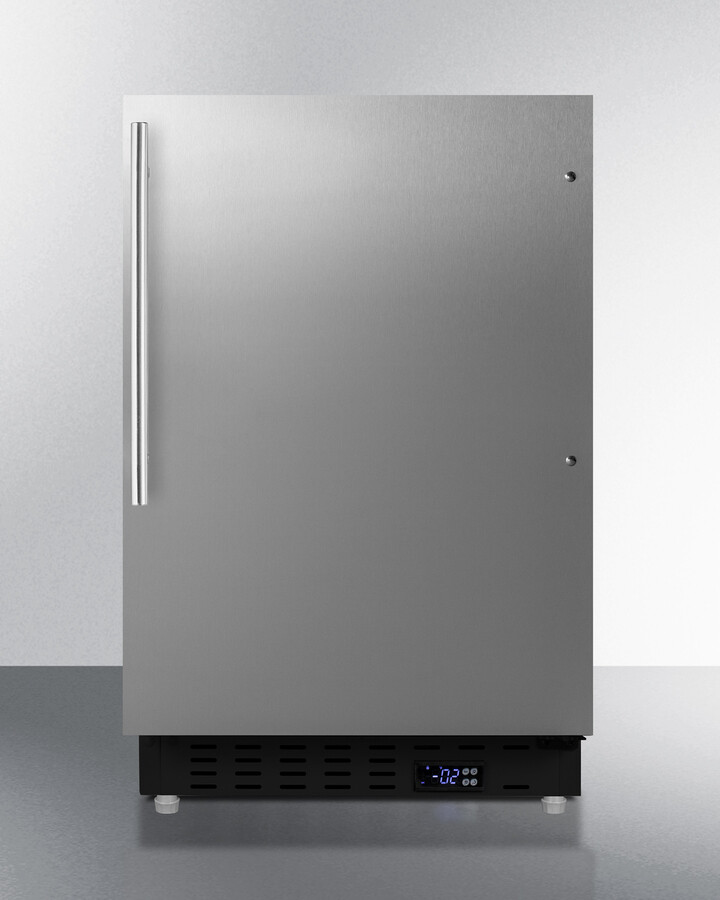
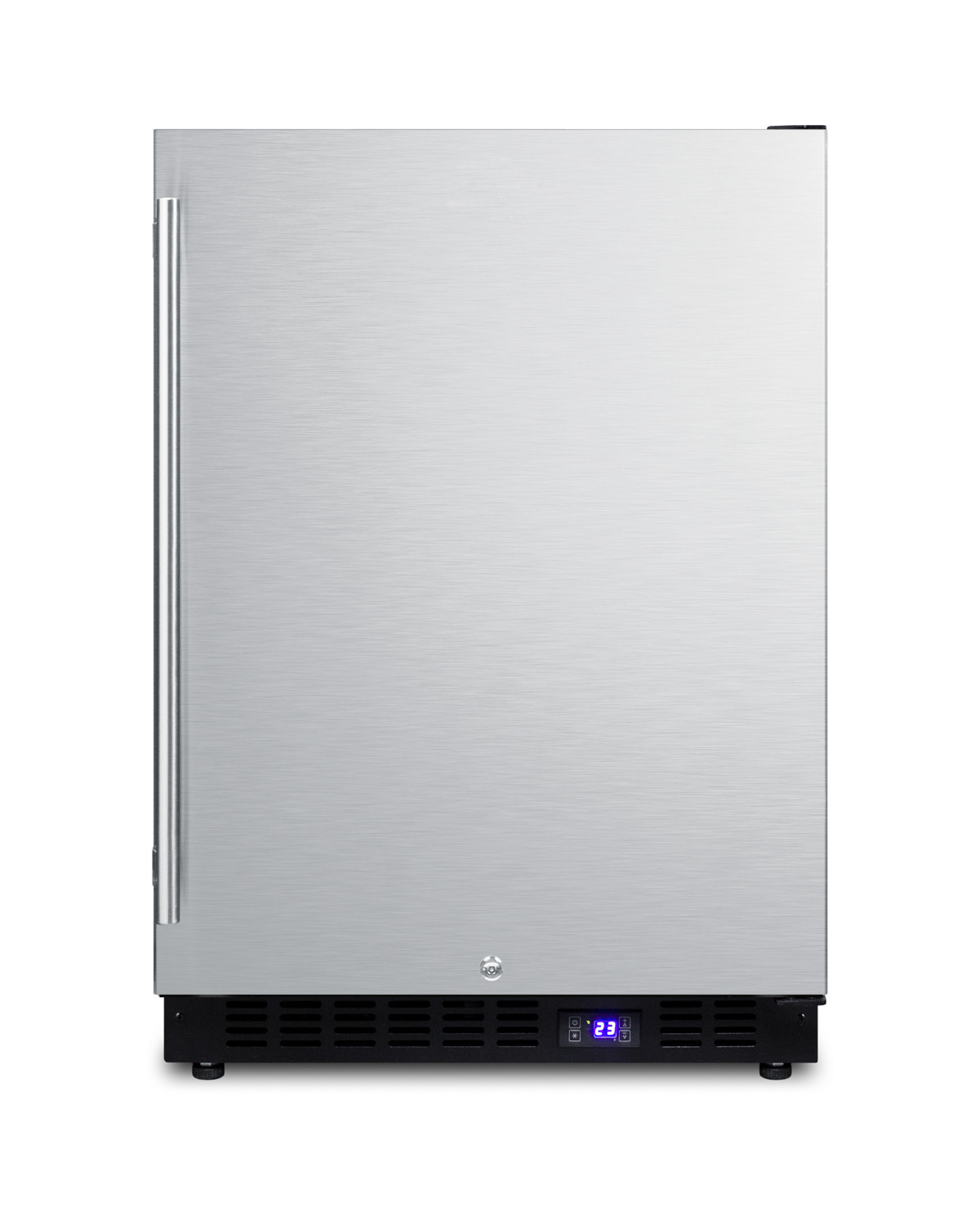
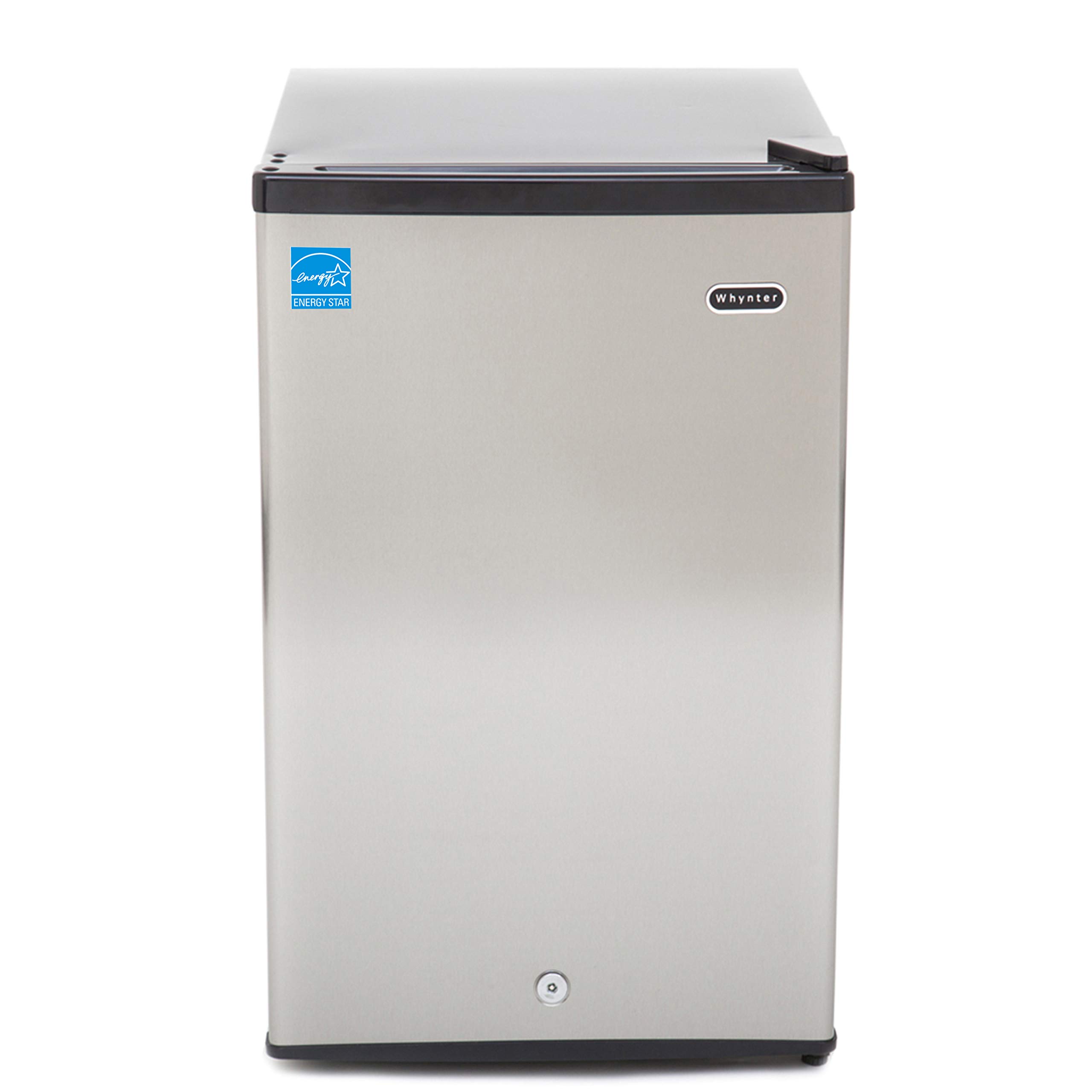
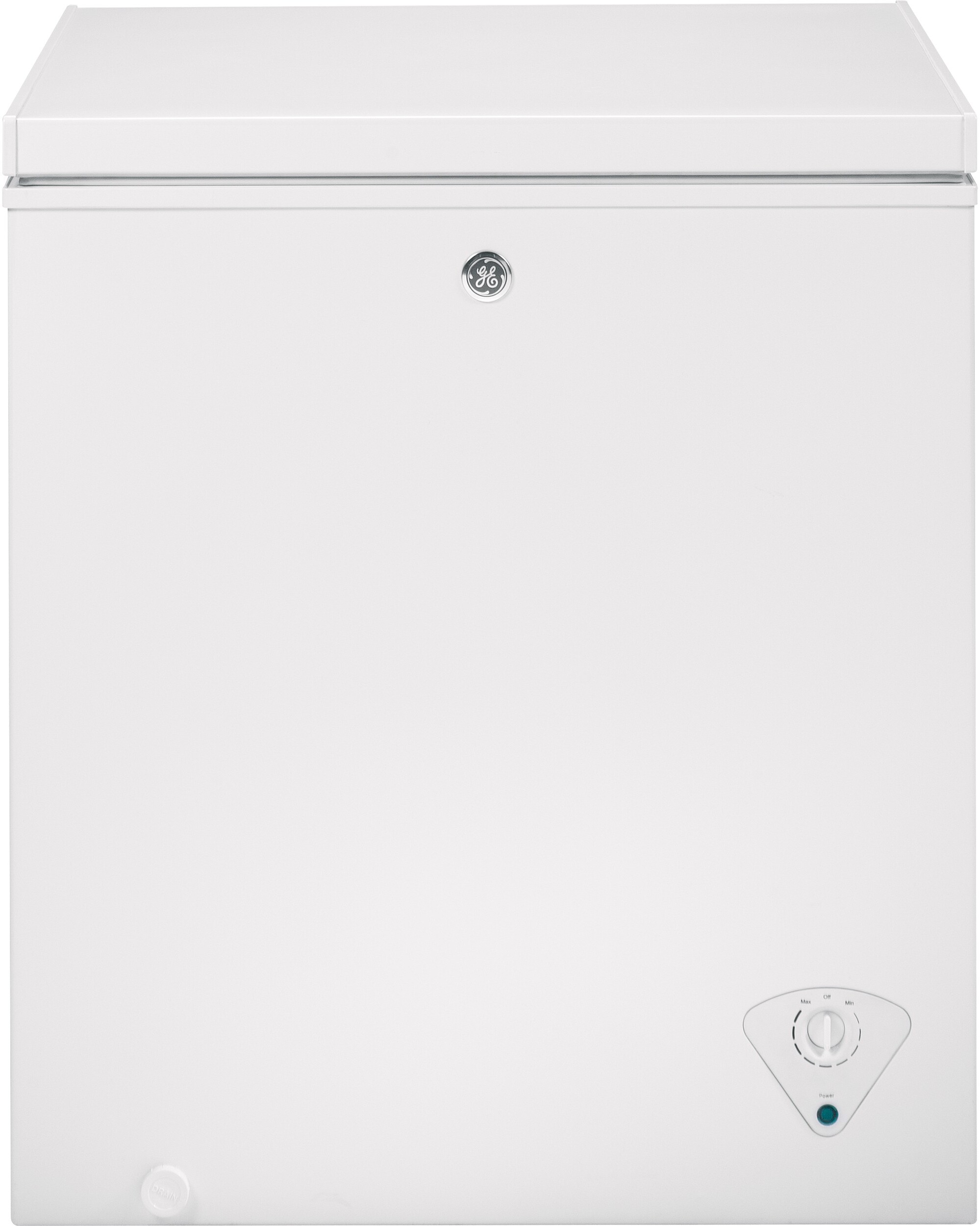
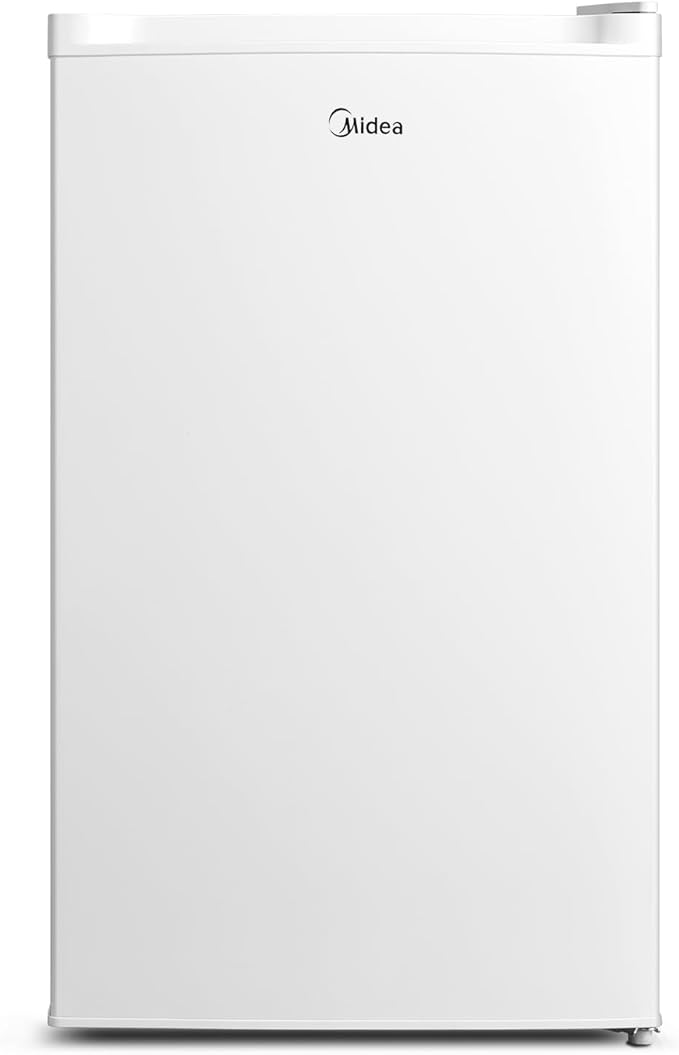
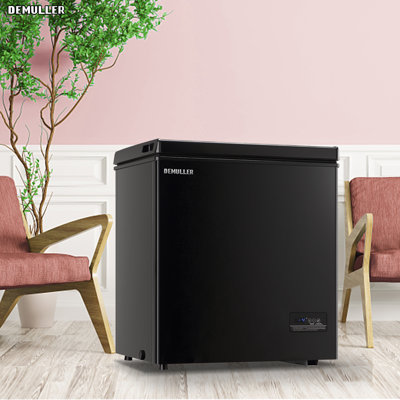
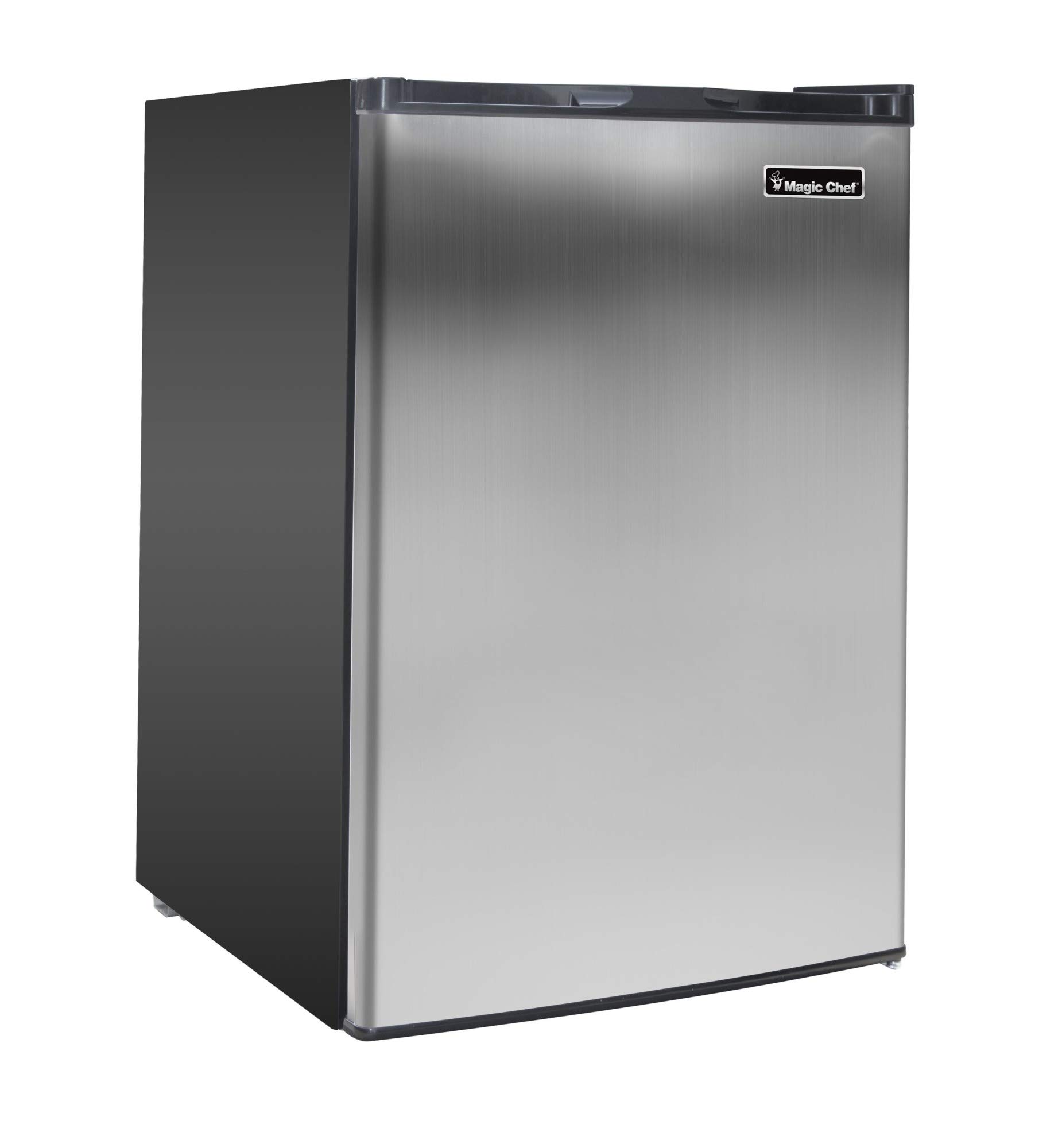
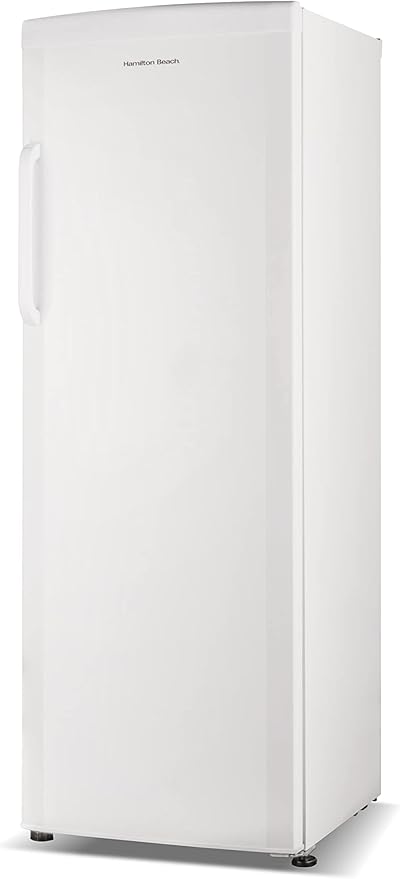
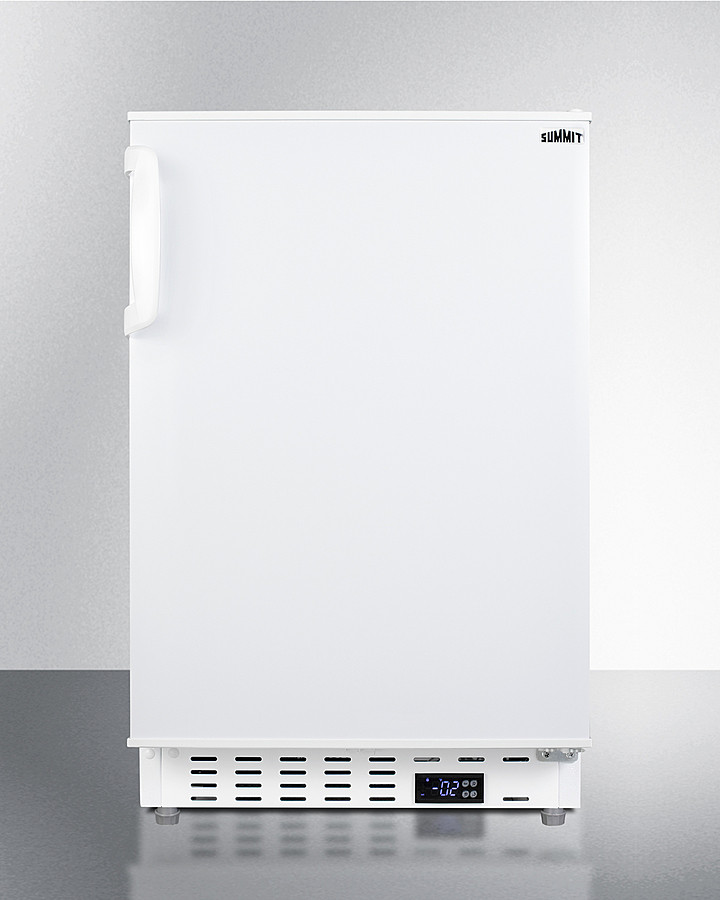
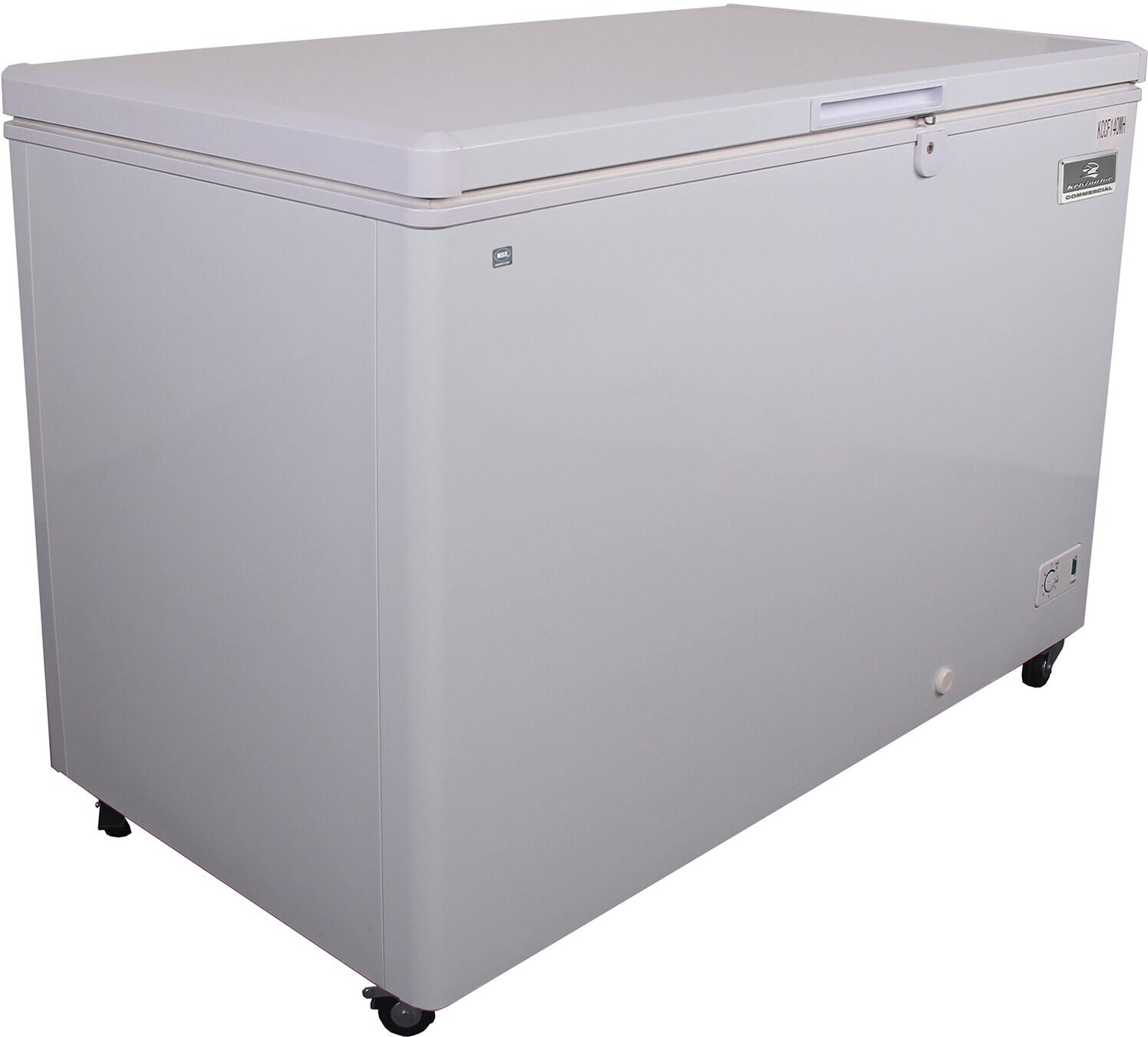
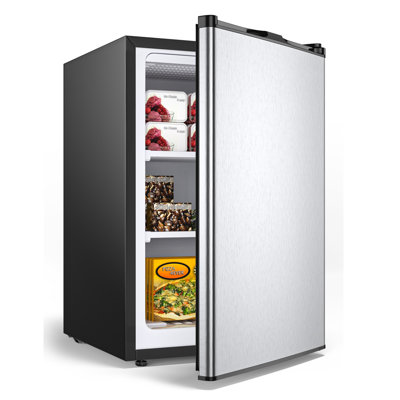
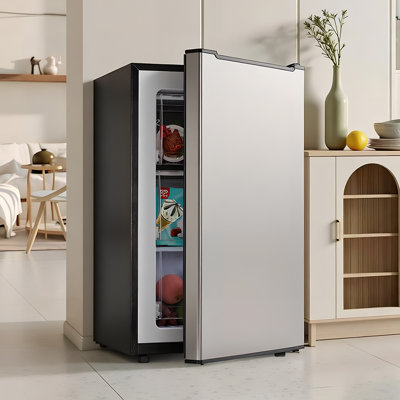
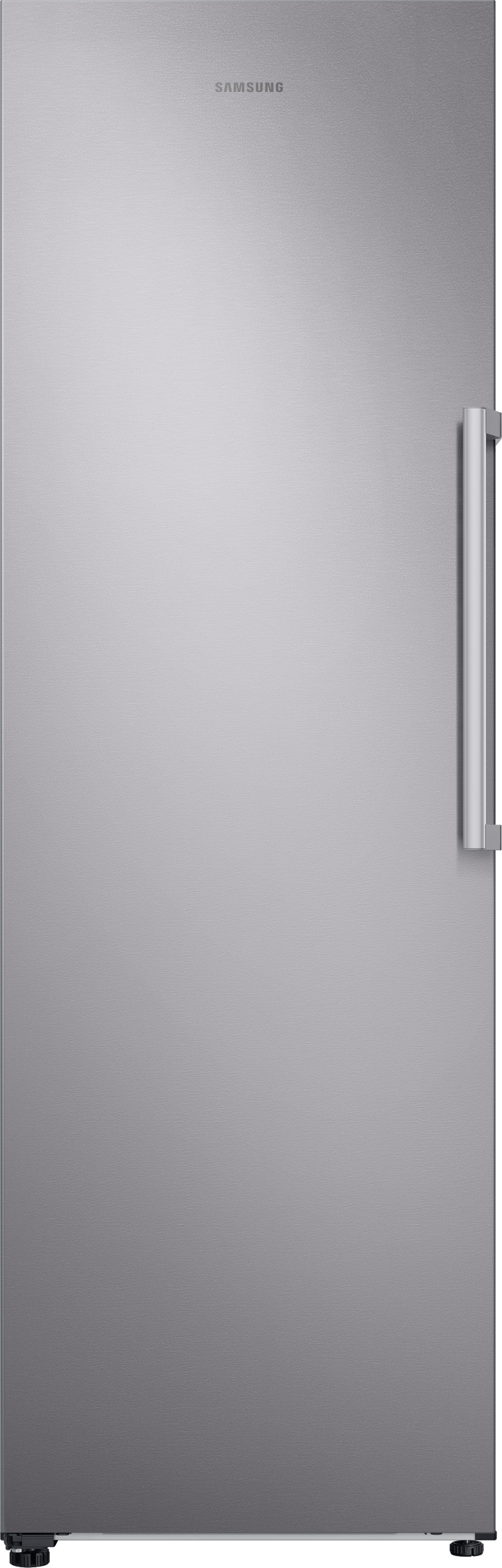
A fridge freezer combo and an undercounter refrigerator solve two different kitchen cooling problems. The fridge freezer combo is a full-size, dual-compartment appliance standing 60 to 72 inches tall with 14 to 30 cubic feet of combined refrigerator and freezer storage — the primary cooling appliance in most kitchens. The undercounter refrigerator is a compact, single-temperature unit that fits beneath a standard 34-inch counter and provides 3 to 6 cubic feet of fresh food storage at 34–42°F — a supplemental unit for bars, kitchen islands, offices, and guest suites. This comparison covers capacity, temperature zones, installation, energy use, cost, noise, and which appliance fits your space.
An undercounter refrigerator supplements your main kitchen cooling. It provides convenient cold storage at a secondary location — under a bar counter for mixers and garnishes, under a kitchen island for frequently accessed cooking ingredients, in an office for lunches and beverages, in a guest suite for visitor refreshments, or in a butler's pantry for entertaining supplies. The undercounter format keeps cold items within arm's reach without a walk to the main refrigerator. It is not designed to be a household's sole refrigerator — 3 to 6 cubic feet holds a day or two of fresh food at most.
A fridge freezer combo is the primary kitchen cooling appliance for most households. It handles the full spectrum of cold storage: fresh produce in humidity-controlled crispers, dairy and meats on adjustable shelves, beverages in door bins, leftovers on interior shelves, frozen meals and meats in the freezer section, and ice production from a built-in ice maker. A family of four typically needs 18 to 22 cubic feet of combined refrigerator and freezer space, and the combo delivers this in a single appliance.
A fridge freezer combo pairs a refrigerator and a freezer in one cabinet, with separate temperature controls so you can tune the fresh-food and frozen zones independently. Adjustable shelving, in-door storage, and multiple drawers organize different food types, and frost-free models run automatic defrost cycles that prevent ice build-up from degrading cooling performance. Combos range from compact apartment-scale units to large family models; for format comparisons, see bottom freezer refrigerator vs. fridge freezer or fridge freezer vs. ice machine.
Undercounter Refrigerator Overview
An undercounter refrigerator installs beneath kitchen counters, home bars, or office cabinetry, delivering refrigeration in a space-saving footprint. Many models accept customizable panels and finishes to blend with surrounding cabinetry, and the smaller cooled volume draws less absolute energy than a full-size combo. Typical placements:
Setting
Utility
Kitchen
Secondary food/beverage storage
Home Bar
Chilled drinks
Office
Employee refreshments
Hospitality
Guest amenities
Specialty Areas
Convenient access to specific needs
Temperature and Compartments
Appliance
Refrigerator Zone
Freezer Zone
Total Zones
Undercounter Refrigerator
34-42°F (3-6 cu ft)
None
1
Fridge Freezer Combo (top-freezer)
35-38°F (10-15 cu ft)
0°F (4-6 cu ft)
2
Fridge Freezer Combo (bottom-freezer)
35-38°F (12-18 cu ft)
0°F (5-8 cu ft)
2
Fridge Freezer Combo (side-by-side)
35-38°F (12-16 cu ft)
0°F (8-12 cu ft)
2
The critical difference is frozen storage. An undercounter refrigerator has zero freezer capacity — no ice, no frozen meals, no frozen meat, no ice cream. If an undercounter unit is your only cooling appliance (possible in tiny homes, studios, or some offices), you have no frozen storage whatsoever. The fridge freezer combo solves this by integrating both compartments in one appliance with independent temperature controls.
Before deciding, measure the installation area and account for the swing of the door or the pull of the drawer to guarantee ease of access. For more sizing detail, see standard refrigerator size vs. undercounter freezer.
Capacity by Configuration
Appliance
Width
Height
Fresh Food Capacity
Freezer Capacity
Undercounter Refrigerator
24 in
34 in
4.5-5.7 cu ft
0 cu ft
Top-Freezer Combo
28-32 in
62-68 in
10-15 cu ft
4-6 cu ft
Bottom-Freezer Combo
30-36 in
67-70 in
12-18 cu ft
5-8 cu ft
Side-by-Side Combo
33-36 in
67-72 in
12-16 cu ft
8-12 cu ft
French-Door Combo
33-36 in
68-72 in
15-20 cu ft
5-8 cu ft
The fridge freezer combo provides 3 to 5 times more fresh food capacity and adds frozen storage the undercounter refrigerator cannot provide at all. A 24-inch undercounter unit at 5 cubic feet holds roughly one large grocery bag of fresh food. A 30-inch bottom-freezer combo at 15 cubic feet of fresh food holds three to four large grocery bags plus a freezer section holding 50 to 80 pounds of frozen food. This capacity gap is why undercounter refrigerators serve as supplements rather than replacements.
Installation and Integration with Your Space
Undercounter refrigerators install in 24-inch-wide by 34-inch-tall cabinet openings. Built-in models feature front-venting exhaust for flush cabinetry installation; freestanding models require rear ventilation clearance. Panel-ready models accept custom door panels that match surrounding cabinetry for a seamless built-in appearance — compare options in panel ready refrigerator vs. portable freezer.
Fridge freezer combos are full-height appliances requiring dedicated floor space. Top-freezer models are the most compact and affordable. Bottom-freezer and French-door models place the fresh food section at eye level for ergonomic daily access, and side-by-side models give equal-height access to both compartments. Counter-depth versions (24-25 inches deep) sit flush with countertops for a built-in look without true built-in pricing, while standard-depth models (30-34 inches deep) protrude slightly past counters but offer more interior volume.
Fridge freezer combos offer separate controls for the fridge and freezer sections, which helps maintain accurate temperatures in each compartment. Undercounter refrigerators have simpler control systems but hold a consistent single-zone temperature well — important for beverages and produce. Both categories now ship with energy-saving features such as automatic defrost cycles and efficient insulation.
Appliance Type
Temperature Features
Energy Efficiency
Fridge Freezer Combo
Separate controls for fridge and freezer
Energy Star ratings, efficient insulation
Undercounter Refrigerator
Consistent cooling
Compact size reduces energy consumption
Storage Capacity and Organization
Fridge freezer combos provide larger capacity with adjustable shelving, in-door storage, and drawers for organizing bigger quantities of food. Undercounter refrigerators suit smaller loads — beverages, snacks, and overflow items that do not fit in the primary refrigerator. For depth-related organization trade-offs, see counter depth refrigerator vs. shallow depth refrigerator.
Energy Consumption
Appliance
Annual kWh
Annual Cost
Undercounter Refrigerator (5 cu ft)
150-280 kWh
$19-$36
Top-Freezer Combo (18 cu ft)
300-450 kWh
$39-$58
Bottom-Freezer Combo (22 cu ft)
400-550 kWh
$52-$71
Side-by-Side Combo (25 cu ft)
450-650 kWh
$58-$84
French-Door Combo (26 cu ft)
500-700 kWh
$65-$91
Undercounter refrigerators consume significantly less energy in absolute terms because they cool a much smaller volume at a single temperature. Per-cubic-foot efficiency favors the larger appliance, though: an undercounter unit at 5 cubic feet using 220 kWh per year consumes 44 kWh per cubic foot, while a top-freezer combo at 18 cubic feet using 380 kWh consumes 21 kWh per cubic foot — roughly half the per-unit energy cost. Larger appliances spread their fixed cooling overhead across more storage volume.
Undercounter refrigerators operate at 35 to 43 decibels. Built-in installation within cabinetry dampens compressor noise, and the smaller compressor produces less mechanical sound than full-size refrigerator compressors. In a kitchen or office with normal ambient noise, an undercounter unit is virtually silent.
Fridge freezer combos operate at 36 to 46 decibels depending on size and compressor type. Top-freezer models tend to be the quietest combo configuration. French-door models with ice makers and water dispensers add noise sources — the ice maker cycles periodically, the water dispenser has a pump, and the larger compressor handles a greater thermal load. Inverter compressor models in both categories run quieter by modulating speed rather than cycling fully on and off.
Maintenance and Durability
Cleaning and Care Tips
Interior Cleaning: At least once a month, unplug and clean the interior with a mild detergent or baking soda solution. Remove shelves and drawers for a thorough wash.
Exterior Cleaning: Wipe down the exterior with a soft cloth and an appropriate cleaner for the refrigerator's finish.
Gasket Care: Keep the door seals free of food residue to ensure a tight seal and prevent cold air from escaping. Combos need gasket checks on both doors.
Coil Maintenance: Vacuum the condenser coils every six months to remove dust and pet hair that can hinder performance and efficiency.
Water Filter: On combos with dispensers, replace the water filter every 6 months and inspect the ice maker line.
Defrosting: Undercounter refrigerators need no defrosting — there is no freezer compartment. Monitor the defrost system on combos.
Longevity and Reliability
The lifespan of your refrigerator is influenced by build quality, usage patterns, and adherence to maintenance schedules. The undercounter unit's simple single-compartment design has fewer components to fail, but quality fridge freezer combos benefit from mature technology and wide parts availability, with top-freezer models lasting longest due to their simpler design.
The full budget-to-premium span by configuration is wider:
Appliance
Budget
Mid-Range
Premium
Undercounter Refrigerator
$150-$400
$400-$1,000
$1,000-$3,000
Top-Freezer Combo
$500-$800
$800-$1,200
$1,200-$1,800
Bottom-Freezer Combo
$800-$1,200
$1,200-$2,000
$2,000-$3,500
French-Door Combo
$1,200-$2,000
$2,000-$3,500
$3,500-$10,000
At the budget end, a basic 5-cubic-foot undercounter refrigerator is the cheapest purchase — but it provides no freezer and limited capacity. A budget top-freezer combo at $600 to $800 delivers 18 cubic feet of fresh and frozen storage, dramatically more value per dollar. An undercounter refrigerator only makes economic sense as a secondary appliance supplementing an existing combo; buying one as a sole refrigerator saves money upfront but creates a storage bottleneck that costs more in wasted food, frequent grocery trips, and the eventual need for a full-size unit anyway.
Operating Costs Over Time
Refrigeration Option
Average Annual Energy Cost
Fridge Freezer Combo
$50 - $100
Undercounter Refrigerator
$30 - $60
Actual cost depends on your electricity rate and the model's kWh rating (see the energy table above). Maintenance also affects long-term cost — undercounter units entail less effort due to their smaller size and single compartment. For maintenance detail, see cleaning and care tips, and for durability research, see longevity and reliability. Evaluate total cost of ownership — purchase price, energy, and maintenance — rather than the sticker price alone.
Undercounter refrigerators are generally simple appliances with basic temperature controls — a dial or digital display sets the target temperature. Wi-Fi connectivity, app control, and voice assistant integration are rare in the category because the appliance's supplemental role does not justify the technology cost.
Fridge freezer combos in the mid-range and premium tiers increasingly include smart features. Wi-Fi connected models let you monitor temperature, receive door-ajar alerts, and adjust settings from your phone. Some models include interior cameras for viewing contents while grocery shopping, reducing duplicate purchases. Voice assistant integration with Amazon Alexa or Google Assistant allows hands-free temperature adjustments, and smart diagnostics can detect potential failures before they cause food spoilage. These features add $200 to $500 to the purchase price.
Space Planning: When to Use Both
The most common scenario involving both appliances is a kitchen that pairs a main fridge freezer combo with an undercounter refrigerator in an island or bar area. The combo handles daily household food storage — the bulk of groceries, leftovers, frozen items, and ice — while the undercounter unit handles point-of-use convenience: beverages, snacks, and cooking or bar supplies within arm's reach. This dual-appliance approach is standard in mid-range to high-end kitchen designs and solves the common complaint that the main refrigerator is too far from the prep area in large open-concept kitchens.
For very small spaces — studio apartments, efficiency kitchens, RVs, or converted spaces — an undercounter refrigerator paired with a separate compact freezer can replace a full-size combo entirely. This requires more total floor space across two appliances but lets each unit be placed independently where a single tall appliance would not fit: the undercounter fridge under the kitchen counter, the compact freezer in a closet or an adjacent room.
Buy an undercounter refrigerator as a supplement to your main kitchen refrigerator — under a bar counter, in a kitchen island, in an office, or at any secondary location where cold food and beverage access is convenient. Do not buy it as your sole refrigerator unless you live in a very small space where a full-size combo physically cannot fit.
Buy a fridge freezer combo as your primary kitchen cooling appliance. Choose top-freezer for budget and reliability, bottom-freezer for ergonomic fresh food access, side-by-side for equal compartment visibility, or French-door for maximum fresh food capacity and premium features.
Frequently Asked Questions
Can an undercounter refrigerator replace a fridge freezer combo?
Only in very small spaces such as studios, tiny homes, or RVs — and even then it must be paired with a separate compact freezer, because an undercounter refrigerator has no freezer compartment. Its 3 to 6 cubic feet holds a day or two of fresh food, versus 14 to 30 cubic feet in a combo.
Does an undercounter refrigerator have a freezer?
No. It is a single-zone appliance holding 34–42°F for fresh food only — no ice, no frozen meals, no frozen meat. A fridge freezer combo adds a dedicated 0°F freezer compartment with independent temperature control.
What size is an undercounter refrigerator?
The standard footprint is 24 inches wide by 34 inches tall, sized for a matching cabinet opening beneath a counter, with 4.5 to 5.7 cubic feet of usable fresh food capacity. Built-in models vent from the front for flush installation; freestanding models need rear clearance.
Which uses less electricity?
The undercounter refrigerator in absolute terms — 150 to 280 kWh per year ($19–$36) versus 300 to 700 kWh ($39–$91) for combos. Per cubic foot of storage, the combo is roughly twice as efficient: about 21 kWh per cubic foot for an 18-cubic-foot top-freezer versus about 44 kWh per cubic foot for a 5-cubic-foot undercounter unit.
How long does each appliance last?
Expect 8 to 14 years from an undercounter refrigerator and 10 to 18 years from a quality fridge freezer combo, with top-freezer models lasting longest due to their simpler design. Regular coil cleaning, gasket care, and not overloading the appliance extend lifespan.
Which is quieter?
The undercounter refrigerator, at 35 to 43 decibels, aided by cabinetry that dampens compressor noise. Combos run 36 to 46 decibels, with ice makers and dispenser pumps adding periodic noise on premium models. Inverter compressors run quieter in both categories.
What size fridge freezer combo does a family of four need?
Typically 18 to 22 cubic feet of combined refrigerator and freezer space. Top-freezer models deliver 10-15 cubic feet fresh plus 4-6 frozen; French-door models reach 15-20 cubic feet fresh plus 5-8 frozen.
Compare prices on Fridge.com
Browse undercounter refrigerators and fridge freezer combos and filter by capacity, configuration, dimensions, energy rating, and price to find the right cooling solution for your kitchen.
Compare current prices and specifications on Fridge.com, then buy from the retailer you choose; delivery, installation and warranty terms are the retailer’s.
It also has tons of awesome articles about kitchen stuff and home news. Enhance your home, garage, backyard, patio, and office with the coolest essentials. With every necessary type of residentialrefrigeratoror freezer in the collection, you're covered.
Frequently Asked Questions
Only in very small spaces such as studios, tiny homes, or RVs — and even then it must be paired with a separate compact freezer, because an undercounter refrigerator has no freezer compartment. Its 3 to 6 cubic feet holds a day or two of fresh food, versus 14 to 30 cubic feet in a combo.