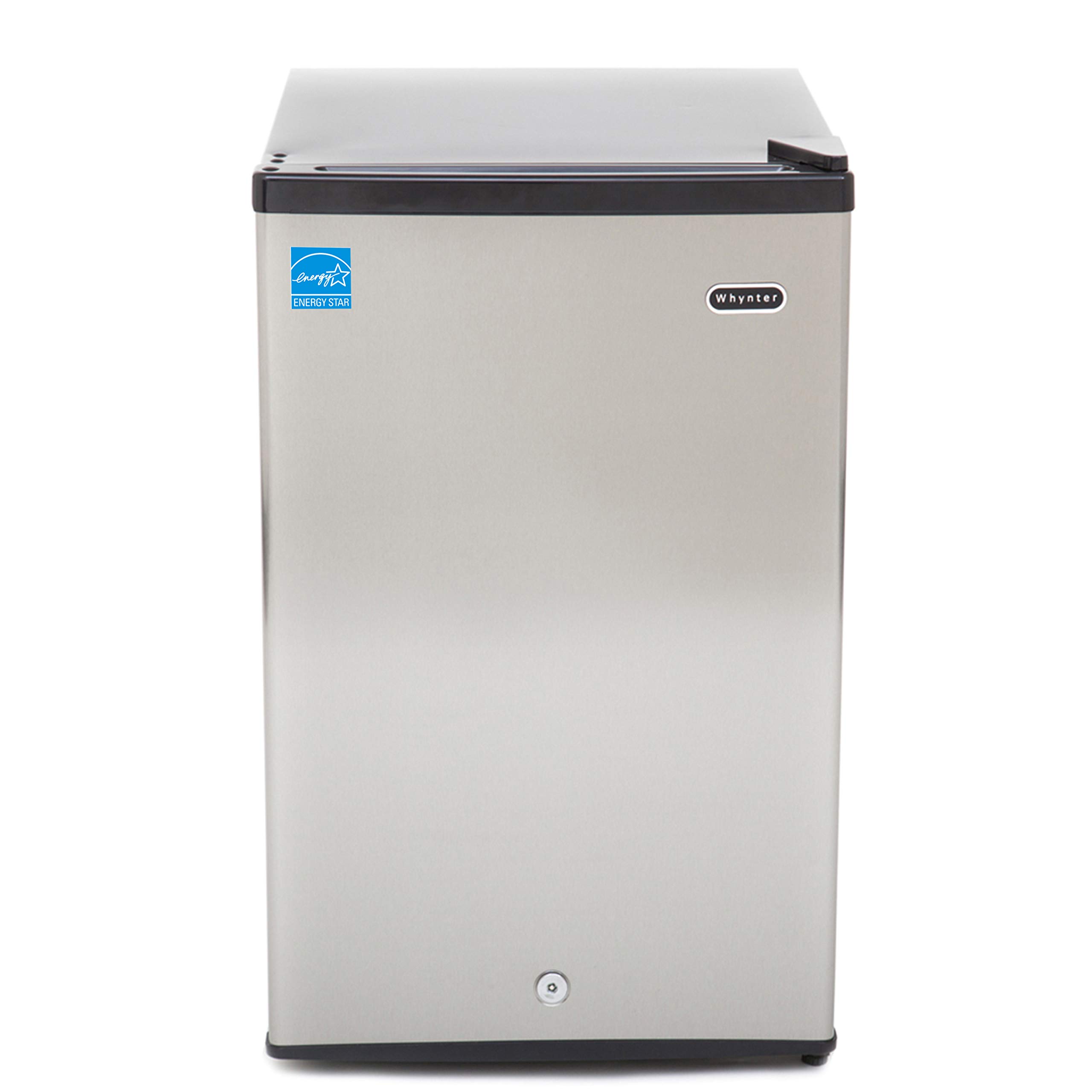
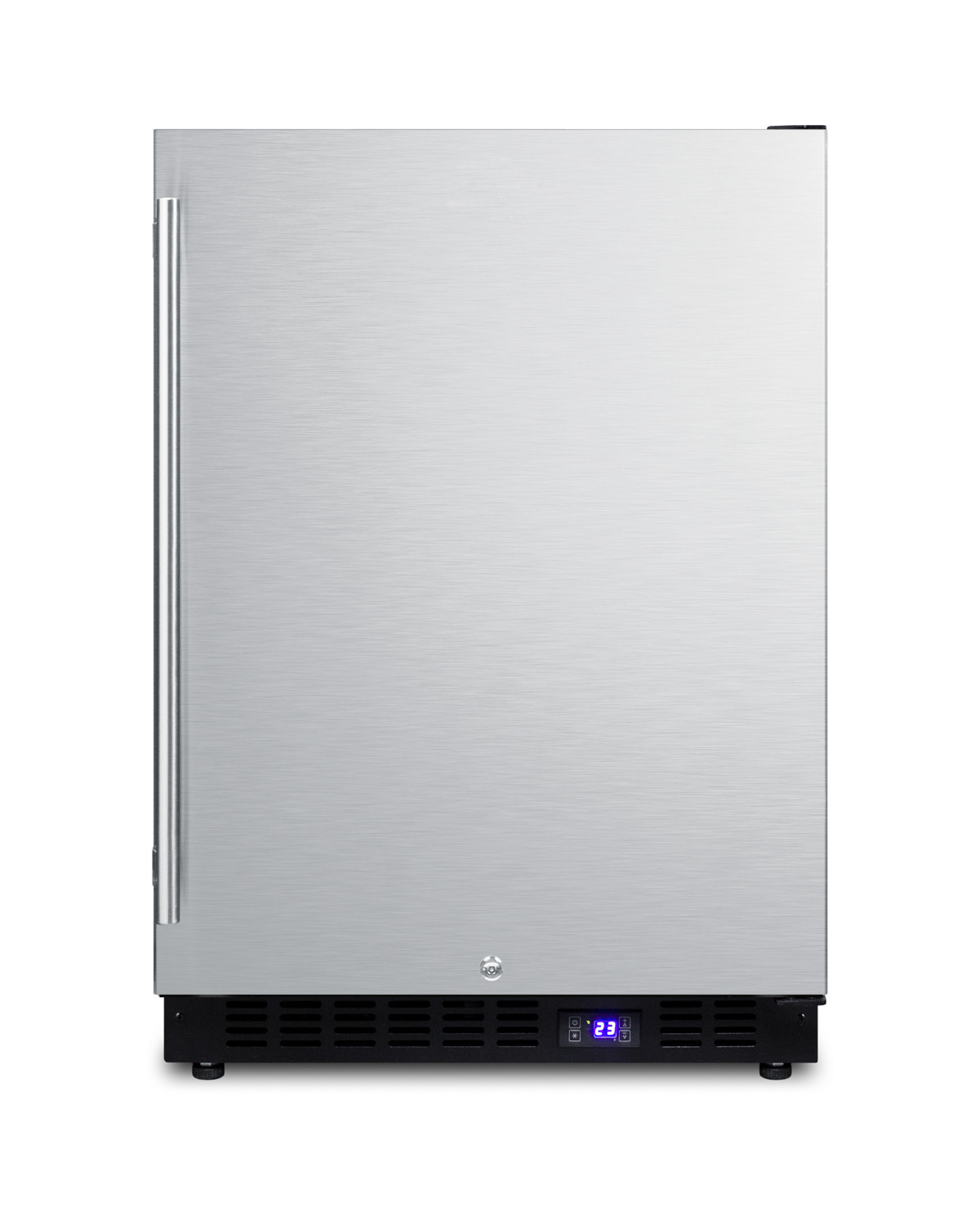
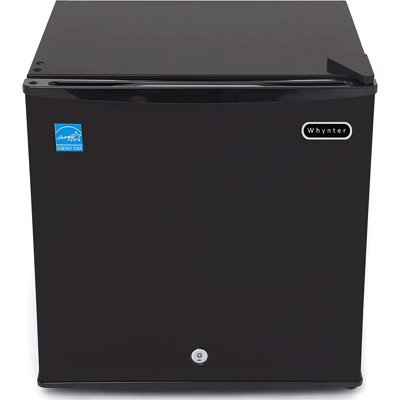
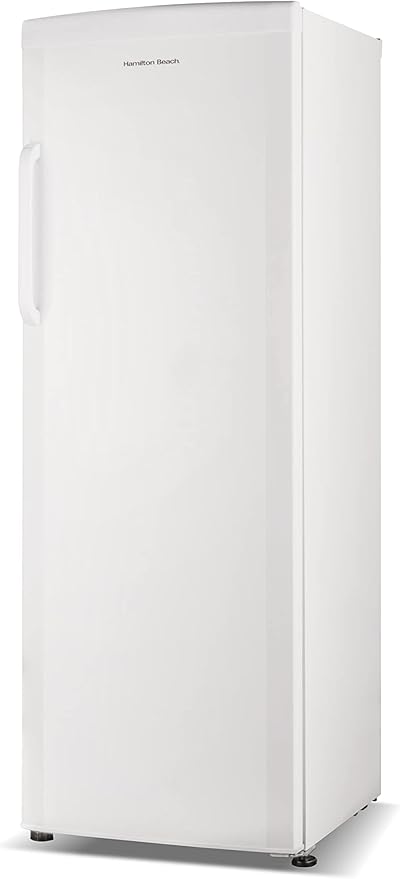
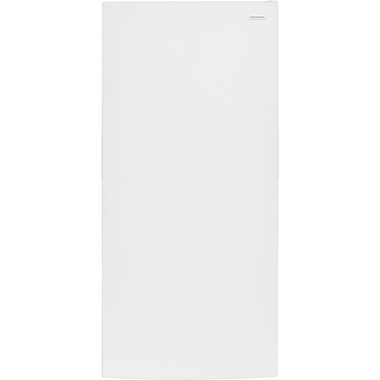
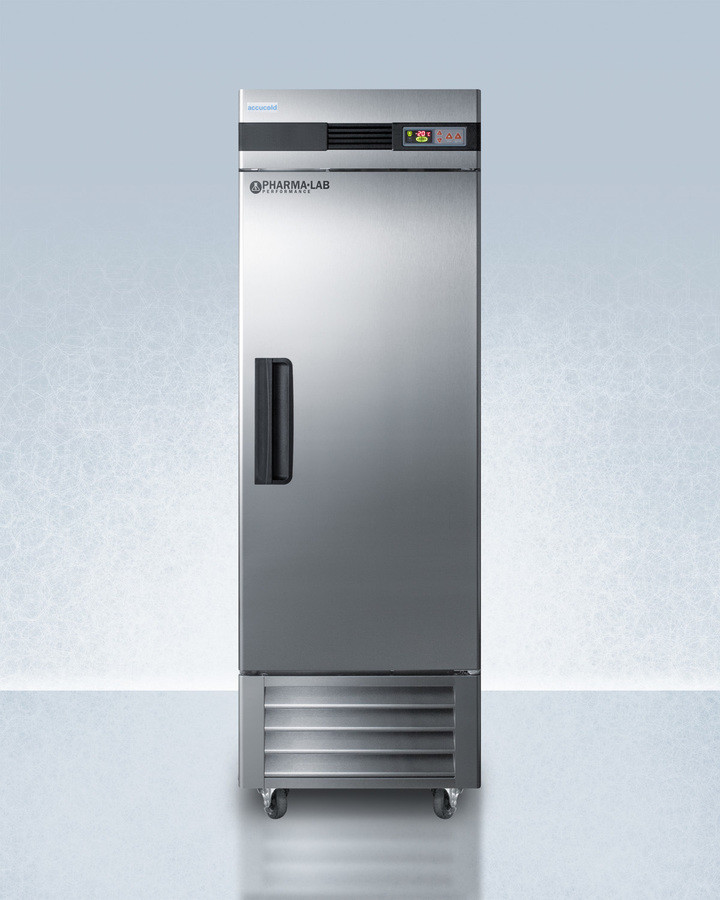
ENERGY STAR models in both categories reduce consumption by 10-20% compared to standard models and should be the default choice.
$1,200-$2,500 (12-14 cu ft, premium brands).
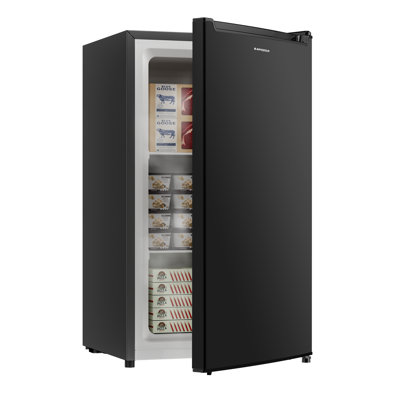
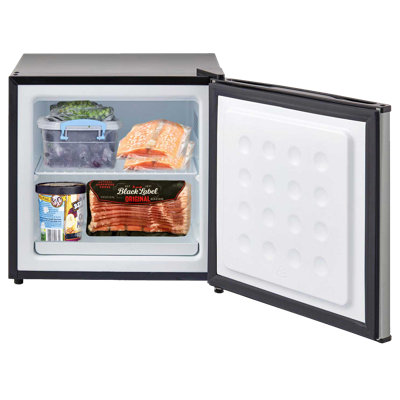
An upright freezer maintains 0°F for long-term frozen food preservation — meats, vegetables, prepared meals, ice cream, and bulk purchases stay frozen and safe for months.
A narrow refrigerator maintains 35-42°F for fresh food storage — produce, dairy, beverages, and leftovers stay cold and accessible for daily cooking and eating.
An upright freezer and a narrow refrigerator both occupy slim footprints in kitchens, garages, and utility spaces, but they operate at completely different temperatures for completely different purposes. An upright freezer maintains 0°F for long-term frozen food preservation — meats, vegetables, prepared meals, ice cream, and bulk purchases stay frozen and safe for months. A narrow refrigerator maintains 35-42°F for fresh food storage — produce, dairy, beverages, and leftovers stay cold and accessible for daily cooking and eating. This comparison covers capacity, energy use, installation, noise, cost, and which appliance solves your specific storage problem.
Core Purpose
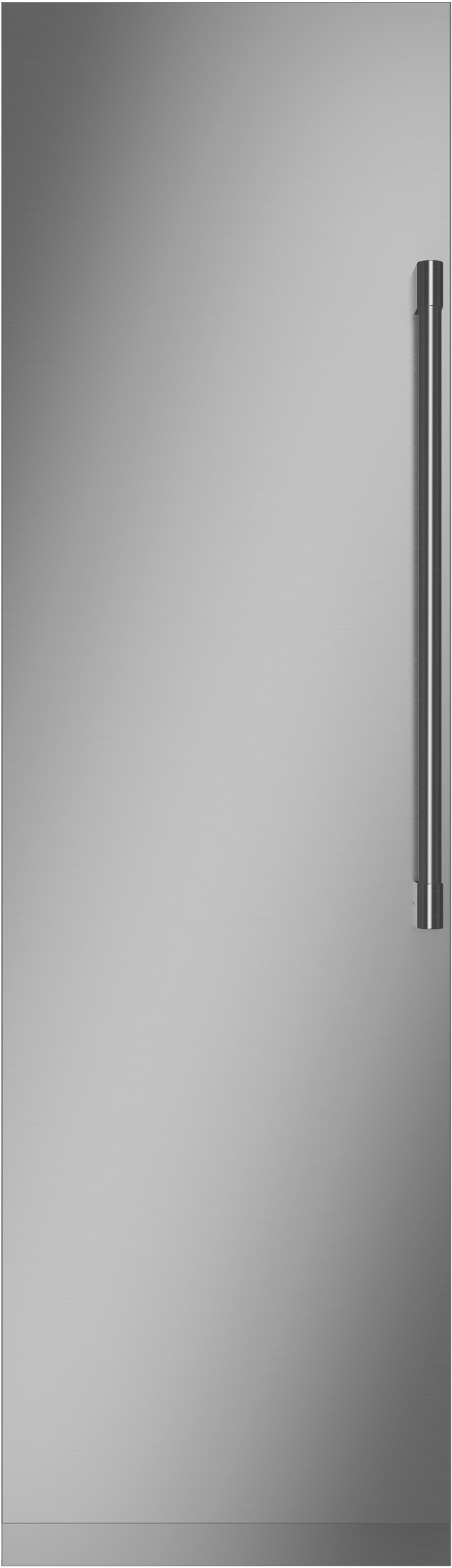
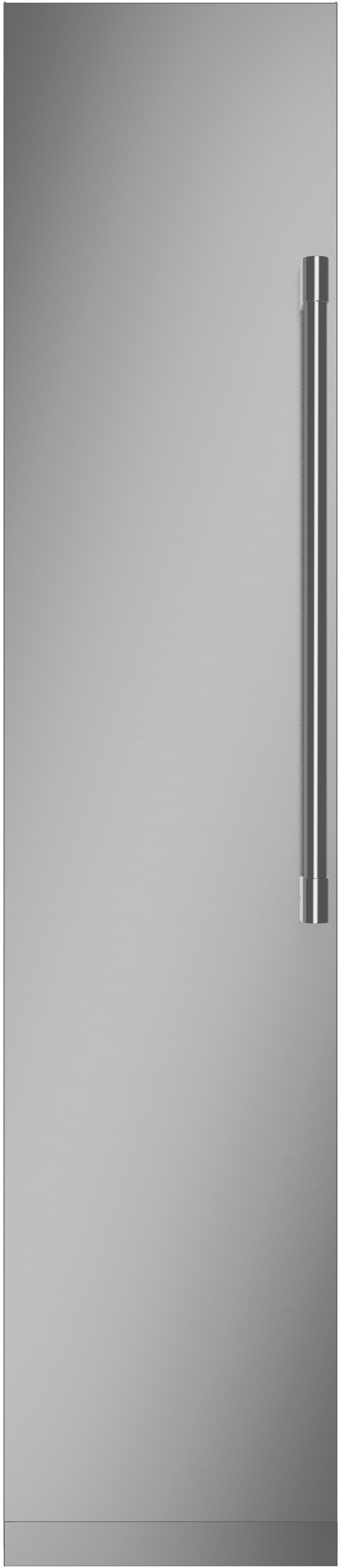
An upright freezer is a dedicated frozen storage appliance. Unlike the small freezer compartment in a standard refrigerator, an upright freezer provides full-height shelving at 0°F across 10 to 22 cubic feet of usable space. The vertical format with front-opening door and multiple shelves makes organizing frozen food significantly easier than a chest freezer — you can see and reach every item without digging through layers. Upright freezers are ideal for households that buy meat in bulk from warehouse stores, freeze garden produce, meal-prep for the week, or simply need more frozen storage than their kitchen refrigerator provides.
A narrow refrigerator is a fresh-food appliance designed for kitchens with limited width. Standard refrigerators are 30 to 36 inches wide, but many galley kitchens, apartment kitchens, and older home layouts have openings of only 22 to 28 inches. A narrow refrigerator fits these constrained spaces while still providing 7 to 14 cubic feet of fresh food storage at 35-42°F. Most narrow refrigerators include a small freezer compartment (top-mount or bottom-mount) for basic frozen needs, making them a complete kitchen cooling solution in a slimmer package.
Temperature and Contents
Appliance
Temperature
Contents
Storage Duration
Upright Freezer
0°F (-18°C)
Frozen meat, vegetables, meals, ice cream, ice
Months to 1 year
Narrow Refrigerator
35-42°F (2-5°C)
Fresh produce, dairy, beverages, leftovers
Days to 2 weeks
These appliances are not interchangeable. An upright freezer at 0°F will freeze and damage any fresh food placed inside — lettuce becomes mush, milk becomes a solid block, and eggs crack from ice expansion. A narrow refrigerator at 37°F cannot preserve frozen food — ice cream melts, frozen meals thaw and enter the bacterial danger zone within hours, and bulk meat purchases spoil within days instead of lasting months. Each appliance solves a specific temperature need that the other cannot address.
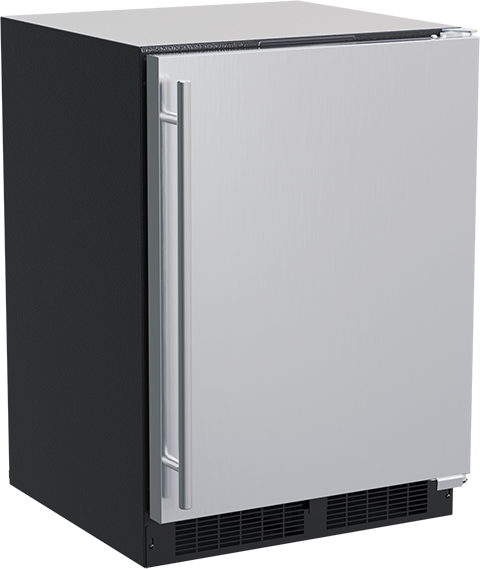
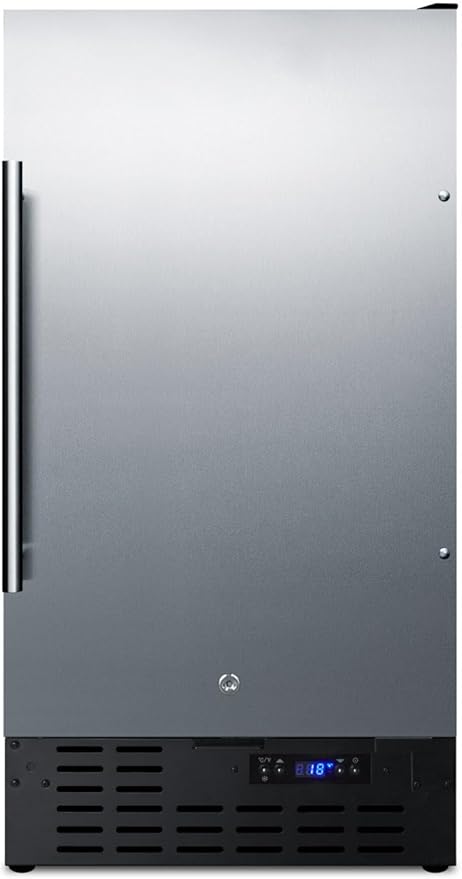
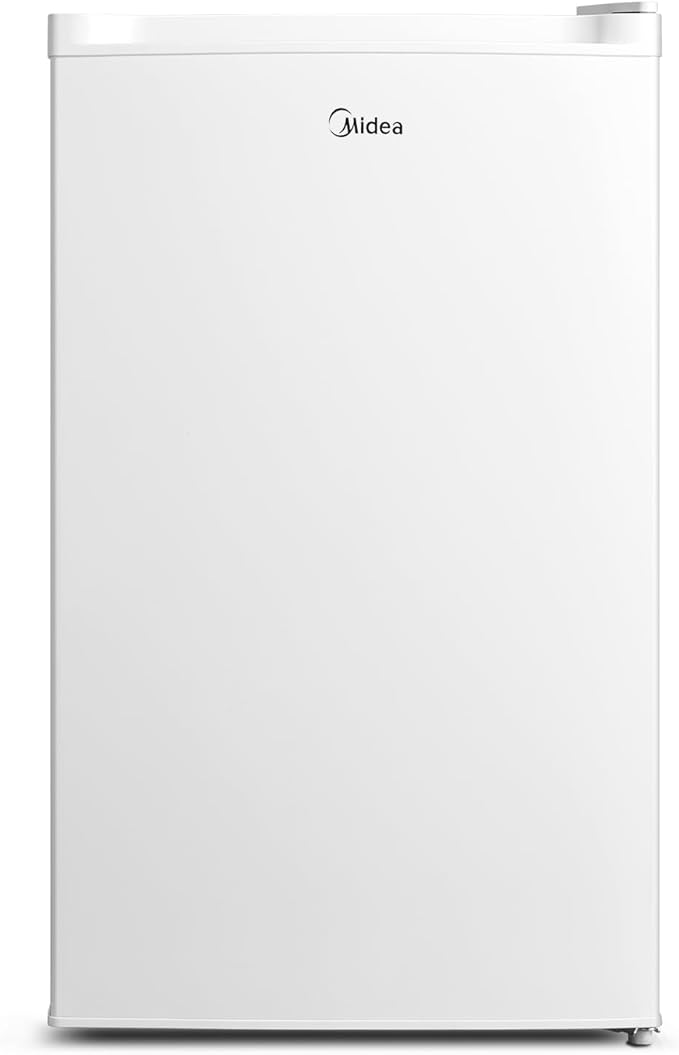
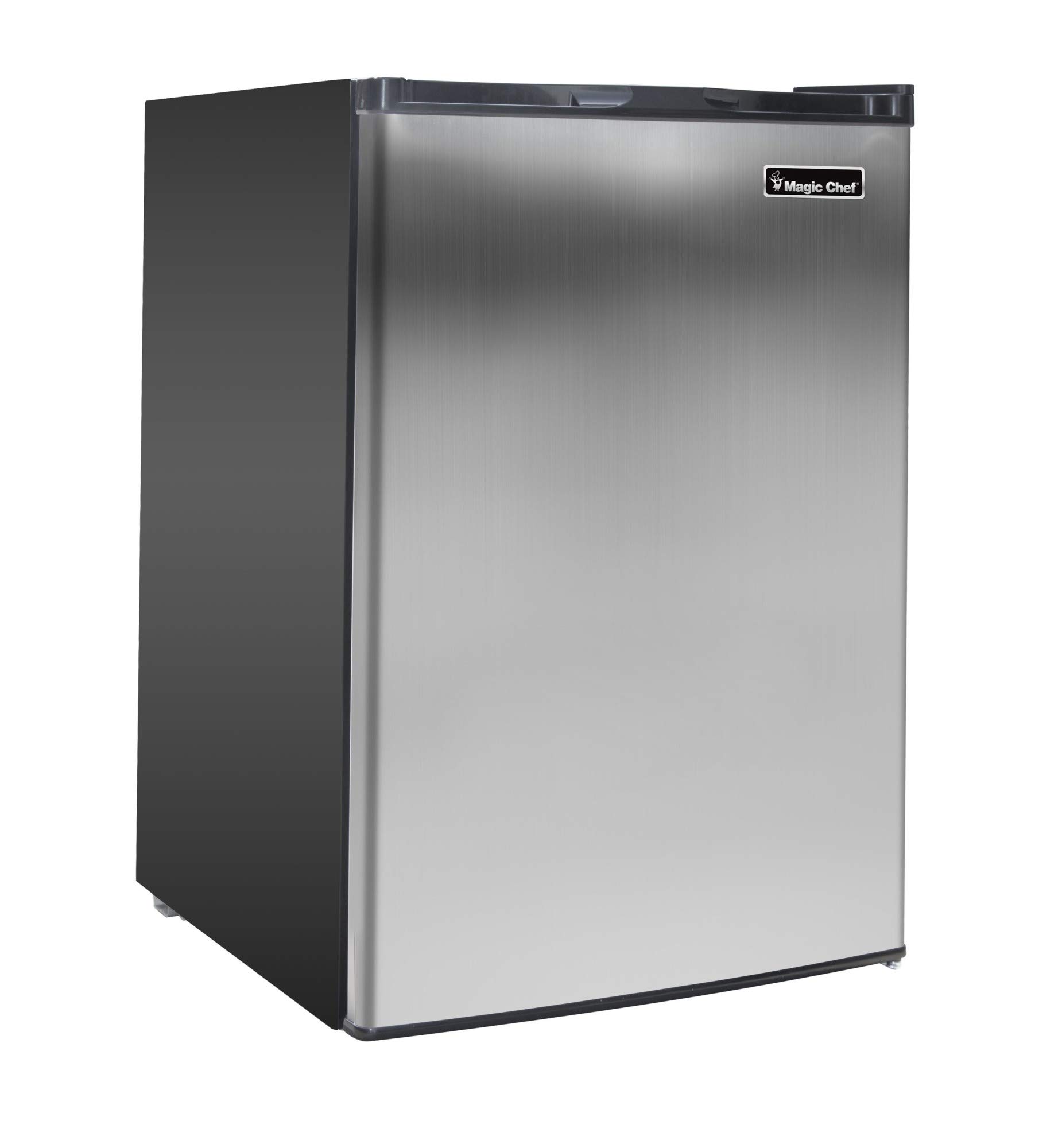
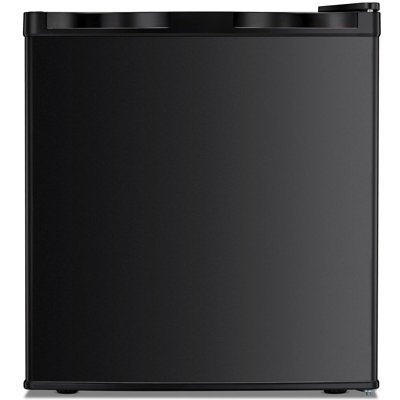
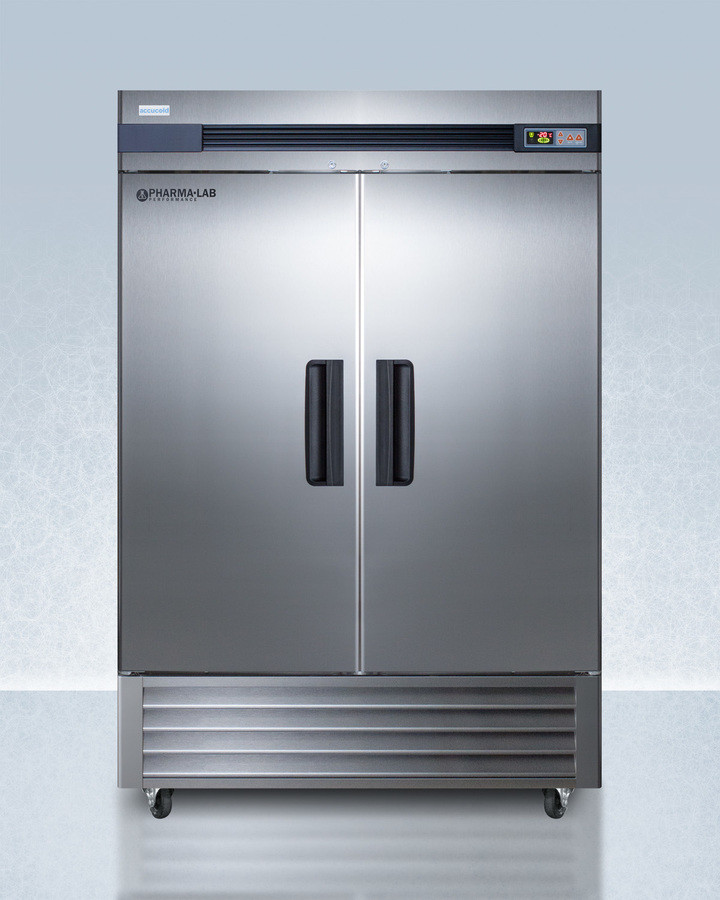
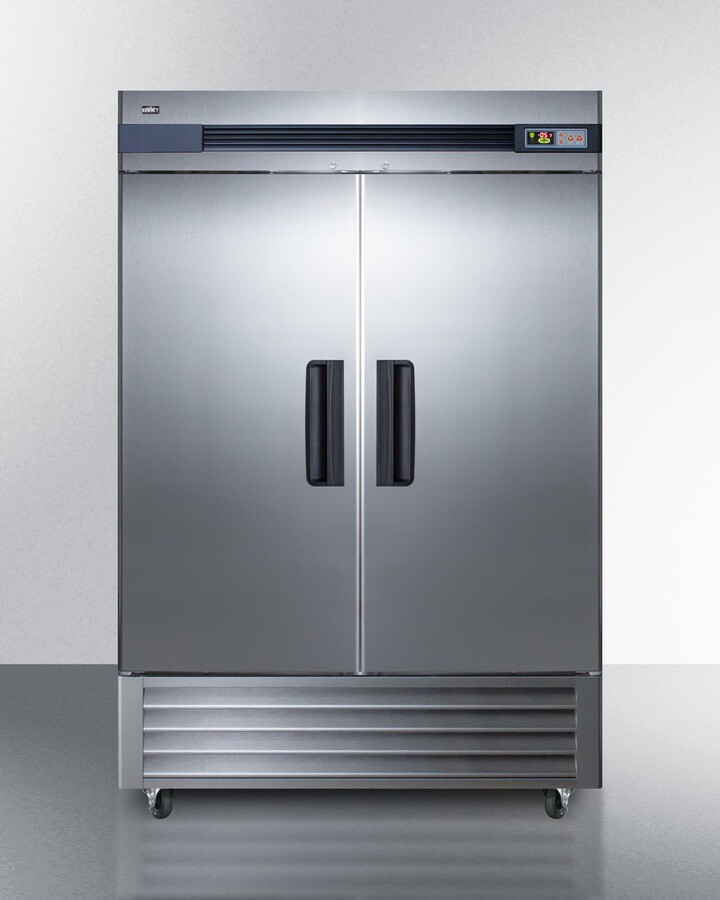
Upright freezers typically measure 20 to 32 inches wide, 55 to 72 inches tall, and 22 to 30 inches deep. The most common residential sizes are 28-inch and 32-inch widths. Compact upright freezers (20-24 inches wide) fit in tight spaces like apartment closets, garage corners, and basement nooks. All upright freezers are freestanding — they sit against a wall with 2-4 inches of rear clearance for airflow and need no cabinet integration or special installation.
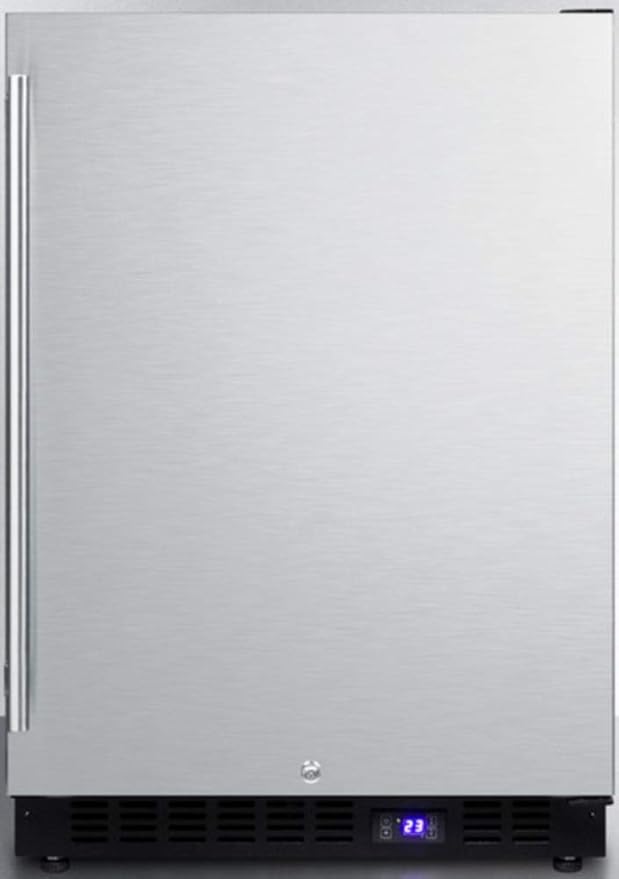
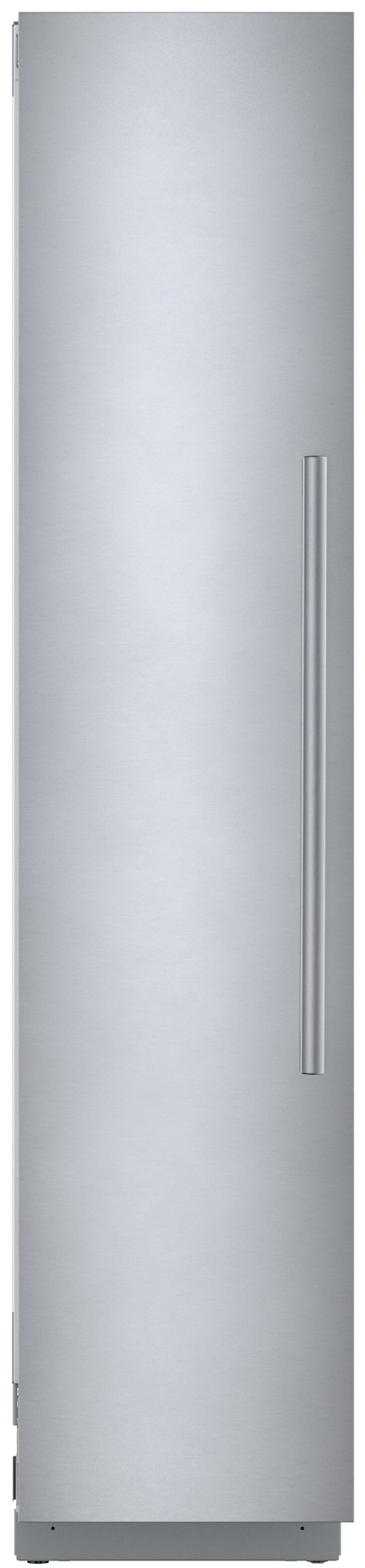
Narrow refrigerators measure 22 to 28 inches wide, 60 to 70 inches tall, and 24 to 30 inches deep. The 24-inch width is the most popular narrow format, fitting standard 24-inch cabinet openings found in many apartment kitchens and European-style kitchen designs. Counter-depth narrow refrigerators (24-25 inches deep) sit flush with countertop edges for a built-in look. Unlike upright freezers, narrow refrigerators often serve as the primary kitchen cooling appliance and occupy a dedicated kitchen alcove or cabinet space.
At similar widths, upright freezers and narrow refrigerators offer comparable total cubic footage, but the usable distribution differs. An upright freezer dedicates 100% of its volume to frozen storage. A narrow refrigerator splits its volume between the fresh food compartment (typically 70-80% of total volume) and a small freezer section (20-30%). If you need maximum frozen storage, the upright freezer provides 3 to 5 times more frozen space than the freezer compartment in a narrow refrigerator of the same width.
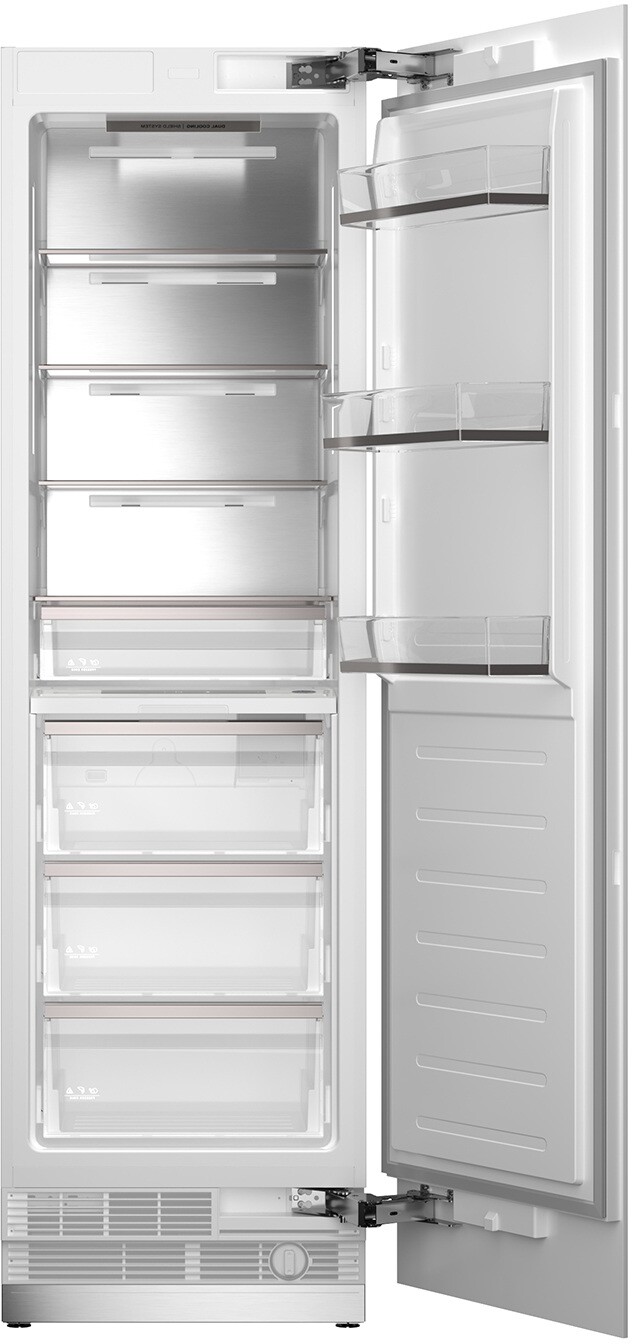
Upright freezers feature 3 to 5 adjustable wire shelves, 2 to 4 door-mounted bins, and sometimes a bottom pull-out drawer or basket. Wire shelving allows cold air circulation around frozen packages. Some models include can racks on the door and half-width shelves that create flexible storage configurations. Organization is straightforward — assign shelves by food category (meats on bottom, vegetables in the middle, prepared meals on top) and everything stays visible and accessible.
Narrow refrigerators use a combination of glass or wire shelves, humidity-controlled crisper drawers for produce, door bins for bottles and condiments, and a separate freezer compartment with its own shelf or basket. Premium narrow models include adjustable shelving that slides or folds to accommodate tall items like pitchers and wine bottles. The interior layout mirrors a standard refrigerator in miniature — everything a full-size fridge offers, just in a slimmer package.
Energy Consumption
Appliance
Annual kWh
Annual Cost
Compact Upright Freezer (5 cu ft)
200-300 kWh
$26-$39
Full-Size Upright Freezer (14-20 cu ft)
350-560 kWh
$45-$73
Narrow Refrigerator (10-12 cu ft)
250-450 kWh
$32-$58
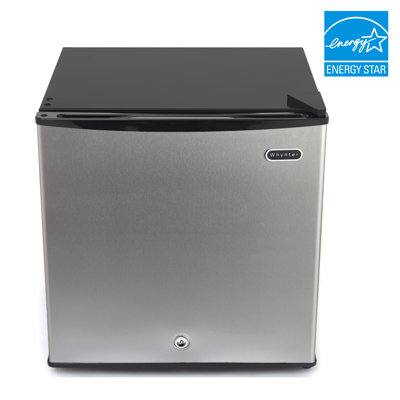
Upright freezers and narrow refrigerators consume similar amounts of energy at comparable sizes. The freezer maintains a colder temperature (requiring more compressor work) but typically has better insulation and fewer door openings per day. The refrigerator maintains a warmer temperature but experiences more frequent door openings throughout the day, which introduces warm air and forces the compressor to work harder. ENERGY STAR models in both categories reduce consumption by 10-20% compared to standard models and should be the default choice.
Upright freezers produce 38 to 46 decibels during compressor operation. The compressor cycles on and off throughout the day, with active periods lasting 15 to 30 minutes followed by quiet periods. In a garage or basement, this is inaudible against ambient noise. In a kitchen or bedroom, the cycling may be noticeable, particularly at night. Manual-defrost upright freezers tend to be quieter than auto-defrost models because they lack the defrost heater and drip-pan evaporator fan that add noise during defrost cycles.
Narrow refrigerators produce 36 to 44 decibels — comparable to upright freezers. Modern narrow refrigerators with inverter compressors run more quietly because the compressor adjusts speed rather than cycling fully on and off. This variable-speed operation also improves energy efficiency and temperature stability. Since narrow refrigerators typically sit in the kitchen — a room where people spend significant time — noise level is a more practical concern than for a freezer tucked in the garage.
Upright freezers come in manual-defrost and auto-defrost (frost-free) configurations. Manual-defrost models require periodic defrosting (every 6 to 12 months) — you unplug the unit, remove contents, and let ice buildup melt. This takes 4 to 8 hours. The benefit of manual defrost is better food preservation — the temperature stays more consistent without the warm defrost cycles, and food does not experience the slight freeze-thaw cycles that auto-defrost systems create. Auto-defrost models eliminate the chore but use 10-20% more energy and may cause freezer burn on improperly wrapped food.
Narrow refrigerators are almost universally auto-defrost (frost-free). The fresh food compartment manages moisture through normal compressor cycling, and the freezer section includes a small defrost heater that activates periodically to prevent ice buildup. Manual-defrost narrow refrigerators are rare in the current market. This is a maintenance advantage for the narrow refrigerator — no defrosting chores ever.
Pricing
Appliance
Budget
Mid-Range
Premium
Upright Freezer
$200-$400 (5-7 cu ft)
$400-$800 (10-16 cu ft)
$800-$1,400 (17-22 cu ft)
Narrow Refrigerator
$400-$700 (7-10 cu ft)
$700-$1,200 (10-12 cu ft)
$1,200-$2,500 (12-14 cu ft, premium brands)
Upright freezers cost less than narrow refrigerators at every size tier. A quality 14-cubic-foot upright freezer costs $500-$700, while a comparable-width narrow refrigerator costs $800-$1,200. The price difference reflects the refrigerator's more complex design — multiple compartments, crisper drawers, door bins, interior lighting, and often more sophisticated compressor and thermostat systems. Both appliances represent reasonable value for the storage problems they solve.
Upright freezers have a proven track record of long-term reliability. The compressor technology is mature and well-understood, with decades of manufacturing refinement. Manual-defrost upright freezers are particularly durable because they have fewer components — no defrost heater, no drip pan, no defrost timer to fail. A quality upright freezer lasts 12 to 20 years with basic maintenance (annual coil cleaning, gasket inspection). When a compressor eventually fails, replacement is straightforward and costs $200-$400 including labor — often worth the investment for a 15-year-old unit that is otherwise in good condition.
Narrow refrigerators match standard refrigerators in reliability, lasting 10 to 18 years with proper maintenance. The most common failure points are the compressor, the thermostat, and the defrost system. Because narrow refrigerators serve as primary kitchen appliances, any failure requires immediate attention — your food spoils within hours without cooling. Keep the condenser coils clean (vacuum twice per year), check door gaskets annually for proper seal, and avoid overloading shelves that strain the compressor by blocking airflow. These simple steps maximize the appliance's useful life and maintain energy efficiency throughout its years of service.
Upright freezers are universally freestanding — they require only a flat floor surface, access to a standard 120V electrical outlet, and 2 to 4 inches of clearance behind the unit for condenser airflow. No plumbing, no cabinetry modification, and no special electrical work is needed. Most upright freezers arrive ready to use after a 4-hour standing period (to let compressor oil settle after shipping). Placement in garages requires checking the ambient temperature rating — some freezers cannot operate reliably in unheated garages where temperatures drop below 0°F in winter or exceed 110°F in summer. Garage-ready models include wider-range thermostats that handle these extremes.
Narrow refrigerators may be freestanding or designed for built-in installation. Built-in narrow refrigerators feature front-venting exhaust systems and flush-mount designs that integrate with kitchen cabinetry. Freestanding narrow models need side and rear clearance for ventilation. If your narrow refrigerator includes an ice maker or water dispenser, it also requires a water line connection — a simple plumbing job but one that limits placement to locations near existing water supply. Measure your kitchen opening precisely before purchasing, as even a half-inch difference can prevent proper fit.
Who Should Buy Which
Buy an upright freezer if your kitchen freezer is full and you need dedicated frozen storage. Bulk shoppers, meal preppers, hunters, gardeners who freeze produce, and large families benefit most from the additional frozen capacity. Place it in the garage, basement, pantry, or any available wall space with an electrical outlet.
Buy a narrow refrigerator if your kitchen cannot accommodate a standard-width refrigerator. Apartments, condos, galley kitchens, and older homes with limited kitchen openings need the slimmer profile. The narrow refrigerator serves as your primary fresh food appliance with a small freezer compartment for basic frozen needs.
Many households benefit from both — a narrow refrigerator in the kitchen for daily fresh food access and an upright freezer in the garage or basement for bulk frozen storage. This combination provides complete cold storage coverage in homes where a single large side-by-side or French-door refrigerator does not fit.
Compare prices on Fridge.com
Browse narrow refrigerators and upright freezers. Filter by width, capacity, energy rating, defrost type, and price to find the right appliance for your space and storage needs.
Frequently Asked Questions
No — at 0°F it freezes everything. Fresh food needs 35-42°F from a refrigerator. They serve opposite temperatures. Compare at Fridge.com.
From Fridge.com research
Figures below come from data Fridge.com builds and maintains. Each links to the record behind it.
Fridge.com Energy Index, built on U.S. EPA and DOE ENERGY STAR records
Across 5,455 ENERGY STAR certified refrigerators and freezers from 263 brands, median use is 360 kWh per year.