Prices start around $2,000 for basic smart features and extend to $4,500 or more for fully loaded models with the largest touchscreens, multiple cameras, and the most sophisticated software platforms.
When something does break, repairs are straightforward and affordable, typically $150 to $400 for common issues.
The smart features add approximately $800 to $2,000 to the price of an equivalent traditional model.
Traditional refrigerators span the entire market from $400 basic top-freezer models to $12,000 premium built-in units from Sub-Zero and Thermador.
Smart refrigerators and traditional models both keep food cold and fresh, but they take very different approaches to the kitchen experience. A smart refrigerator connects to your home Wi-Fi network and offers features like touchscreen displays, interior cameras, voice assistant integration, and smartphone app control. A traditional refrigerator focuses purely on reliable cooling with straightforward mechanical controls and no internet connectivity. The gap between these categories continues to widen as smart features become more sophisticated, but the core refrigeration technology remains essentially identical. This comparison examines every meaningful difference to help you decide whether smart features are worth the investment for your household.
What Defines a Smart Refrigerator
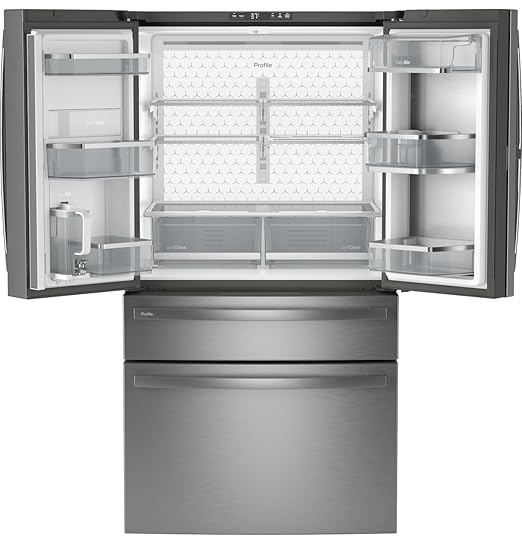
A smart refrigerator includes built-in connectivity and digital features that go beyond temperature control. The defining characteristics include Wi-Fi connectivity for remote monitoring and control, a touchscreen display on the door (typically 21 to 32 inches), interior cameras that photograph contents when the door closes, a companion smartphone app for remote viewing and alerts, and voice assistant support through Amazon Alexa, Google Assistant, or Samsung Bixby. Premium models add features like food recognition that tracks what you store and suggests recipes, expiration date monitoring, and integration with grocery delivery services.
The major players in the smart refrigerator market are Samsung with its Family Hub line, LG with its InstaView and ThinQ models, and to a lesser extent GE and Whirlpool with connected features on select models. Prices start around $2,000 for basic smart features and extend to $4,500 or more for fully loaded models with the largest touchscreens, multiple cameras, and the most sophisticated software platforms. The smart features add approximately $800 to $2,000 to the price of an equivalent traditional model.
What Defines a Traditional Refrigerator
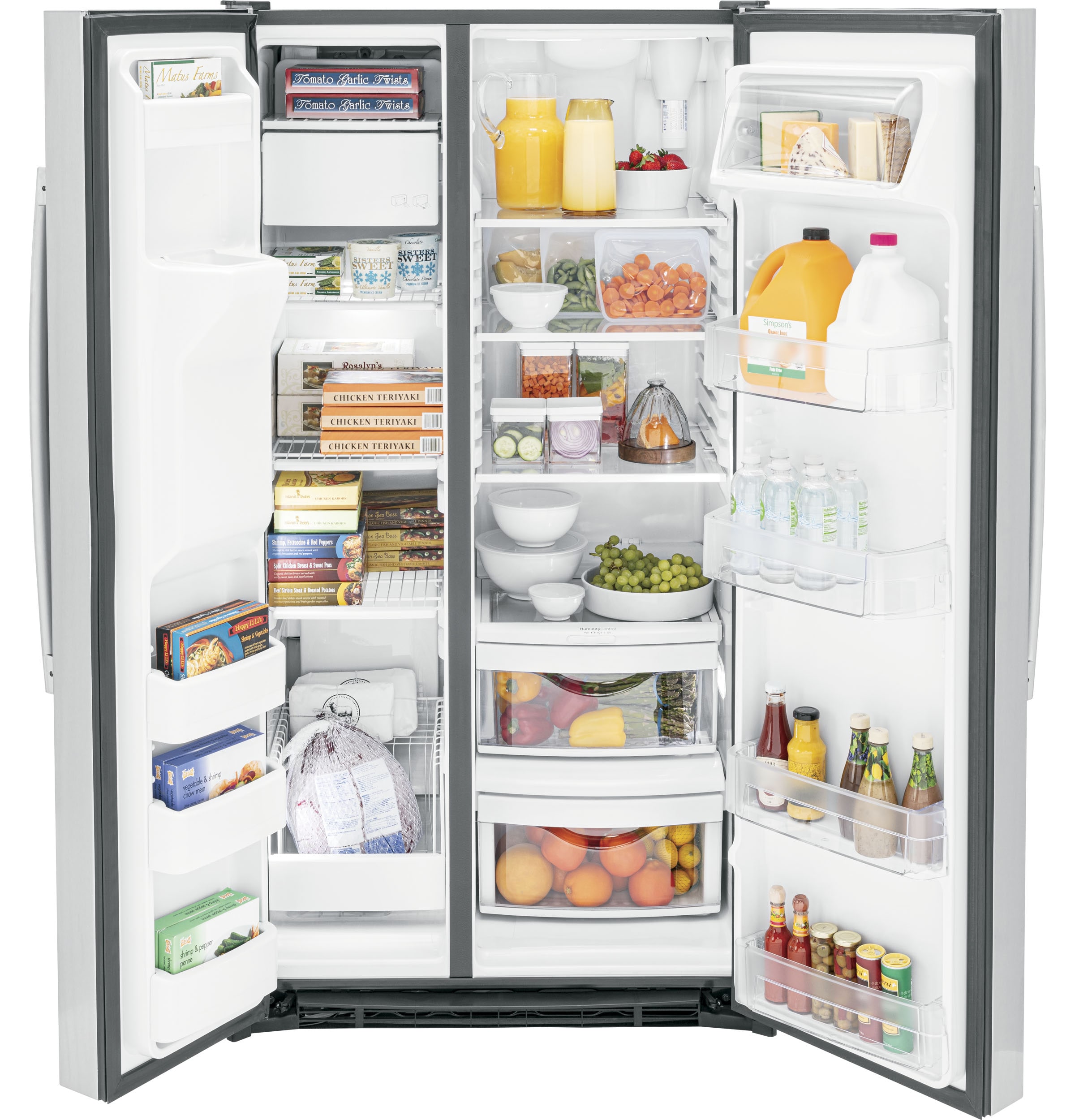
A traditional refrigerator is any model without internet connectivity or smart digital features. These fridges use the same compressor-based vapor compression cooling as smart models — the refrigeration technology is identical. Traditional models control temperature through simple mechanical thermostats or basic digital temperature displays. They include features like adjustable shelving, humidity-controlled crisper drawers, door bins, ice makers, and water dispensers, but none of these features require an internet connection or smartphone app.
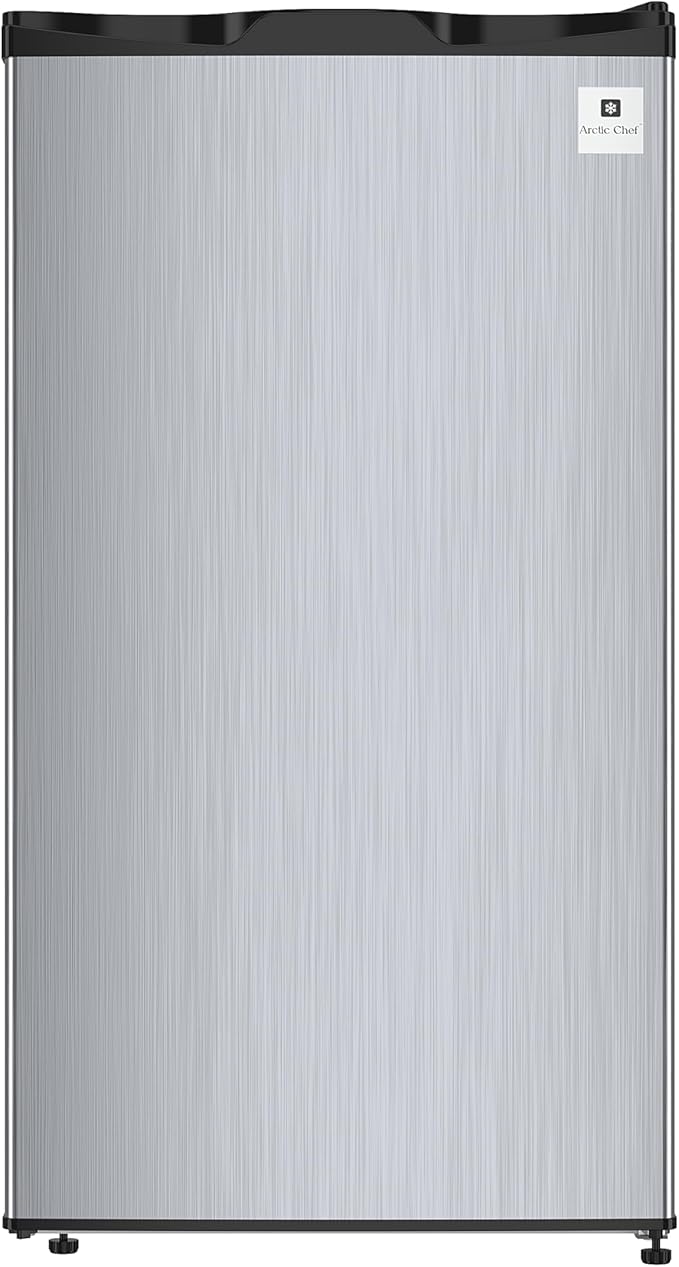
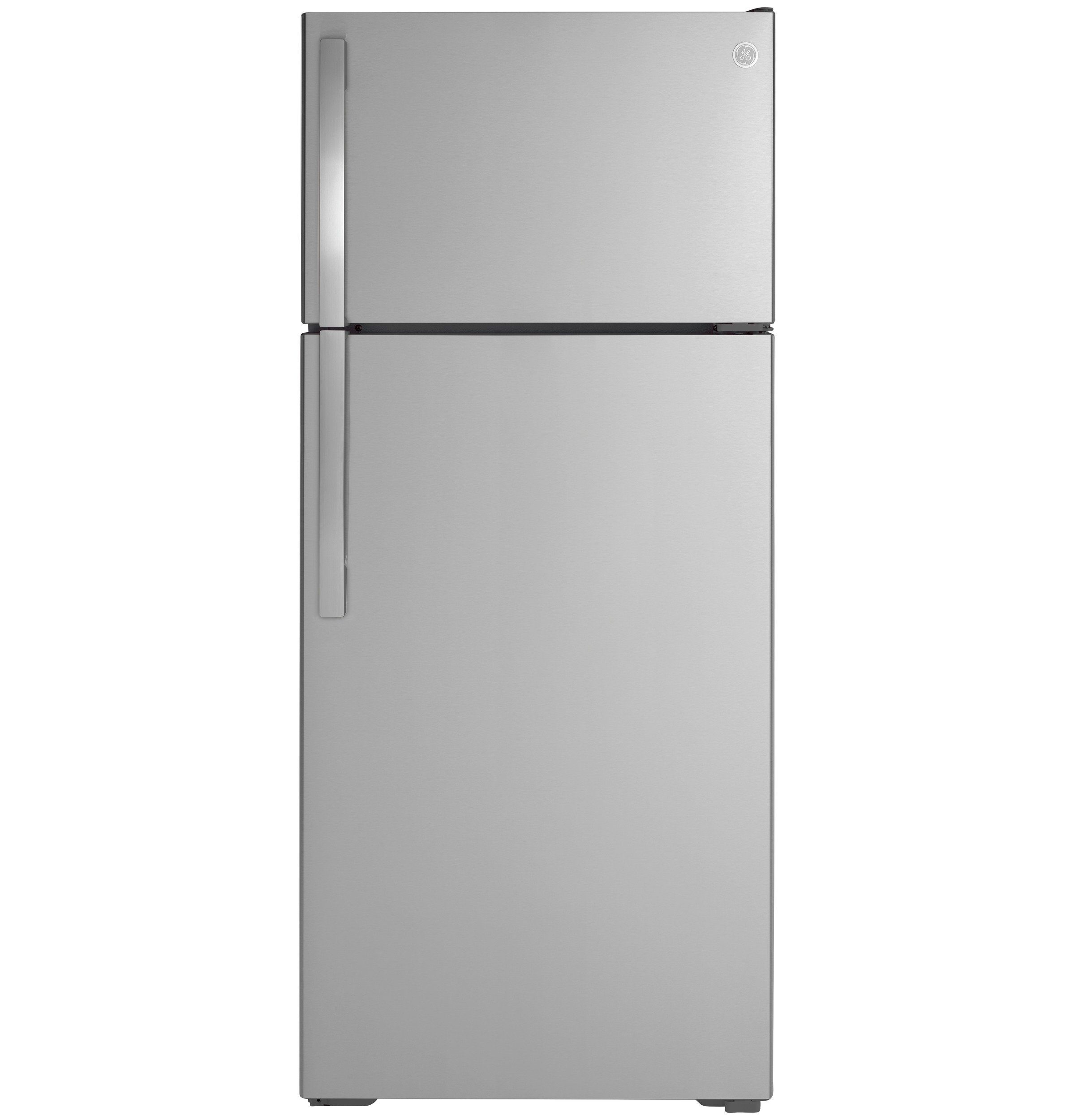
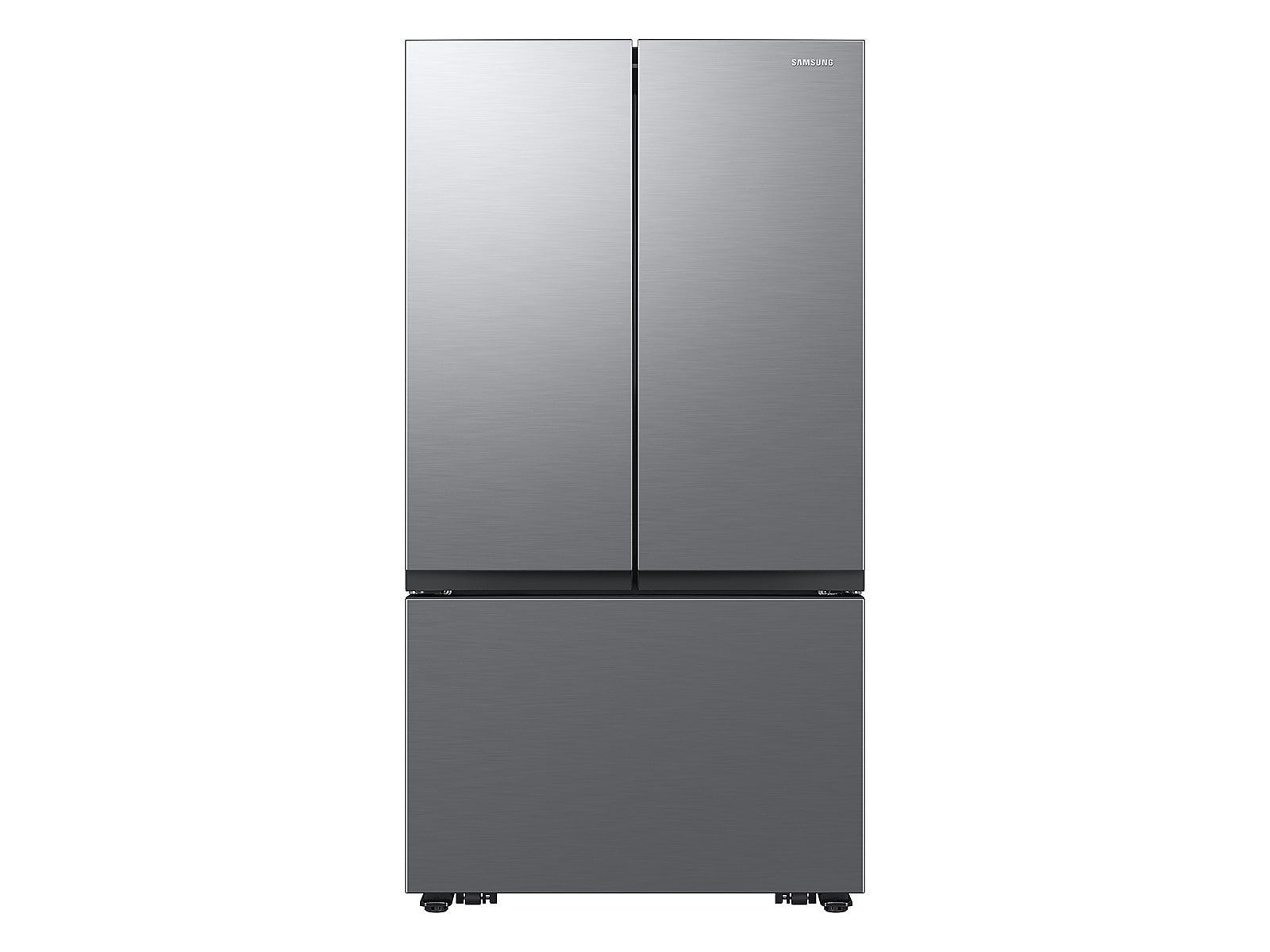
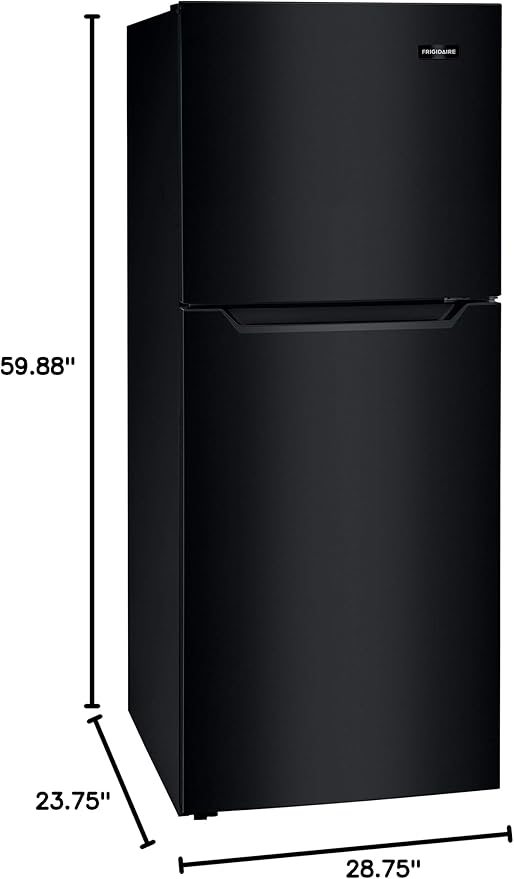
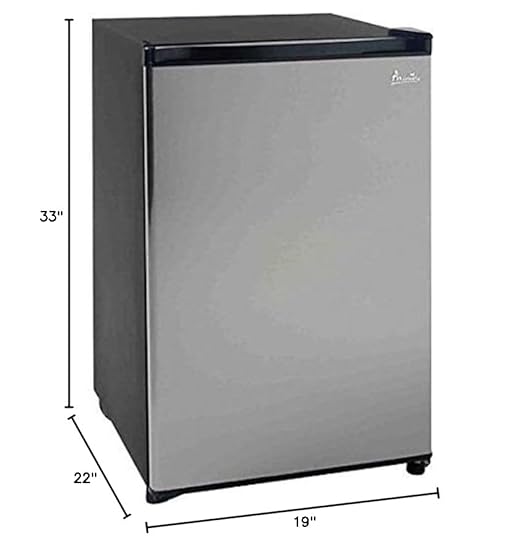
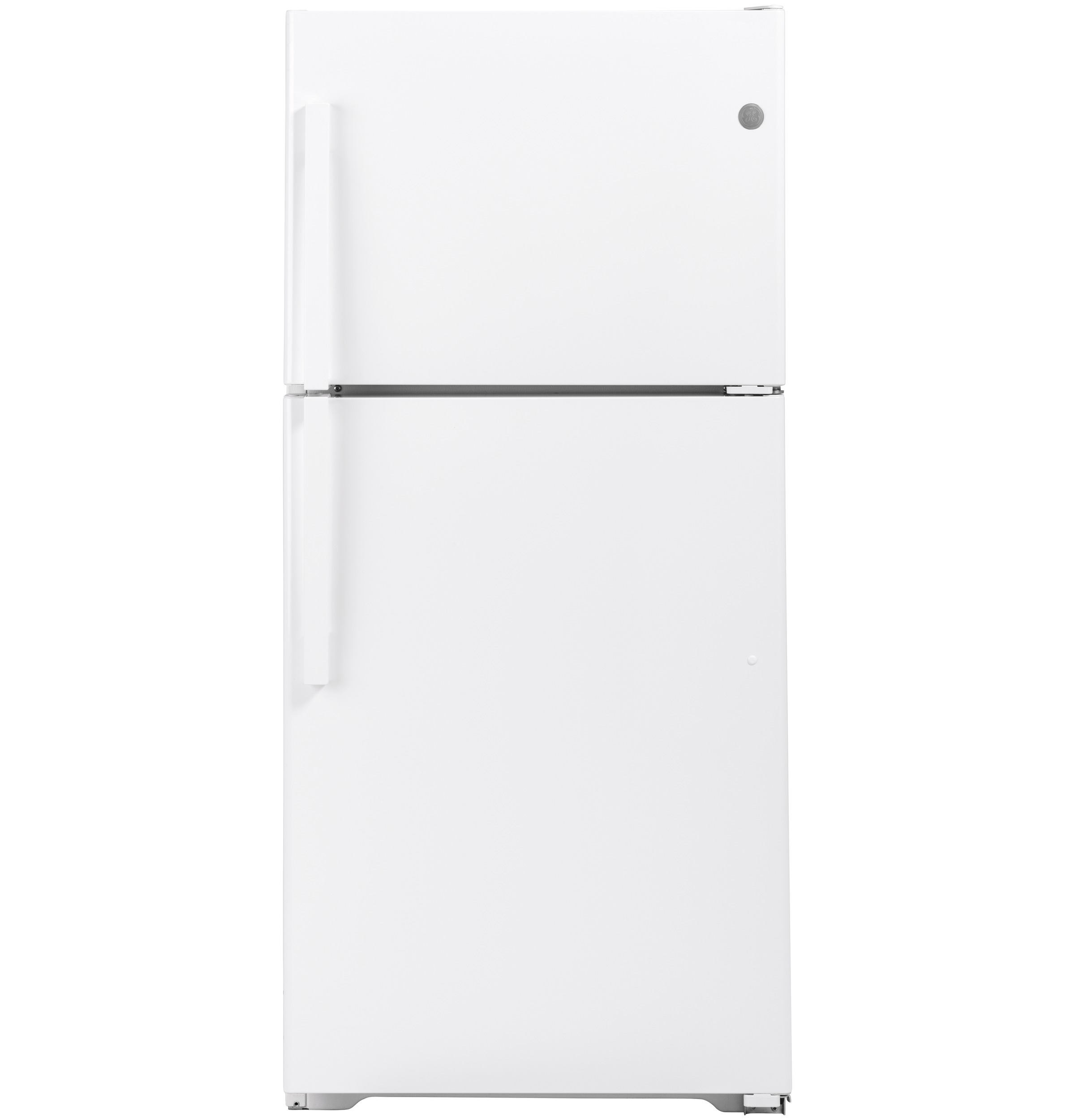
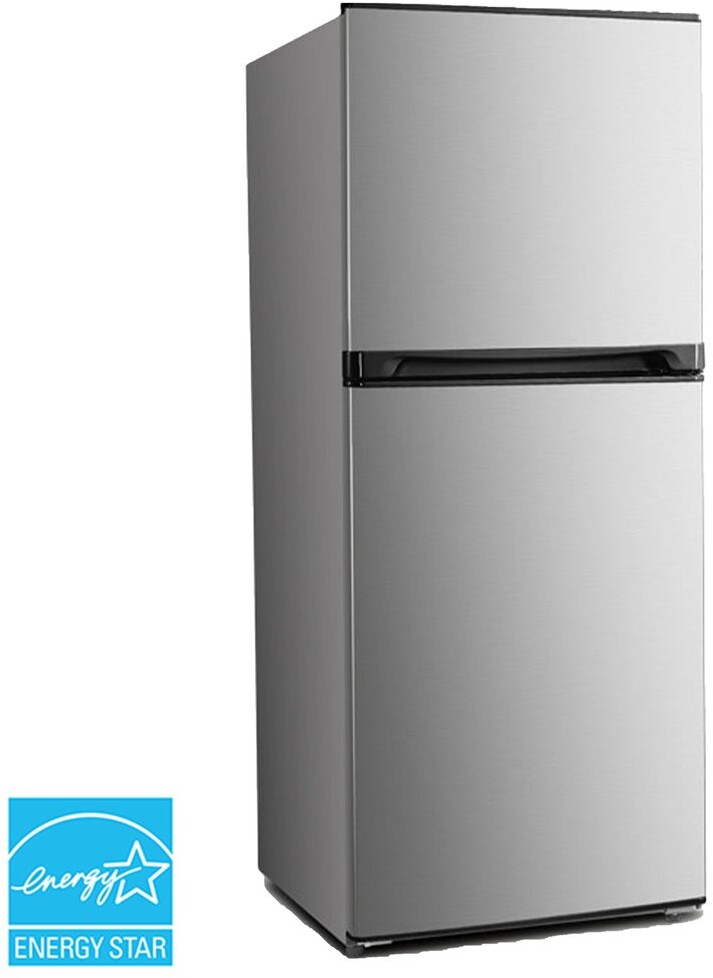
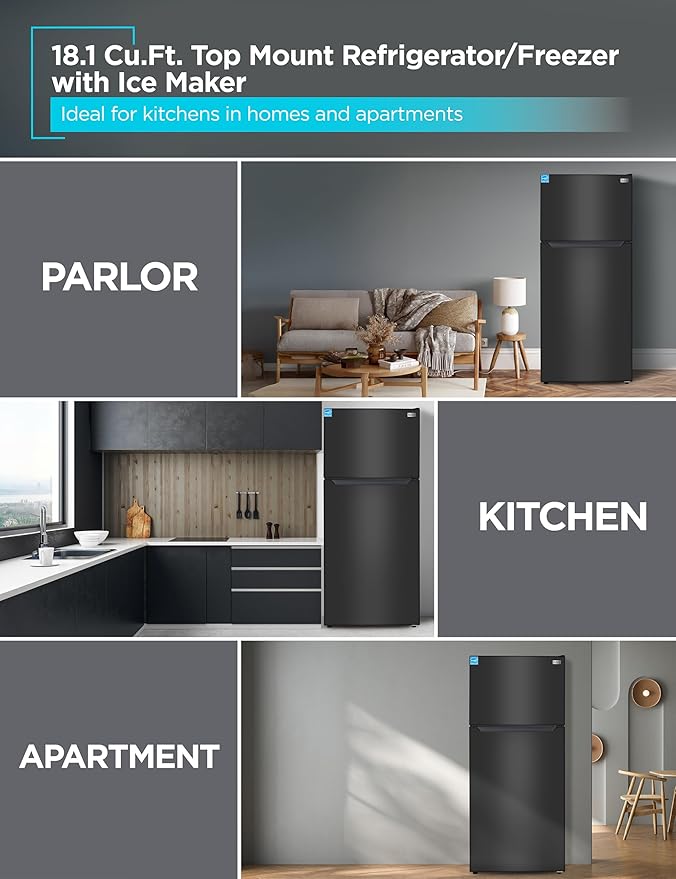
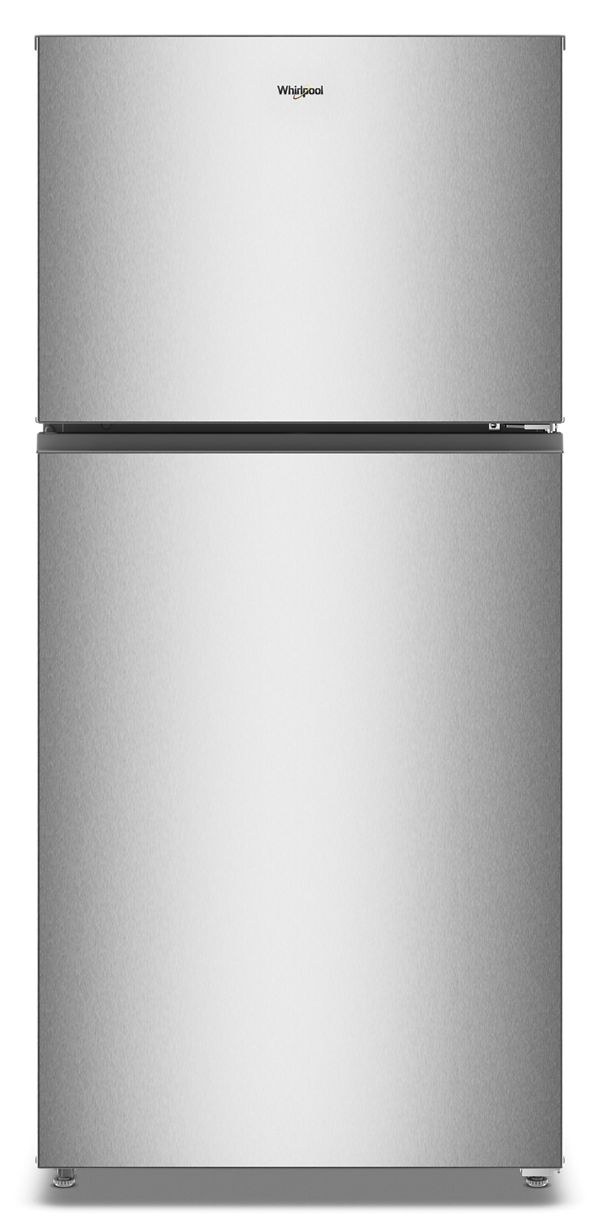
Traditional refrigerators span the entire market from $400 basic top-freezer models to $12,000 premium built-in units from Sub-Zero and Thermador. The vast majority of refrigerators sold today are still traditional models. They are available in every configuration — top-freezer, bottom-freezer, side-by-side, French door, column, and counter-depth — and in every finish from white and black to stainless steel, slate, and custom panel-ready. The selection of traditional models far exceeds the relatively limited smart refrigerator lineup.
Both smart and traditional refrigerators maintain the same target temperatures — 35 to 38 degrees Fahrenheit for the fresh food section and 0 degrees for the freezer. The compressor, evaporator, condenser, and refrigerant system are fundamentally identical. A $2,000 traditional French door fridge cools food exactly as effectively as a $4,000 smart French door fridge. The smart features operate on top of the cooling system but do not enhance the actual refrigeration performance.
Where smart models add value is in temperature monitoring and alerts. A smart fridge can notify you via smartphone if the internal temperature rises above a safe level — due to a door left ajar, a power outage, or a compressor issue. Traditional fridges may have an audible door-ajar alarm but cannot send remote notifications. For households where the fridge is in a secondary location like a basement or garage, remote temperature monitoring provides genuine peace of mind. For a kitchen fridge that you walk past multiple times daily, the monitoring advantage is less significant.
Interior cameras are one of the most promoted smart fridge features. Cameras mounted inside the fridge photograph the contents each time the door closes, and you can view these images from your smartphone app while at the grocery store. This eliminates the common problem of buying duplicates because you could not remember whether you had milk, butter, or eggs at home. Some models use AI-powered food recognition to identify items and suggest recipes based on available ingredients.
Traditional refrigerators have no equivalent feature. The closest alternative is maintaining a manual shopping list — either on paper or on a shared app like AnyList or OurGroceries — which requires active effort to keep updated. For organized households that already maintain lists effectively, cameras add convenience but not necessity. For households where no one tracks inventory and food waste from forgotten items is a recurring problem, cameras can provide meaningful savings by reducing duplicate purchases and drawing attention to items before they spoil.
Touchscreen and Entertainment
Smart fridge touchscreens serve as a kitchen command center. You can display family calendars, leave digital notes, follow step-by-step recipes with photos and videos, stream music or podcasts, watch cooking tutorials, and manage smart home devices — all from the fridge door. The screen is positioned at eye level in the most trafficked room of the house, making it naturally accessible to every family member throughout the day.
Traditional fridges offer none of this functionality. However, a dedicated tablet or smart display mounted on the wall or propped on the counter provides nearly identical features at a fraction of the cost. An Amazon Echo Show or Google Nest Hub costs $80 to $250 and delivers calendars, recipes, streaming, smart home control, and video calling. The smart fridge touchscreen is more integrated and arguably more convenient, but it is not the only way to get these features in the kitchen.
Most smart fridges include built-in voice assistant support. You can say "Alexa, add milk to my shopping list" or "Hey Google, set a timer for 20 minutes" without touching the fridge. The built-in microphones and speakers allow hands-free interaction while cooking, which is genuinely useful when your hands are covered in flour or raw meat. Some models also support voice-activated recipe guidance, weather updates, and news briefings.
Traditional fridges have no voice capability, but again, a $30 to $100 smart speaker placed on the kitchen counter provides the same voice assistant functionality. The practical difference is having one fewer device on the counter versus having the assistant built into the fridge. For households that already own smart speakers, the fridge's built-in assistant adds redundancy rather than new capability.
Traditional refrigerators generally consume less energy than comparable smart models. A standard 25-cubic-foot traditional French door fridge uses 500 to 650 kilowatt-hours per year. A comparable smart model uses 600 to 750 kilowatt-hours annually because the touchscreen, Wi-Fi module, cameras, and processors draw continuous power. The difference amounts to $12 to $25 per year in additional electricity costs — modest but real over a 15-year appliance lifespan ($180 to $375 total).
Some smart fridges include energy management features that partially offset this gap. Adaptive defrost cycles, usage-pattern learning that optimizes compressor operation, and real-time energy monitoring can improve efficiency compared to a traditional fridge running with fixed settings. However, these software-driven savings rarely fully compensate for the power consumed by the smart hardware itself. Energy-conscious buyers will find traditional models more efficient in most real-world scenarios.
Reliability and Lifespan
Traditional refrigerators have a well-established reliability track record. A quality traditional fridge lasts 15 to 20 years with minimal maintenance — an occasional water filter change, condenser coil cleaning, and door gasket replacement. The mechanical simplicity means fewer components that can fail. When something does break, repairs are straightforward and affordable, typically $150 to $400 for common issues.
Smart refrigerators introduce additional failure points. The touchscreen can malfunction, crack, or become unresponsive. The Wi-Fi module can fail, cutting off all smart features. Cameras can stop working. Software bugs can cause the interface to freeze or behave erratically. These smart component repairs are expensive — a touchscreen replacement often costs $500 to $1,200 including parts and labor. There is also the risk of software obsolescence — if the manufacturer stops updating the operating system or shuts down the cloud service that powers the app, the smart features become permanently nonfunctional even though the fridge itself still cools food normally.
Smart refrigerators collect data about your household habits — when you open the fridge, how often, what you store (via cameras), and your usage patterns. This data is transmitted to the manufacturer's cloud servers for processing and storage. Privacy policies vary by brand, but the data may be used for product improvement, shared with marketing partners, or analyzed for advertising purposes. Most consumers do not read the smart fridge's privacy policy and are unaware of the extent of data collection.
Cybersecurity is another concern. Smart fridges are internet-connected devices that can serve as entry points for network intrusion if not properly secured. Security researchers have demonstrated vulnerabilities in smart fridge platforms that could expose home network credentials. Traditional refrigerators collect no data, transmit no information, and present zero cybersecurity risk — a meaningful advantage for privacy-conscious households.
Price Comparison
Traditional refrigerators offer vastly more options at every price point. Basic top-freezer models start at $400 to $600. Quality mid-range French door models cost $1,200 to $2,000. Premium built-in models run $5,000 to $12,000. The competitive market drives value at every tier.
Smart refrigerators start around $2,000 for basic connected features and range to $4,500 for fully loaded models. The smart feature premium of $800 to $2,000 over equivalent traditional models buys you a touchscreen, cameras, and connectivity — features whose practical value depends entirely on how consistently you use them. Studies and surveys suggest that many smart fridge owners stop using the smart features within the first year, effectively converting their premium purchase into an expensive traditional fridge with a dark screen on the door.
A smart fridge makes sense for tech-forward households that already use smart home devices and want a fully integrated kitchen experience. It is a good fit for busy families who genuinely benefit from remote food inventory viewing, shared digital calendars on the fridge door, and voice-controlled kitchen assistance. If you waste significant money on duplicate grocery purchases or forgotten food, the cameras and tracking features can deliver real savings that help justify the premium over time.
Who Should Choose a Traditional Model
A traditional refrigerator is the right choice for the vast majority of households. It delivers identical cooling performance at a lower price, with better energy efficiency, proven long-term reliability, and zero privacy concerns. If you want smart kitchen features, you can add them incrementally with standalone devices — a smart display for recipes and calendars, a smart speaker for voice control, and a shared shopping list app — for a combined cost of $100 to $300 rather than a $2,000 appliance premium.
The biggest mistake with smart fridges is buying based on the showroom demo without honestly assessing whether you will use the features long-term. The touchscreen looks impressive in the store, but will you actually check the fridge cameras from the grocery store six months from now? The biggest mistake with traditional models is choosing the cheapest option without considering build quality — a $500 fridge that needs replacing in 8 years costs more per year of use than a $1,200 fridge that lasts 18 years.
Compare prices on Fridge.com
Fridge.com carries both smart and traditional refrigerators from every major brand. Browse our full refrigerator collection to compare options side by side. Explore our French door refrigerators for the most popular configurations in both smart and traditional models. Check out our side-by-side refrigerators for classic layouts with modern features. Free shipping and price-match guarantee on every order.
Frequently Asked Questions
Interior cameras — checking fridge contents from the grocery store. This is the one feature that DIY smart accessories cannot replicate and that provides genuine daily value for forgetful shoppers. Compare smart models at Fridge.com.
Free tool
Walk-In Cooler Calculator
Free interactive tool from Fridge.com — get a quick answer while you read.