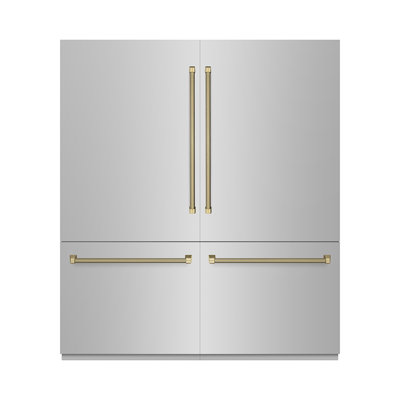
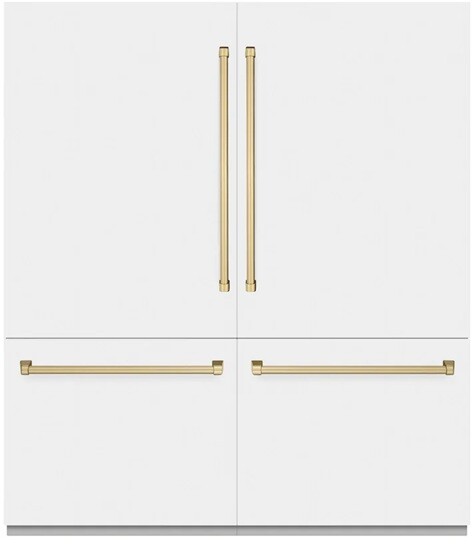
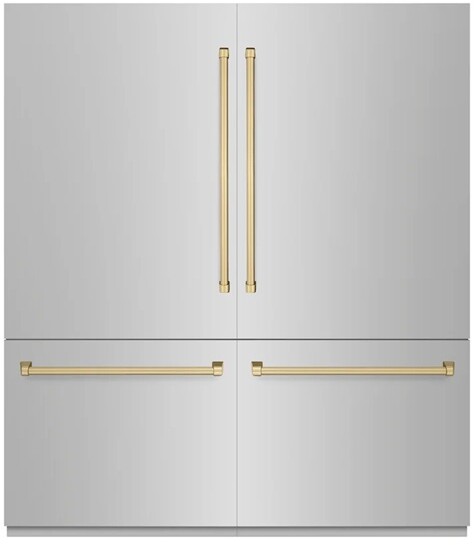
A smart fridge and an ice cream cooler serve vastly different purposes despite both keeping items cold. A smart fridge is a full-size internet-connected refrigerator designed for complete household food storage with advanced technology features, while an ice cream cooler is a specialized freezer that maintains the extremely low temperatures needed to keep ice cream at proper scooping and serving consistency. Understanding what each appliance delivers helps you decide whether you need a high-tech kitchen hub, a dedicated frozen dessert solution, or both.
What Is a Smart Fridge
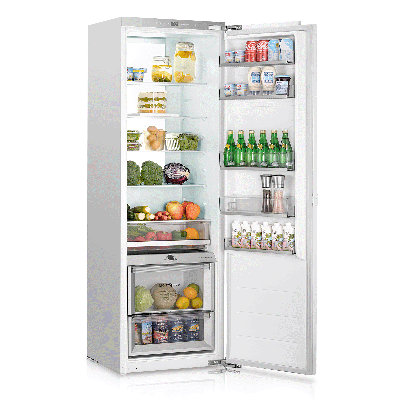
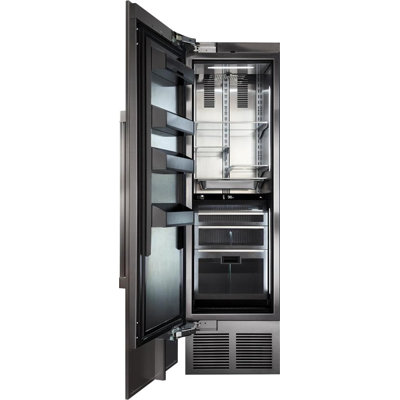
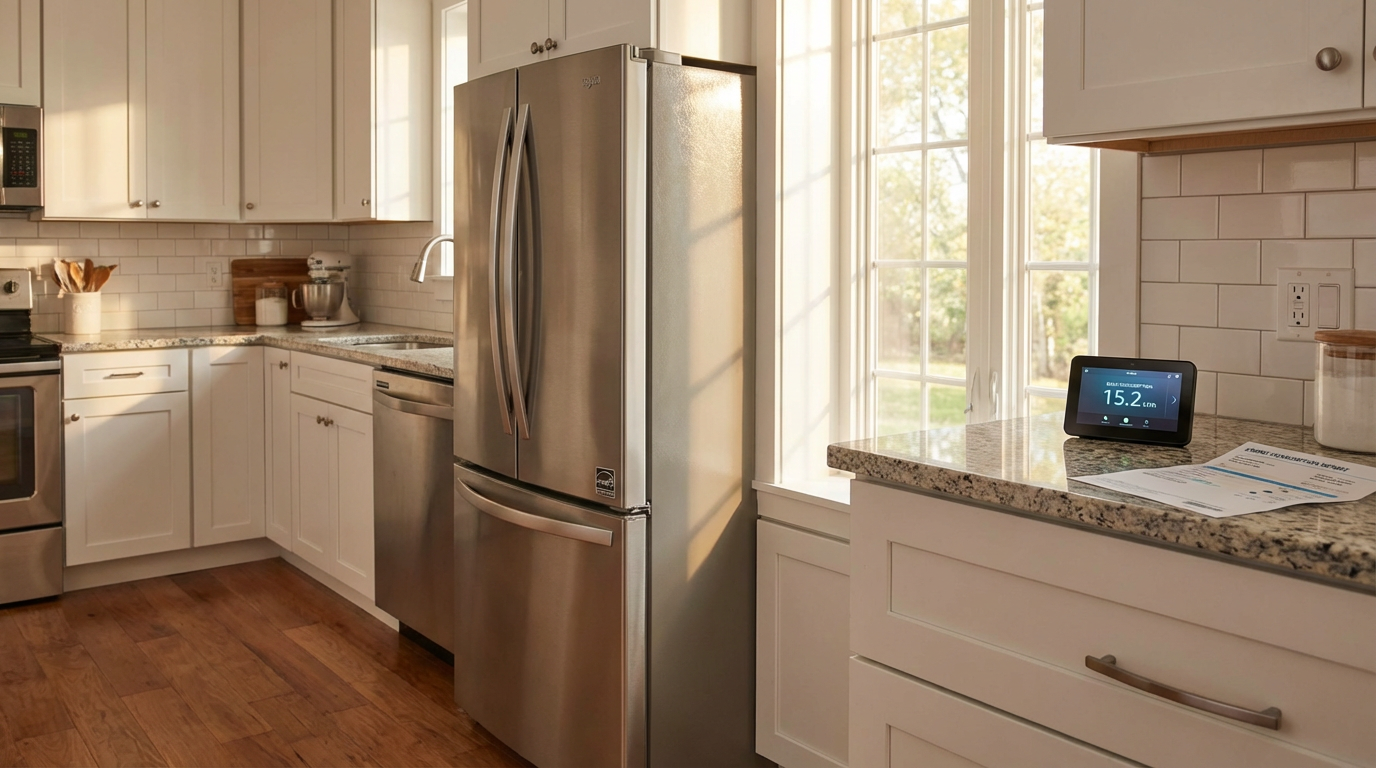
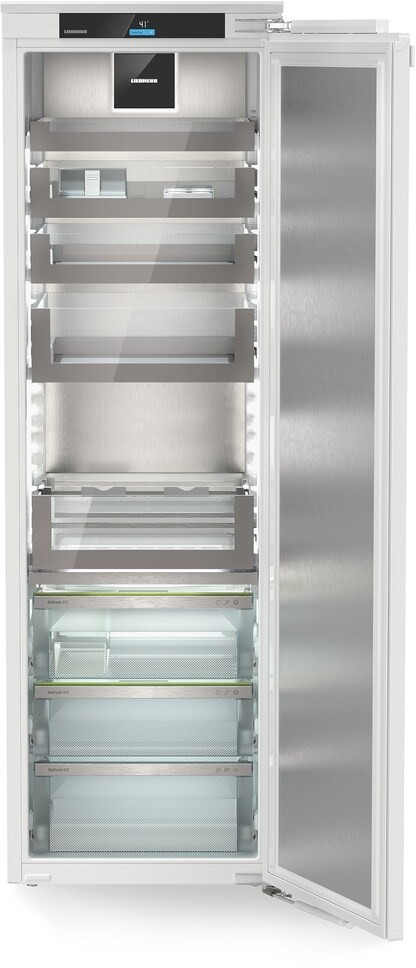
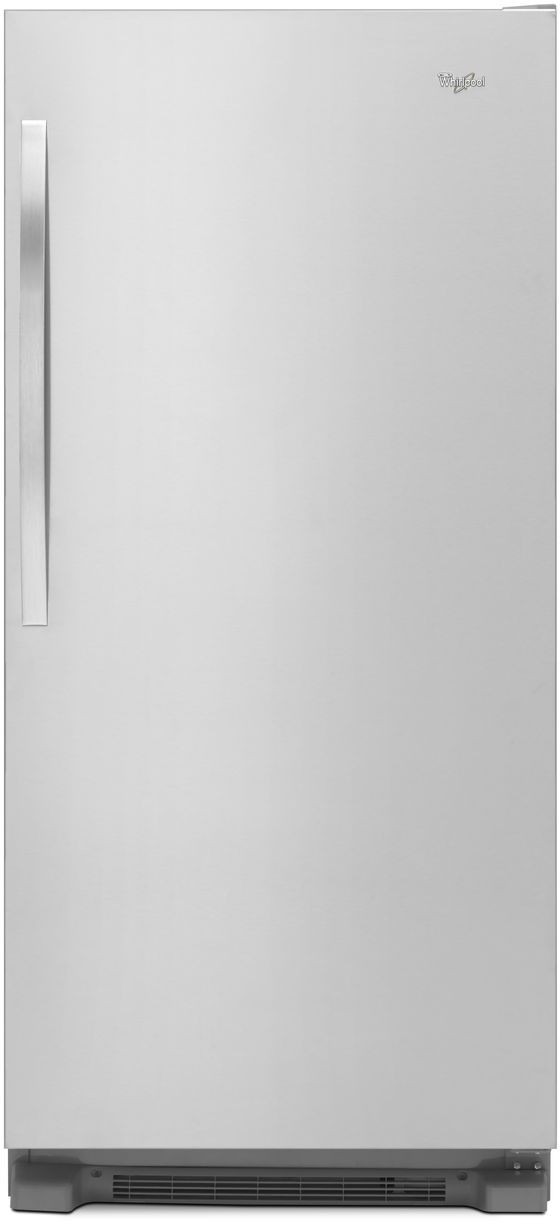
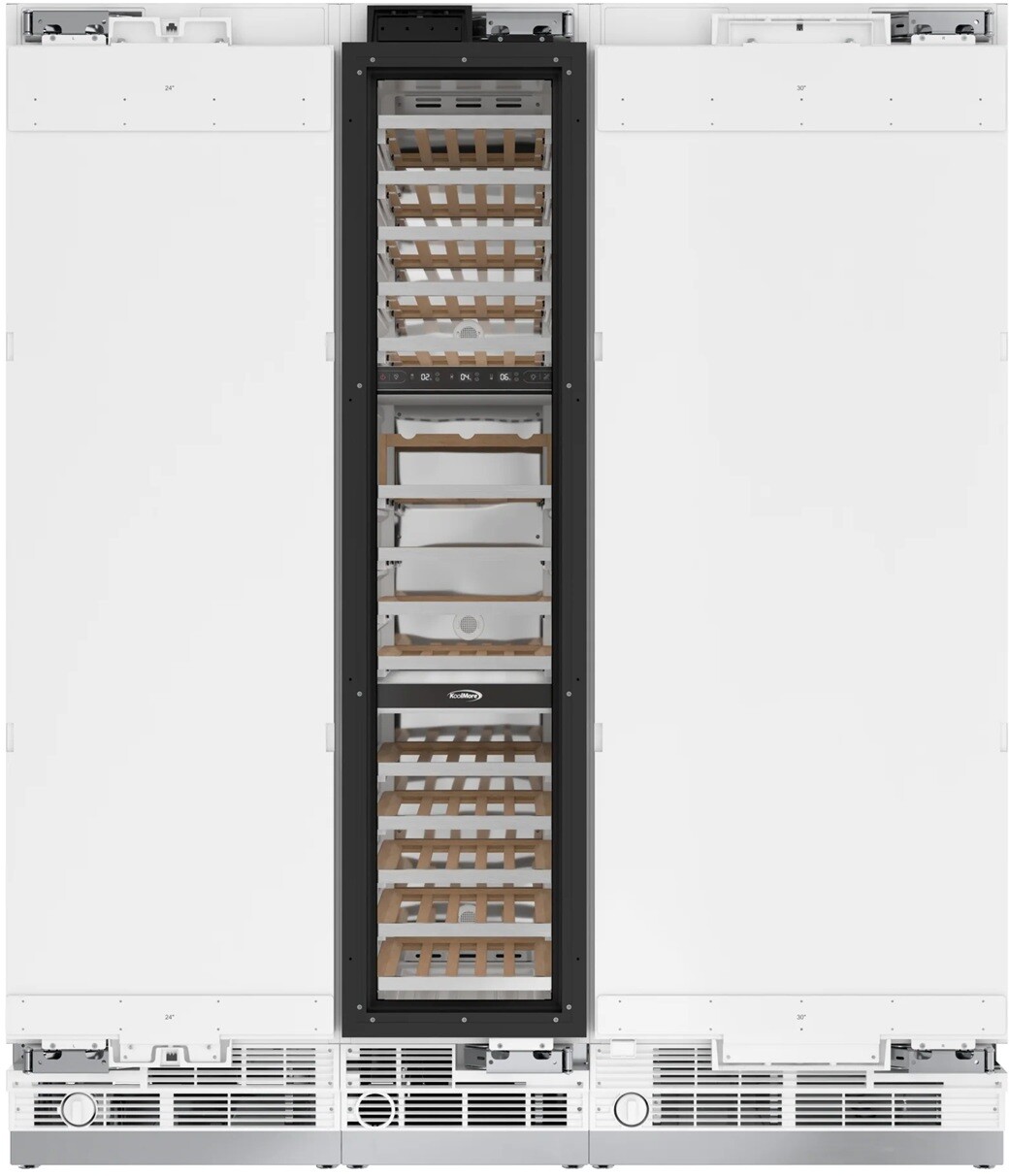
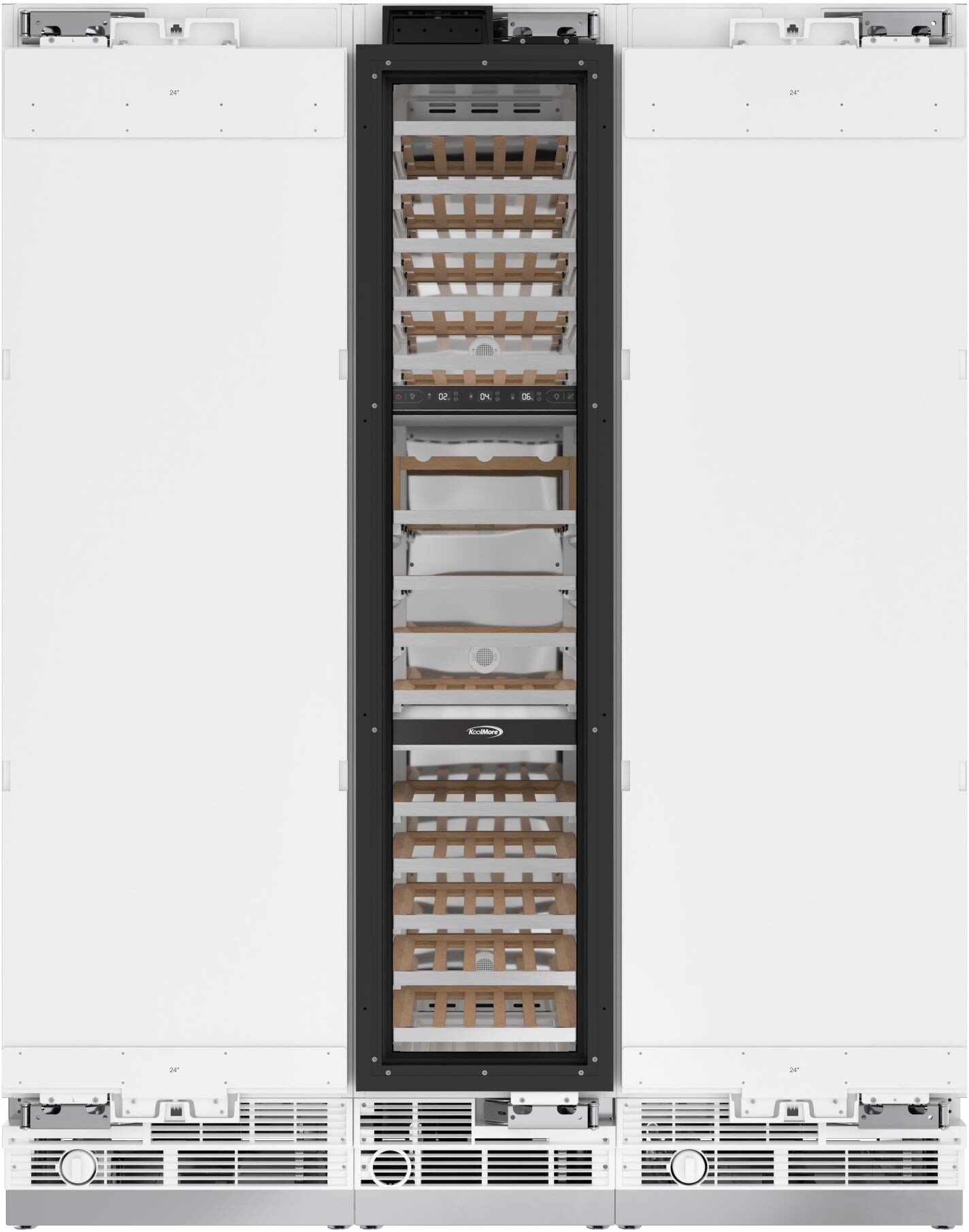
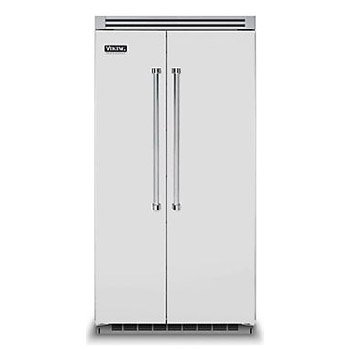
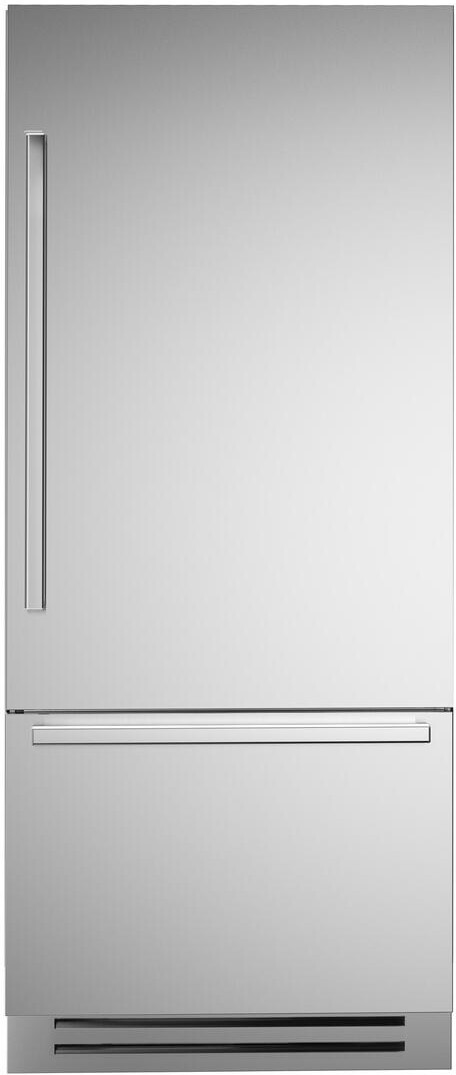
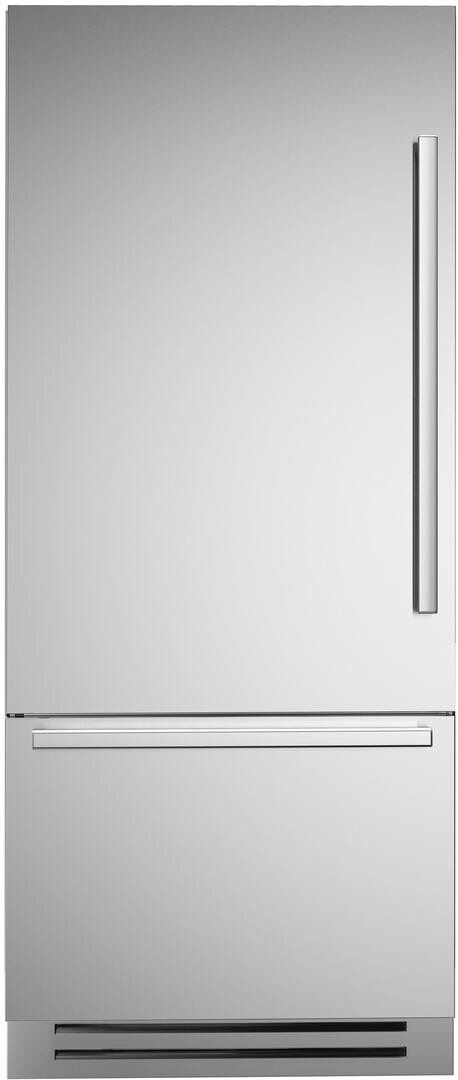
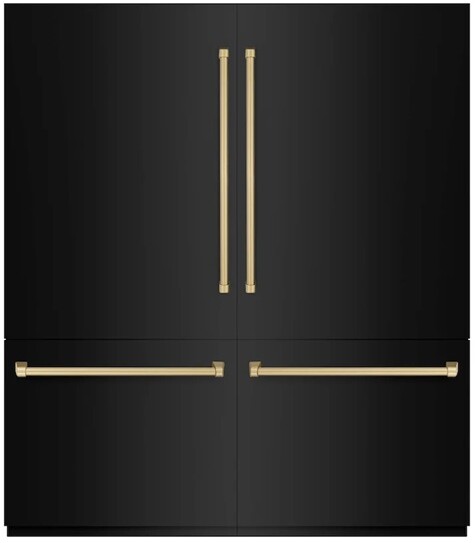
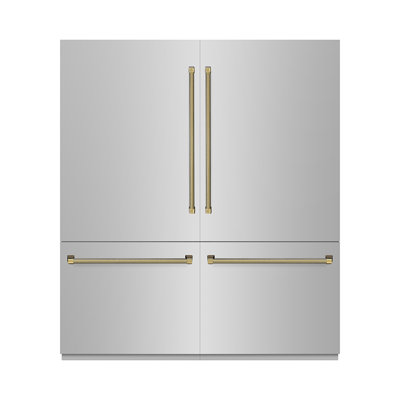
A smart fridge is a full-size refrigerator-freezer equipped with Wi-Fi connectivity, a built-in touchscreen display, internal cameras, and software applications that transform it into a connected kitchen management hub. Most smart fridges measure thirty-three to thirty-six inches wide, sixty-eight to seventy-two inches tall, and thirty to thirty-six inches deep, providing twenty-two to twenty-eight cubic feet of total capacity in French door, side-by-side, or four-door configurations. The fresh food section maintains thirty-five to thirty-eight degrees Fahrenheit while the freezer holds at zero degrees, with the smart features layered on top of standard refrigeration capabilities.
The technology features include a large door-mounted touchscreen for managing calendars, viewing recipes, streaming music, and leaving digital messages for family members. Internal cameras photograph the refrigerator contents each time the door closes, letting you check your inventory remotely through a smartphone app while shopping. Voice assistant integration with Amazon Alexa or Google Assistant enables hands-free kitchen interaction. Temperature monitoring, door-ajar alerts, and diagnostic notifications provide peace of mind and early warning of potential maintenance issues. The smart fridge positions itself as the central nervous system of a modern connected kitchen.
What Is an Ice Cream Cooler
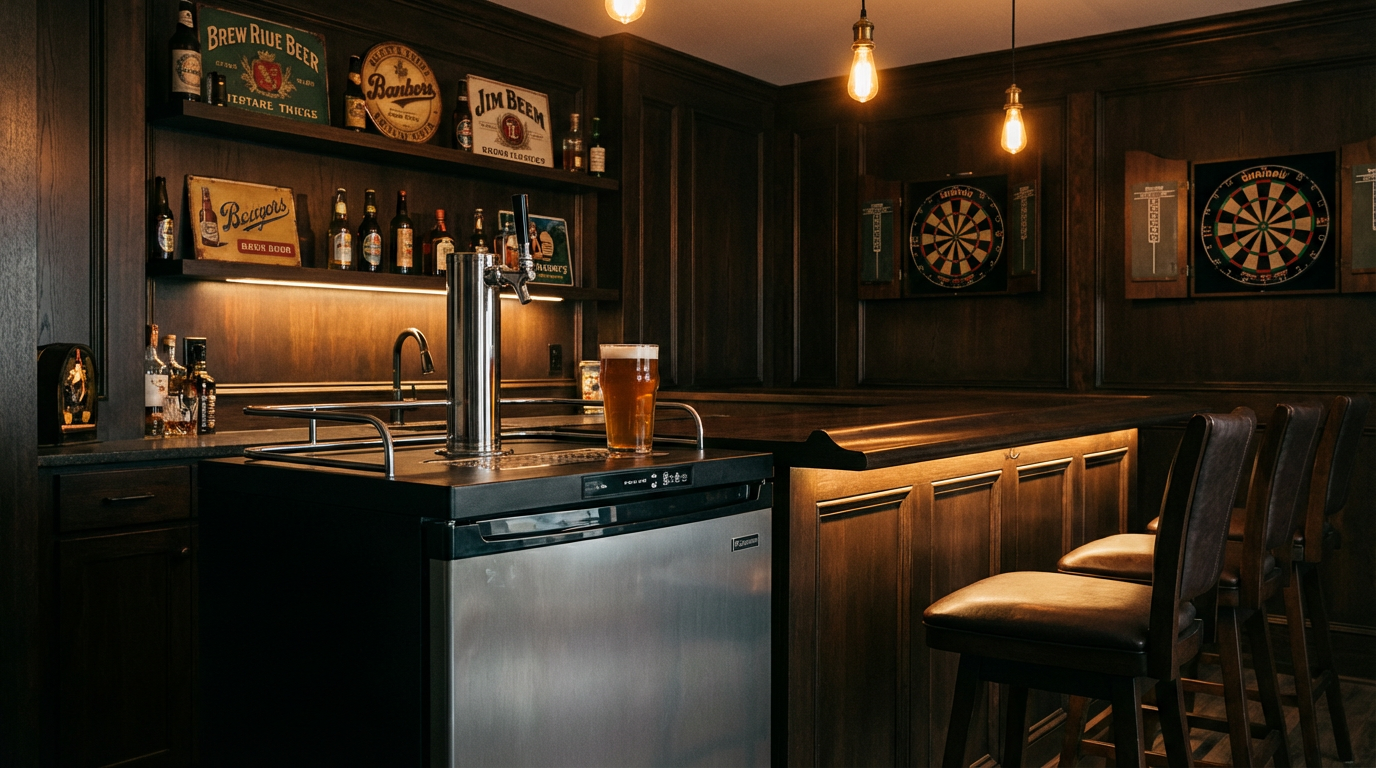
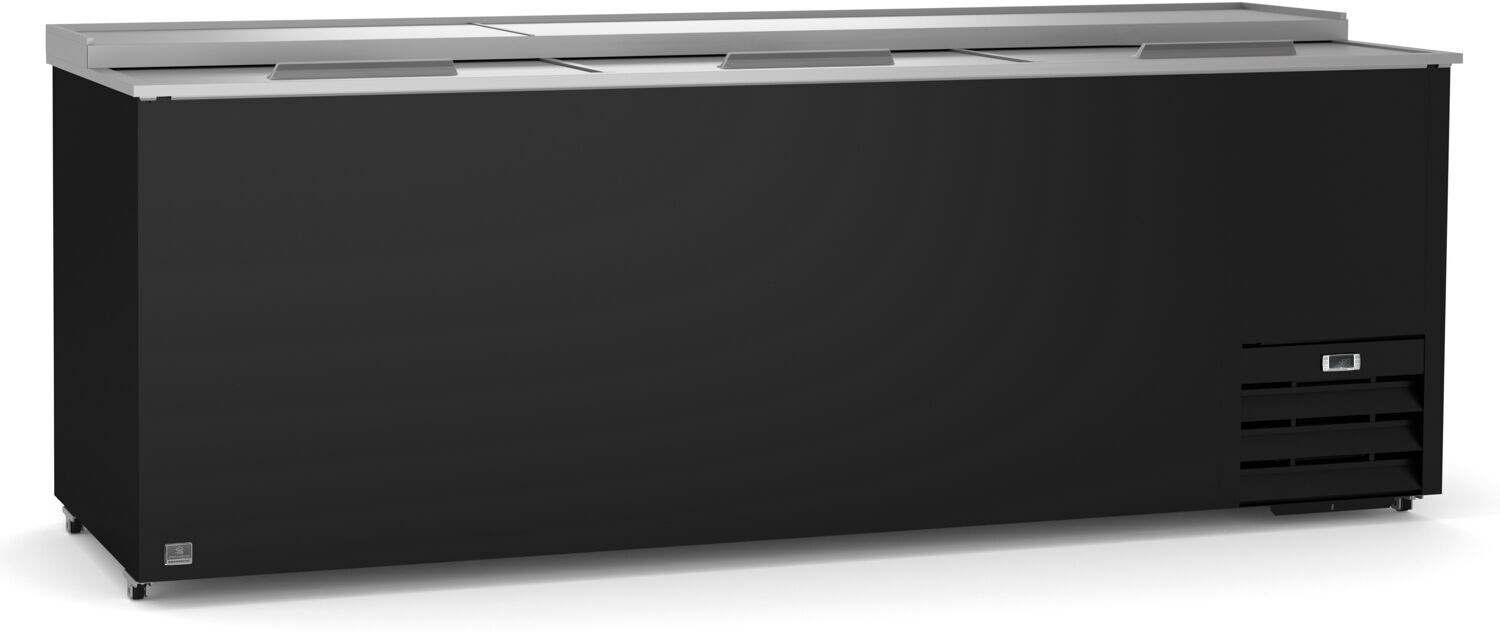
An ice cream cooler, also called an ice cream freezer or dipping cabinet, is a specialized freezer that maintains temperatures between negative twenty and negative ten degrees Fahrenheit, significantly colder than the zero degrees maintained by standard home freezers. This extremely low temperature range is essential for keeping ice cream at the proper consistency for scooping, serving, and long-term quality preservation. Ice cream stored at standard freezer temperatures of zero degrees becomes rock hard, requiring minutes of thawing before it can be scooped, while ice cream at negative ten to negative fifteen degrees maintains the ideal balance between firmness and scoop-ability.
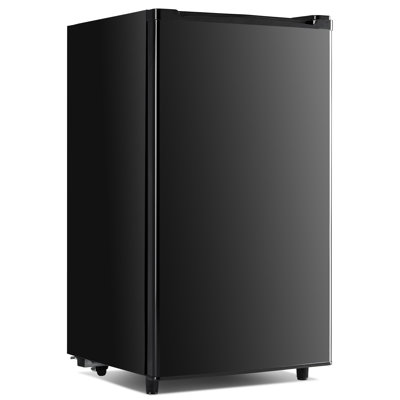
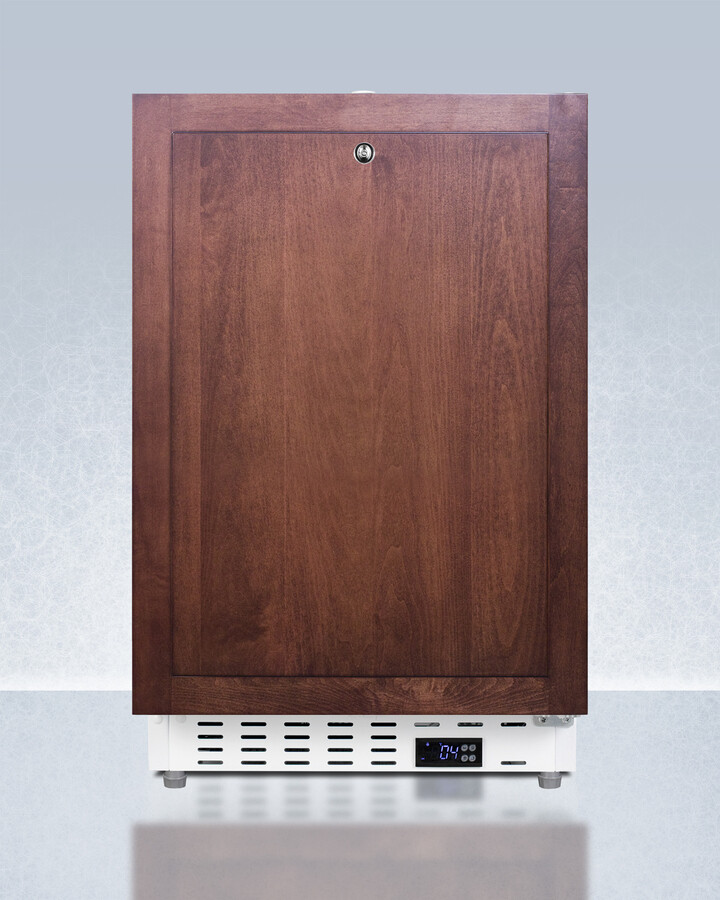
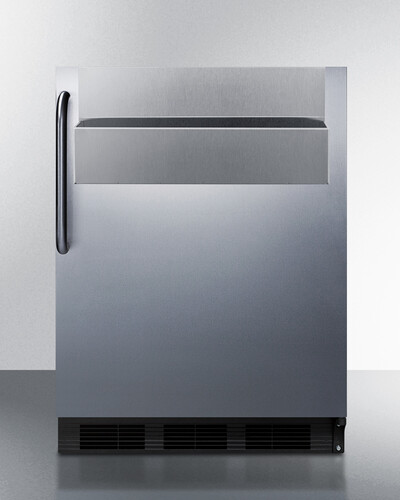
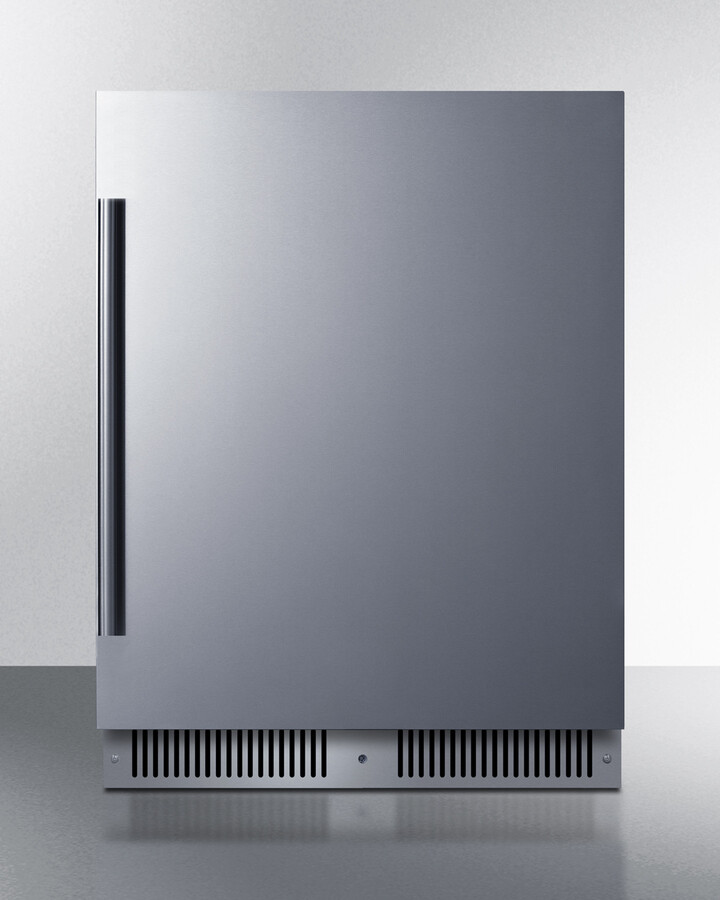
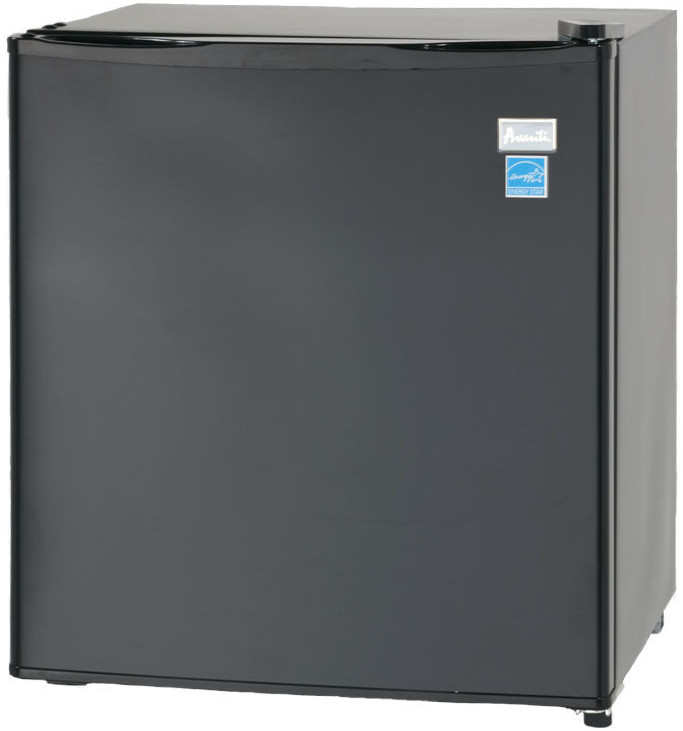
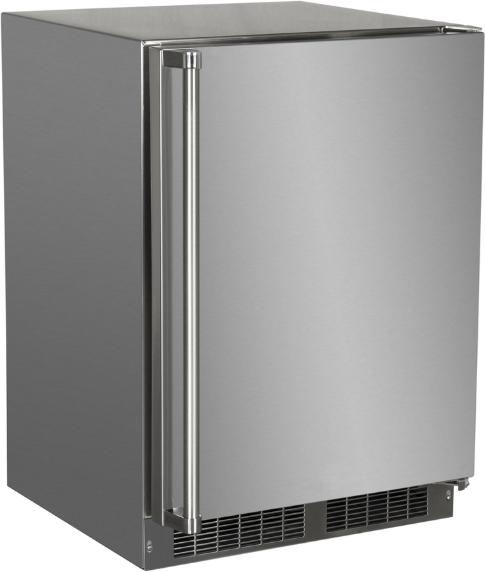
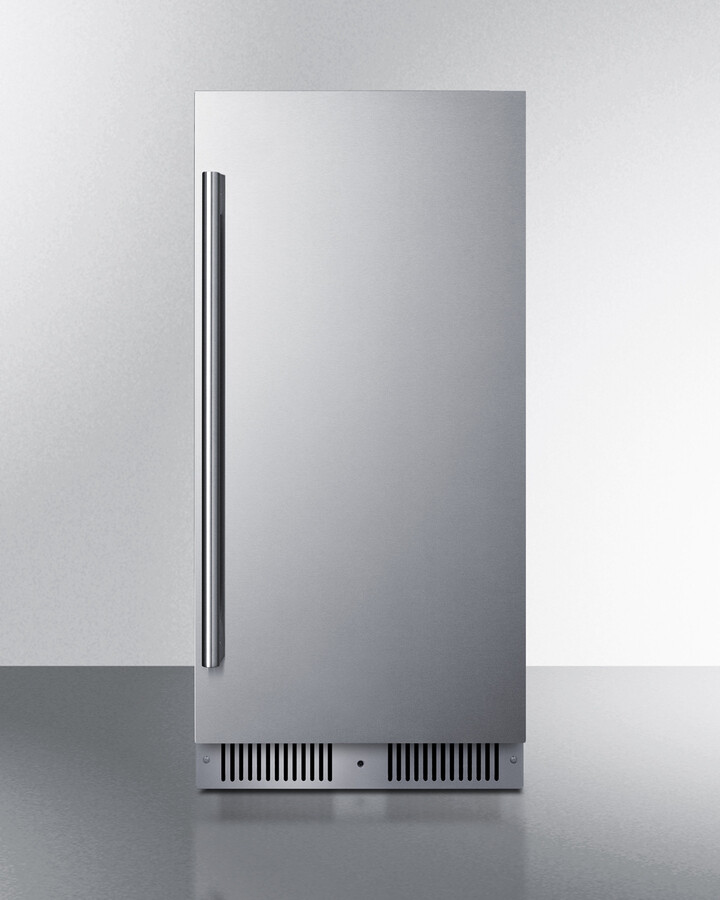
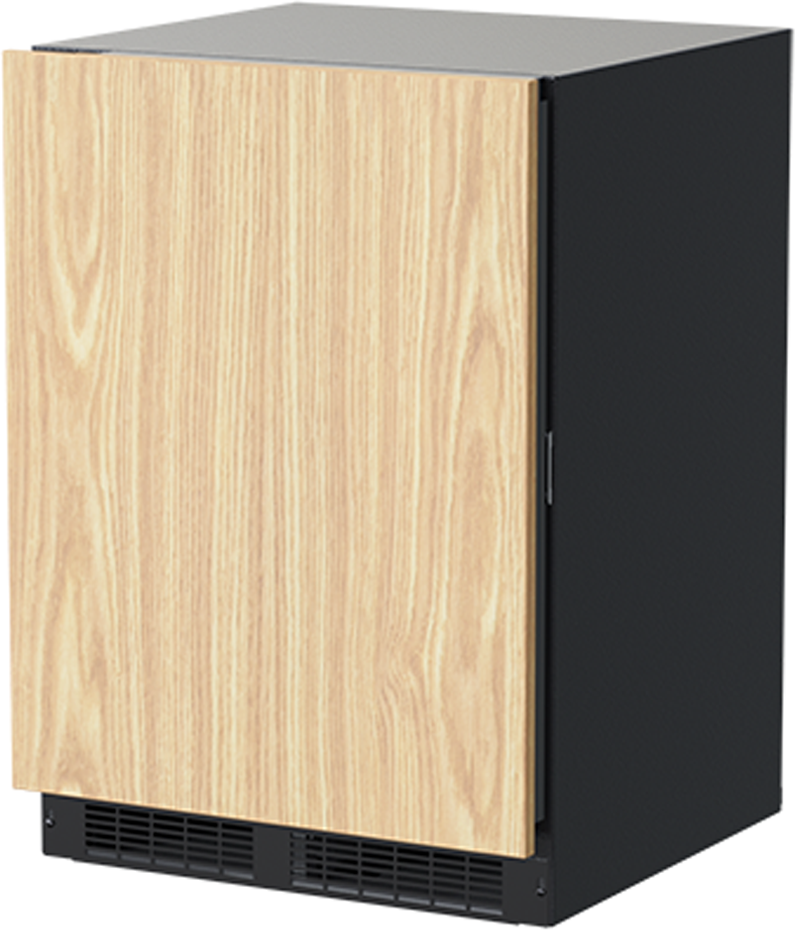
Residential ice cream coolers range from compact countertop units holding four to eight pints to larger undercounter or freestanding models holding twenty to forty containers. Commercial-style dipping cabinets designed for ice cream shops hold even more and feature glass display tops, but residential models focus on practical home storage with solid lids or doors for efficiency. The interior is designed around ice cream container dimensions, with flat surfaces or gentle curves that accommodate round pint containers, rectangular quart containers, and standard half-gallon tubs. Premium models include adjustable temperature controls that let you fine-tune the exact serving temperature for different ice cream types, from dense gelato that serves best slightly warmer to airy soft-serve style ice cream that needs colder storage.
Temperature Differences and Food Science
The temperature difference between these two appliances is the most important distinction for ice cream quality. A smart fridge's freezer section maintains zero degrees Fahrenheit, which is the standard safe temperature for frozen food storage. At this temperature, ice cream freezes solid with large ice crystals forming throughout the mixture. These ice crystals create the rock-hard texture that makes freshly retrieved ice cream impossible to scoop without significant force or thawing time. Repeatedly pulling ice cream out to thaw and returning it to the freezer causes ice crystal growth that degrades the smooth, creamy texture that makes quality ice cream enjoyable.
An ice cream cooler maintains negative ten to negative twenty degrees Fahrenheit, which is actually colder than a standard freezer but paradoxically keeps ice cream more scoopable. The explanation lies in how these temperatures interact with ice cream's unique composition of fat, sugar, air, and water. At negative ten to negative fifteen degrees, the fat in ice cream stays soft enough to scoop while the water content remains frozen enough to maintain structure. The extremely cold temperature also prevents the freeze-thaw cycling that causes ice crystal growth, preserving the smooth, creamy texture throughout the container's lifespan. Commercial ice cream shops and serious ice cream enthusiasts consider a dedicated ice cream cooler essential for maintaining the quality that premium ice cream deserves.
Capacity and Storage Design
A smart fridge provides twenty-two to twenty-eight cubic feet of total capacity split between refrigerator and freezer sections. The freezer section offers seven to ten cubic feet, which accommodates a full household's frozen food needs including frozen meals, vegetables, meats, ice packs, and yes, some ice cream stored alongside everything else. However, ice cream competes for freezer space with all other frozen items, and the zero-degree temperature throughout the freezer means all items are stored at the same compromise temperature rather than being optimized for any specific category.
An ice cream cooler provides focused capacity specifically for frozen desserts. Residential models range from compact one to three-cubic-foot units that hold eight to twenty-four pints to larger five to eight-cubic-foot models that hold forty or more containers. Every cubic inch of interior space is designed around ice cream container dimensions, with no wasted space on features irrelevant to dessert storage. For households where ice cream, gelato, sorbet, and frozen yogurt are serious interests rather than occasional treats, the dedicated storage ensures your collection maintains optimal quality without competing for space in a general-purpose freezer.
| Feature | Smart Fridge | Ice Cream Cooler |
|---|---|---|
| Freezer Temperature | 0°F | -10°F to -20°F |
| Total Capacity | 22–28 cu ft | 1–8 cu ft |
| Ice Cream Texture | Rock hard (needs thawing) | Perfect scooping consistency |
| Storage Purpose | All food types | Frozen desserts only |
| Smart Features | Touchscreen, cameras, Wi-Fi | Temperature control only |
Smart Features vs Specialized Performance
The smart fridge's technology features have no parallel in the ice cream cooler category. Touchscreens, internal cameras, voice assistants, and remote monitoring capabilities position the smart fridge as a multifunctional kitchen tool that goes far beyond basic food storage. You can check your ice cream supply from the grocery store, get alerts if the freezer temperature rises, and manage grocery lists that include your favorite frozen dessert brands. These features add genuine convenience to household food management even though they do nothing to improve the actual storage quality of ice cream within the freezer.
An ice cream cooler offers no smart features but delivers something no smart fridge can match: the precise temperature environment that keeps ice cream at perfect serving consistency at all times. There is no app that can make zero-degree ice cream as scoopable as negative-fifteen-degree ice cream. The specialized performance of an ice cream cooler represents a fundamentally different value proposition than the technological versatility of a smart fridge. One appliance does many things with technological sophistication; the other does one thing with exceptional precision. For most households, the smart fridge handles general needs while the ice cream cooler addresses a specific quality standard that general-purpose appliances cannot achieve.
Energy Consumption
Smart fridges consume between five hundred and seven hundred fifty kilowatt-hours annually, costing sixty to ninety dollars per year. The large interior volume, smart technology components including the touchscreen, Wi-Fi module, and cameras, and the dual-temperature management system all contribute to substantial but expected energy demands for a full-size connected appliance. The ice maker and water dispenser found on most smart fridges add additional energy overhead beyond what the basic refrigeration system requires.
Ice cream coolers consume between one hundred fifty and four hundred kilowatt-hours annually depending on size, costing eighteen to forty-eight dollars per year. Despite maintaining much colder temperatures than a standard freezer, the smaller interior volume of residential ice cream coolers keeps total energy use moderate. The thick insulation required to maintain negative-ten to negative-twenty-degree temperatures also minimizes cold air loss and reduces compressor cycling frequency. Larger models and those in warm ambient environments consume more, but even the most power-hungry residential ice cream cooler uses significantly less total energy than a smart fridge simply because it is so much smaller.
Noise Levels
Smart fridges operate between thirty-six and forty-six decibels, producing a combination of mechanical sounds from the compressor, fans, ice maker, and water dispenser, plus digital audio from notifications, voice assistant responses, and media playback. The noise profile varies throughout the day as different systems cycle and smart features activate. In open-concept kitchens, the total acoustic presence of a smart fridge is more substantial than many buyers anticipate, though individual sound events are brief and generally blend into household activity.
Ice cream coolers operate between twenty-eight and thirty-eight decibels for residential models. The compact compressor runs at consistent intervals without the variability introduced by ice makers, water dispensers, or digital systems. The steady, predictable hum of an ice cream cooler is among the quietest appliance sounds in any home, making these units suitable for placement in entertainment areas, home bars, and even living spaces where a louder appliance would be unwelcome. The thick insulation that maintains extremely cold temperatures also provides excellent sound dampening around the compressor.
Pricing
Smart fridges represent a major appliance investment. Entry-level smart refrigerators with basic connectivity start around one thousand five hundred dollars. Mid-range models with touchscreens, cameras, and full hub functionality cost between two thousand and three thousand five hundred dollars. Premium smart fridges with the largest screens and most comprehensive feature sets range from three thousand five hundred to five thousand dollars or more. The smart technology premium adds five hundred to two thousand dollars over a comparable non-smart refrigerator of the same size and configuration.
Ice cream coolers span a more modest price range. Compact countertop models holding four to eight pints start at one hundred fifty to three hundred dollars. Mid-range undercounter models with five-cubic-foot capacity and adjustable temperature controls cost between four hundred and one thousand dollars. Premium residential dipping cabinets with commercial-grade construction, glass display tops, and precise digital temperature management range from one thousand to three thousand dollars. While the per-cubic-foot cost of an ice cream cooler is high, the investment makes sense for households that consume premium ice cream regularly and want to maintain its quality properly.
| Price Range | Smart Fridge | Ice Cream Cooler |
|---|---|---|
| Budget | $1,500–$2,000 | $150–$400 |
| Mid-Range | $2,000–$3,500 | $400–$1,000 |
| Premium | $3,500–$5,000+ | $1,000–$3,000 |
| Annual Energy Cost | $60–$90 | $18–$48 |
Installation Requirements
Smart fridges require a standard full-size refrigerator installation space plus Wi-Fi connectivity and initial software setup. The physical installation needs thirty-three to thirty-six inches of width, a standard electrical outlet, and a water line for ice makers and dispensers. Smart setup involves downloading the manufacturer's app, connecting to Wi-Fi, creating an account, and configuring features like camera positioning and notification preferences. The total installation including smart setup takes sixty to ninety minutes.
Ice cream coolers require minimal installation. Countertop models plug into any standard outlet and sit on an existing surface. Undercounter models slide into cabinet openings with front-venting designs that allow flush installation. Freestanding models need only a level surface, a standard outlet, and a few inches of ventilation clearance. No water line, no Wi-Fi, no app configuration, and no special tools are needed. Most ice cream coolers are ready to use within thirty minutes of unboxing, requiring only a few hours to reach their target temperature before loading with ice cream.
Maintenance and Lifespan
Smart fridges require comprehensive maintenance across both mechanical and digital systems. Clean condenser coils twice yearly, replace water filters every six months, service the ice maker as needed, and inspect door gaskets regularly. Digital maintenance includes firmware updates, Wi-Fi troubleshooting, camera lens cleaning, and adapting to app changes. The mechanical system lasts twelve to fifteen years while smart features may become outdated within five to eight years, creating a situation where the refrigerator still works but its signature technology features no longer function as intended.
Ice cream coolers require minimal maintenance. Clean the interior periodically, vacuum condenser coils once or twice per year, and check the door or lid gasket for proper seal. The simple single-purpose design means fewer components that can fail, and the lack of digital features eliminates software-related maintenance entirely. Residential ice cream coolers typically last ten to fifteen years, with the robust insulation and straightforward mechanical systems contributing to reliable long-term operation. Repair costs are modest when needed, as the limited component count keeps parts affordable and service calls simple.
Common Mistakes
The most common mistake is expecting a smart fridge's freezer to store ice cream at proper serving quality. Standard zero-degree freezer temperatures make ice cream rock hard, and no smart feature can change the physics of ice cream texture at that temperature. If you eat ice cream regularly and care about texture and scoop-ability, a dedicated ice cream cooler is the only solution that consistently delivers proper results without the thaw-and-refreeze cycle that degrades quality.
Another common error is buying an ice cream cooler without considering where it fits in your kitchen or entertainment space. Unlike a smart fridge that replaces your existing primary refrigerator, an ice cream cooler is a supplemental appliance that needs its own dedicated space. Measure your available countertop, undercounter, or floor space before purchasing, and consider whether the frequency of your ice cream consumption justifies the space and investment a dedicated unit requires.
Smart fridge buyers sometimes overestimate how much they will use the smart features for managing frozen dessert inventory. While internal cameras and shopping list features can theoretically help you track ice cream supplies, most owners find it simpler to just open the freezer and look. The technology adds more value for managing perishable fresh foods with short shelf lives than for tracking frozen items that last months.
Who Should Buy Which
A smart fridge is the right choice for households that need a primary full-size refrigerator-freezer with modern technology integration. It handles all food storage needs including modest ice cream storage at standard freezer temperatures, and its smart features add value for managing grocery inventory, family coordination, and kitchen entertainment. It is a complete kitchen appliance, not a specialized dessert solution. Browse smart refrigerators at Fridge.com for models with the latest connected features.
An ice cream cooler is the right choice for ice cream enthusiasts, dessert-focused entertainers, and households where frozen dessert quality is a genuine priority. It excels as a supplemental appliance alongside an existing refrigerator-freezer, providing the precise temperature environment that keeps ice cream, gelato, sorbet, and frozen yogurt at perfect serving consistency at all times. Explore specialty freezers at Fridge.com to find the right ice cream storage solution for your home.
Shop at Fridge.com
Whether you want a technology-packed smart refrigerator for your kitchen or a precision ice cream cooler for your dessert collection, Fridge.com carries quality options from trusted brands. Compare features, temperatures, and capacities to find exactly what your household needs. Every purchase includes free shipping and expert customer support to help you choose the perfect appliance.