Energy use varies with size, usage habits, and temperature setting — the smallest compact single door models can run as low as 150–300 kWh per year ($18–$35).
Typical compact five-cubic-foot chests land at the low end, around 100–200 kWh per year ($12–$25).
A single door refrigerator keeps food cold at 33–40°F for daily fresh-food access, while a small freezer chest holds 0°F or below for long-term frozen storage — two fundamentally different jobs.
The temperature difference is the most important distinction between these appliances.
A single door refrigerator keeps food cold at 33–40°F for daily fresh-food access, while a small freezer chest holds 0°F or below for long-term frozen storage — two fundamentally different jobs. A single door refrigerator is a compact upright with one door, 3–10 cubic feet of capacity, and sometimes a tiny interior freezer flap; a small freezer chest is a top-opening horizontal unit, typically 3.5–7 cubic feet, that keeps food frozen solid for months. The right pick comes down to whether you need everyday fresh-food access or dedicated bulk frozen storage.
Single Door Refrigerator Vs. Small Freezer Chest: A Comparison
What Do You Really Need?
A single door refrigerator cools your drinks, keeps produce fresh, and includes a small freezer section — a bit of everything in one upright cabinet. If you buy frozen food in bulk or prep meals ahead, a small freezer chest is the better tool: it does nothing but freeze, with far more usable frozen space than the compartment inside a fridge.
Appliance Type
Cooling Functionality
Freezing Functionality
Single Door Refrigerator
Cools and has a small freezer
Limited freezing space
Small Freezer Chest
No cooling, just freezing
Lots of freezing space
Got Space?
Single door refrigerators stand tall and fit snugly in kitchens, apartments, or offices without hogging floor space. Small freezer chests lie flat and need more floor area, which makes them a natural fit for basements, garages, or utility rooms — and a tight squeeze in a small apartment.
The temperature difference is the most important distinction between these appliances. A small freezer chest holds a steady 0°F to -10°F, which halts bacterial growth entirely — properly packaged meats, vegetables, and prepared meals keep safely for months.
A single door refrigerator keeps its main compartment at 33–40°F, which slows bacterial growth but does not stop it, so fresh foods last days or weeks depending on the item. The small internal freezer compartment found in some single door models often struggles to hold a true 0°F because it shares one cooling system with the fresh-food section, and every door opening affects its temperature more than it would in a dedicated freezer. If you need to freeze food for more than a few days, a dedicated freezer is the safer choice.
Feature
Small Freezer Chest
Single Door Refrigerator
Temperature
0°F to -10°F
33–40°F (main); variable freezer section
Storage Type
Deep stacking with baskets
Shelves, drawers, door bins
Food Visibility
Low (items buried)
High (everything visible)
Best For
Long-term frozen storage
Daily fresh food access
Single Door Refrigerator: Pros and Cons
Benefits of a Single Door Refrigerator
Compact Size: Small footprint, perfect for apartments, condos, or any tight space.
No Separate Freezer Compartment: Most come with a tiny freezer inside the fridge — enough for a few ice trays, a package of frozen vegetables, or a pint of ice cream, but not much more.
Manual Defrosting: Some models need manual defrosting of the freezer section.
Weighing these pros and cons will help you figure out if a single door refrigerator is your match, or whether to explore a small freezer chest or a drawer freezer Vs. single door refrigerator comparison.
Storage Galore: A chest packs in more food than a single door fridge of the same size — a 5 cubic foot chest holds roughly 175 pounds of frozen food, about three months of frozen meals and proteins for one or two people.
Saves on Bills: Because cold air sinks, it stays in the chest when the lid opens, so chest freezers keep cool with less energy. Want to know more? Check out our energy efficiency guide.
Keeps Cool Longer: Thick all-sides insulation and a tight-sealing gasket keep food frozen longer during a power outage.
Wallet-Friendly: Generally cheaper than upright freezers or fridge-freezer combos, and simple single-compressor mechanics mean fewer parts to break.
Feature
Small Freezer Chest
Storage Capacity
Higher
Temperature Stability
High
Cost
Affordable
The Not-So-Great Stuff
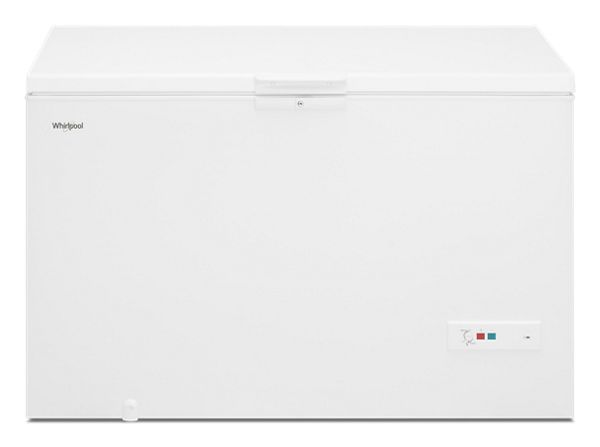
Takes Up Space: Needs more floor area than a single door fridge — compact chests run 20–30 inches wide and 20–24 inches deep.
Hard to Reach: Items at the bottom get buried; organization takes intentional layering with the wire baskets.
Messy: No shelves means stuff can get lost in there.
Defrost Drama: Most chests use manual defrost — ice builds on the walls and has to be melted off periodically. Need some tips? Check out our maintenance guide.
Limitation
Small Freezer Chest
Floor Space Needed
More
Accessibility
Lower
Organization
Challenging
Defrosting
Manual
Storage Capacity Face-Off: Fridge Vs. Freezer
Single Door Refrigerator: The All-Rounder
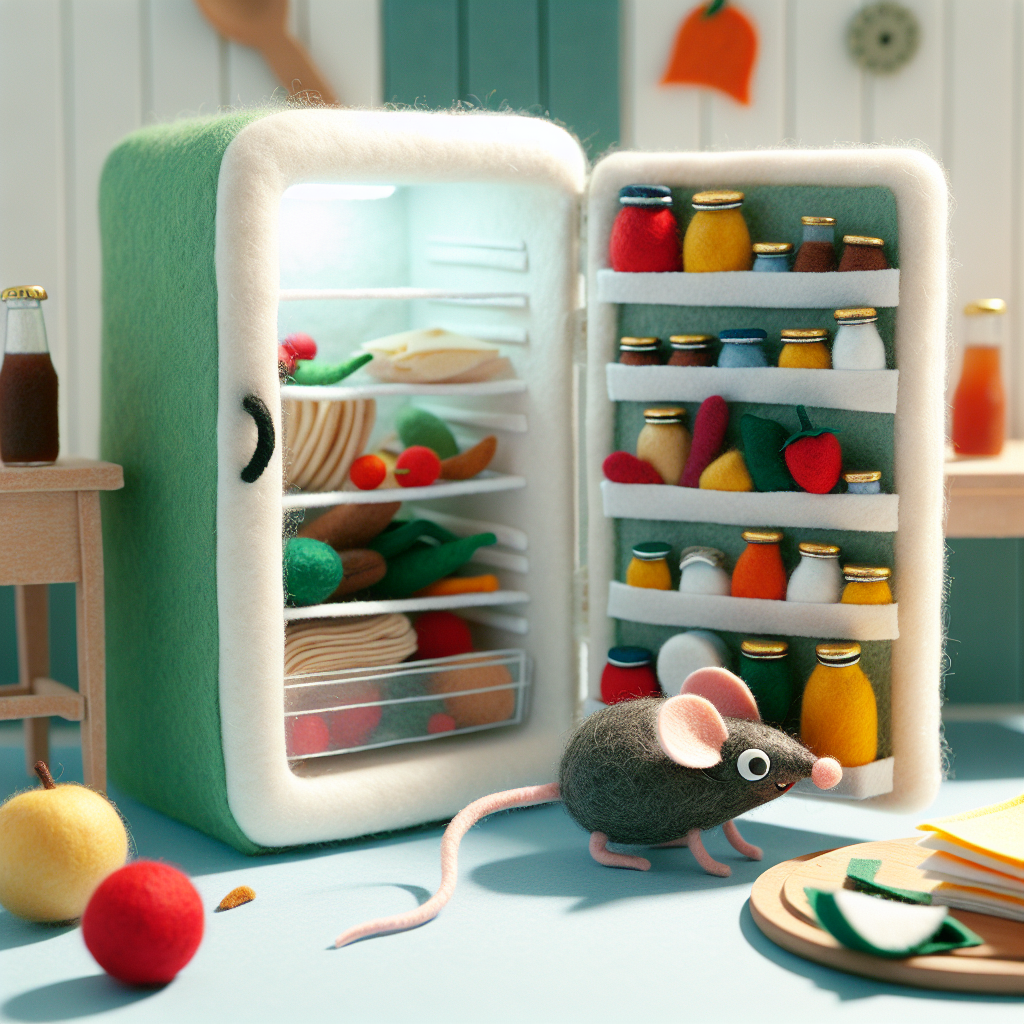
A single door fridge gives you both cooling and freezing in one cabinet, with two or three adjustable shelves, a small crisper drawer, and door bins.
Feature
Single Door Refrigerator
Average Capacity (cubic feet)
9 - 18
Refrigerator Section
6 - 12
Freezer Section
3 - 6
One caveat on rated versus usable space: shelves, drawers, and the evaporator housing consume part of the rated capacity, so a 5 cubic foot single door model yields roughly 3.5–4 cubic feet of practical fresh-food storage after the interior freezer section and structural components. The upside is visibility — shelves and door bins make everything easy to see and reach, which cuts food waste from forgotten items. These fridges suit small families or solo households that need a mix of fresh and frozen storage, and they work well in offices or small apartments.
Small Freezer Chest: The Storage Beast
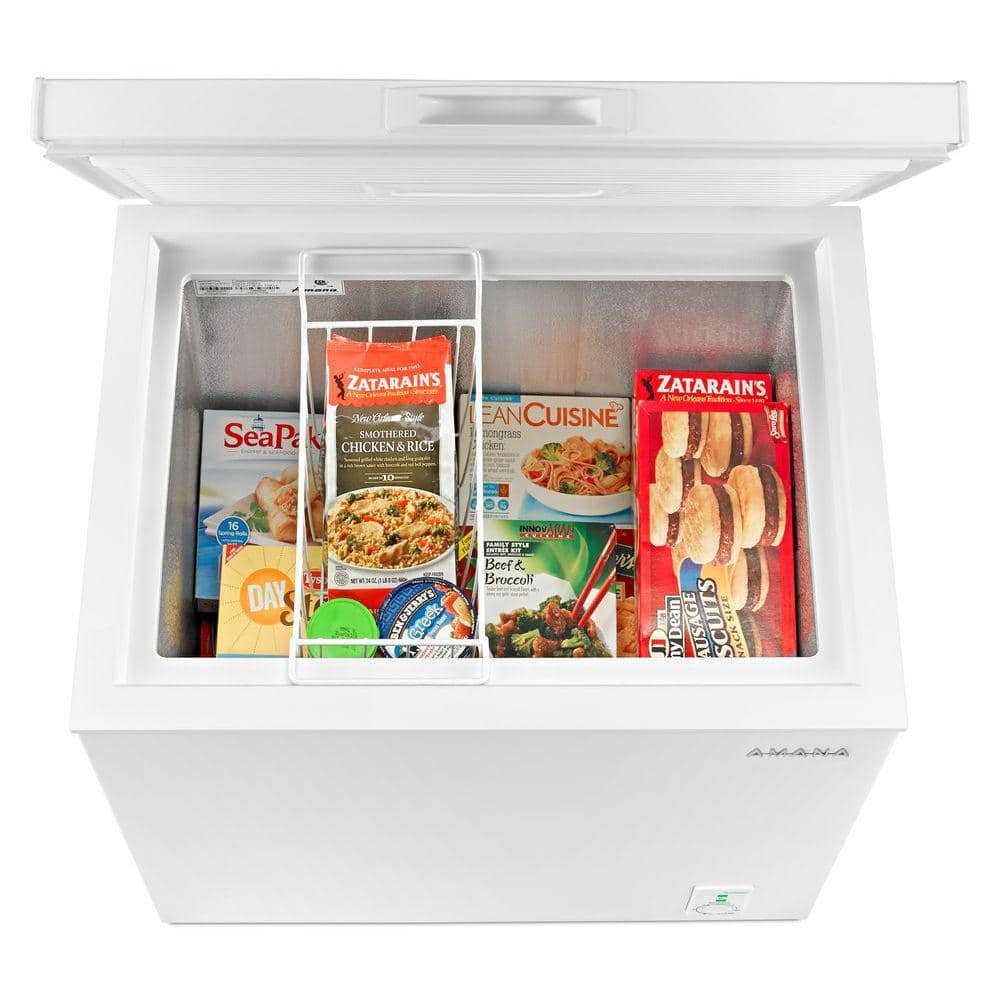
A small freezer chest is all about freezing: one deep, open cavity that swallows irregularly shaped items, large cuts of meat, and bulky packages that would never fit on refrigerator shelves, with one or two removable wire baskets up top for smaller items.
Feature
Small Freezer Chest
Average Capacity (cubic feet)
3 - 15
Freezer Section
3 - 15
These are perfect for big families, home cooks, or anyone who stocks up on frozen foods, and they fit well in garages, basements, or cabins. Curious about the differences? Check out our small chest freezer Vs. small freezer chest guide.
Making the Choice
Need a balanced unit? Go for the single door fridge. Need serious freezer space? The small freezer chest is your best bet.
Energy Efficiency and Cost Considerations
Energy Efficiency of Single Door Refrigerator
Single door fridges keep a steady temperature without guzzling power, so they are gentle on the electricity bill.
Appliance
Average Annual Energy Consumption (kWh)
Estimated Annual Cost (USD)
Single Door Refrigerator
300 - 500
\$36 - \$60
Energy use varies with size, usage habits, and temperature setting — the smallest compact single door models can run as low as 150–300 kWh per year ($18–$35). Models with an internal freezer section draw more power than all-refrigerator units, because one compressor has to manage two temperature zones. Energy Star rated models offer the best efficiency in either category.
Energy Efficiency of Small Freezer Chest
A small freezer chest is often even better at saving energy than a single door fridge. Thicker insulation, a tight lid gasket, and the sink-and-stay behavior of cold air mean the compressor cycles less and holds temperature with less power.
Appliance
Average Annual Energy Consumption (kWh)
Estimated Annual Cost (USD)
Small Freezer Chest
200 - 400
\$24 - \$48
Typical compact five-cubic-foot chests land at the low end, around 100–200 kWh per year ($12–$25). As with fridges, actual efficiency depends on size, how often you open the lid, and the room's ambient temperature. Curious how different freezers compare? See small chest freezer Vs. small freezer chest above, or our column freezer Vs. freezer cooler article.
Small chest freezers are among the quietest appliances you can buy, typically operating at 28–38 decibels. Because the insulated chest retains cold so effectively, the compressor runs at a consistent low speed instead of cycling hard, producing a low steady hum. A level surface and adequate ventilation minimize any vibration.
Single door refrigerators generally run at 30–42 decibels with more variation, since every door opening spills cold air and triggers the compressor to work harder. Models with automatic defrost add intermittent sounds during defrost cycles. For a bedroom, home office, or studio apartment, look for models rated below 35 decibels.
Pricing, Lifespan, and Long-Term Value
Small chest freezers are among the most affordable appliances on the market: basic five-cubic-foot models start around $150, and premium models with interior lighting, digital temperature displays, and removable dividers run $200–$400. With an average lifespan of 15–20 years, the per-year cost of ownership is remarkably low.
Single door refrigerators start at similar price points — compact units from $120–$200, mid-range models with better shelving, crisper drawers, and quieter compressors at $250–$500, and premium compact refrigerators with stainless finishes and advanced temperature controls up to $600. Their average lifespan of 10–14 years is somewhat shorter than a chest freezer's, reflecting more complex cooling demands and more frequent door openings.
Cost Category
Small Freezer Chest
Single Door Refrigerator
Budget Models
$150–$200
$120–$200
Mid-Range
$200–$350
$250–$500
Premium
$350–$400
$500–$600
Average Lifespan
15–20 years
10–14 years
Keep Your Cool: Maintenance and Cleaning Tips
Single Door Refrigerator: Easy Maintenance Tips
Regular Cleaning: Wipe down the inside and outside with a mild detergent and warm water. Skip the harsh chemicals.
Defrosting: If your fridge doesn’t defrost itself, do it manually to avoid ice build-up.
Check Door Seals: Make sure the seals are clean and free from food gunk. This keeps the cold air in and your energy bill down.
Condenser Coils: Vacuum or brush the coils — often located on the back of compact models — at least twice a year to clear dust and debris.
Temperature Settings: Keep an eye on the temperature settings and tweak them as needed for best performance.
Maintenance Task
How Often?
Clean Inside and Outside
Monthly
Defrost
As Needed
Check Door Seals
Monthly
Vacuum Condenser Coils
Every 6 Months
Adjust Temperature Settings
Monthly
Small Freezer Chest: Keep It Running Smoothly
Defrosting: Regularly defrost to prevent ice build-up, which reduces usable space and forces the compressor to work harder. Unplug the unit, remove all food, and let the ice melt naturally, or use towels and warm water to speed the process.
Cleaning: Wipe down the inside with a mild detergent and warm water. Unplug it first, of course.
Inspect Door Seals: Keep the lid gasket clean and check for any wear and tear.
Organize Contents: Keep things tidy to allow air to circulate and maintain a steady temperature.
Check Temperature: Monitor and adjust the temperature settings to keep your food properly frozen.
Maintenance Task
How Often?
Defrost
Every 3-6 Months
Clean Inside
Monthly
Inspect Door Seals
Monthly
Organize Contents
As Needed
Adjust Temperature Settings
Monthly
Regular upkeep of your single door fridge and small freezer chest not only keeps them running efficiently but also extends their lifespan, saving you time and money in the long run.
Installation and Placement
Best Spot for Your Single Door Fridge
A typical compact single door model measures 18–24 inches wide, 18–26 inches deep, and 32–45 inches tall — and some of the smallest models can sit on a countertop. When setting it up:
Close to the Kitchen: Put the fridge near your kitchen or where you prep food. This makes grabbing ingredients a breeze.
Breathing Room: Leave about 1-2 inches of space around the fridge for air to circulate. This helps it stay cool and run efficiently.
Flat Ground: Place the fridge on a level surface to avoid annoying vibrations and noise.
Near an Outlet: Make sure there's an electrical outlet nearby so you can plug it in without hassle.
Easy Access: Ensure the door can swing open all the way without hitting anything. You want to be able to reach everything inside easily.
Want to know more about different fridge setups? Check out Fridge.com article on 2 door refrigerator Vs. see-through refrigerator.
Best Spot for Your Small Freezer Chest
Compact chest models typically measure 20–30 inches wide and 20–24 inches deep, so plan the floor space first. Then:
Consistent Temperature: Place the freezer somewhere with a steady temperature, like a basement, garage, or utility room.
Airflow: Just like with a fridge, leave 1-2 inches of space around the freezer for good air circulation.
Level Surface: Make sure the freezer sits on a flat surface to prevent uneven cooling and possible damage.
Close to Power: Position the freezer near an outlet. Avoid using extension cords—they can be dangerous.
Lid Access: Ensure there's enough overhead space to fully open the lid so you can easily get to your frozen goodies.
For more details on freezer placements, visit Fridge.com article on small chest freezer Vs. small freezer chest.
Common Mistakes Buyers Make
The most common mistake is buying a chest freezer when what you actually need is daily fresh-food access. A chest freezer cannot replace a refrigerator for produce, dairy, eggs, beverages, and leftovers that need refrigerator temperatures. If you are shopping for your primary food storage appliance, a single door refrigerator is almost certainly the right choice; a chest freezer works best as a supplemental appliance alongside an existing fridge.
The reverse error is expecting a single door refrigerator’s tiny internal freezer to handle serious frozen storage. That compartment cannot hold a consistent 0°F, especially in models where it shares an unseparated cooling space with the main compartment. If you need to freeze meat, stock up on frozen meals, or keep anything frozen for more than a few days, a dedicated chest freezer is the right tool.
A third frequent error is ignoring defrost requirements on both appliances. Skipping manual defrosting on a chest freezer surrenders usable storage to ice buildup and raises energy costs; neglecting the ice in a single door fridge’s freezer compartment shrinks its already limited frozen capacity to nearly nothing and can affect cooling in the main compartment.
Who Should Buy Which?
A small freezer chest is the right choice for anyone who needs affordable, reliable long-term frozen storage as a supplement to an existing refrigerator: bulk shoppers, hunters, gardeners who freeze harvests, families who prep and freeze meals in advance, and anyone who stocks up when frozen goods go on sale.
A single door refrigerator is the right choice for anyone who needs compact fresh-food storage for daily use: dorm residents, office workers, apartment dwellers with limited kitchen space, and homeowners outfitting a guest room, home bar, or workshop with cold drinks and snacks. Browse compact refrigerators and chest freezers at Fridge.com to find the right fit for your space.
Frequently Asked Questions
Can a small freezer chest replace a refrigerator?
No. A chest freezer holds food at 0°F or below, which is far too cold for produce, dairy, eggs, and beverages that need 33–40°F storage. It is a supplemental appliance for frozen food, not a substitute for a fridge.
How much food fits in a 5 cubic foot chest freezer?
Roughly 175 pounds of frozen food — about three months of frozen meals and proteins for one or two people, thanks to the open cavity that lets you stack irregular and bulky packages.
Which uses more electricity, a chest freezer or a single door fridge?
The single door fridge, in most cases. Compact chest freezers run around 100–400 kWh per year while single door refrigerators run around 150–500 kWh, because the top-opening chest keeps cold air from spilling out and its thicker insulation reduces compressor cycling.
Which is quieter?
The chest freezer, typically 28–38 decibels versus 30–42 decibels for a single door refrigerator. The chest’s steady low-speed compressor produces a constant low hum, while the fridge cycles more often as door openings let cold air escape.
Which lasts longer?
The chest freezer, with an average lifespan of 15–20 years versus 10–14 years for a single door refrigerator. Its simpler single-compressor design has fewer parts that can break and lower repair costs.
How often does a chest freezer need defrosting?
Plan on defrosting every 3–6 months, depending on humidity and how often you open the lid. Unplug the unit, remove all food, and let the ice melt, or use towels and warm water to speed the process.
Can the interior freezer in a single door fridge keep food frozen long-term?
Not reliably. It shares one cooling system with the fresh-food section and often cannot hold a true 0°F, so it suits only ice trays, a package of frozen vegetables, or a pint of ice cream for short stretches — not months of frozen storage.
It also has tons of awesome articles about kitchen stuff and home news. Enhance your home, garage, backyard, patio, and office with the coolest essentials. With every necessary type of residential refrigerator or freezer in the collection, you're covered.
The temperature difference is the most important distinction between these appliances. A small freezer chest holds a steady 0°F to -10°F, which halts bacterial growth entirely — properly packaged meats, vegetables, and prepared meals keep safely for months. A single door refrigerator keeps its main compartment at 33–40°F, which slows bacterial growth but does not stop it, so fresh foods last days or weeks depending on the item. The small internal freezer compartment found in some single door models often struggles to hold a true 0°F because it shares one cooling system with the fresh-food section, and every door opening affects its temperature more than it would in a dedicated freezer. If you need to freeze food for more than a few days, a dedicated freezer is the safer choice. Feature.
Small Freezer Chest.
Single Door Refrigerator.
.
Temperature.
0°F to -10°F.
33–40°F (main); variable freezer section.
.
Storage Type.
Deep stacking with baskets.
Shelves, drawers, door bins.
.
Food Visibility.
Low (items buried).
High (everything visible).
.
Best For.
Long-term frozen storage.
Daily fresh food access.
.