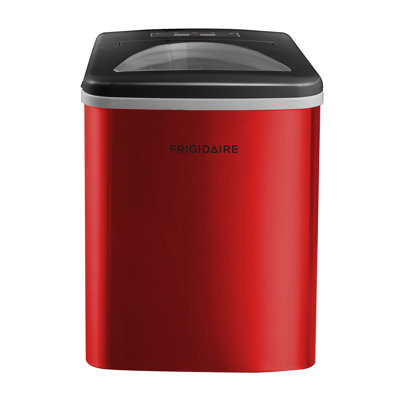
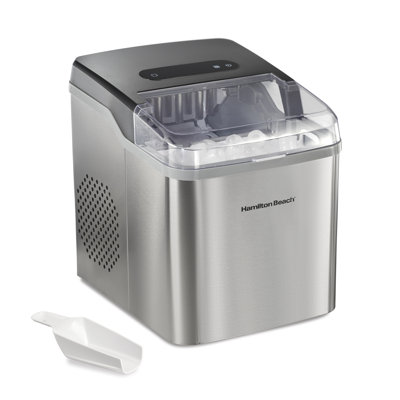
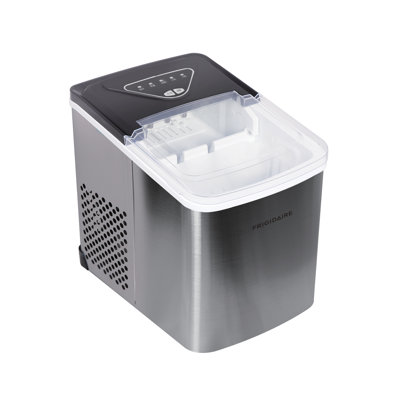
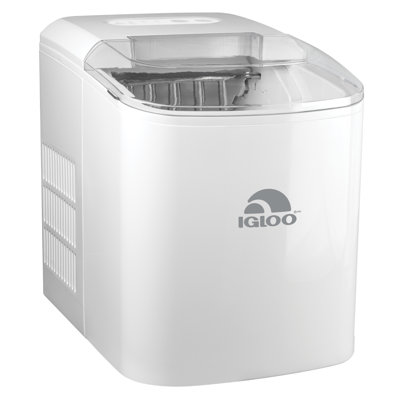
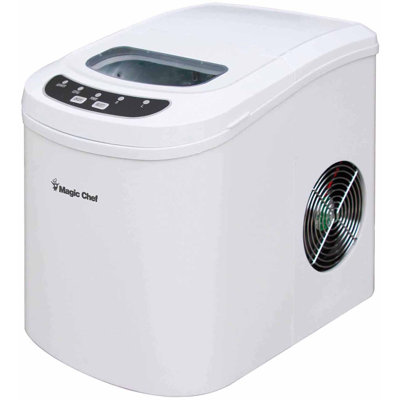
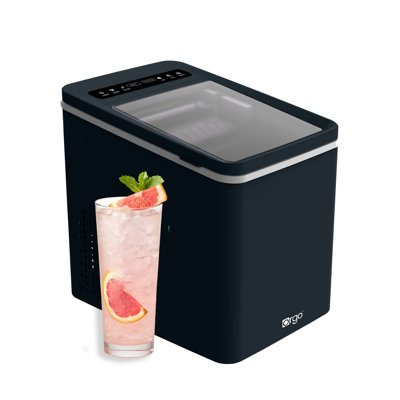
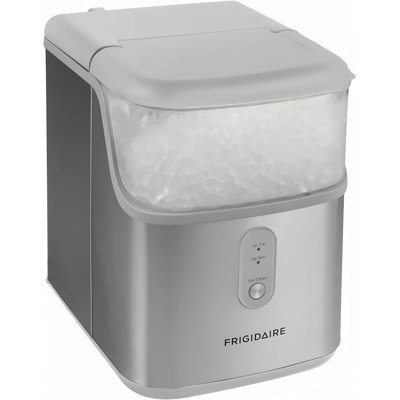
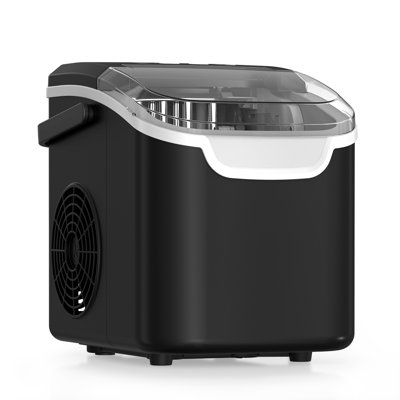
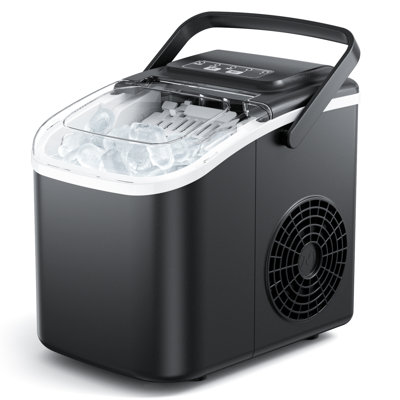
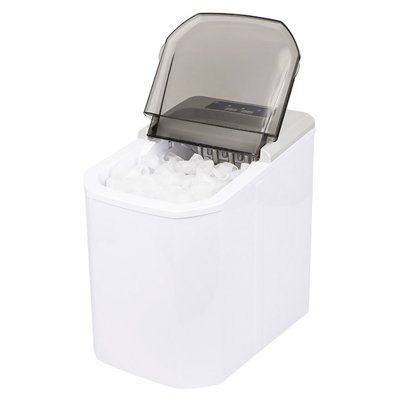
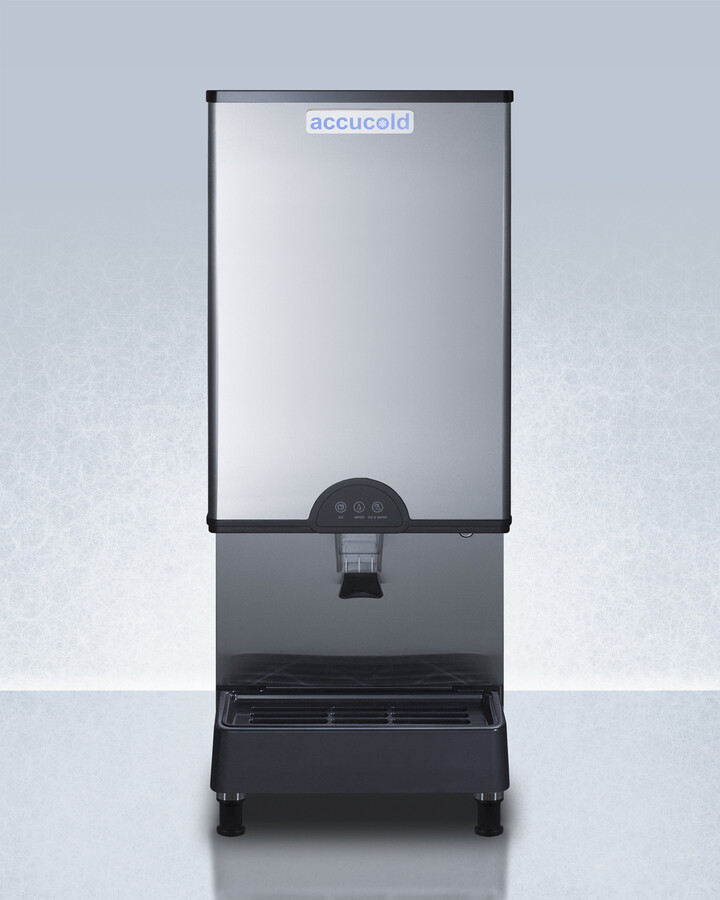
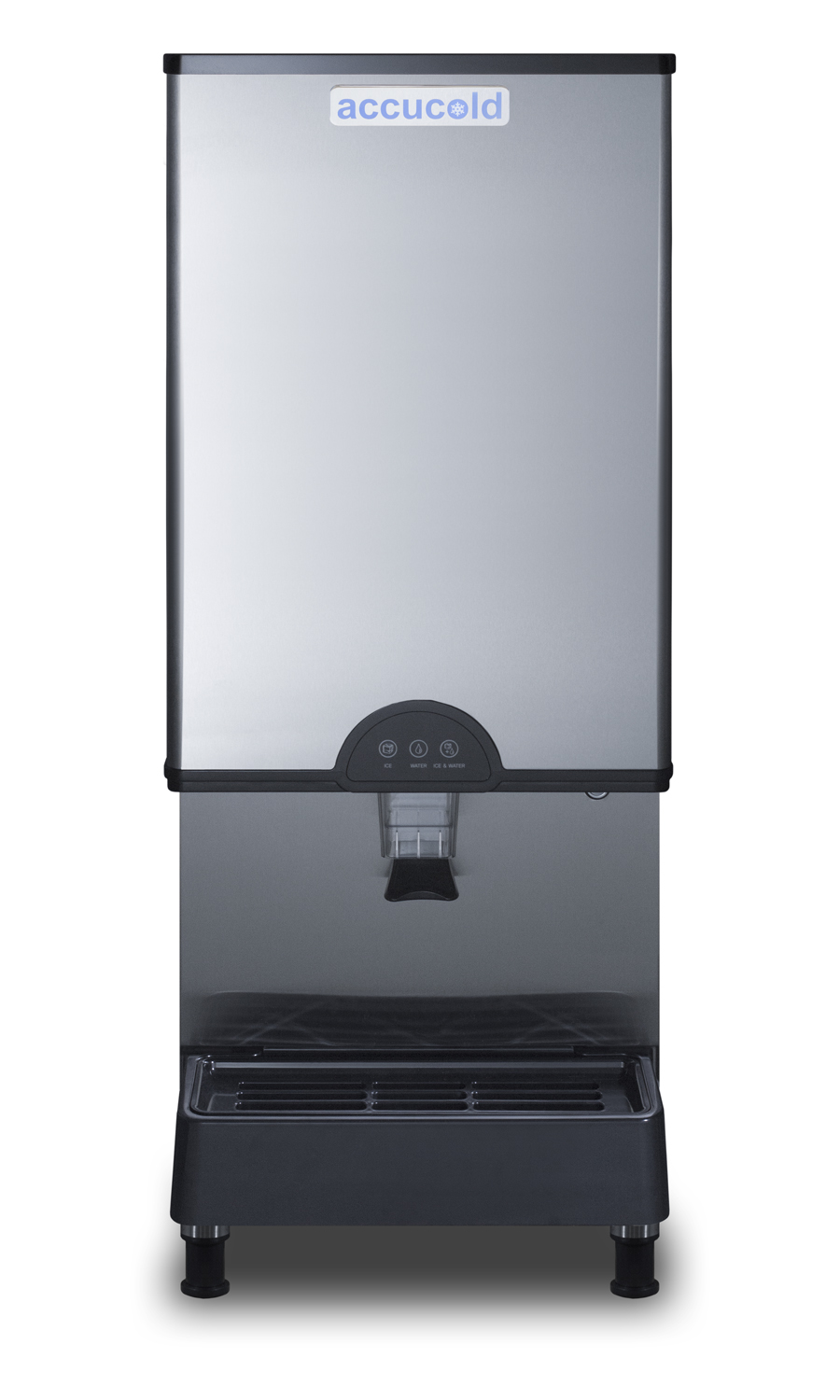
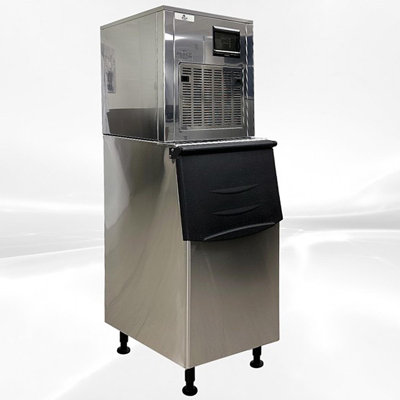
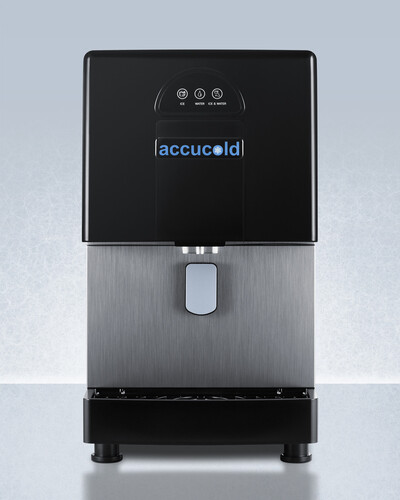
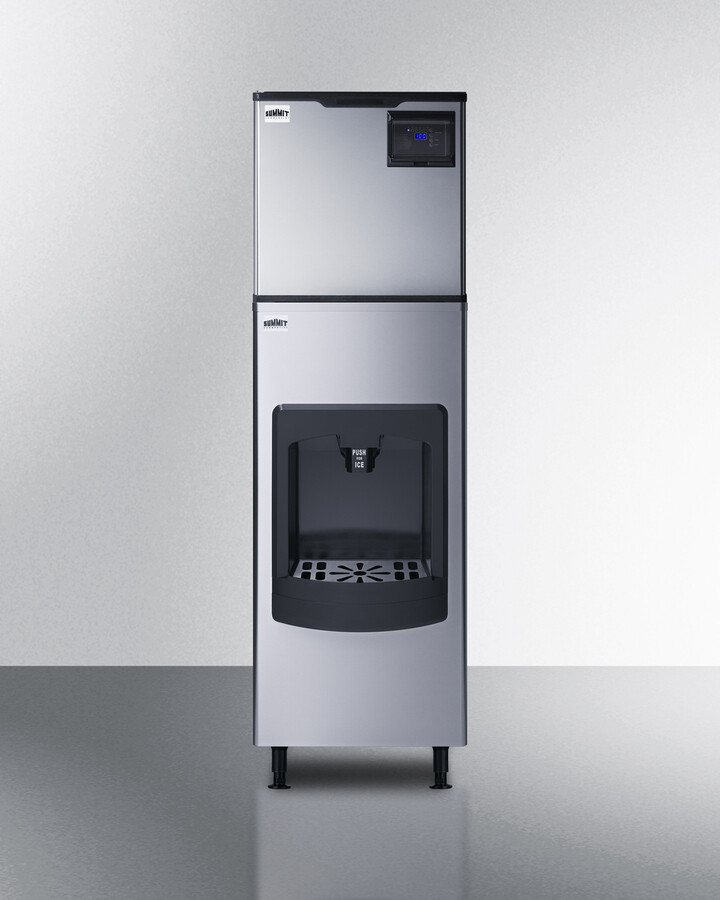
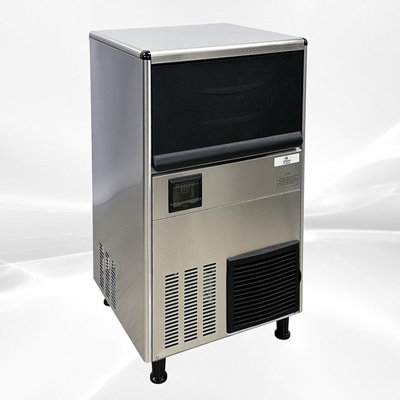
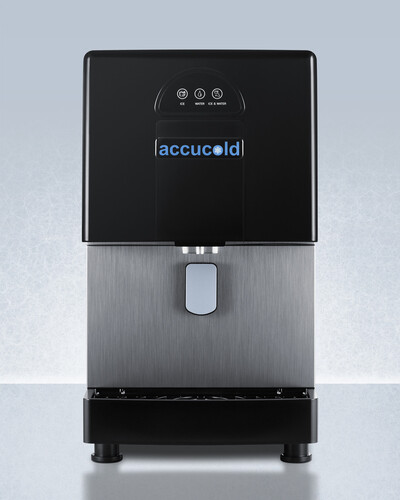
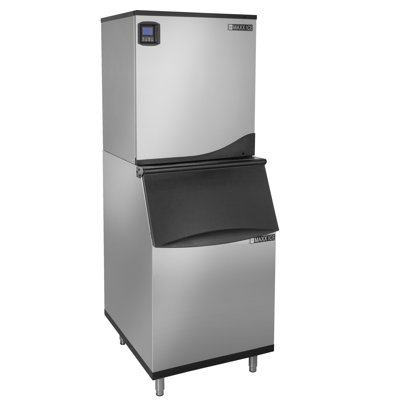
A modern ice maker is a dedicated appliance that produces ice on demand, typically generating 25 to 50 pounds of ice per day in a countertop or undercounter format.
The most popular range for home bars and entertainment spaces is 3 to 5 cubic feet — large enough to hold a solid beverage selection and party snacks while making a strong visual statement.
Brands like Smeg, Galanz, and Frigidaire offer retro lines at various price points, with costs ranging from $150 for compact models to over $2,000 for premium Italian-made full-size units.
Countertop models cost $100 to $500, with nugget ice makers at the higher end.
Retro fridges and modern ice makers are very different appliances that sometimes compete for the same countertop or floor space in kitchens, home bars, and entertainment areas. A retro fridge is a compact refrigerator with vintage-inspired styling — rounded edges, chrome handles, and bold colors — designed to store fresh food and beverages at 35 to 38 degrees Fahrenheit. A modern ice maker is a dedicated appliance that produces ice on demand, typically generating 25 to 50 pounds of ice per day in a countertop or undercounter format. One keeps things cold with nostalgic charm, while the other produces ice with modern efficiency. This guide compares every angle to help you decide which appliance adds more value to your space.
What Is a Retro Fridge
A retro fridge combines current refrigeration technology with a design aesthetic inspired by the 1950s and 1960s. The exterior features rounded corners, a curved single door with a chrome pull handle, and a glossy enamel finish in colors like mint green, cherry red, cream, robin's egg blue, or glossy black. Inside, retro fridges use standard compressor-based cooling with adjustable shelves, door bins, a small crisper section, and often a tiny internal freezer compartment large enough for a few ice trays or a small bag of frozen items.
Retro fridges come in sizes ranging from 1.5-cubic-foot countertop models to 10-cubic-foot full-size units. The most popular range for home bars and entertainment spaces is 3 to 5 cubic feet — large enough to hold a solid beverage selection and party snacks while making a strong visual statement. Brands like Smeg, Galanz, and Frigidaire offer retro lines at various price points, with costs ranging from $150 for compact models to over $2,000 for premium Italian-made full-size units. The retro fridge's primary appeal is dual-purpose — it functions as a refrigerator and a decorative piece simultaneously.
What Is a Modern Ice Maker
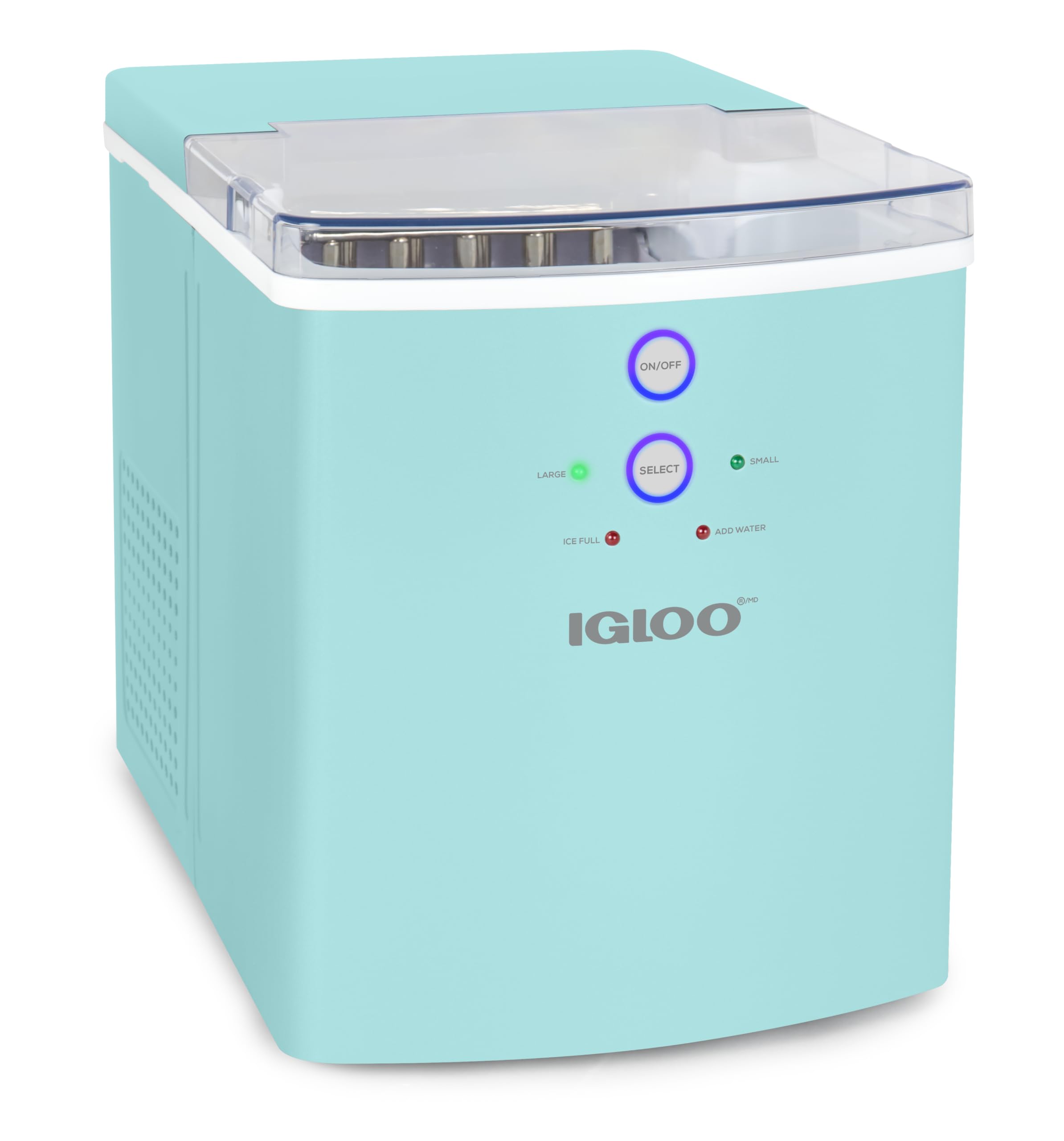
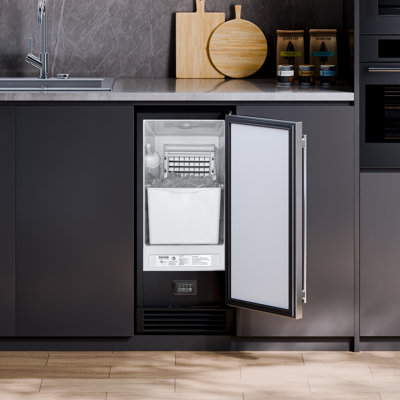
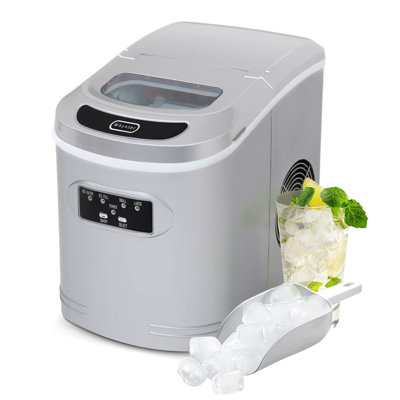
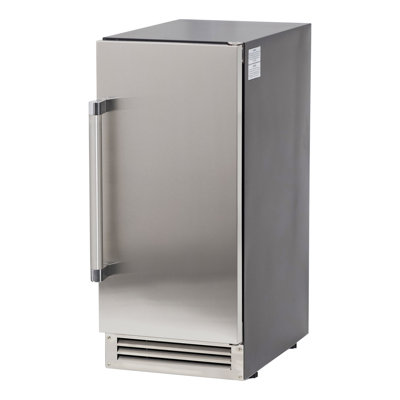
A modern ice maker is a single-purpose appliance designed to produce ice quickly and in large quantities. Countertop models are portable units that sit on a counter, connect to a standard outlet, and produce 25 to 35 pounds of ice per day using water from a manual reservoir that you fill by hand. Undercounter models are permanently installed, connect to a water line, and produce 40 to 80 pounds of ice daily. Both types produce ice in minutes rather than the hours required by traditional freezer ice trays.
Modern ice makers offer a variety of ice types depending on the model — bullet-shaped, crescent, nugget (also called pebble or Sonic-style ice), and clear cube. Nugget ice makers have become particularly popular for home use due to their chewable texture and rapid cooling ability. Countertop models cost $100 to $500, with nugget ice makers at the higher end. Undercounter models run $500 to $3,000 depending on capacity, ice type, and build quality. Unlike a retro fridge, an ice maker does not store food or beverages — it solely produces and holds ice.
A retro fridge provides general cold storage — it keeps beverages cold, preserves fresh food, and offers a small freezer section that can produce a limited amount of ice via traditional trays. It is a versatile appliance that serves multiple purposes in a single unit. However, its ice production is minimal and slow — two ice trays produce roughly 1 to 2 pounds of ice every few hours, which is inadequate for entertaining more than a couple of guests.
A modern ice maker does one thing exceptionally well — it produces large quantities of ice quickly. A countertop model can have its first batch ready in 7 to 15 minutes and produce 25 pounds or more over 24 hours. For anyone who entertains regularly, hosts parties, makes blended drinks, or simply uses a lot of ice in daily beverages, a dedicated ice maker produces more ice in an hour than a retro fridge's freezer compartment can produce in a day. The tradeoff is that an ice maker provides zero food or beverage storage.
Retro fridges are design objects as much as they are appliances. A glossy red Smeg or a mint green Galanz immediately becomes the focal point of any room it occupies. The vintage aesthetic works beautifully in mid-century modern kitchens, eclectic home bars, game rooms, and any space where personality and character matter. Few appliances deliver the same visual impact — the retro fridge makes a statement that guests notice and comment on.
Modern ice makers prioritize function over form. Countertop models are typically compact boxes in silver, black, or white plastic with a small viewing window. They are not designed to impress — they are designed to make ice. Undercounter models are more polished with stainless steel doors and integrated handles, but they install behind a cabinet panel in most cases and are not visible. If visual impact matters and the appliance will be prominently displayed, the retro fridge wins this category decisively. If the appliance will be tucked away or hidden in cabinetry, appearance is irrelevant.
Capacity and Storage
A 3 to 5 cubic foot retro fridge holds a meaningful amount of food and beverages — typically 30 to 50 cans, or a combination of bottles, containers, and snacks. The adjustable shelves and door bins allow organized storage of various items. Everything stays cold and ready to serve. For a home bar or entertainment space, a retro fridge can hold an entire party's worth of beverages without any other appliance.
An ice maker holds only ice — typically 1.5 to 3 pounds in its internal storage bin for countertop models, and 15 to 30 pounds for undercounter models. Most countertop ice makers do not have freezer-level insulation, so stored ice gradually melts if not used and the water is recycled to make new ice. You still need a separate cooler, fridge, or ice bucket to keep beverages cold. The ice maker addresses one specific need but leaves all other cold storage requirements unmet.
A retro fridge in the 3 to 5 cubic foot range consumes 200 to 350 kilowatt-hours per year running continuously. Since it operates 24 hours a day year-round, the annual cost is $25 to $45 depending on local electricity rates. Energy Star-rated models are available at the more affordable end of the retro market, though premium imported models may be less efficient.
Countertop ice makers consume 100 to 200 watts while actively making ice but are typically not run continuously — most households use them during entertaining or high-demand periods and turn them off otherwise. If run 8 hours per day, annual consumption would be approximately 200 to 400 kilowatt-hours. Undercounter models connected to water lines often run continuously and consume 300 to 600 kilowatt-hours per year. The energy comparison depends entirely on usage patterns — an ice maker used only for weekend entertaining uses far less than a retro fridge running 24/7, but a continuously running undercounter model can use more.
Retro fridges operate at 35 to 42 decibels, comparable to a quiet room with a gentle hum. The compressor cycles on and off throughout the day, and most of the time the fridge is nearly silent. Budget retro models may be slightly louder at 42 to 48 decibels, which is noticeable in a quiet room. Premium models with modern inverter compressors stay at the quieter end of the range.
Ice makers are noisier during active ice production. Countertop models produce 40 to 50 decibels while running — the water pump, compressor, and ice-dropping mechanism all create audible noise. The sound is intermittent since ice is produced in cycles of 7 to 15 minutes followed by brief pauses. Undercounter models are somewhat quieter at 35 to 45 decibels because they are enclosed in cabinetry that dampens sound. During periods between ice cycles, the unit is quiet. If noise sensitivity is a concern, the retro fridge provides more consistent quiet operation.
Retro fridges range widely in price. Compact 1.5 to 2 cubic foot models start at $100 to $200. Mid-range 3 to 5 cubic foot models cost $250 to $600. Premium full-size Smeg retro fridges run $1,500 to $2,500. The style premium varies by brand — budget retro fridges from Galanz or Frigidaire offer the vintage look at accessible prices, while Italian-made Smeg units command luxury pricing.
Countertop ice makers cost $100 to $300 for standard bullet or crescent ice models and $300 to $500 for nugget ice makers. Undercounter models run $500 to $1,500 for standard ice and $1,500 to $3,000 for clear ice or nugget ice models. A countertop ice maker is less expensive than most retro fridges of comparable quality, but an undercounter clear ice maker can exceed the cost of even premium retro fridge models.
Maintenance Requirements
Retro fridges need minimal maintenance — occasional interior cleaning, condenser coil dusting every six months, and door gasket inspection. The small internal freezer may need manual defrosting if frost builds up. Overall, the maintenance burden is light and consistent with any compact refrigerator.
Ice makers require more frequent attention. The water reservoir or water line filter needs regular cleaning to prevent mineral scale buildup. The interior should be sanitized every two to four weeks to prevent bacterial growth in the water system. Countertop models with reservoirs need to be emptied and dried if not used for extended periods to prevent mold. Undercounter models require periodic descaling and water filter replacement. Neglecting ice maker maintenance can result in cloudy ice, off flavors, and reduced ice production over time.
A retro fridge is the right choice if you need general cold storage with visual flair. It is perfect for home bars where beverages need to stay cold and accessible, for game rooms and entertainment spaces where the appliance is part of the decor, and for small apartments or guest suites that need a compact fridge with personality. If you use modest amounts of ice and can work with traditional ice trays, a retro fridge handles everything in one stylish package.
Who Should Choose a Modern Ice Maker
A modern ice maker is the right choice if you use large quantities of ice regularly — for cocktails, smoothies, iced coffee, parties, or family gatherings. It is essential for home bars that serve blended drinks, for households that go through multiple trays of ice daily, and for anyone who craves nugget or clear ice that a standard freezer cannot produce. If ice production is your specific unmet need and you already have cold storage for beverages, an ice maker fills that gap perfectly.
The ultimate home bar or entertainment space pairs a retro fridge with a countertop ice maker. The retro fridge stores and displays your beverage collection while making a design statement, and the ice maker ensures you never run out of ice during a gathering. A compact countertop ice maker sitting on the bar beside a retro fridge creates an impressive and fully functional entertaining station for a combined investment of $300 to $800 — less than many single premium appliances.
Compare prices on Fridge.com
Fridge.com carries retro fridges in every color and size alongside ice makers for every need. Browse our mini fridges for retro and compact options, or explore our ice makers for countertop and undercounter models. Check out our beverage refrigerators for more entertaining options. Free shipping and price-match guarantee on every order.
Frequently Asked Questions
Most do not. The retro single-door design with small internal freezer typically has no space for a built-in ice maker. Manual ice trays are the default. Some larger Big Chill models include ice makers. Check specific model features at Fridge.com.
From Fridge.com research
Figures below come from data Fridge.com builds and maintains. Each links to the record behind it.
Fridge.com Energy Index, built on U.S. EPA and DOE ENERGY STAR records
Across 5,455 ENERGY STAR certified refrigerators and freezers from 263 brands, median use is 360 kWh per year.