That is standard frozen storage, not the ideal 5°F to 10°F scooping range, so ice cream comes out rock-hard and needs 10 to 15 minutes on the counter before serving.
Yes — in its small freezer compartment, which typically runs 10°F to 25°F.
The small freezer compartment typically holds 10°F to 25°F — cold enough to store ice cream, but it comes out rock-hard and needs 10 to 15 minutes of counter time before scooping.
A countertop ice cream freezer uses about 200 to 400 kWh per year ($26 - $52) versus 300 to 450 kWh ($39 - $59) for a 10 cu.
An ice cream freezer holds frozen desserts at -20°F to 0°F for storage — with 5°F to 10°F the optimal serving range for scoopable texture — while a retro fridge refrigerates everyday food and beverages at 35°F to 38°F behind vintage 1950s styling. One appliance is built for dessert texture; the other is a kitchen design statement that handles daily refrigeration. The comparison below covers temperatures, capacities, dimensions, energy use, real-dollar pricing, and which buyer each appliance actually suits.
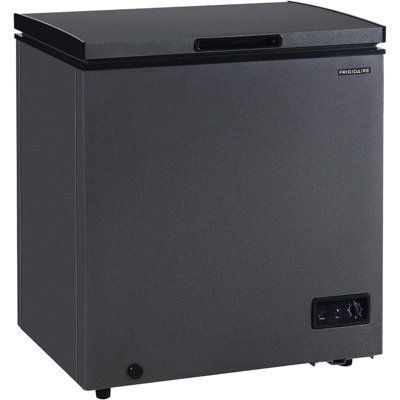
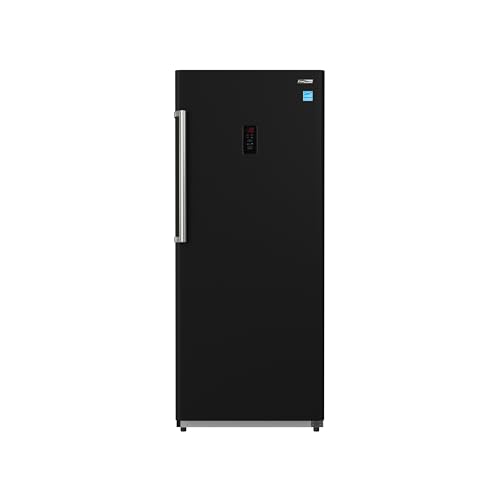
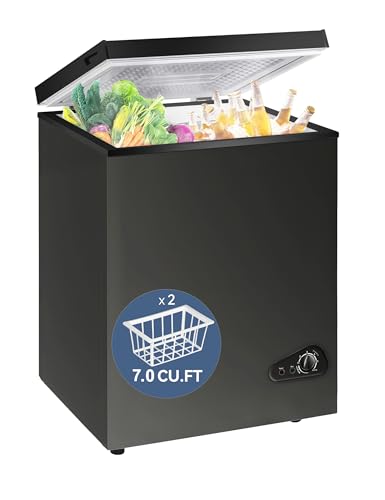
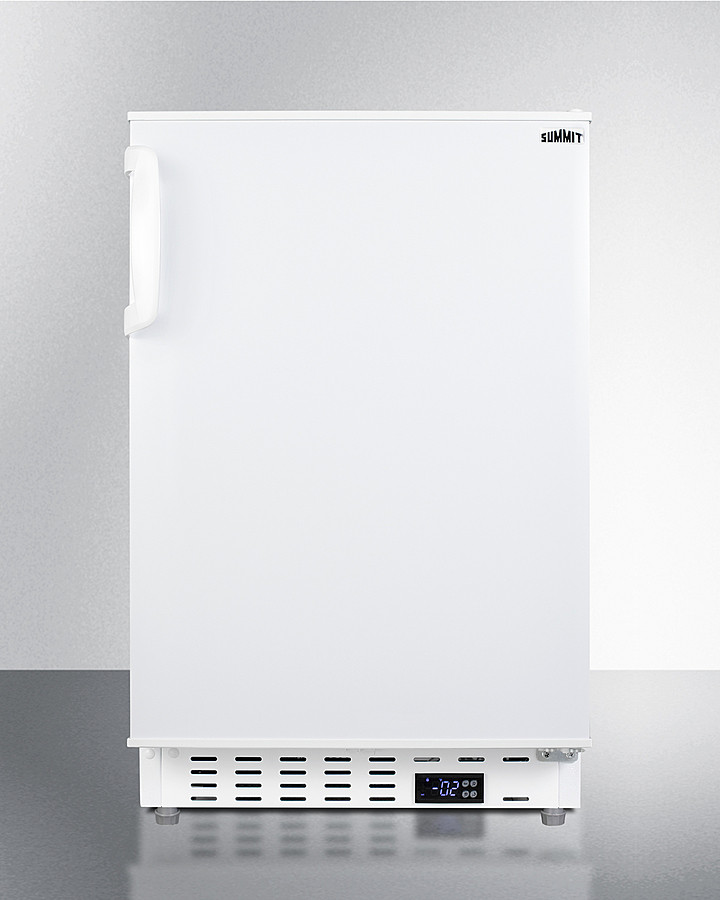
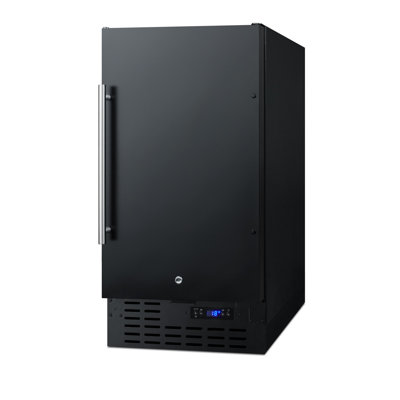
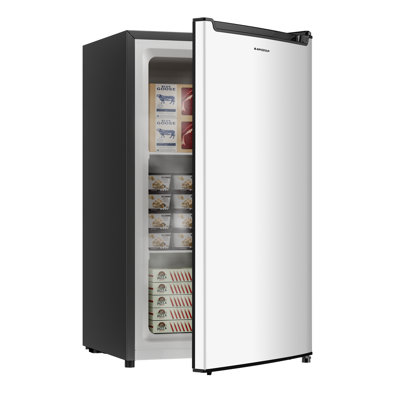
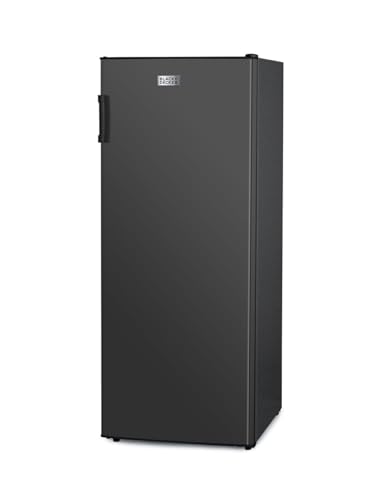
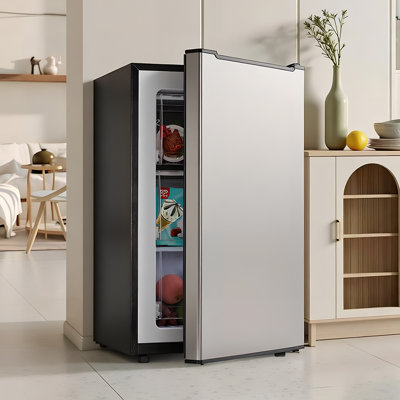
An ice cream freezer, unlike a traditional freezer, keeps frozen desserts at consistent temperatures — typically lower than a regular freezer — to prevent ice crystal formation and maintain creaminess. Many models add fast-freezing ability to quickly bring down the temperature of freshly churned ice cream.
Features and Capacities
Common ice cream freezer features include:
Temperature Control: Fine-tuned temperature adjustments, since precision is key in ice cream storage.
Defrost Function: To maintain efficiency and optimal texture of ice cream.
Transparent Lids: For easy viewing and selection without opening the freezer and causing temperature fluctuations.
Capacities cater to both personal and commercial needs:
A retro fridge refrigerates food and beverages at standard fridge temperatures while its 1950s-inspired design adds a nostalgic aesthetic to the kitchen. Unlike the ice cream freezer, which is tailored to keep ice cream at scoopable temperatures, a retro fridge covers the full range of daily refrigeration — preserving leftovers, chilling drinks, and storing groceries. Most models include a small freezer compartment.
Features and Capacities
Retro fridges pair modern features with a vintage look. Capacities vary widely, with some designed for compact spaces akin to a mini fridge freezer, while others offer full-size storage similar to a french door refrigerator.
Feature
Description
Adjustable Shelving
Customizable shelf arrangement for different size items.
Crisper Drawers
Specialized compartments for fruits and vegetables.
Frost-Free
Technology to prevent icy build-up without manual defrosting.
Beverage Dispenser
Built-in dispenser for drinks in select models.
Door Storage
Extra space for bottles and condiments in the door.
Yes — in its small freezer compartment, which typically runs 10°F to 25°F. That is standard frozen storage, not the ideal 5°F to 10°F scooping range, so ice cream comes out rock-hard and needs 10 to 15 minutes on the counter before serving. For casual ice cream consumption, the retro fridge's compartment works. For hosting ice cream bars or serving homemade gelato at perfect texture, a dedicated ice cream freezer is necessary — and for long-term storage, keep ice cream at 0°F or below.
Size and Space Considerations
Footprint and Dimensions
The footprint of an ice cream freezer tends to be more vertical, with less width but greater depth, to accommodate stacked frozen treats and tubs of ice cream. Retro fridges typically have a more balanced aspect ratio that mimics classic mid-20th-century fridges.
Appliance Type
Average Width
Average Depth
Average Height
Ice Cream Freezer
24 inches
26 inches
35 inches
Retro Fridge
29 inches
24 inches
66 inches
These dimensions are averages; actual size varies by model and capacity. Measure your available space before purchasing.
Placement Options
For ice cream freezers, a garage, basement, or pantry might be an ideal location due to the typically cooler temperatures and out-of-the-way placement.
Retro fridges work well in kitchen spaces, diners, or anywhere you want to add a touch of vintage charm.
Ensure there is enough space for door swing and airflow around the appliance to prevent overheating and to allow for proper ventilation.
Ice cream freezers maintain lower temperatures than refrigerators, which generally means higher energy consumption. Typical annual figures:
Type
Annual kWh
Annual Cost
Retro Fridge (10 cu. ft.)
300 - 450 kWh
$39 - $59
Ice Cream Freezer (countertop)
200 - 400 kWh
$26 - $52
Ice Cream Dipping Cabinet
600 - 1,200 kWh
$78 - $156
Ice Cream Freezer Efficiency
To evaluate an ice cream freezer's efficiency, check the Energy Star rating and the annual kWh usage specified by the manufacturer, and consider the insulation and the type of cooling agent used.
Feature
Impact on Efficiency
Insulation
Better insulation reduces energy consumption
Cooling Agent
Some agents are more efficient and environmentally friendly than others
For further insight into how ice cream freezers stack up against other freezer types, check out Fridge.com comparison of a reach in freezer vs. undercounter refrigerator.
Retro Fridge Efficiency
Modern retro-styled refrigerators are typically equipped with more energy-efficient technology than their true vintage counterparts. Evaluate them like any modern refrigerator: Energy Star rating, refrigerant type, and cooling technology.
Feature
Impact on Efficiency
Refrigerant Type
Some refrigerants have a lower environmental impact
Technology
Modern cooling technologies can enhance efficiency
It's worth exploring how different types of fridges compare in terms of energy use — for example, a french door refrigerator vs. fridge freezer.
Proper care prevents the buildup of frost, bacteria, and unpleasant odors in both appliances.
Ice Cream Freezer Care
Regular defrosting prevents excessive ice buildup, which reduces efficiency and storage capacity:
Unplug the freezer and remove all items.
Allow the ice to melt naturally or use a plastic scraper gently if needed.
Clean the interior with a solution of warm water and mild detergent.
Dry the interior thoroughly before plugging the freezer back in.
Restock the freezer, ensuring that products are well-organized to allow for proper air flow.
Regularly check the door seals for any signs of wear or gaps that could let in warm air and cause frost accumulation. For more on different freezer types and their maintenance, explore reach in freezer vs. undercounter refrigerator and auto defrost freezer vs. beverage cooler.
Retro Fridge Care
Wipe down the exterior with a soft cloth and an appropriate cleaner to maintain the finish.
Remove all contents from the fridge and discard any expired or spoiled items.
Use a mixture of baking soda and water to clean the interior shelves and walls.
Inspect the door seals and clean them with soapy water to ensure they are sealing properly.
Place an open box of baking soda inside to absorb any lingering odors.
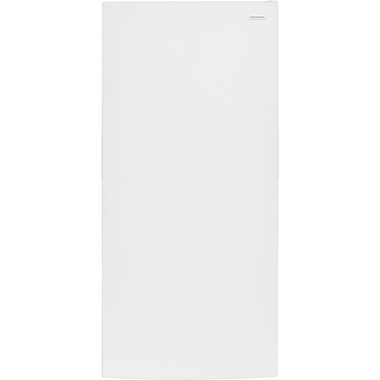
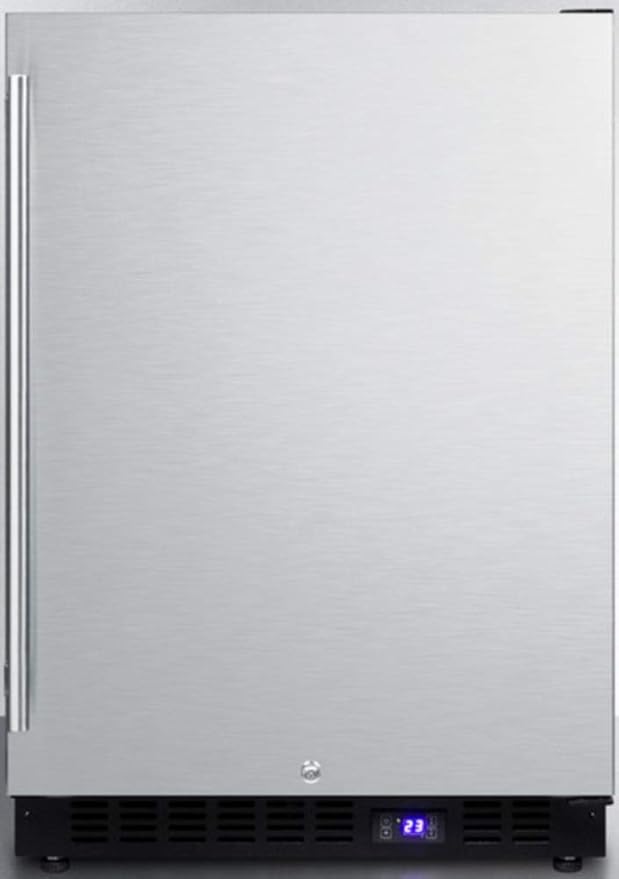
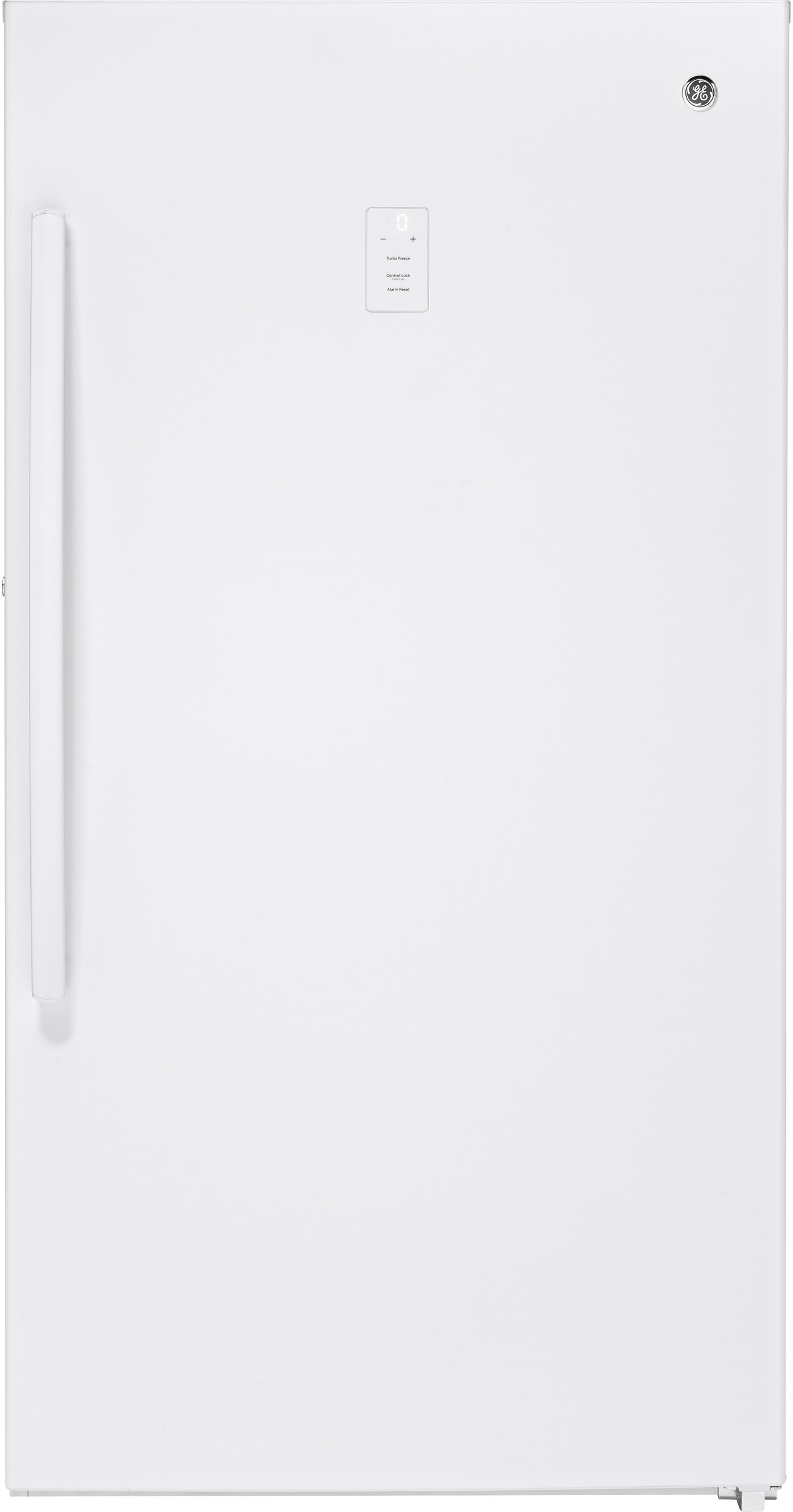
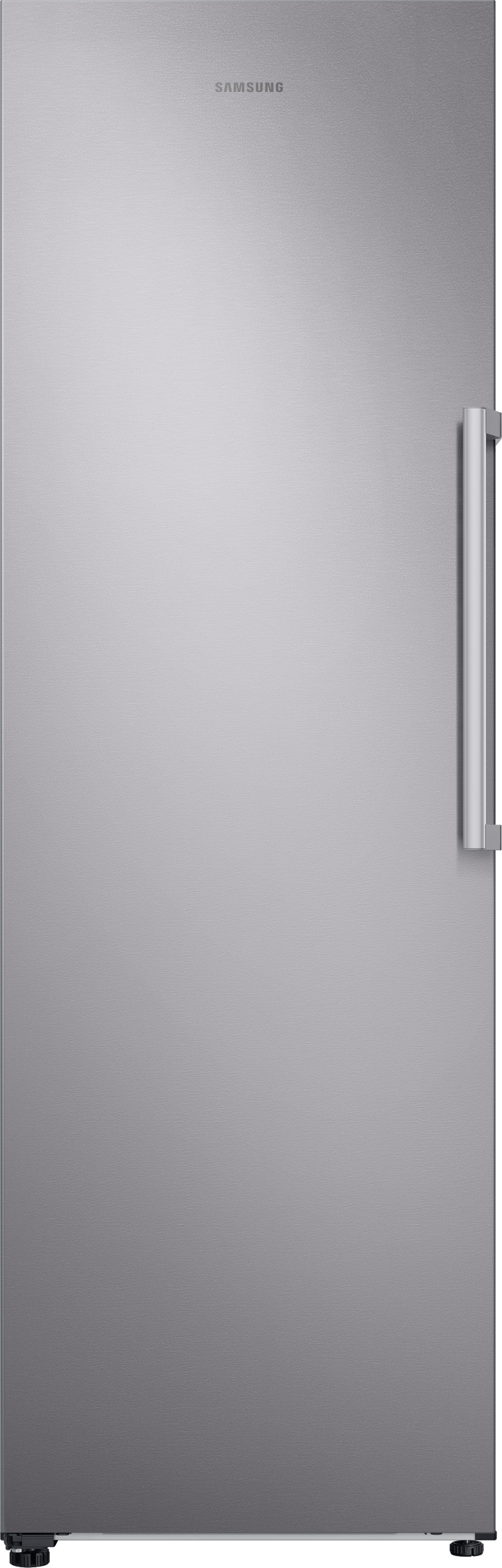
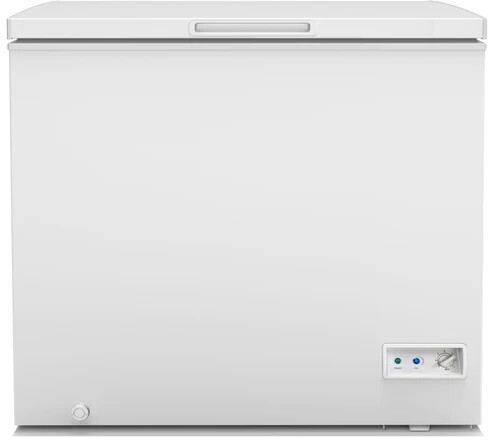
Ice cream freezers are designed with functionality in mind, featuring top-opening doors and deep storage bins for large quantities of frozen desserts, usually in a plain white or stainless exterior. Retro fridges boast a vintage design reminiscent of classic 1950s and 1960s refrigerators, available in vibrant colors — pink, red, blue, mint, yellow, black, even custom finishes — with rounded edges and chrome handles that can make them the centerpiece of any kitchen.
Integration with Decor
An ice cream freezer, with its utilitarian appeal, fits seamlessly into spaces like a garage, basement, or commercial setting where function trumps form. A retro fridge can serve as a statement piece in a kitchen, entertainment area, or unconventional spaces like a renovated vintage airstream, integrating with themes from mid-century modern to eclectic. You may want to create a retro-inspired kitchen or a modern basement bar, and selecting the right appliance can be pivotal in achieving your desired look.
Cost and Budget
Initial Investment
Retro fridges span roughly $200 for compact models to $6,000+ for premium full-size units; ice cream freezers run about $150 for basic countertop units to $6,000 for large dipping cabinets. Pricing by tier:
Type
Budget
Mid-Range
Premium
Retro Fridge (compact)
$200 - $600
$600 - $1,200
$1,200 - $2,500
Retro Fridge (full-size)
$1,500 - $2,500
$2,500 - $4,000
$4,000 - $6,000+
Ice Cream Freezer (countertop)
$150 - $400
$400 - $800
$800 - $2,000
Ice Cream Dipping Cabinet
$800 - $1,500
$1,500 - $3,000
$3,000 - $6,000
For a more comprehensive comparison, you may want to explore articles like reach in freezer vs. undercounter refrigerator and retro mini fridge.
Long-Term Operating Costs
Ice cream freezers generally consume more energy because they must maintain lower temperatures — dipping cabinets in particular can run $78 to $156 per year, versus $39 to $59 for a 10 cu. ft. retro fridge (see the Energy Efficiency table above). Actual costs depend on your usage patterns, local utility rates, and the specific energy efficiency ratings of your chosen model. To make an informed decision, consider reading about energy-efficient appliances in articles such as built in freezer vs. freezerless refrigerator and french door refrigerator vs. fridge freezer.
Purpose: Are you looking to store large quantities of frozen treats, or do you need a versatile appliance for cooling beverages and preserving daily groceries? An ice cream freezer specializes in keeping frozen desserts at the perfect temperature, while a retro fridge offers more general use.
Space: Measure the area where you plan to place the appliance. Ensure there is adequate room for ventilation and door clearance.
Energy Consumption: Compare the energy efficiency of both appliances. An efficient model may have a higher upfront cost but can save you money on utility bills in the long run.
Maintenance: Consider the effort required to clean and maintain the appliance. Some models have auto-defrost features, while others may require manual defrosting.
Style: Think about how the appliance's aesthetics will complement your existing decor. Retro fridges often come in various colors and designs that can add a vintage flair to your space.
Budget: Factor in both the initial investment and the anticipated operating costs. A more expensive model might be more durable or energy-efficient, offsetting the initial cost over time.
Who Should Buy Which
Buy a retro fridge if kitchen design personality is your priority. The vintage styling transforms the room, and ice cream storage is a secondary function handled by the small freezer compartment at standard frozen temperature.
Buy an ice cream freezer if frozen dessert perfection is your priority. The precise serving temperature makes homemade and premium ice cream taste dramatically better, though the appliance is functional rather than decorative.
Who Should Buy Both
Food-passionate households that value both kitchen design and dessert excellence can pair the two: a colorful retro fridge as the kitchen centerpiece plus an ice cream freezer for homemade gelato service. The combined investment serves daily aesthetics and special-occasion dessert service from different angles. For additional guidance, consult comparison guides such as reach in freezer vs. undercounter refrigerator or built in ice maker vs. side by side refrigerator.
Frequently Asked Questions
What temperature does an ice cream freezer keep?
Ice cream freezers maintain -20°F to 0°F for storage; 5°F to 10°F is the optimal serving range where ice cream is firm but scoopable. For long-term storage, 0°F or below preserves texture and prevents ice crystal formation.
Can a retro fridge keep ice cream frozen?
Yes. The small freezer compartment typically holds 10°F to 25°F — cold enough to store ice cream, but it comes out rock-hard and needs 10 to 15 minutes of counter time before scooping. It cannot match a dedicated ice cream freezer's serving texture.
Which uses more energy, an ice cream freezer or a retro fridge?
A countertop ice cream freezer uses about 200 to 400 kWh per year ($26 - $52) versus 300 to 450 kWh ($39 - $59) for a 10 cu. ft. retro fridge. Large ice cream dipping cabinets are the biggest consumers at 600 to 1,200 kWh per year ($78 - $156).
How much do a retro fridge and an ice cream freezer cost?
Compact retro fridges start around $200 and full-size premium models reach $6,000+. Countertop ice cream freezers start around $150, while commercial-style dipping cabinets run $800 to $6,000.
Should I choose an ice cream freezer or a retro fridge?
Choose a retro fridge for everyday refrigeration with vintage kitchen style; choose an ice cream freezer if serving frozen desserts at perfect scoopable texture is the priority. Households passionate about both food design and dessert quality often run both.
Compare prices on Fridge.com
Compare current prices and specifications on Fridge.com, then buy from the retailer you choose; delivery, installation and warranty terms are the retailer’s.
It also has tons of awesome articles about kitchen stuff and home news. Enhance your home, garage, backyard, patio, and office with the coolest essentials. With every necessary type of residential refrigerator or freezer in the collection, you're covered.
Frequently Asked Questions
Yes — in its small freezer compartment, which typically runs 10°F to 25°F. That is standard frozen storage, not the ideal 5°F to 10°F scooping range, so ice cream comes out rock-hard and needs 10 to 15 minutes on the counter before serving. For casual ice cream consumption, the retro fridge's compartment works. For hosting ice cream bars or serving homemade gelato at perfect texture, a dedicated ice cream freezer is necessary — and for long-term storage, keep ice cream at 0°F or below.