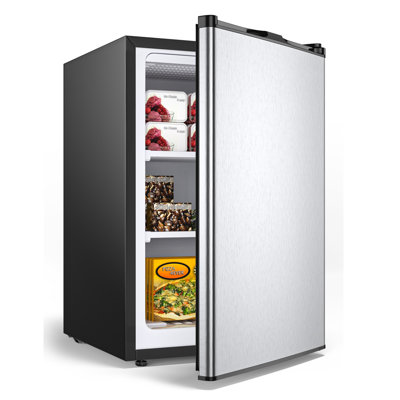
A 1.5-cubic-foot mini freezer fills up surprisingly fast — most households that want meaningful frozen storage should start at 3 cubic feet minimum.
Prices are accessible, typically $100 to $350 for quality models.
A retro fridge is a compact refrigerator — typically 3 to 10 cubic feet — styled with rounded edges, chrome handles, and bold colors that evoke 1950s and 1960s design.
A mini freezer is a small standalone freezer — usually 1 to 5 cubic feet — designed exclusively for frozen food storage.
Retro fridges and mini freezers serve fundamentally different purposes, but they often compete for the same spot in a kitchen, apartment, garage, or entertainment space. A retro fridge is a compact refrigerator — typically 3 to 10 cubic feet — styled with rounded edges, chrome handles, and bold colors that evoke 1950s and 1960s design. A mini freezer is a small standalone freezer — usually 1 to 5 cubic feet — designed exclusively for frozen food storage. One keeps drinks and fresh food cold with vintage charm, while the other provides dedicated frozen storage in a compact footprint. This comparison covers every angle to help you decide which appliance fits your needs and space.
What Is a Retro Fridge
A retro fridge combines modern refrigeration technology with a nostalgic exterior design. The classic retro fridge features rounded corners, a curved single door with a chrome pull handle, and a colorful enamel finish in shades like mint green, cherry red, robin's egg blue, cream, or glossy black. Inside, retro fridges use standard compressor-based cooling and include adjustable shelves, door bins, a small crisper section, and often a small internal freezer compartment with enough room for a few ice trays or a bag of frozen vegetables.
Retro fridges range in size from compact countertop units around 3 cubic feet to full-size models up to 10 or 12 cubic feet. The most popular size range — 7 to 10 cubic feet — works well as a primary fridge for a single person or couple, or as a secondary fridge in a game room, home bar, or guest suite. Brands like Smeg, Galanz, and Unique Appliances dominate the retro fridge market, with prices ranging from $200 for basic compact models to $2,000 or more for premium full-size Italian-made units.
What Is a Mini Freezer
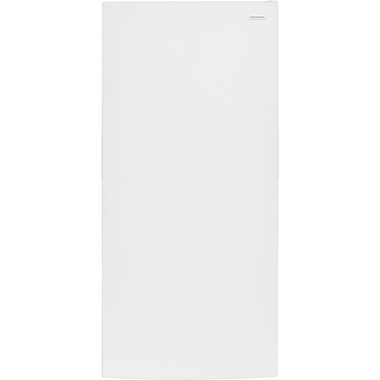
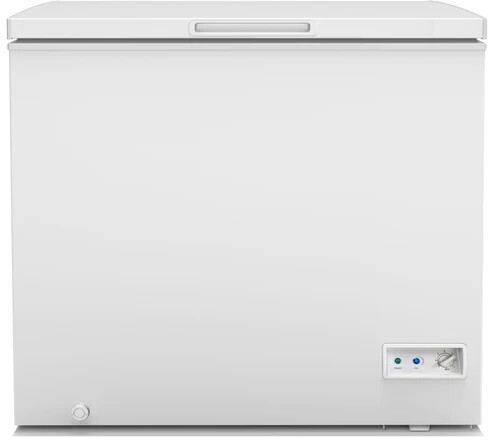
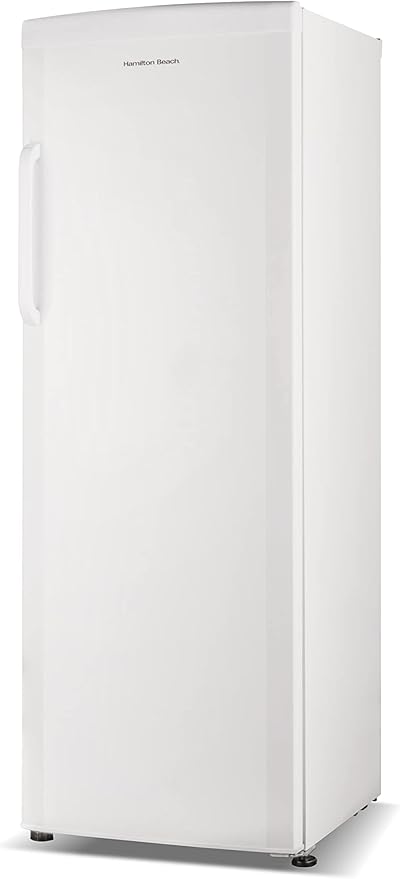
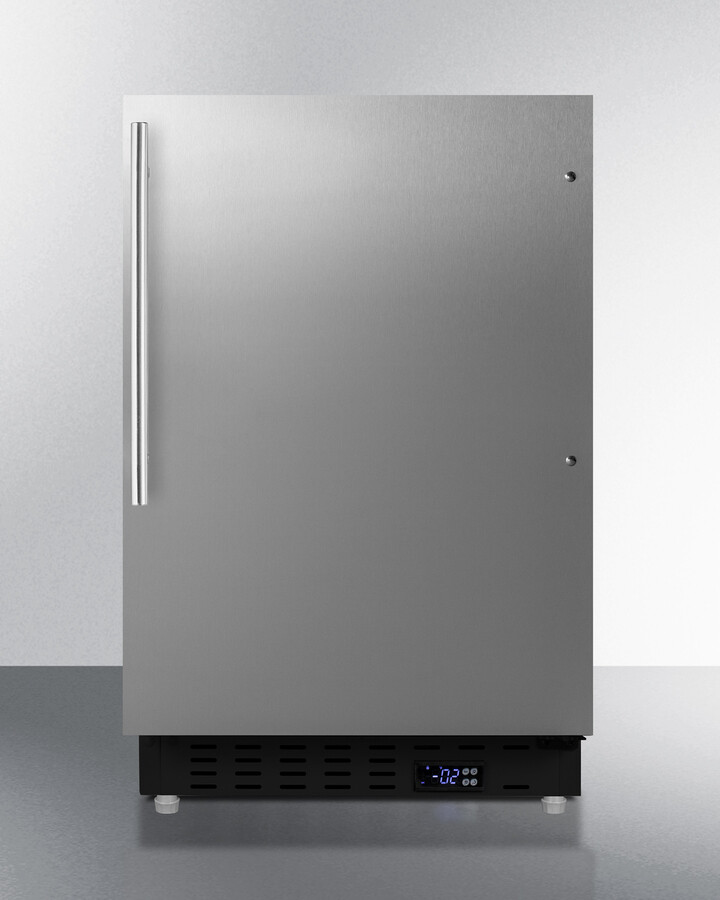
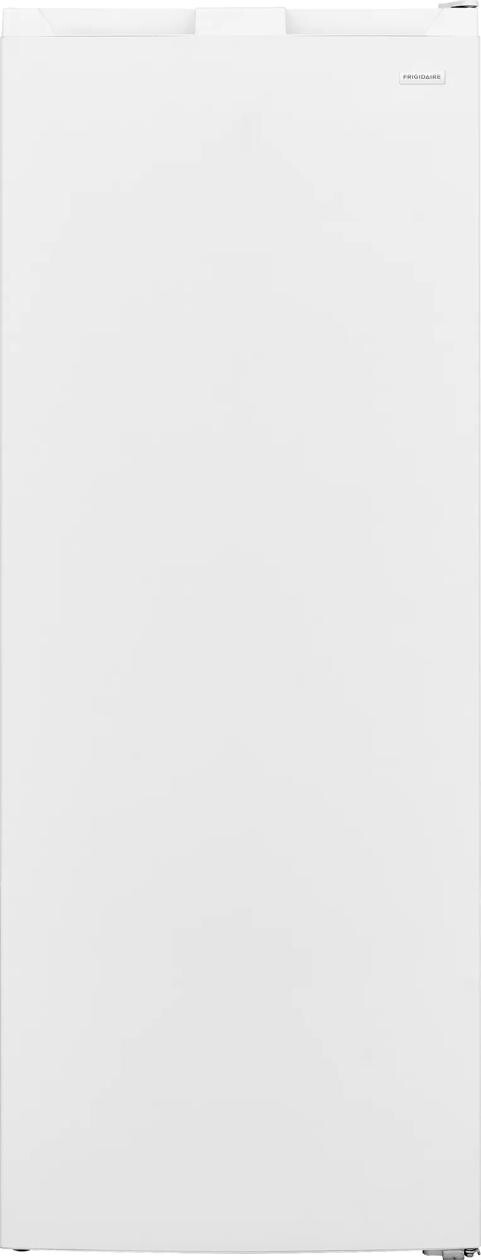
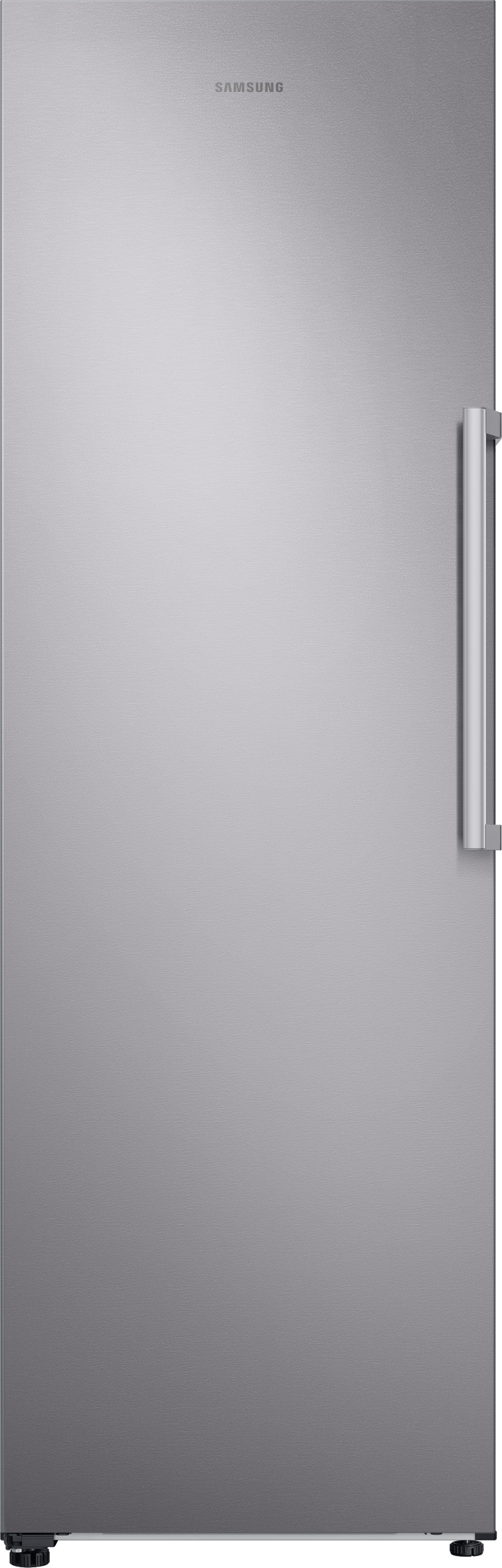
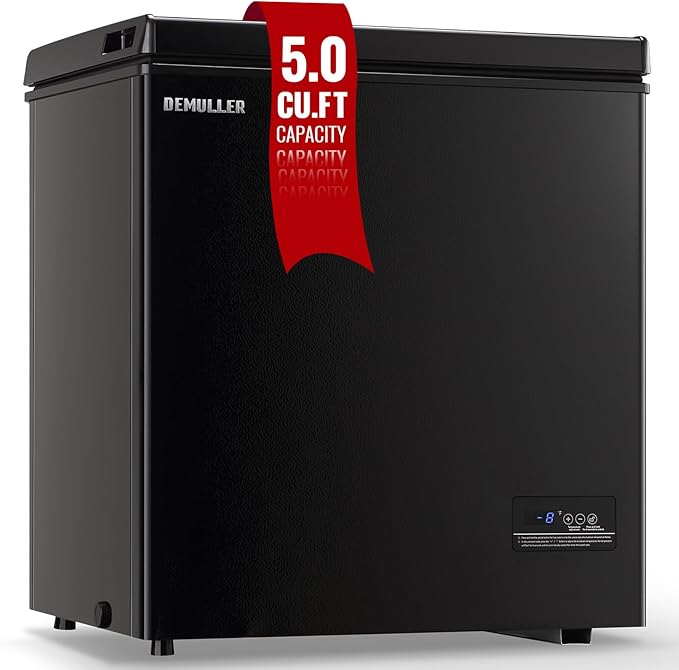
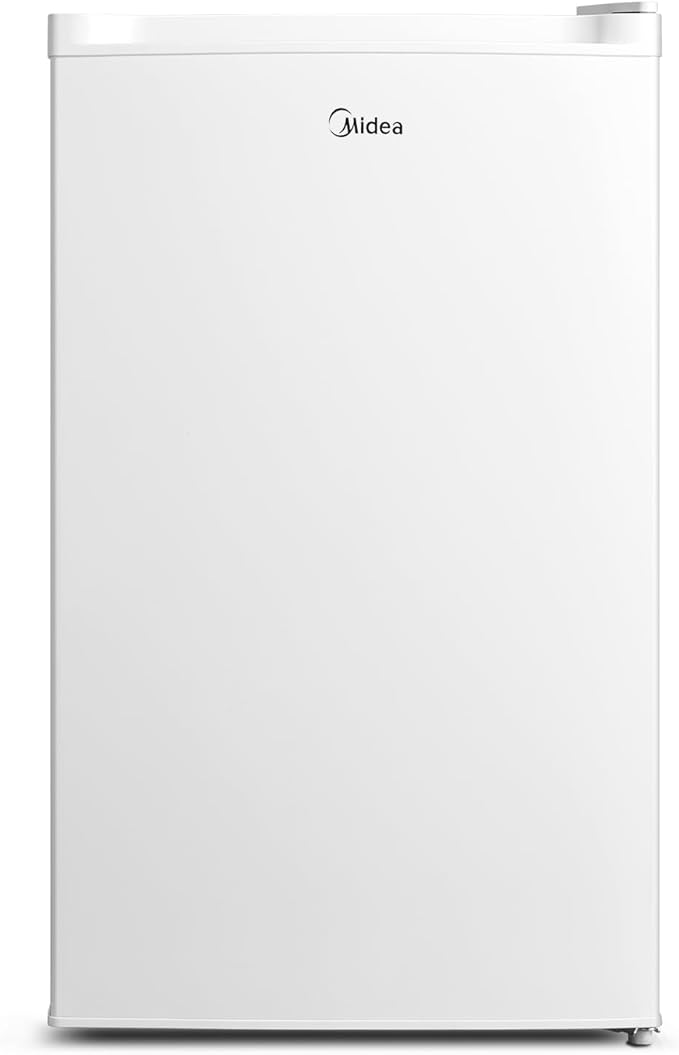
A mini freezer is a compact standalone appliance dedicated entirely to frozen food storage. These units come in two main configurations: upright mini freezers with a front-opening door and interior shelves, and chest-style mini freezers with a top-opening lid and basket storage. Most mini freezers range from 1 to 5 cubic feet, with the most popular residential models falling in the 2 to 3.5 cubic foot range. They maintain temperatures at or below 0 degrees Fahrenheit, the same standard as full-size freezers.
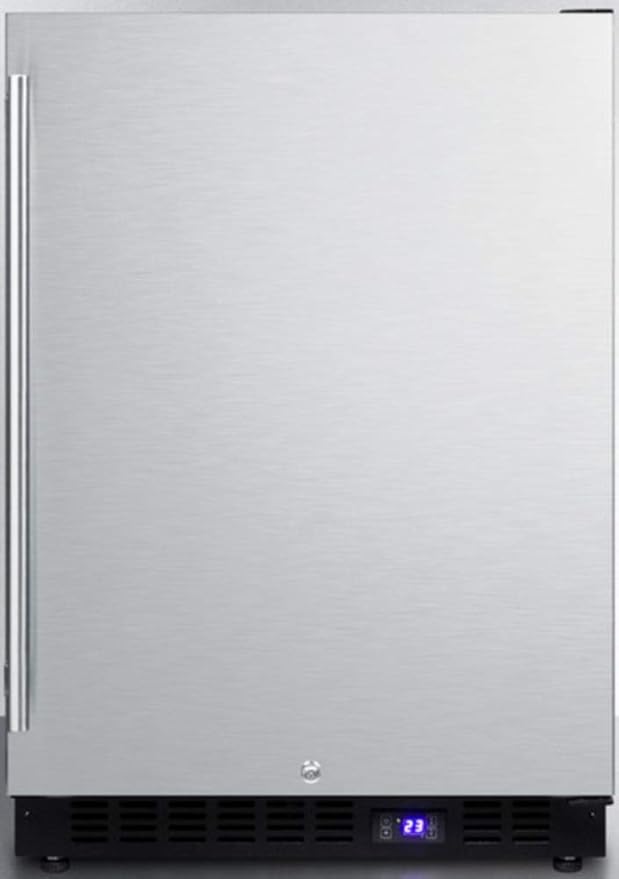
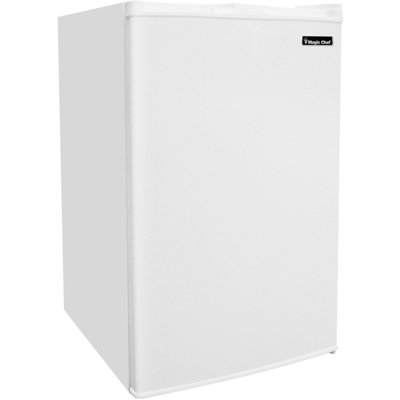
Mini freezers are designed for supplementary frozen storage — extra ice cream, frozen meals, bulk meats, breast milk storage, ice packs, or overflow from a full-size freezer. They fit in kitchens, garages, laundry rooms, basements, dorm rooms, and offices. Prices are accessible, typically $100 to $350 for quality models. Unlike retro fridges, mini freezers prioritize pure function over aesthetics, with most models featuring plain white, black, or stainless steel exteriors.
Primary Function: Cooling vs. Freezing
The most fundamental difference is temperature range. A retro fridge maintains its main compartment at 35 to 38 degrees Fahrenheit — standard refrigerator temperature for fresh food, beverages, dairy, produce, and leftovers. The small internal freezer compartment, if present, typically maintains 10 to 20 degrees Fahrenheit, which is cold enough for ice and short-term frozen storage but not a true 0-degree freezer environment suitable for long-term food preservation.
A mini freezer maintains 0 degrees Fahrenheit or below throughout its entire interior. This is the temperature required by the USDA for safe long-term frozen food storage. At this temperature, bacterial growth stops completely and food can be stored for months or even years without spoilage. If your primary need is frozen food storage — whether for meal prep, bulk buying, or specialty items — a mini freezer delivers a capability that a retro fridge simply cannot match. If you need fresh food and beverage storage with aesthetic appeal, the retro fridge is the clear choice.
A mid-size retro fridge in the 7 to 10 cubic foot range provides enough space for a reasonable grocery haul — fresh produce, dairy, beverages, condiments, deli meats, and leftovers. The interior layout typically includes two or three adjustable shelves, door bins for bottles and cans, and a crisper drawer. The small internal freezer compartment adds 0.5 to 1.5 cubic feet of frozen storage — enough for a couple of ice trays, a small bag of frozen fruit, and maybe a pint of ice cream. Organization is straightforward and similar to a standard small refrigerator.
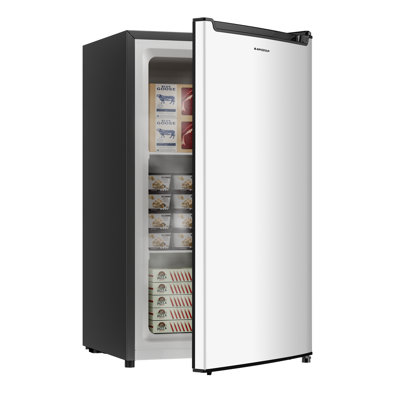
A 3-cubic-foot mini freezer holds approximately 100 to 105 pounds of frozen food. Upright models offer two to four shelves and door storage, making it easy to organize and find items. Chest-style models have a single open compartment with a wire basket, which maximizes capacity but makes organization more challenging — items at the bottom require moving things on top. Despite the smaller cubic footage compared to a retro fridge, the dedicated freezer space is substantial for frozen storage specifically. A single mini freezer can hold several weeks' worth of frozen meals, a quarter of a side of beef, or 50 to 60 pints of ice cream.
Design and Aesthetics
This is where retro fridges dominate. They are designed to be seen and admired. A glossy red Smeg in a white kitchen or a mint green Galanz in a mid-century modern living room becomes an instant focal point and conversation piece. The retro design language — chrome accents, rounded forms, bold colors — adds personality and character that no other appliance category can match. For buyers who view their kitchen as a design space, a retro fridge is as much a decor investment as a functional appliance.
Mini freezers are purely utilitarian in appearance. They feature simple rectangular boxes with minimal styling, usually in white, black, or stainless steel. Most mini freezers are designed to be tucked into garages, basements, or closets rather than displayed prominently. If aesthetics matter and the appliance will be visible in your living space, a mini freezer is not going to contribute positively to your decor. Some buyers address this by choosing black or stainless models, but even the best-looking mini freezer cannot compete with a retro fridge's visual appeal.
Energy Efficiency
Retro fridges vary widely in energy consumption depending on size and manufacturer. Compact models under 4 cubic feet use 200 to 300 kilowatt-hours per year. Full-size retro models in the 7 to 10 cubic foot range consume 300 to 500 kilowatt-hours annually. Some retro brands prioritize style over efficiency, and older-style compressors in budget retro models can be less efficient than their modern plain-looking counterparts. Always check the Energy Guide label rather than assuming a retro fridge matches the efficiency of a standard modern refrigerator.
Mini freezers are generally energy-efficient for their size. A quality 3-cubic-foot upright mini freezer uses 200 to 280 kilowatt-hours per year. Chest-style mini freezers are even more efficient — the top-opening design retains cold air better since cold air sinks, resulting in less energy loss each time the unit is opened. A well-insulated chest mini freezer can use as little as 150 to 220 kilowatt-hours annually. If running costs are a concern, mini freezers — especially chest models — offer excellent efficiency per cubic foot of storage.
Retro fridges with modern compressors typically operate at 35 to 42 decibels, which is comparable to a standard compact refrigerator. Budget retro models with older compressor designs may be louder, reaching 45 decibels or more. If the retro fridge will be in a bedroom, office, or quiet living space, check the noise specification before buying — the aesthetic charm wears thin quickly if the compressor is noticeably loud during quiet hours.
Mini freezers are generally quiet, operating at 32 to 40 decibels for upright models. Chest freezers are among the quietest appliance types because the compressor runs less frequently due to superior insulation and the natural cold-air retention of the top-opening design. A chest mini freezer in a garage or basement is virtually inaudible from other rooms. Upright mini freezers are slightly louder but still comparable to or quieter than most retro fridges.
Price Comparison
Retro fridges carry a style premium. Budget compact retro models start around $150 to $300, but quality mid-size models from recognized brands run $400 to $800. Premium retro fridges from Smeg cost $1,500 to $2,000 or more for full-size models. You are paying significantly for the aesthetic — a plain-looking refrigerator with the same capacity and better energy efficiency would cost 30 to 50 percent less.
Mini freezers are among the most affordable appliances you can buy. Quality upright mini freezers cost $150 to $300, and chest-style mini freezers run $100 to $250. Even premium models with features like fast-freeze modes and digital temperature displays rarely exceed $350. Dollar for dollar, a mini freezer delivers more functional value than a retro fridge, but it provides a completely different type of storage.
Comparison Table
Feature
Retro Fridge
Mini Freezer
Temperature Range
35–38°F (fridge) / 10–20°F (internal freezer)
0°F and below
Capacity Range
3–10 cu ft
1–5 cu ft
Primary Use
Fresh food and beverages
Frozen food storage
Design Appeal
High (vintage aesthetic)
Low (utilitarian)
Noise Level
35–45 dB
32–40 dB
Best Placement
Visible living spaces
Garage, basement, utility area
Who Should Buy a Retro Fridge
A retro fridge is the right choice if you need fresh food and beverage storage and want your appliance to be a design statement. It works perfectly as a primary fridge for a small household, a secondary fridge in a game room or home bar, or a statement piece in a mid-century modern or eclectic kitchen. If the appliance will be visible in your living space and aesthetics matter as much as function, the retro fridge delivers something no plain appliance can — genuine personality and charm.
Who Should Buy a Mini Freezer
A mini freezer is the right choice if you need dedicated frozen storage — for bulk meat purchases, meal prep, breast milk, extra ice cream, or overflow from a packed freezer. It is ideal for garages, basements, dorm rooms, and any space where frozen food access is needed without a full-size freezer. If function and value are your priorities and aesthetics are secondary, a mini freezer provides a capability that a retro fridge cannot replicate at a fraction of the cost.
Can You Use Both Together
Many households benefit from pairing a retro fridge with a mini freezer. The retro fridge handles daily fresh food and beverages in a visible living space while the mini freezer, tucked into the garage or basement, provides the dedicated frozen storage that the retro fridge's tiny internal freezer cannot deliver. This combination gives you the best of both worlds — style where it matters and function where you need it — for a combined cost that is often less than a single full-size traditional refrigerator with a full freezer section.
The biggest mistake with retro fridges is buying based on looks alone without checking capacity and energy ratings. Some budget retro models use inefficient compressors, have poor insulation, and run loud — the vintage style does not guarantee vintage quality. Always read reviews and check the Energy Guide label. With mini freezers, the most common error is buying too small. A 1.5-cubic-foot mini freezer fills up surprisingly fast — most households that want meaningful frozen storage should start at 3 cubic feet minimum. Chest models offer better value per cubic foot but require more floor space than upright models of the same capacity.
Compare prices on Fridge.com
Fridge.com carries retro fridges in every color and size alongside a full selection of compact freezers. Browse our mini fridges for retro and compact options, or explore our freezers for standalone frozen storage solutions. Check out our beverage refrigerators for more compact cooling options. Free shipping and price-match guarantee on every order.
Frequently Asked Questions
The small compartment (0.3-2 cu ft at 10-25°F) handles ice trays and a few frozen items. For households that store frozen meals, bulk meats, or large quantities of ice cream, a supplemental mini freezer at 0°F is needed. Browse both at Fridge.com.
Free tool
Food Storage Calculator
Free interactive tool from Fridge.com — get a quick answer while you read.