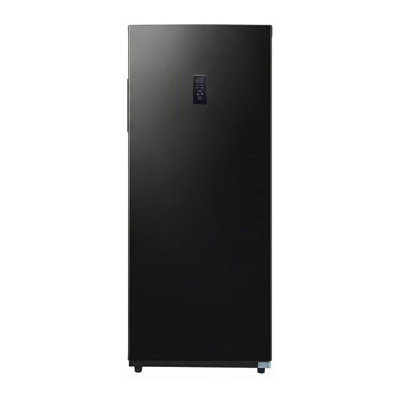
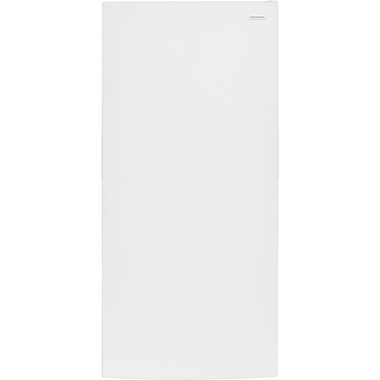
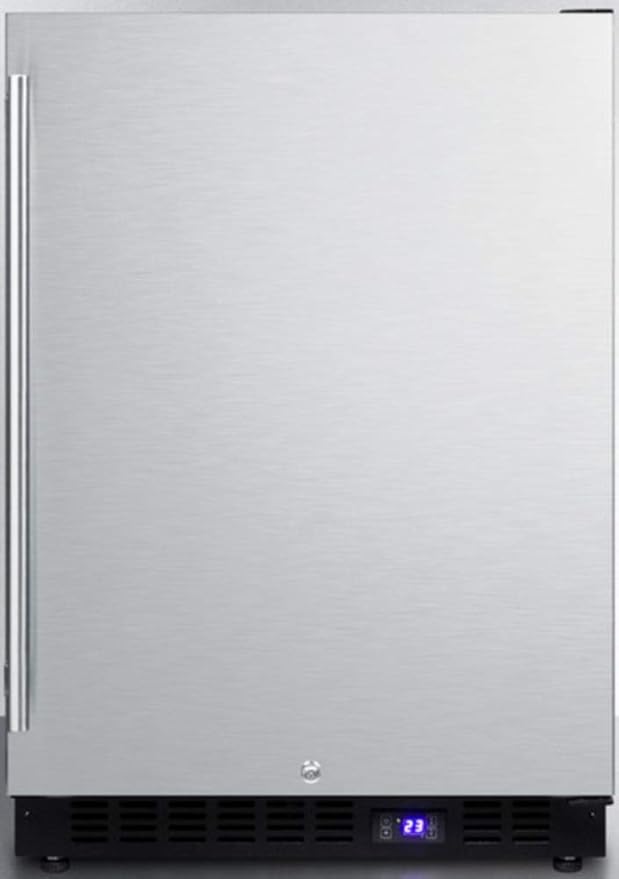
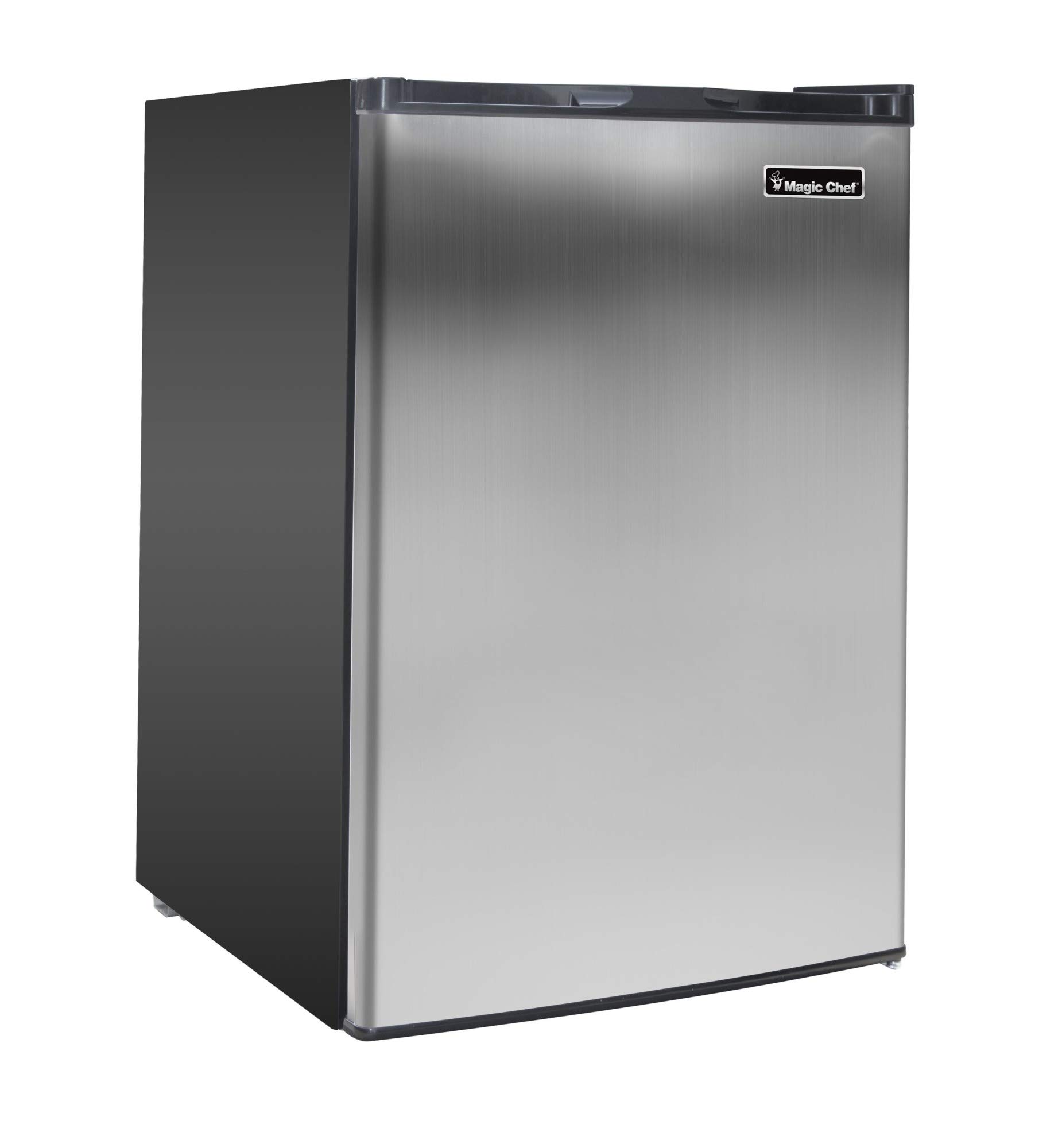
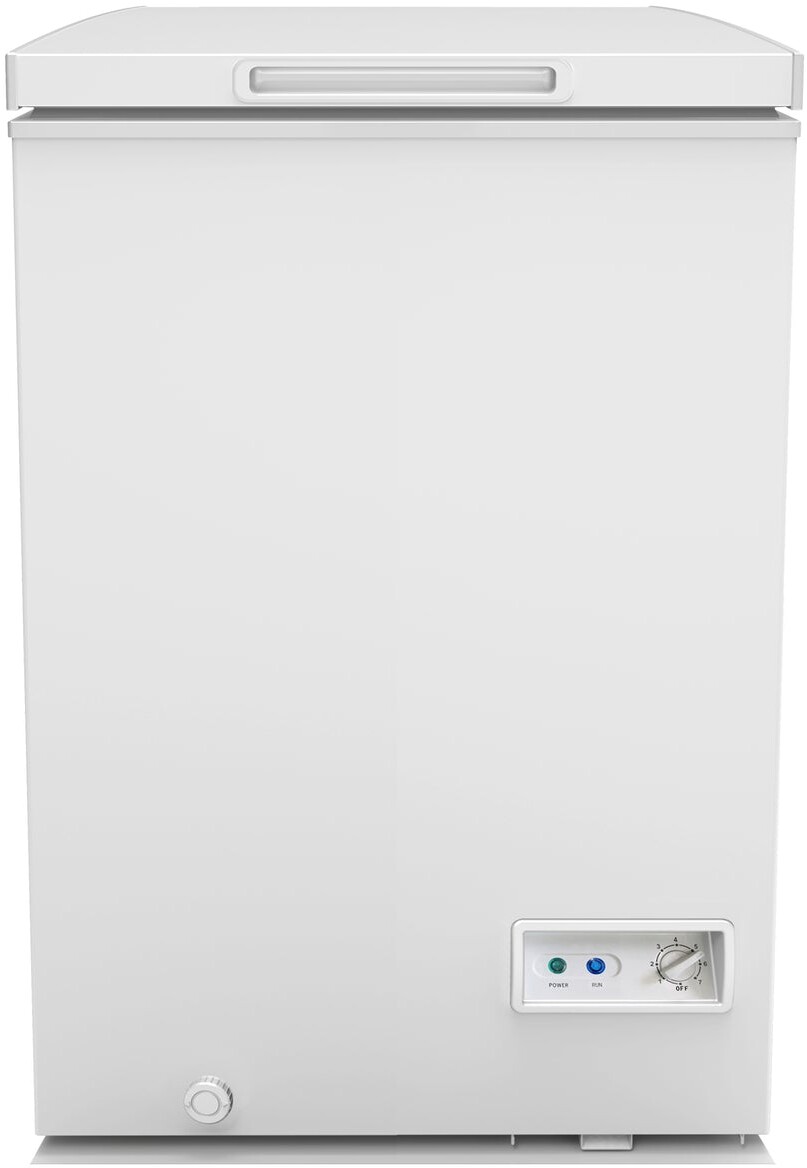
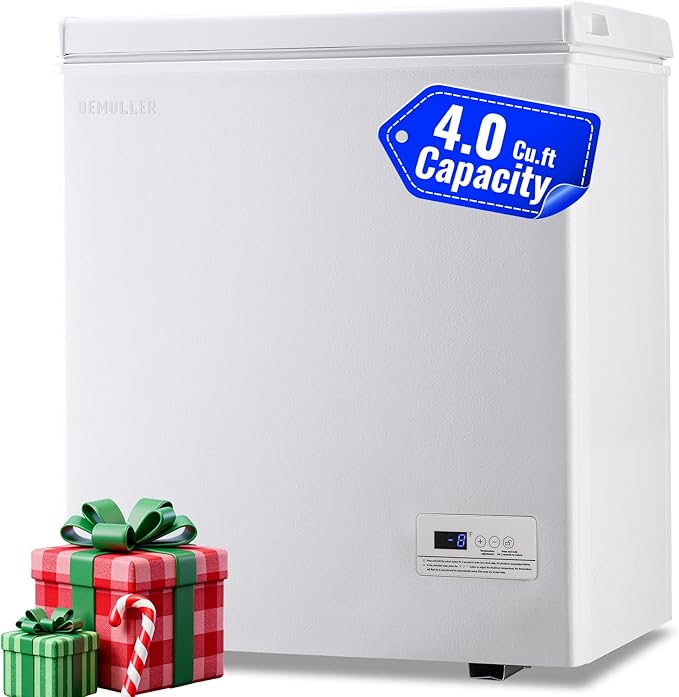
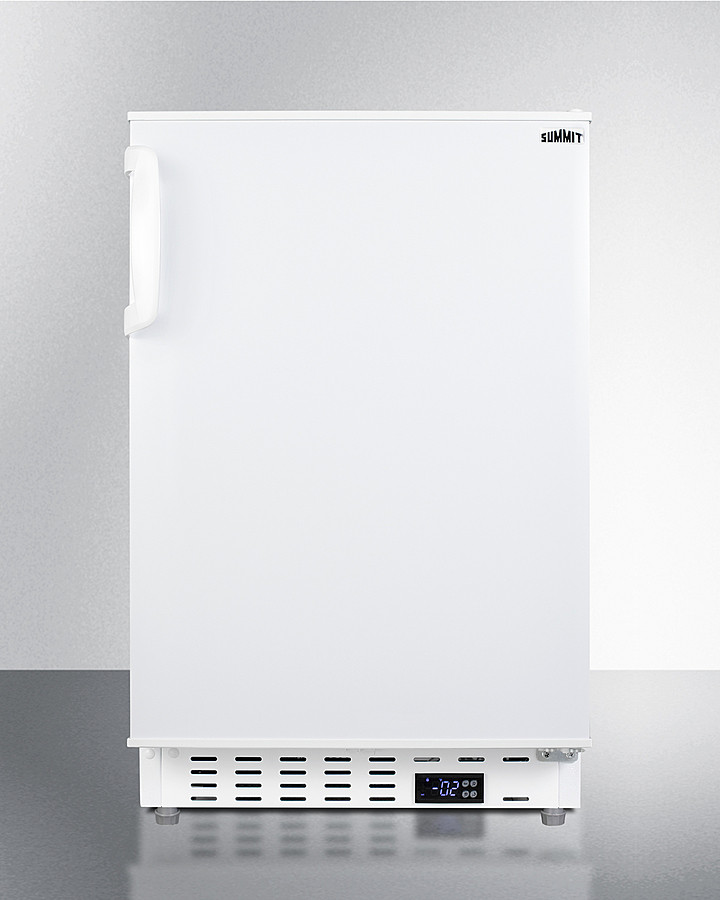
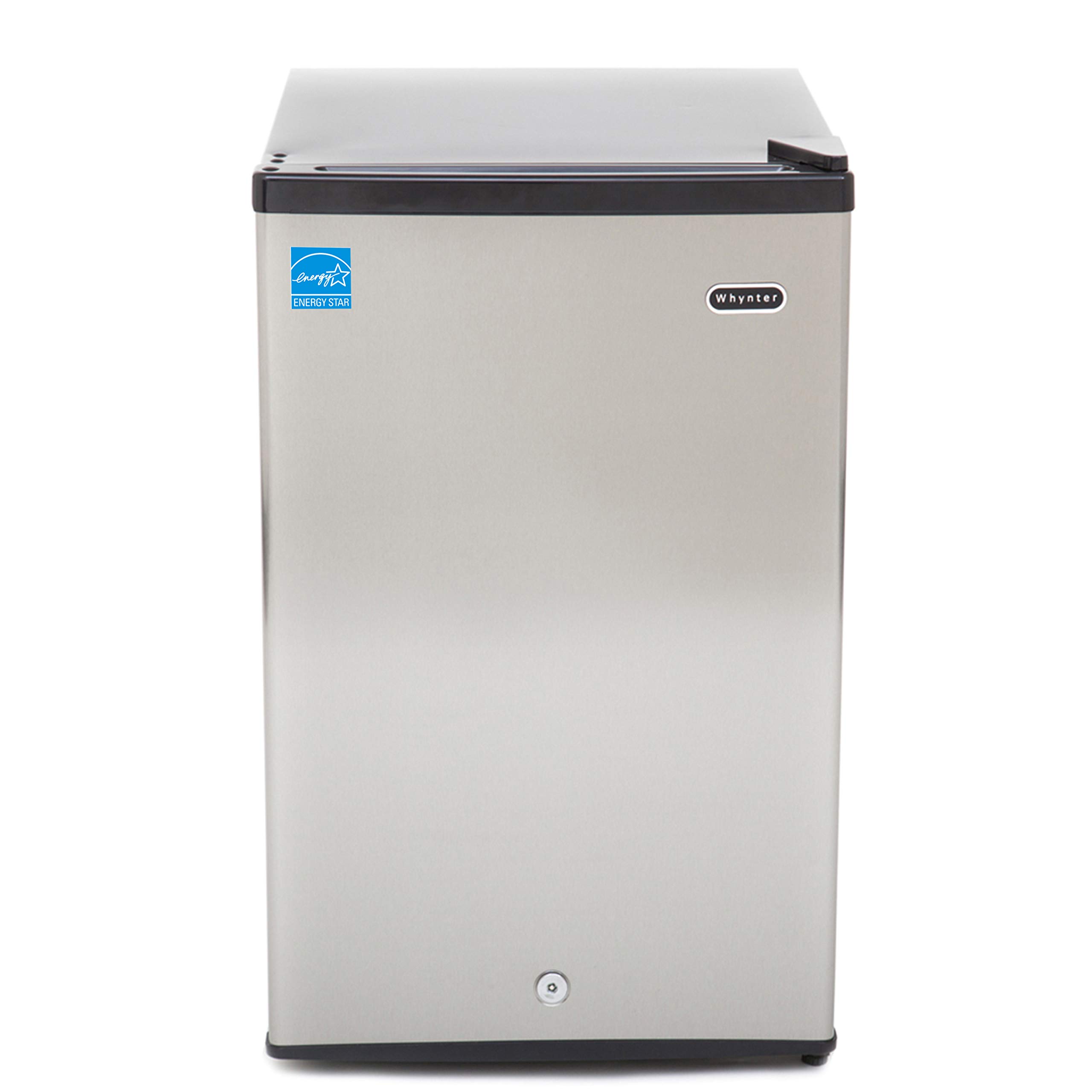
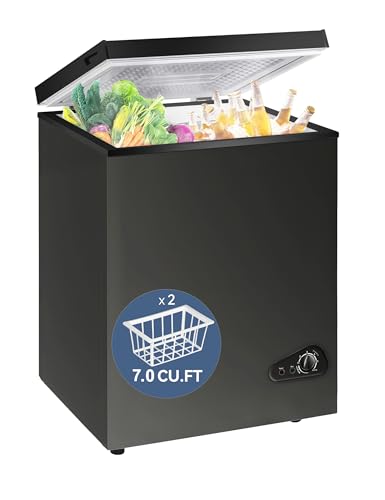
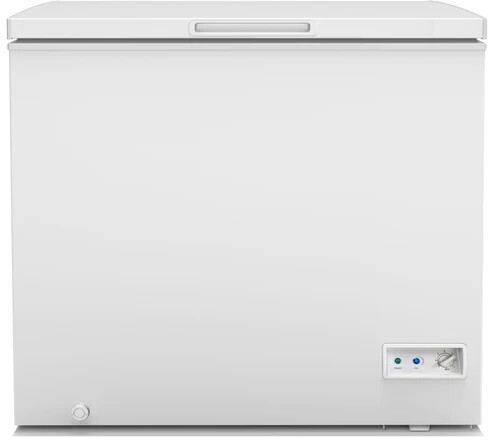
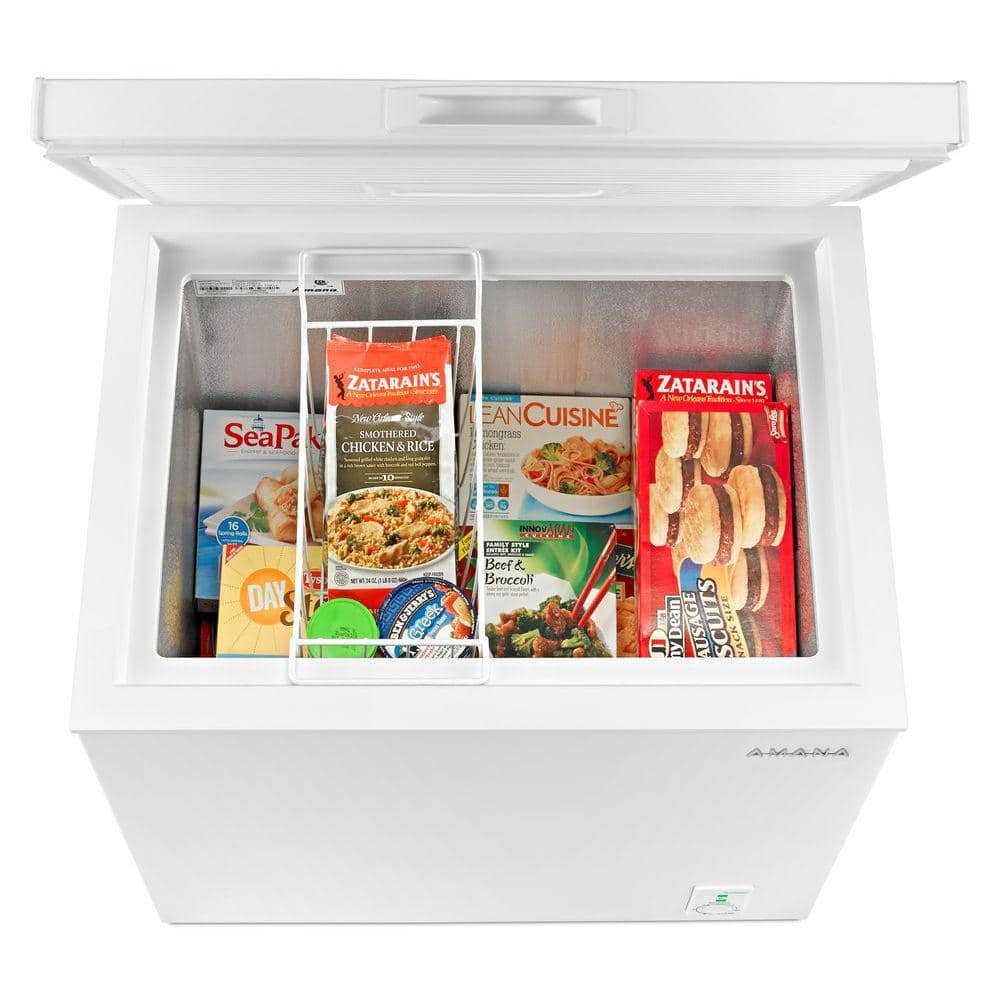
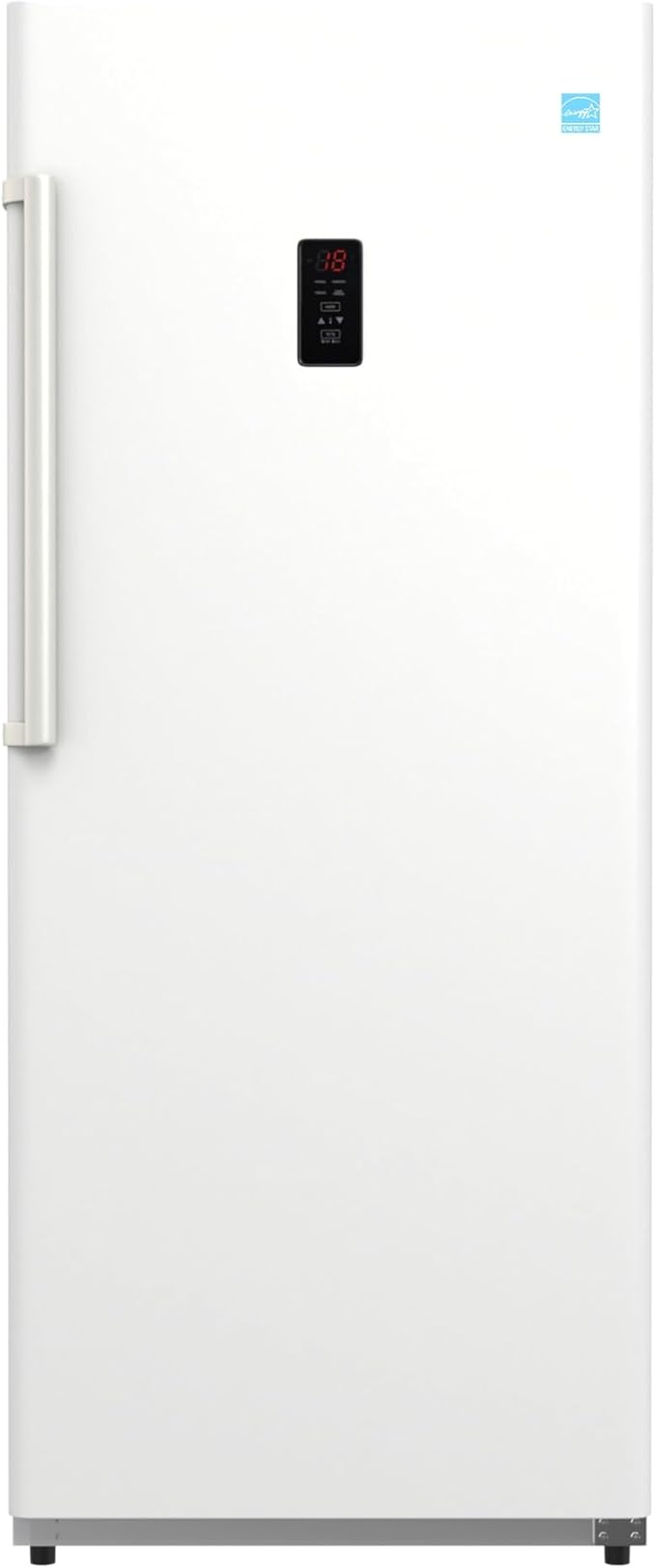
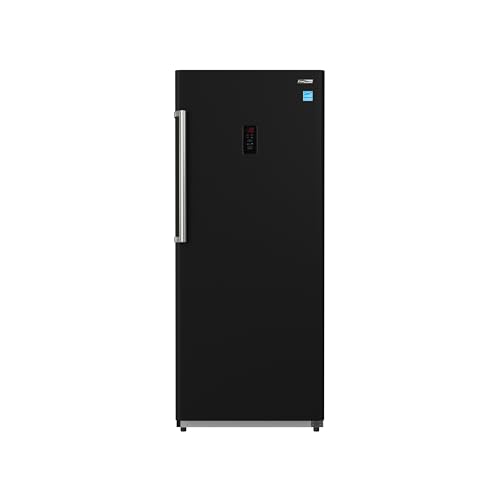
Freestanding all-refrigerator models range from compact 11-cubic-foot units to full-size 18 to 22-cubic-foot cabinets, and a freestanding 18-cubic-foot model typically costs $1,000 to $2,000.
An upright refrigerator (also called an all-refrigerator or column refrigerator) maintains 34-42°F throughout its full interior, providing maximum fresh food capacity with no freezer section.
A refrigerator freezer combo maintains 34-42°F in the refrigerator section and 0°F in the freezer section, giving you both fresh food storage and frozen food storage in one unit.
An upright refrigerator is a full-height cooling appliance that uses its entire interior volume for fresh food storage at 34-42°F.
An upright refrigerator and a refrigerator freezer combo represent two different strategies for household cold storage — one dedicates its entire interior to fresh food refrigeration, and the other splits the space between a refrigerator compartment and a freezer compartment in a single appliance. An upright refrigerator (also called an all-refrigerator or column refrigerator) maintains 34-42°F throughout its full interior, providing maximum fresh food capacity with no freezer section. A refrigerator freezer combo maintains 34-42°F in the refrigerator section and 0°F in the freezer section, giving you both fresh food storage and frozen food storage in one unit. This guide compares every specification so you can determine whether dedicated all-fridge capacity or combined fridge-and-freezer convenience best fits your household needs.
What Is an Upright Refrigerator?
An upright refrigerator is a full-height cooling appliance that uses its entire interior volume for fresh food storage at 34-42°F. There is no freezer compartment — every shelf, bin, drawer, and door rack is dedicated to refrigerated goods. This single-purpose design typically provides 16 to 22 cubic feet of uninterrupted fresh food capacity in a standard 30 to 36-inch-wide cabinet. Column models designed for built-in installation offer 18 to 30 cubic feet in a seamless, panel-ready format.
The all-refrigerator format is popular among households that buy fresh produce in bulk, meal prep in large quantities, entertain frequently, or simply need more fresh food space than a standard combo refrigerator provides. Many households pair an upright refrigerator with a separate standalone freezer — either an upright freezer or a chest freezer — to create a dedicated cold storage system where each appliance excels at its single function rather than compromising on both within a shared cabinet. This two-appliance approach is especially common among families who buy meat in bulk from wholesale clubs, households that preserve garden harvests through freezing, and serious home cooks who need maximum fresh food accessibility at the primary cooking station while maintaining deep frozen storage in a garage or basement utility area.
Upright refrigerators are not limited to premium built-ins. Freestanding all-refrigerator models are available at more accessible price points, ranging from compact 11-cubic-foot units to full-size 18 to 22-cubic-foot cabinets, and they work as standalone units or paired with a separate chest or upright freezer elsewhere in the home. Premium built-in column models from brands like Sub-Zero, Thermador, and Bosch are designed to pair with a matching all-freezer column for a dedicated two-zone installation.
What Is a Refrigerator Freezer Combo?
A refrigerator freezer combo is the standard household refrigerator format — a single appliance with distinct refrigerator and freezer compartments separated by an insulated divider. The refrigerator section maintains 34-42°F for fresh food, while the freezer section maintains 0°F for frozen goods. Combos come in four primary configurations: top-freezer (freezer above the fridge), bottom-freezer (freezer below the fridge as a drawer or door), side-by-side (fridge and freezer as equal vertical columns), and French door (two-door fridge on top with freezer drawer below).
Total capacity ranges from 18 to 30 cubic feet, but that volume is split between the two compartments. A typical 25-cubic-foot French door combo allocates roughly 17 cubic feet to the refrigerator and 8 cubic feet to the freezer. Across configurations, the fresh food compartment typically makes up 60 to 70 percent of the total interior volume, with the freezer occupying the remaining 30 to 40 percent. This division means neither compartment offers the maximum possible capacity for its temperature zone — a design tradeoff that provides the convenience of having both fresh and frozen storage in a single footprint. The refrigerator freezer combo is the most common kitchen appliance in American homes because it serves both needs without requiring two separate appliances.
Capacity Comparison
Appliance
Total Volume
Fresh Food Capacity
Freezer Capacity
Upright Refrigerator (30-inch)
16-18 cu ft
16-18 cu ft (100%)
0 cu ft
Upright Refrigerator (36-inch column)
18-22 cu ft
18-22 cu ft (100%)
0 cu ft
Combo — Top Freezer (30-inch)
18-21 cu ft
13-15 cu ft
5-6 cu ft
Combo — French Door (36-inch)
22-28 cu ft
15-19 cu ft
7-9 cu ft
Combo — Side-by-Side (36-inch)
22-26 cu ft
14-16 cu ft
8-10 cu ft
The upright refrigerator delivers 20-40% more fresh food capacity than a comparably sized combo because it dedicates 100% of its interior to refrigeration. A 36-inch upright refrigerator provides 18-22 cubic feet of fresh food space — comparable to the total volume of a French door combo but entirely usable for fresh items. That difference of 3 to 5 cubic feet of fridge space versus a same-width combo is roughly equivalent to an entire extra shelf of groceries. The tradeoff is absolute: you gain maximum fresh food capacity but receive zero frozen storage. Households choosing an upright refrigerator must either purchase a separate freezer or forgo frozen food storage entirely.
Upright refrigerators maintain more uniform temperatures throughout the cabinet because the single-zone design allows consistent airflow without the thermal interference of an adjacent freezer compartment. There is no frost migration between zones, no shared evaporator balancing competing temperature demands, and no cold spots caused by proximity to a 0°F freezer wall. Every shelf sits within the same narrow temperature band, which improves food preservation consistency for humidity-sensitive produce, dairy, and fresh meats.
Refrigerator freezer combos must manage two different temperature zones within a shared cabinet. The insulated divider between compartments reduces thermal transfer, but some interaction is inevitable. Items stored near the freezer wall or shared evaporator often sit 2-4°F colder than items elsewhere in the refrigerator section. Automatic defrost cycles in the freezer create periodic temperature fluctuations that can propagate into the fresh food section. Modern combos manage these challenges well through dual-evaporator systems and precision controls, but the single-zone upright refrigerator's inherent thermal simplicity provides a measurable advantage in temperature stability.
Single-Evaporator vs. Dual-Evaporator Combos
Within the combo category, the evaporator design determines how well the two zones coexist. Single-evaporator combos share one cooling system between the fridge and freezer, which makes them more prone to temperature inconsistency and humidity imbalances — and the shared airflow can transfer odors from the freezer into the fresh food section. Dual-evaporator combos use separate cooling systems for each compartment, which keeps temperatures steadier, prevents odor transfer, and protects fresh food humidity. If you choose a combo and temperature stability matters to you, a dual-evaporator model closes much of the performance gap with a dedicated upright refrigerator.
Humidity Control and Produce Freshness
Upright refrigerators often include more sophisticated humidity control than combos. Without a freezer section creating dry air circulation, interior humidity can be maintained at optimal levels for produce storage — typically 90 to 95 percent relative humidity in the crisper zone. Multiple humidity-controlled drawers with adjustable settings let you create distinct environments for leafy greens, root vegetables, and fruits with different moisture requirements.
Combos manage humidity less effectively because the freezer section generates very dry air. In single-evaporator combos, this dry air circulates through the fresh food section and can dehydrate produce more quickly. Dual-evaporator combos perform better, but they still cannot match the humidity consistency of a dedicated all-refrigerator with no freezer influence. If you store large quantities of fresh produce and want maximum shelf life from your fruits and vegetables, the all-refrigerator format delivers noticeably better results.
Energy Consumption
Appliance
Annual kWh
Annual Cost
Upright Refrigerator (18 cu ft)
350-500 kWh
$46-$65
Top Freezer Combo (20 cu ft)
350-450 kWh
$46-$59
French Door Combo (25 cu ft)
500-700 kWh
$65-$91
Side-by-Side Combo (25 cu ft)
550-750 kWh
$72-$98
An upright refrigerator alone consumes comparable energy to a similarly sized combo unit. However, if you pair the upright refrigerator with a separate standalone freezer, total household energy consumption increases by 200-400 kWh annually — the cost of running two separate compressors instead of one shared system. A quality 15-cubic-foot upright freezer draws 400 to 500 kWh per year on its own, so the penalty grows with the size of the freezer you add. A combo unit's single-compressor design (or dual compressor in premium models) is inherently more energy efficient than two separate appliances serving the same combined storage volume. The energy question depends on whether you need frozen storage at all — if you do, the combo is more efficient than a separate fridge-plus-freezer pair.
Kitchen Layout and Installation
Refrigerator freezer combos are designed as primary kitchen appliances that occupy a single 30 to 36-inch-wide space in the standard kitchen refrigerator alcove. One appliance, one electrical connection, one footprint — the combo format is the simplest installation for complete cold storage. Every kitchen is designed to accommodate this format, and replacing an old combo with a new combo rarely requires any cabinetry or electrical modifications.
Upright refrigerators in column format are designed for built-in installation alongside matching column freezers. A 30-inch column refrigerator paired with an 18-inch column freezer occupies 48 inches of wall space — significantly more than a single 36-inch combo. Full-size column pairs — two 30-inch or 36-inch units side by side — require 60 to 72 inches of wall space, and each column needs its own electrical outlet with both cabinets precisely aligned for a seamless built-in look; custom panel overlays call for careful measurement and professional installation. This side-by-side column arrangement is a premium kitchen design choice that provides maximum capacity for both fresh and frozen storage with a sleek, custom-panel appearance, but it requires more space, more cabinetry work, and a second electrical circuit. For kitchens without the wall space or budget for a column pair, the combo format delivers both temperature zones in minimal footprint.
The upright refrigerator's all-fridge interior allows full-width shelves from top to bottom with no freezer compartment intruding into the layout. Full-width shelves hold large platters, sheet pans, and catering trays that won't fit in a combo's narrower refrigerator section. Crisper drawers can be wider and deeper. Door bins span the full height. There are no frozen food packages competing for organization space, and the consistent fresh food temperature throughout the entire cabinet means you can store any refrigerated item on any shelf without worrying about cold spots or warm zones.
Combo refrigerators split their organizational capacity between two compartments. The French door format provides the most accessible fresh food layout with two upper doors and a lower freezer drawer. Side-by-side models divide everything vertically, making both compartments narrow — wide items like pizza boxes and party platters often don't fit. Top-freezer models put the most-used fresh food section at bending height while the less-used freezer occupies prime eye-level space. Each combo format involves organizational compromises that the single-purpose upright refrigerator avoids entirely.
Noise Levels
Upright refrigerators typically run at 36-42 decibels — a single compressor managing a single temperature zone with consistent, predictable cycling. Refrigerator freezer combos run at 38-46 decibels, with the higher end common in models with ice makers, water dispensers, and automatic defrost fans that create intermittent noise spikes beyond the base compressor sound. The combo's dual-zone management requires more frequent compressor adjustments, and the defrost cycle — which periodically heats the freezer evaporator to melt frost — generates distinct humming and dripping sounds that single-zone upright refrigerators never produce.
Pricing
Appliance
Budget
Mid-Range
Premium
Upright Refrigerator
$800-$1,500
$1,500-$3,000
$3,000-$8,000
Top Freezer Combo
$500-$900
$900-$1,400
$1,400-$2,000
French Door Combo
$1,200-$2,000
$2,000-$3,500
$3,500-$6,000
Side-by-Side Combo
$1,000-$1,500
$1,500-$2,500
$2,500-$4,000
Upright refrigerators cost more than similarly sized combo units because the all-fridge format is a specialty product with lower production volumes. Adding a separate freezer increases the total system cost further — a mid-range upright refrigerator at $2,000 plus a mid-range upright freezer at $800 totals $2,800, compared to a mid-range French door combo at $2,500 that provides both functions. The combo delivers significantly better value when you need both fresh and frozen storage in a single purchase. The upright refrigerator delivers better value when fresh food capacity is your overwhelming priority and frozen storage is handled separately or not needed.
Premium Column Pair Pricing
At the top of the market, built-in column all-refrigerators from premium brands cost $4,000 to $8,000 for the refrigerator alone, and a matching all-freezer column adds another $4,000 to $8,000 — putting a full premium column pair at $8,000 to $16,000. That is significantly more than even a high-end built-in combo, which runs $5,000 to $10,000. What the column pair buys is dramatically larger total capacity, dedicated temperature zones for each compartment, and a seamless built-in aesthetic that combos cannot match. At the accessible end, a freestanding 18-cubic-foot all-refrigerator runs $1,000 to $2,000, making the all-fridge format attainable without a luxury kitchen budget.
Upright refrigerators require standard maintenance — annual condenser coil cleaning, gasket inspection, interior cleaning, and water filter replacement if equipped with a water dispenser. The single-zone design with fewer components means fewer potential failure points — no defrost cycles, no ice maker water lines to inspect, and no freezer drain to unclog. Expected lifespan is 12-18 years for quality models, with some premium column units lasting 20 years or more.
Refrigerator freezer combos require the same basic maintenance plus freezer-specific upkeep — defrost drain cleaning, ice maker maintenance, and freezer gasket inspection. The dual-zone design with shared or dual evaporators, defrost heaters, and temperature management systems introduces more components that can fail. Ice makers are among the most repair-prone components in any household appliance. Expected lifespan is 10-15 years for standard combos, with premium built-in models lasting 15-20 years. The combo's greater mechanical complexity means higher lifetime repair costs compared to the simpler upright refrigerator.
Common Mistakes When Choosing
The biggest mistake with upright all-refrigerators is not planning for frozen storage separately. Buying a beautiful all-refrigerator column and then realizing you have nowhere to store ice, frozen meals, or bulk proteins leads to frustrating compromises — plan your freezer solution before committing to an all-refrigerator. With combos, the most common mistake is buying too small: because the fridge section is only 60 to 70 percent of total volume, a 22-cubic-foot combo provides only about 14 cubic feet of actual fridge space, which fills up faster than most buyers expect.
Upright Refrigerator vs. Combo: At a Glance
Feature
Upright Refrigerator
Refrigerator Freezer Combo
Fresh Food Capacity (36-inch)
18-22 cu ft (100% of interior)
14-19 cu ft (60-70% of interior)
Freezer Included
No
Yes (5-10 cu ft)
Temperature Consistency
Excellent (single zone)
Good (best with dual evaporators)
Humidity Control
Superior (90-95% RH in crisper zone)
Moderate (freezer dries the air)
Annual Energy Use
350-500 kWh (fridge only)
350-750 kWh (both zones)
Noise Level
36-42 dB
38-46 dB
Ice Maker
Not available
Available in most models
Expected Lifespan
12-18 years
10-15 years
Space Required
Single footprint; separate freezer needs more
Single 30-36 inch footprint
Who Should Buy Which
Buy an upright refrigerator if maximizing fresh food capacity is your top priority. Households that cook from scratch daily, buy produce at farmers markets, meal prep weekly, or entertain frequently benefit from the uncompromised fresh food space that an all-fridge design provides. It is also an excellent fit for vegetarian and vegan households with heavy produce storage needs, and for anyone who already owns a standalone freezer or rarely uses frozen food. Pair it with a separate freezer in a garage or utility room for complete cold storage without sacrificing any fresh food capacity.
Buy a refrigerator freezer combo if you want both fresh and frozen storage in a single appliance with minimal footprint, simpler installation, and lower total cost. The combo serves the needs of most households efficiently — daily fresh food access plus convenient frozen storage for ice cream, frozen meals, meats, and ice. It remains the most practical and economical choice for standard kitchen configurations where space, budget, and simplicity are primary considerations for everyday household food management.
Does an upright all-refrigerator have an ice maker?
No. An upright all-refrigerator has no freezer compartment, so it cannot make or store ice. If ice on demand matters to you, choose a refrigerator freezer combo with a built-in ice maker, or pair the all-refrigerator with a separate freezer.
How much of a refrigerator freezer combo is actual fridge space?
The fresh food compartment typically makes up 60 to 70 percent of a combo's total interior volume, with the freezer occupying the remaining 30 to 40 percent. In practice, a 22-cubic-foot combo provides only about 14 cubic feet of usable fridge space — a 25-cubic-foot French door model allocates roughly 17 cubic feet to the fridge and 8 cubic feet to the freezer.
How much more fresh food space does an upright refrigerator provide?
A 36-inch upright refrigerator delivers 18 to 22 cubic feet of fresh food storage versus 14 to 19 cubic feet in a same-width combo — a gain of 20-40%, or roughly 3 to 5 extra cubic feet, which is about an entire extra shelf of groceries.
How much wall space does a column refrigerator and freezer pair need?
A 30-inch column refrigerator paired with an 18-inch column freezer occupies 48 inches of wall space. Full-size pairs of two 30-inch or 36-inch columns require 60 to 72 inches — compared to the 30 to 36 inches a single combo needs. Each column also requires its own electrical outlet.
How much does a premium column pair cost?
Built-in column all-refrigerators from premium brands run $4,000 to $8,000, and a matching all-freezer column adds another $4,000 to $8,000, so a full premium column pair costs $8,000 to $16,000. By comparison, premium built-in combos run $5,000 to $10,000.
Can you buy a freestanding upright refrigerator without built-in installation?
Yes. Freestanding all-refrigerator models range from compact 11-cubic-foot units to full-size 18 to 22-cubic-foot cabinets, and a freestanding 18-cubic-foot model typically costs $1,000 to $2,000. They work as standalone units or alongside a separate chest or upright freezer elsewhere in the home.
Which brands make column all-refrigerators?
Premium built-in column all-refrigerators come from brands like Sub-Zero, Thermador, and Bosch, each designed to pair with a matching all-freezer column for a seamless side-by-side installation.
Do refrigerator freezer combos transfer odors between compartments?
Single-evaporator combos can. Because one cooling system shares airflow between the freezer and the fresh food section, freezer odors can migrate into the fridge, and the dry freezer air can dehydrate produce. Dual-evaporator combos use separate cooling systems for each compartment, which prevents odor transfer and protects humidity.
Is an upright refrigerator more energy-efficient than a combo?
On its own, yes — an 18-cubic-foot upright refrigerator uses 350-500 kWh per year versus 500-700 kWh for a 25-cubic-foot French door combo, because maintaining a single temperature zone is simpler than managing two. But once you add a separate standalone freezer, the two-appliance total exceeds a single combo — a 15-cubic-foot upright freezer alone draws 400-500 kWh per year. The efficiency case for the upright only holds if you genuinely do not need frozen storage.
Is an upright refrigerator better for storing fresh produce?
Yes. Without a freezer generating dry air, an all-refrigerator can hold the crisper zone at 90 to 95 percent relative humidity — optimal for produce — and adjustable humidity drawers let you set distinct environments for leafy greens, root vegetables, and fruits. Combos, especially single-evaporator models, circulate drier air that shortens produce shelf life.
Compare prices on Fridge.com
Browse upright refrigerators and refrigerator freezer combos. Filter by capacity, configuration, dimensions, and price to find the right cold storage solution for your kitchen.
Frequently Asked Questions
Combo if you need both fresh and frozen in one unit (most households). Upright if you own a standalone freezer and want maximum fridge capacity. The combo is the default. The upright is the specialist. Compare at Fridge.com.
Free tool
Freezer BTU Calculator
Free interactive tool from Fridge.com — get a quick answer while you read.