At an average commercial rate of $0.12 per kWh, that is a $180 to $300 annual operating-cost gap, or $1,800 to $3,000 over a 10-year lifespan.
Refrigerator coolers typically carry 2 to 2.5 inches of polyurethane foam in the walls, door, and ceiling — enough to hold 33°F to 40°F efficiently in ambient environments up to 100°F.
A two-door commercial cooler uses 1,500 to 2,500 kWh per year versus 3,000 to 5,000 kWh for a same-size freezer — a $180 to $300 annual gap at $0.12 per kWh, or $1,800 to $3,000 over 10 years.
Freezers carry a 15 to 30 percent premium: $2,000–$4,000, $3,500–$6,500, and $5,000–$9,000 respectively.
A reach-in freezer holds food at -10°F to 0°F for long-term frozen storage, while a refrigerator cooler maintains 33°F to 40°F for fresh food and beverages. That temperature gap drives every other difference between the two: a freezer uses 25 to 40 percent thicker insulation, a more powerful compressor (1/3 to 1/2 HP versus 1/4 to 1/3 HP for a single-door unit), roughly double the electricity of a same-size cooler, and carries a 15 to 30 percent price premium. This guide breaks down the specs so you can pick the right unit for a commercial kitchen, office, garage, or home setup.
Reach-In Freezer Vs. Refrigerator Cooler at a Glance
Feature
Reach-In Freezer
Refrigerator Cooler
Temperature Range
-10°F to 0°F
33°F to 40°F
Insulation Thickness
2.5–3.5 inches
2–2.5 inches
Compressor Size (1-door)
1/3–1/2 HP
1/4–1/3 HP
Annual Energy (2-door commercial)
3,000–5,000 kWh
1,500–2,500 kWh
Food Shelf Life
Months to indefinite (at 0°F)
Days to weeks
Best For
Long-term frozen storage, bulk buying
Fresh food, beverages, daily prep
What Is a Reach-In Freezer?
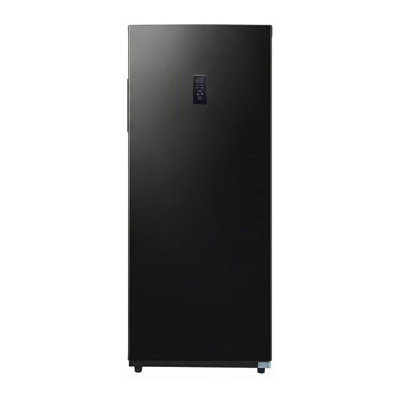
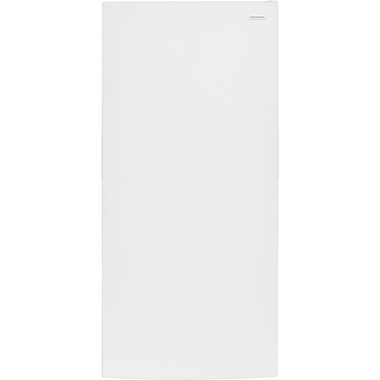
A reach-in freezer is an upright, shelved cabinet that stores frozen goods at 0°F or below — the threshold required for safe long-term frozen food storage. Units come in one-, two-, or three-door configurations with stainless steel interiors and exteriors, heavy-duty shelves typically rated for 250 to 500 pounds each, insulated self-closing doors, and digital temperature displays with high-temperature alarms that alert you if the interior rises above safe frozen storage levels. They are standard in commercial kitchens and food service, and they work equally well at home for bulk storage.
Feature
Description
Temperature Range
-10°F to 0°F
Number of Sections
1 to 3
Common Use
Commercial kitchens, bulk storage
For more information on different types of freezers, you might find Fridge.com article on basement refrigerator Vs. countertop refrigerator useful.
What Is a Refrigerator Cooler?
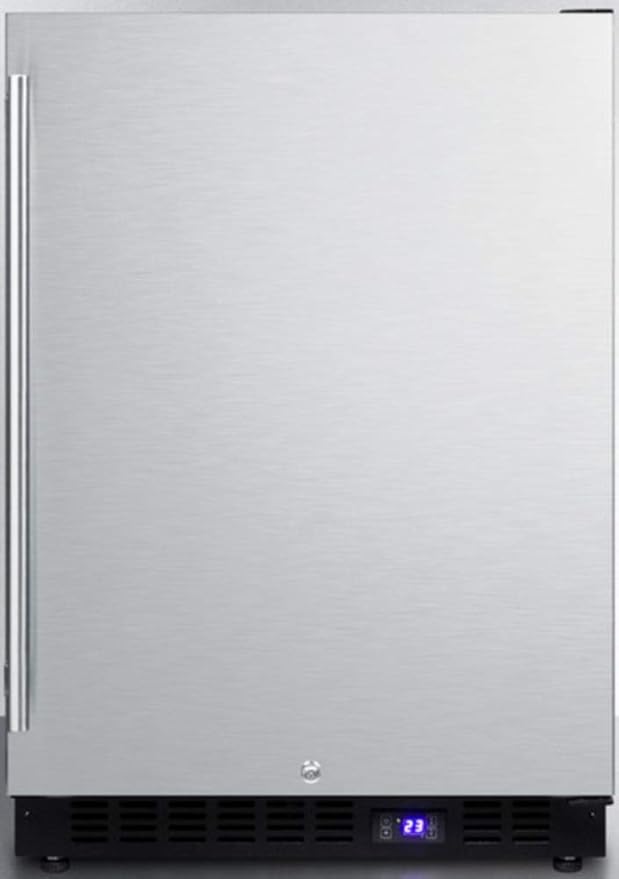
A refrigerator cooler — also called a reach-in cooler or reach-in refrigerator — uses the same upright cabinet design but keeps food and beverages at 33°F to 40°F, the safe zone for fresh produce, dairy, meats, prepared foods, and drinks. Shelves are adjustable and rated for 150 to 500 pounds each depending on the model, with either solid doors for better insulation or glass doors for content visibility and merchandise display. Single-door models offer 20 to 27 cubic feet; three-door models exceed 70 cubic feet.
The temperature difference is the most critical distinction. At 33°F to 40°F, a refrigerator cooler slows bacterial growth enough to keep fresh food safe for days to weeks — but food is still actively deteriorating: enzymes keep breaking down tissue and bacteria, while slowed, continue to multiply. At 0°F, a reach-in freezer effectively stops bacterial growth and enzymatic activity, so properly frozen food remains safe indefinitely, though quality degrades over months from freezer burn and dehydration.
The USDA recommends these windows for best quality in the freezer: three to four months for ground meat, six to twelve months for steaks, and two to three months for cooked leftovers — food stored at 0°F beyond those windows is still safe to eat, just lower in quality.
Feature
Reach-In Freezer
Refrigerator Cooler
Temperature Range
-10°F to 0°F
32°F to 40°F
Control Type
Digital thermostat
Digital or manual thermostat
Consistency
High
Medium to high
Interior Layout and Storage Capacity
Both types use multiple adjustable shelves — epoxy-coated wire for airflow or stainless steel for heavier loads. A standard single-door unit provides 20 to 27 cubic feet with three to four shelves, two-door models offer 40 to 54 cubic feet, and three-door models provide 60 to 80 cubic feet.
Feature
Reach-In Freezer
Refrigerator Cooler
Shelves
Multiple, adjustable
Multiple, adjustable
Compartments
Yes
Yes
Storage Capacity
20 to 70 cubic feet
20 to 70 cubic feet
Usable capacity differs in practice. Frozen items are denser and stack more efficiently, so a freezer holds more weight per cubic foot. Fresh items need airflow between them for even cooling: fill a cooler to no more than 75 percent capacity, while a freezer can safely be packed to 85 to 90 percent.
Both use stainless steel construction for durability and hygiene, but the insulation specs differ. Refrigerator coolers typically carry 2 to 2.5 inches of polyurethane foam in the walls, door, and ceiling — enough to hold 33°F to 40°F efficiently in ambient environments up to 100°F. Reach-in freezers need 2.5 to 3.5 inches — 25 to 40 percent more — to hold the much larger temperature differential, plus heavier door gaskets with wider contact surfaces. Some freezer models add heated door frames or anti-sweat heaters around the door perimeter to prevent ice buildup on the gaskets, which would compromise the seal. These extra components add weight and cost versus a same-size cooler.
Compressor and Cooling System
A single-door reach-in cooler typically runs a 1/4 to 1/3 horsepower compressor, since it only maintains temperatures 60 to 70 degrees below ambient. A single-door reach-in freezer needs 1/3 to 1/2 horsepower because it must hold a differential of 100 degrees or more. The freezer compressor runs more frequently and for longer cycles, and its evaporator coils operate at much lower temperatures — more mechanical wear over time, though quality commercial units are engineered for years of heavy-duty operation.
Installation Considerations
Space Requirements
Reach-in freezers generally need more room because of their larger cabinets and ventilation clearance. Measure the available space and account for the ventilation gap — adequate airflow around the condenser maintains efficiency and extends the life of the appliance.
Appliance Type
Average Dimensions (H x W x D)
Ventilation Space Required
Reach-In Freezer
78" x 32" x 29"
2-6 inches
Refrigerator Cooler
70" x 36" x 33"
1-4 inches
Energy Efficiency and Operating Cost
Reach-in freezers consume more energy because of their lower operating temperatures and heavier compressor duty. Typical annual consumption:
Appliance Type
Average Energy Consumption (kWh/year)
Energy Star Rating
Reach-In Freezer
800-1200
Yes
Refrigerator Cooler
500-700
Yes
Larger commercial units draw more: a standard two-door reach-in cooler uses roughly 1,500 to 2,500 kWh per year, while a comparable two-door reach-in freezer uses 3,000 to 5,000 kWh — about double. At an average commercial rate of $0.12 per kWh, that is a $180 to $300 annual operating-cost gap, or $1,800 to $3,000 over a 10-year lifespan. Defrost cycles, whether automatic or manual, add further consumption on the freezer side. Models with higher Energy Star ratings narrow the gap. For more, see basement refrigerator Vs. countertop refrigerator.
Reach-in coolers are less expensive than equivalent-size freezers. A quality commercial single-door reach-in cooler costs $1,500 to $3,000, a two-door model $2,500 to $5,000, and a three-door unit $3,500 to $7,000, varying with brand, features, and solid versus glass doors. Reach-in freezers carry a 15 to 30 percent premium for the heavier insulation, larger compressors, and anti-sweat components: $2,000 to $4,000 for single-door, $3,500 to $6,500 for two-door, and $5,000 to $9,000 for three-door units. The upfront premium plus higher electricity use make the freezer the significantly larger investment over its operational lifetime.
Noise and Vibration
Refrigerator coolers run at roughly 40 to 50 decibels — in a busy kitchen they blend into ambient noise. Reach-in freezers run louder, typically 45 to 55 decibels, because the more powerful compressor generates more vibration and the fan works harder at lower temperatures; the defrost cycle adds brief bursts of noise from heating elements and meltwater drainage. In quieter settings like offices or living areas, the difference is noticeable and worth factoring into placement.
Pros and Cons of Reach-In Freezers
Advantages of Reach-In Freezers
Efficient Storage: The vertical, multi-shelf design maximizes space utilization and keeps frozen items organized and accessible — ideal for kitchens, garages, and basements.
Temperature Consistency: Robust insulation and efficient compressors hold a consistent 0°F or below, keeping food safe from spoilage.
Quick Access: Open the door and reach in — no digging through stacked layers as in a chest freezer.
Versatility: Suitable for homes, offices, and commercial kitchens, for anything from bulk food to ice packs.
Durability: Built to withstand heavy daily use over the long term.
Advantage
Description
Efficient Storage
Maximizes space utilization with vertical design
Temperature Consistency
Maintains a consistent low temperature
Quick Access
Easy access to frozen items
Versatility
Suitable for various settings
Durability
Built to withstand heavy use
Disadvantages of Reach-In Freezers
Space Requirements: The tall cabinet plus 2-6 inches of ventilation clearance takes significant floor space.
Energy Consumption: Roughly double the electricity of a same-size cooler, raising utility bills.
Initial Cost: A 15 to 30 percent price premium over an equivalent cooler.
Noise Levels: 45 to 55 decibels from the more powerful compressor — a consideration for living areas and offices.
Maintenance: Requires defrosting, coil cleaning, and gasket ice removal to run efficiently.
Disadvantage
Description
Space Requirements
Requires significant floor space
Initial Cost
Expensive to purchase
Noise Levels
Can be noisy due to powerful compressors
Maintenance
Requires regular upkeep
For more detailed comparisons, explore basement refrigerator Vs. top freezer refrigerator.
Pros and Cons of Refrigerator Coolers
Advantages of Refrigerator Coolers
Versatile Storage: Ample space for beverages, snacks, and perishables, with adjustable shelves and door bins for flexible organization.
Temperature Control: Precise control within the 33°F to 40°F fresh-food safe zone.
Energy Efficiency: Roughly half the annual electricity of a same-size freezer, lowering utility bills.
Convenience: Easy access in kitchens, basements, garages, and offices.
Disadvantages of Refrigerator Coolers
Limited Freezing Capability: Unlike reach-in freezers, coolers cannot freeze food — they suit short-term cooling of perishables only.
Space Requirements: Larger models still demand significant room in smaller kitchens.
Initial Cost: Quality commercial units start around $1,500 for single-door models.
Maintenance: Regular cleaning and gasket checks are needed to prevent poor cooling performance.
A reach-in freezer is essential for operations that rely on frozen inventory — restaurants storing bulk proteins, ice cream shops, caterers holding pre-prepared frozen meals, and households that buy in bulk and meal prep. If food must stay preserved for weeks or months rather than days, or you process and freeze large quantities at once, this is the unit.
Commercial Kitchens: Restaurants and catering services store bulk frozen foods for quick access during meal preparation.
Grocery Stores: Supermarkets display frozen goods like ice cream, frozen vegetables, and meats.
Food Storage Facilities: Warehouses and distribution centers hold large frozen quantities before shipment.
Medical Facilities: Hospitals and laboratories store supplies, vaccines, and biological samples that require precise temperature control.
Who Should Choose a Refrigerator Cooler
A reach-in cooler is the right choice wherever fresh food access is the primary need — kitchens pulling ingredients multiple times a day, delis displaying meats and cheeses, bakeries holding cream-based products, and homes wanting commercial-grade fresh food capacity.
Residential Homes: Extra refrigeration for perishables and beverages in kitchens, basements, or garages. For more details, check Fridge.com article on basement refrigerator Vs. countertop refrigerator.
Offices: Break-room storage for lunches, snacks, and drinks.
Bars and Cafes: Beverages and ingredients held at serving temperature. For a comparison, see beer fridge Vs. black refrigerator.
Retail Stores: Convenience stores display dairy, beverages, and ready-to-eat meals.
Common Mistakes When Choosing
The most common mistake is undersizing — commercial operations frequently outgrow their initial cold storage quickly, so if you are torn between a single-door and a two-door model, the two-door almost always proves the better investment. The second frequent error is ignoring the environment: placing either unit next to cooking equipment or other heat sources forces the compressor to work harder, raising energy costs and shortening lifespan. Position the unit as far from heat sources as possible and keep the condenser ventilation clearance open.
Unplug the Unit: Always unplug the appliance before starting the cleaning process to ensure safety.
Remove Contents: Take out all the items stored inside. Place perishable items in a temporary cooler to keep them cold.
Shelves and Drawers: Remove shelves and drawers and wash them with warm, soapy water. Rinse thoroughly and let them air dry.
Interior Cleaning: Wipe down the interior surfaces with a mixture of water and mild detergent. Avoid using harsh chemicals. For stubborn stains, a solution of baking soda and water can be effective.
Exterior Cleaning: Clean the exterior with a damp cloth and mild detergent. Pay attention to the door seals to ensure they are free of debris.
Sanitization: After cleaning, sanitize the interior with a solution of 1 tablespoon of bleach per gallon of water. Wipe down all surfaces and allow them to air dry.
Component
Cleaning Frequency
Shelves and Drawers
Monthly
Interior Surfaces
Monthly
Door Seals
Bi-weekly
Exterior Surfaces
Monthly
Defrosting and Coil Care
Coolers rarely need defrosting since they operate above freezing — clean the condenser coils every three to six months, inspect door gaskets monthly, and do a quarterly deep clean, and a quality cooler will run efficiently for 10 to 15 years. Freezers demand more attention: even auto-defrost models need periodic checks that the defrost cycle is working and ice is not building around the evaporator coils or gaskets, and manual-defrost models should be emptied and defrosted every one to three months depending on usage and humidity. Remove gasket ice promptly — it breaks the door seal, forces the compressor to run harder, and accelerates further ice formation. Coil cleaning matters even more on freezers, where any efficiency loss has a larger impact at low temperatures.
Troubleshooting Common Issues
Common Issues and Solutions:
Unit Not Cooling:
Possible Cause: Thermostat setting too high, dirty condenser coils, or door not sealing properly.
Solution: Check and adjust the thermostat, clean the condenser coils, and ensure the door seals are intact.
Frost Buildup:
Possible Cause: Door left open frequently or faulty door seals.
What is the difference between a reach-in freezer and a refrigerator cooler?
Temperature. A reach-in freezer holds -10°F to 0°F for frozen storage; a refrigerator cooler holds 33°F to 40°F for fresh food. The freezer also uses thicker insulation (2.5–3.5 inches versus 2–2.5), a larger compressor, about twice the electricity, and costs 15 to 30 percent more.
Can a refrigerator cooler freeze food?
No. A refrigerator cooler operates at 33°F to 40°F, above freezing. It suits short-term cooling of perishables only — anything requiring long-term frozen preservation needs a reach-in freezer at 0°F or below.
How long does frozen food stay safe in a reach-in freezer?
Food held at 0°F stays safe indefinitely, though quality declines over time. USDA best-quality windows: two to three months for cooked leftovers, three to four months for ground meat, and six to twelve months for steaks.
Which costs more to run, a reach-in freezer or a refrigerator cooler?
The freezer, by roughly double. A two-door commercial cooler uses 1,500 to 2,500 kWh per year versus 3,000 to 5,000 kWh for a same-size freezer — a $180 to $300 annual gap at $0.12 per kWh, or $1,800 to $3,000 over 10 years.
How much do reach-in freezers and coolers cost?
Coolers: $1,500–$3,000 (one door), $2,500–$5,000 (two doors), $3,500–$7,000 (three doors). Freezers carry a 15 to 30 percent premium: $2,000–$4,000, $3,500–$6,500, and $5,000–$9,000 respectively.
How often should a reach-in freezer be defrosted?
Manual-defrost models: every one to three months depending on usage and humidity. Auto-defrost models still need periodic checks for ice around the evaporator coils and gaskets. Clean condenser coils on either unit type every three to six months.
How full should I pack each unit?
Fill a refrigerator cooler to no more than 75 percent of capacity so cold air can circulate around fresh items; a freezer can safely be filled to 85 to 90 percent since frozen goods stack densely.
Are reach-in freezers loud?
They run at roughly 45 to 55 decibels versus 40 to 50 for a cooler, plus brief additional noise during defrost cycles. The difference is noticeable in offices and living spaces, so plan placement accordingly.
Compare prices on Fridge.com
Compare current prices and specifications on Fridge.com, then buy from the retailer you choose; delivery, installation and warranty terms are the retailer’s.
From Fridge.com research
Figures below come from data Fridge.com builds and maintains. Each links to the record behind it.
Fridge.com Energy Index, built on U.S. EPA and DOE ENERGY STAR records
Across 5,455 ENERGY STAR certified refrigerators and freezers from 263 brands, median use is 360 kWh per year.