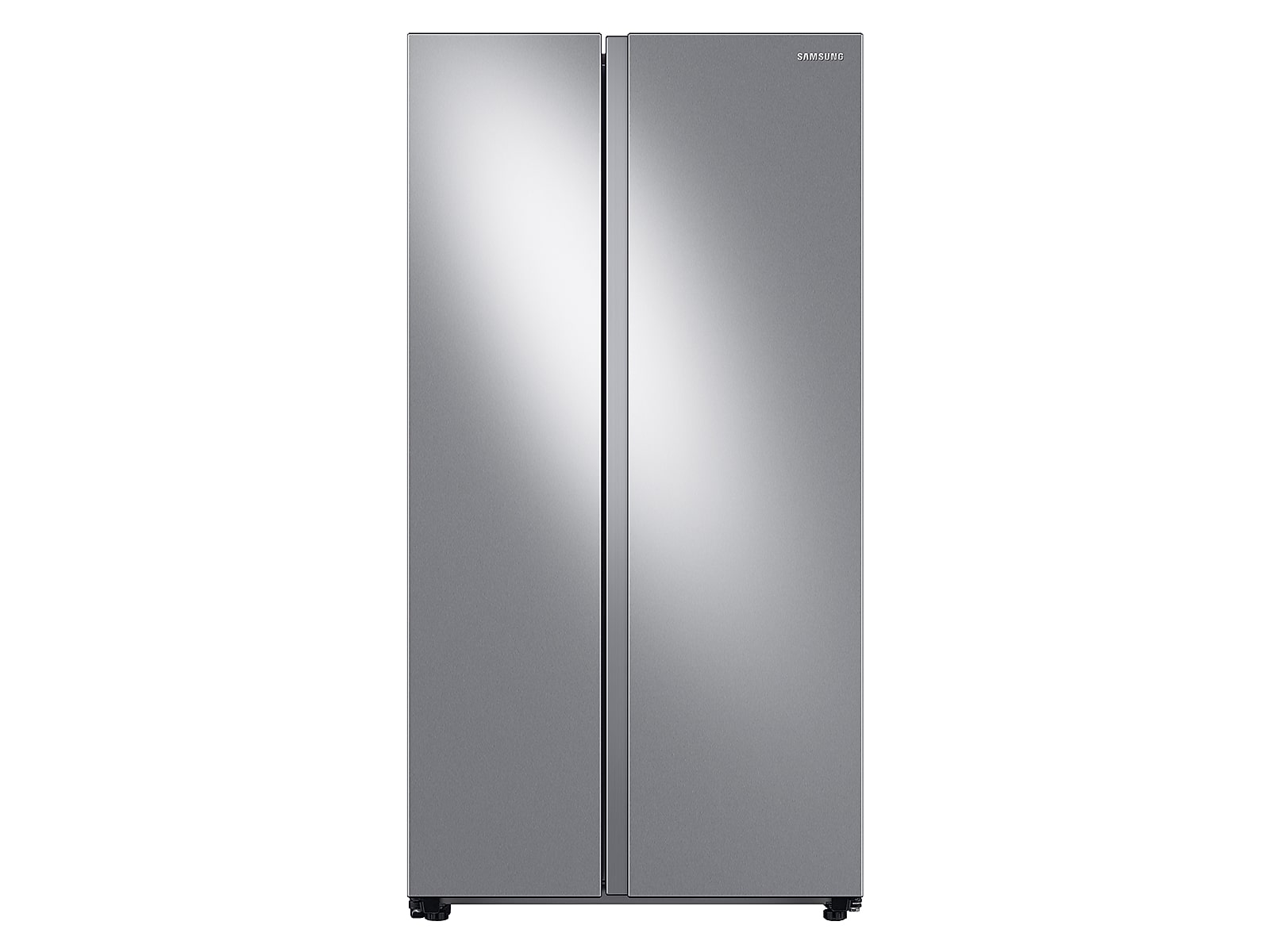
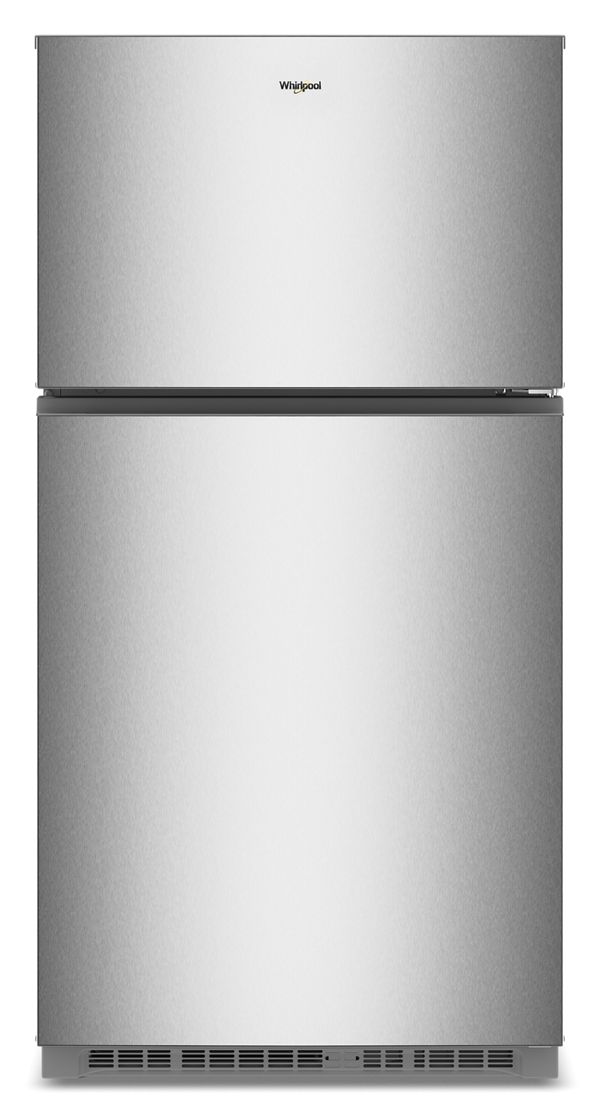
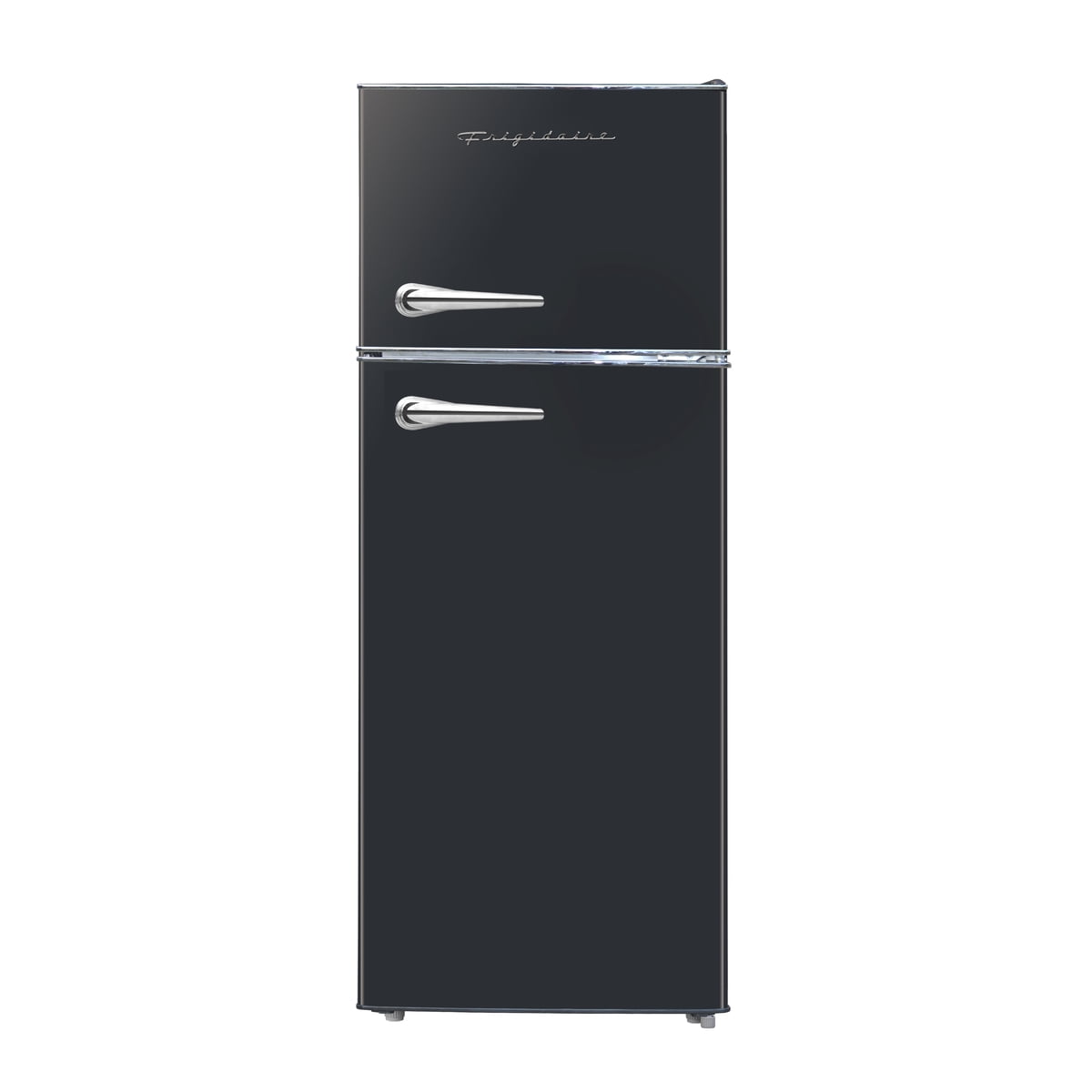
Reach-in refrigerators and refrigerator drawers serve different roles in kitchen design, and choosing between them depends on your space, workflow, and storage needs. A reach-in refrigerator is a full-height, upright unit with swing-open doors and multiple shelves — the classic fridge format found in both residential and commercial kitchens. A refrigerator drawer is a compact, under-counter unit with pull-out drawers that slide open horizontally, providing easy access to contents without bending or reaching overhead. Both keep food at safe temperatures, but their form factors create very different experiences in terms of capacity, accessibility, installation flexibility, and cost. This guide covers every important difference to help you decide which format fits your kitchen best.
What Is a Reach-In Refrigerator
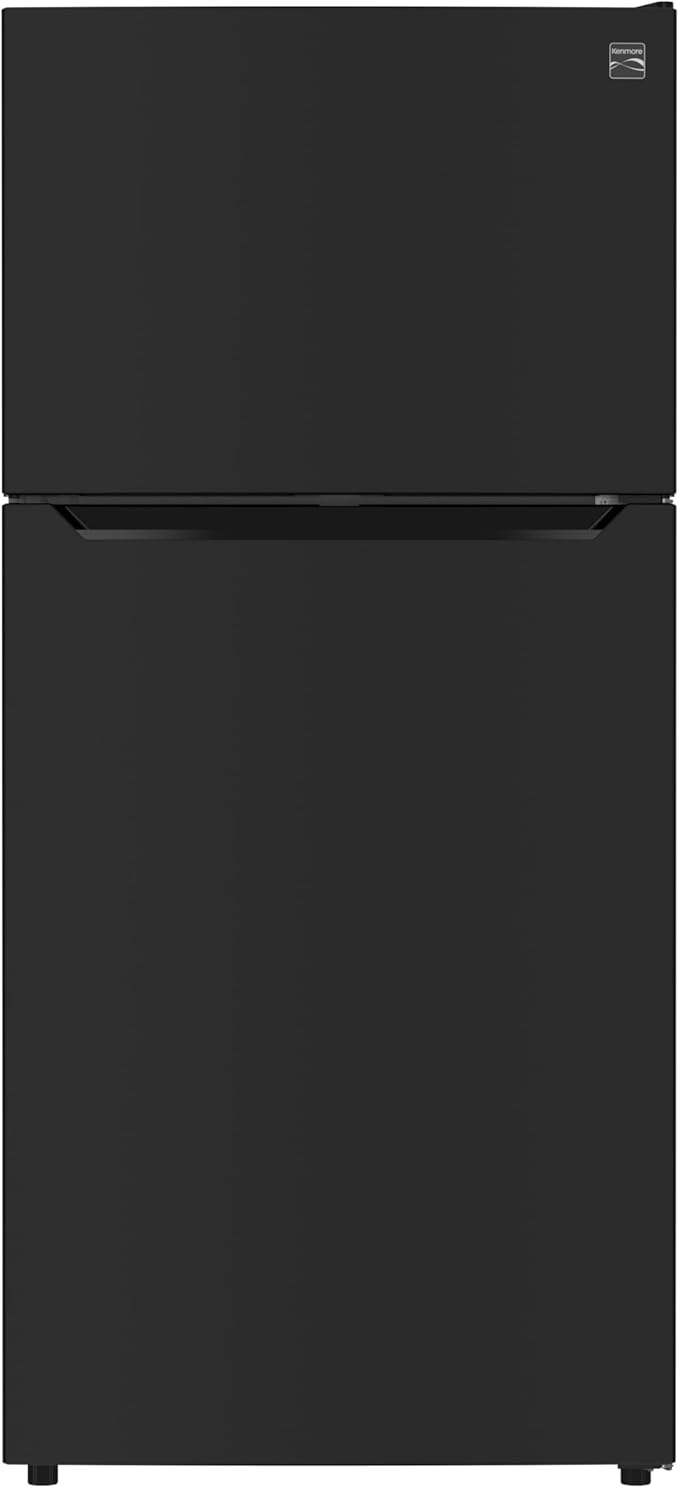
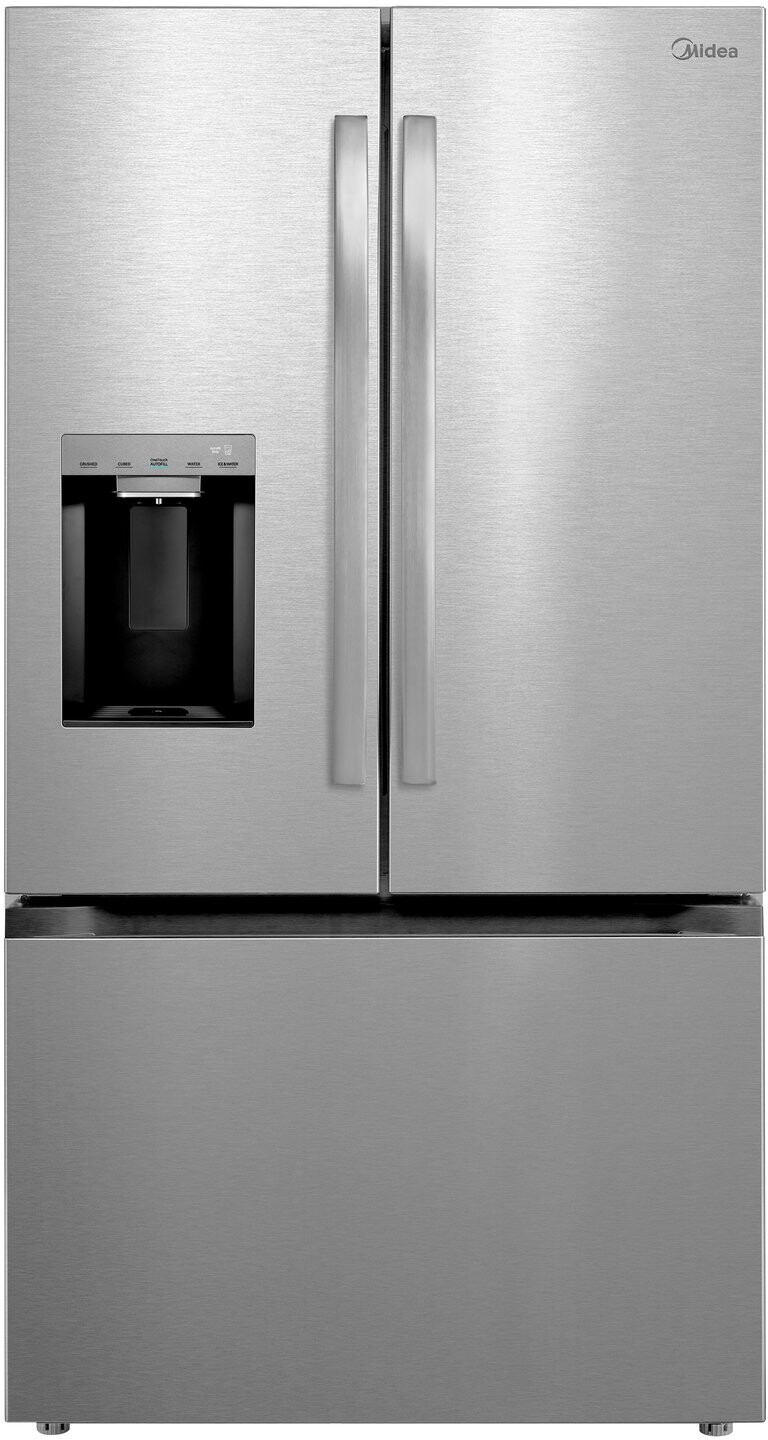
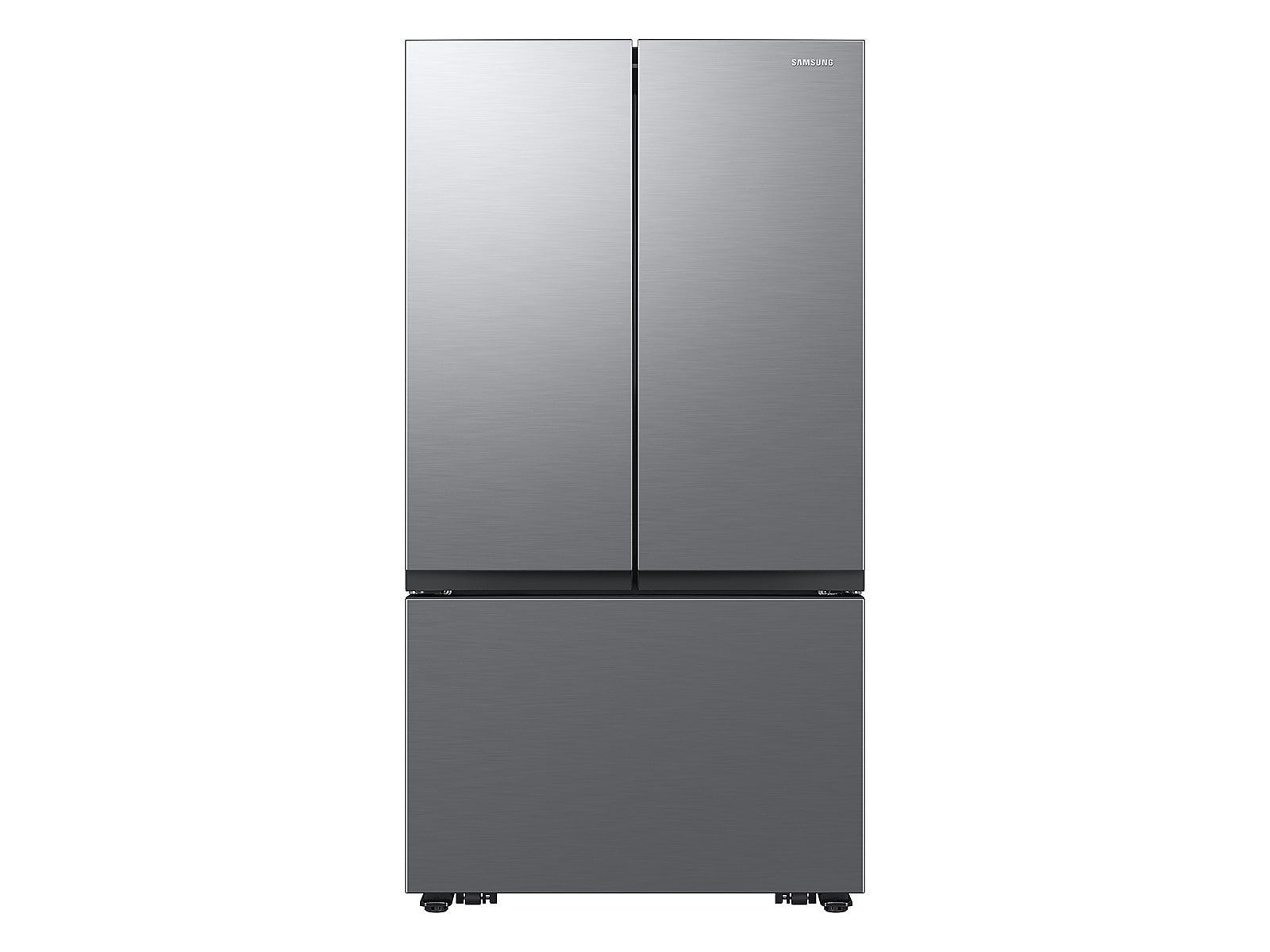
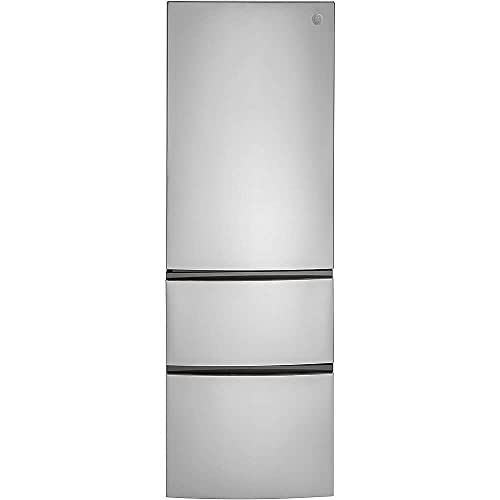
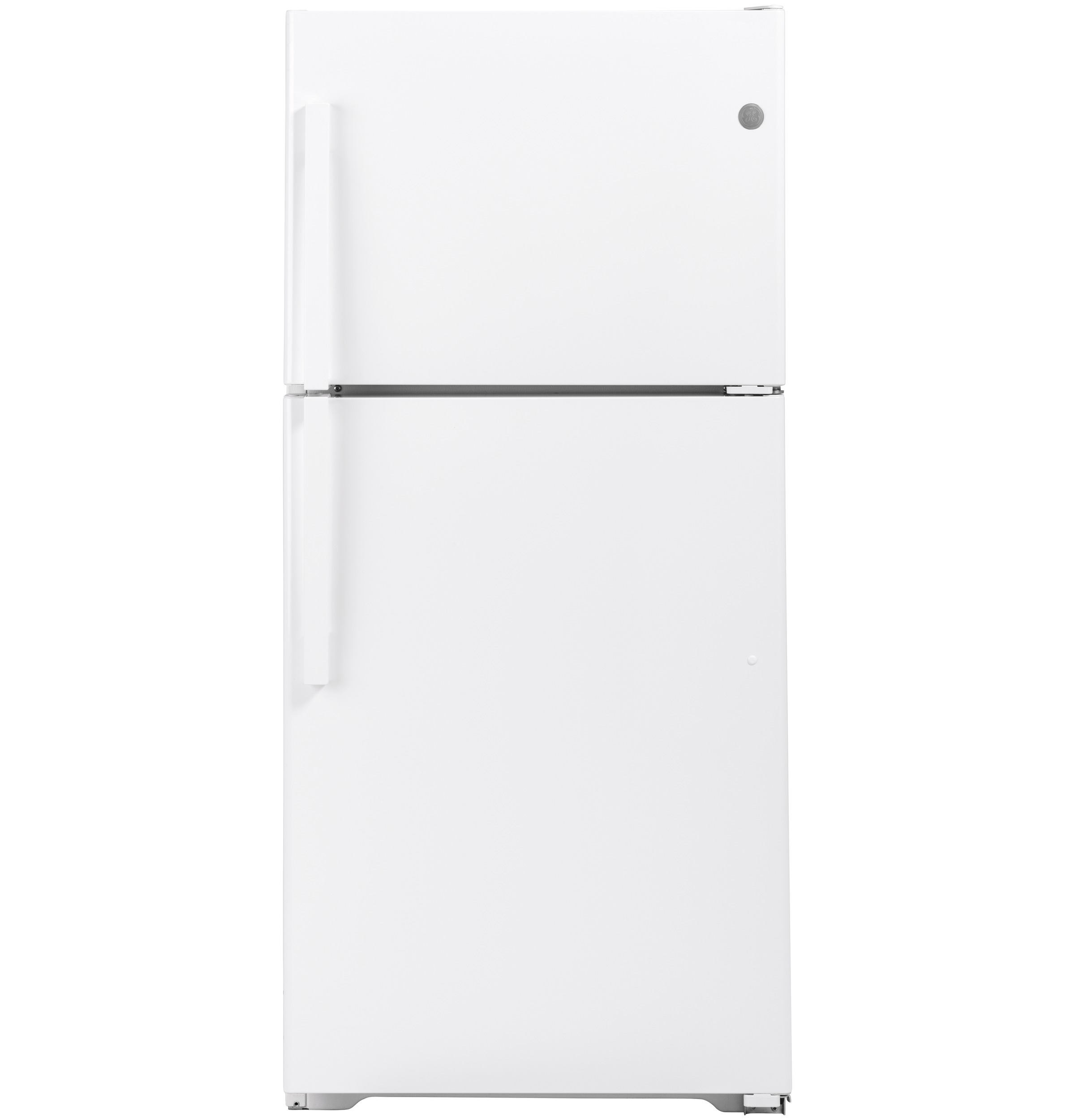
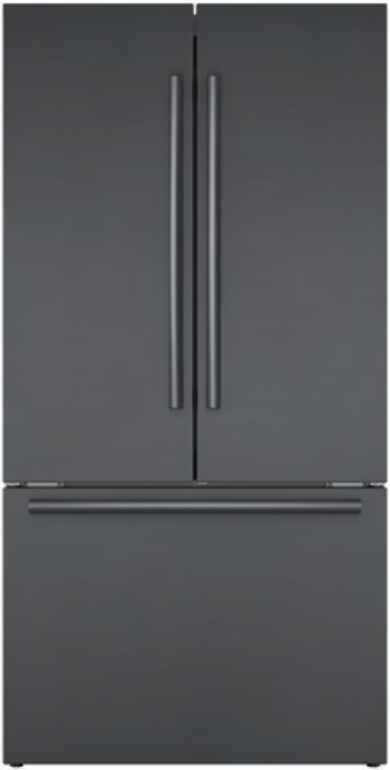
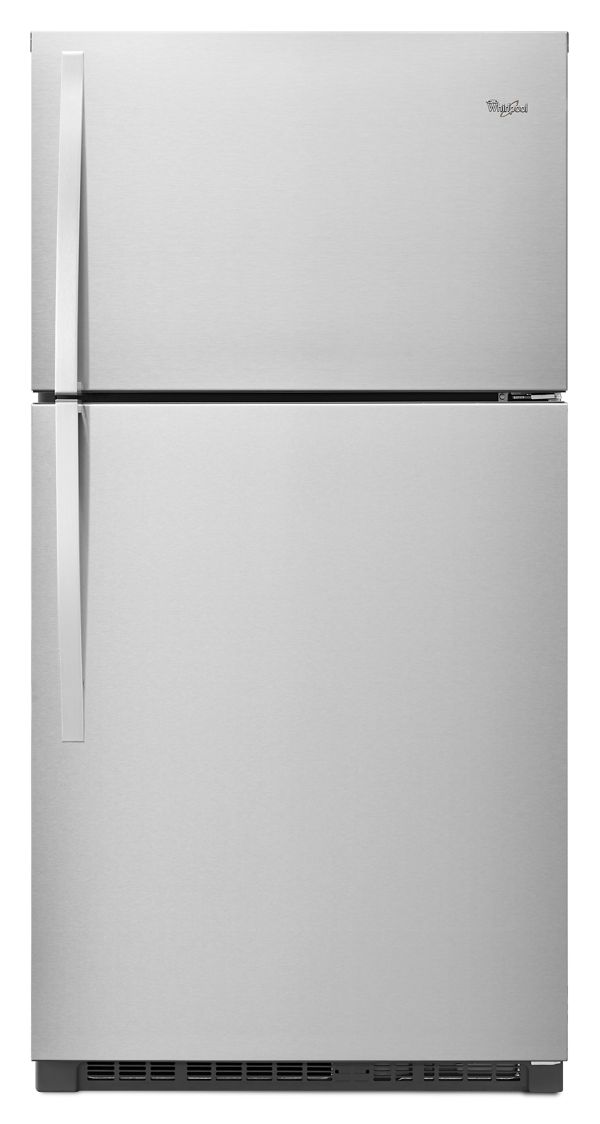
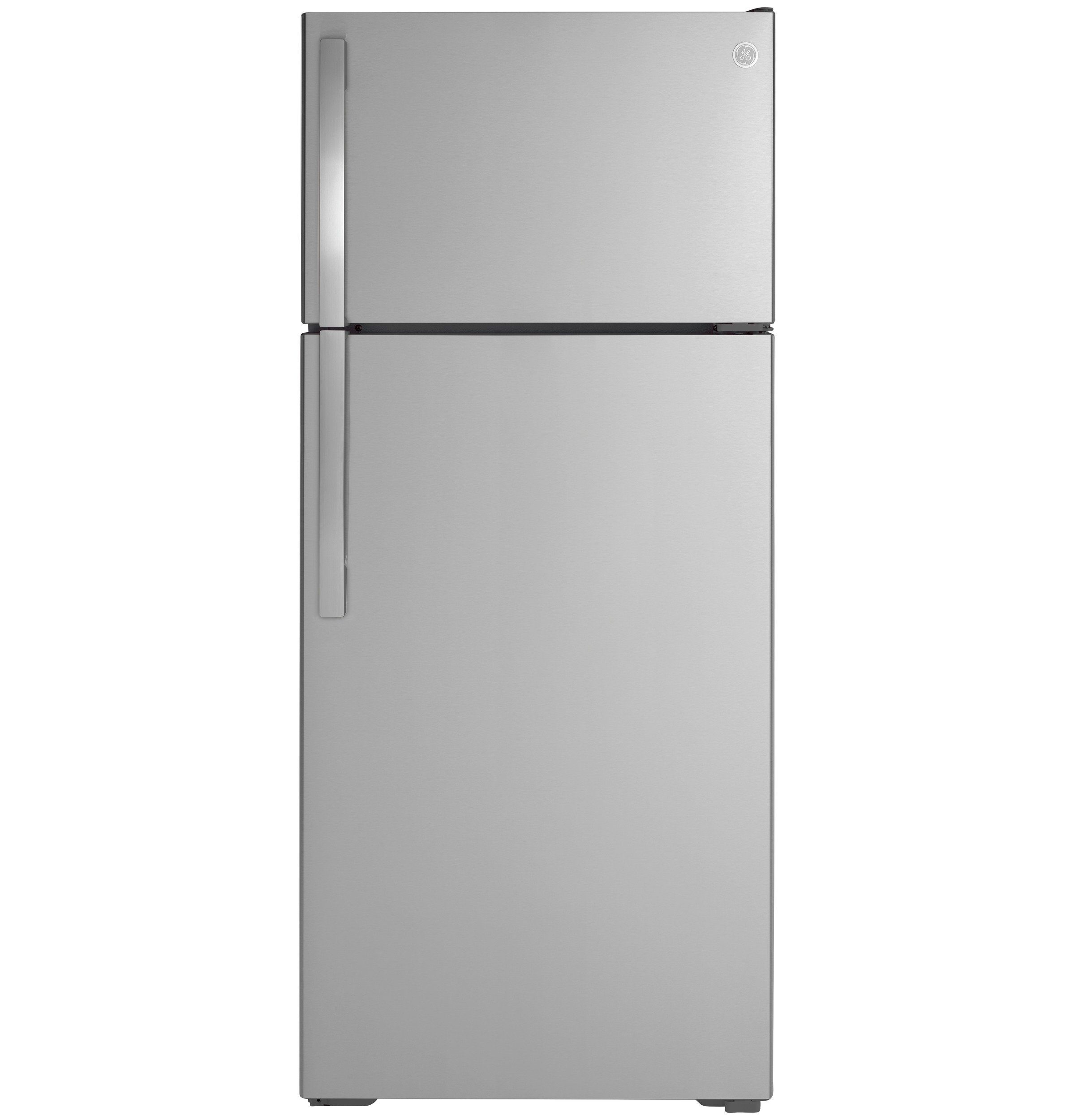
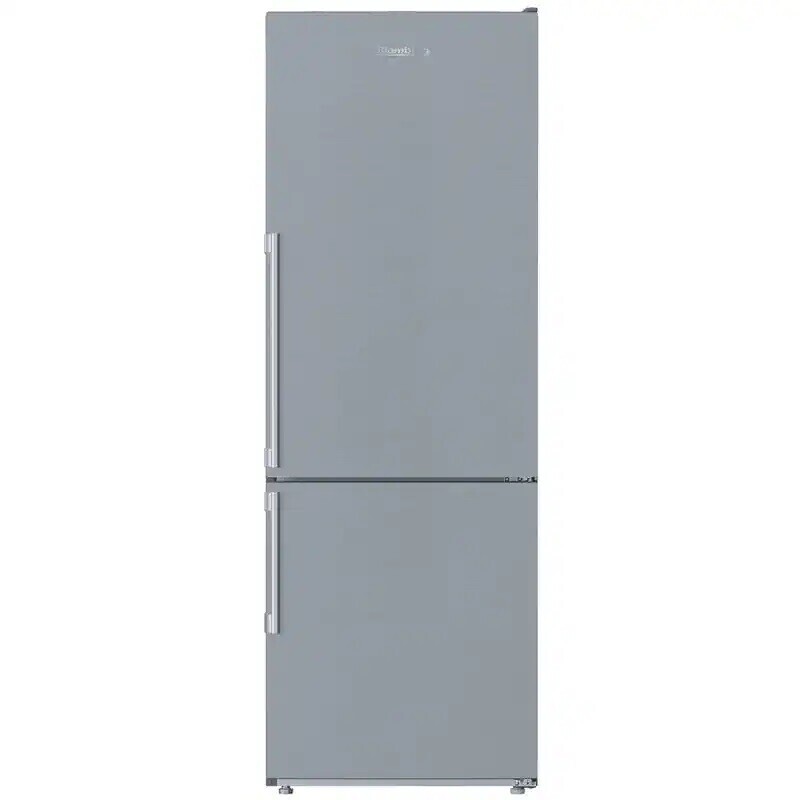
A reach-in refrigerator is the standard upright format that most people picture when they think of a fridge. It stands between 60 and 72 inches tall, ranges from 24 to 36 inches wide, and uses vertically stacked shelves behind one or two swing-open doors. In residential settings, reach-in models include top-freezer, bottom-freezer, side-by-side, and French door configurations. In commercial kitchens, reach-in refrigerators are tall stainless steel units with one, two, or three full-size doors and heavy-duty shelving designed for high-volume food storage.
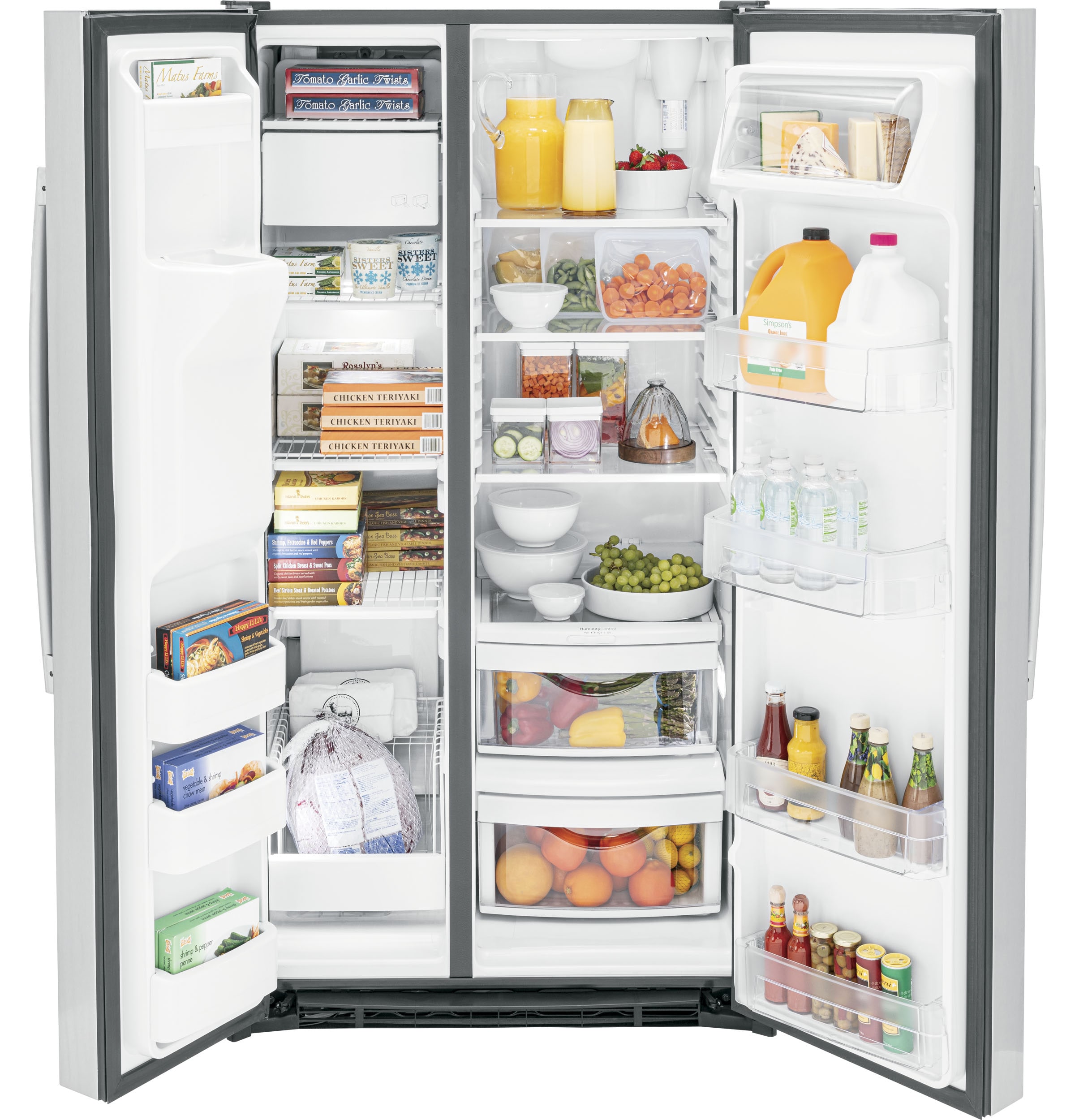
The vertical design maximizes storage capacity within a relatively small floor footprint. A standard residential reach-in offers 18 to 28 cubic feet of total storage, making it the primary food storage appliance for most households. The height allows for multiple shelf levels, door bins for condiments and bottles, crisper drawers for produce, and often a dedicated deli or snack drawer. This all-in-one approach means most kitchens need only a single reach-in refrigerator to handle all their cold storage requirements.
What Is a Refrigerator Drawer
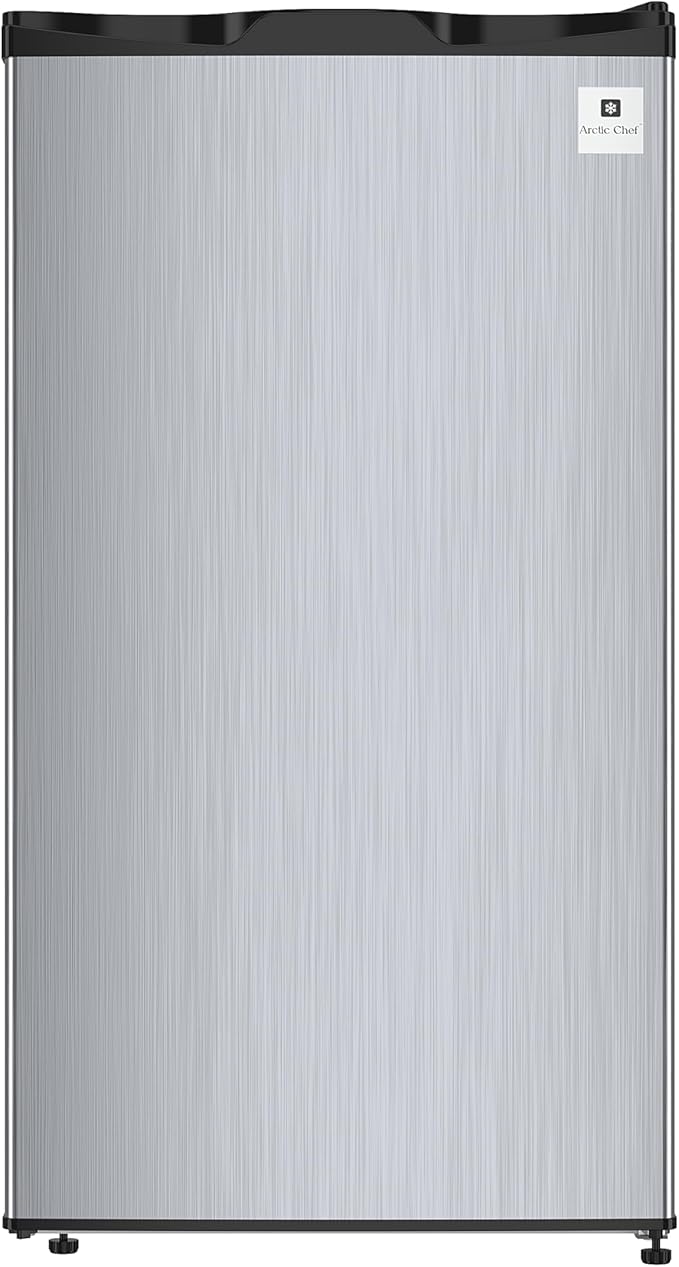
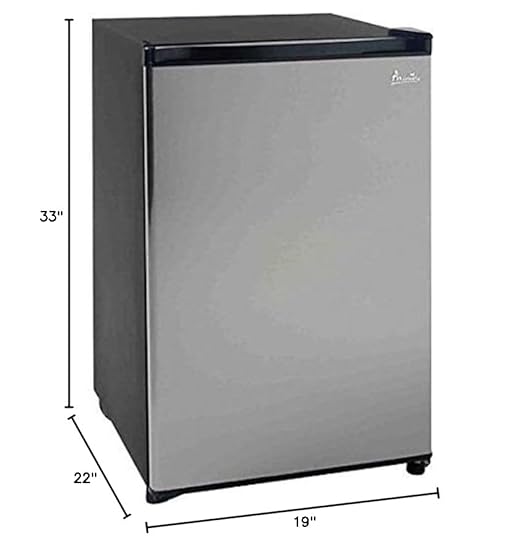
A refrigerator drawer is a low-profile unit designed to fit under a standard 36-inch countertop. Instead of swing-open doors, it uses one or two horizontal pull-out drawers that slide on rails, similar to a filing cabinet. The drawers typically measure 24 to 36 inches wide and 15 to 24 inches tall, offering 3 to 7 cubic feet of storage depending on the model. Refrigerator drawers are available in single-drawer and double-drawer configurations, with some models offering independent temperature zones in each drawer.
Originally developed for commercial kitchens as prep station coolers, refrigerator drawers have become increasingly popular in residential design for kitchen islands, wet bars, outdoor kitchens, and as supplementary storage in large homes. They install flush with surrounding cabinetry and can be paneled to match your kitchen finishes, making them nearly invisible when closed. This seamless integration is one of their primary appeals — they add cold storage without the visual bulk of a traditional upright refrigerator.
Reach-in refrigerators win decisively on total capacity. A standard residential model offers 18 to 28 cubic feet of combined fridge and freezer space. Even a compact 24-inch-wide reach-in provides 10 to 12 cubic feet, which is more than most double-drawer refrigerator units. The vertical format stacks storage efficiently, and the combination of shelves, bins, and drawers accommodates items of every shape and size — from tall bottles to wide platters to small condiment jars.
Refrigerator drawers are designed for supplementary or specialized storage, not as a primary fridge replacement. Most double-drawer units offer 3 to 5 cubic feet total, and even the largest models top out around 7 cubic feet. This is enough to hold beverages, snacks, produce, or prep ingredients for a cooking station, but nowhere near sufficient for a household's total food storage needs. If you are considering a refrigerator drawer as your only fridge, it will only work for a very small household with minimal food storage requirements. Most buyers use drawers as a complement to a full-size reach-in refrigerator.
This is where refrigerator drawers shine. The pull-out design places contents at waist level or below, eliminating the need to reach overhead or bend down to access back shelves. Everything in the drawer slides toward you, making it easy to see and reach every item without rearranging the contents. For users with mobility limitations, back problems, or wheelchair accessibility needs, refrigerator drawers provide significantly better access than a tall reach-in unit where top shelves may be out of reach and bottom shelves require bending.
Reach-in refrigerators have inherent ergonomic limitations. The top shelf is often difficult to reach for shorter individuals, and the bottom drawers require bending or squatting to access. Items pushed to the back of deep shelves get lost and forgotten, contributing to food waste. The swing-open door also requires clearance space in front of the fridge — a concern in narrow galley kitchens or tight layouts. French door models reduce the door swing radius compared to single-door units but still need forward clearance that drawer models do not.
Installation and Design Flexibility
Refrigerator drawers offer extraordinary installation flexibility. They fit under countertops, inside kitchen islands, in butler's pantries, in home bars, in outdoor kitchens, and in virtually any location with a standard 24-inch-deep cabinet opening. Panel-ready models accept custom cabinet fronts that match your kitchen cabinetry, making the drawer virtually invisible. This allows designers to place cold storage exactly where it is most useful in the workflow — next to the prep station, under the grill in an outdoor kitchen, or beside the serving area in an entertainment space.
Reach-in refrigerators require a dedicated vertical space, typically against a wall or in a cabinet surround. Built-in models sit flush with cabinetry for a custom look, but they still occupy a full-height slot that dominates the kitchen layout. Counter-depth models reduce protrusion but sacrifice interior space. The placement of a reach-in fridge often dictates the kitchen layout around it, whereas refrigerator drawers adapt to the layout you want. For kitchen renovations where design flexibility is a priority, drawers provide options that reach-in models simply cannot match.
Both formats use the same compressor-based cooling technology and maintain the standard safe temperature range of 35 to 38 degrees Fahrenheit. High-quality models of either type maintain consistent temperatures with variance of plus or minus one to two degrees. The cooling performance itself is not a differentiator between the two formats.
Where they differ is in temperature recovery after opening. Reach-in refrigerators lose more cold air each time the door swings open because the entire front of the unit is exposed. Cold air, which is denser than warm air, spills out the bottom of an open upright fridge rapidly. Refrigerator drawers lose less cold air when opened because the drawer shape retains cold air pooled at the bottom, and only the contents of one drawer are exposed at a time in dual-drawer models. This faster temperature recovery can contribute to slightly better energy efficiency and more consistent storage temperatures in heavy-use environments like prep stations.
Reach-in refrigerators consume between 400 and 700 kilowatt-hours per year depending on size, configuration, and efficiency rating. Larger models naturally use more energy, but Energy Star-rated reach-in fridges are widely available and offer excellent efficiency for their capacity. The energy cost per cubic foot of storage is generally favorable because the sealed compartment maintains temperature efficiently at scale.
Refrigerator drawers typically consume 200 to 400 kilowatt-hours per year due to their smaller size. However, the energy cost per cubic foot of storage is higher than a reach-in fridge because the smaller compressor and reduced insulation thickness are less efficient at scale. If you use a refrigerator drawer as a supplement to a full-size reach-in, your total household energy consumption for refrigeration will be higher than using a single reach-in alone. The efficiency advantage only applies if a drawer is replacing a reach-in entirely in a small-capacity application.
Reach-in refrigerators cover a wide price range. Basic top-freezer models start around $500, mid-range French door models cost $1,500 to $2,500, and premium built-in reach-in refrigerators run $5,000 to $12,000. The market is extremely competitive, with options at every price point and style.
Refrigerator drawers carry a premium relative to their capacity. A quality double-drawer unit costs $1,500 to $3,500, and premium panel-ready models from brands like Sub-Zero, Fisher and Paykel, or Perlick can exceed $4,000. For the same money, you could buy a full-size reach-in fridge with five to six times the storage capacity. The price premium reflects the compact engineering, custom installation capability, and design-forward positioning of drawer models — you are paying for flexibility and aesthetics as much as cooling performance.
Noise Levels
Reach-in refrigerators produce 35 to 45 decibels during compressor operation, which is comparable to a quiet library. Modern models with inverter compressors are significantly quieter than older fixed-speed models. In most kitchens, the fridge blends into the ambient noise and is not noticeable during normal activity.
Refrigerator drawers tend to be slightly quieter, operating at 30 to 40 decibels, because their smaller compressors generate less vibration and noise. This makes them well-suited for entertainment areas, home offices, and bedrooms where noise sensitivity is higher. The drawer opening and closing mechanism produces a brief mechanical sound, but it is typically softer than the suction release of opening a swing-door fridge.
A reach-in refrigerator is the right choice for any household that needs a primary food storage appliance. If you are equipping a kitchen from scratch, a reach-in model provides the capacity, versatility, and value that a refrigerator drawer cannot match. It is also the practical choice for families, anyone who buys groceries in bulk, and households where a single appliance needs to handle all cold storage duties. The vast selection of sizes, styles, and price points means there is a reach-in model for virtually any kitchen and budget.
Who Should Choose a Refrigerator Drawer
Refrigerator drawers are the ideal choice for supplementary storage in large kitchens, kitchen islands, outdoor cooking areas, wet bars, and entertainment spaces. They excel when placed at the point of use — next to the stove for quick ingredient access, under the bar for beverage service, or in the island for snacks and prep ingredients. They are also an excellent accessibility solution for users who need waist-level access without bending or reaching. If you already have a full-size fridge and want to add convenient cold storage elsewhere in the home, a refrigerator drawer is the perfect complement.
The most common mistake is trying to use a refrigerator drawer as a primary fridge for a full household. At 3 to 7 cubic feet, drawer models simply do not hold enough food for most families. Another frequent error is ignoring the cost-per-cubic-foot comparison — a $3,000 drawer holding 5 cubic feet costs $600 per cubic foot of storage, while a $2,000 reach-in holding 25 cubic feet costs $80 per cubic foot. On the reach-in side, the biggest mistake is placing it too far from the primary prep area, creating unnecessary steps during cooking. Consider your kitchen workflow carefully when positioning either appliance type.
Compare prices on Fridge.com
Fridge.com carries both reach-in refrigerators and refrigerator drawers from top brands in every size and finish. Browse our full refrigerator collection to find your primary kitchen fridge, or explore our undercounter refrigerators for drawer and compact options. Check out our outdoor refrigerators for weather-rated drawer models perfect for patios and outdoor kitchens. Free shipping and price-match guarantee on every order.
Frequently Asked Questions
No — at 3-5 cu ft, the drawer cannot hold bulk groceries. The reach-in at 20-72 cu ft handles serious food volume. The drawer supplements with organized access at a specific location. They serve different roles. Compare at Fridge.com.
From Fridge.com research
Figures below come from data Fridge.com builds and maintains. Each links to the record behind it.
Fridge.com Energy Index, built on U.S. EPA and DOE ENERGY STAR records
Across 5,455 ENERGY STAR certified refrigerators and freezers from 263 brands, median use is 360 kWh per year.