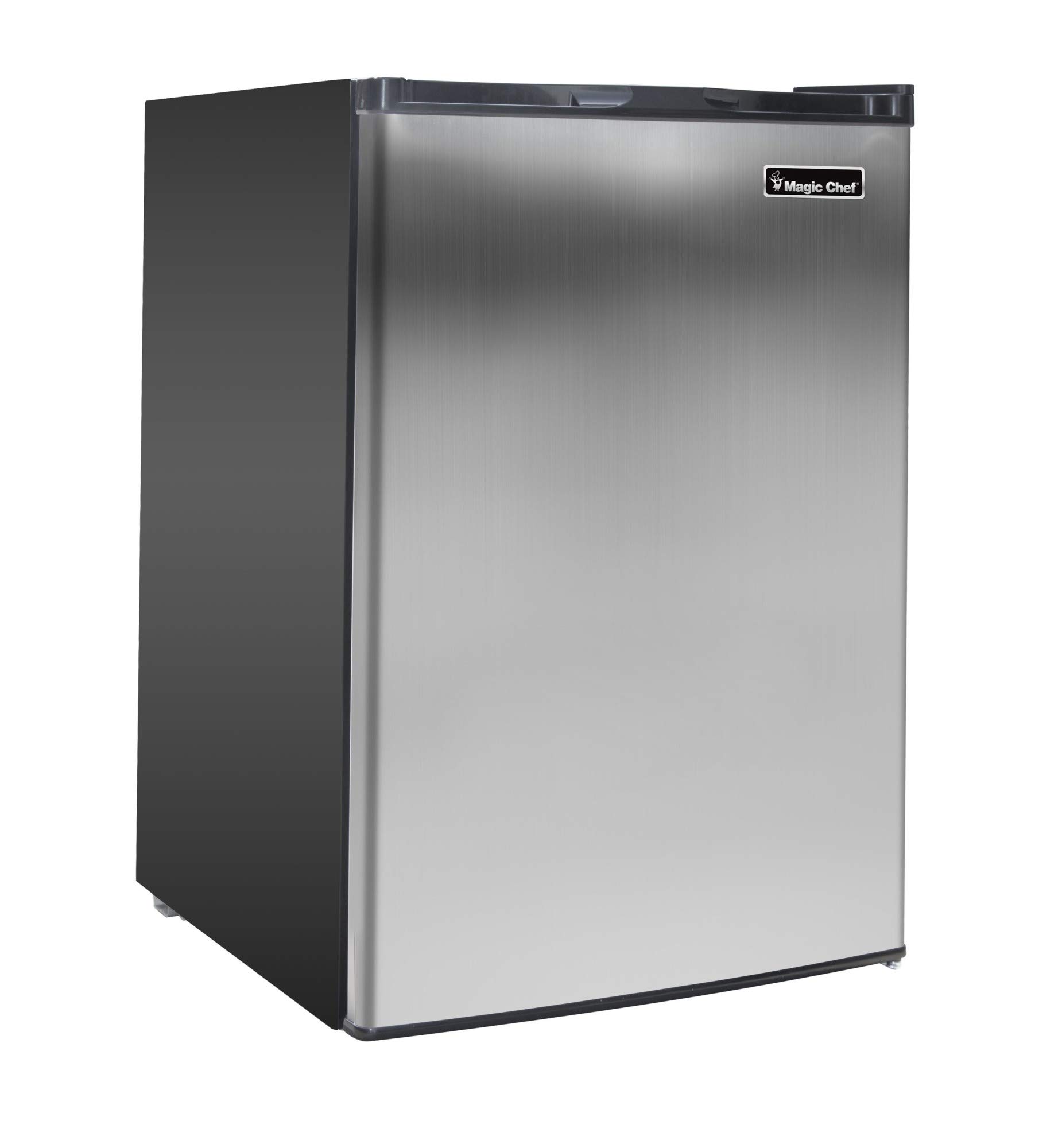
Prices range from $300 to $800 for a quality full-size garage freezer, making it one of the most cost-effective ways to dramatically increase your household's total cold storage capacity.
The freezer section typically accounts for 30 to 40 percent of the total volume, providing 5 to 10 cubic feet of frozen storage depending on the model.
The fresh food section makes up the remaining 60 to 70 percent.
Standard combos cost $500 to $2,500 depending on size, configuration, and features, with French door models occupying the premium end of the range.
Refrigerator freezer combos and garage freezers serve different storage strategies. A refrigerator freezer combo is a single appliance that provides both fresh food and frozen food storage in one unit — the standard kitchen fridge that most households rely on daily. A garage freezer is a standalone freezer — either upright or chest style — placed in the garage specifically for extra frozen food capacity beyond what the kitchen fridge provides. Deciding between upgrading your combo or adding a dedicated garage freezer depends on your storage needs, buying habits, available space, and budget. This guide covers every factor to help you make the right call.
What Is a Refrigerator Freezer Combo
A refrigerator freezer combo is the standard residential refrigerator that combines a fresh food section and a freezer section in one appliance. It comes in several configurations — top-freezer, bottom-freezer, side-by-side, and French door — with total capacities ranging from 14 to 30 cubic feet. The freezer section typically accounts for 30 to 40 percent of the total volume, providing 5 to 10 cubic feet of frozen storage depending on the model. The fresh food section makes up the remaining 60 to 70 percent.
For most households, the combo is the primary and only refrigeration appliance. It handles daily fresh food storage, beverages, condiments, and a moderate amount of frozen items — ice cream, frozen vegetables, meats for the week, and ice. The convenience of having both temperature zones in a single unit, in the kitchen where you cook, makes the combo the default choice for virtually every home. Standard combos cost $500 to $2,500 depending on size, configuration, and features, with French door models occupying the premium end of the range.
What Is a Garage Freezer
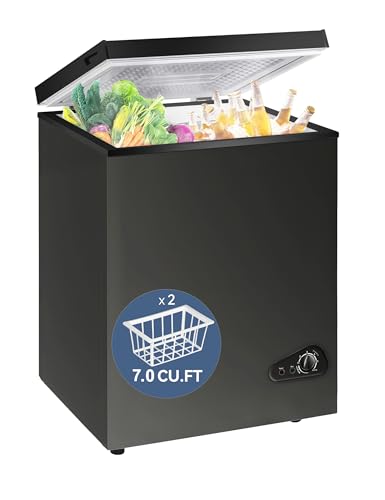
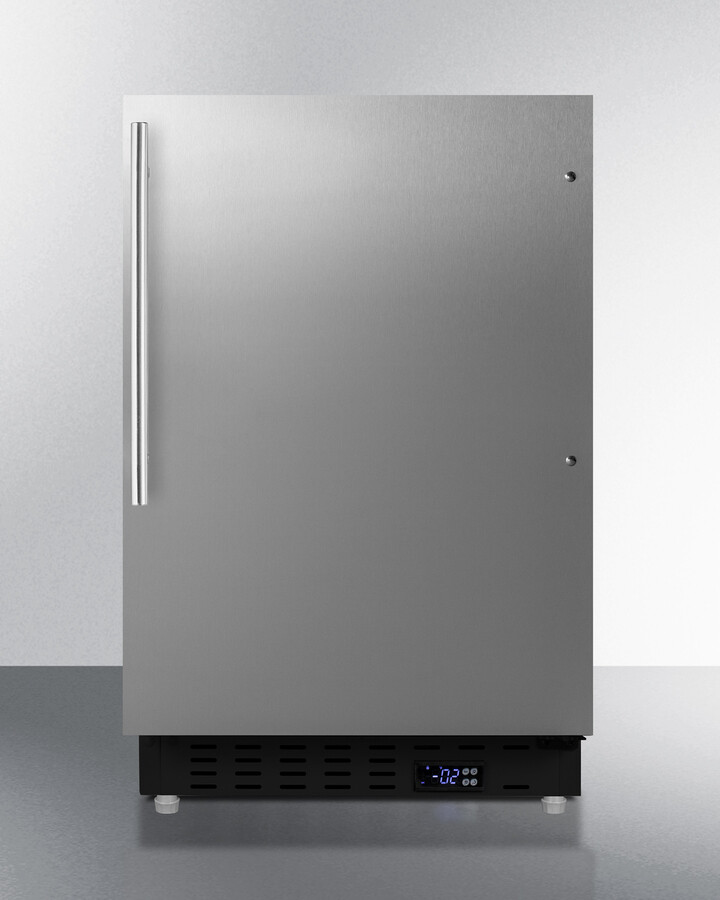
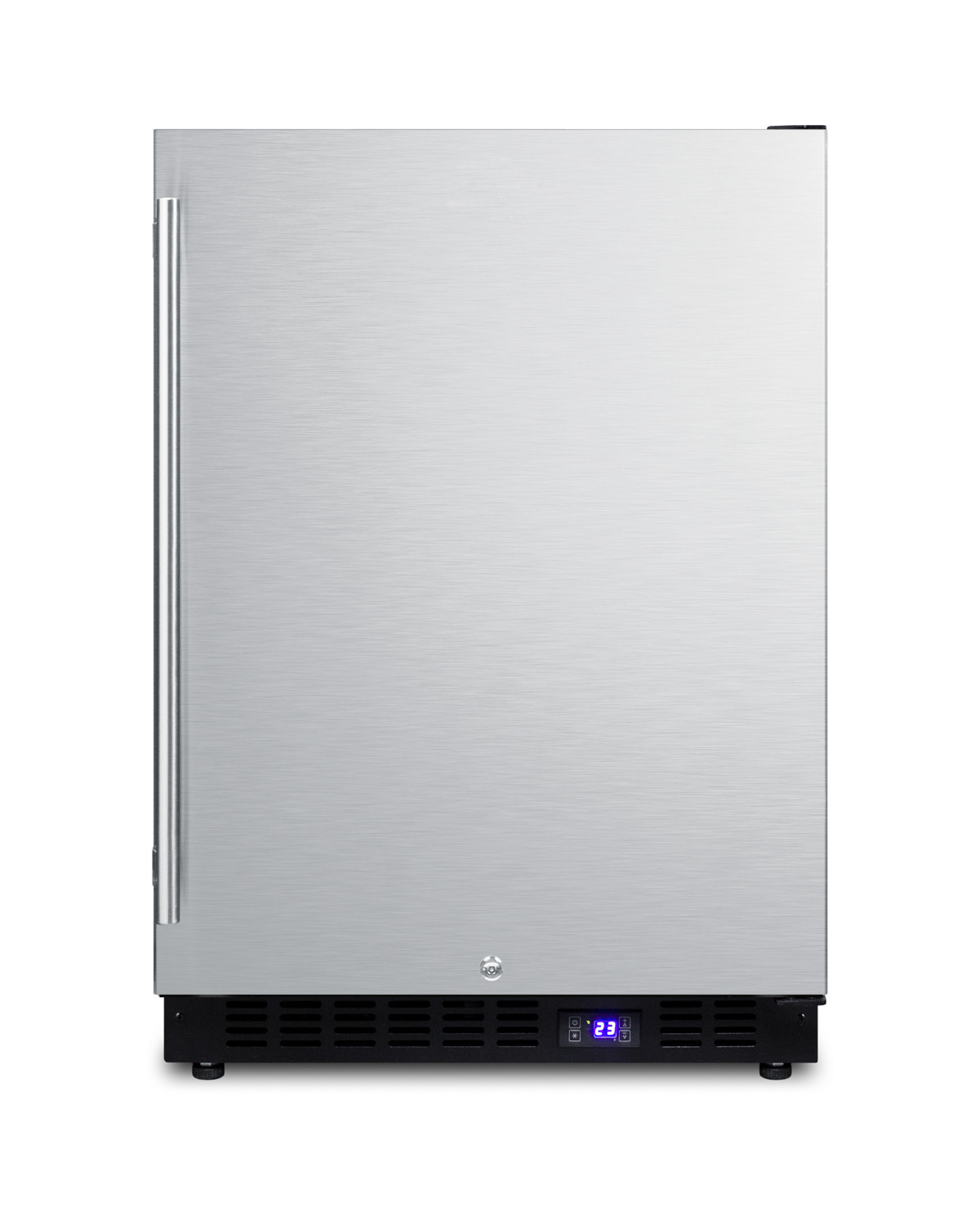
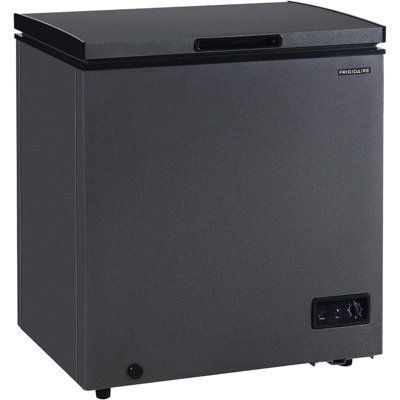
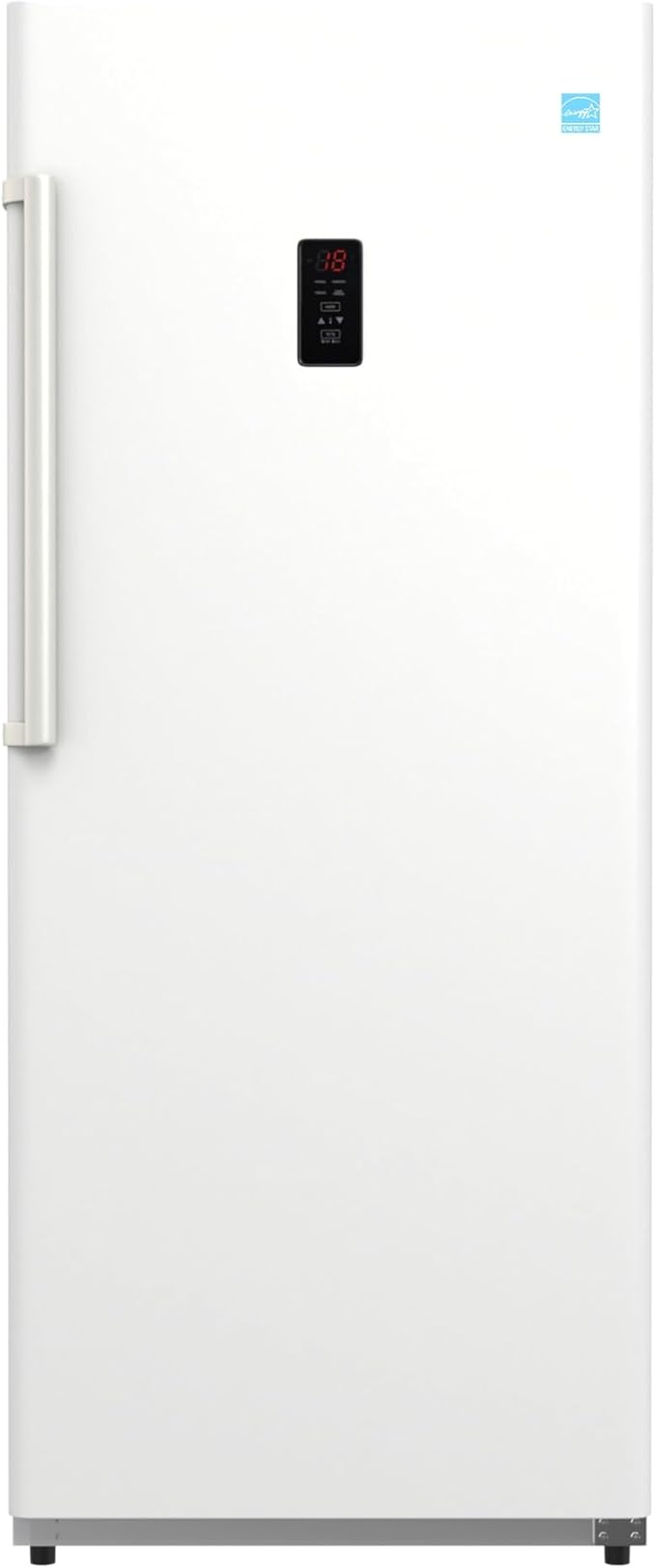
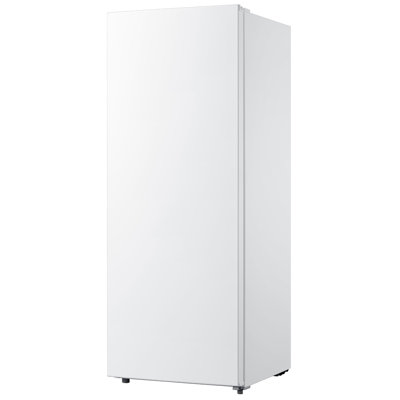
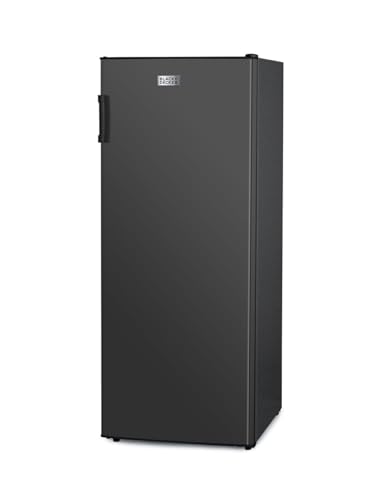
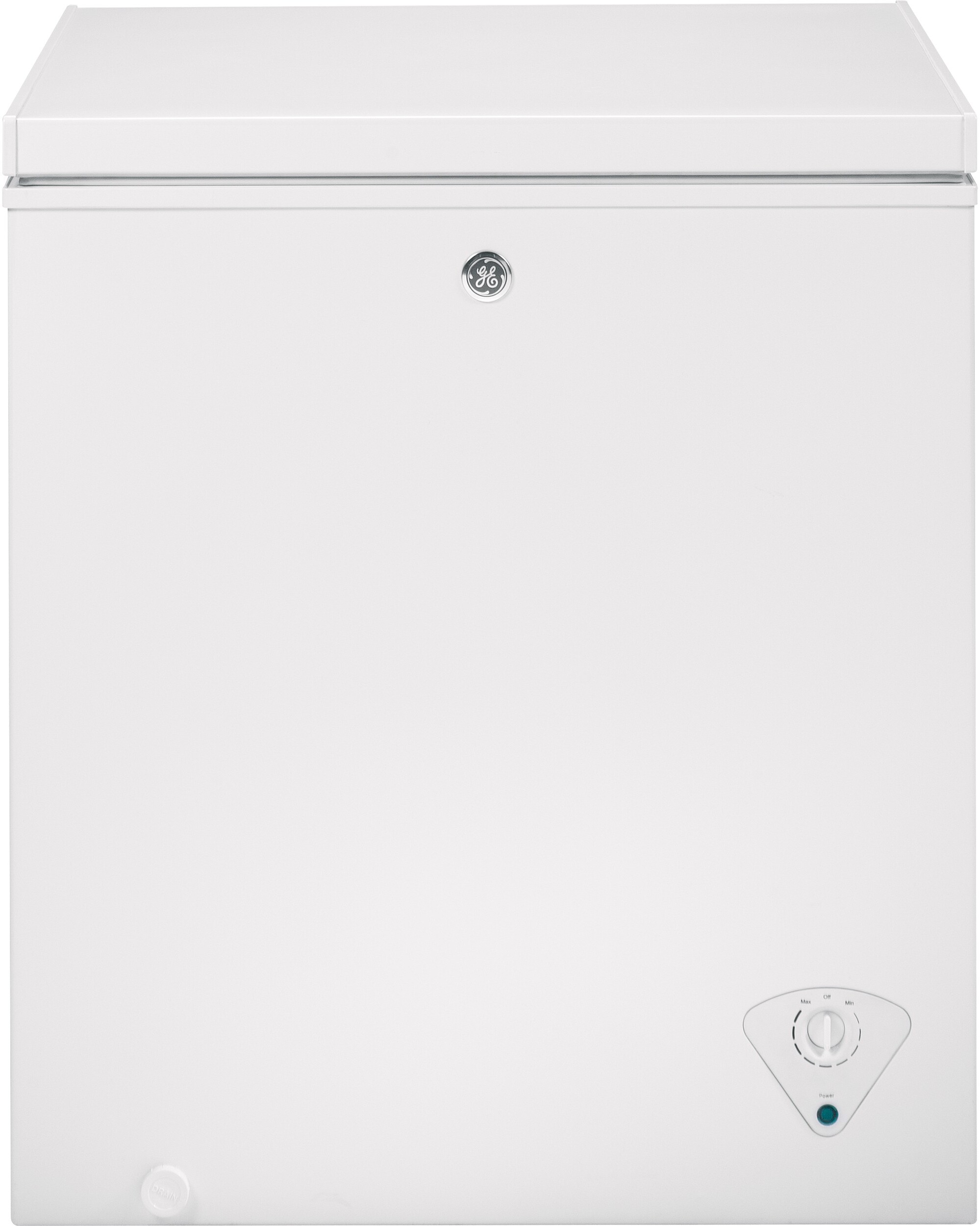
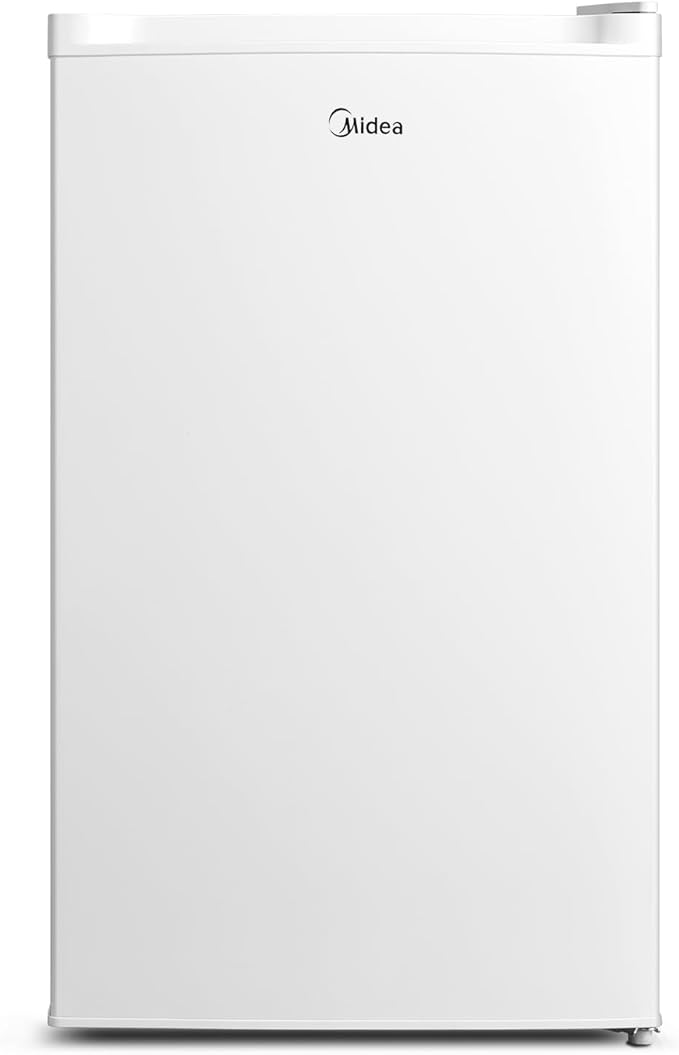
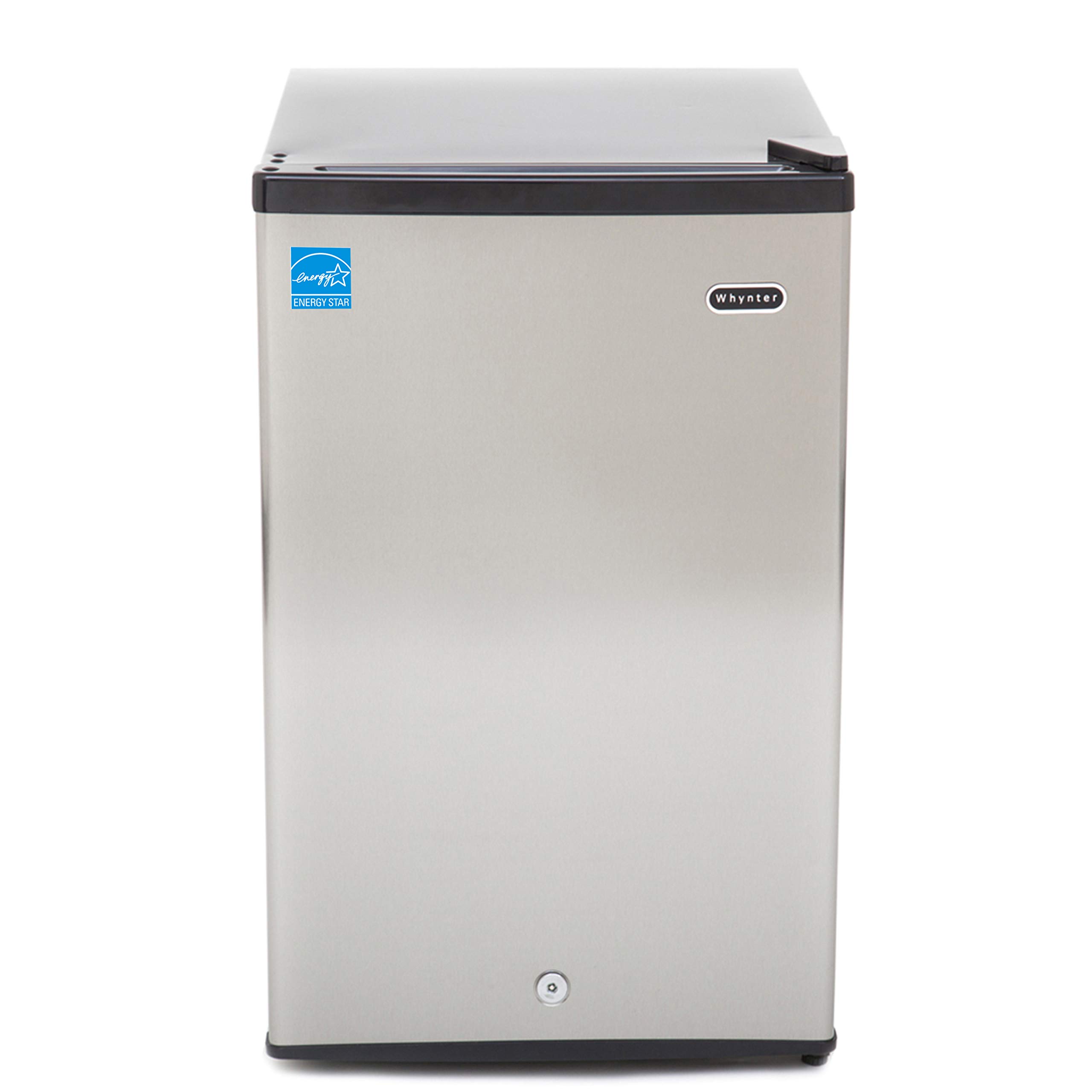
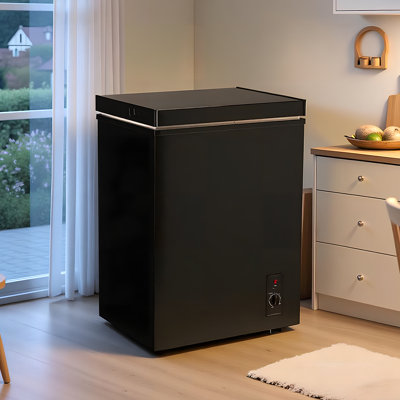
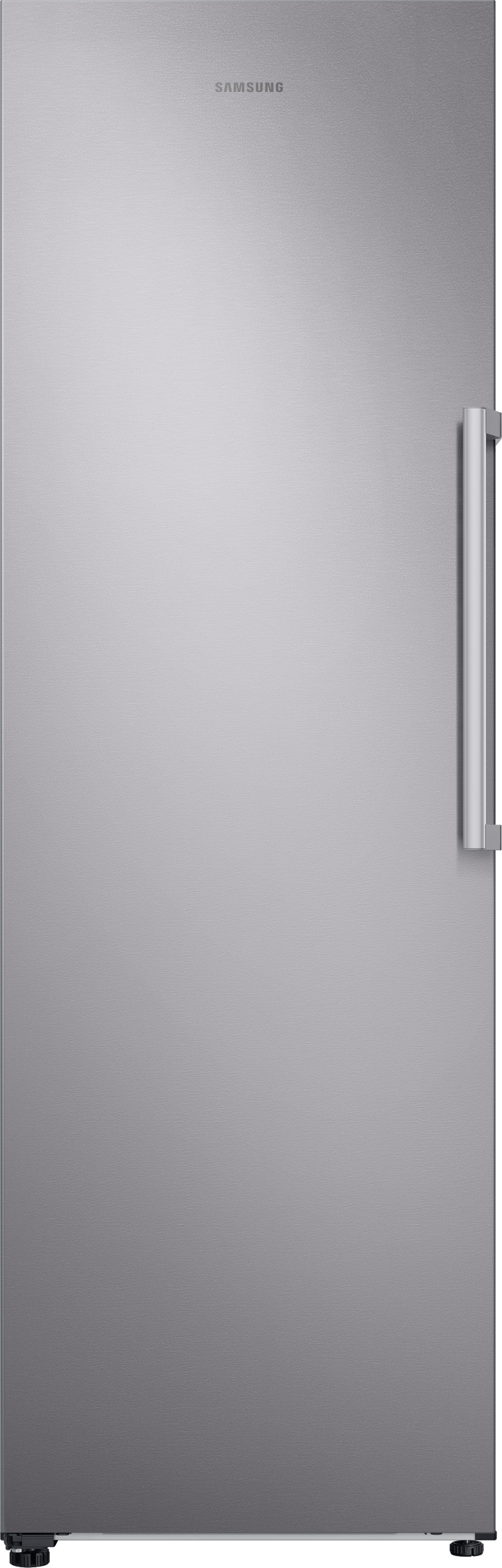
A garage freezer is any standalone freezer placed in the garage for supplementary frozen food storage. These are typically full-size units — 14 to 22 cubic feet — in either upright or chest configurations. Upright garage freezers look like a single-door refrigerator with interior shelves and door bins, providing organized access to frozen items. Chest freezers open from the top and offer a deep, open storage cavity with wire baskets for organization. Both types maintain 0 degrees Fahrenheit throughout their interior.
Garage freezers are popular because the garage provides the floor space and electrical access that the kitchen often lacks. They serve households that buy meat in bulk, hunt or fish and need to store game, grow gardens and freeze produce, or simply need more frozen capacity than their kitchen combo provides. Prices range from $300 to $800 for a quality full-size garage freezer, making it one of the most cost-effective ways to dramatically increase your household's total cold storage capacity.
The freezer section of a standard combo provides 5 to 10 cubic feet — enough for basic weekly frozen food needs but insufficient for bulk storage. A typical combo freezer holds roughly 175 to 350 pounds of frozen food. This fills up quickly if you stock up during sales, buy a quarter or half side of beef, or freeze garden produce in season. Many families find their combo freezer perpetually overstuffed, with items crammed in and difficult to find.
A garage freezer adds 14 to 22 cubic feet of dedicated frozen storage — nearly tripling or quadrupling your total frozen capacity. A 20-cubic-foot chest freezer holds approximately 700 pounds of frozen food. This is enough to store a half side of beef, several months of frozen vegetables, dozens of frozen meals, and still have room for ice cream and convenience items. The additional capacity fundamentally changes how you can shop, cook, and manage food — enabling bulk purchasing, seasonal preservation, and meal prep at a scale that a combo freezer simply cannot support.
This is a critical consideration that many buyers overlook. Standard refrigerator freezer combos are designed to operate in climate-controlled environments between 55 and 110 degrees Fahrenheit. In a garage where temperatures can drop below freezing in winter or exceed 100 degrees in summer, a standard combo may malfunction. In cold garages, the compressor may not cycle on frequently enough because the ambient air is already close to the fridge temperature, causing the freezer section to warm above safe levels. In extreme heat, the compressor may run continuously and still struggle to maintain proper temperatures.
Garage-rated freezers are specifically designed for wider ambient temperature ranges, typically 0 to 110 degrees Fahrenheit. These units have compressors and thermostats calibrated to function in the temperature extremes common in uninsulated garages. If you live in a climate with harsh winters or hot summers, choosing a garage-rated freezer is essential for reliable performance. Not all standalone freezers are garage-rated — check the manufacturer's specifications for the approved ambient temperature range before purchasing.
Energy Efficiency
A standard combo refrigerator uses 400 to 700 kilowatt-hours per year for both the fridge and freezer sections combined. This is the energy cost you are already paying to maintain your kitchen cold storage. Upgrading to a larger combo increases consumption modestly — a 28-cubic-foot French door uses about 600 to 700 kilowatt-hours versus 450 to 550 for a 22-cubic-foot top-freezer model.
Adding a garage freezer introduces a second appliance with its own energy consumption. A quality 20-cubic-foot chest freezer uses 350 to 450 kilowatt-hours per year. An upright freezer of the same size uses 400 to 550 kilowatt-hours because the front-opening door loses more cold air each time it opens. Your total household energy consumption for refrigeration increases by 50 to 100 percent when you add a garage freezer. However, the frozen food savings from bulk purchasing typically offset the electricity cost many times over — a household that saves $100 per month by buying meat in bulk spends only $40 to $60 per year running the freezer.
If you decide on a garage freezer, the choice between upright and chest configurations matters. Upright freezers offer shelf-based organization similar to a refrigerator, making items easy to find and access. They take up less floor space but more vertical space. The front-opening door allows them to fit against a wall without clearance above. However, upright models lose more cold air when opened, cost more than chest models of the same capacity, and use more energy.
Chest freezers are more energy-efficient because cold air stays pooled at the bottom when the lid opens. They cost 20 to 30 percent less than comparable uprights and can store odd-shaped items like whole turkeys and large roasts more easily. The downside is organization — items pile on top of each other, and retrieving something from the bottom means moving everything above it. Chest freezers also require more floor space and overhead clearance for the lid. For most garage installations where floor space is available, a chest freezer provides the best value and efficiency.
Upgrading your kitchen combo to a larger model with a bigger freezer section costs $1,500 to $3,000 for a quality French door or side-by-side unit. However, even the largest residential combo provides only 10 cubic feet of freezer space at most — a meaningful but limited increase over a standard combo.
Adding a garage freezer costs $300 to $800 and provides 14 to 22 cubic feet of dedicated frozen storage — two to four times the freezer capacity of even the largest combo, at a fraction of the upgrade cost. The math strongly favors adding a garage freezer over upgrading the combo if frozen capacity is your primary need. A $400 chest freezer in the garage provides more frozen storage than a $3,000 kitchen combo upgrade, and you keep your existing kitchen fridge intact.
The combo freezer's biggest advantage is location — it is in the kitchen where you cook. Grabbing frozen vegetables, pulling out a package of chicken, or scooping ice cream requires walking a few steps. For everyday cooking, having frozen items within arm's reach of the stove and prep area is significantly more convenient than walking to the garage.
A garage freezer requires a trip outside the kitchen — down the hall, through the door, into the garage. For frequently used items, this becomes a minor inconvenience over time. The practical solution is to use the combo freezer for items you access daily and the garage freezer for bulk storage, long-term items, and overflow. Restock the kitchen freezer from the garage freezer weekly. This two-tier approach maximizes both convenience and capacity.
Food Safety and Power Outages
During a power outage, a full combo freezer keeps food frozen for approximately 24 to 48 hours if the door remains closed. Since most outages last a few hours, this is typically adequate. However, a partially full combo freezer loses temperature faster because there is less frozen mass to retain cold.
A full garage freezer — especially a chest model — can keep food safely frozen for 48 to 72 hours during an outage because the large mass of frozen food acts as its own cold storage. Chest freezers retain cold even longer than uprights because the top-opening design prevents cold air from spilling out. For households in areas prone to extended power outages, a well-stocked chest freezer in the garage provides meaningful food security that a combo freezer alone cannot match.
A refrigerator freezer combo alone is sufficient for small households, apartment dwellers without garage access, and anyone who shops for fresh food frequently and does not store large quantities of frozen items. If your combo freezer rarely fills up and you do not buy in bulk, there is no reason to add a second appliance. The combo handles daily needs efficiently in a single convenient location.
Who Should Add a Garage Freezer
A garage freezer is the right addition for families that buy meat in bulk, hunters and fishers who process game, gardeners who freeze seasonal produce, and anyone who finds their combo freezer constantly overstuffed. It is also valuable for meal preppers who cook and freeze large batches, households that stock up during sales, and anyone in areas with frequent power outages who wants food security. The investment pays for itself quickly through bulk purchasing savings.
The biggest mistake is placing a standard non-garage-rated freezer in an uninsulated garage and expecting it to perform in extreme temperatures. Always verify the unit is rated for your garage's temperature range. Another common error is buying a garage freezer and never organizing it — without baskets, labels, and a system, food gets buried, forgotten, and wasted. Treat the garage freezer like a pantry with zones for different food categories, and rotate stock regularly to prevent freezer burn on older items.
Compare prices on Fridge.com
Fridge.com carries refrigerator freezer combos for the kitchen and standalone freezers perfect for the garage. Browse our full refrigerator collection for combo options in every configuration, or explore our freezers for chest and upright models rated for garage use. Check out our French door refrigerators for maximum combo capacity. Free shipping and price-match guarantee on every order.
Frequently Asked Questions
When your kitchen freezer is consistently full — from bulk purchases, meal prep, seasonal preservation, or a growing family. The garage chest freezer adds 5-25 cu ft of dedicated frozen storage at $17-$48/year energy. Browse at Fridge.com.
Free tool
Food Storage Calculator
Free interactive tool from Fridge.com — get a quick answer while you read.