Energy Efficient Refrigerator Vs. Platinum Refrigerator
Share
Michelle Thomas· Interior Designer
10 min read
Summarize with
Key Takeaways
average electricity rate of roughly $0.13 per kWh, the estimated annual running costs are:.
Certified models typically use about 15% less energy than non-rated models, giving you a consistent basis for comparison.
Over a 15-year lifespan, the efficient option can save roughly $25 per year in energy against a higher-drawing model, adding up to hundreds of dollars.
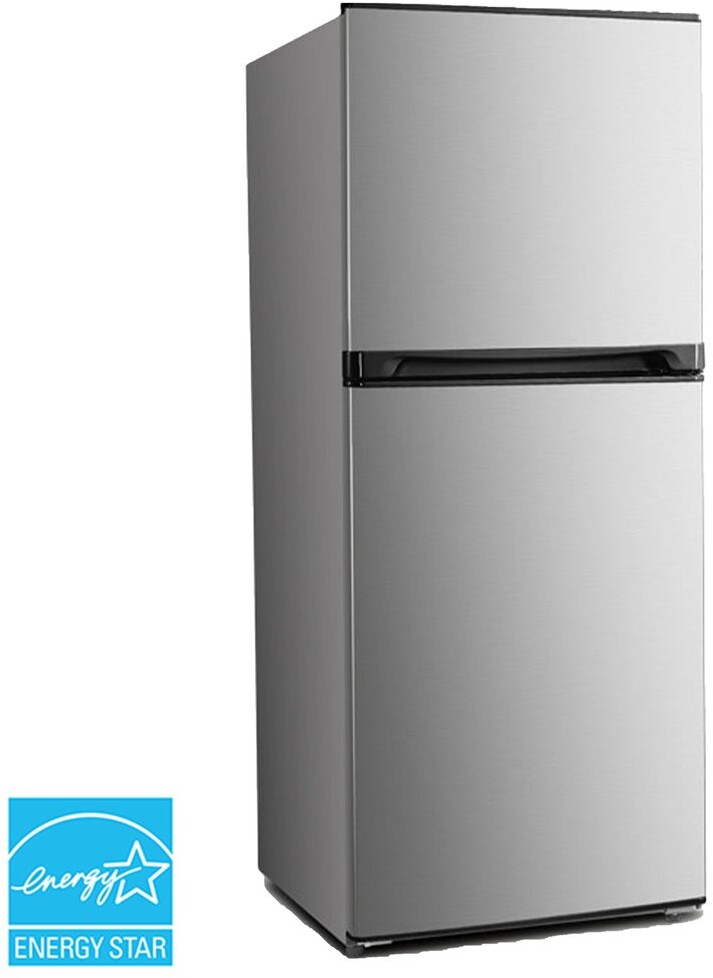
A platinum refrigerator and an energy efficient refrigerator are defined by two completely different attributes: one by its finish, the other by its energy performance. A platinum fridge is any refrigerator in a platinum or silver-toned metallic finish — a softer, warmer alternative to bright stainless steel. An energy efficient fridge is any refrigerator that carries the Energy Star label, meaning it uses at least 15% less electricity than the federal minimum standard. Because one is cosmetic and the other is functional, the two categories overlap: a platinum-finish fridge can also be Energy Star certified. This guide explains the finish, the efficiency, the running costs, and how to get both in a single appliance.
Platinum Finish Vs. Energy Efficiency: The Core Difference
The most common mistake in this comparison is treating "platinum" and "energy efficient" as opposite choices. They are not on the same axis. Platinum describes how the refrigerator looks; energy efficiency describes how much power it draws. You can have a platinum fridge that is an energy hog, a plain white fridge that is exceptionally efficient, or a platinum fridge that is also Energy Star rated.
Attribute
Platinum Refrigerator
Energy Efficient Refrigerator
What defines it
Exterior finish (platinum/silver metallic)
Energy Star certification (≥15% below federal minimum)
Type of attribute
Cosmetic
Functional
Affects energy use?
No
Yes
Affects appearance?
Yes
No
Can overlap with the other?
Yes — can be Energy Star
Yes — can be platinum finish
What Is a Platinum Finish?
Platinum is a metallic finish that resembles brushed silver with a slightly warmer or darker tone than traditional stainless steel. Different brands market similar finishes under different names — Whirlpool's Monochromatic Stainless, LG's PrintProof Stainless, and Samsung's Fingerprint Resistant Stainless all have silver-toned variants that read as platinum. The finish changes how the fridge looks, not how it performs.
What Makes a Refrigerator Energy Efficient?
An energy efficient refrigerator earns the Energy Star label by using at least 15% less energy than the federal minimum efficiency standard, a certification set by the U.S. Environmental Protection Agency (EPA). That efficiency comes from concrete internal engineering rather than styling:
Inverter/efficient compressors: modern variable-speed compressors deliver the same cooling with less power.
High-density insulation: better insulation reduces the energy needed to hold the interior cold.
Smart defrost: defrost cycles run only when needed instead of on a fixed timer.
LED lighting: LEDs draw less power and last longer than conventional bulbs.
Improved door seals: tighter gaskets prevent cold-air leaks that force the compressor to work harder.
Smart temperature controls: some models add energy-usage monitoring and open-door alarms.
Does the Platinum Finish Affect Energy Use?
No. A platinum-finish fridge uses identical energy to the same model in stainless, black, or white. The exterior paint or coating does not touch insulation, compressor efficiency, or cooling performance. Energy consumption is set entirely by the internal design — compressor type, insulation thickness, defrost method, and sealed-system quality. If two fridges share the same model number and differ only in finish color, they carry the same energy rating.
Can You Get a Platinum Fridge That Is Also Energy Efficient?
Yes, and it is common. Samsung, LG, Whirlpool, GE, and KitchenAid all offer Energy Star models in their silver/platinum finish options. The practical advice is simple: pick the finish you like on looks alone, then check for the Energy Star label to confirm efficiency. The two decisions are independent, so you never have to trade appearance for running cost.
Energy Star Ratings and Consumption
Energy Star ratings are the clearest indicator of a refrigerator's efficiency. Certified models typically use about 15% less energy than non-rated models, giving you a consistent basis for comparison. The following figures show how consumption breaks down by efficiency tier — the platinum finish sits across all of them because it says nothing about power draw.
Refrigerator Type
Average Annual Energy Consumption (kWh)
Energy Star Certified
Standard / Non-Energy-Star Refrigerator (any finish)
500 - 700
No
Platinum-Finish Refrigerator
Varies — depends on Energy Star status, not the finish
The features below are what separate an Energy Star model from a standard one, and each maps to a concrete benefit.
Feature
Benefit
Advanced insulation
Less compressor runtime, steadier temperature
Efficient compressor
Lower energy consumption, quieter operation
LED lighting
Energy savings, longer bulb lifespan
Smart technology
Energy monitoring, open-door alarms
Beyond the bill, efficient models often qualify for utility-company or government rebates and incentives, which can offset part of their purchase price at checkout.
Energy Consumption and Utility Bills
Energy consumption feeds directly into your monthly bill. An Energy Star refrigerator lowers electricity costs over time through reduced power draw; a standard, non-certified model runs higher no matter what finish it wears. Using the U.S. average electricity rate of roughly $0.13 per kWh, the estimated annual running costs are:
Refrigerator Type
Average Annual Energy Consumption (kWh)
Estimated Annual Electricity Cost
Standard / Non-Energy-Star
500 - 700
$65.00 - $91.00
For a size-by-size view of what Energy Star certification saves on a platinum-finish fridge specifically, the certified model beats the non-certified version of the same appliance every year it runs:
Neither attribute carries a meaningful price premium. A platinum finish is priced identically to standard stainless for the same model, and Energy Star certification is included as standard on most mid-range and premium refrigerators. That means you can find a platinum-finish, Energy Star fridge at every price tier.
Type
Budget
Mid-Range
Premium
Platinum/Silver Finish (any efficiency)
$500 - $1,200
$1,200 - $2,500
$2,500 - $5,000+
Platinum + Energy Star
$500 - $1,200
$1,200 - $2,500
$2,500 - $5,000+
Cost Over the Long Run
Where cost genuinely diverges is efficiency, not finish. An efficient model may carry a modestly higher upfront price than a bare-bones standard unit, but the energy savings recover that gap over the appliance's life. Compare total cost of ownership rather than sticker price alone:
Refrigerator Type
Average Upfront Cost
Annual Energy Cost
Estimated Lifespan
Standard / Premium Non-Efficient
$2,500
$75
15 years
Refrigerator Type
Total Cost of Ownership (15 Years)
Energy Savings Over 15 Years
Standard / Premium Non-Efficient
$3,625
N/A
Over a 15-year lifespan, the efficient option can save roughly $25 per year in energy against a higher-drawing model, adding up to hundreds of dollars. The takeaway: the finish is free to choose, so let long-term efficiency drive the money side of the decision.
Premium Platinum-Finish Models: What You Often Get
Because "platinum" is frequently used on higher-end lines, platinum-finish refrigerators often ship as premium builds. When they do, the extras are real and worth knowing about — just remember they come from the model tier, not from the color itself:
Advanced cooling technology: state-of-the-art systems that hold temperature steady and keep perishables fresher longer.
Smart features: Wi-Fi connectivity, touchscreens, and app control for remote monitoring, with alerts if a door is left open or temperature drifts.
High-quality components: premium materials that contribute to durability and a longer service life.
Customizable storage: adjustable shelves, multiple compartments, and dedicated zones for specific food types.
Feature
Premium Platinum-Finish Model
Basic Standard Model
Cooling technology
Advanced, consistent cooling
Standard cooling
Smart features
Wi-Fi, touchscreens, apps
Limited or none
Customizable storage
Adjustable shelves, zones
Fixed shelves
Component quality
Premium
Standard
Finish Properties: Platinum Vs. Bright Stainless
The platinum/silver metallic finish offers slightly better fingerprint resistance than bright polished stainless on most brands. Its subtle warmth also coordinates with warm kitchen elements — wood cabinetry, warm-toned countertops, and brass hardware — better than the cooler brightness of traditional stainless. The difference is subtle but noticeable in a coordinated kitchen design, and it is the one place the finish genuinely earns its keep.
Efficiency, not finish, is what shrinks a refrigerator's environmental footprint. By drawing less electricity, an Energy Star model reduces the demand placed on power generation, with several downstream effects:
Reduced greenhouse-gas emissions: lower energy use means less fossil fuel burned to supply it.
Conservation of natural resources: less demand for coal, oil, and natural gas.
Decreased air pollution: fewer pollutants released during electricity generation.
For the lowest lifetime impact, also weigh build longevity, recyclable or sustainable materials, and low maintenance needs — durable models that rarely need replacement spread their manufacturing footprint over more years. Browse efficient options across our refrigerators collection.
Maintenance and Durability
Upkeep and lifespan depend on build quality and finish care rather than on efficiency ratings. Both efficient and premium platinum-finish models reward routine maintenance with a longer, steadier service life.
Maintenance Task
Energy Efficient Refrigerator
Premium Platinum-Finish Refrigerator
Coil cleaning
Regularly
Regularly
Defrosting
Periodically (if manual)
Occasionally
Temperature checks
Regularly
Regularly
Surface cleaning
Standard cleaners
Non-abrasive cleaners (protect the platinum finish)
Filter replacement
As recommended
As recommended
Door-seal inspection
Regularly
Regularly
Most refrigerators last roughly 12 to 18 years. Efficient models typically run 10-15 years, while premium builds with higher-grade materials and stainless/platinum finishes often reach 15-20 years. Wipe platinum surfaces with non-abrasive cleaners only, and inspect door seals regularly on any model to prevent cold-air leaks.
Aspect
Energy Efficient Refrigerator
Premium Platinum-Finish Refrigerator
Average lifespan
10-15 years
15-20 years
Durability
High
Very high
Material quality
Standard
Premium
Making the Right Choice
Because finish and efficiency are independent, the smart move is not to choose between them — it is to specify both. Decide the finish on looks and the efficiency on running cost, then find a model that satisfies each.
Choose a platinum finish if the warmer silver tone coordinates better with your kitchen palette than bright stainless. This is a purely aesthetic call — make it against your cabinetry and hardware.
Choose Energy Star regardless of finish. The efficiency saves money every year for the fridge's entire 12-to-18-year life. There is no reason to accept a non-certified model when a certified one exists at the same price in the same finish.
Match capacity to household size. Larger households and frequent entertainers benefit from premium platinum-finish models with ample, zoned storage; smaller households can prioritize a compact efficient unit.
Check the space. Efficient models come in many sizes for tight layouts; premium platinum lines may run larger to accommodate their extra features.
Consideration
Prioritize Efficiency (Energy Star)
Prioritize Premium Platinum Finish
Upfront cost
Lower to mid
Mid to high (tier, not finish)
Advanced features
Efficiency-focused
Premium (smart tech, zoned storage)
Environmental footprint
Lower
Depends on efficiency
Best-case combined pick
A platinum-finish, Energy Star model — available at every price tier
Is a platinum refrigerator more energy efficient than a stainless one?
No. The finish has zero effect on energy use. Two fridges of the same model in platinum and stainless carry the same energy rating and cost the same to run. Efficiency is determined by the compressor, insulation, defrost method, and seals — never by the exterior color.
Does a platinum finish cost more than stainless?
No. For the same model, the platinum/silver finish is priced identically to standard stainless. You are not paying a premium for the color, only for the model tier and its features.
Can a platinum-finish refrigerator be Energy Star certified?
Yes. Samsung, LG, Whirlpool, GE, and KitchenAid all offer Energy Star models in silver/platinum finishes. Choose the finish you like, then confirm the Energy Star label — the two are independent.
How much does Energy Star certification save per year?
On a like-for-like platinum-finish fridge, an Energy Star model saves roughly $10 to $20 per year over the non-certified version, and up to about $25 per year against a higher-drawing standard model. Across a 15-year life that totals into the hundreds of dollars.
Does the platinum finish resist fingerprints better?
Slightly. On most brands the platinum/silver metallic finish hides fingerprints a little better than bright polished stainless, and its warmer tone coordinates well with wood, warm countertops, and brass hardware.
How long do these refrigerators last?
Most last about 12 to 18 years. Efficient models typically run 10-15 years; premium platinum-finish builds with higher-grade materials often reach 15-20 years with routine maintenance.
What is the difference between platinum and stainless steel finish?
Platinum is a silver-toned metallic finish that reads slightly warmer or darker than bright stainless. Brands sell comparable looks as Whirlpool Monochromatic Stainless, LG PrintProof Stainless, and Samsung Fingerprint Resistant Stainless. The difference is purely cosmetic.
Compare current prices and specifications on Fridge.com, then buy from the retailer you choose; delivery, installation and warranty terms are the retailer’s.
It also has tons of awesome articles about kitchen stuff and home news. Enhance your home, garage, backyard, patio, and office with the coolest essentials. With every necessary type of residential refrigerator or freezer in the collection, you're covered.
From Fridge.com research
Figures below come from data Fridge.com builds and maintains. Each links to the record behind it.
Fridge.com Energy Index, built on U.S. EPA and DOE ENERGY STAR records
Across 5,455 ENERGY STAR certified refrigerators and freezers from 263 brands, median use is 360 kWh per year.