Professional installation is recommended for built-in outdoor kitchen configurations and typically costs one hundred fifty to three hundred dollars.
Comparing these appliances helps buyers who are equipping entertainment spaces or adding supplemental cold storage understand what each delivers and where each fits best.
These units typically measure twelve to twenty inches wide, fourteen to twenty inches deep, and seventeen to twenty-two inches tall, with capacities ranging from one to two and a half cubic feet.
The interior usually includes one or two small shelves or a wire basket that creates upper and lower storage zones within the limited space.
An outdoor fridge and a countertop freezer occupy different ends of the appliance spectrum in terms of size, purpose, and installation environment. An outdoor fridge is a weather-resistant refrigerator engineered for exterior placement in patios, pool areas, and outdoor kitchens, while a countertop freezer is a compact tabletop unit that provides small-scale frozen storage in any indoor space with a flat surface and a power outlet. Comparing these appliances helps buyers who are equipping entertainment spaces or adding supplemental cold storage understand what each delivers and where each fits best.
What Is an Outdoor Fridge
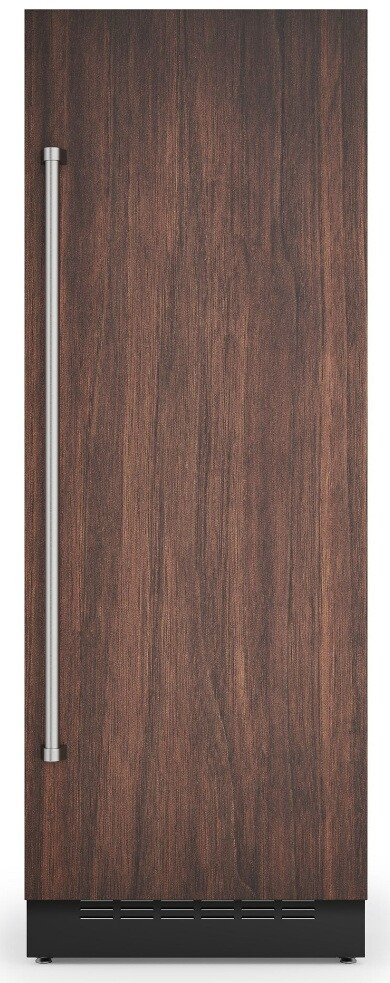
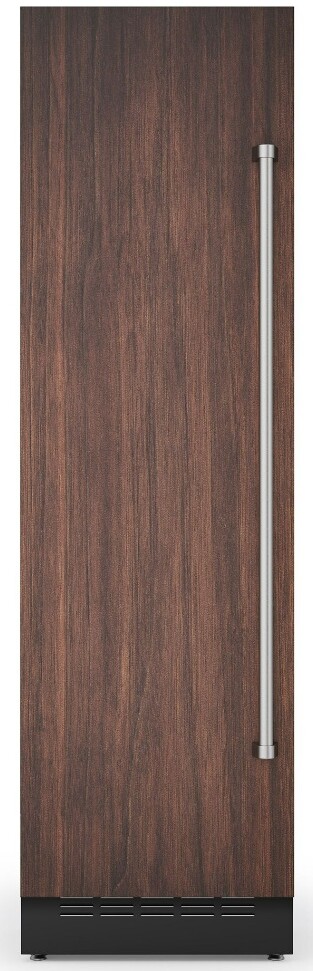
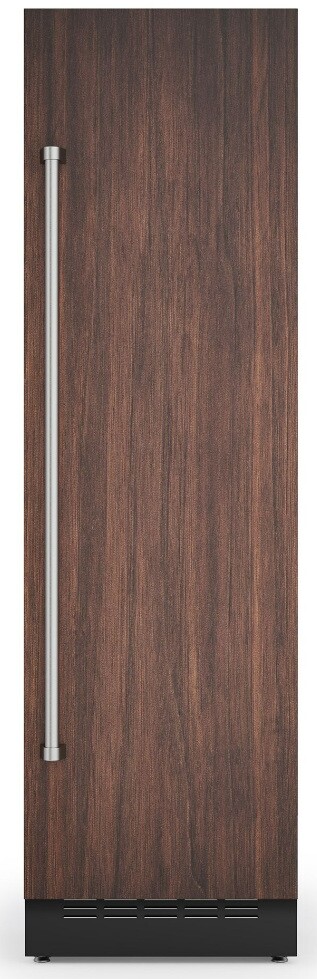
An outdoor fridge is a refrigerator built specifically to operate in exterior environments where it faces direct sunlight, rain, humidity, wind, dust, and ambient temperatures ranging from near freezing to over one hundred degrees Fahrenheit. These units feature weatherproof construction including marine-grade stainless steel or UV-resistant powder-coated steel exteriors, reinforced door hinges rated for outdoor conditions, weather-resistant gaskets that maintain their seal through temperature extremes, and compressors designed to maintain target temperatures across a much wider ambient range than indoor appliances.
Most outdoor fridges designed for residential use are compact undercounter models measuring twenty to twenty-four inches wide, twenty-two to twenty-five inches deep, and thirty-two to thirty-four inches tall, fitting beneath outdoor kitchen countertops and grilling station islands. Larger freestanding outdoor models are also available for spaces that can accommodate a full-height unit. The interior maintains standard refrigerator temperatures of thirty-five to forty-two degrees Fahrenheit, providing storage for beverages, fresh ingredients for grilling, condiments, marinades, and perishable side dishes. Capacities range from three to seven cubic feet for undercounter models and up to fifteen cubic feet for full-size outdoor units.
What Is a Countertop Freezer
A countertop freezer is a compact tabletop appliance that provides frozen food storage in a unit small enough to sit on an existing counter, desk, shelf, or table. These units typically measure twelve to twenty inches wide, fourteen to twenty inches deep, and seventeen to twenty-two inches tall, with capacities ranging from one to two and a half cubic feet. The small footprint makes countertop freezers popular for offices, dorm rooms, bedrooms, home bars, craft rooms, and any space where a small amount of frozen storage is needed without dedicating floor space to a larger appliance.
Countertop freezers maintain temperatures at or near zero degrees Fahrenheit, providing genuine frozen food storage despite their compact dimensions. The interior usually includes one or two small shelves or a wire basket that creates upper and lower storage zones within the limited space. Capacity is modest, holding approximately ten to twenty-five standard frozen meal containers depending on the unit size. Most countertop freezers use small compressor-based cooling systems, though some ultracompact models use thermoelectric cooling. These units are designed exclusively for indoor use in climate-controlled environments and have no weather resistance capabilities.
Outdoor fridges maintain refrigerator temperatures of thirty-five to forty-two degrees Fahrenheit, designed for keeping fresh food and beverages cold. This temperature range preserves perishable items safely for days to weeks while keeping drinks at a refreshing serving temperature. The refrigerator-only design means no frozen storage capability, so outdoor fridges cannot hold ice cream, frozen meats, or any items requiring freezer temperatures. Their purpose is to provide convenient cold storage near outdoor cooking and entertaining areas, eliminating the need to walk back inside every time you need an ingredient or beverage.
Countertop freezers maintain zero degrees Fahrenheit or close to it, designed exclusively for frozen food storage. This temperature halts bacterial activity and preserves food indefinitely in terms of safety. Countertop freezers serve as supplemental frozen storage for households that need extra freezer space beyond their main refrigerator-freezer, offices where employees store frozen lunches, and spaces like home bars where ice packs and frozen cocktail ingredients need to stay frozen. They cannot maintain refrigerator temperatures and are not suitable for storing fresh produce, dairy, beverages at drinking temperature, or other items that need refrigerator-level cooling.
This category highlights the most fundamental difference between these appliances. Outdoor fridges are engineered to withstand every environmental challenge that exterior placement presents. The cabinet uses three-oh-four or three-sixteen grade stainless steel that resists corrosion even in salt-air coastal environments. Door gaskets use weather-resistant rubber compounds that maintain flexibility and sealing properties across temperature extremes from below freezing to over one hundred degrees. The compressor is rated for an extended ambient temperature range of thirty-eight to one hundred ten degrees Fahrenheit. Electrical connections meet outdoor safety ratings, and drainage systems handle condensation without pooling or moisture intrusion into internal components.
Countertop freezers are built exclusively for indoor use with no weather resistance whatsoever. The cabinet uses standard painted steel or plastic construction that would corrode, fade, and degrade rapidly if exposed to rain, humidity, or direct sunlight. The compressor is rated for indoor ambient temperatures of fifty to ninety-five degrees. Door gaskets use standard rubber that becomes brittle in cold weather and degrades under UV exposure. Placing a countertop freezer outdoors, even in a covered patio, risks premature compressor failure, cabinet corrosion, electrical hazards, and voided warranty. These units must remain in climate-controlled indoor environments to function safely and reliably.
Outdoor fridges offer substantially more storage than countertop freezers. A standard twenty-four-inch undercounter outdoor fridge provides five to six cubic feet of refrigerated space, enough to hold approximately one hundred cans, several bottles of wine, platters of food for grilling, and a full selection of condiments and marinades. Larger freestanding outdoor models provide ten to fifteen cubic feet, approaching the fresh food capacity of a compact indoor kitchen refrigerator. Adjustable shelves, door bins, and sometimes crisper drawers allow organized storage of diverse item types and sizes.
Countertop freezers provide one to two and a half cubic feet of frozen storage, holding approximately thirty-five to eighty-five pounds of frozen food. A one-and-a-half-cubic-foot countertop freezer accommodates roughly fifteen standard frozen meal containers, a few bags of frozen vegetables, several ice packs, and a pint or two of ice cream. This modest capacity serves supplemental needs effectively but cannot replace a full-size freezer for households with significant frozen food storage requirements. The limited interior typically includes one shelf or basket that creates basic upper and lower organization.
Energy Consumption
Outdoor fridges consume between two hundred and four hundred fifty kilowatt-hours annually, costing twenty-four to fifty-four dollars per year. Energy consumption varies significantly based on ambient temperature exposure, with units in direct sun during hot summers consuming substantially more than those in shaded installations. The robust compressor must work harder against extreme ambient temperatures, and the frequent door openings typical of outdoor entertaining add to the cooling demand. Placing the outdoor fridge in the most shaded available location dramatically reduces energy consumption and extends compressor lifespan.
Countertop freezers consume between one hundred and two hundred fifty kilowatt-hours annually, costing twelve to thirty dollars per year. Despite maintaining much colder interior temperatures than an outdoor fridge, the small interior volume requires relatively little compressor effort to cool and maintain. The indoor placement in climate-controlled rooms means the compressor operates within its optimal ambient range without the additional workload that outdoor temperature extremes impose. Energy Star rated countertop freezers offer the best efficiency within this compact category.
Outdoor fridges operate between thirty and forty-two decibels, comparable to standard indoor compact refrigerators. The noise is largely irrelevant for most installations because the outdoor environment masks compressor sounds with ambient wind, conversation, music, and other activity. During hot weather when the compressor runs more frequently, the increased operational noise still remains well below levels that would interfere with outdoor conversation or entertainment. The outdoor placement inherently eliminates the noise sensitivity concerns that indoor appliance placement requires.
Countertop freezers operate between twenty-eight and forty decibels, with the variation depending on compressor quality and cabinet construction. Since these units sit on countertops in indoor spaces, noise is a more relevant consideration. The compressor cycles on and off to maintain zero-degree temperatures, and each cycle produces a brief surge in sound followed by quiet. For office desks and bedrooms, choose models specifically rated under thirty-five decibels. Placing the unit on a rubber mat dampens vibration transfer to the countertop surface, which can amplify compressor sounds in some installations.
Outdoor fridges command premium prices due to their weatherproof construction and specialized engineering. Basic compact outdoor models start at five hundred to eight hundred dollars. Mid-range twenty-four-inch undercounter models with stainless steel construction and reliable outdoor compressors cost between one thousand and two thousand dollars. Premium outdoor fridges from brands specializing in outdoor kitchen appliances range from two thousand to four thousand dollars for larger capacities with advanced features like digital controls, interior LED lighting, and locking mechanisms. The price premium of fifty to one hundred percent over comparable indoor-rated units reflects genuine engineering differences required for reliable outdoor operation.
Countertop freezers are among the most affordable freezer appliances available. Basic one-cubic-foot models start at eighty to one hundred thirty dollars. Mid-range one-and-a-half to two-cubic-foot models with better insulation and quieter operation cost between one hundred thirty and two hundred fifty dollars. Premium countertop freezers with stainless steel finishes and digital temperature displays reach two hundred fifty to four hundred dollars. The accessible pricing makes countertop freezers a low-risk purchase for anyone wanting to add a small amount of frozen storage without significant financial commitment.
Price Range
Outdoor Fridge
Countertop Freezer
Budget
$500–$800
$80–$150
Mid-Range
$1,000–$2,000
$150–$275
Premium
$2,000–$4,000
$275–$400
Annual Energy Cost
$24–$54
$12–$30
Installation Requirements
Outdoor fridges require thoughtful installation planning for their exterior environment. Position the unit on a level, well-drained surface away from standing water. Connect to an outdoor-rated electrical outlet with ground fault circuit interrupter protection. Place the unit in the most shaded available location to reduce compressor workload and energy consumption. Undercounter models need a prepared cabinet opening matching the unit's specifications with adequate front ventilation clearance. Ensure the power cord is protected from weather exposure and foot traffic. Professional installation is recommended for built-in outdoor kitchen configurations and typically costs one hundred fifty to three hundred dollars.
Countertop freezers require the simplest possible installation. Place the unit on any sturdy flat surface that can support its weight of twenty to forty pounds when loaded, plug into any standard indoor electrical outlet, and allow a few inches of clearance behind and on the sides for compressor ventilation. The entire setup takes under five minutes. The only placement consideration is ensuring the surface can handle the unit's weight and that the rear ventilation area is not blocked by walls or other objects that would trap heat and force the compressor to work harder.
Outdoor fridges require diligent maintenance due to their exposure to weather and outdoor elements. Clean condenser coils quarterly since outdoor dust, pollen, leaves, and debris accumulate much faster than in indoor environments. Inspect and clean door gaskets monthly to remove grit and debris that compromise the seal. Check drain lines periodically for clogs caused by insects, leaves, or mineral deposits. Clean the stainless steel exterior with appropriate cleaners to maintain the protective finish. Before winter in cold climates, ensure the unit is properly winterized if it will remain outdoors. Quality outdoor fridges last eight to twelve years with diligent maintenance.
Countertop freezers require minimal maintenance. Defrost manually once or twice per year to remove ice buildup from the interior walls and evaporator. Wipe interior surfaces when spills occur. Vacuum dust from the rear compressor area annually. Check the door gasket for proper seal periodically. The simple design and sheltered indoor placement mean fewer environmental stresses on components and less frequent maintenance needs. Average lifespan is six to ten years, with the primary wear factor being the small compressor that runs at high duty cycles to maintain zero-degree temperatures in a compact, relatively thinly insulated cabinet.
The most serious outdoor fridge mistake is using an indoor-rated refrigerator outdoors to save money. Indoor units exposed to rain, extreme heat, and humidity experience rapid corrosion, compressor failure, and electrical hazards. The apparent savings disappear when the indoor unit fails after one or two seasons and needs replacement. If the installation has any weather exposure, invest in a properly rated outdoor unit from the start.
The most common countertop freezer mistake is expecting it to store more than it realistically holds. A one-and-a-half-cubic-foot freezer seems adequate when empty but fills quickly once you start loading frozen meals, ice packs, and other items. Measure your actual frozen storage needs before purchasing and size up if there is any doubt, since the price difference between a one-cubic-foot and two-cubic-foot model is typically only thirty to sixty dollars.
Buyers also sometimes compare these two appliances as if they serve interchangeable functions when they fundamentally do not. An outdoor fridge keeps things cold but not frozen. A countertop freezer keeps things frozen but cannot go outdoors. They serve completely different needs in completely different environments, and neither can substitute for the other.
Who Should Buy Which
An outdoor fridge is the right choice for homeowners with outdoor kitchens, pool areas, patio entertaining spaces, and any exterior location where convenient cold beverage and food access enhances the outdoor experience. It suits grill masters who need ingredients within arm's reach, hosts who want to keep drinks cold for guests without constant indoor trips, and anyone designing or upgrading an outdoor kitchen. Browse outdoor refrigerators at Fridge.com for weather-rated models built to handle any environment.
A countertop freezer is the right choice for anyone who needs a small amount of additional frozen storage in an indoor space without committing floor space to a larger freezer. It suits offices, dorm rooms, home bars, craft rooms, bedrooms, and any indoor location where a flat surface and a power outlet are available. Explore compact freezers at Fridge.com to find the right countertop unit for your needs.
Whether you need a durable outdoor fridge for your patio or a compact countertop freezer for your office, Fridge.com carries quality options from trusted brands at competitive prices. Compare sizes, features, and weather ratings across Fridge.com full collection to find the perfect appliance. Every purchase includes free shipping and expert customer support.
Frequently Asked Questions
No — countertop freezers are indoor-only appliances. Rain, sun, and temperature extremes damage the lightweight construction. For outdoor frozen storage, use an outdoor-rated freezer (a niche product). Browse at Fridge.com.
From Fridge.com research
Figures below come from data Fridge.com builds and maintains. Each links to the record behind it.
Fridge.com Energy Index, built on U.S. EPA and DOE ENERGY STAR records
Across 5,455 ENERGY STAR certified refrigerators and freezers from 263 brands, median use is 360 kWh per year.