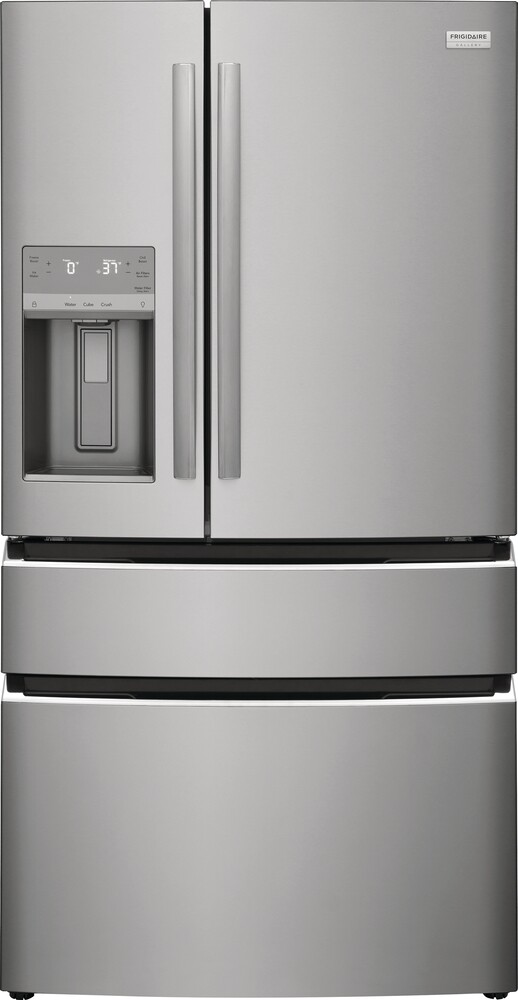
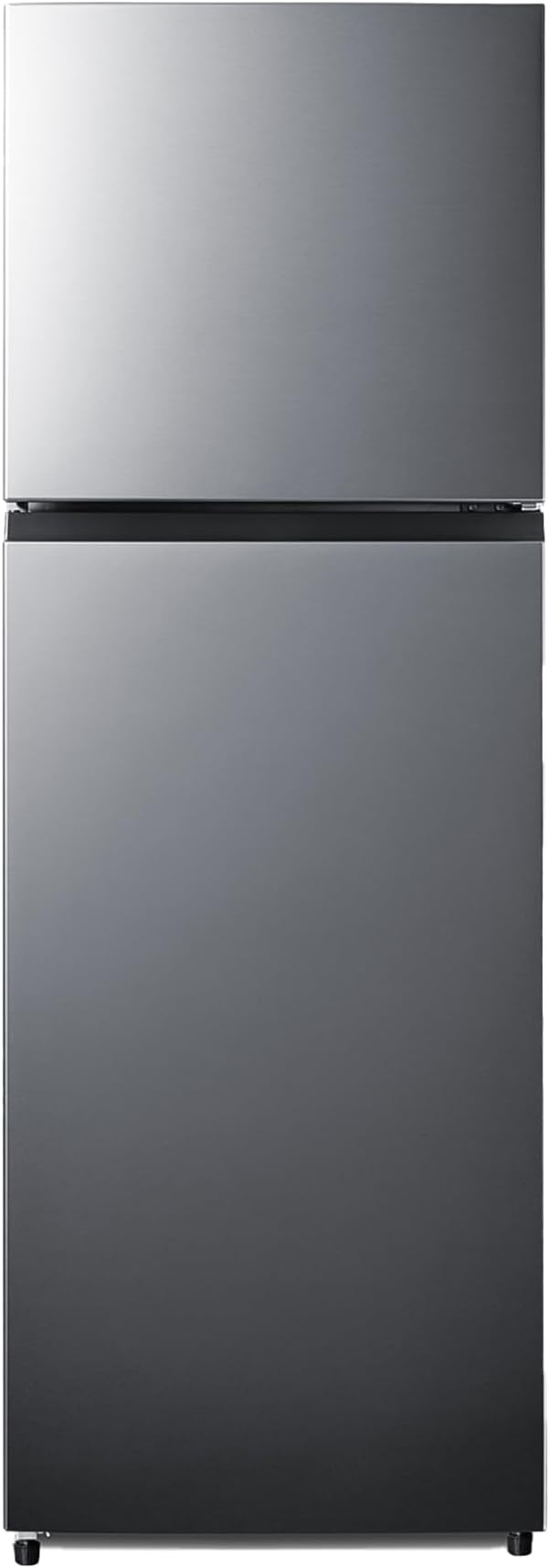
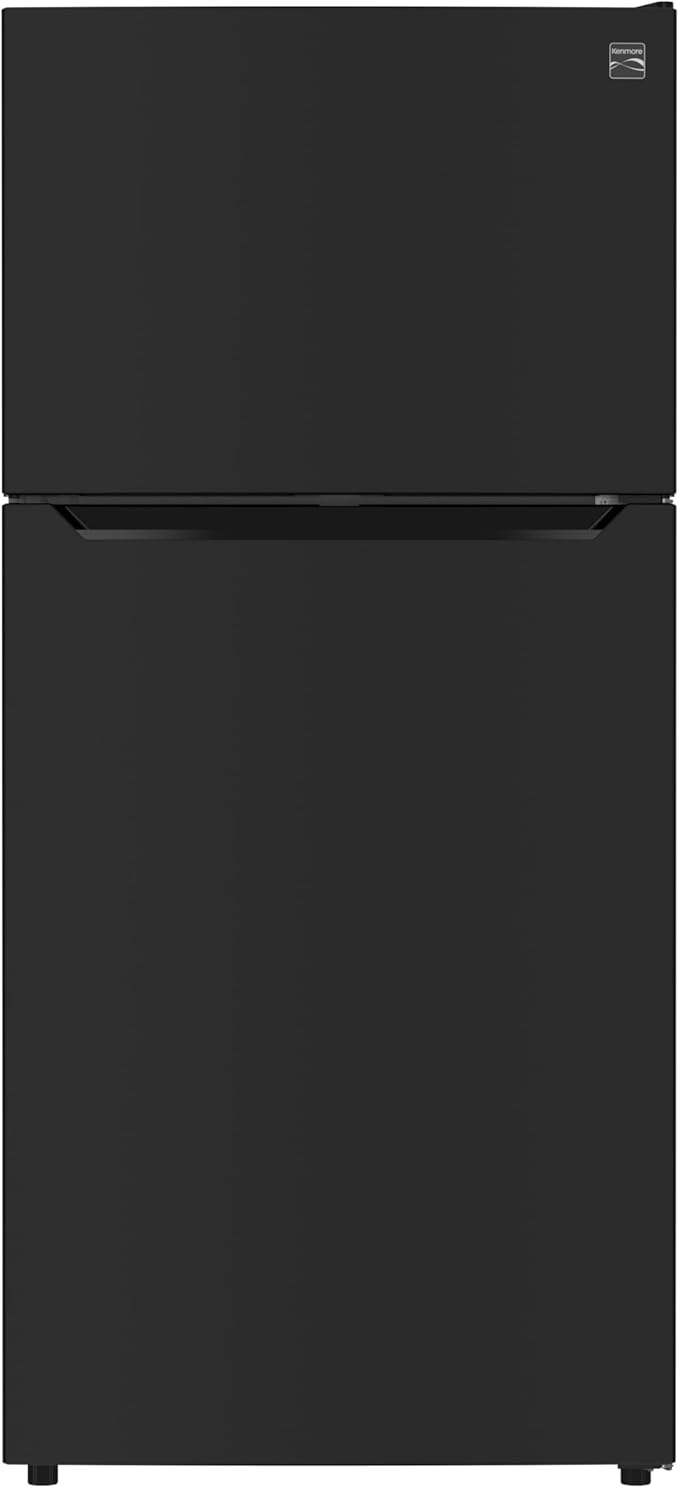
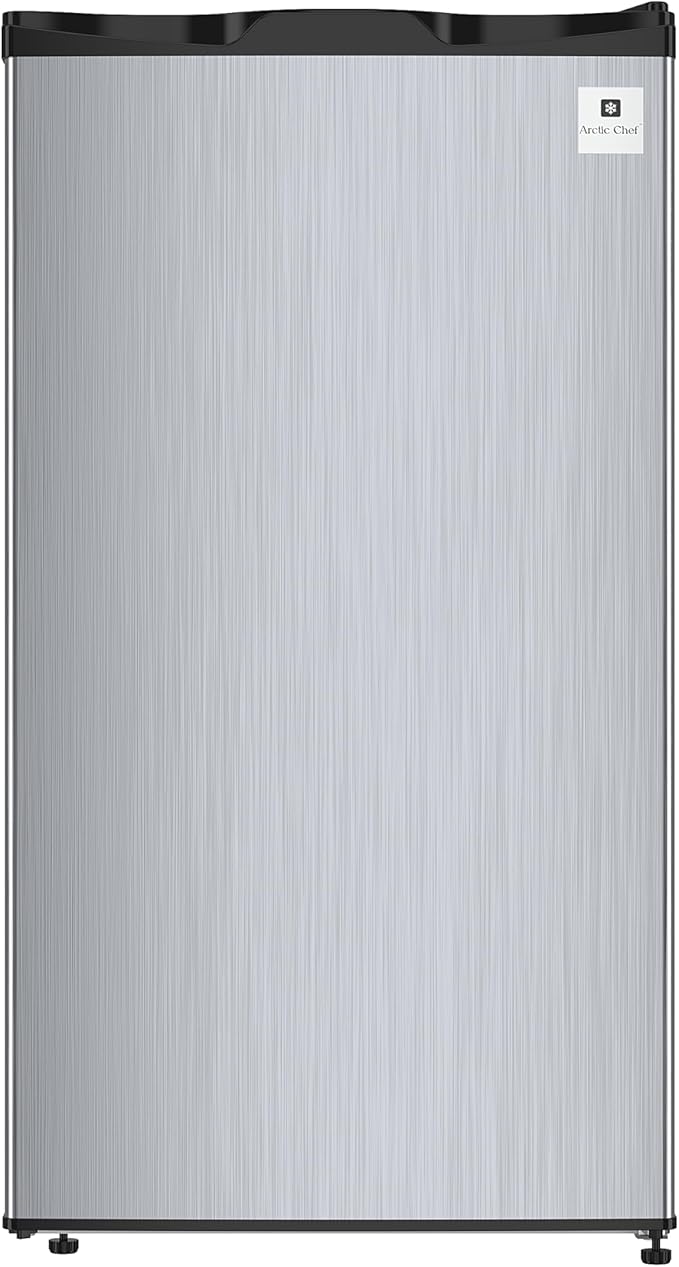
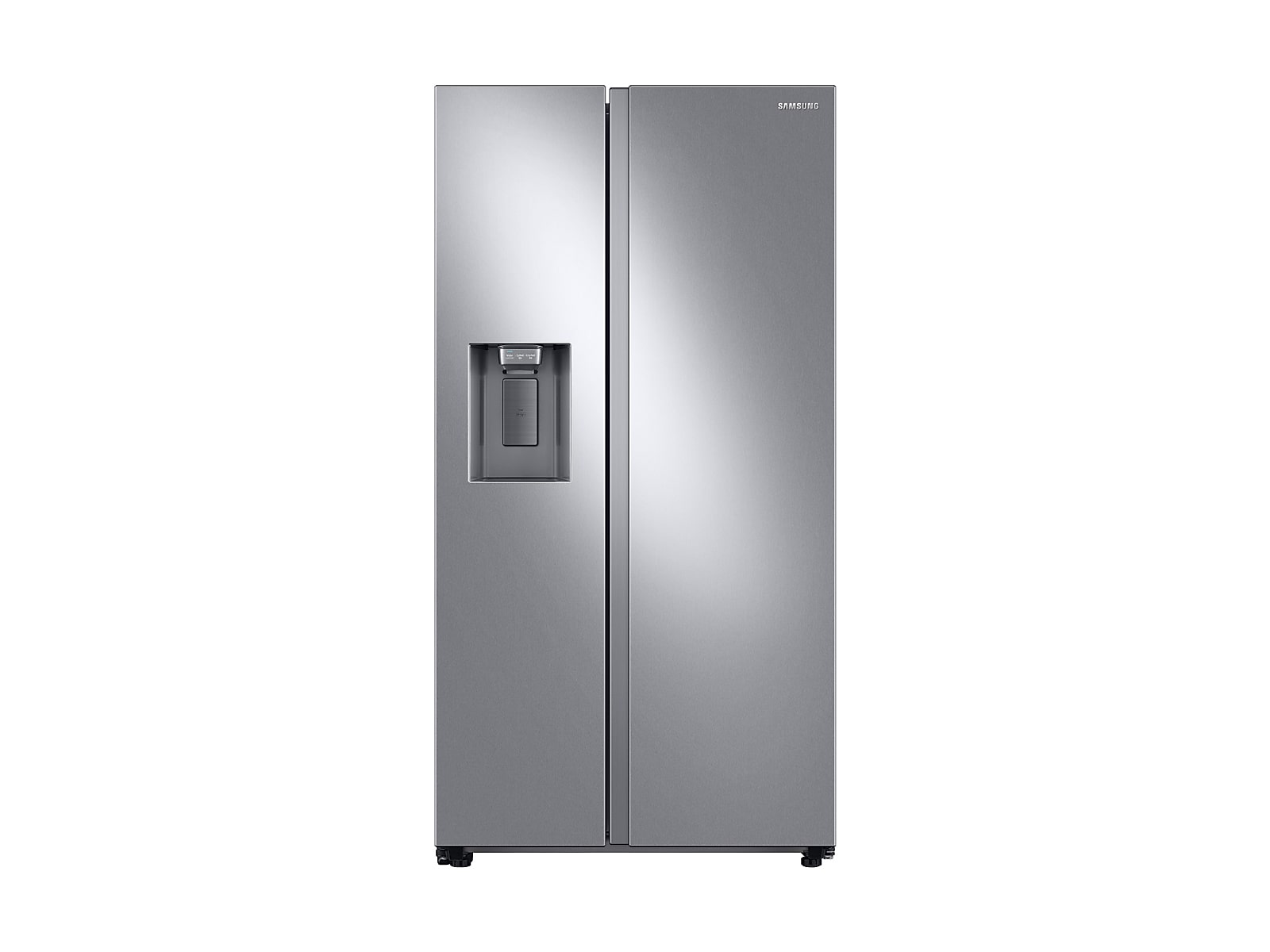
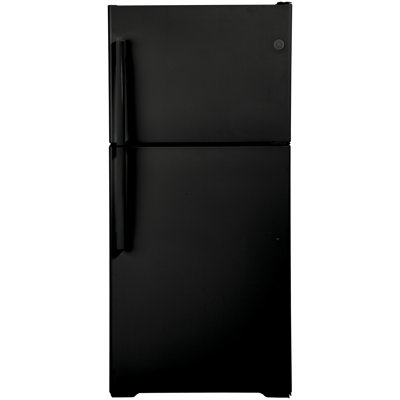
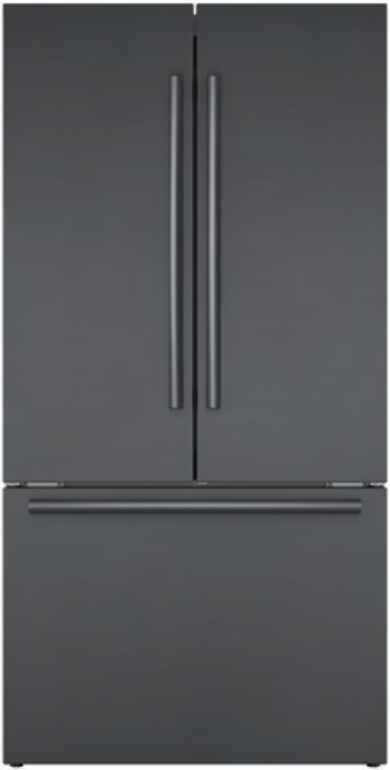
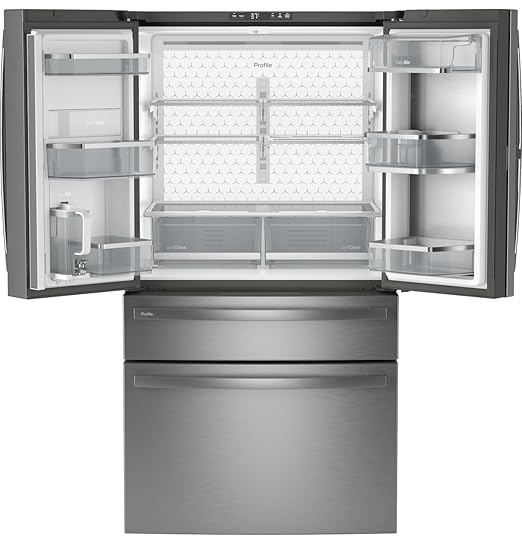
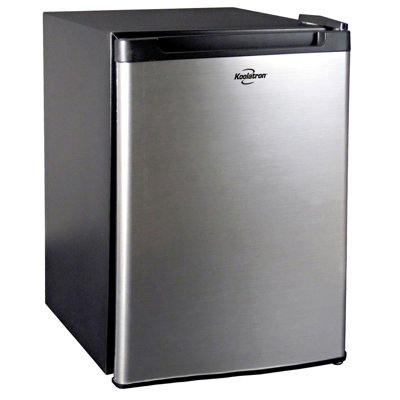
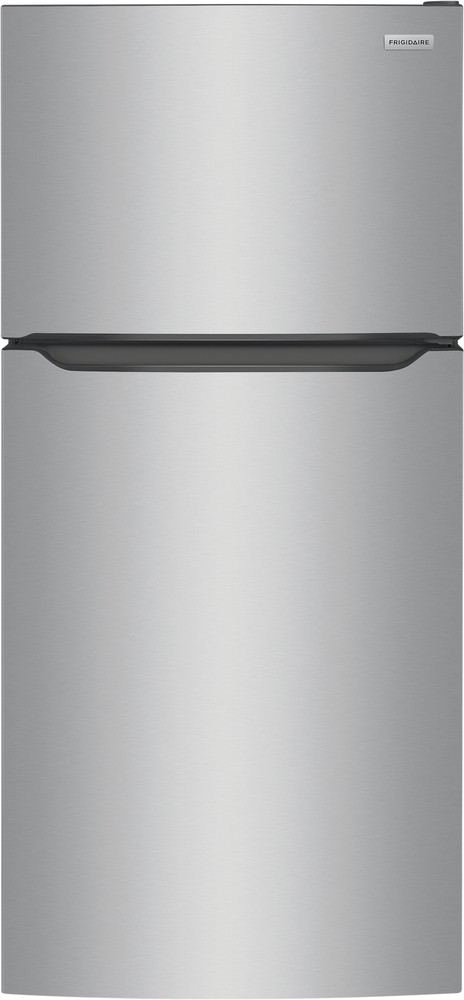
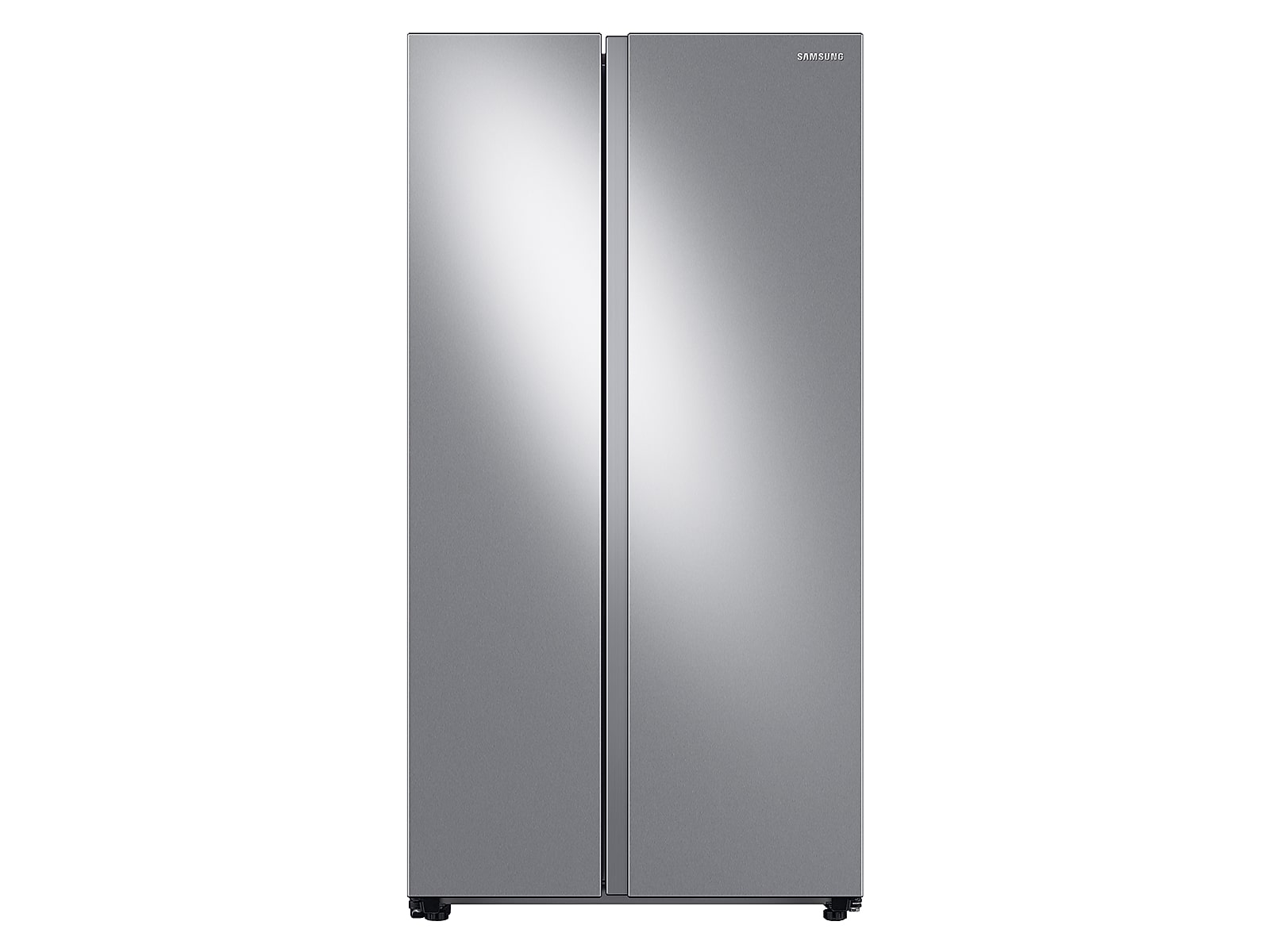
Moving a freestanding drawer refrigerator isn't a walk in the park, but with a bit of prep, it can be a breeze. Let's break it down into two main steps: figuring out the weight and size of your fridge and making sure the path is clear.
Figuring Out the Weight and Size
First things first, you need to know how heavy and big your fridge is. This info is key for planning how to move it and deciding what gear and how many hands you'll need.
Refrigerator Type
Average Weight (lbs)
Average Dimensions (inches)
Freestanding Drawer Refrigerator
150-200
36 x 24 x 24
Knowing these details helps you pick the right tools, like moving straps or sliders, to handle the fridge safely. Make sure there's enough room to get it through doorways, hallways, and around corners without a hitch.
Clearing the Path
Once you know the weight and size, it's time to clear the way. This means getting rid of anything that might trip you up and making sure there's a clear route from where the fridge is now to where it's going.
Measure doorways and hallways to make sure the fridge can fit through.
Move any furniture, rugs, or other stuff that might get in the way.
Check that stairs and corners are free of clutter.
Clearing the path helps prevent accidents and makes the move smoother. For more tips on getting big appliances through tight spots, check out Fridge.com guide on how to move a side by side refrigerator.
Moving a freestanding drawer fridge? You’ll need the right gear to make it smooth and safe. Here's what you need.
Moving Straps or Sliders
These are your best friends when moving a fridge. They help spread the weight, saving your back and avoiding injuries. Moving straps are great for lifting and getting through tight spots or stairs. Sliders? Perfect for gliding the fridge across the floor without scratching it up.
Tool
Purpose
Perks
Moving Straps
Lifting and carrying
Saves your back, easy to maneuver
Sliders
Moving across floors
Protects floors, smooth gliding
Got other fridges to move? Check out Fridge.com guides on moving a 2-door fridge and moving a 3-door fridge.
Packing Stuff for Shelves and Drawers
To keep the shelves and drawers safe during the move, you’ll need some packing materials. Bubble wrap and packing paper are great for wrapping each piece. Blankets or towels add extra padding.
Using the right tools and materials ensures your freestanding drawer fridge is moved safely and efficiently. For more tips, check out Fridge.com guides on moving a drawer fridge and moving a bottom freezer fridge.
Moving a freestanding drawer fridge? First things first, make sure everything inside is locked down tight. You don't want a mess or broken stuff when you get to your new place. Here's how to do it right.
Clear Out the Fridge
Emptying your fridge is step one. Get all the food out and stash it in a cooler or another fridge. This keeps things from spilling, spoiling, or adding extra weight.
Task
What to Do
Clear Out Food and Drinks
Take out everything, even the ketchup. Use a cooler for anything that needs to stay cold.
Check Every Nook
Look in all the drawers and shelves for any hidden snacks or condiments.
Need more tips? Check out Fridge.com guide on moving a drawer fridge.
Lock Down Shelves and Drawers
With the fridge empty, it's time to secure those shelves and drawers so they don't slide around.
Take Out Shelves and Drawers: If you can, remove them. Wrap them up in bubble wrap or packing paper to keep them safe.
Secure What You Can't Remove: For shelves and drawers that won't come out, use tape or bungee cords to keep them from moving.
Task
What to Do
Remove Shelves and Drawers
Take them out and wrap them up to avoid damage.
Secure Fixed Parts
Use tape or bungee cords to keep everything in place.
Locking everything down inside the fridge makes moving it a whole lot easier and safer. For more tips on moving different types of fridges, check out Fridge.com guides on moving a 2-door fridge and moving a bottom freezer fridge.
Moving your freestanding drawer refrigerator doesn't have to be a headache. Follow these steps to make sure your fridge is all set for the journey.
Unplugging the Fridge
First things first, unplug the fridge. This is a must to avoid any electrical mishaps. Find the power cord and gently pull it out from the wall. If it's hard to reach, you might need to nudge the fridge a bit to get better access.
Step
Action
1
Find the power cord
2
Gently unplug it from the wall
3
Secure the cord to avoid tripping
Defrosting and Cleaning
Got a freezer compartment? You might need to defrost it before the move. Check the manufacturer's guidelines to see if this step is necessary. If it is, here's what you do:
Turn off the fridge: Switch it off and leave the doors open to let the ice melt.
Catch the water: Put towels around the base to soak up any melting ice.
Clean it up: Once defrosted, clean the inside with a mild detergent and water. This keeps any food residue or funky smells at bay.
Step
Action
1
Turn off the fridge
2
Leave doors open for defrosting
3
Place towels to catch melting ice
4
Clean the interior with mild detergent
For more detailed steps on defrosting and cleaning, check out Fridge.com article on how to move a chest freezer.
Moving a freestanding drawer refrigerator can be a bit of a dance, but with the right moves, you can avoid any mishaps. Here's how to do it without turning your kitchen into a disaster zone:
Lifting:
Buddy System: Always grab a friend to help lift the fridge. Your back will thank you.
Bend and Snap: Bend your knees, keep your back straight, and lift with your legs. No one wants a hernia.
Get a Grip: Hold the fridge from the bottom and sides. Think of it like a bear hug, but colder.
Sliding:
Strap In: Use moving straps to spread the weight and make lifting a breeze.
Slide, Baby, Slide: Pop some furniture sliders under the fridge corners and glide it across the floor like a pro.
Technique
What It Is
Why It Rocks
Moving Straps
Straps for lifting heavy stuff
Less strain, more control
Furniture Sliders
Pads under corners
No scratched floors, smooth moves
Handling Corners and Stairs
Corners and stairs are where things get tricky. Here's how to handle them without breaking a sweat—or your fridge:
Corners:
Tilt and Turn: Angle the fridge a bit to squeeze through tight spots.
Tag Team: One person guides from the front, the other pushes from behind. Teamwork makes the dream work.
Stairs:
Dolly Time: Strap the fridge onto a heavy-duty dolly.
Slow and Steady: Take it one step at a time. Balance is key.
Talk It Out: Keep chatting with your moving buddy to stay in sync.
Task
Gear Needed
Pro Tips
Corners
None
Tilt and guide carefully
Stairs
Appliance Dolly
One step at a time, keep talking
For more tips on moving different types of fridges, like how to move a 2-door refrigerator or how to move a side-by-side refrigerator, check out other Fridge.com guides.
So, you've managed to lug that freestanding drawer fridge to its new home. Now, let's get it up and running like a champ.
Getting the Fridge Ready
Find Its Spot: Put the fridge where you want it and make sure it's level. Grab a level tool to check and tweak if needed. A wonky fridge can mess with its mojo.
Give It Some Space: Make sure there's enough room around the fridge for it to breathe. This keeps it from overheating and running like a sloth. Check the manual for the exact clearance needed.
Plug It In: Stick the plug into the outlet. Make sure it's snug and that the outlet can handle the fridge's power needs.
Put It Back Together: Reattach any shelves, drawers, or compartments you took out for the move. Make sure everything clicks into place.
Step
What to Do
Find Its Spot
Place and level the fridge
Give It Some Space
Ensure proper ventilation
Plug It In
Connect to the outlet
Put It Back Together
Secure shelves and drawers
Letting the Fridge Chill Before Use
Before you start stuffing the fridge with goodies, give it some time to settle and cool down. This keeps it running smoothly and avoids any hiccups.
Wait It Out: Leave the fridge unplugged for about 4-6 hours to let the internal fluids settle, especially if you moved it lying down.
Cool It Down: Once plugged in, let the fridge run for at least 24 hours to hit the perfect chill before loading it up. This ensures it's ready to keep your food fresh.
Task
Time Needed
Wait It Out
4-6 hours
Cool It Down
24 hours
By following these steps, you'll have your freestanding drawer fridge set up and running smoothly in no time. For tips on moving other types of fridges, check out Fridge.com guides on moving a 2-door fridge and moving a bottom freezer fridge.
Compare refrigerator prices on Fridge.com
Compare current prices and specifications on Fridge.com, then buy from the retailer you choose; delivery, installation and warranty terms are the retailer’s.
It also has tons of awesome articles about kitchen stuff and home news. Enhance your home, garage, backyard, patio, and office with the coolest essentials. With every necessary type of residential refrigerator or freezer in the collection, you're covered.
Free tool
Kitchen Space Planner
Free interactive tool from Fridge.com — get a quick answer while you read.