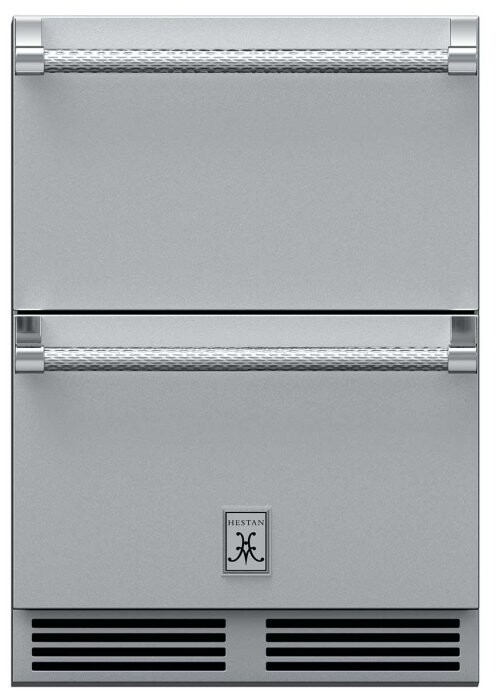
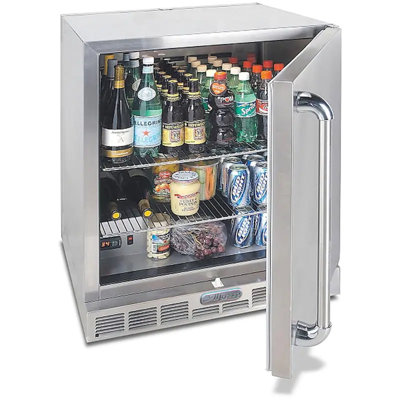
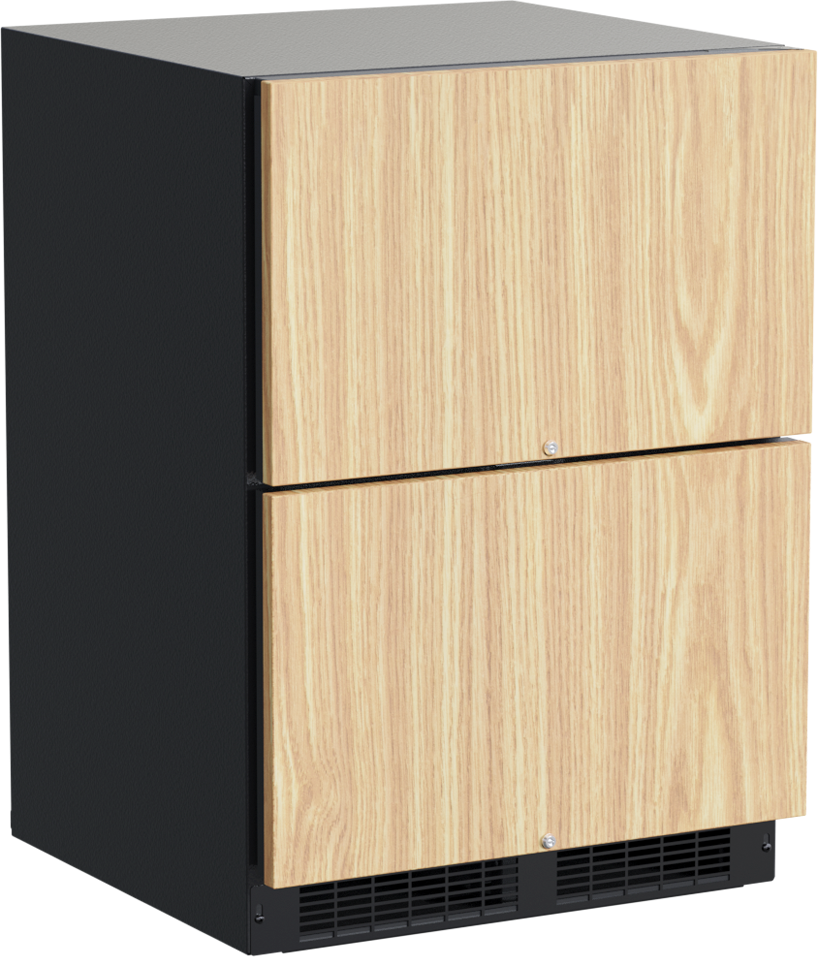
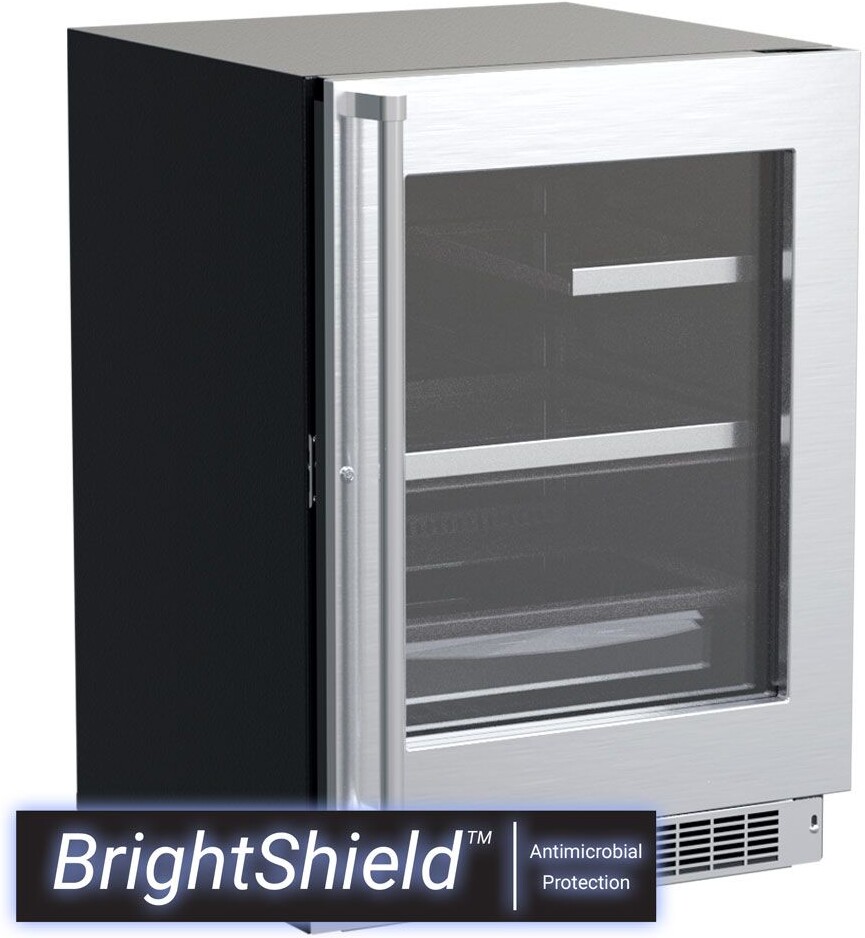
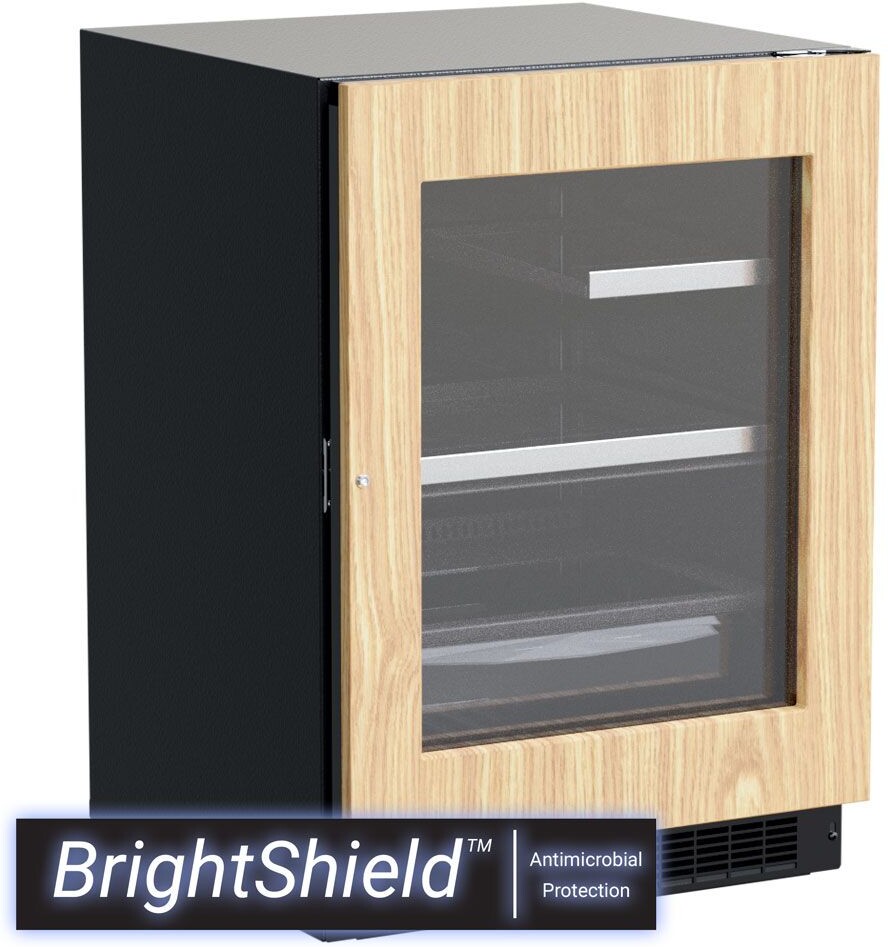
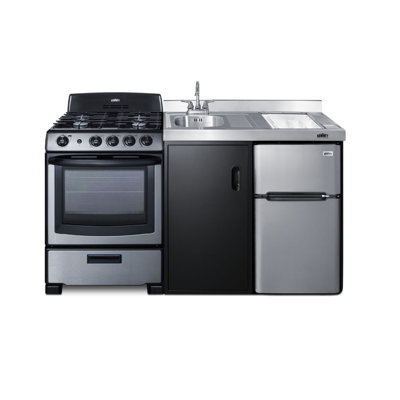
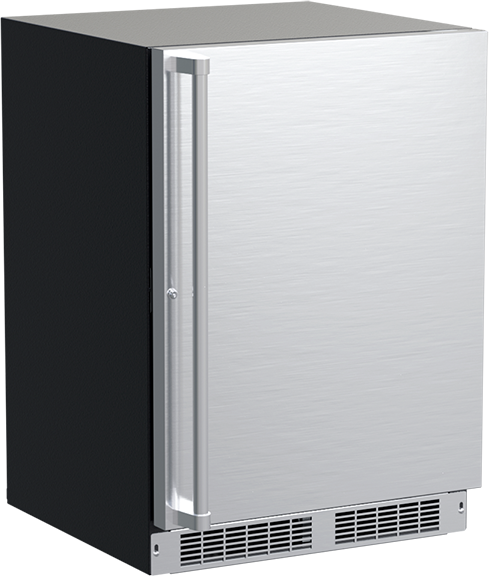
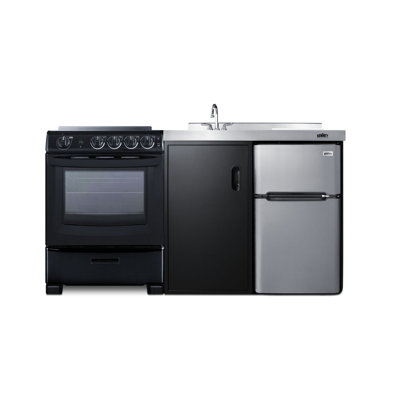
Before you move that compact fridge, let's make sure everything's set for a smooth ride. This means checking out the area and emptying the fridge.
Check the Area
First things first, take a good look around the fridge. Are there any obstacles like furniture or other appliances in the way? Measure doorways and hallways to make sure the fridge can fit through. If it looks tight, move stuff around to clear a path.
And don't forget the floor. Moving a fridge over carpet, tile, or hardwood needs different tricks. Moving pads or sliders can save your floors and your back.
Surrounding Elements
What to Do
Obstacles
Move or rearrange
Doorway Width
Measure to ensure fit
Floor Type
Use moving pads or sliders
Empty the Fridge
Emptying the fridge is a must to avoid spills, lighten the load, and keep things safe. Here's how to do it:
Take Out All Food and Drinks: Clear out everything, fresh and frozen.
Toss Perishables: Get rid of anything that can't be stored elsewhere.
Store Non-Perishables: Put these in a cool, dry spot.
Clean Inside: Wipe down the inside to get rid of spills and crumbs.
Unplug the Fridge: Disconnect it from the power to avoid any shocks.
Moving a mini fridge isn't rocket science, but a little prep goes a long way. You’ll need to defrost it, take out the shelves and drawers, and secure any loose bits. Let’s break it down.
Defrosting the Fridge
First things first, you gotta defrost the thing. Unplug it and let the ice melt. This can take a while, so maybe start this the night before. If you're in a hurry, stick a bowl of hot water inside and shut the door. Don’t forget to put some towels around the base to catch the drips.
Step
What to Do
1
Unplug the fridge
2
Take out all the food
3
Put a bowl of hot water inside
4
Lay towels around to soak up water
Taking Out Shelves and Drawers
Once it’s defrosted, take out all the shelves and drawers. These can slide around and break during the move. Label them if you’re worried about putting them back in the right spots later. Store them separately to keep them safe.
Item
What to Do
Shelves
Take out and label
Drawers
Take out and label
Bins
Remove and store separately
Locking Down Loose Items
Make sure any loose stuff inside the fridge is secured. Use some tape or string to keep the door shut during the move. If your fridge has a freezer, secure the ice tray and any other bits so they don’t rattle around.
For more tips on moving different types of fridges, check out Fridge.com articles on moving a mini fridge and moving an undercounter fridge.
Getting your mini fridge ready for the move will make everything smoother and help avoid any damage to your fridge or your place.
Moving the Refrigerator
Moving a compact refrigerator can be a bit tricky, but with the right techniques, you can do it safely and without a hitch. Here's how to slide, lift, and use moving equipment like a pro.
Sliding the Refrigerator
Sliding is your best bet for short distances. Clear the path of any obstacles or debris first. Then, place a piece of cardboard, a towel, or a furniture slider under the fridge to protect your floor and make sliding easier. Gently push from the back, keeping it upright to avoid messing up the internal parts.
Lifting and Carrying Techniques
Sometimes, you just can't slide it. In those cases, lifting and carrying are your go-to moves. Always lift with your legs, not your back—no one wants a back injury. If you can, grab a buddy to help. Stand on either side, bend your knees, and grab the bottom edges. Lift together, keeping the fridge as level as possible.
Task
Instructions
Lifting
Use legs, not back; bend knees; grasp bottom edges
Carrying
Get help; keep fridge level; move slowly
Using Moving Equipment
A dolly or hand truck can be a lifesaver. Secure the fridge to the dolly with straps so it doesn't slip. Tilt the dolly back gently, making sure the fridge stays upright. If you have to deal with stairs, take it one step at a time and keep control of the dolly.
Equipment
Usage
Dolly
Strap it in; tilt back gently; keep upright
Hand Truck
Same as dolly; great for stairs
For more tips, check out other Fridge.com guides like how to move a mini fridge or how to move a top freezer refrigerator. These articles offer extra advice tailored to different types of fridges, so you'll be well-prepared for any move.
Got a mini fridge to move? No worries, it's easier than you think! Just follow these steps to keep it safe and sound during the ride.
Getting Your Fridge Ready
First things first, let's get that fridge prepped for the move:
Grab a Dolly: Pop your fridge onto a dolly. Make sure the dolly can handle the weight.
Strap It Down: Secure the fridge with some sturdy straps so it doesn't slide off.
Keep It Upright: Always load the fridge upright to avoid messing up the compressor. If you have to lay it down, put it on its side, not the back or front.
Step
What to Do
1
Use a dolly
2
Strap it down
3
Keep it upright
Securing Your Fridge in the Car
Now that it's on the dolly, let's make sure it stays put in your vehicle:
Extra Straps: Use more straps to tie the fridge to the sides of your car or truck. Tighten them up good.
Add Padding: Throw some cushions or blankets around the fridge to protect it from bumps.
Check It: Give the fridge a little shake to make sure it's stable and not going anywhere.
Step
What to Do
1
Extra straps
2
Add padding
3
Check it
Follow these steps, and your mini fridge will make it to its new home without a scratch. Need more tips on moving other types of fridges? Check out Fridge.com guides on moving a mini fridge and moving a top freezer refrigerator.
So, you've lugged your compact fridge to its new home. Now, let's get it settled. Pick a flat, sturdy spot. Make sure there's a bit of breathing room around it—about an inch or two on the sides and a couple of inches at the back. This helps with ventilation and keeps things running smoothly.
Check if the fridge is level. A wonky fridge can mess with its performance. Grab a spirit level to see if it's balanced. If it's off, adjust the legs or pop a shim under one side. A level fridge is a happy fridge, and it’ll keep your food cool without a hitch.
Letting It Chill
Before you get too excited and plug it in, give your fridge some time to settle. This is super important, especially if it took a ride on its side. Letting it sit helps the refrigerant inside to even out, which is key for it to work right.
Usually, you should wait about 4-6 hours before turning it on. Check the manufacturer's instructions for the exact time. This wait helps avoid any compressor issues and keeps your fridge running longer.
Need more moving tips? Check out Fridge.com guides on moving a mini fridge and moving a top freezer fridge. Got a different type of fridge? Fridge.com has you covered with tips for built-in beverage centers and garage fridges.
Compare refrigerator prices on Fridge.com
Compare current prices and specifications on Fridge.com, then buy from the retailer you choose; delivery, installation and warranty terms are the retailer’s.
It also has tons of awesome articles about kitchen stuff and home news. Enhance your home, garage, backyard, patio, and office with the coolest essentials. With every necessary type of residential refrigerator or freezer in the collection, you're covered.
Free tool
Kitchen Space Planner
Free interactive tool from Fridge.com — get a quick answer while you read.