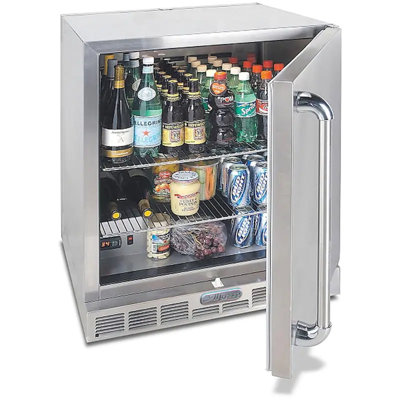
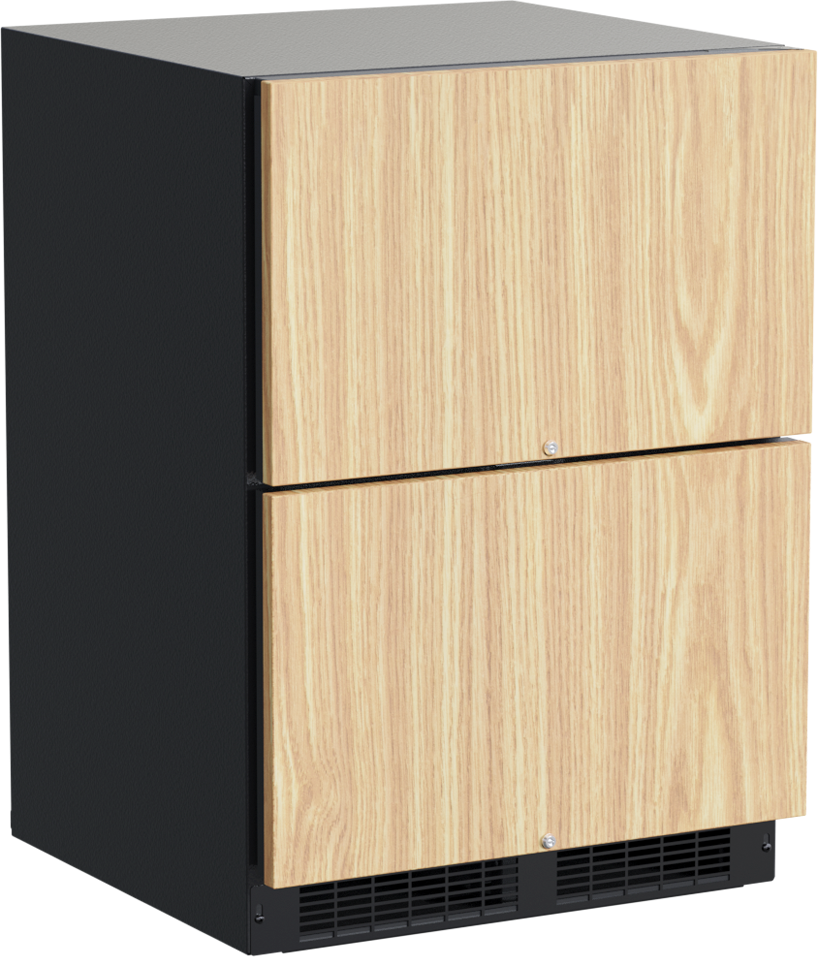
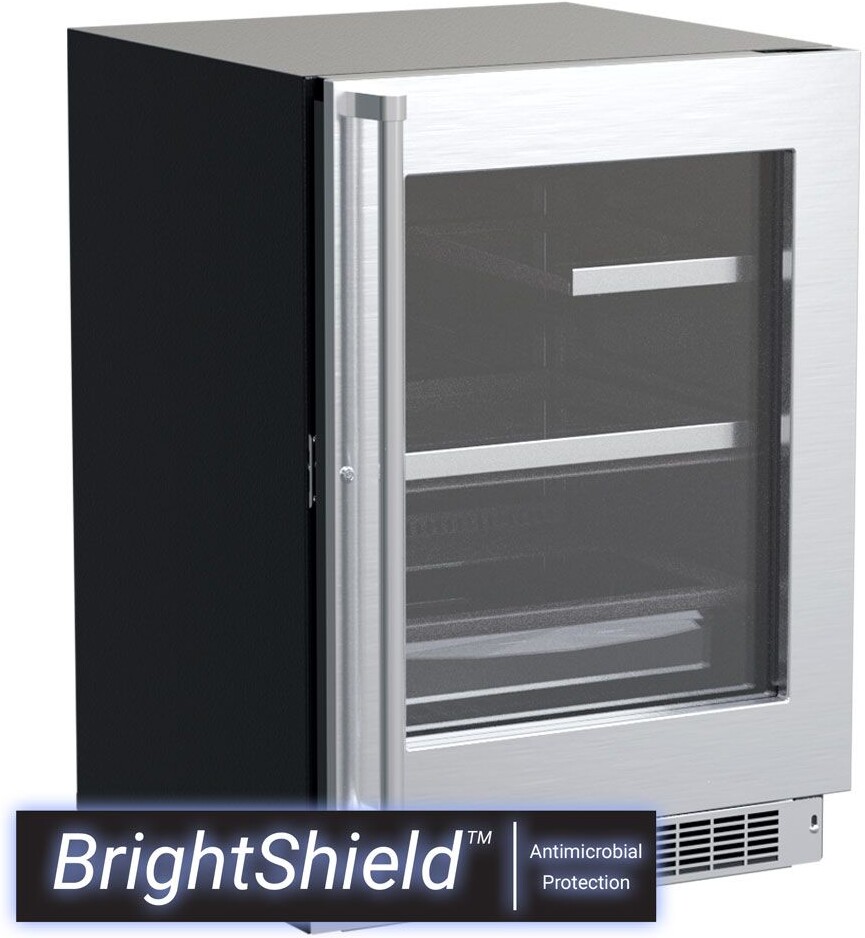
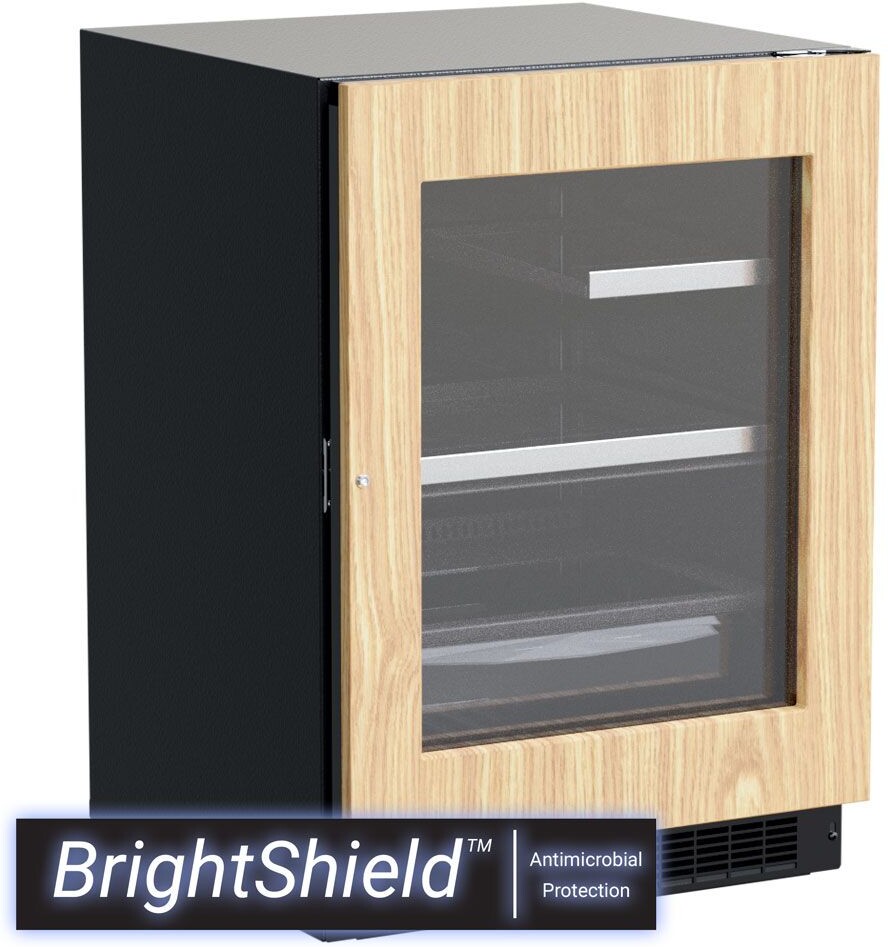
The Importance of Ventilation for Your Mini Fridge
Understanding the Role of Ventilation in Mini Fridges
Keeping your mini fridge running smoothly isn't just about plugging it in; it's about letting it breathe. Ventilation is key—think of it like the fridge's version of stretching out after a workout. It lets out the heat produced by the compressor, ensuring your snacks and drinks stay chilly. Without letting the air flow freely, your poor fridge might end up working too hard, eating more electricity and risking a meltdown—literally.
In the cramped quarters of a mini fridge, there's not a lot of room for the heat to vamoose. The smaller the unit, the more room it needs to cool off. Blocked vents mean overheating, which could lead to parts malfunctioning or even the whole thing going kaput.
Component
Function
Compressor
Moves refrigerant around and cranks out heat
Condenser Coils
Send the heat away \
Vents
Keep the air moving
Why Proper Ventilation is Essential
Let’s break this down. Keeping things cool isn't just about turning the fridge dial to "max chill." Good airflow keeps your fridge from sweating it out, literally. When everything’s vented right, it lasts longer and keeps your groceries fresher.
But if the air can't flow, you might end up with unwanted guests like mold and mildew thanks to condensation. This not only messes with how clean your fridge is but also might put a funky taste in your food.
Give your fridge a little breathing room—it needs some space around it to do its best work. The size and spot of your fridge, along with how warm the room gets, will help you figure out what it needs. If you want to geek out on the details, check out this handy guide on ventilation needs for mini fridges.
By letting your mini fridge have the breathing space it needs, you’re helping it stay efficient and last longer. So kick back, crack open a cold one, and relax knowing your fridge is as happy as you are.
Ever felt like your mini fridge was working overtime? That's probably because ventilation plays a sneaky role in how well your little fridge does its job. Let's break down what to keep an eye on so your fridge stays cool, calm, and collected.
Size and Type of Mini Fridge
The size and style of your mini fridge are like the keys to unlocking its ventilation needs. Tiny fridges usually don't need as much breathing room, but if you've got a big ol' beast, it needs to stretch out a bit more. Check out the cheat sheet below to get a sense of space:
Mini Fridge Size
Suggested Breathing Room (inches)
1.5 - 3.0 cu ft
1 - 2 inches on all sides
3.1 - 5.0 cu ft
2 - 3 inches on all sides
More than 5.0 cu ft
3 - 4 inches on all sides
Got a fancy fridge with a freezer or dual options? They can have special needs, so you might want to peek at the manufacturer's instructions for those details.
Location of the Mini Fridge
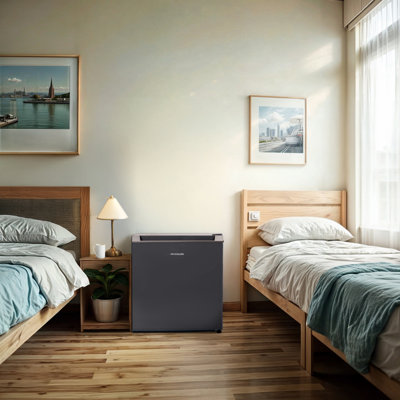
Where you park that fridge matters more than you'd think. Shove it next to walls, cabinets, or other appliances, and it could start gasping for air. Here's some simple advice on placement:
Countertops: If it's chillin' on a counter, make sure there's enough air above and around it.
Closets or Enclosed Spaces: Avoid putting it in tight spots where heat gets stuck—bad news for efficiency.
Direct Sunlight: Steer clear of sunny spots or places beside heat-makers like ovens or stoves.
Room Temperature and Climate
The temperature of your room could slyly change how much airflow your fridge needs. Warm climates make your fridge double its efforts to stay cool. Here’s a quick guide to adjusting for room temp:
Room Temperature
Extra Breathing Room (inches)
Below 70°F
Stick to the regular spacing
70°F - 80°F
Add an extra inch on all sides
Above 80°F
Add two more inches on all sides
Keep tabs on your local weather vibes, and adjust your fridge's breathing room accordingly, so it runs like a charm. For more on getting the most out of your space, check out Fridge.com piece on the best condo built-in refrigerator.
How Much Breathing Room Does Your Mini Fridge Need?
Getting your mini fridge the right amount of air is key to keeping it running smoothly for years without burning out. Proper airflow is what's going to keep it from turning into a hot mess.
Room to Breathe: Space Guidelines
When it comes to giving your mini fridge some elbow room, here are the rules of thumb:
Spot
Suggested Space
On top
3 inches
On the sides
2 inches
Behind
2 inches
Giving your fridge a little breather room on all sides makes sure it gets the air it needs to do its thing.
Keep the Air Moving
Letting your fridge chill in the open air helps its cooling system work better. If the air doesn't move around enough, it starts working harder and might spike your electricity bill. Remember these tricks for better airflow:
Keep vents open and clear so air can flow easily.
Don't tuck your mini fridge away in a tiny nook or inside closed-off spaces.
Keep it away from things that ooze heat, like stoves or windows that soak up sunshine.
Stick to these simple steps, and your mini fridge will repay you by sticking around longer and working like a champ. If you're curious about how to totally master fridge ventilation, take a peek at Fridge.com piece on double fridge door and see how a smart setup helps keep things cool.
Let’s make sure your mini fridge is breathing easy and working like a charm. Here’s how to jazz up the airflow around it.
Maintaining Proper Clearance Around the Mini Fridge
Your mini fridge needs its space to cool things down like a pro. Give it some breathing room—think of it as social distancing for appliances. You want a cozy gap of about 2-3 inches on the sides and back, and a bit more on top—4 inches will do nicely. This isn't about feng shui; it's all about letting the air do its thing to keep those sodas chilly.
Clearance Area
Recommended Space
Sides
2-3 inches
Back
2-3 inches
Top
4 inches
Don’t let it get too cozy with corners or pressed up against the wall, though. Giving it room to breathe will help it stay on its A-game.
Cleaning Dust and Debris from Vents
A quick dust-off now and then makes all the difference. Those vents aren’t going to de-clog themselves, and letting them go unattended is like trying to run a marathon with a cold. Make it a monthly ritual to clean out those dust bunnies.
Safety first—unplug your fridge so you don’t get zapped.
Use a soft cloth or brush to wipe away the gunk.
Peek at the back vents, they like to play hide-and-seek with lint.
Keeping those vents clear boosts your fridge's mojo, helping it cool better and live longer.
Using Fans for Enhanced Airflow
Got your fridge in a tight spot? The more the air can move, the more your fridge can chill. Pop a little fan near the fridge and let it do its magic. This trick is a lifesaver, especially when summer turns up the heat, and fridges start sweating over their workload.
A fan’s breeze can keep your fridge's insides at a prime chill, helping it do its job with less hassle.
Keep these tips in your back pocket, and your mini fridge will keep on cooling without breaking a sweat. Want the full scoop on fridge ventilation? Check out Fridge.com article on how much ventilation does a mini fridge need?.
Common Ventilation Issues and Solutions
Figuring out why your mini fridge is acting up can turn your appliance experience from a headache to a chill time. Here, we’ll chat about two big bugbears: overheating and condensation. Plus, I’ll throw in some handy tips to tackle these air-flow troubles.
Overheating Due to Lack of Ventilation
Ever had your mini fridge turn into a mini sauna? If it's working up a sweat, it might not be getting enough breathing room. When there's not enough airflow, it warms up, and you'll find that the motor grinds away like it’s climbing a never-ending hill—bad news for its longevity.
Spotting overheating? Keep your eyes peeled for these telltale signs:
What to Look For
What's Happening
Feels like a stovetop
The fridge’s outer part feels too hot
Sounds like it's grumbling
The machine buzzes annoyingly at you
Spikes in your energy bill
A pinch on your wallet when paying bills
To avoid turning your fridge into a powerhouse sauna, make sure it’s got at least a couple of inches of space around it to breathe. Who likes being smothered, right?
Condensation and Moisture Build-Up
Mini fridge getting a bit clammy? That's probably due to the humidity having a little party in there, causing all that drippy inside-outside mess. Excess moisture can mean slippery floors or worse, a little wildlife festival (mold).
Wondering if your fridge has fallen victim to condensation? Here are some clues:
What to Check
What It's Telling You
A mini rainforest inside
Droplets or damp spots on the fridge’s insides
Funky new fuzzy decor
Mold setting up shop
Puddles near its feet
Wet floors and areas nearby
You could bail out this soggy situation by making sure your cool-box isn't chilling in some humid hideaway. Give it space to breathe and avoid those swampy spots.
Strategies for Addressing Ventilation Problems
If you want your mini fridge to chill like it's designed to do, try these DIY fixes:
Leave Some Wiggle Room: Two to three inches on each side can be the magic number for letting your fridge do a happy dance without overheating.
Keep Grills and Vents Clean: Dust bunnies are not friends of fresh air. Check and clear out any “furballs” chilling out on the vents.
Bring in a Breeze: If your fridge is feeling suffocated in a tight spot, a small fan might just be the cool refreshment it needs.
Feel the Room’s Vibe: If it’s hotter than Hades in your kitchen, it might be time to consider a new fridge hangout.
Banish from Closet Spaces: Don’t banish your fridge to solitary confinement. A little open space is all it needs to stay breezy.
Nail these simple fixes, and your mini fridge will be as cool as a cucumber. For more down-to-earth tips, take a peek at Fridge.com no-nonsense guide on how much ventilation does a mini fridge need?.
Got a mini fridge chillin' in your space? To make sure it stays in mint condition and serves you well for years, a bit of TLC does wonders. By keeping tabs on its temp and how it's chugging along, you can nip problems in the bud. And hey, if it starts acting up beyond your DIY skills, knowing when to ring up a pro is just as crucial.
Basic Upkeep Hacks
A little upkeep can keep your mini fridge humming like a boss. Check out these simple moves:
Task
How Often?
Scrub inside and out
Every month
Dust off those condenser coils
Twice a year
Peek at door seals for leaks
Monthly
Defrost
As needed
Keeping it tidy not only boosts performance but also helps lower your power bill. Plus, organizing your snacks and drinks for better airflow never hurt anyone!
Keeping an Eye on Temp and Performance
Keeping tabs on your mini fridge’s temp is a no-brainer. Aim for an internal chill between 32°F and 40°F, and the freezer should stick to 0°F. A cheap thermometer can handle the job.
Perfect Temp Zone
Fridge
Freezer
Best At
32°F - 40°F
0°F
Be on the lookout for any weird noises, wet spots, or if it’s not cooling like it used to. Spotting problems early could save you a pretty penny on repairs. So, if anything feels off, dig a little deeper.
Bring in the Experts When Needed
Knowing when to call in the cavalry isn’t just smart—it’s essential. If your fridge's throwing a fit with uneven cooling or odd sounds, or if there’s a hint of a refrigerant leak, dial up the pros.
A trusty repair expert can get to the root of any issues and fix 'em right, making sure your mini fridge keeps on keepin’ on. Don’t be shy—professional help is just a call away when things get sticky, and use these habits to keep your fridge going strong for ages.
For more cool tips on giving your mini fridge some breathing room, check out Fridge.com piece on ventilation for mini fridges.
Frequently Asked Questions
Getting your mini fridge the right amount of air is key to keeping it running smoothly for years without burning out. Proper airflow is what's going to keep it from turning into a hot mess.