Tuna lasts 1 to 2 days in the fridge when it is fresh and raw, 3 to 4 days once it has been cooked, and 3 to 4 days after a can has been opened, as long as your refrigerator holds a steady 40°F (4°C) or below. Mixed tuna — tuna salad made with mayonnaise — keeps for 3 to 5 days in an airtight container, while an unopened can needs no refrigeration at all and stays good in a cool, dry pantry for 2 to 5 years. Below you'll find the full timeline for every form of tuna, how to spot spoilage, and how to stretch its life in the freezer.
How Long Does Tuna Last in the Fridge?
Type of Tuna
Refrigerator Time (at or below 40°F / 4°C)
Fresh raw tuna (whole fish or steaks)
1-2 days
Cooked tuna (grilled, baked, or seared)
3-4 days
Tuna salad / mixed tuna
3-5 days
Canned tuna (unopened)
No fridge needed — 2-5 years in the pantry (check the best-by date)
Canned tuna (opened)
3-4 days in an airtight container
Thawed (defrosted) tuna
1-2 days, same as fresh raw tuna
These windows assume the tuna went into the refrigerator promptly and stayed cold the whole time. The actual shelf life can vary with the initial freshness of the fish and how it was handled before refrigeration, so always check for signs of spoilage before eating, regardless of the day count.
Fresh and cooked tuna always need refrigeration — tuna is a perishable, high-protein food, and bacteria multiply rapidly on it at room temperature. Unopened canned tuna is the one exception: the canning process makes it shelf-stable, so it belongs in a cool, dry pantry and stays good until its best-by date. Once a can is opened, the leftovers must be refrigerated like any other perishable.
Whatever the form — a tuna steak, tuna and rice, or a tuna sandwich — don't leave it at room temperature for more than 2 hours. After that point bacteria growth accelerates, and the food should be refrigerated or discarded.
Fresh raw tuna — whole fish or steaks — keeps for 1 to 2 days in the refrigerator. To get the full window:
Pat the tuna dry with paper towels, then wrap it tightly in plastic wrap or aluminum foil, or seal it in an airtight container.
Store it in the coldest part of the refrigerator — typically the back, away from the door, or a dedicated meat drawer. Fresh fish does best at 32°F to 38°F.
For raw tuna, place the wrapped fish on a bed of ice in a container and change the ice frequently to hold the chill.
If the package has already been opened, cook the tuna the same day if you can.
When buying, choose pieces with a bright, even color that are displayed on ice and check the sell-by date — the fresher the tuna at purchase, the longer it lasts at home. If you won't cook it within 1 to 2 days, freeze it promptly. The same handling principles apply to other perishables; see, for instance, how long do tamales last in the fridge?
Cooked Tuna: 3 to 4 Days
Grilled, baked, or seared tuna keeps for 3 to 4 days refrigerated. Cook fresh tuna to an internal temperature of 145°F (63°C), let leftovers cool to room temperature before sealing them (to prevent condensation, which encourages bacterial growth), and store them in an airtight container within 2 hours of cooking. When you reheat leftover tuna, bring it to 165°F (74°C) before eating.
Canned Tuna: Opened and Unopened
Unopened canned tuna lasts 2 to 5 years in a cool, dry pantry — always check the date stamped on the can. You can put an unopened can in the fridge, but it doesn't extend the shelf life; it stays the same as in the pantry.
Once opened, canned tuna lasts 3 to 4 days in the refrigerator. Transfer the leftovers out of the metal can into a glass or plastic container with a tight-fitting lid — storing it in the opened can affects both flavor and safety, and an airtight container also keeps the tuna from absorbing other fridge odors. Label the container with the date so you know how long it has been stored.
Canned Tuna
Shelf Life
Unopened (pantry, cool and dry)
2-5 years — check the best-by date
Unopened (refrigerated)
Same as pantry
Opened, in an airtight container in the fridge
3-4 days
Yes, canned tuna can go bad — after opening, watch for a sour or rancid odor, discoloration toward brown or green, a slimy or mushy texture, or an off taste. Managing canned tuna is much like managing other staples such as milk in the fridge: pay attention to dates and to proper storage after opening.
Tuna Salad, Sandwiches, and Wraps
Mixed or "made" tuna — tuna salad prepared with mayonnaise, celery, and onion — lasts 3 to 5 days in the refrigerator in an airtight container. A tuna sandwich or tuna wrap follows the same clock as its filling, though the bread or tortilla softens quickly, so assembled sandwiches and wraps are best eaten within the first day or two of that window. Never let a tuna sandwich sit out of the fridge for more than 2 hours.
What Affects How Long Tuna Lasts
Factor
Impact on Shelf Life
Temperature
Tuna must stay at or below 40°F (4°C); higher temperatures accelerate spoilage.
Packaging
Airtight wrapping prevents exposure to air, which causes oxidation; vacuum-sealing is ideal.
Freshness at purchase
The fresher the tuna when bought, the longer it lasts — check the sell-by date and appearance.
Handling
Clean hands and utensils, and minimal time at room temperature, reduce contamination and buy extra fridge life.
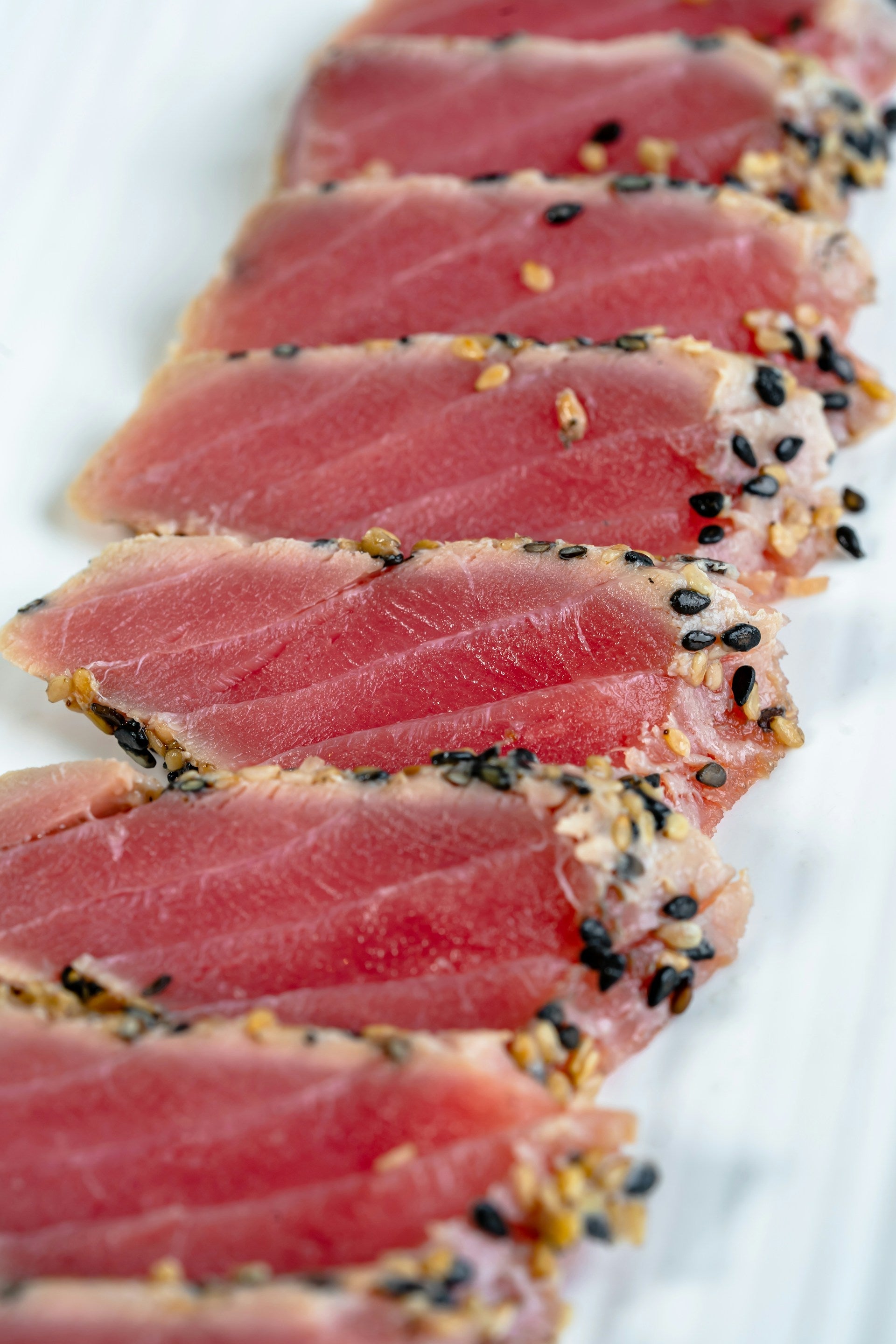
Fresh raw tuna has a vibrant pink or red color; canned tuna should be light pink or beige. Dullness, a grayish or brown tint, a greenish cast, or any mold or slime means the tuna is past its prime and should be discarded.
Freshness Indicator
Visual Clue
Fresh tuna
Bright pink or red hue, firm flesh
Spoiled tuna
Dull, grayish, brown, or greenish discoloration; mold or slime
Smell, Texture, and Taste
Fresh tuna has a mild, ocean-like scent. A strong, sour, or ammonia-like odor is a clear signal the fish has gone bad. Texture tells the same story: fresh tuna is firm to the touch, while spoiled tuna turns slimy, mushy, or unusually dry. If refrigerated tuna tastes off in any way, stop eating it.
Freshness Indicator
Clue
Fresh tuna
Mild, oceanic smell; firm texture
Spoiled tuna
Sour or ammonia-like odor; slimy, mushy, or very dry flesh; off taste
Keep tuna cold from the moment you buy or catch it — ideally on ice — and refrigerate it immediately when you get home. Wash your hands thoroughly with soap and water before and after handling raw tuna, and use clean knives and cutting boards. These same handling rules apply across your fridge, whether you're tracking how long cassava lasts in the fridge or any other perishable.
Avoiding Cross-Contamination
Keep raw tuna and its juices away from cooked and ready-to-eat foods such as salads and fruit. Use separate cutting boards, utensils, and plates for raw and cooked seafood, and store raw tuna in a sealed container on the bottom shelf so accidental drips can't contaminate other foods. Clean all surfaces and tools thoroughly after use. For more on storage practices for other items, see how long do figs last in the fridge?
Air is the enemy of stored tuna — exposure causes oxidation and speeds spoilage. Pat fresh tuna dry, wrap it tightly in plastic wrap or foil, or better yet vacuum-seal it. Cool cooked tuna before sealing to avoid trapped condensation. Portion larger amounts into smaller containers before refrigerating so you only open what you'll use, and label every container with the date.
Freezing Tuna
For storage beyond a couple of days, freeze tuna at 0°F (-18°C) or below:
Clean and thoroughly dry the tuna.
Wrap it tightly in plastic wrap or aluminum foil — a vacuum sealer gives the best results against freezer burn.
Place the wrapped tuna in a freezer bag, squeezing out as much air as possible before sealing.
Label the bag with the freezing date.
State of Tuna
Freezer Time (0°F / -18°C, best quality)
Fresh raw tuna
2-3 months
Cooked tuna
1-2 months
Opened canned tuna
Freezing is not ideal — quality suffers; if you do freeze it, use within 1-2 months
Never thaw tuna at room temperature or in warm water — both invite bacterial growth. Use one of these methods:
Thawing Method
Time Required
Safety Notes
Refrigerator
12-24 hours (overnight)
Safest method; place the tuna in a container to catch drips
Cold water
About 30 minutes per pound
Keep the tuna in a sealed bag and change the water every 30 minutes
Microwave (defrost setting)
5-10 minutes
Cook immediately after thawing — it thaws unevenly
Once thawed in the refrigerator, tuna keeps for the same 1 to 2 days as fresh raw tuna. Don't refreeze tuna that has already been thawed — the taste and texture won't recover.
Using Leftover Tuna
Safe Consumption Practices
Transfer leftover tuna to an airtight container and refrigerate it within 2 hours of cooking or opening. Consume it within these windows:
Leftover
Refrigerator (40°F or below)
Cooked tuna
3-4 days
Opened canned tuna
3-4 days
Tuna salad
3-5 days
Check for spoilage — a sour smell or slimy texture — before eating any refrigerated tuna, and reheat cooked leftovers to 165°F (74°C). For the general rules on refrigerated leftovers, see how long are leftovers good in the fridge?
Creative Recipe Ideas
Leftover tuna is a versatile ingredient. Some ways to use it up before the clock runs out:
Tuna salad: Mix tuna with mayonnaise, diced celery, onion, and a squeeze of lemon; serve on bread or greens.
Tuna pasta or casserole: Stir tuna into cooked pasta with olive oil, garlic, and tomatoes, or bake it with noodles, peas, and a creamy sauce under breadcrumbs.
Tuna patties: Combine tuna with breadcrumbs, an egg, and seasonings; form patties and pan-fry until golden.
Tuna wraps or quesadillas: Roll tuna with hummus, spinach, and shredded carrots in a tortilla, or grill it between tortillas with cheese.
Stuffed peppers: Fill halved bell peppers with tuna, rice, and vegetables, then bake until tender.
Fresh raw tuna is good for 1 to 2 days, cooked tuna for 3 to 4 days, opened canned tuna for 3 to 4 days, and tuna salad for 3 to 5 days — all assuming a refrigerator at 40°F (4°C) or below and airtight storage.
How long does canned tuna last in the fridge once opened?
Opened canned tuna lasts 3 to 4 days in the refrigerator. Move it out of the can into a sealed glass or plastic container first — leftovers stored in the opened metal can lose quality faster and can pick up off flavors.
Can I eat tuna that's been in the fridge for 3 days?
If it's cooked tuna, opened canned tuna, or tuna salad that has been kept sealed at or below 40°F, yes — 3 days is within the safe window, provided it looks and smells normal. Raw tuna, however, should have been cooked or frozen by day 2; at 3 days it should be discarded.
Does tuna go bad in the fridge?
Yes. Refrigeration slows bacterial growth but doesn't stop it. Raw tuna turns in as little as 1 to 2 days, and even cooked or canned tuna spoils within about 4 days of opening. When it goes bad you'll notice a sour or ammonia-like smell, dull or brownish color, and a slimy texture.
Can you eat tuna past its expiration date?
Consuming tuna past its expiration date is not recommended. The date marks the last day the tuna is expected to be at peak quality, and eating it afterward increases the risk of foodborne illness — especially if there are any signs of spoilage. When in doubt, err on the side of caution and discard it.
How can you tell if tuna has gone bad?
Look for a dull, gray, or brown color, a dry or slimy texture, mold, or an off-putting sour or ammonia-like odor. Any one of these signs means the tuna should be thrown out rather than risked.
Can you freeze cooked tuna?
Yes. Let the cooked tuna cool to room temperature, seal it in an airtight container or freezer bag, and label it with the date. For the best quality, use frozen cooked tuna within 1 to 2 months, and thaw it in the refrigerator overnight before reheating to 165°F (74°C).
Can you freeze canned tuna once opened?
You can, but it's a last resort — the texture suffers in the freezer, which is why it's generally not recommended. If you do freeze opened canned tuna, seal it airtight and use it within 1 to 2 months; otherwise simply eat it within 3 to 4 days from the fridge.
How long can a tuna sandwich or wrap stay in the fridge?
The tuna filling follows the tuna-salad timeline of 3 to 5 days, but an assembled sandwich or wrap is best eaten within the first day or two before the bread or tortilla turns soggy. Keep it refrigerated and never out at room temperature for more than 2 hours.
How long can thawed or defrosted tuna stay in the fridge?
Tuna thawed in the refrigerator keeps for 1 to 2 days, the same as fresh raw tuna. Tuna thawed by the cold-water or microwave method should be cooked immediately, and thawed tuna should never be refrozen.
How long can tuna sit out of the fridge?
No more than 2 hours at room temperature — that applies to raw tuna, cooked tuna, tuna and rice, and tuna sandwiches alike. Past 2 hours, bacteria multiply quickly and the food should be discarded.
Can you put unopened canned tuna in the fridge?
Yes, it's perfectly safe, but there's no benefit: an unopened can keeps the same 2-to-5-year shelf life whether it sits in the pantry or the fridge. Save the fridge space and refrigerate only after opening.
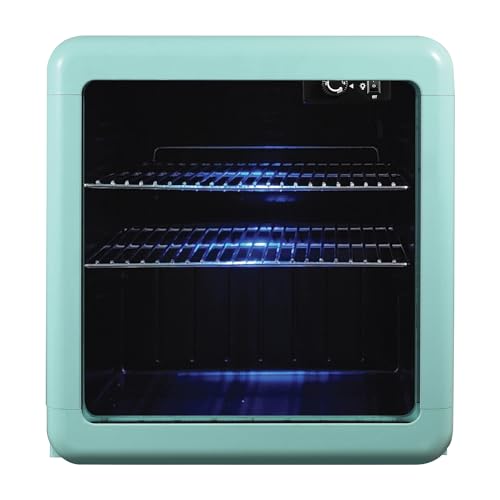
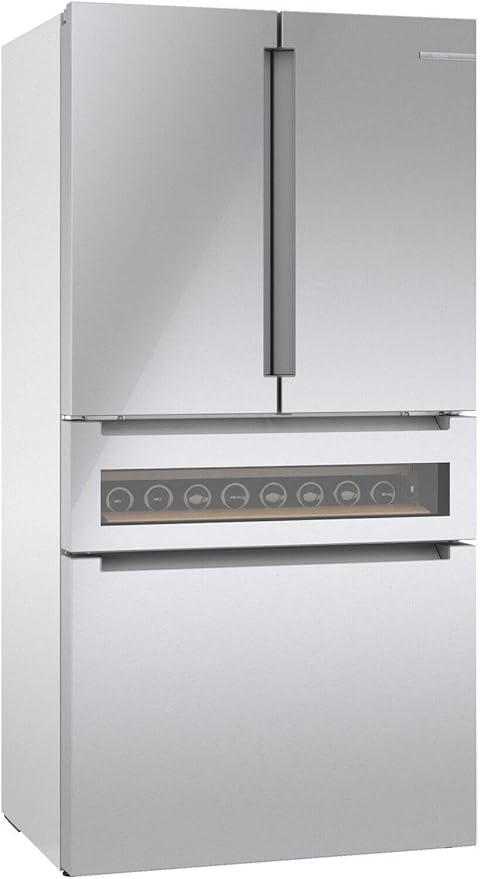
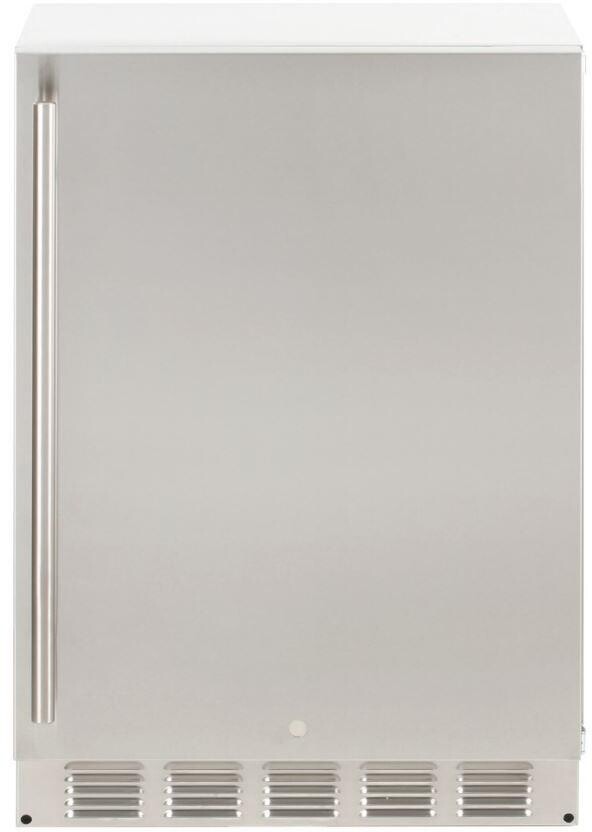
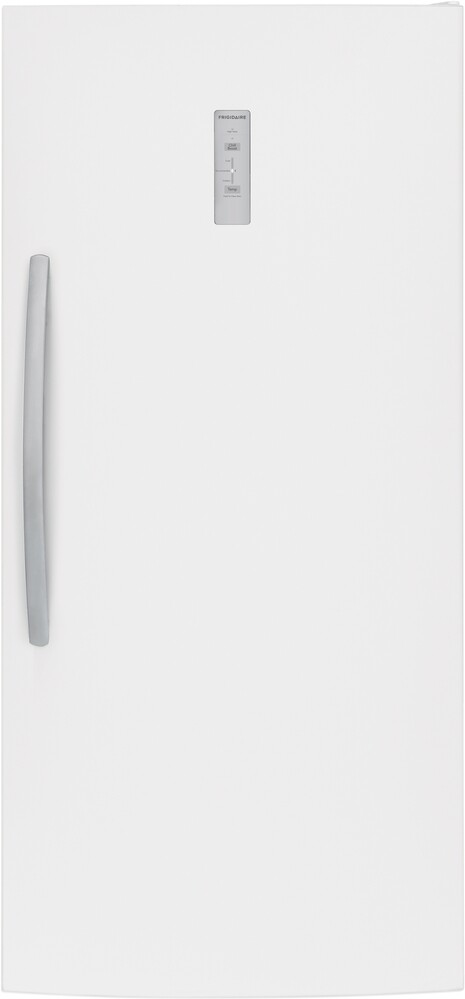
It also has tons of awesome articles about kitchen stuff and home news. Enhance your home, garage, backyard, patio, and office with the coolest essentials. With every necessary type of residentialrefrigeratoror freezer in the collection, you're covered.
Fresh raw tuna — whole fish or steaks — keeps for 1 to 2 days in the refrigerator. To get the full window:. When buying, choose pieces with a bright, even color that are displayed on ice and check the sell-by date — the fresher the tuna at purchase, the longer it lasts at home. If you won't cook it within 1 to 2 days, freeze it promptly. The same handling principles apply to other perishables; see, for instance, how long do tamales last in the fridge? Pat the tuna dry with paper towels, then wrap it tightly in plastic wrap or aluminum foil, or seal it in an airtight container. Store it in the coldest part of the refrigerator — typically the back, away from the door, or a dedicated meat drawer. Fresh fish does best at 32°F to 38°F. For raw tuna, place the wrapped fish on a bed of ice in a container and change the ice frequently to hold the chill. If the package has already been opened, cook the tuna the same day if you can.