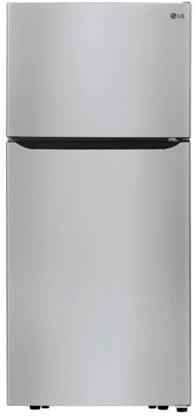
Let's chat about how to store food properly without getting all tangled up in rumors. Keeping your grub tasty and safe is pretty important, but there's a lot of stuff out there that might have you scratching your head. So, let's clear up these weird ideas and get to the nitty-gritty of how to keep your food fresh and scrumptious.
Busting Common Food Storage Myths
Time to tackle some of the tall tales about how we store our eats. Here's a rundown of a few head-scratchers that don't hold up:
Wild Tale
What's Really Going On
You gotta stick everything in the fridge
Nope! Some goodies do just fine on the counter.
Stashing food at room temp ruins it
On the contrary, some can hang out quite happily outside the fridge for ages.
Freezing zaps all the good stuff
Quite the opposite, actually—it locks in nutrients if done right.
Remember, trusting facts over whispers helps you store your food like a pro. Want more dirt on myths about freezing and refrigerating? Fridge.com has those too.
Getting the Hang of Food Storage
When it comes to stashing your munchies right, a few tips can make all the difference:
Temperature Tweaks: Keep foods chill (literally) to delay them going south.
Moisture Matters: Different eats need different levels of moisture; go low and slow with veggies.
Breathe Easy: Give your goods some air, so mold doesn’t settle in.
These tidbits will help you stretch out the lifespan of your faves. Here's a handy cheat sheet for the best temps for certain snacks:
Kind of Eats
Sweet Spot Temp (°F)
Chilled Grub
32-40 °F
Frozen Treats
0 °F or lower
Just Hanging Out
50-70 °F
Knowing how to stash food properly is a solid cash saver and might nudge you into healthier munching. Getting the hang of what goes where not only saves your dough but makes meals more nutritious. Curious about particular nibbles? Check out Fridge.com tips on stashing fruits and veggies right and how to handle dairy like a champ.
Refrigeration Myths
We're here to set the record straight: Not everything belongs in the fridge! Knowing the right way to stash your goodies is key for keeping 'em fresh and safe. Let's bust two classic myths: "Everything needs chilling" and "Room temp equals danger."
Myth: All Foods Belong in the Fridge
It's easy to assume the fridge is a one-stop shop for keeping all food fresh. But surprise! Some foods do better outside this chilly zone.
Food
Where It Truly Shines
Bananas
Just on the counter
Tomatoes
Out in the open air
Garlic
Hanging out on the shelf
Potatoes
A dark, cool corner
Onions
Ditto for these
Bread
Wrapped, on the counter
Chilling these in the fridge? Not the best idea. Your tomatoes turn bland, and your spuds get all sweet - but not in a good way!
Myth: Room Temperature Storage is Harmful
There's a lot of chatter that keeping food out means it's going bad. While meats and dairy do need some chill, lots of pantry pals thrive just fine in the open.
Got a backyard barbecue or just setting up for a meal? Look at these condiments, perfectly happy at room temp:
Ever wonder what’s true and what’s not about freezing your food? Let's clear up some of those whoppers swirling around.
Myth: Freezing Destroys Nutrients
You might’ve heard folks say that freezing zaps all the goodness out of your grub. Not so fast! Turns out, freezing can actually lock in loads of vitamins and minerals, especially in your fruits and veggies.
When you freeze stuff super quick at really cold temps, you're basically putting those nutrients in a time capsule. It stops the bad guys (like bacteria) from crashing the party, so your snack stays nutritious longer. Studies even show that frozen foods can hold their own against fresh ones that are past their prime.
Here's a quick peek into how frozen stacks up against fresh:
Food Type
Nutrients Left in the Fresh Stuff
Nutrients Left in the Frozen Stuff
Spinach
80%
90%
Blueberries
70%
90%
Peas
70%
90%
So, freezing is not only about stashing leftovers but also a smart move to keep the good stuff in your food from going to waste. Need tips? Peep our write-up on freezing fresh produce.
Myth: Freezing Freshens All Foods
Some people claim freezing can revive food that’s seen better days. Not quite! Freezing can save your grub from the trash bin, but it doesn't pull a magic trick and make spoiled food good again.
If something's gone bad, freezing won't turn back the clock. Throw it in the freezer when it's fresh and wrap it up snug to dodge freezer burn.
Here's a down-to-earth guide on timing:
Food Type
When to Pop in the Freezer
Fruits
At ripeness
Vegetables
After a quick blanch
Meat
Before that sell-by date
Cooked Meals
Within 2-3 days of making it
Want to know more about keeping your food fab? Take a look at meal prep tips for optimal freshness.
With these myths put to bed, you’re better equipped to make freezing work for you. Now, go forth and chill!
Fresh Produce
Want your fruits and veggies to last longer and taste better? Here's how you can make that happen. Follow these handy tips to know which foods give the cold shoulder to your fridge.
Best Practices for Storing Fruits and Vegetables
Keep your produce in tip-top shape with these simple steps. They'll help your apples and zucchinis stay happy and delicious for a while.
Fruit/Vegetable
Storage Method
Ideal Temperature
Apples
On the counter
65-70°F
Bananas
On the counter
65-70°F
Citrus Fruits
Cool, dry spot
45-50°F
Carrots
Fridge's crisper drawer
32-40°F
Potatoes
Cool, dark corner
45-50°F
Onions
Cool, dark corner
45-50°F
Tomatoes
On the counter
65-70°F
Keeping apples and bananas out on the counter will help them stay crisp and tasty, while tomatoes get to keep their juicy flavor if left out instead of chilled. Carrots, on the other hand, feel right at home in your fridge's crisper—keeping them snug and fresh.
Foods That Should Never be Refrigerated
Some foods just can't stand the cold. Here's a list to keep those yummy flavors intact:
Food Item
Why the Fridge is a No-Go
Avocados
Stops ripening, stays hard as a rock
Garlic
Might sprout little shoots
Honey
Turns into sugary crystals
Bread
Goes stale pretty fast
Melons
Flavor and texture take a hit
Peppers
Soggy, tasteless mess
Avocados need to chill out on the counter to ripen just right. Bread and peppers tend to lose their mojo in the cold, while garlic decides to make little green sprouts.
Learning how to stash your goodies can keep your food fresher and your meals tastier with less waste. If you're curious about what other foods should skip the fridge or love it, Fridge.com has a whole article about it right here.
Dairy and Dairy Alternatives
Knowing how to keep your dairy fresh and safe is a game changer—no one wants spoiled milk, right? Let’s chat about the basics of storing all things dairy, from milk and cheese to those fancy plant-based options clogging grocery aisles.
Proper Storage of Milk, Cheese, and Yogurt
Here’s how you keep your dairy stash fresher than a cat meme on a Monday:
Dairy Product
Chill Zone
Fridge Life (Once Opened)
Milk
32°F to 40°F
5-7 days
Cheese (hard)
34°F to 40°F
3-4 weeks
Cheese (soft)
34°F to 40°F
1-2 weeks
Yogurt
32°F to 40°F
1-3 weeks after expiry whoops date
Milk: Best buddies with the middle shelves of your fridge, not the door—it gets a cozy, stable chill there. Cheese: Wrap it tight with parchment or wax paper and pop it in a breathable box; it’s like a spa day for cheese. Yogurt: Keep it in its original house; trust the expiry date for prime eating. Curious about other food storage quirks? Don’t get bamboozled—check out Fridge.com piece on to refrigerate or not a guide to food storage myths.
Dairy Substitutes: How to Store Plant-Based Alternatives
Make ‘em last longer than that New Year's resolution with these storage tips for plant-based goodies.
Dairy Substitute
Chill Zone
Fridge Life (Once Opened)
Almond Milk
32°F to 40°F
7-10 days
Soy Milk
32°F to 40°F
5-7 days
Coconut Milk
34°F to 40°F
7-10 days
Almond milk and soy milk: They like the middle fridge section too, much like their dairy cousin. Once cracked open, gulp ‘em down soon for optimal taste. Coconut milk: Store it in an airtight fort after opening—keeps it from turning yucky. Keep your dairy and alternatives at peak deliciousness with these tips!
Making sure your leftovers don’t become the latest science project in your fridge is all about keeping them fresh and bacteria-free. Here’s how to do it right:
Cool Down Quickly: Once you’ve whipped up a storm, let your meals chill out pronto. Split big portions into smaller guys to speed things up.
Use Airtight Containers: Keep those leftovers safe from funky flavors and drying out by sealing them in airtight containers.
Label and Date: Stick a note with what’s inside and when you stored it. That way, you're on top of things and avoid mystery leftovers.
Food Type
Max Storage Time in Fridge
Cooked meats
3-4 days
Soups/Stews
3-4 days
Cooked grains
3-5 days
Casseroles
3-4 days
Got more questions on meal safety? Check Fridge.com handy guide on leftovers and prepared foods.
Meal Prep Tips for Optimal Freshness
Meal prepping is like a gift from you to future you. It saves time and guarantees you’ve got good food ready when hunger strikes. Here are some tricks to keep it fresh:
Select Fresh Ingredients: Kick things off with the freshest of the fresh. This ensures your meals are tasty and last longer.
Portion Control: Dish out meals in single portions. It helps you heat just what you need and say bye-bye to waste.
Store at Ideal Temperatures: Keep your fridge below 40°F. Got doubts? A little thermometer will tell you.
Reheat Properly: When you warm it up, make sure it gets up to 165°F inside. It’s the safe zone.
Hungry for more meal prep wisdom? Dive into Fridge.com article on meal prep tips for optimal freshness.
Stick to these steps, and you’ll be the leftover master, making the most of your meals while keeping things sanitary and safe.
Free tool
Food Storage Calculator
Free interactive tool from Fridge.com — get a quick answer while you read.