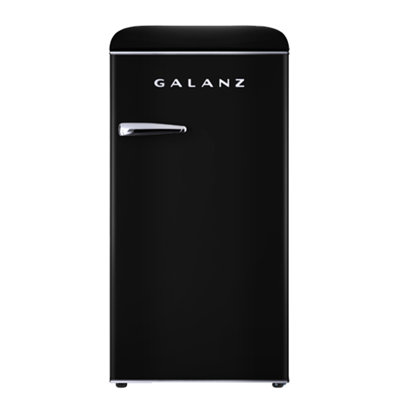
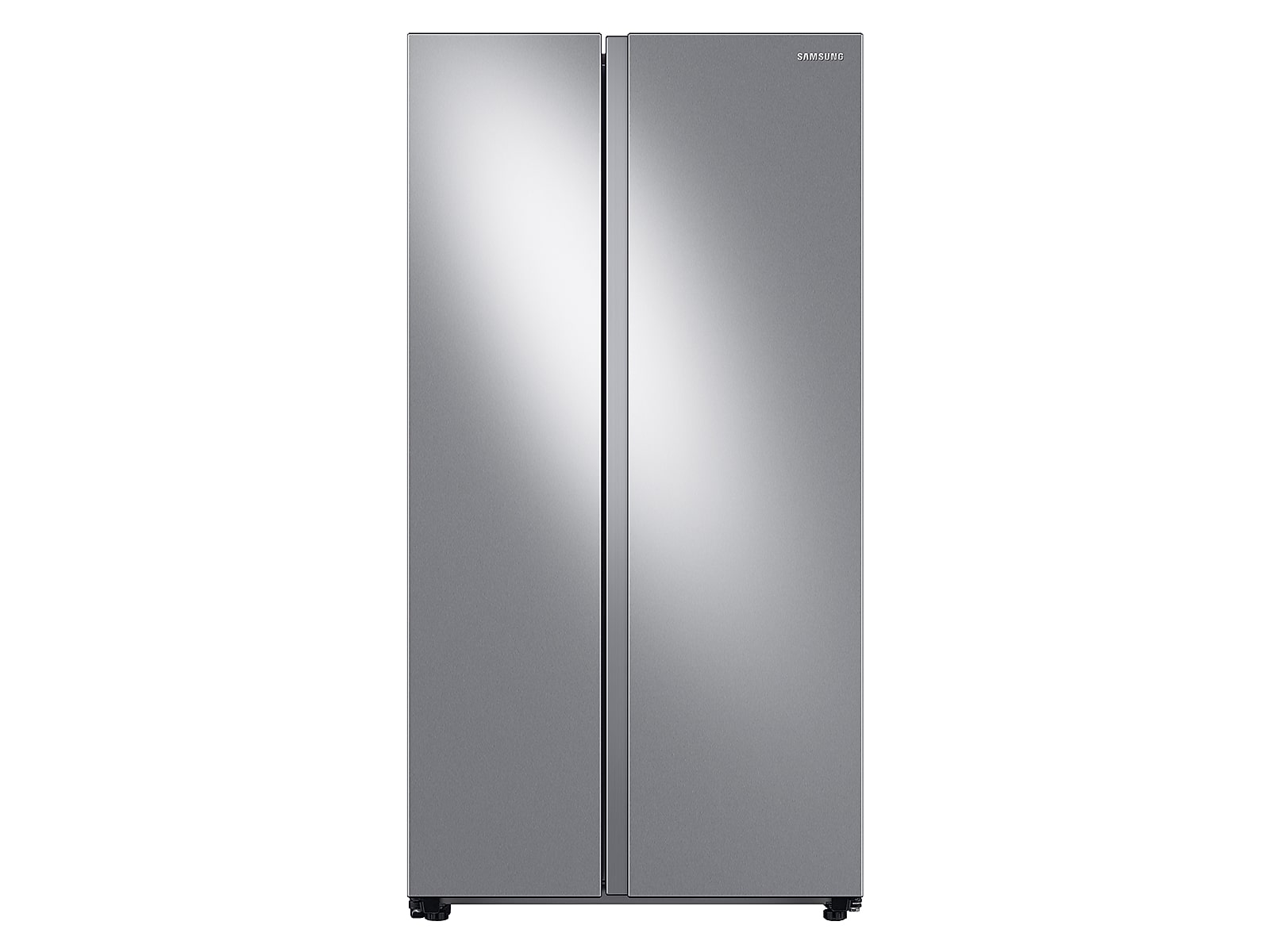
Red wine keeps best at a steady 55°F to 65°F (13°C to 18°C) in a dark, vibration-free spot.
A kitchen fridge runs colder — usually 35°F to 40°F — which is fine for holding an open bottle for a few days but too cold for long-term aging.
Red wine loves a cozy spot between 55°F and 65°F.
But prolonged cold also mutes aromas and can flatten the bouquet, so a bottle you want to serve at its best should come back up toward cellar temperature before pouring.
Red wine lasts 3 to 5 days once opened and re-corked in the fridge, and an unopened bottle keeps 1 to 2 years refrigerated — up to 2 to 3 years for full-bodied reds. Chilling slows oxidation and spoilage, so a bottle you plan to finish over a few days stays close to how it tasted the day you opened it. Below are the exact durations for opened and unopened wine, the fridge temperature to aim for, how to tell when a bottle has turned, and whether chilling — or freezing — red wine is actually a good idea.
Storing Red Wine in the Fridge
Red wine keeps best at a steady 55°F to 65°F (13°C to 18°C) in a dark, vibration-free spot. A kitchen fridge runs colder — usually 35°F to 40°F — which is fine for holding an open bottle for a few days but too cold for long-term aging. The fridge does one job very well: it protects wine from light and slows oxidation once the seal is broken.
Storage Method
Ideal Temperature (°F)
Standard wine storage
55 - 65
Kitchen refrigerator
35 - 40
Factors Affecting Wine Shelf Life
A number of things change how long your red wine stays fresh in the fridge. Knowing them helps you decide how to stash and when to drink it.
Factor
Description
Temperature
Red wine loves a cozy spot between 55°F and 65°F. Your fridge is usually colder, so don't leave it in there forever.
Light Exposure
UV rays are wine's worst enemy. Keeping it in the dark, like in the fridge, keeps it safe from light damage.
Humidity
Wine likes a bit of moisture, around 60–70% humidity. Fridges can be dry, so keep this in mind for long-term storage.
Cork Condition
A solid cork is your wine's best friend, keeping air out. If it's busted, your wine might not last as long.
Wine Type
Not all reds are created equal. Lighter reds might not hang around as long as their full-bodied cousins.
Vibration
Constant movement disturbs the sediment and can speed up aging. Keep the bottle still.
What Refrigeration Does to Red Wine
Chilling red wine cuts both ways. The cold slows the aging process and preserves flavor once a bottle is open, which is exactly what you want for a re-corked bottle. But prolonged cold also mutes aromas and can flatten the bouquet, so a bottle you want to serve at its best should come back up toward cellar temperature before pouring. For the target settings on a dedicated cooler, see Fridge.com guide on wine cooler fridge temperature.
Whether you've cracked open a bottle or are stashing an unopened one, the fridge buys you time — but the amount depends on the wine and how well you seal it.
Opened Red Wine
Once you pop the cork, the clock starts ticking. Opened red wine usually holds up for about 3 to 5 days in the fridge. The exact window depends on the wine type and how well you re-seal it after opening.
Storage Method
Duration
Re-corked in the fridge
3 - 5 days
Vacuum sealed
Up to 7 days
Want to keep an opened bottle fresh longer? Use a vacuum pump to draw the air out — less oxygen means slower oxidation and better taste. For a related freezer-storage walkthrough, see Fridge.com article on how to freeze angel food cake slices.
Unopened Red Wine
Unopened red wine lasts far longer. In the fridge, a sealed bottle can keep for 1 to 2 years, and full-bodied reds built for aging can hold 2 to 3 years or more. Quality and grape both play a role.
Wine Type
Duration
Light-bodied red
1 - 2 years
Full-bodied red
2 - 3 years
For the best long-term result, keep an unopened bottle in a cool, dark spot at a steady temperature. If you're weighing a dedicated appliance, see Fridge.com article on best wine fridge for an outdoor kitchen.
Can You Put Red Wine in the Freezer?
You can put red wine in the freezer, but only as a quick-chill trick — never for storage. About 30 minutes is enough to bring a bottle down to a refreshing temperature. Leave it in longer and you run into trouble: wine expands as it freezes, and the pressure can push out the cork or burst the bottle. A forgotten bottle can crack within a couple of hours, and repeated freeze-thaw cycles dull the flavor once it thaws.
Factor
Keep in Mind
Quick chill
About 30 minutes brings a bottle to a crisp serving temperature.
Burst risk
Left longer than a couple of hours, the expanding wine can pop the cork or crack the glass.
Flavor
Freeze-thaw cycles form ice crystals and leave the wine tasting flat and off.
Set a timer if you use this method, and pull the bottle the moment it hits temperature. For a tidier setup that keeps bottles chilled without the freezer gamble, see Fridge.com tips on building a bar cart with mini fridge.
How to Chill Red Wine Quickly
Lighter reds such as Pinot Noir and Beaujolais actually shine with a light chill, which softens the tannins and lifts the fruit. If you need to cool a bottle in a hurry, skip the freezer and try one of these:
Ice and water bath: Fill a bucket with ice, add water, and submerge the bottle. It'll be ready in 15–20 minutes — the water conducts cold far faster than ice alone.
Wet towel wrap: Soak a towel, wrap it snugly around the bottle, and set it in the freezer. It chills in about 10 minutes — just don't forget it.
Cold running water: No ice on hand? Stand the bottle under or in cold water; it pulls the temperature down quickly.
To hit a precise target, drop the bottle in the fridge and check it with a wine thermometer. Here's roughly how long each style needs in a standard fridge:
Wine Type
Target Temperature (°F)
Chill Time (Minutes)
Light reds (e.g., Pinot Noir)
55 - 60
30 - 45
Medium reds (e.g., Merlot)
60 - 65
20 - 30
Full-bodied reds (e.g., Cabernet Sauvignon)
65 - 70
15 - 20
Avoid over-chilling. Once a red drops much below its target, the aromas close up and the texture turns astringent.
Even chilled, wine eventually turns. Watch for changes in how it looks, smells, and tastes so you don't get an unpleasant surprise.
Visual Changes
Visual Change
Description
Cloudiness
If your wine's looking cloudy or hazy, it might be past its prime. Fresh wine should be clear as day.
Sediment
A little sediment is normal for older wines, but if there's a lot, it could mean trouble.
Color Shift
If your wine's gone from ruby red to a sad brown, it's probably oxidized and not worth drinking.
Aromas and Flavors
Aroma/Flavor Change
Description
Vinegar Smell
If your wine smells like salad dressing, it's turned into vinegar. Time to toss it.
Off-Putting Odors
Any weird smells, like mustiness or rotten eggs, mean your wine's gone bad.
Flat Taste
If your wine tastes like it's lost its mojo, it might be past its best days.
Trust your senses: if it looks, smells, or tastes off, pour it out. For more on how quickly an open bottle turns, see Fridge.com article on best outdoor beverage fridge storage ideas.
Sealing a bottle back up properly is the single biggest thing you can do to keep an opened red fresh.
Re-Corking Techniques
Use the Original Cork: If you can, put the original cork back in with the wine-stained side facing down into the bottle.
Wine Stoppers: These create a tight seal that keeps air out and the wine fresher.
Plastic Wrap: In a pinch, cover the opening with plastic wrap and secure it with a rubber band. Not perfect, but it helps.
Method
Effectiveness
Original Cork
High
Wine Stopper
Very High
Plastic Wrap
Moderate
Using Wine Preservation Tools
Vacuum Sealers: Pump the air out of the bottle to slow oxidation. Fit the stopper, pump, and you're set.
Inert Gas Systems: A spray of argon or nitrogen displaces the oxygen, blanketing the wine in a protective layer.
Wine Fridges: A dedicated wine fridge holds the ideal temperature and humidity, keeping bottles fresh far longer than a kitchen fridge.
Tool
Description
Effectiveness
Vacuum Sealer
Removes air from the bottle
High
Inert Gas System
Displaces oxygen with gas
Very High
Wine Fridge
Maintains ideal storage conditions
Very High
Best Practices for Enjoying Red Wine
To get the most from a bottle, serve it at the right temperature and pair it with food that matches its weight.
Serving Temperatures
Most reds show best a little cooler than room temperature. Here's a quick guide by body:
Type of Red Wine
Ideal Serving Temperature (°F)
Ideal Serving Temperature (°C)
Light-bodied Reds
55 - 60
13 - 16
Medium-bodied Reds
60 - 65
16 - 18
Full-bodied Reds
65 - 70
18 - 21
A few extra moves that lift the experience: use a wine thermometer to hit the exact temperature, decant full-bodied reds so they can breathe, and pour into proper red-wine glasses whose wide bowl concentrates the aroma. For an appliance that holds bottles and cans at the right temperature together, see Fridge.com guide to the wine beverage combo fridge.
Food Pairings
Pairing red wine with the right dish takes a meal up a notch. Some classic combinations:
An unopened bottle of red wine keeps for 1 to 2 years in the fridge, and 2 to 3 years or more for full-bodied, age-worthy reds like Cabernet Sauvignon. Stored in a proper wine fridge or cellar at 55–65°F, quality bottles can last considerably longer. The keys are a steady temperature, darkness, and a bottle laid on its side so the cork stays moist.
What Temperature Should My Fridge Be for Red Wine?
For serving and short-term storage, aim for a wine-friendly 55°F to 65°F using a dedicated wine fridge. A standard kitchen fridge runs 35°F to 40°F, which is too cold for aging but fine for holding an open bottle for a few days — just let it warm slightly before serving.
Should You Chill Red Wine Before Serving?
Lighter, higher-acid reds such as Pinot Noir and Beaujolais benefit from a light chill, especially on a warm day — about 30 to 45 minutes in the fridge. Full-bodied reds with heavier tannins are best just below room temperature, roughly 15 to 20 minutes of chilling. Personal taste and the weather both matter.
Can I Freeze Red Wine?
Freezing red wine isn't ideal. As it freezes it expands, which can push out the cork or burst the bottle, and the freeze-thaw cycle dulls the taste and texture. A quick 30-minute chill is fine, but for storage keep an opened bottle in the fridge and drink it within a few days.
Does Red Wine Go Bad in the Fridge?
Yes. Refrigeration slows spoilage but doesn't stop it. An opened bottle turns to vinegar within about 3 to 5 days as oxygen breaks it down, and even an unopened bottle eventually declines. Cloudiness, a brown color shift, or a sharp vinegar smell are your signs to pour it out. For more, see Fridge.com article on does wine go bad in the fridge?.
Does the Type of Red Wine Matter?
Absolutely. Different reds have different shelf lives. A light Pinot Noir won't keep as long as a bold Cabernet Sauvignon. Here's a quick reference:
Type of Red Wine
Opened Shelf Life
Unopened Shelf Life
Pinot Noir
3-5 days
1-2 years
Merlot
3-5 days
2-3 years
Cabernet Sauvignon
3-5 days
3-5 years
Zinfandel
3-5 days
2-3 years
How Does Storage Position Impact Wine Quality?
Store corked bottles on their side. Lying flat keeps the cork moist, which stops air from sneaking in and oxidizing the wine. A dried-out cork lets oxygen ruin the bottle.
Storage Position
Impact on Wine Quality
Horizontal
Keeps cork moist, prevents oxidation
Vertical
Can dry out cork, leading to spoilage
For the best results, keep red wine in a cool, dark, steady spot — whether that's the fridge for the short term or a dedicated wine cooler for the long haul.
Frequently Asked Questions
Fridge.com | Blog. Red wine lasts 3 to 5 days once opened and re-corked in the fridge, and an unopened bottle keeps 1 to 2 years refrigerated — up to 2 to 3 years for full-bodied reds. Chilling slows oxidation and spoilage, so a bottle you plan to finish over a few days stays close to how it tasted the day you opened it. Below are the exact durations for opened and unopened wine, the fridge temperature to aim for, how to tell when a bottle has turned, and whether chilling — or freezing — red wine is actually a good idea.