How Long Does Pudding Last In The Fridge?
Pudding keeps for 3 to 5 days in the refrigerator when it's homemade and about 5 to 7 days once an opened store-bought tub is chilled, as long as it stays sealed in an airtight container at 40°F (4°C) or below. Unopened store-bought pudding holds 1 to 2 weeks past its "Best By" date, prepared instant pudding such as Jell-O lasts 3 to 5 days, and pudding frozen in an airtight container keeps for months. Because most puddings are dairy- or egg-based and highly perishable, refrigeration is not optional. Below is exactly how long each type lasts, how to tell when it has gone bad, and how to store it for the longest possible freshness.
Storing Pudding in the Fridge
Proper Storage Guidelines
To maximize the shelf life of your pudding, store it properly in the fridge. You should:
- Keep the pudding in an airtight container to prevent it from absorbing odors and to stop a skin from forming on the surface.
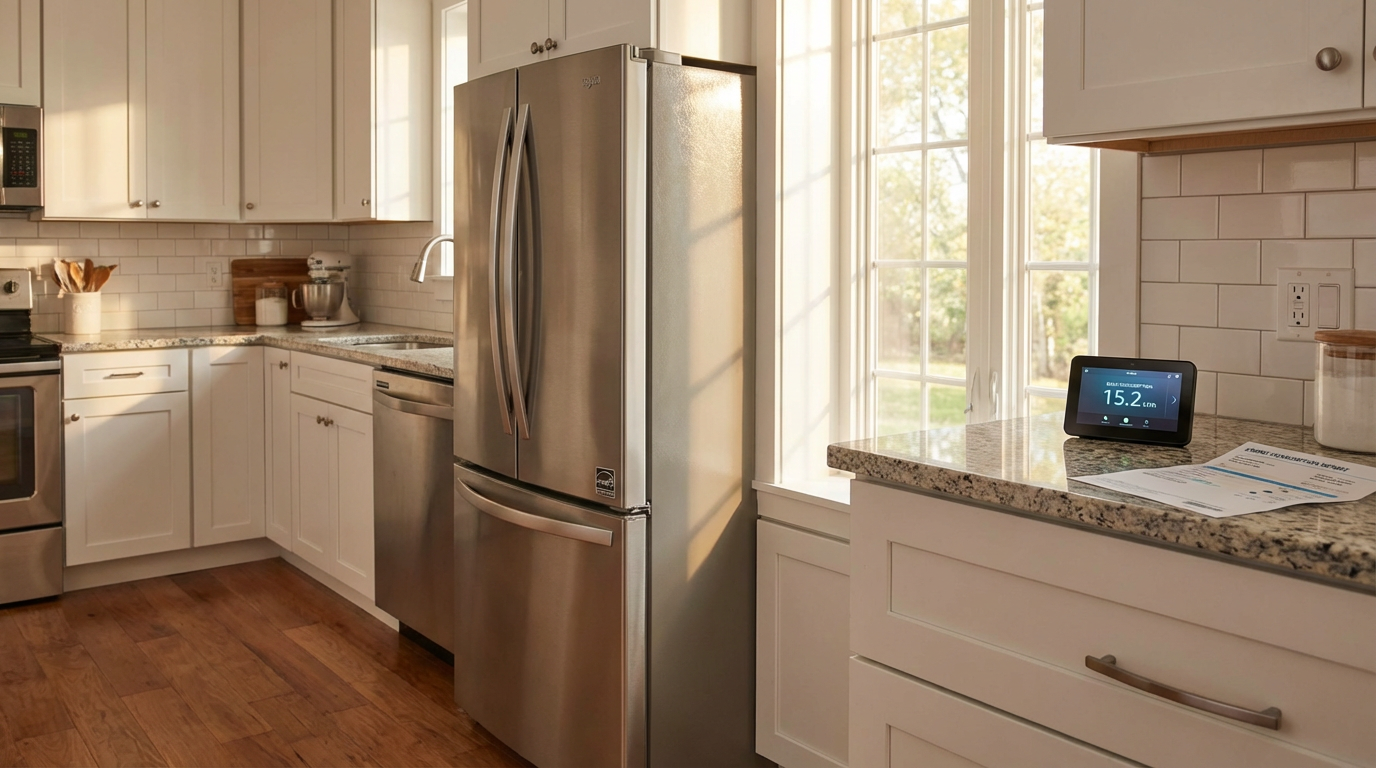
- Place the pudding in the coldest part of the refrigerator, typically at the back, away from the door, where temperature fluctuations are minimal.
- Ensure your fridge is at the recommended temperature of 40°F (4°C) or below, which is critical for slowing the growth of harmful bacteria.
Following these steps helps maintain the quality of your pudding for as long as possible. For more information on storing similar items, read about how long does pumpkin pie last in the fridge?
Factors Affecting Pudding Shelf Life
The shelf life of pudding is influenced by several factors:
- Ingredients: Puddings made with dairy or eggs have a shorter shelf life due to the perishable nature of these ingredients.
- Preservatives: Store-bought puddings may contain preservatives that extend their shelf life compared to homemade versions.
- Packaging: The integrity of the pudding's packaging affects its longevity. Compromised packaging leads to quicker spoilage.
- Temperature: Consistent refrigeration is key. Frequent changes in temperature accelerate spoilage.
- Hygiene: Use clean utensils when serving pudding, and never eat straight from the container or double-dip, which introduces bacteria into the whole batch.
By controlling these factors, you keep your pudding fresh and safe to eat for longer. For insights into the shelf life of other refrigerated items, see how long do carrots last in the fridge?
Does Pudding Need to Be Refrigerated?
Yes. Freshly made, cooked, and dairy- or egg-based puddings are perishable and must be kept in the refrigerator at 40°F (4°C) or below. Once you prepare or open any pudding — including instant pudding you have mixed yourself — it belongs in the fridge, tightly covered. Prepared pudding should never sit at room temperature for more than 2 hours; beyond that, bacteria can multiply to unsafe levels and the pudding should be discarded. Refrigeration both slows spoilage and helps cooked and homemade puddings firm up to the right texture. Store your pudding on a middle or lower shelf rather than in the door, where opening and closing causes the temperature to swing.
Shelf Life of Pudding
How long you can enjoy pudding depends mainly on whether it is unopened or opened, and on the ingredients used.
Unopened Pudding
Unopened pudding, whether store-bought or homemade, lasts longer in the fridge. For store-bought pudding, always check the "Best By" date on the packaging and follow it for the best quality. Here is a general guideline for unopened pudding stored in the refrigerator:
| Pudding Type | Shelf Life in the Fridge |
|---|---|
| Store-Bought (Dairy-based) | 1-2 weeks past 'Best By' date |
| Store-Bought (Non-dairy) | 2-3 weeks past 'Best By' date |
| Homemade Pudding | 4-5 days |
Opened Pudding
Once you open a pudding, the countdown begins, because exposure to air increases the risk of spoilage. To keep it fresh, store it in an airtight container or cover it tightly with plastic wrap pressed onto the surface. Here are the typical time frames for opened pudding when refrigerated:
| Pudding Type | Shelf Life in the Fridge |
|---|---|
| Store-Bought (Dairy-based) | 5-7 days |
| Store-Bought (Non-dairy) | 7-10 days |
| Homemade Pudding | 3-4 days |
For more information on preserving other food items in your fridge, check out our guides on items like how long do gooseberries last in the fridge? or how long does tuna salad last in the refrigerator?. These are general guidelines, and the actual shelf life varies with the specific product and storage conditions, so always look for signs of spoilage before digging into your dessert.
How Long Does Instant Pudding Last?
Prepared instant pudding — the kind you whisk together from a boxed mix such as Jell-O — keeps for 3 to 5 days in the refrigerator when stored in an airtight container at 40°F (4°C) or below. That window applies to popular flavors like vanilla, chocolate, and butterscotch. Because instant pudding is made with milk, treat it like any other dairy dessert: refrigerate it within 2 hours of mixing and keep it covered so it doesn't form a skin or absorb fridge odors.
| Instant Pudding | Shelf Life in the Fridge |
|---|---|
| Prepared instant pudding (vanilla, chocolate, Jell-O, etc.) | 3-5 days |
| Unopened dry pudding mix (pantry) | Until the best-by date on the box |
An unopened box of dry instant pudding mix is shelf-stable in the pantry until the best-by date printed on the package; only the milk-based prepared pudding is truly perishable. If you can't recall when you mixed a batch, label the container with the date so you can track the 3-to-5-day window.
How Long Different Types of Pudding Last
A pudding's lifespan depends on what it is made of and whether it is chilled or frozen. Use this guide for common ready-made and store-bought varieties:
| Pudding Type | Fridge Life | Freezer Life |
|---|---|---|
| Chocolate Pudding | 5-7 days | 2-3 months |
| Vanilla Pudding | 5-7 days | 2-3 months |
| Rice Pudding | 4-6 days | 1-2 months |
| Bread Pudding | 3-5 days | 1-2 months |
Tapioca pudding freezes well for 1 to 2 months and thaws best overnight in the fridge. Keep in mind that freshly prepared instant pudding and homemade puddings, which skip preservatives, sit at the shorter end of these ranges — plan to finish them within 3 to 5 days.
Signs of Spoiled Pudding
Identifying spoiled pudding is crucial to preventing foodborne illness. Here are the indications that your pudding may no longer be safe to consume.
Visual Changes
When inspecting pudding for freshness, start with visual cues. Be on the lookout for:
- Mold Growth: Any signs of mold, including fuzzy spots of green, black, or white, mean the pudding is no longer safe to eat.
- Color Changes: Discoloration, such as a darkened surface or fading color, can suggest spoilage.
- Texture Alterations: If the pudding has separated or developed a lumpy or unusually thick consistency, it may have gone bad.
Smell Test
Your sense of smell is a reliable tool for detecting spoilage. A pudding that has started to spoil will often have an off smell that is unmistakably sour or rancid. If the pudding emits an unpleasant odor, or tastes sour or bitter, discard it.
Is Watery or Separated Pudding Safe to Eat?
A thin layer of liquid on top of otherwise-fresh pudding is often harmless. Starch-thickened puddings naturally weep a little moisture as they sit, and if the pudding is still within its storage window and smells and tastes normal, you can simply stir the liquid back in and eat it. However, watery or separated pudding is not safe if it comes with a sour or off smell, curdling, mold, or if the pudding is past its recommended number of days. When wateriness is paired with any of those warning signs, throw it out — when in doubt, it is always better to err on the side of caution. For guides on how long other items last, such as how long does fresh tuna last in the fridge?, explore our other articles, and remember to clean any container that held spoiled pudding to prevent cross-contamination.
Tips for Extending Pudding Shelf Life
Properly storing and handling your pudding can significantly extend its shelf life while maintaining its taste and quality.
Properly Sealing Pudding Containers
Sealing your pudding is crucial to prevent air exposure, which leads to spoilage and a loss of quality. If you have made pudding at home, transfer it to an airtight container once it has cooled. For store-bought pudding, seal the lid tightly after each use. If the original packaging is not resealable, place the pudding in an airtight container or press plastic wrap onto the surface before putting the lid back on.
| Container Type | Sealing Method |
|---|---|
| Airtight Container | Directly seal with the lid |
| Original Packaging (non-resealable) | Use plastic wrap, then reapply the lid |
| Shared Container | Cover individual servings with plastic wrap |
Keeping Pudding at the Right Temperature
Temperature control is another important factor. Pudding should be stored at a consistent 40°F (4°C) or below to slow bacterial growth. Avoid the refrigerator door, where temperature fluctuates from frequent opening and closing; place pudding in the main part of the fridge where the temperature is more stable.
| Storage Location | Recommended Temperature |
|---|---|
| Refrigerator (main part) | ≤ 40°F (≤ 4°C) |
| Refrigerator (door) | Not recommended due to temperature fluctuations |
Can You Put Hot Pudding in the Fridge?
You do not have to wait until cooked pudding is stone cold, but you should not seal it airtight while it is still steaming — trapped steam turns to condensation, adds surface water, and can speed spoilage. Let a fresh batch cool for a short time, then refrigerate it within 2 hours of cooking. Dividing a large batch into smaller containers helps it cool faster and reach a safe temperature sooner. For more on keeping other foods fresh, see how long do tomatoes last in the fridge?
Freezing Pudding
Freezing extends your pudding's life well beyond what the refrigerator offers. Use the fridge for pudding you'll eat within a few days, and the freezer to keep it for months. Note that puddings high in sugar and dairy do not freeze rock-solid and can turn slightly grainy or watery once thawed; the flavor stays the same, and a good stir usually restores a smoother texture.
Freezing Unopened Pudding
Freezing unopened pudding is straightforward because the sealed packaging protects it from freezer burn and contamination:
- Check the expiration date on the packaging to ensure it is not near its end.
- Place the unopened pudding directly in the freezer. If the packaging is not rigid, put it in a freezer-safe container to prevent punctures or leaks.
- Label the pudding with the freezing date for future reference.
Use the following table as a guide for how long unopened pudding maintains optimal quality in the freezer.
| Pudding Type | Maximum Freezing Duration |
|---|---|
| Store-bought (unopened) | 3-6 months |
| Homemade (unopened) | 3-6 months |
Freezing Leftover Pudding
Leftover pudding can also be frozen, though it needs a little more preparation:
- Transfer the leftover pudding into an airtight, freezer-safe container. For individual servings, use small containers so you can freeze portions separately.
- Leave about half an inch of space at the top of the container, as pudding expands when frozen.
- Seal the container tightly to keep air out and prevent freezer burn.
- Label the container with the name of the pudding and the date it was frozen.
Leftover pudding can be kept in the freezer for up to 3 months. When you are ready to enjoy it again, proper thawing is essential — refer to the section on Thawing and Reheating Pudding for guidance. Freezing is a great way to extend shelf life and cut food waste.
Thawing and Reheating Pudding
Proper thawing and reheating make all the difference in enjoying frozen pudding's texture and flavor.
Thawing Frozen Pudding
Thaw frozen pudding in the refrigerator rather than at room temperature. This slow method prevents bacterial growth and ensures even defrosting:
- Transfer the frozen pudding from the freezer to the refrigerator.
- Leave it to thaw overnight, or for several hours, until it is completely defrosted.
- Once thawed, stir the pudding well to recombine any separated ingredients.
Avoid thawing pudding on the countertop or in the microwave, as this can harm the texture and create food-safety issues. Do not refreeze pudding once it has thawed. For guidelines on safely thawing other foods, review our article on how long do mulato peppers last in the fridge?
Reheating Chilled Pudding
If you prefer your pudding warm, reheat it with care to prevent scorching or separation:
- Place the pudding in a microwave-safe dish, or in a saucepan for the stovetop.
- For the microwave, use a medium power level and heat in short 20-30 second intervals, stirring in between for even heating.
- On the stovetop, use low heat and stir constantly to prevent sticking and burning. Add a splash of milk if it becomes too thick.
Reheat only the amount you intend to eat, since repeated reheating degrades quality, and never let the pudding boil or it may curdle. For inspiration on cold desserts, see how long does taro last in the fridge? Always check for signs of spoilage before eating, and when in doubt, throw it out.
Creative Ways to Use Leftover Pudding
Rather than tossing pudding that is nearing the end of its window, put it to work in a fresh dish:
- Pudding parfaits: Layer pudding with granola or crushed cookies and fresh fruit or whipped cream in a glass for an easy, good-looking dessert.
- Pudding-stuffed baked goods: Use chocolate, vanilla, or butterscotch pudding as a filling for cupcakes, cookies, or crepes.
- Pudding smoothies: Blend leftover pudding with milk or yogurt and fruit such as banana or strawberry for a quick breakfast or afternoon pick-me-up.
Using leftovers this way gives your pudding a second life and keeps waste to a minimum — just make sure the pudding is still within its safe storage window first.
Pudding Safety Considerations
Food Safety Guidelines
Because pudding is usually a dairy-based dessert, follow these general food-safety practices:
- Refrigeration Temperature: Keep your refrigerator at or below 40°F (4°C) to slow the growth of harmful bacteria.
- Storage Containers: Use airtight containers to protect pudding from absorbing odors and to prevent contamination.
- Utensil Hygiene: Always use clean utensils, and wash your hands before and after handling food, to avoid introducing bacteria into the batch.
- Avoid Cross-Contamination: Keep pudding away from raw meats and eggs in the fridge.
- Two-Hour Rule: Do not leave prepared pudding at room temperature for more than 2 hours.
For more detailed information on food storage and safety, consider reading about how long do african birds eye peppers last in the fridge?, which also requires careful handling.
When to Discard Pudding
Recognize the signs that your pudding is no longer safe to eat. Discard pudding in any of these cases:
- Expiration Date: If the pudding has surpassed its expiration date, throw it away even if it looks and smells normal.
- Extended Storage: If pudding has been in the fridge longer than the recommended time frame, discard it.
- Room-Temperature Exposure: If it has sat out for more than 2 hours, it is a goner.
- Texture Changes: Separation, curdling, or an unusually runny consistency paired with other warning signs can indicate spoilage.
- Mold Growth: The presence of mold means the pudding has gone bad — dispose of it immediately.
- Off Smell: A sour or otherwise unpleasant smell is a strong sign the pudding is no longer edible.
When you are uncertain, it is always better to discard the product than risk food poisoning. For the shelf life of other refrigerated items, explore articles such as how long does mayo last in the fridge?
Frequently Asked Questions
Does pudding go bad or expire?
Yes. Pudding can and does expire. Even an unopened store-bought tub past its printed date — and any prepared or homemade pudding kept beyond its recommended number of days — should be discarded. Dairy- and egg-based puddings are perishable, so they spoil even in the fridge.
How long does pudding last after the expiration date?
Unopened, refrigerated store-bought pudding is often still good for about 1 to 2 weeks past its "Best By" date if the packaging is intact and it has stayed sealed and cold. Homemade pudding has no printed date, so go by the 3-to-5-day rule instead. Always check for signs of spoilage before eating.
How long is instant pudding good for once made?
Prepared instant pudding, including Jell-O, keeps 3 to 5 days in the refrigerator in an airtight container at 40°F (4°C) or below. Refrigerate it within 2 hours of mixing.
How long does homemade pudding last in the refrigerator?
Homemade pudding lasts about 3 to 5 days refrigerated. Because it lacks preservatives, it sits at the shorter end of the range, so seal it tightly and eat it promptly.
Do you have to keep pudding in the fridge?
Yes. Cooked, dairy-based, egg-based, and prepared puddings must be refrigerated at 40°F (4°C) or below and should not sit out for more than 2 hours. Refrigeration also helps cooked and homemade puddings set.
Can I put hot pudding in the fridge?
You can, but let it cool for a short time first and refrigerate it within 2 hours. Avoid sealing it airtight while it is still steaming, which traps condensation. Splitting a large batch into smaller containers speeds cooling.
How long does pudding take to set in the fridge?
Cooked and homemade puddings typically need a couple of hours in the refrigerator to cool and firm up before serving. Chilling improves both the texture and the flavor.
Should you cover pudding in the fridge?
Yes. Always cover pudding, ideally in an airtight container or with plastic wrap pressed directly onto the surface. This keeps out fridge odors and stops a skin from forming.
Can you freeze pudding, and does it freeze solid?
You can freeze pudding for months, but puddings high in sugar and dairy don't freeze completely rock-solid and may turn slightly grainy or watery after thawing. Freeze it in an airtight container with room to expand, thaw it in the fridge, and stir before serving.
How long does custard last in the fridge?
Custard and other egg-based puddings are especially perishable. Treat them like homemade pudding: keep them tightly covered and finish within 3 to 5 days.