Wine refrigerators are designed to maintain a higher humidity level, typically between 50% and 70%, to ensure that the wine is stored in ideal conditions.
Within the wine refrigerator's 45–65°F window, white wines store and serve best at 45–50°F, rosé at 50–55°F, and red wines at 55–65°F.
Most beverage cooler owners set their unit at 36–38°F for ice-cold sodas, beer, sparkling water, and juice — at 36°F, beer pours crisp, soda fizzes properly, and water is thoroughly chilled.
In dollar terms, a wine refrigerator's annual electricity typically runs $13–$32 and a beverage cooler's $19–$39.
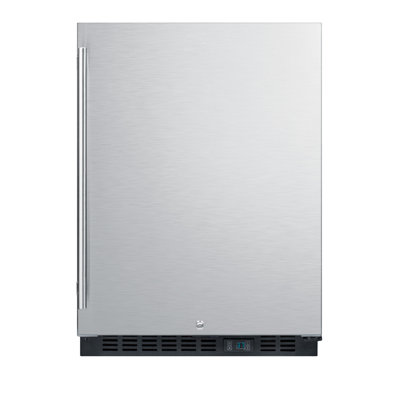
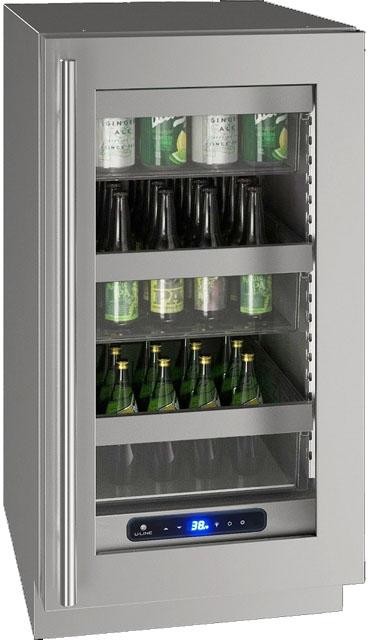
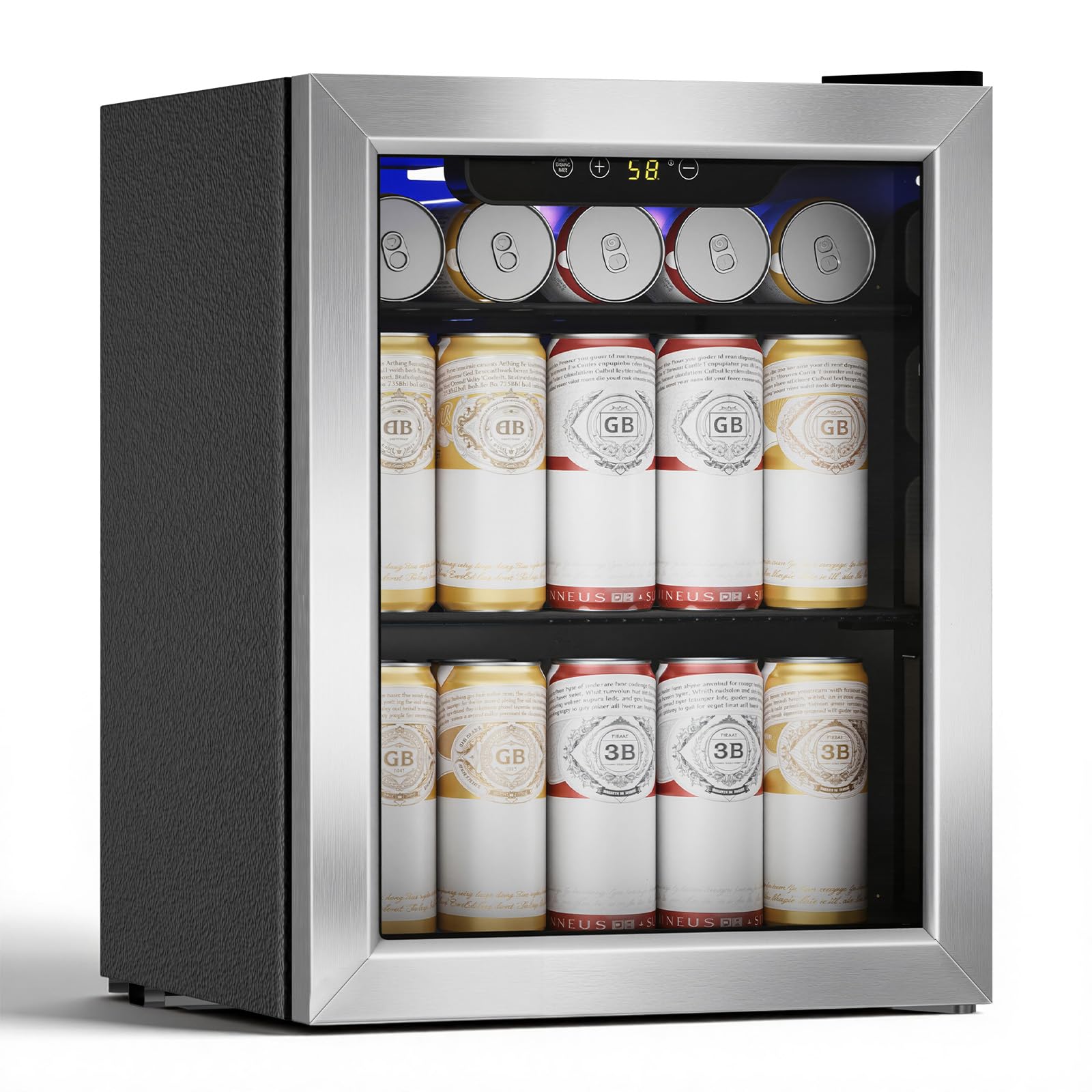
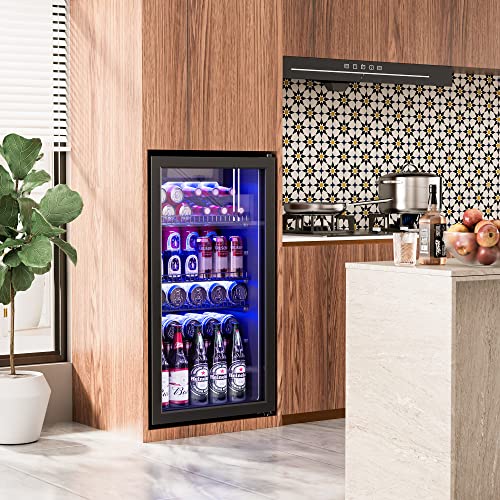
An undercounter beverage cooler and a wine refrigerator both install beneath a kitchen counter in a standard 24-inch cabinet opening, but they serve different drinks at different temperatures with different interior layouts. An undercounter beverage cooler runs at 34–50°F with flat adjustable shelves designed for cans, bottles, and mixed beverage containers. A wine refrigerator maintains 45–65°F with horizontal bottle racks, UV-tinted glass, and vibration dampening designed for wine preservation. This guide covers every specification so you can choose the right undercounter appliance.
Understanding Undercounter Beverage Coolers and Wine Refrigerators
Purpose and Functionality
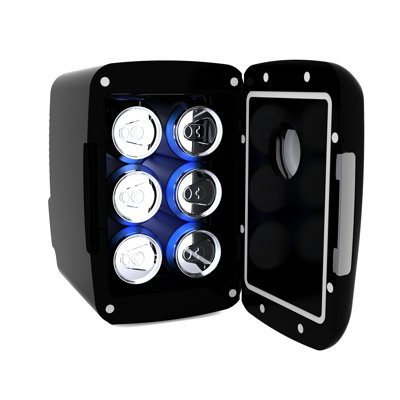
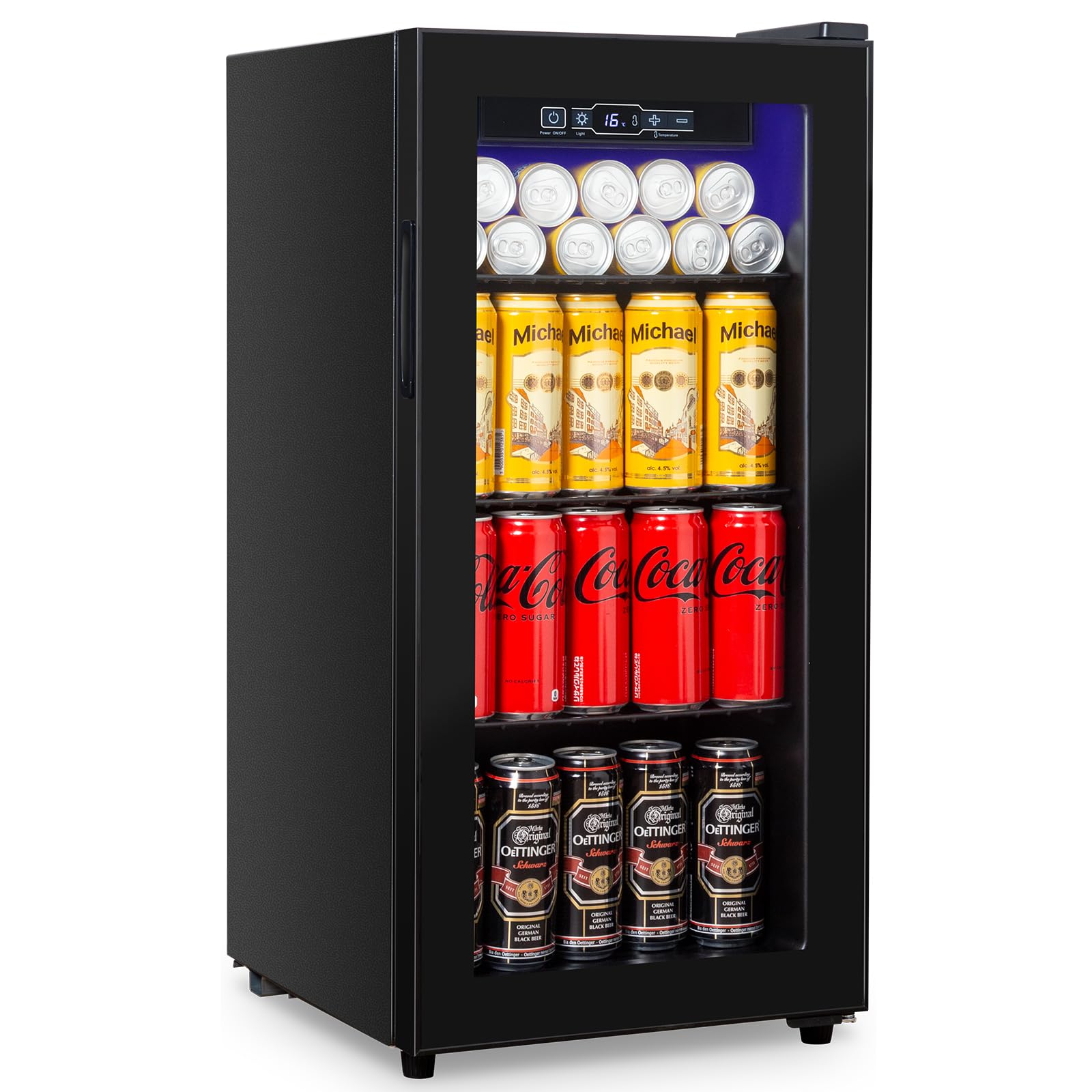
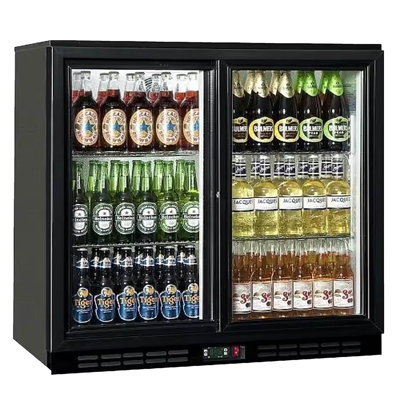
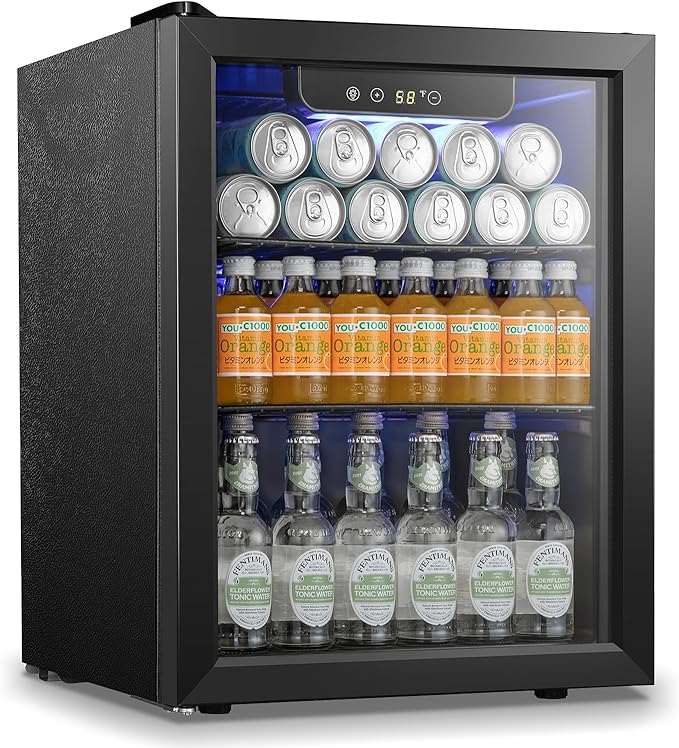
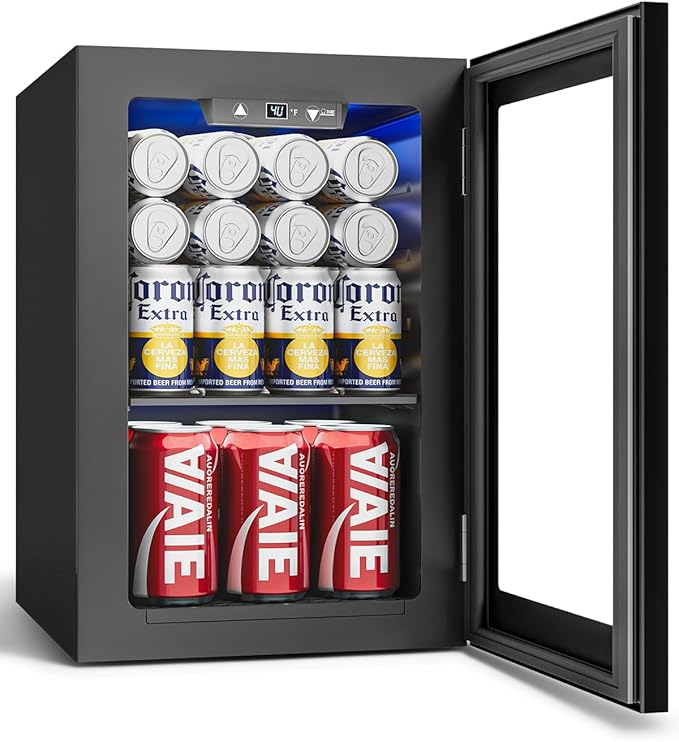
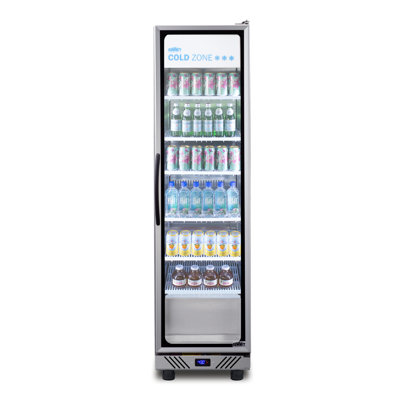
Undercounter Beverage Coolers: These are designed to store a variety of beverages, such as sodas, beers, and bottled water. They often feature adjustable shelves to accommodate different bottle and can sizes, providing flexibility for storing various drinks.
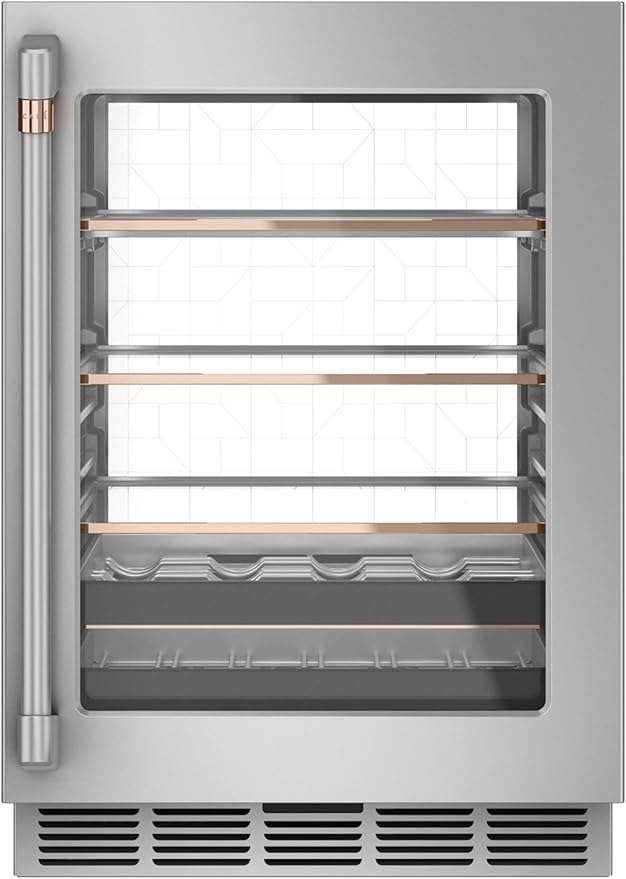
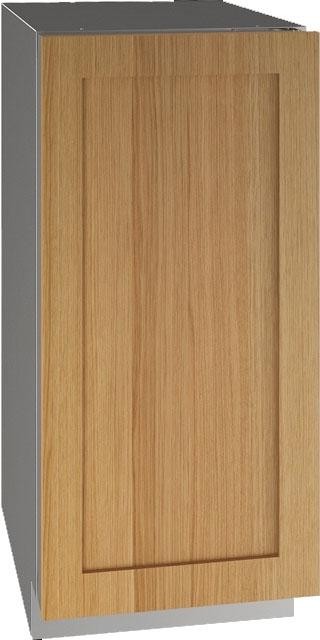
Wine Refrigerators: Specifically crafted for storing wine, these refrigerators maintain optimal conditions to preserve the quality and flavor of your wine collection. They often include features like precise temperature control, UV-protected glass doors, and humidity control to create the best environment for wine storage.
Feature
Beverage Cooler
Wine Refrigerator
Storage Type
Mixed beverages
Wine bottles
Temperature Control
Adjustable, less precise
Precise, specific to wine
Humidity Control
Not typically included
Often included
Shelving
Adjustable
Fixed, designed for wine
Design and Installation Options
Design: Beverage coolers and wine refrigerators can have sleek, modern designs with stainless steel finishes, glass doors, and LED lighting. The choice of design can enhance the aesthetic appeal of your kitchen, bar, or entertainment area.
Installation: Both types can be built into cabinetry for a seamless look or used as freestanding units. Built-in models are designed for undercounter placement, ensuring proper ventilation through the front. This makes them ideal for integrating into kitchen islands, bars, or office spaces.
Installation Type
Beverage Cooler
Wine Refrigerator
Built-In
Yes
Yes
Freestanding
Yes
Yes
Ventilation
Front venting
Front venting
Location Options
Kitchen, Bar, Office
Kitchen, Bar, Wine Cellar
Installation Requirements
Both appliances install in a standard undercounter cabinet opening — typically 24 inches wide, 34 inches tall, and 24 inches deep. Both use front-venting systems that exhaust heat through the toe kick or front grille, allowing built-in installation without rear or side ventilation clearance, and both connect to a standard 120V household outlet.
The installation process is identical for both appliances: slide the unit into the cabinet opening, level the feet, plug into the outlet, and set the temperature. No plumbing, no drain, no special electrical work. Some undercounter beverage coolers offer optional drain connections for condensation management in humid environments; wine refrigerators rarely include drain connections because their warmer operating temperature generates less condensation.
For more detailed comparisons and additional features, explore Fridge.com related articles on freestanding refrigerator Vs. kegerator and best fridge cooler for a xanadu house.
Differences in Temperature Control
Temperature Range
Undercounter beverage coolers operate at a lower temperature range to keep sodas, beers, and other beverages cold. Wine refrigerators maintain a higher temperature range suitable for preserving the flavor and quality of wine.
Appliance Type
Temperature Range (°F)
Undercounter Beverage Cooler
34 - 50
Wine Refrigerator
45 - 65
Within the wine refrigerator's 45–65°F window, white wines store and serve best at 45–50°F, rosé at 50–55°F, and red wines at 55–65°F. Dual-zone wine refrigerators split the cabinet into two independently controlled temperature sections so you can hold reds and whites at their ideal temperatures in the same unit. Precise control matters: over-chilling mutes wine flavor, while under-cooling makes wine taste flabby and alcoholic.
Most beverage cooler owners set their unit at 36–38°F for ice-cold sodas, beer, sparkling water, and juice — at 36°F, beer pours crisp, soda fizzes properly, and water is thoroughly chilled. That setpoint is too cold for wine, especially red wine, which loses complexity below 50°F. For more on choosing the right cooler for your needs, see Fridge.com article on best beverage cooler for a dorm.
Humidity Levels
Proper humidity control is essential for wine storage, as it prevents corks from drying out and maintains the wine’s quality over time.
Appliance Type
Humidity Level (%)
Undercounter Beverage Cooler
30 - 50
Wine Refrigerator
50 - 70
Wine refrigerators are designed to maintain a higher humidity level, typically between 50% and 70%, to ensure that the wine is stored in ideal conditions. This helps to preserve the wine’s integrity and prevent any spoilage. Beverage coolers do not require such precise humidity control, as the primary concern is keeping drinks cold rather than preserving them for extended periods.
Beverage coolers are versatile and accommodate various types of drinks, including cans and bottles. Wine refrigerators are specifically designed to store wine bottles, ensuring optimal conditions for preservation.
Appliance Type
Can Capacity (12 oz)
Bottle Capacity (750 ml)
Undercounter Beverage Cooler
100 - 150
50 - 75
Wine Refrigerator
0
20 - 50
Capacity also scales with unit width. Capacity is measured differently for each appliance — bottles for wine refrigerators, cans for beverage coolers:
Model Type
15-Inch Width
24-Inch Width
Wine Refrigerator
20 - 34 bottles
40 - 60 bottles
Beverage Cooler
60 - 90 cans
120 - 180 cans
A 24-inch wine refrigerator holds 40–60 standard Bordeaux bottles, while a 24-inch beverage cooler holds 120–180 12-ounce cans. Undercounter beverage coolers offer more flexibility in terms of storage, making them ideal for a variety of drinks. For more information on choosing the right appliance, check out Fridge.com article on freestanding refrigerator Vs. kegerator.
Shelf Options
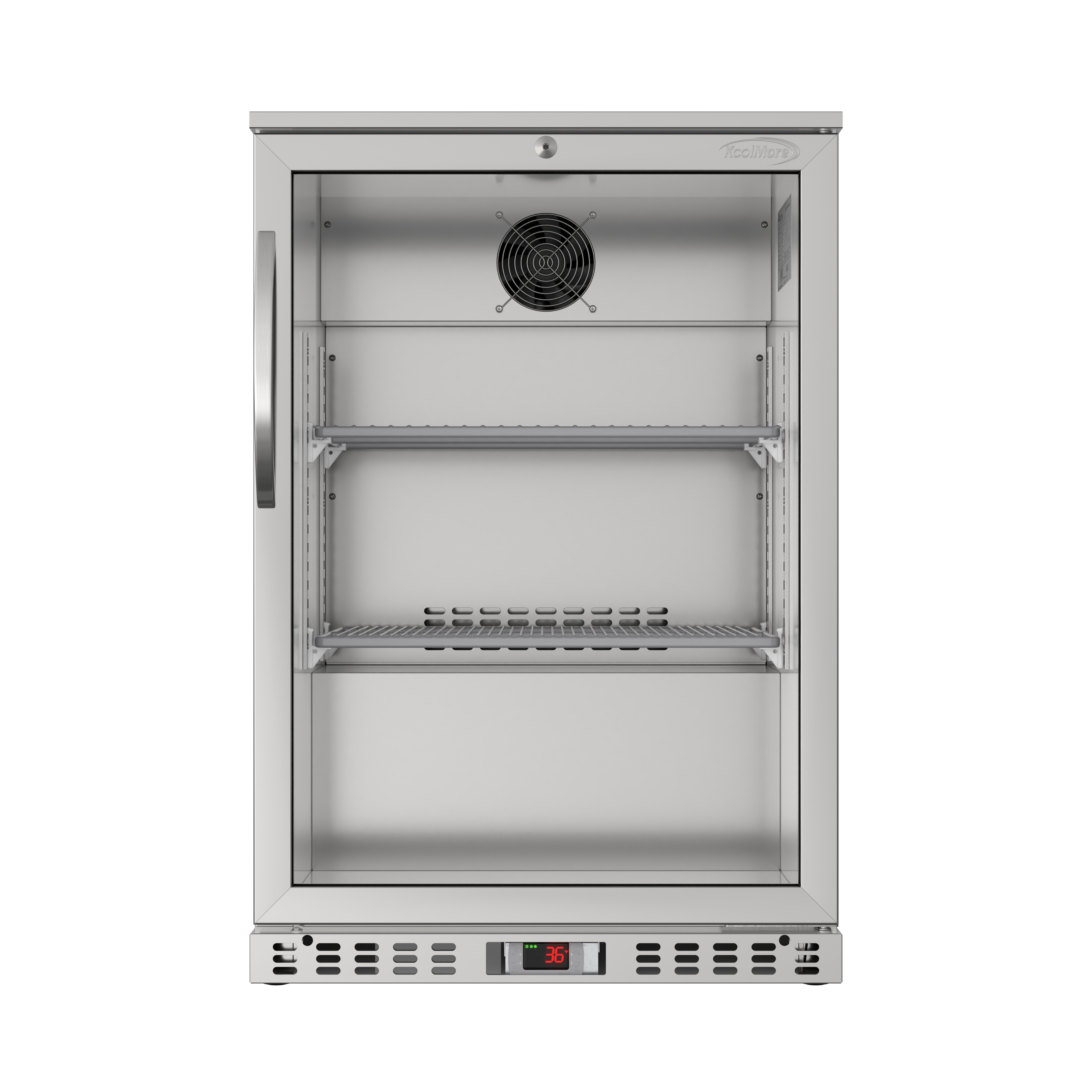
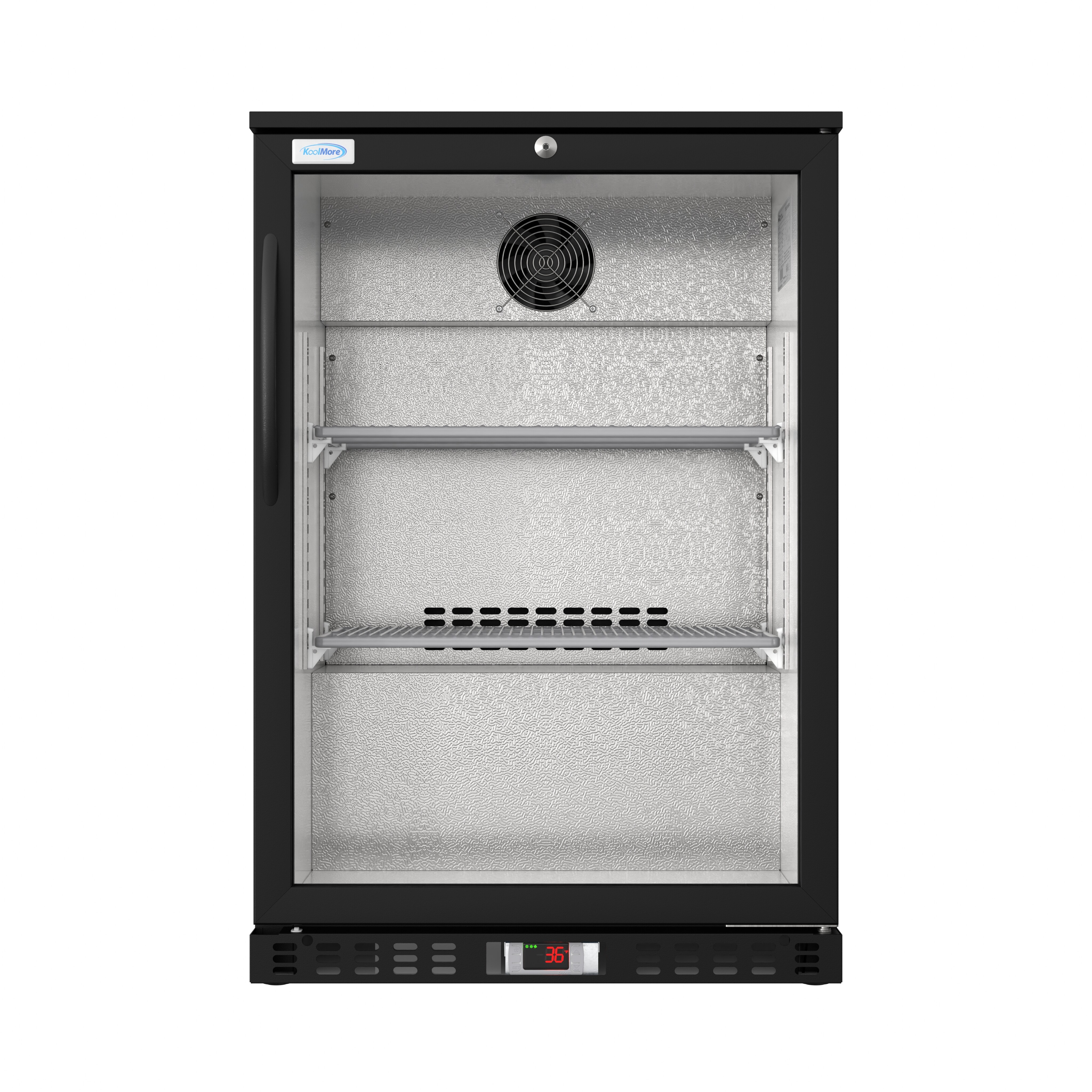
Beverage coolers typically come with adjustable flat chrome wire or tempered glass shelves, allowing you to customize the layout to fit cans standing upright, bottles of various heights, pitchers, and larger containers like growlers. Some models include can dispensers — angled wire racks that present cans in a row with automatic front-loading. The interior is designed for maximum volume and flexibility with mixed container sizes.
Wine refrigerators are equipped with pull-out wooden or wire shelves with scalloped grooves that hold bottles horizontally. Horizontal storage keeps wine in contact with the natural cork, preventing the cork from drying out and allowing air to enter the bottle. Each shelf typically holds 4 to 8 bottles depending on unit width, and these racks can often be configured to accommodate different bottle sizes, including standard 750 ml bottles and larger magnums. Ball-bearing shelf glides allow smooth, vibration-free access to individual bottles, and premium models use beechwood shelves that dampen vibration.
Appliance Type
Shelf Type
Adjustability
Undercounter Beverage Cooler
Wire or Glass
High
Wine Refrigerator
Wood or Metal Racks
Moderate
For those who entertain frequently and need to store a diverse range of drinks, a beverage cooler with adjustable shelves might be the better choice. If you are a wine enthusiast, a wine refrigerator with specially designed racks could be more suitable. For more insights into appliance choices, visit Fridge.com article on the best fridge cooler for a xanadu house.
Undercounter Beverage Cooler: Typically features bright LED lighting that illuminates the entire interior, making it easy to locate your drinks. The lighting is often designed to showcase a variety of beverages attractively.
Wine Refrigerator: Often equipped with soft, ambient lighting to gently illuminate the wine bottles. Interior LED lighting uses low-heat, low-UV bulbs that illuminate the collection without contributing to wine degradation.
Feature
Undercounter Beverage Cooler
Wine Refrigerator
Lighting Type
Bright LED
Soft Ambient
UV Protection
No
Yes
Door Options
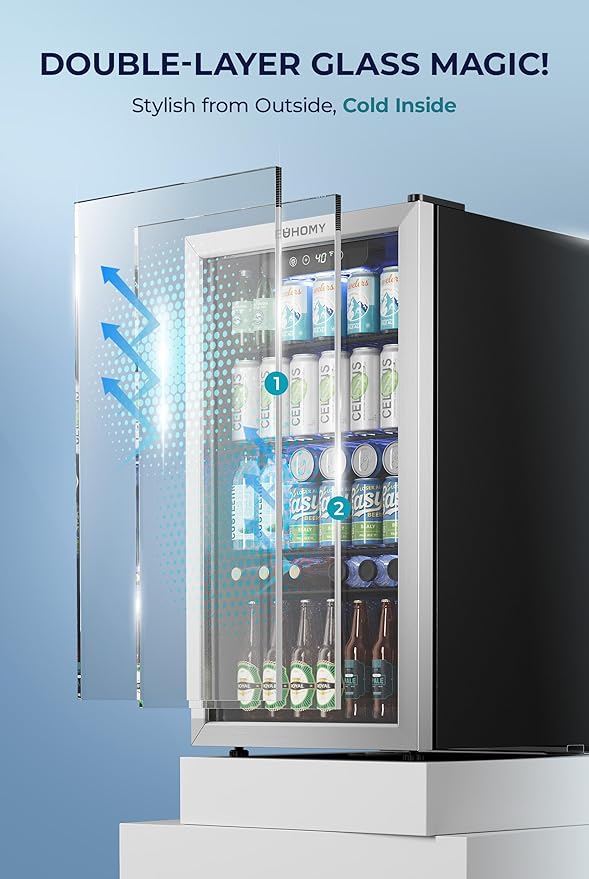
Undercounter Beverage Cooler: Typically comes with a clear glass door that allows you to see the contents without opening the unit. This can be single or double-paned glass for better insulation. Canned and bottled beverages in opaque containers are not affected by UV light, so UV protection is not a design priority, though some premium models include tinted glass for aesthetic reasons.
Wine Refrigerator: Features UV-tinted or UV-coated double-pane tempered glass doors that block ultraviolet light. UV radiation degrades tannins and pigments in wine, causing premature aging and off-flavors; the tinted glass maintains the display appeal of a glass door while protecting the wine. Some models come with solid doors to further protect the wine from light and temperature fluctuations.
Feature
Undercounter Beverage Cooler
Wine Refrigerator
Door Type
Clear Glass
Tinted/UV-Protected Glass, Solid
Insulation
Single/Double-Paned Glass
Enhanced for Temperature Stability
Vibration Control
Wine refrigerators minimize vibration through rubber-mounted compressors, vibration-dampened shelf mounts, and quiet fan motors. Wine sediment — particularly in aged reds — can be disturbed by constant vibration, affecting clarity and taste, and long-term vibration may accelerate unwanted chemical reactions in aging wine. Low-vibration design is a core engineering specification for wine refrigerators.
Undercounter beverage coolers use standard compressor mounting without special vibration dampening. Vibration has no effect on canned soda, beer, water, or juice, and the simpler compressor mounting contributes to the beverage cooler's lower price point.
Noise Level
Both appliance types produce 35–45 dB during compressor operation — comparable to a quiet library or a humming refrigerator. Wine refrigerators may be slightly quieter due to vibration-dampened compressor mounting. In a kitchen, neither appliance is noticeable above normal ambient sound; in a quiet home bar or living room, both are audible but not intrusive.
Additional Features
Adjustable Shelves: Beverage coolers often come with adjustable wire or glass shelves to accommodate various sizes of cans and bottles. Wine refrigerators typically have contoured shelves designed to hold wine bottles securely.
Temperature Zones: Many wine refrigerators offer dual-zone temperature control, allowing you to store different types of wine at optimal temperatures. Beverage coolers may also come with dual zones but are generally designed to keep all beverages at a consistent temperature.
Locking Mechanism: Some models of both types may include a locking mechanism for added security, particularly useful in settings where you want to control access.
Feature
Undercounter Beverage Cooler
Wine Refrigerator
Adjustable Shelves
Yes
Contoured for Wine Bottles
Temperature Zones
Single/Dual
Dual-Zone Common
Locking Mechanism
Optional
Optional
For more information on different types of refrigerators and coolers, explore Fridge.com articles on freestanding refrigerator Vs. kegerator and best beverage cooler for a dorm.
Wine refrigerators cost 20–40% more than comparable beverage coolers because of specialized shelving, vibration control, UV glass, and tighter temperature precision. A combination wine and beverage center costs more than either single-purpose appliance but less than buying both separately.
Placement Considerations
Indoor Vs. Outdoor Use
Indoor Use: Both undercounter beverage coolers and wine refrigerators are commonly used indoors. They can be seamlessly integrated into kitchen cabinets, basement bars, or home offices. Indoor models often feature designs that blend well with interior decor.
Outdoor Use: Outdoor models are built to withstand varying weather conditions. They are typically equipped with more robust materials to handle humidity, temperature fluctuations, and potential exposure to the elements — outdoor-rated models use sealed electronics and weatherproof construction. If you're considering placing your cooler or refrigerator in a backyard, near a pool, or in a garage, ensure it is rated for outdoor use.
Common Placement Locations
Undercounter wine refrigerators install most commonly in kitchens (under the main counter or in an island), home bars, butler's pantries, dining rooms (under a sideboard or buffet), basements, and dedicated wine rooms. The glass door with soft LED lighting creates an attractive display that doubles as ambiance for entertaining spaces. Wine fridges work best in locations where wine is opened and served — proximity to the dining table or bar counter makes the appliance most useful.
Undercounter beverage coolers install in kitchens, game rooms, home theaters, garages, pool houses, outdoor kitchens, offices, gyms, and any room where people gather. Cold drinks are universal — every room benefits from convenient access to ice-cold beverages without trips to the kitchen. Outdoor-rated undercounter beverage coolers are among the most popular additions to patio and deck renovations.
Space and Ventilation Requirements
Space Requirements: Measure the intended space to ensure the appliance fits perfectly. Undercounter models are designed to fit beneath countertops, but it's important to check the exact dimensions. For more information on compact options, you can read about the best freestanding compact freezer for a dorm.
Ventilation Requirements: Adequate ventilation is crucial to prevent overheating. Most undercounter models require front ventilation, meaning they vent through the front of the unit. This allows for seamless integration without the need for additional space at the sides or back. Make sure the ventilation system is not obstructed to maintain efficiency and longevity. For tips on how to maintain different types of fridges, visit Fridge.com guide on how to defrost your fridge.
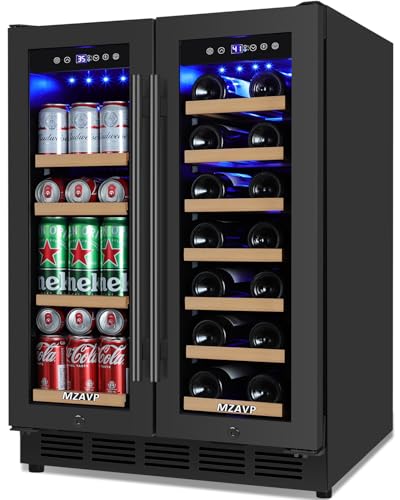
If you want both wine storage and cold beverage access but only have one cabinet opening, a combination wine and beverage center is the solution. These dual-zone undercounter units split the interior into two independently controlled sections — the wine zone with horizontal bottle racks at 45–65°F and the beverage zone with flat adjustable shelves at 34–50°F. Each section has its own thermostat, and premium models use separate evaporators for each zone to prevent temperature bleed between the wine and beverage compartments.
A 24-inch combination center typically holds 18–30 wine bottles plus 60–80 beverage cans — less than either dedicated single-purpose unit, but both functions in one footprint. For kitchens and bars where cabinet space is at a premium, the combination unit eliminates the choice between wine storage and cold drink access. Prices range from $500 to $3,000 depending on size, brand, and feature set.
Maintenance and Care
Cleaning and Organization
Regular cleaning is crucial for both undercounter beverage coolers and wine refrigerators. Clean interior surfaces every 3–6 months following these steps:
Unplug the Unit: Always unplug the cooler or refrigerator before cleaning.
Remove Contents: Take out all bottles and cans.
Shelves and Racks: Detach shelves and racks for separate cleaning.
Interior Cleaning: Use a mild detergent and warm water to clean the interior surfaces.
Exterior Cleaning: Wipe down the exterior with a damp cloth and mild cleaner.
Reorganize: After cleaning, reorganize the contents for better airflow.
Beyond cleaning, both appliance types benefit from the same annual checks. Vacuum or brush the condenser coils (accessible from the front on built-in models) once a year — dirty coils force the compressor to work harder, increasing noise, energy consumption, and wear. Check the door gasket for proper seal by closing the door on a dollar bill: if the bill slides out easily, the gasket needs replacement. Replace carbon air filters every 6–12 months on models with air filtration. Wine refrigerators with wooden shelving may need periodic conditioning with food-safe mineral oil to prevent wood drying and cracking, and the wood should be monitored for mold. Connect both appliance types to surge protectors to guard compressor electronics against power spikes.
For more detailed cleaning tips, visit Fridge.com guide on how to defrost your fridge.
Energy Efficiency
Temperature Settings: Set the temperature according to the manufacturer’s recommendations.
Proper Ventilation: Ensure there is enough space around the unit for proper airflow.
Regular Maintenance: Clean the coils and vents to improve efficiency.
Seal Check: Inspect door seals regularly to ensure they are airtight.
Feature
Undercounter Beverage Cooler
Wine Refrigerator
Optimal Temperature (°F)
35 - 50
45 - 65
In dollar terms, a wine refrigerator's annual electricity typically runs $13–$32 and a beverage cooler's $19–$39. Wine refrigerators tend to use slightly less energy because they maintain warmer temperatures, requiring less compressor work — a difference of roughly $5–$10 per year. ENERGY STAR certification is available for both categories and indicates the most efficient models.
Longevity and Warranty
Expected Lifespan: Wine refrigerators typically last 10–15 years with proper care; beverage coolers typically last 8–12 years. Both use the same proven sealed compressor refrigeration technology found in kitchen refrigerators.
Warranty Coverage: Most units come with a 1-3 year warranty on parts and labor. The compressor itself is often warranted separately for 5–10 years and is the most durable component. Some manufacturers offer extended warranties for additional coverage.
Common Repairs: Thermostat replacement runs $50–$150, fan motor replacement $30–$100, and door gasket replacement $20–$60. Compressor replacement on premium wine models runs $200–$500. Beverage cooler repair costs are generally lower because the components are more standardized.
Over a 10-year ownership period, a mid-range undercounter wine refrigerator totals roughly $1,000–$2,500 in purchase price, electricity, and maintenance, while a mid-range beverage cooler totals roughly $700–$1,800. The beverage cooler is the more economical choice over its lifetime, while the wine refrigerator justifies its premium through wine preservation.
For further details on maintenance and care, including cleaning routines and energy-saving tips, explore Fridge.com comprehensive guides on best fridge cooler for a xanadu house and best top freezer fridge for a grotto house.
Who Should Buy Which
Buy an undercounter wine refrigerator if wine is your priority beverage. The specialized temperature range, shelving, vibration control, and UV protection preserve wine quality and ensure proper serving temperatures. This is the right choice for wine collectors, wine enthusiasts, and homes where wine is served regularly.
Buy an undercounter beverage cooler if you want ice-cold sodas, beer, water, and mixed beverages readily available. The colder temperature range, adjustable flat shelving, and higher container capacity make it ideal for entertaining, game rooms, offices, and family use.
Buy a combination wine and beverage center if you want both wine storage and cold beverages in a single undercounter appliance. The dual-zone design maintains wine temperatures in one section and beverage temperatures in the other.
Compare undercounter wine refrigerators, beverage coolers, and combination wine and beverage centers at Fridge.com — filter by width (15-inch or 24-inch), capacity, temperature zones, and price to find the right undercounter appliance for your space.
What is the difference between an undercounter beverage cooler and a wine refrigerator?
An undercounter beverage cooler runs at 34–50°F with flat adjustable shelves for cans and bottles, while a wine refrigerator maintains 45–65°F with horizontal racks, UV-tinted glass, vibration dampening, and 50–70% humidity control designed specifically for wine preservation.
Can you store wine in a beverage cooler?
It is not recommended for anything beyond short-term chilling. Beverage coolers typically run at 36–38°F — too cold for wine, especially reds, which lose complexity below 50°F. They also lack the humidity control (50–70%), UV-protected glass, horizontal racks, and vibration dampening that protect wine over time.
Can you use a wine refrigerator as a beverage cooler?
Only partially. A wine refrigerator's 45–65°F range cannot chill sodas, beer, or water to the ice-cold 36–38°F most people expect, and its contoured wine racks do not hold cans upright efficiently. For mixed drinks, a beverage cooler or a dual-zone combination unit is the better fit.
Do beverage coolers and wine refrigerators fit the same cabinet opening?
Yes. Both install in a standard undercounter opening — typically 24 inches wide, 34 inches tall, and 24 inches deep — vent through the front, and plug into a standard 120V outlet, so either appliance (or a combination unit) fits the same space with no plumbing or special electrical work.
Which costs more to buy and run?
Wine refrigerators cost 20–40% more upfront than comparable beverage coolers ($600–$2,500 vs. $400–$1,500 for 24-inch models) but use slightly less electricity because they hold warmer temperatures. Annual energy costs run about $13–$32 for a wine refrigerator and $19–$39 for a beverage cooler.
How long do undercounter beverage coolers and wine refrigerators last?
Wine refrigerators typically last 10–15 years and beverage coolers 8–12 years with proper care — annual coil cleaning, gasket checks, and interior cleaning every 3–6 months. Most come with a 1-3 year parts-and-labor warranty, with compressors often warranted for 5–10 years.
Is there a unit that stores both wine and other beverages?
Yes — a combination wine and beverage center. These dual-zone undercounter units hold wine at 45–65°F in one section and beverages at 34–50°F in the other, each with its own thermostat. A 24-inch model typically fits 18–30 wine bottles plus 60–80 cans and costs $500–$3,000.
How loud are undercounter beverage coolers and wine refrigerators?
Both produce 35–45 dB during compressor operation — about as loud as a quiet library. Wine refrigerators may run slightly quieter thanks to vibration-dampened compressor mounting. Neither is noticeable over normal kitchen ambient sound.
Frequently Asked Questions
An undercounter beverage cooler and a wine refrigerator both install beneath a kitchen counter in a standard 24-inch cabinet opening, but they serve different drinks at different temperatures with different interior layouts. An undercounter beverage cooler runs at 34–50°F with flat adjustable shelves designed for cans, bottles, and mixed beverage containers. A wine refrigerator maintains 45–65°F with horizontal bottle racks, UV-tinted glass, and vibration dampening designed for wine preservation. This guide covers every specification so you can choose the right undercounter appliance.