Fresh gooseberries, when stored properly in the fridge, can typically last between 1 to 2 weeks.
Typically, unripe gooseberries can be stored for up to 3 weeks if kept in optimal conditions.
Trust your nose; if the gooseberries don't smell like they should, it's best to err on the side of caution and throw them out.
Whether you're a seasoned home cook or a curious food enthusiast, these tips will guide you through the best practices for prepping and storing gooseberries.
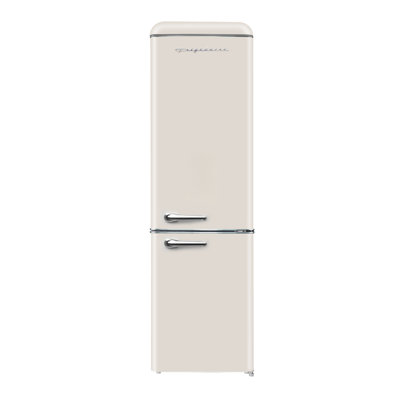
Fresh gooseberries last 1 to 2 weeks in the fridge, and up to 3 weeks when kept dry and unwashed in optimal conditions. For long-term storage they freeze well for 6 to 12 months. Want dependable cold to keep berries firm? Compare current refrigerators.
Storing Gooseberries in the Fridge
When you bring home a batch of fresh gooseberries, storing them properly in the refrigerator is key to maintaining their freshness and extending their shelf life. Here's how you can ensure your gooseberries stay delicious for as long as possible.
Proper Storage Guidelines
To properly store gooseberries in your refrigerator:
Select a shallow container to allow for air circulation around the berries.
Line the container with a paper towel to absorb any excess moisture.
Place the gooseberries in a single layer to avoid crushing and to allow for even cooling.
Cover the container with a loose-fitting lid or plastic wrap to protect the berries from other flavors and odors in the fridge.
Following these steps will help maintain the quality of your gooseberries.
Importance of Refrigeration
Refrigeration slows down the ripening process and inhibits the growth of bacteria and mold, which are common culprits of spoilage. Gooseberries are particularly sensitive to warmer temperatures, and without the cool environment of a refrigerator, they would quickly deteriorate.
The table below outlines the recommended storage times for gooseberries in the fridge:
Gooseberries are a delightful summer fruit, and their shelf life in the fridge can vary depending on their ripeness at the time of storage. By understanding how long gooseberries last, you can ensure their freshness and enjoy them at their peak flavor.
Fresh Gooseberries
Fresh gooseberries, when stored properly in the fridge, can typically last between 1 to 2 weeks. To maximize their freshness, gooseberries should be stored in a breathable container or a plastic bag with holes to allow for air circulation. It's also beneficial to place them in the crisper drawer of your refrigerator, where the temperature is more stable.
Condition
Expected Shelf Life
Room Temperature
2-3 days
Refrigerator
1-2 weeks
To learn more about the longevity of other perishable items, you can read about how long do african birds eye peppers last in the fridge? and how long does bolognese last in the fridge?.
Unripe Gooseberries
Unripe gooseberries can last a bit longer in the fridge compared to ripe ones, as they will continue to ripen slowly in the cool environment. Typically, unripe gooseberries can be stored for up to 3 weeks if kept in optimal conditions. It's important not to wash them before refrigeration, as the moisture can promote mold growth and lead to quicker spoilage.
By properly storing your gooseberries in the fridge, you can enjoy their tangy flavor for a longer period. Always check for signs of spoilage before consumption, and consider using preservation methods like freezing if you wish to extend their shelf life further.
Signs of Spoilage
When it comes to preserving the freshness of gooseberries, recognizing the signs of spoilage is crucial. This will not only help in ensuring that you consume them when they are at their best but will also prevent potential foodborne illnesses. Here are the key indicators that your gooseberries may no longer be fit for consumption.
Visual Cues
One of the first indicators that gooseberries are past their prime is their appearance. Fresh gooseberries have a bright, vibrant color and a firm texture. When they start to spoil, you might notice several visual changes:
Discoloration: Any signs of browning or dullness in color can indicate spoilage.
Shriveling: A wrinkled or shriveled surface is a sign that the gooseberries are dehydrating and decaying.
Mold Growth: The presence of mold, which can appear as fuzzy spots in various colors, is a clear sign that the gooseberries should be discarded.
It's important to inspect the gooseberries regularly and remove any that show signs of spoilage to prevent the spread to the healthy ones.
Smell Test
Another reliable way to determine the freshness of your gooseberries is by their smell. Fresh gooseberries have a mildly sweet and tangy scent. If your gooseberries have developed an off-odor—a sour or fermented smell—it's a strong indicator that they are no longer good to eat. Trust your nose; if the gooseberries don't smell like they should, it's best to err on the side of caution and throw them out.
Regularly monitoring the condition of your gooseberries helps in maximizing their shelf life and ensures that you enjoy their optimal flavor and nutritional benefits. For those who have other produce in storage, similar principles apply. Discover how to keep different types of produce fresh by exploring articles on topics such as how long do african birds eye peppers last in the fridge? or how long does salsa last in the fridge?. By understanding the signs of spoilage, you can prevent waste and enjoy your fruits and vegetables safely.
Ensuring your gooseberries remain fresh for as long as possible requires proper storage techniques. By freezing or preserving your gooseberries, you can extend their shelf life significantly.
Freezing Gooseberries
Freezing is an excellent way to prolong the freshness of your gooseberries. To freeze gooseberries:
Wash the berries thoroughly and pat them dry.
Remove any stems or leaves.
Lay the gooseberries on a baking sheet in a single layer, ensuring they are not touching.
Place the baking sheet in the freezer until the gooseberries are completely frozen.
Transfer the frozen gooseberries to an airtight container or freezer bag and return them to the freezer.
State
Shelf Life
Fresh Gooseberries (Refrigerated)
1-2 weeks
Gooseberries (Freezer)
6-12 months
When you're ready to use the gooseberries, you can defrost them in the refrigerator or use them straight from the freezer for cooking or baking. For step-by-step instructions on freezing, visit Fridge.com guide on how long do african birds eye peppers last in the fridge?
Preserving Gooseberries
Preserving gooseberries through canning or making jams and jellies is another method to extend their shelf life while adding a delicious twist. The process of preserving usually involves cooking the gooseberries with sugar and sometimes pectin, then storing them in sterilized jars.
Preservation Method
Shelf Life
Canned Gooseberries
1-2 years
Gooseberry Jam/Jelly
Up to 1 year
Always ensure that you follow proper canning guidelines to prevent the growth of bacteria. Preserved gooseberries are great for spreading on toast, adding to yogurts, or using as a topping for desserts. For tips on canning and recipes for preserves, check out Fridge.com article on how long does taro last in the fridge?
By utilizing these methods, you can enjoy your gooseberries throughout the year and benefit from their unique flavor and nutritional value long after the harvest season is over.
Proper handling of gooseberries not only ensures their freshness and longevity but also maximizes their flavor and nutritional value. Whether you're a seasoned home cook or a curious food enthusiast, these tips will guide you through the best practices for prepping and storing gooseberries.
Washing Gooseberries
Before storing your gooseberries in the fridge, it's crucial to wash them to remove any dirt or residues. However, it's also important to avoid washing them too soon before storage, as excess moisture can encourage mold growth and lead to quicker spoilage. Here's a simple guideline:
Wash your gooseberries with cool water just before you're ready to use them.
If you must wash them before storing, ensure they are completely dry before placing them in the refrigerator.
Removing Stems and Leaves
Gooseberries often come with stems and leaves attached, which can pierce the delicate skin of surrounding berries if not removed. Follow these steps:
Gently remove the stems and leaves before storing to prevent any unnecessary punctures or bruising.
Use a pair of kitchen scissors or your fingers to carefully detach the stems and leaves without damaging the gooseberries.
Storing Prepared Gooseberries
Once you have washed and removed the stems and leaves from your gooseberries, proper storage is key to extending their shelf life. Here's how to store prepared gooseberries:
Place the prepared gooseberries in a single layer on a paper towel-lined plate or tray, and let them air dry completely if they have been washed.
Transfer the dried gooseberries to a container lined with paper towels to absorb any remaining moisture.
Store the container in the refrigerator, ideally in a crisper drawer where the temperature is more consistent.
Check the gooseberries regularly for any signs of spoilage and use them within the optimal timeframe.
By following these tips, you can ensure your gooseberries remain fresh and delicious for as long as possible. For more information on the shelf life of various items in your fridge, you might be interested in reading about how long do soursops last in the fridge? or how long do carrots last in the fridge?.
Using Gooseberries
Gooseberries are versatile fruits that can add a tangy and refreshing flavor to a variety of dishes. Understanding how to incorporate them into your culinary repertoire can transform the way you approach both sweet and savory recipes.
Culinary Applications
Gooseberries can be enjoyed in multiple forms – raw, cooked, or preserved. Their distinct tartness makes them an excellent addition to pies, tarts, and crumbles. They can also be transformed into delightful jams, jellies, and chutneys, which pair wonderfully with cheeses and meats.
For a refreshing twist, you can incorporate gooseberries into salads, where they provide a burst of flavor. They can also be used in beverages, such as smoothies or cocktails, for a unique taste. Moreover, gooseberries can accompany savory dishes, adding a sharp contrast to rich, fatty meats.
Culinary Use
Suggested Pairing
Desserts
Sweet pastry crusts
Jams and Preserves
Artisan bread, scones
Salads
Leafy greens, nuts
Beverages
Herbal teas, spirits
Savory Dishes
Grilled chicken, pork
Recipes for Gooseberries
When it comes to recipes, gooseberries offer an exciting challenge for both novice and experienced cooks. Whether you're whipping up a classic gooseberry fool, a lush gooseberry compote, or a savory sauce to accompany a main dish, the options are endless.
Gooseberry Fool: A traditional dessert where gooseberries are stewed and folded into sweetened whipped cream.
Gooseberry Jam: Perfect for spreading on toast or as a filling for pastries.
Gooseberry Chutney: An excellent condiment for curries or as a cheeseboard accompaniment.
Gooseberry Pie: A quintessential summer dessert with a flaky crust and a tangy-sweet filling.
Gooseberry Salad: Toss fresh gooseberries with mixed greens, goat cheese, and a light vinaigrette for a refreshing side dish.
Experimenting with gooseberries in your kitchen can lead to delightful culinary discoveries. If you're wondering 'how long do gooseberries last in the fridge?', ensuring their longevity is key to having them ready for your recipes. Proper storage can maintain their freshness, allowing you to savor their unique flavor for an extended period. For more insights on prolonging the freshness of various foods, explore Fridge.com articles on how long does salsa last in the fridge? or how long does pumpkin pie last in the fridge?.
By incorporating gooseberries into your cooking, you can enjoy their distinct taste in a myriad of ways. Whether you're aiming for a sweet treat or a savory delight, these little fruits can provide a tantalizing twist to your dishes.
Yes, gooseberries can be frozen and this method can substantially extend their shelf life. To freeze them, ensure they're clean and free from stems and leaves. Spread the berries in a single layer on a baking sheet and place them in the freezer. Once frozen, transfer the gooseberries to an airtight container or freezer bag. They can be stored in the freezer for up to 6-12 months.
How to know if gooseberries have gone bad?
There are several signs that gooseberries have spoiled. Visually inspect the berries for mold or any shriveled, discolored skins. A mushy texture or a strong, off-putting smell are also indicators that the gooseberries should not be consumed. If you notice any of these signs, it is best to discard the gooseberries to avoid any potential food-borne illness.
Can you eat gooseberries raw?
Gooseberries can be eaten raw and are known for their tart, sometimes sweet flavor. They are often enjoyed fresh but can also be incorporated into salads, desserts, or as a tangy addition to drinks. Before eating them raw, make sure to wash them thoroughly and remove any stems or leaves.
Are gooseberries healthy?
Gooseberries are a healthy fruit rich in vitamins, minerals, and antioxidants. They contain vitamin C, fiber, and other nutrients that can support overall health. Incorporating gooseberries into your diet can provide health benefits, such as enhancing immune function and potentially reducing inflammation. For more on the health benefits of fruits, you might be interested in learning about how long do soursops last in the fridge? which are also known for their nutritional value.
Compare prices on Fridge.com
Compare current prices and specifications on Fridge.com, then buy from the retailer you choose; delivery, installation and warranty terms are the retailer’s.
It also has tons of awesome articles about kitchen stuff and home news. Enhance your home, garage, backyard, patio, and office with the coolest essentials. With every necessary type of residential refrigerator or freezer in the collection, you're covered.
Frequently Asked Questions
Yes, gooseberries can be frozen and this method can substantially extend their shelf life. To freeze them, ensure they're clean and free from stems and leaves. Spread the berries in a single layer on a baking sheet and place them in the freezer. Once frozen, transfer the gooseberries to an airtight container or freezer bag. They can be stored in the freezer for up to 6-12 months.