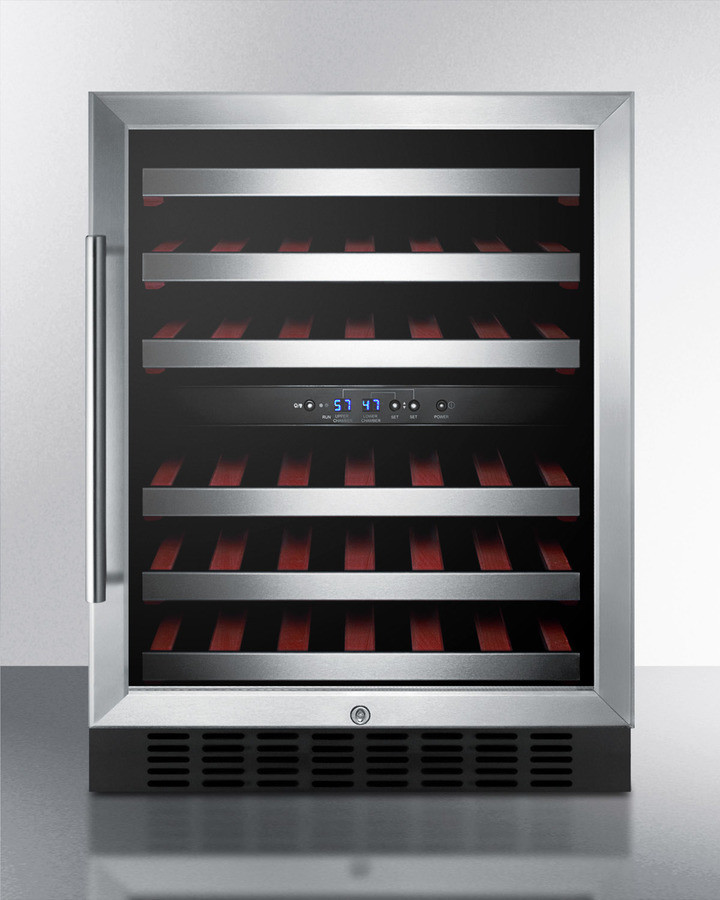
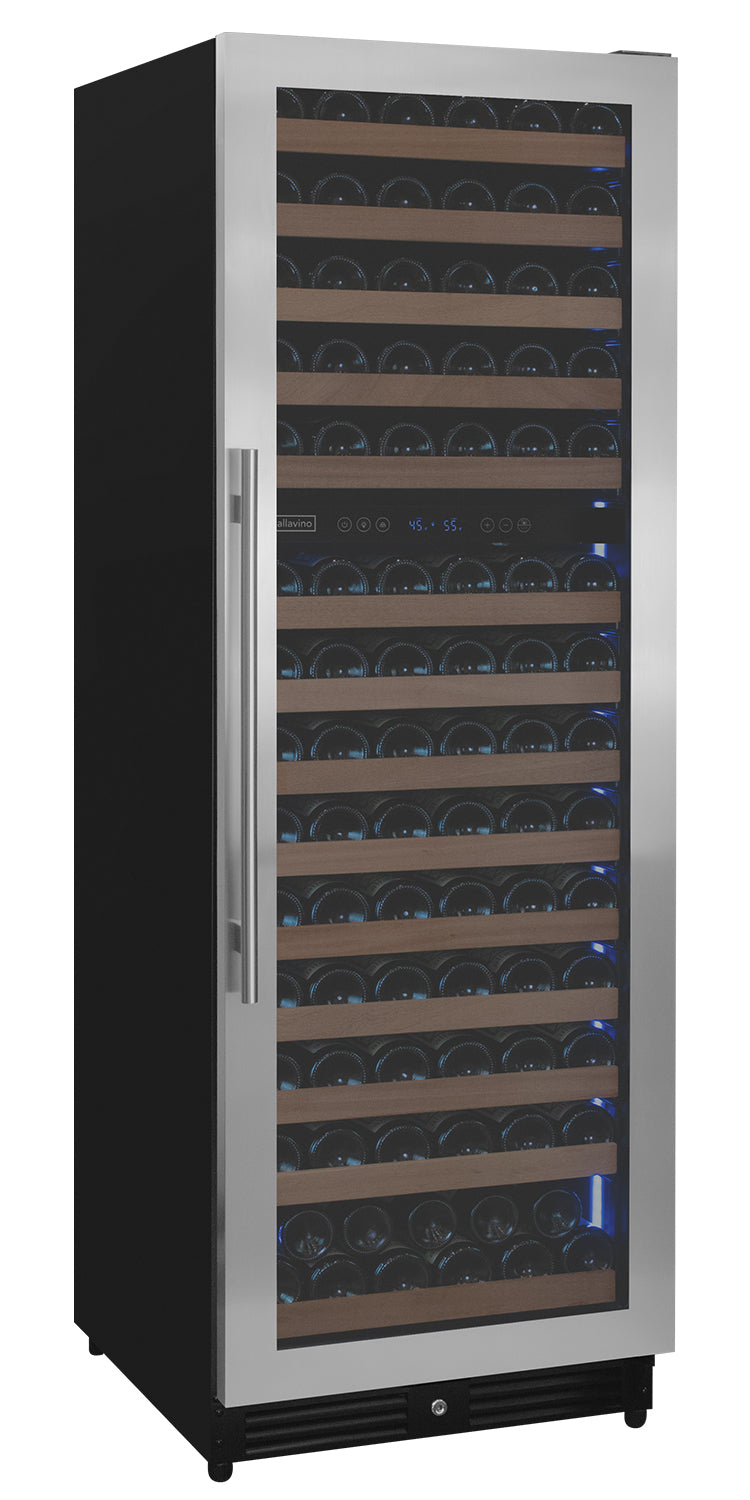
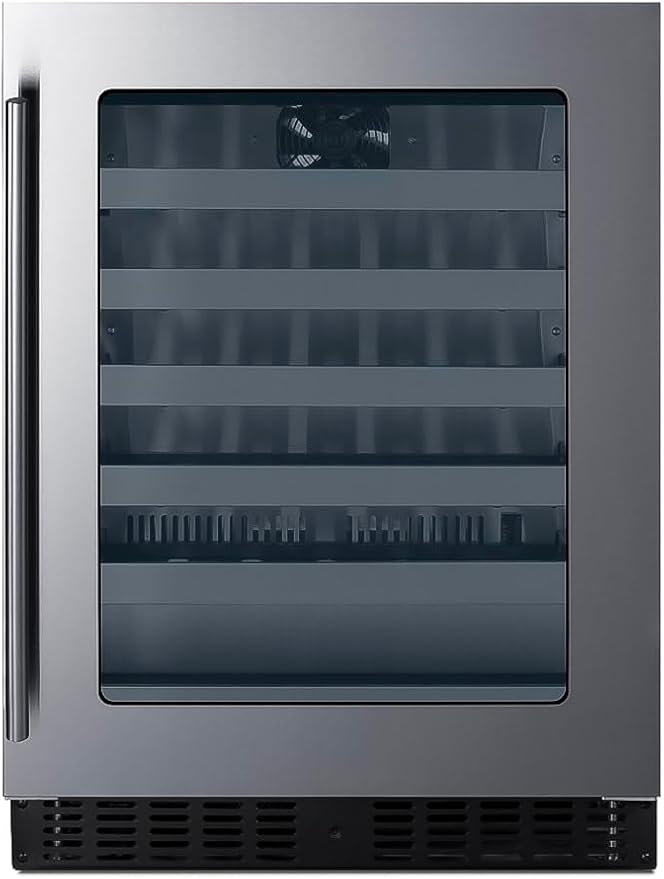
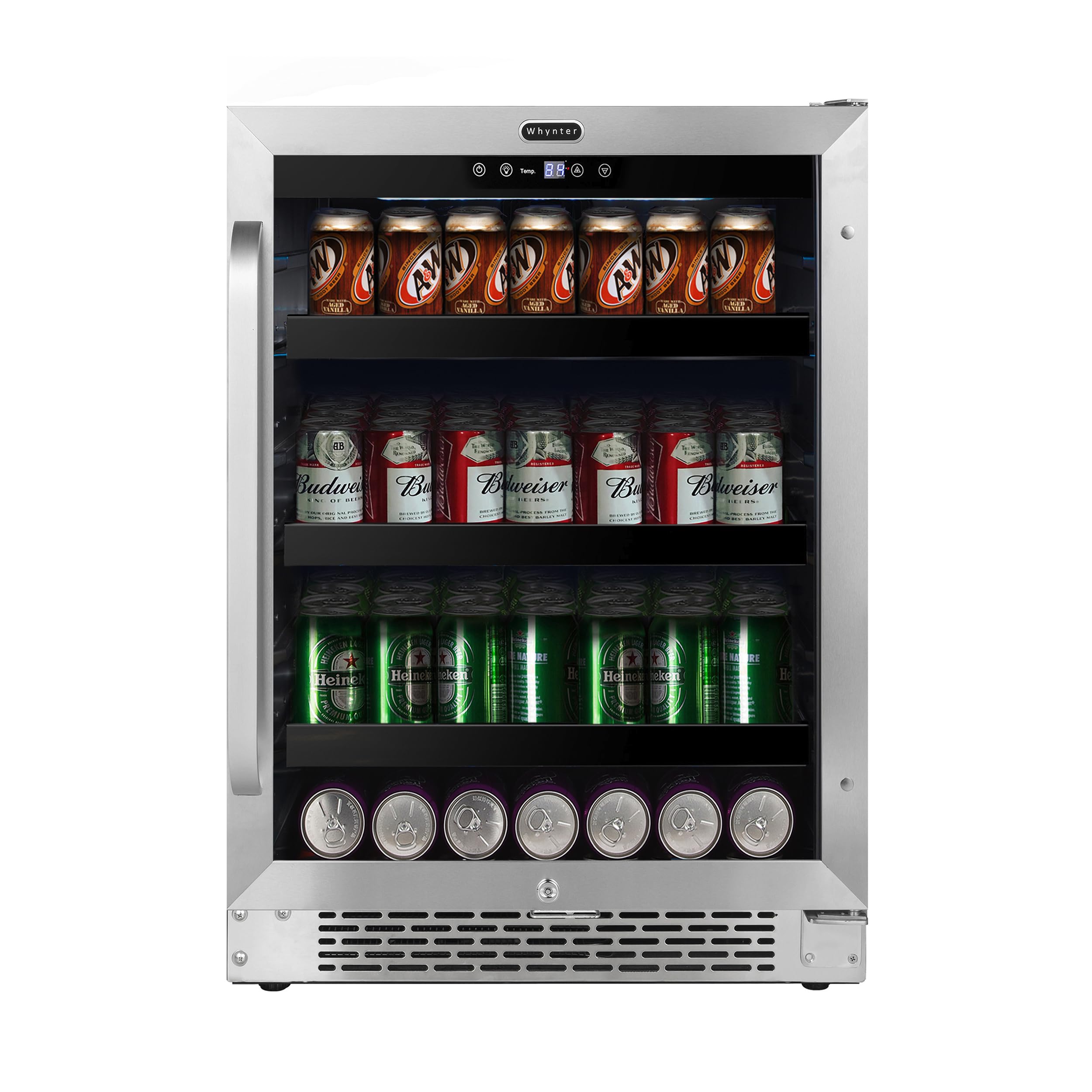
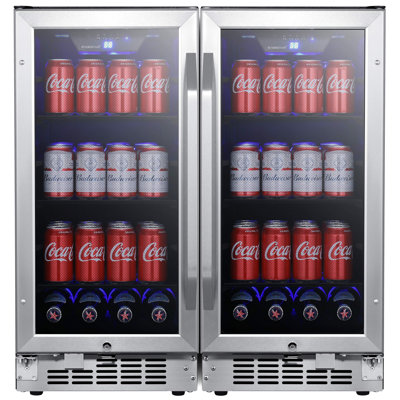
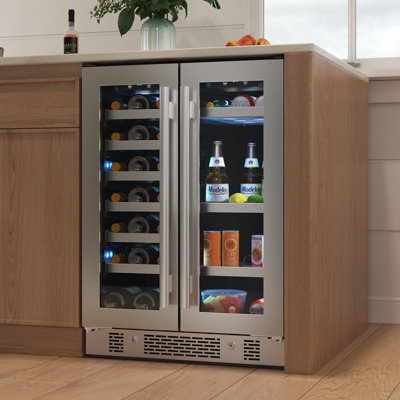
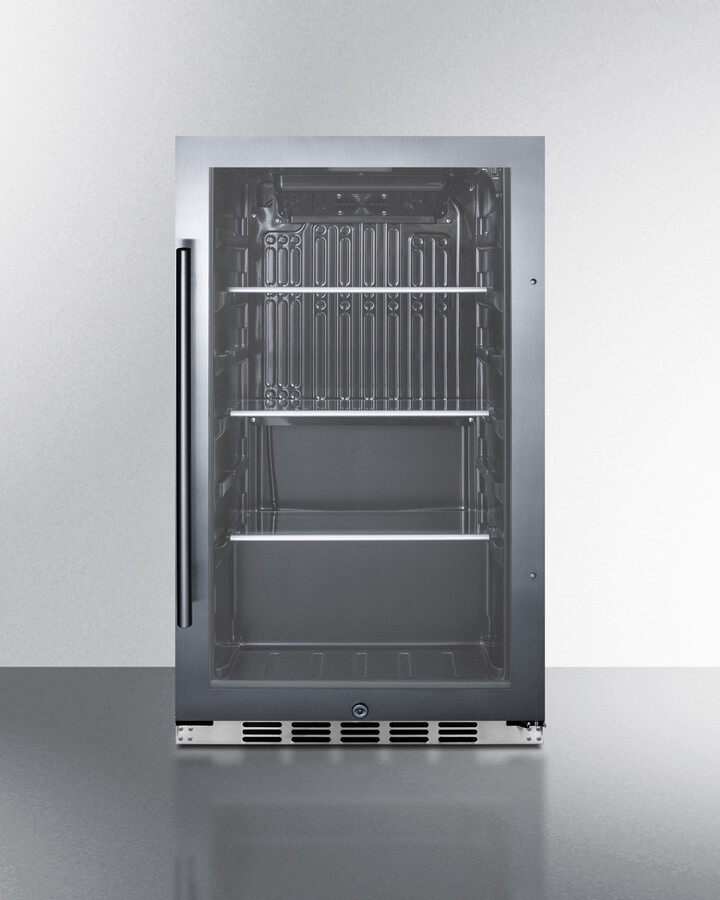
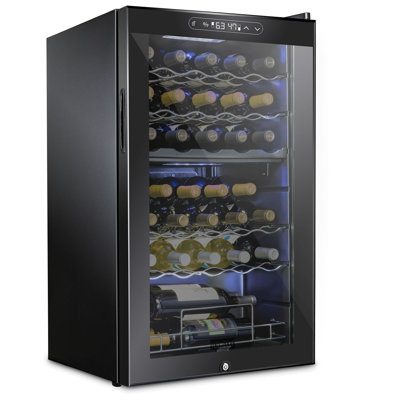
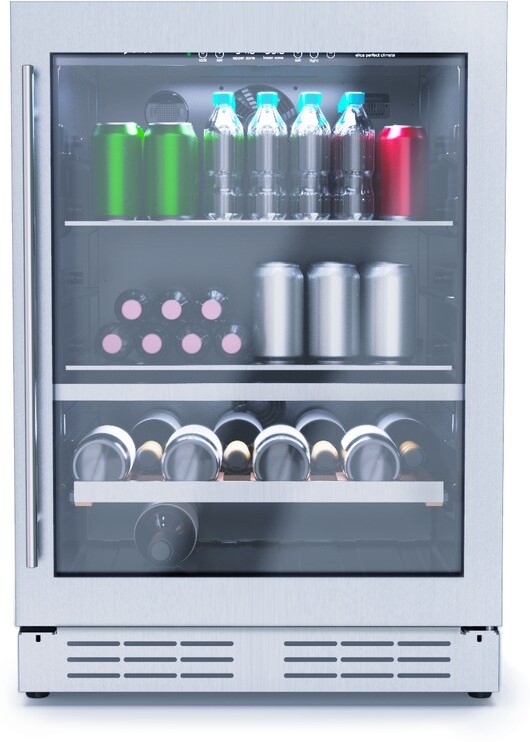
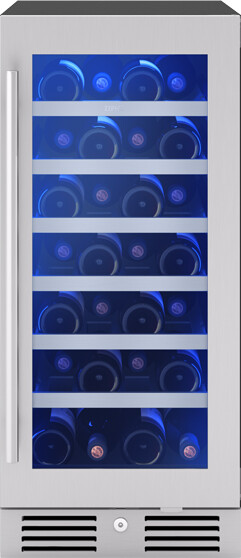
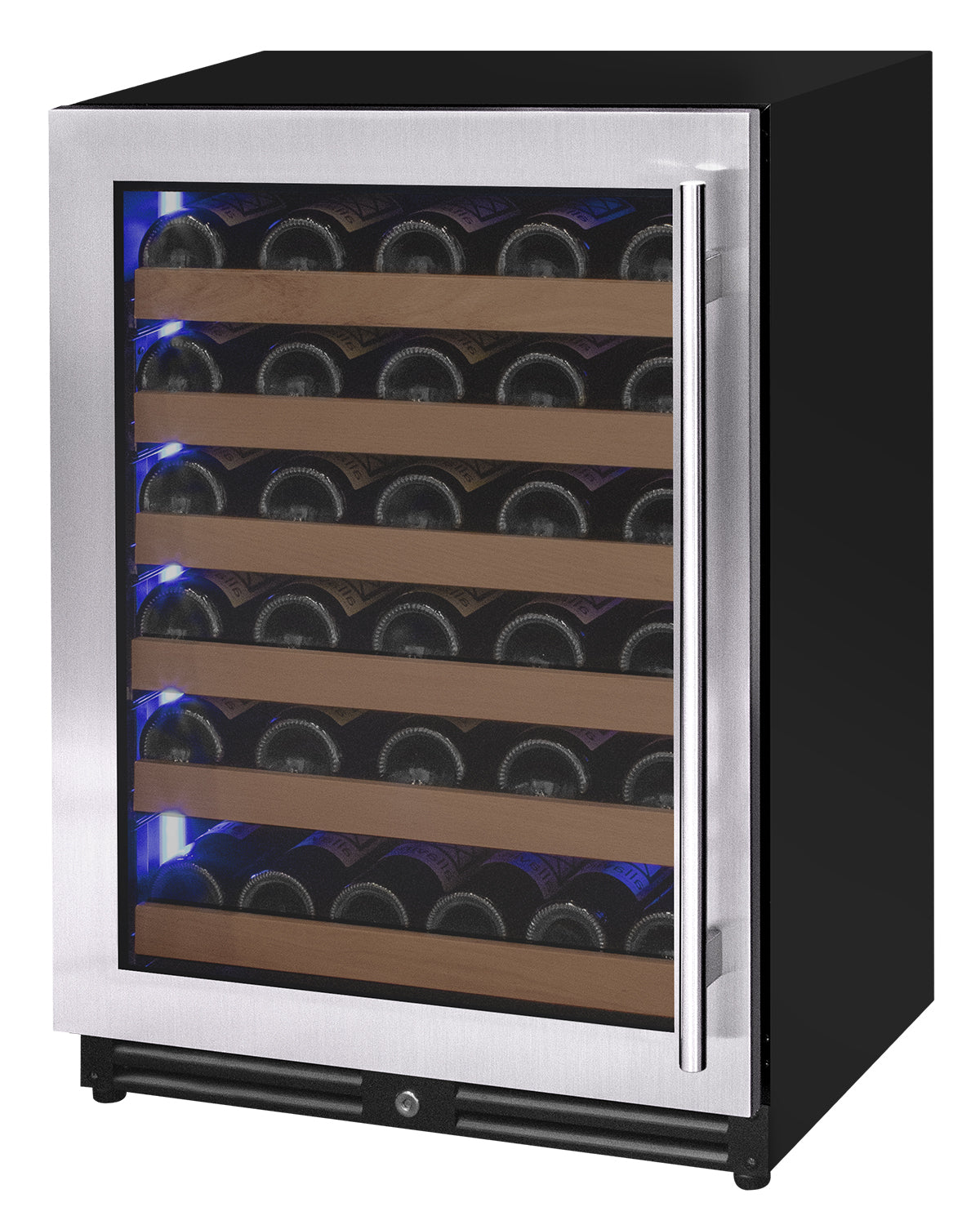
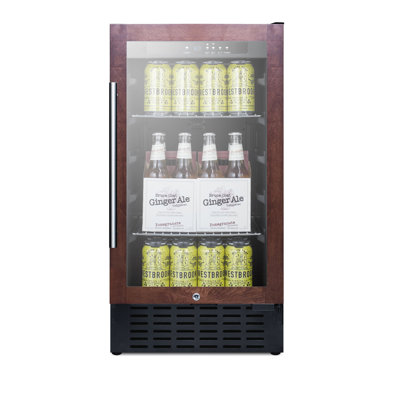
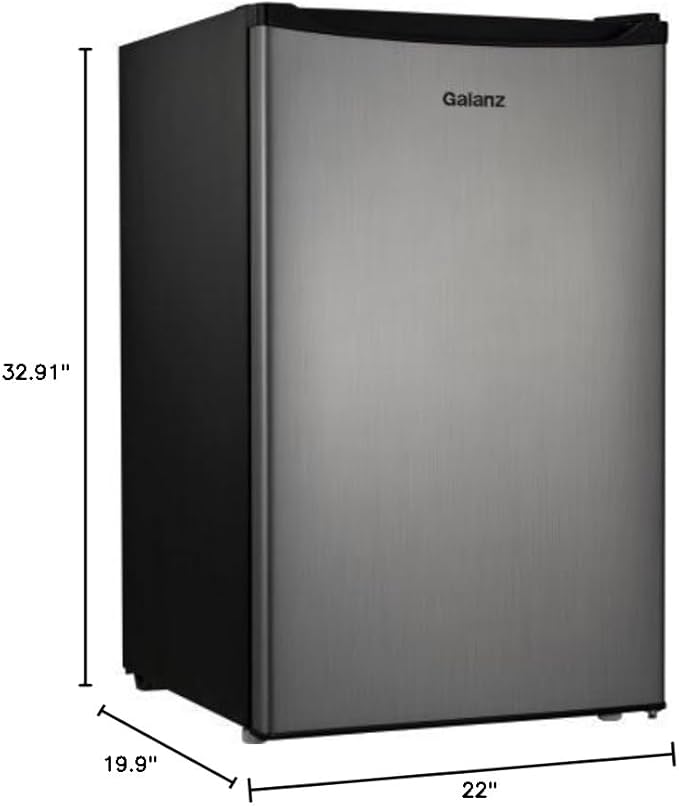
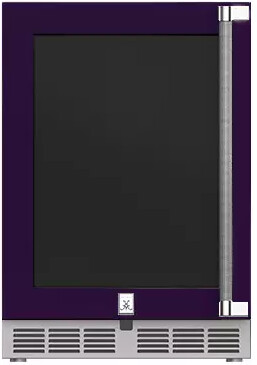
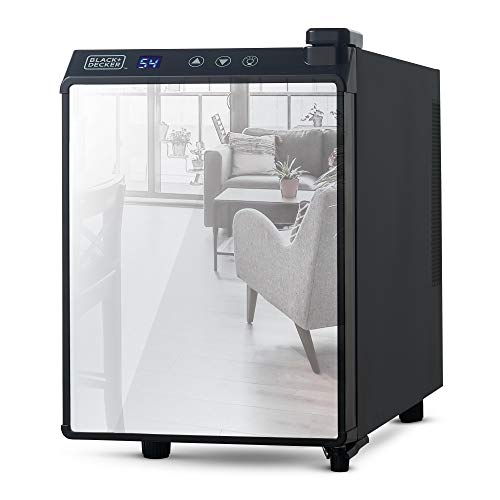
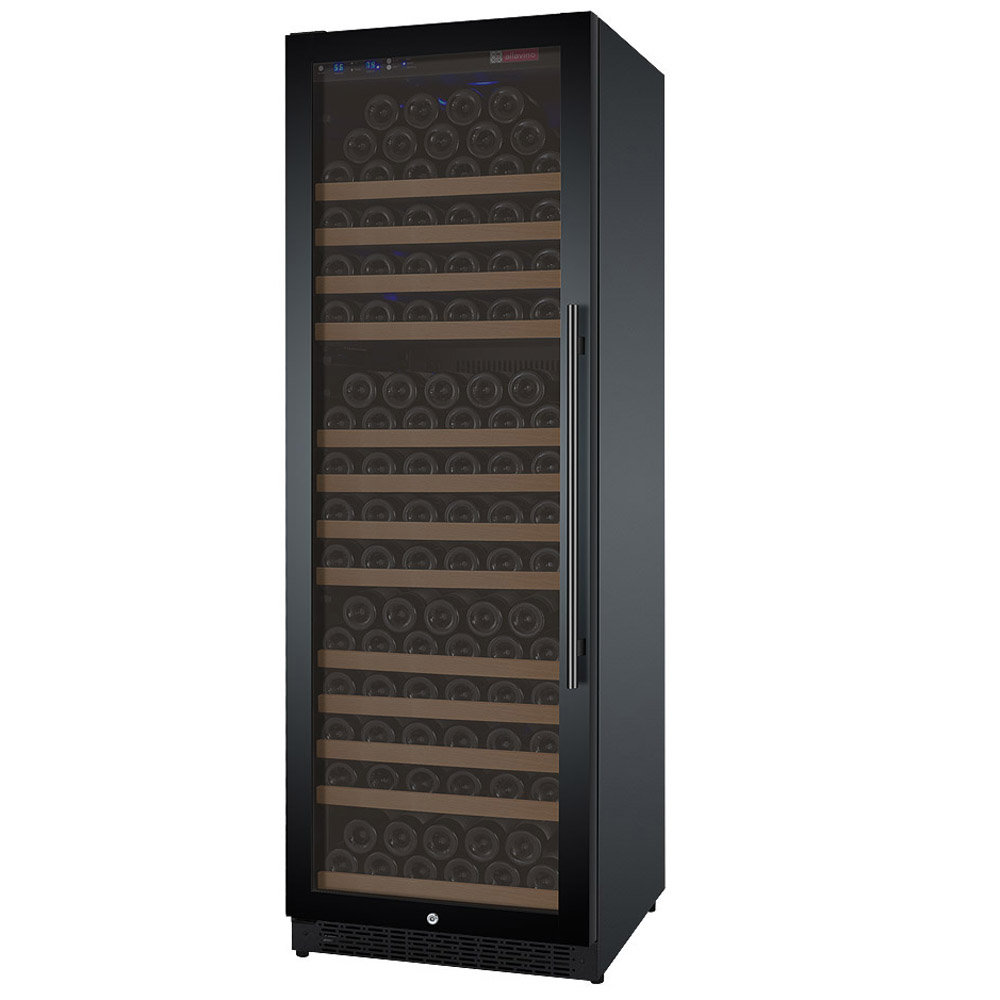
Common repairs (thermostat, fan motor, door gasket) run about $30-$150 each.
Neither term has an industry-standard technical definition — a $150 six-bottle countertop unit and a $5,000 three-hundred-bottle built-in cabinet can both be sold under either name.
"Wine cooler means lower quality; wine refrigerator means premium." False — both terms span the full price range from $100 budget units to $5,000 premium cabinets.
Both appliance types cover the 45-65°F band, but serving and aging call for different setpoints.
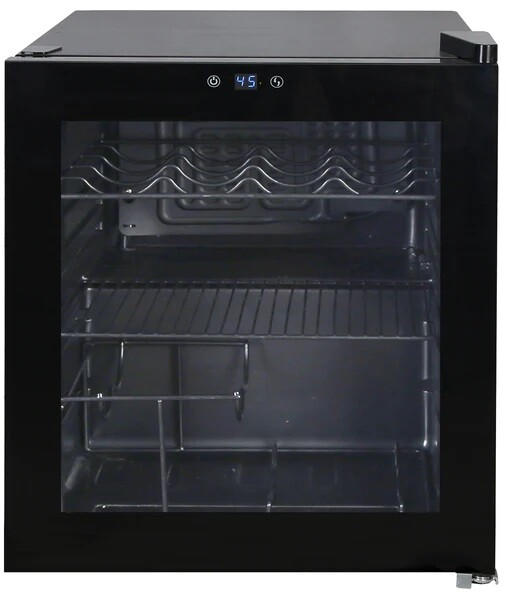
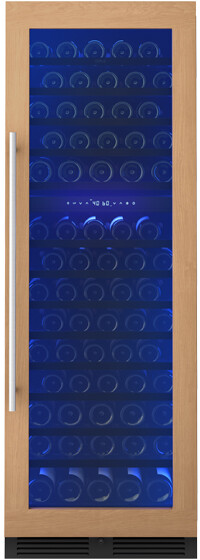
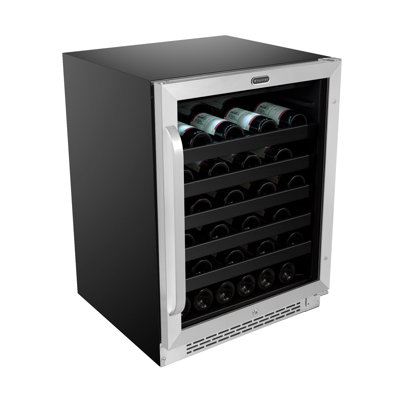
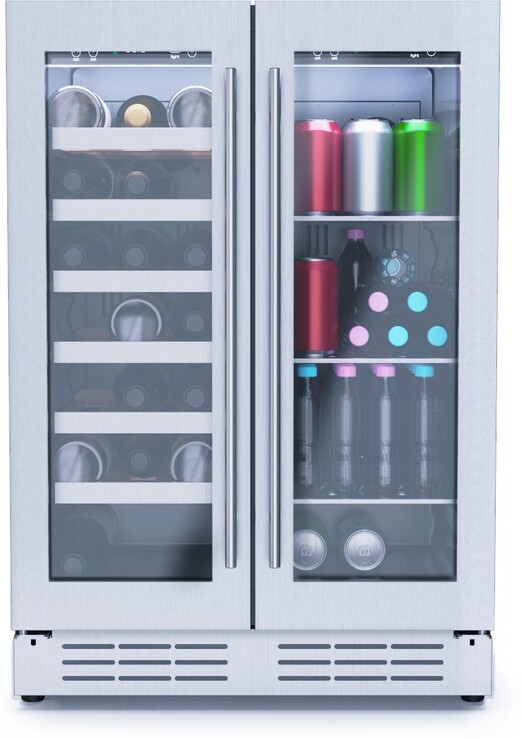
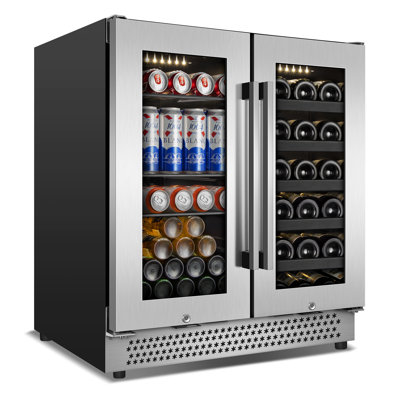
Wine coolers and wine refrigerators are, in retail practice, the same product category: a temperature-controlled cabinet built specifically for wine, with an adjustable 45-65°F range, horizontal shelving that keeps corks wet, UV-tinted glass doors, and either compressor or thermoelectric cooling. Neither term has an industry-standard technical definition — a $150 six-bottle countertop unit and a $5,000 three-hundred-bottle built-in cabinet can both be sold under either name. In everyday usage, however, "wine cooler" most often describes a compact unit that holds wine at serving temperature for near-term drinking, while "wine refrigerator" describes a larger cabinet engineered for long-term aging, with tighter control over temperature, humidity, and vibration. This guide covers both the terminology and the specifications that actually matter: temperature range, capacity, cooling type, zones, installation, and cost.
Are a Wine Cooler and a Wine Refrigerator the Same Thing?
For shopping purposes, yes. Manufacturers, retailers, and consumers use the two terms interchangeably. Amazon, Best Buy, Home Depot, and Lowe's all mix "wine cooler" and "wine refrigerator" across their catalogs — sometimes on the same page — and the same physical product from the same manufacturer may appear under different terms depending on the retailer. Searching for either term returns overlapping product sets.
The two names exist because of marketing history. Early wine storage appliances were called wine coolers because they cooled wine — simple and descriptive. As manufacturers added more sophisticated features (compressor cooling, dual zones, built-in installation, humidity management), some brands adopted "wine refrigerator" to signal a more serious, premium product. Listings that say "wine refrigerator" tend to emphasize precision features — exact temperature ranges, dual-zone controls, vibration dampening, UV ratings, built-in compatibility — and target serious collectors. Listings that say "wine cooler" tend to emphasize lifestyle benefits — entertaining, gifting, countertop convenience, affordability — and target casual drinkers and first-time buyers. Neither label is more accurate; the framing just hints at the intended audience.
Three misconceptions are worth clearing up:
"Wine cooler means lower quality; wine refrigerator means premium." False — both terms span the full price range from $100 budget units to $5,000 premium cabinets.
"Wine coolers are always thermoelectric; wine refrigerators are always compressor-based." False — while "wine chiller" does often imply thermoelectric cooling, neither "wine cooler" nor "wine refrigerator" carries a consistent technology implication.
"Wine coolers are for short-term chilling only; wine refrigerators are for long-term storage." As a hard rule, false — both terms describe appliances capable of short-term serving and long-term storage depending on the specific model's features and build quality. In practice, though, compact serving-oriented units are more often labeled coolers, and cellar-style aging cabinets are more often labeled refrigerators, which is where the common-usage distinction below comes from.
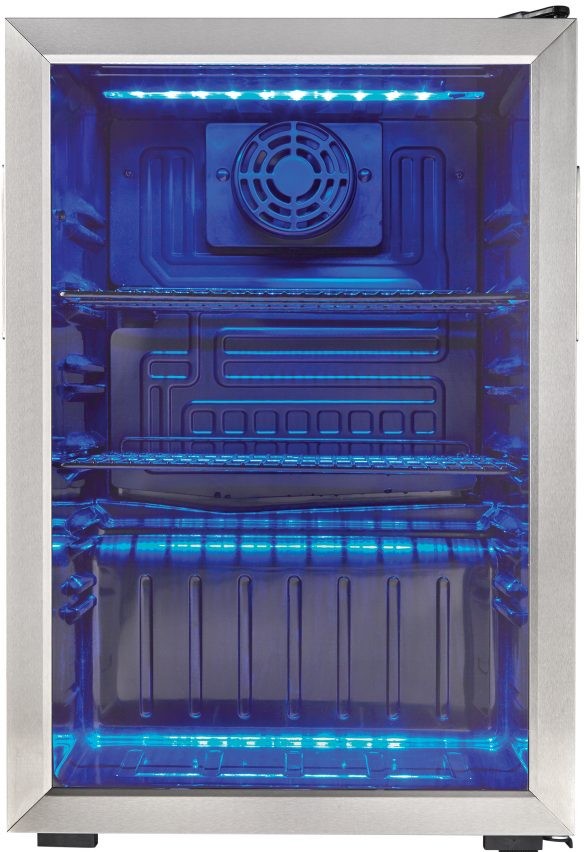
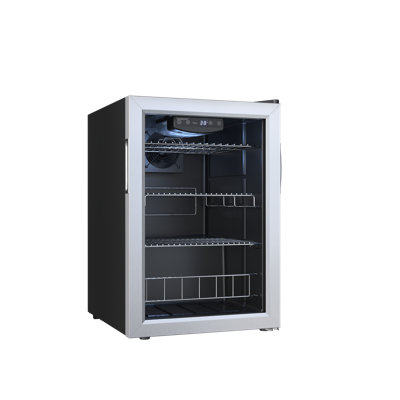
A wine cooler, in the common-usage sense, is a compact unit for the short-term storage of wine at a consistent serving temperature. It suits casual enthusiasts who buy wine to drink in the near term and want a variety of bottles ready for social gatherings. Wine coolers come in sizes from countertop to freestanding, fit under counters or stand alone in entertainment areas, and run quietly enough for living spaces. They may not offer the precise temperature control or humidity management required for long-term storage of fine wines. For a comparison of cooling and storage options, see built in beverage center vs. wine cooler.
Wine Refrigerator Overview
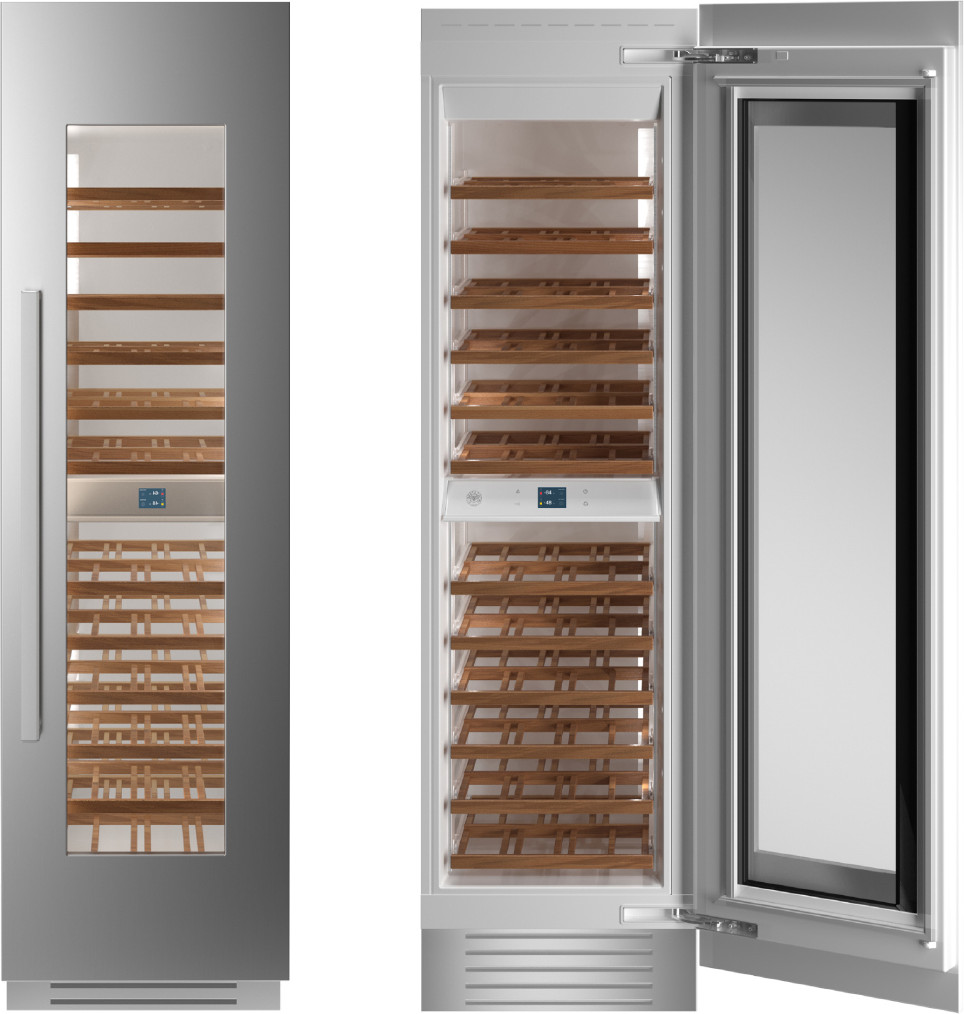
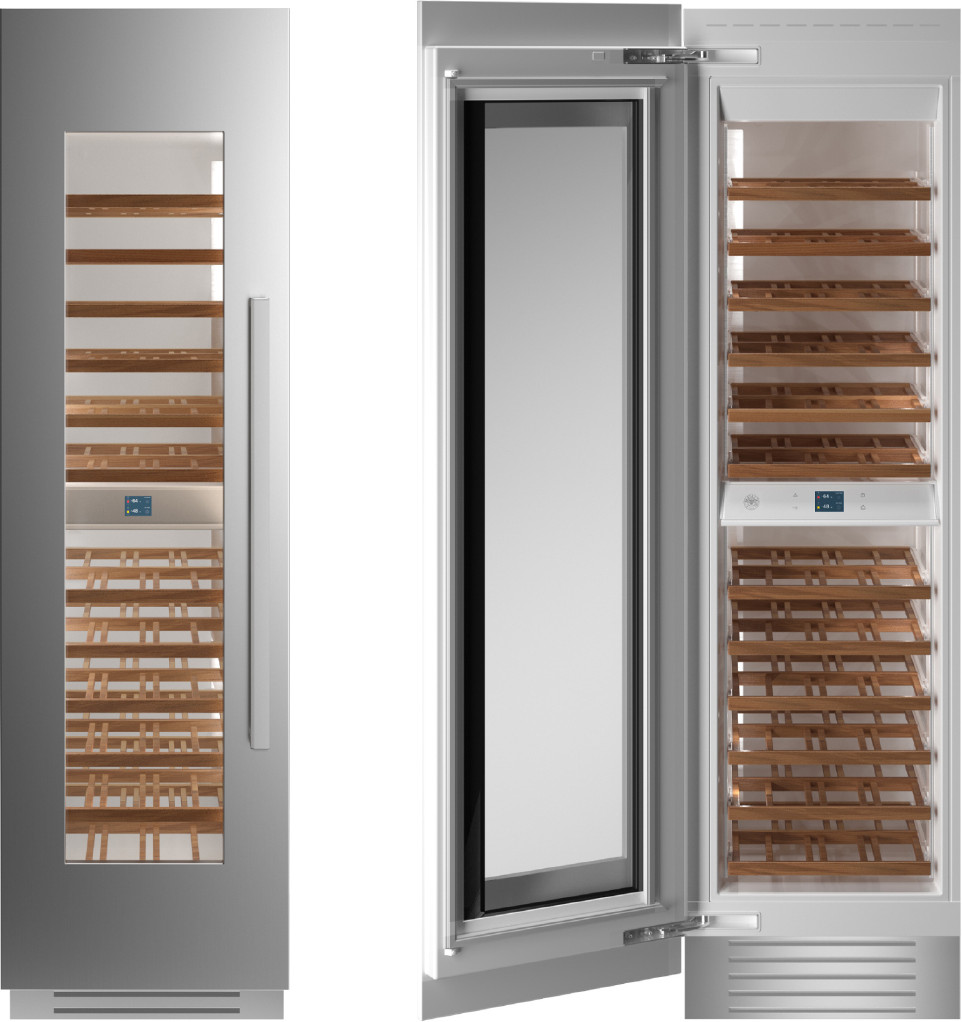
A wine refrigerator, in the common-usage sense, is engineered for long-term storage and aging. It simulates the conditions of a traditional wine cellar: consistent temperature, higher humidity to keep corks from drying out, and protection from light and vibration. These units are typically larger, with precise temperature and humidity controls, and often include dual temperature zones for storing reds and whites simultaneously, UV-protected glass doors, and shelving sized for varied bottle formats. For how these units fit different living spaces, see convertible freezer refrigerator vs. wine refrigerator.
Proper temperature control is critical to preserving wine's flavor, aroma, and quality. Both appliance types cover the 45-65°F band, but serving and aging call for different setpoints.
Wine Cooler Temperature Range
A wine cooler is designed to hold wine slightly warmer than a standard refrigerator, at serving temperature:
Wine Type
Serving Temperature
Full-bodied red wines
60-65°F (15-18°C)
Light-bodied red wines
55°F (13°C)
Full-bodied white wines
50-55°F (10-13°C)
Light-bodied white wines
45-50°F (7-10°C)
Sparkling wines & Champagne
40-45°F (4-7°C)
Wine Refrigerator Temperature Range
Wine refrigerators are engineered for both serving and aging, with precise setpoints that mimic a traditional cellar:
This is the real technology distinction in wine storage — not the cooler-versus-refrigerator label. Compressor models use the same refrigeration technology as a kitchen fridge: a compressor circulates refrigerant through coils to extract heat. They hold precise temperatures regardless of ambient room conditions, support cabinets of 300+ bottles, and perform well in garages, outdoor kitchens, and hot rooms.
Thermoelectric models use a Peltier module — an electronic chip that creates a temperature differential when current flows through it. They are quieter (25-35 dB vs. 35-45 dB for compressor units), produce zero vibration, and cost less at small capacities. The trade-offs: they can only cool 20-30°F below room temperature, which makes them unreliable in rooms above 77°F, and their maximum capacity tops out around 30 bottles. Thermoelectric is best for small collections kept in temperature-controlled rooms.
Single-Zone Vs. Dual-Zone
Single-zone models hold one temperature throughout the cabinet: set 55°F for a red-only collection, 48°F for whites only, or 52-54°F as a compromise for a mixed collection. Single-zone units are simpler, cheaper, and available in every size — the right choice if you store mostly one type of wine.
Dual-zone models split the cabinet into two independently controlled compartments: set the upper zone to 45-50°F for whites and sparkling wines and the lower zone to 55-65°F for reds. Cold air sinks, so the white-wine zone is typically on top. Dual-zone adds roughly 10-20% to the price but eliminates the temperature compromise of storing a mixed collection in a single zone.
Buy 20-30% more capacity than your current collection. Wine collections grow — a 50-bottle buyer today often becomes an 80-bottle buyer within two years, and the marginal cost of extra capacity at purchase time is far less than buying a second unit later.
Wine coolers are designed with versatility and aesthetics in mind, from small countertop units to larger freestanding pieces:
Feature
Description
Glass Doors
Typically feature tinted glass doors to protect wine from UV light.
Shelving
Adjustable or fixed shelves, usually made of wire or wood.
Lighting
LED interior lights that showcase the wine without generating heat.
Finish
Available in different finishes, often stainless steel or black.
Their quiet operation suits living areas, and some models are built for undercounter installation in kitchen cabinetry.
Wine Refrigerator Design Features
Wine refrigerators are built with a focus on function and preservation for serious collectors:
Feature
Description
Construction
Built with robust insulation and materials designed to last.
Door Type
Solid doors or UV-protected glass to prevent light exposure.
Racking
Often wood to minimize vibration with options for custom configurations.
Locks
Security features such as locks to keep collections safe.
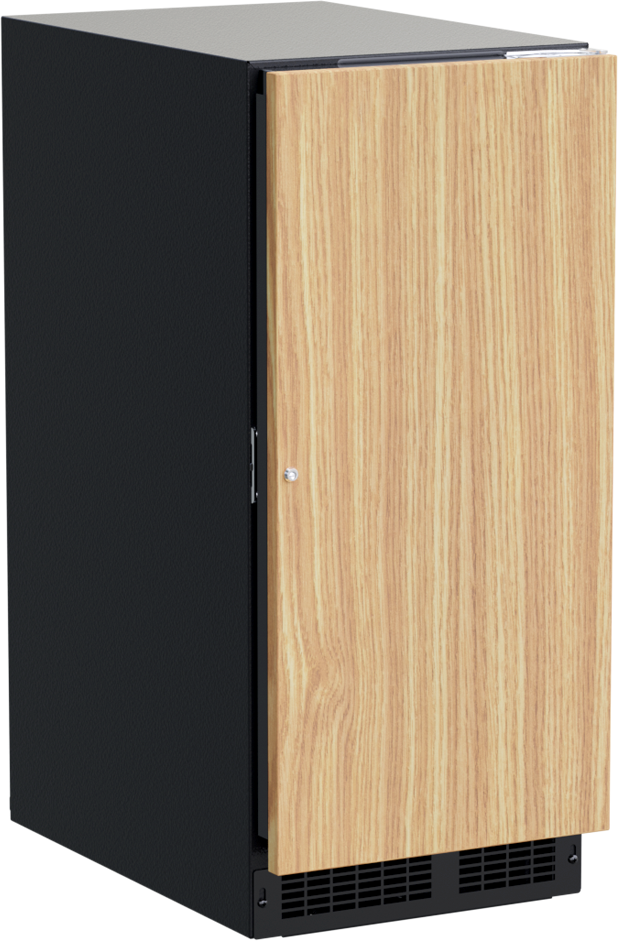
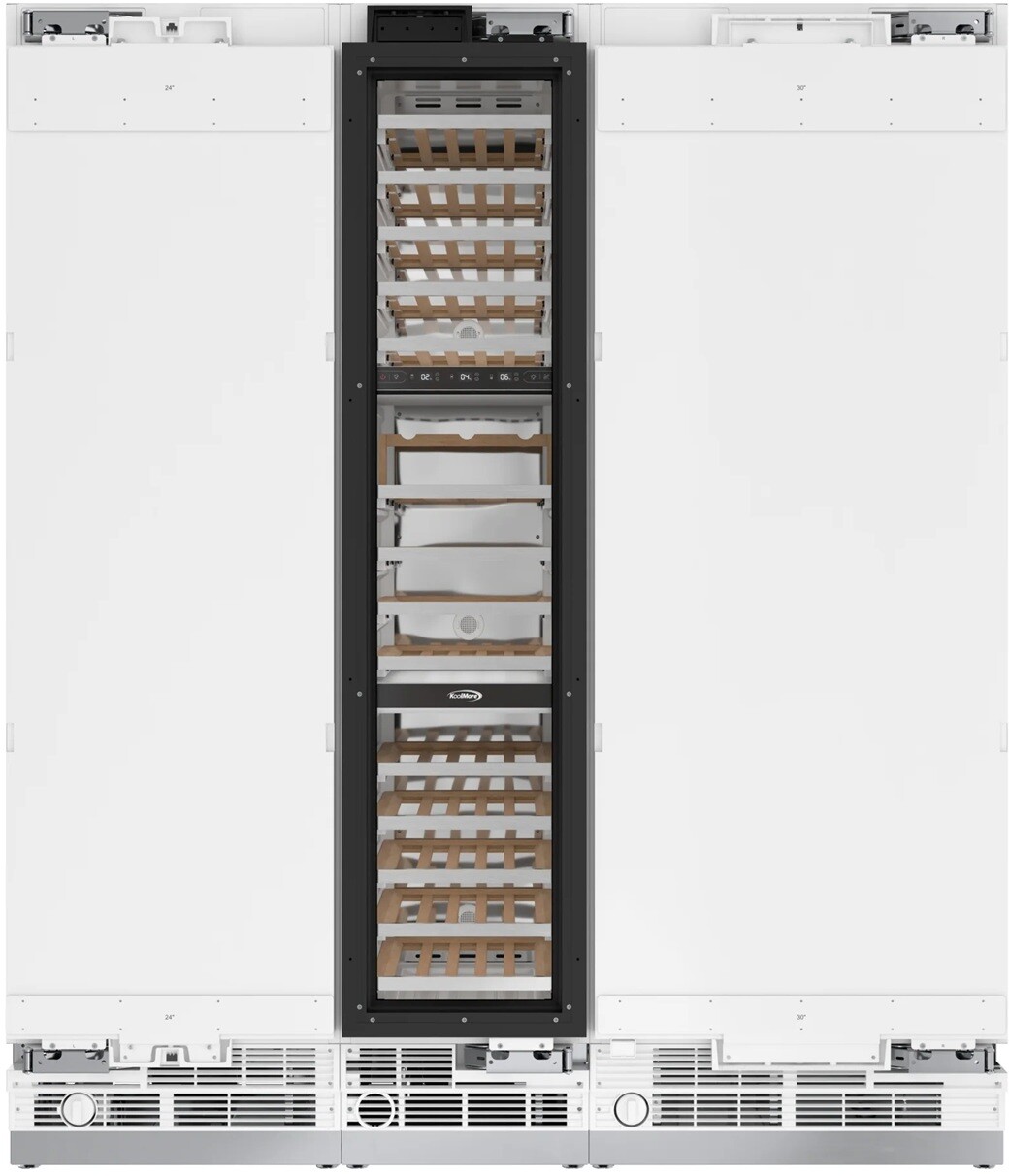
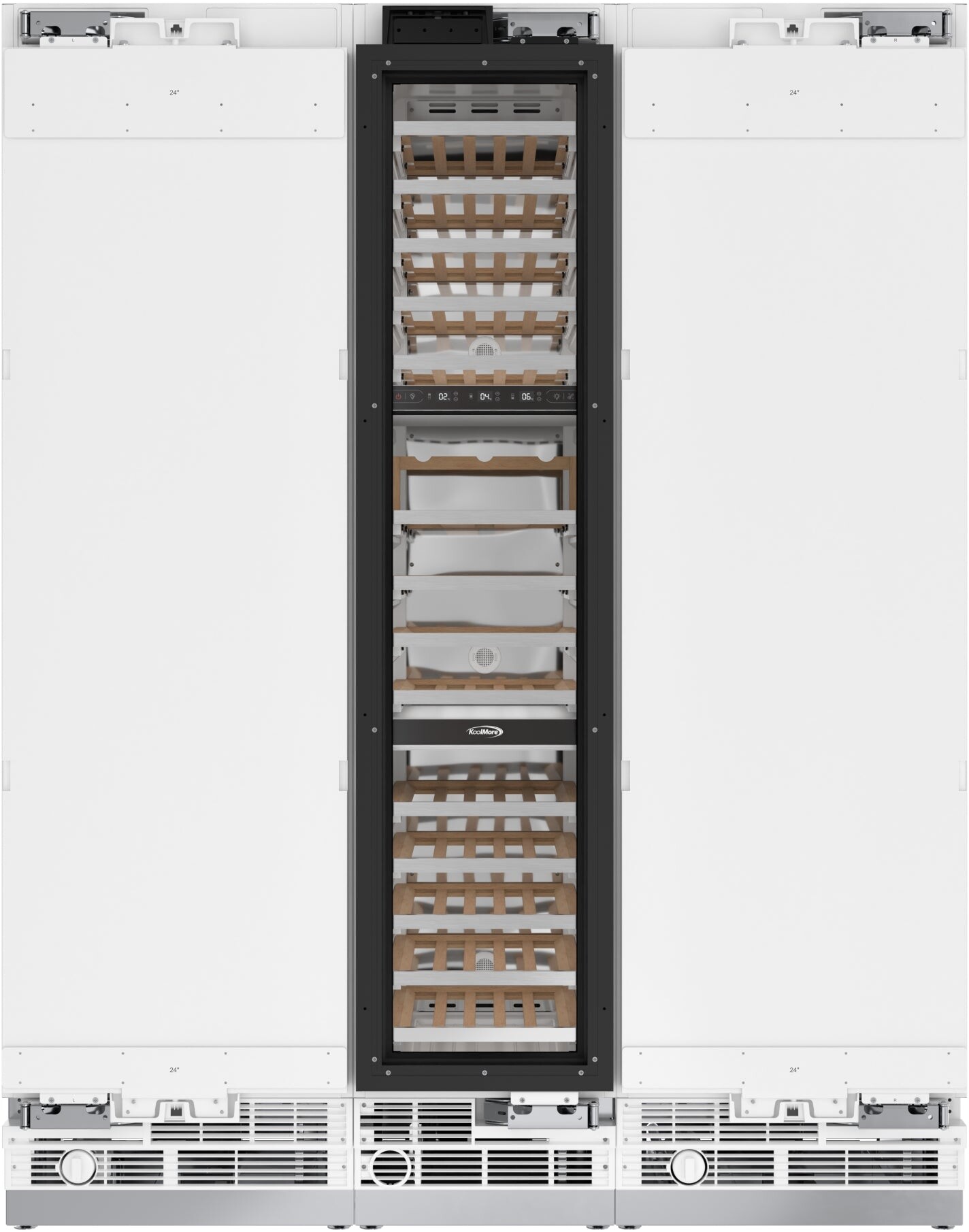
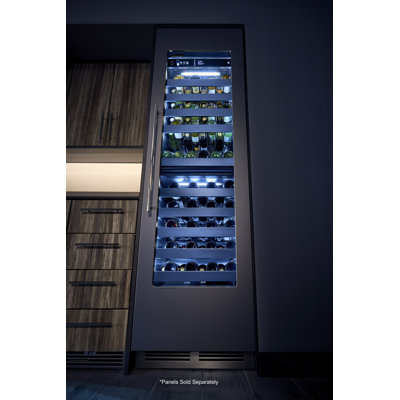
Built-in wine refrigerators blend into kitchens and dedicated wine rooms and complement high-end appliances. To compare with other built-in units, see double drawer refrigerator vs. wine refrigerator.
Freestanding units need 2-4 inches of clearance on the back and sides for heat dissipation, because the ventilation system exhausts heat through rear or side-mounted condenser coils. Never enclose a freestanding unit in cabinetry without ventilation — trapped heat forces the compressor to run continuously, increasing energy consumption, accelerating component wear, and potentially causing the unit to overheat and fail. Freestanding offers the most placement flexibility: anywhere with adequate clearance and an outlet.
Built-in (undercounter) models use front-venting systems that exhaust heat through the toe kick or a front grille, allowing flush installation in standard 15-inch or 24-inch cabinet openings with zero rear or side clearance. Built-in is the most popular choice for kitchens, home bars, and butler's pantries. Expect built-in models to cost 10-30% more than comparable freestanding units, because the front-venting system requires additional engineering.
Dual-install models are designed to work either way — front-venting, but tolerant of freestanding placement with adequate clearance — giving maximum flexibility if you might reconfigure your space.
Humidity and Vibration Control
Wine Cooler Considerations
Humidity control is not always a wine cooler's strong suit — many models offer no way to manage humidity, a concern for longer storage because low humidity can dry out corks, letting air into the bottle and potentially spoiling the wine.
Wine Cooler Type
Humidity Control
Vibration Control
Thermoelectric
Limited
Inherent
Compressor-Based
Moderate
Requires Additional Features
Thermoelectric wine coolers have a vibration advantage: fewer moving parts means less vibration to disturb the sediment in wine bottles. Compressor-based coolers may need additional dampening features.
Wine Refrigerator Considerations
Wine refrigerators typically offer better humidity control, with features that maintain ideal levels to keep corks from drying out.
Wine Refrigerator Type
Humidity Control
Vibration Control
Single-Zone
Advanced
Requires Additional Features
Dual-Zone
Advanced
Requires Additional Features
Multi-Zone
Advanced
Requires Additional Features
Compressor-based wine refrigerators may likewise need vibration dampening; some higher-end models include built-in vibration reduction technology. For a related comparison, see humidor refrigerator vs. panel ready refrigerator.
Wine coolers are typically the less expensive option. Thermoelectric cooling systems are generally more energy-efficient than compressors at small sizes, thanks to fewer moving parts:
Wine Cooler Type
Average Cost
Average Energy Consumption
Small Countertop
$100 - $300
Low
Medium Free-Standing
$300 - $600
Moderate
Large Free-Standing
$600+
Higher
Wine Refrigerator Cost and Efficiency
Wine refrigerators cost more upfront due to advanced features such as dual-zone temperatures and built-in humidity control, and their compressor-based systems are more powerful but more energy-intensive:
Wine Refrigerator Type
Average Cost
Average Energy Consumption
Small Built-In
$500 - $1,000
Moderate
Medium Built-In or Free-Standing
$1,000 - $2,000
High
Large Built-In or Free-Standing
$2,000+
Higher
To manage operating costs, look for energy-saving features or ENERGY STAR rated models, and factor annual energy consumption (kWh) into the total cost of ownership. For comparisons with other refrigeration options, see convertible freezer refrigerator vs. wine refrigerator.
Lifespan and Repairs
Compressor wine coolers and refrigerators last 10-20 years with proper maintenance — comparable to kitchen refrigerators, which use the same sealed-system technology. The most common repairs are thermostat, fan motor, and door gasket replacements, typically $30-$150 each; the compressor itself usually outlasts every other component and carries a 5-10 year manufacturer warranty. Thermoelectric models last 5-10 years, because the Peltier module degrades from thermal fatigue over time, gradually losing cooling capacity.
Wine storage brands span every price tier. Entry-level: NewAir, Ivation, Wine Enthusiast. Mid-range: Allavino, Kalamera, Haier. Premium: Sub-Zero, Thermador, U-Line, Marvel, Perlick. GE, Frigidaire, and Whirlpool also offer wine coolers and wine refrigerators within their broader kitchen appliance lines. Brand matters less than specifications — compare temperature range, capacity, cooling type, noise level, and build quality rather than brand prestige alone.
Maintenance and Cleaning
Maintenance is essentially the same whichever label is on the appliance. Clean the interior every 3-6 months, vacuum condenser coils annually (dusty coils reduce cooling efficiency and can increase energy consumption by 10-25%), replace carbon air filters every 6-12 months on models that have them, and run the unit on a surge protector to shield the compressor and electronic controls from power spikes.
Wine Cooler Care Tips
Interior Cleaning:
Unplug the unit before cleaning.
Remove all bottles and shelves.
Use a soft cloth and a mild detergent to wipe down the interior.
Rinse with a damp cloth and dry with a towel.
Exterior Cleaning:
Wipe down the exterior with a soft cloth and a mild cleaning solution.
For glass doors, use a glass cleaner to remove fingerprints and smudges.
Air Filter:
If your cooler has an air filter, clean or replace it as recommended by the manufacturer.
Coil Maintenance:
Ensure the coils at the back of the cooler are dust-free. Dust can inhibit cooling efficiency.
Door Seals:
Check the door seal regularly for any wear or tear to maintain proper insulation. A compromised gasket lets warm, humid air in and cool air out.
Leveling:
Make sure your wine cooler is level to prevent any undue stress on the compressor.
Because "wine refrigerator" and "wine cooler" mean the same thing in retail, compare specifications rather than product names: bottle capacity, number of temperature zones (single, dual, or triple), cooling technology (compressor vs. thermoelectric), dimensions (especially width and height for built-in installations), noise level in decibels (25-45 dB across the category), and energy consumption in annual kWh. Those numbers tell you exactly what the appliance does regardless of whether the listing says wine refrigerator, wine cooler, wine fridge, or wine chiller. Read customer reviews that mention long-term reliability, actual temperature accuracy (does it hold the set temperature consistently?), and real-world noise levels — manufacturer specs are a starting point, but user reviews reveal how the appliance performs after months of daily operation.
FAQ
Is a wine cooler the same as a wine refrigerator?
In retail, yes — the terms are used interchangeably by manufacturers and retailers, and neither has an industry-standard technical definition. In everyday usage, "wine cooler" often refers to a compact unit for holding wine at serving temperature, while "wine refrigerator" often refers to a larger cabinet built for long-term aging with humidity and vibration control. Judge any specific model by its specifications, not its label.
Is a wine cooler the same as a wine chiller?
Not always. "Wine chiller" often implies thermoelectric cooling specifically, whereas "wine cooler" and "wine refrigerator" carry no consistent technology implication — either can be compressor-based or thermoelectric.
Which is better for long-term wine storage?
A unit with cellar-grade features: compressor cooling with precise setpoints, humidity management to keep corks from drying, vibration dampening, and UV-protected doors — features more common on models marketed as wine refrigerators. Red wines age at 50-64°F (10-18°C) and whites at 49-59°F (9-15°C).
What temperature should I set?
For serving: full-bodied reds 60-65°F, light reds 55°F, full-bodied whites 50-55°F, light whites 45-50°F, and sparkling wines 40-45°F. For a mixed collection in a single-zone unit, 52-54°F is the standard compromise. In a dual-zone unit, set the upper zone to 45-50°F for whites and the lower zone to 55-65°F for reds.
Can I put a wine cooler or wine refrigerator in a garage?
Only a compressor model. Compressor units maintain precise temperatures regardless of ambient conditions and perform well in garages, outdoor kitchens, and hot rooms. Thermoelectric units can only cool 20-30°F below room temperature and become unreliable in rooms above 77°F.
Do I need dual-zone?
Only if you store both reds and whites and want each at its ideal temperature simultaneously. Dual-zone adds roughly 10-20% to the price; single-zone is simpler, cheaper, and right for a collection that is mostly one type of wine.
How long do wine coolers and wine refrigerators last?
Compressor models last 10-20 years with proper maintenance; thermoelectric models last 5-10 years because the Peltier module gradually loses cooling capacity from thermal fatigue. Common repairs (thermostat, fan motor, door gasket) run about $30-$150 each.
Can any wine cooler be built into cabinetry?
No. Only front-venting built-in or dual-install models can be enclosed. A freestanding unit needs 2-4 inches of rear and side clearance — enclosing it without ventilation traps heat, forces the compressor to run continuously, and can cause the unit to overheat and fail.
What size should I buy?
Buy 20-30% more capacity than your current collection, because collections grow. As a guide: casual drinkers do well with a 12-20 bottle countertop unit ($100-$300), regular drinkers with a 30-46 bottle undercounter unit ($300-$700), enthusiasts with 50-80 bottles ($500-$1,500), and collectors with 100-300+ bottle full-height cabinets ($1,000-$5,000+).
Where can I compare models?
Browse wine coolers at Fridge.com — wine refrigerator and wine cooler listings cover the same products because the terms are interchangeable. Filter by bottle capacity, temperature zones, dimensions, cooling type, installation style, and price.
Get Your Upgrade or New Addition at Fridge.com
Whether you're searching for your perfect fridge, freezer, wine fridge, beer fridge, ice maker, or kegerator, Fridge.com has what you need.
From Fridge.com research
Figures below come from data Fridge.com builds and maintains. Each links to the record behind it.
Fridge.com Energy Index, built on U.S. EPA and DOE ENERGY STAR records
Across 112 ENERGY STAR certified compact cooler models, median use is 135 kWh per year — 25% better than the federal standard.