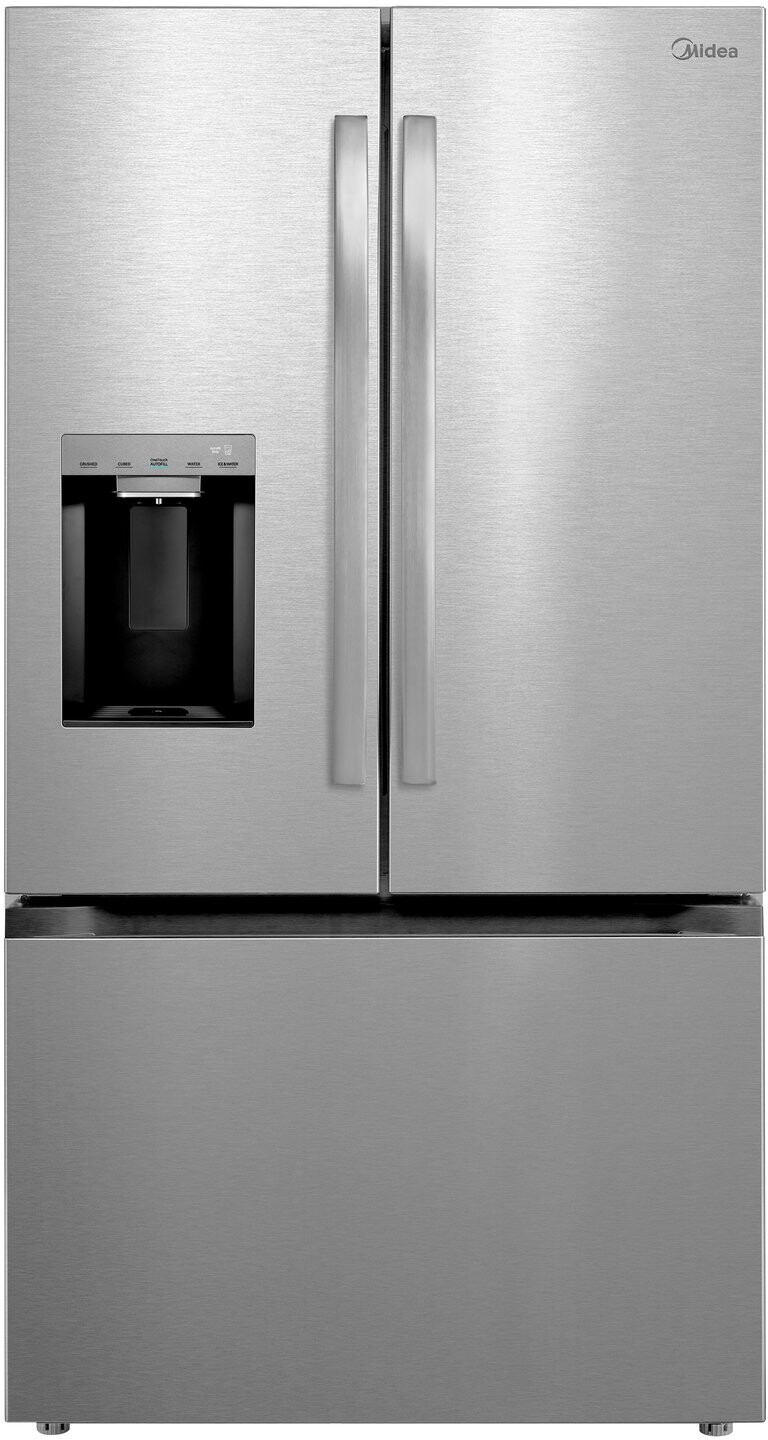
Keeping the fridge at 40°F or below is one of the most important steps for safe storage of packaged meats.
Opened lunch meat, sliced deli meat, bacon, hot dogs, and similar products usually keep 3 to 5 days in the refrigerator at 40°F or below when well wrapped or stored in an airtight container.
For most people, storing at 40°F or below and using opened packages within 3–5 days keeps risk low.
Place an appliance thermometer in the center of the fridge, check it after 24 hours, and adjust the thermostat until the reading stays at 40°F or lower.
Packaged meats—sliced deli meat, bacon, hot dogs, sausage, and similar products—are convenient but perishable. How long they last in the refrigerator depends on whether the package is unopened or opened, the type of meat, and how cold your fridge runs. This guide covers refrigerator storage times for packaged meats, what sell-by and use-by dates mean, how to store them safely, and when to freeze or discard. Times here follow federal food-safety guidance and manufacturer recommendations so you can reduce waste and avoid foodborne illness.
How Long Do Unopened Packaged Meats Last in the Fridge?
Unopened packaged meats (lunch meat, bacon, hot dogs, and other cured or processed meats in sealed packaging) typically keep until the use-by or sell-by date on the label when the refrigerator is held at 40°F or below. The U.S. Department of Agriculture (USDA) and the Food and Drug Administration (FDA) recommend that you treat the use-by date as the last day for peak quality and safety; after that, the product may still be safe for a short time if it has been cold the whole time, but quality and safety are not guaranteed. Check the package for the manufacturer’s specific guidance; some products list “use within X days of opening” in addition to the use-by date.
Why temperature matters: bacteria such as Listeria can grow at refrigerator temperatures, though cold slows them down. Packaged meats are often cured or contain preservatives that extend shelf life, but they are not sterile. A fridge that runs above 40°F shortens the safe storage window. Use an appliance thermometer to confirm your fridge stays at 40°F or below; store packaged meats on a shelf toward the back, not in the door, where temperature is more consistent.
How Long Do Opened Packaged Meats Last?
Once you open the package, the clock starts. Opened lunch meat, sliced deli meat, bacon, hot dogs, and similar products usually keep 3 to 5 days in the refrigerator at 40°F or below when well wrapped or stored in an airtight container. Reseal the original packaging if it closes tightly, or transfer the meat to a zip-top bag or covered container to limit exposure to air and moisture. Use within the time on the package if the label says “use within X days of opening,” or within 5 days, whichever is sooner.
Pre-sliced deli meat has more surface area than unsliced, so it can dry out or spoil faster once opened. If you buy meat sliced at the counter, ask for it wrapped and refrigerate it as soon as you get home. Use or freeze it within 3–5 days. Opened bacon keeps about a week in the fridge if wrapped; once opened, use it within 7 days or freeze for longer storage. Hot dogs and sausages in a resealable package also keep 3–7 days after opening when refrigerated at 40°F or below.
Sell-by dates are for the store: they tell the retailer how long to display the product. The food is often still safe for a few days after the sell-by date if it has been kept cold. Use-by and best-by dates are more relevant for you. Use-by is the date after which the manufacturer does not guarantee quality or safety; the USDA recommends that you do not use products after the use-by date. Best-by usually refers to quality (flavor, texture) rather than safety, but for perishable items like packaged meats, treat it as a guide to use the product soon.
When in doubt, use smell and appearance. Discard packaged meat if it has an off or sour smell, slimy texture, or unusual color. Do not taste meat to decide if it is bad. If the package is bloated or leaking, or if the meat has been in the fridge longer than the recommended time, throw it out.
Keep packaged meats on a shelf in the main body of the fridge, not in the door. The door is the warmest zone and temperature fluctuates every time you open the fridge. Store opened packages in a sealed container or resealable bag to limit air exposure and cross-contamination. If the original package does not reseal well, transfer the meat to a clean container and use it within 3–5 days.
Keep raw and cooked packaged meats separate if you have both. Do not let juices from raw meat touch ready-to-eat items like sliced deli meat. Wash your hands and any surfaces that touch raw meat before handling other foods. If you have a drawer or compartment labeled for meat, use it only if it stays at 40°F or below; check with a thermometer.
Can You Freeze Packaged Meats?
Yes. Unopened or opened packaged meats can be frozen to extend storage. Wrap them tightly in freezer wrap, heavy-duty freezer bags, or airtight containers to prevent freezer burn. Lunch meat and sliced deli meat can be frozen for 1–2 months; bacon and hot dogs also freeze well for 1–2 months. Label the package with the date so you know when you froze it. Thaw in the refrigerator when ready to use; do not thaw on the counter. Once thawed, use within 3–5 days. Texture may change slightly after freezing and thawing, but the product remains safe when handled correctly.
Discard packaged meat if it has an off or sour smell, a slimy or sticky surface, or a color that has turned gray, green, or otherwise unusual. Fresh lunch meat and similar products should look and smell normal. A bloated or leaking package can indicate gas from bacterial growth; do not use the product. If you are unsure, follow the USDA rule: when in doubt, throw it out.
Even if the meat still looks fine, respect the 3–5 day guideline for opened packages and the use-by date for unopened ones. Bacteria can grow to unsafe levels before the meat looks or smells bad, especially in a fridge that runs warm.
Packaged meats, especially ready-to-eat deli meats, can harbor Listeria monocytogenes, a bacterium that grows at refrigerator temperatures. The FDA and CDC advise that pregnant people, older adults, and those with weakened immune systems take extra care: heat deli meat until steaming before eating, or avoid it if concerned. For most people, storing at 40°F or below and using opened packages within 3–5 days keeps risk low. Keeping the product sealed and using clean hands and utensils when handling also reduces the chance of contamination.
Keeping the fridge at 40°F or below is one of the most important steps for safe storage of packaged meats. Many home refrigerators run warmer than users think; studies have found a large share of fridges above 40°F. Place an appliance thermometer in the center of the fridge, check it after 24 hours, and adjust the thermostat until the reading stays at 40°F or lower. A fridge that holds 38°F is even better for highly perishable items.
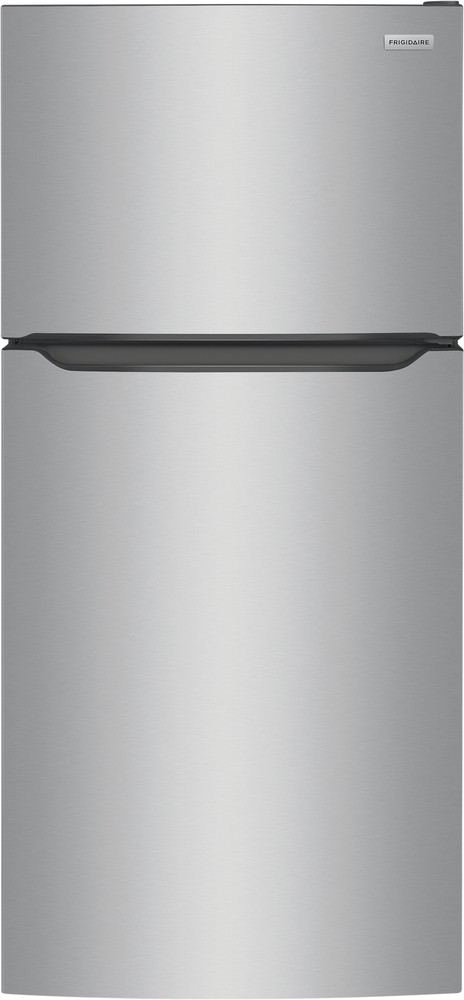
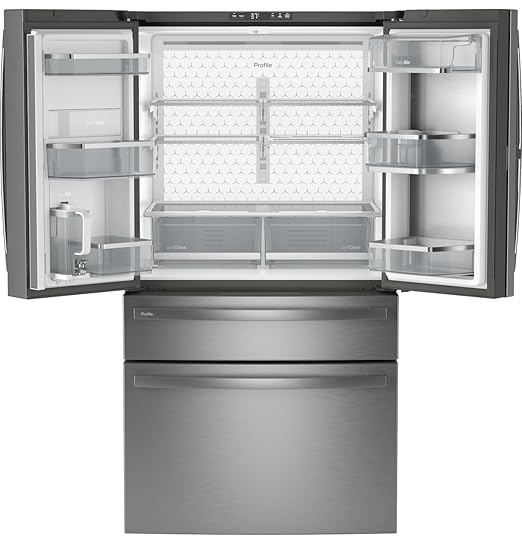
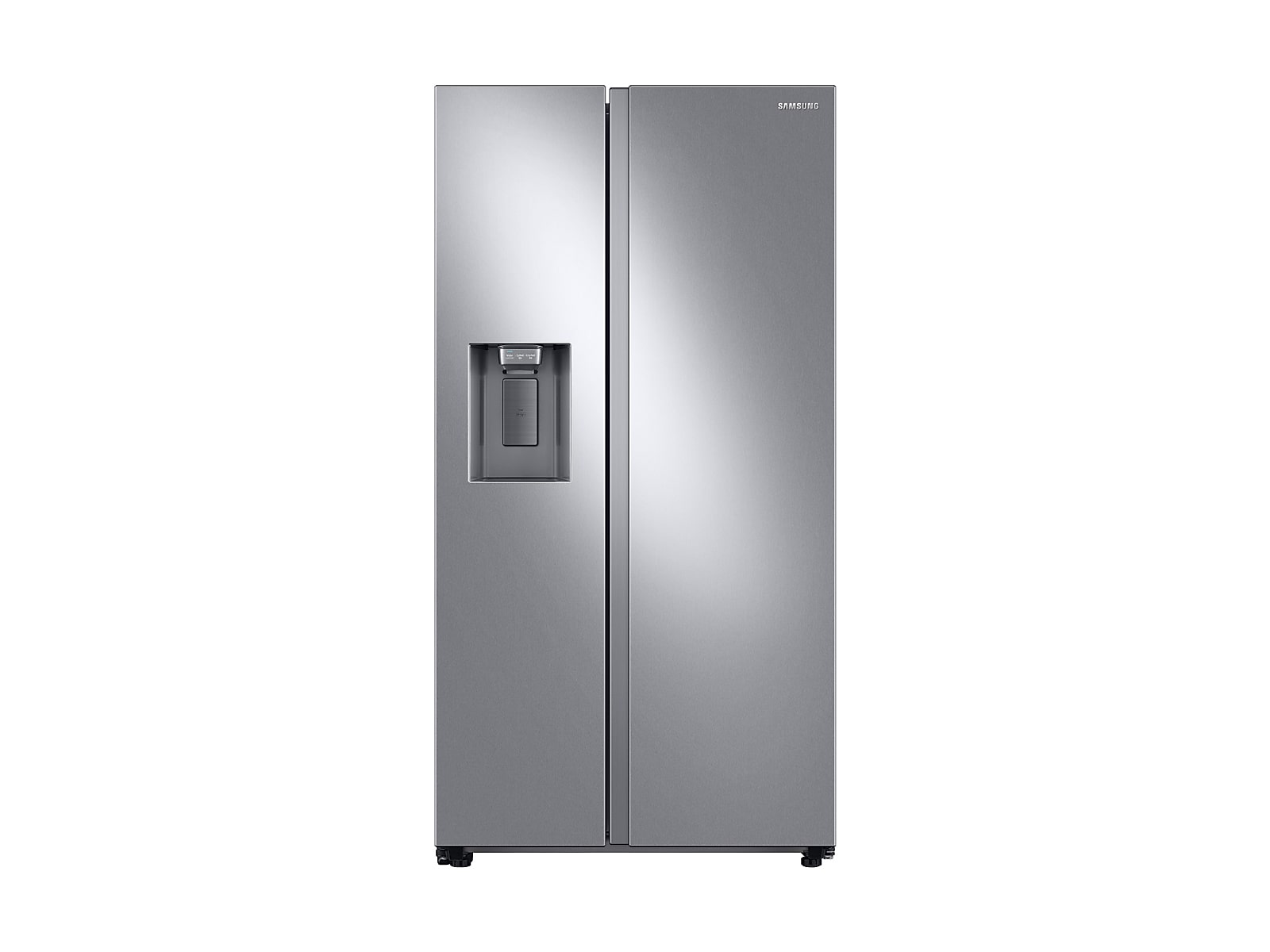
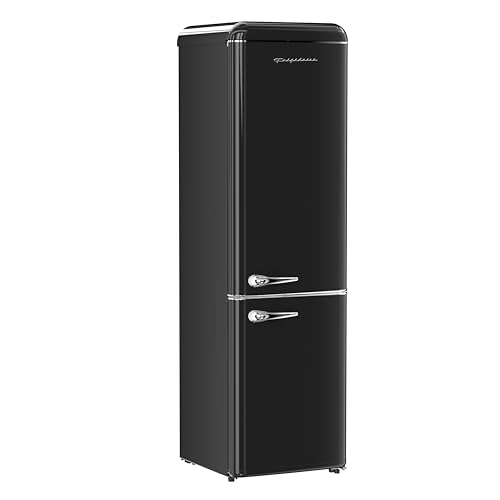
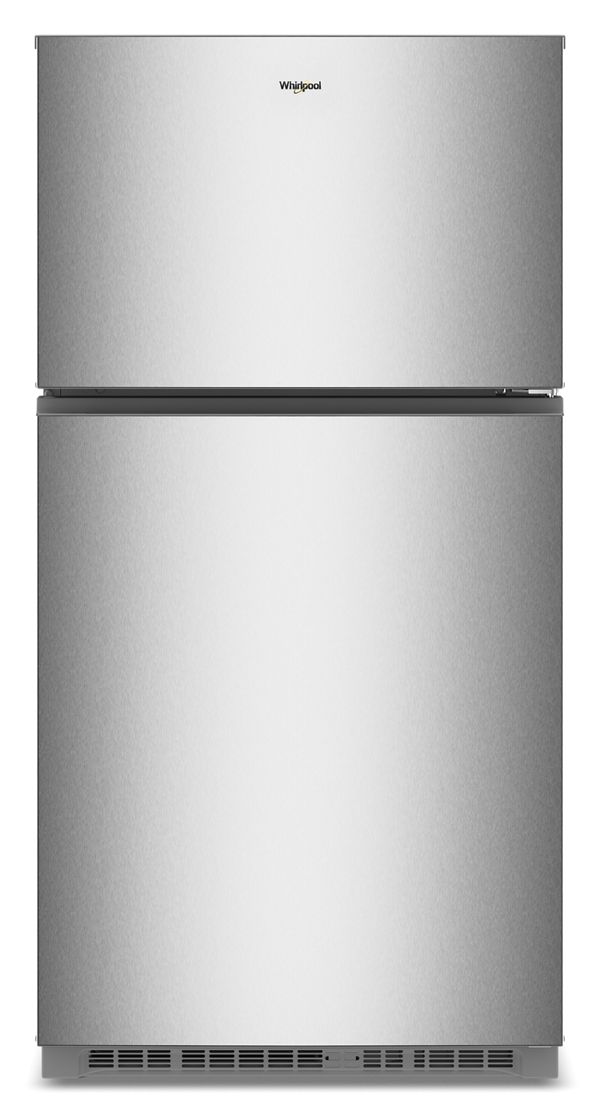
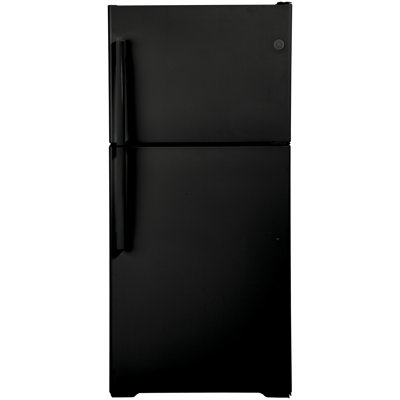
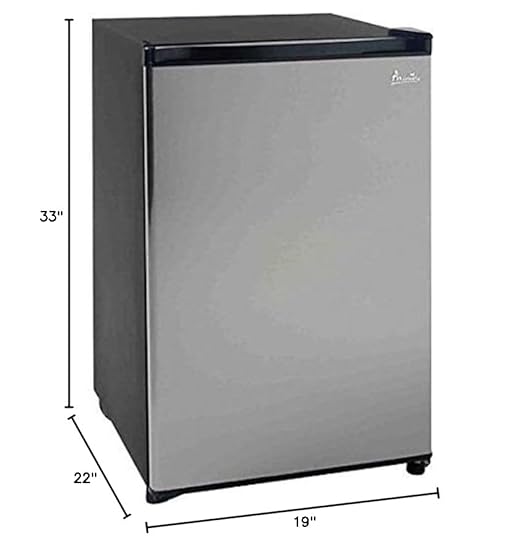
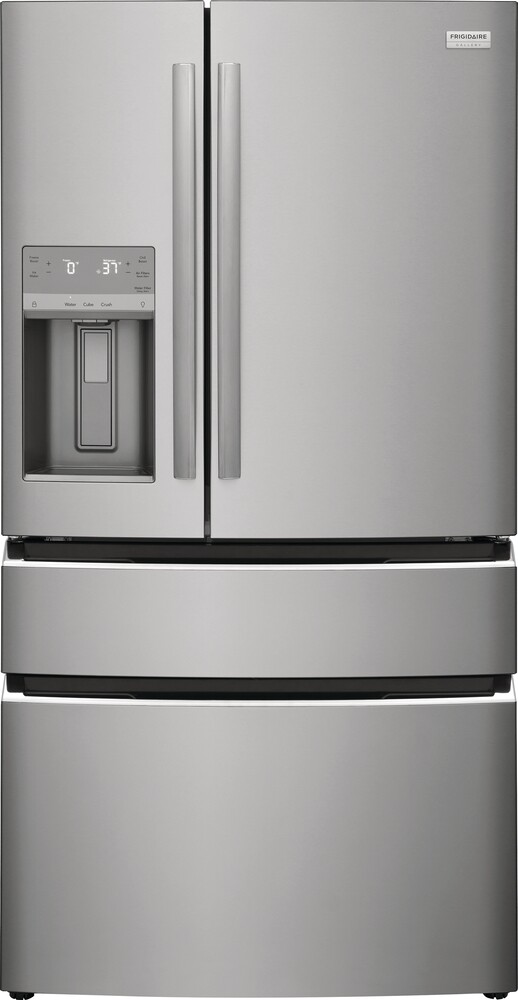
When you compare refrigerators, look for models that maintain a steady temperature and have a reliable thermostat or digital display. Consistent cold and minimal temperature swings help packaged meats and other perishables stay safe longer. Overloading the fridge or blocking vents can create warm spots; leave space around packaged meats so cold air can circulate. For storage guidelines and refrigerator comparisons, you can check options and read more.
Types of Packaged Meats and Slight Variations
Lunch meat and deli meats (turkey, ham, chicken, roast beef) generally follow the same 3–5 day rule after opening. Bacon, because of its salt and curing, may keep up to a week opened when wrapped and refrigerated. Hot dogs and cooked sausages in a resealable package also typically keep 3–7 days. Unopened vacuum-sealed or modified-atmosphere packages may have a longer shelf life until the use-by date; once opened, the 3–5 day window applies. When the label gives a specific “use within X days of opening,” follow that. If it does not, the 3–5 day guideline is a safe default.
Keep the refrigerator at 40°F or below. Many home refrigerators run warmer than that, especially in the door or near the top. Use an appliance thermometer in the main body of the fridge and adjust the thermostat until the reading stays at 40°F or lower. A fridge that holds 38°F is even better for perishable items. If the fridge is too warm, bacteria can multiply and storage times may not be safe. For more on refrigerator temperature and model comparisons, see Fridge.com.
Store perishable items on a shelf toward the back, not in the door. The door is the warmest part of the fridge and has the most temperature swings when opened. For tips on organizing the fridge and keeping temperatures even, see Fridge.com.
Cool hot food quickly before refrigerating. Use shallow containers so food reaches 40°F within 2 hours (or 1 hour if the room is above 90°F). Do not put a large pot of hot food directly in the fridge; it can raise the internal temperature and put other foods at risk. Divide large batches into smaller containers to speed cooling.
Summary
Unopened packaged meats keep until the use-by date at 40°F or below. Once opened, use within 3–5 days and keep the package sealed or in an airtight container. Store on a shelf, not in the door, and use a fridge thermometer to confirm 40°F or below. Freeze if you will not use the product in time; thaw in the fridge and use within 3–5 days. Discard if the meat smells off, is slimy, or is past the recommended time. For more on refrigerator storage and model comparisons, see Fridge.com.
Frequently Asked Questions
Unopened packaged meats (lunch meat, bacon, hot dogs) typically keep until the use-by or sell-by date if the fridge is 40°F or below. Check the label; dates vary by product and packaging.
Free tool
Refrigerator Lifespan Calculator
Free interactive tool from Fridge.com — get a quick answer while you read.