Some items, such as cooked rice or cooked seafood, may have shorter recommended times in some guidelines; when in doubt, 3–4 days is a safe default for most cooked dishes.
Bacteria that cause foodborne illness grow slowly at 40°F or below but can still multiply over time.
The USDA recommends cooling food to 40°F within 2 hours (or 1 hour if the room is above 90°F).
The “danger zone” between 40°F and 140°F is when bacteria multiply quickly.
Cooked food and leftovers are convenient, but they do not last forever in the refrigerator. How long they stay safe depends on what you cooked, how quickly you cooled them, and how cold your fridge runs. This guide covers refrigerator storage times for cooked food, how to cool and store leftovers safely, when to reheat or freeze, and how to avoid foodborne illness. Times here follow U.S. Department of Agriculture (USDA) and Food and Drug Administration (FDA) guidance.
How Long Can Cooked Food Stay in the Refrigerator?
Most cooked leftovers keep 3 to 4 days in the refrigerator at 40°F or below. The USDA recommends using or freezing leftovers within that window for safety and quality. That applies to cooked meat, poultry, fish, casseroles, soups, stews, rice dishes, and similar foods. Some items, such as cooked rice or cooked seafood, may have shorter recommended times in some guidelines; when in doubt, 3–4 days is a safe default for most cooked dishes.
Why 3–4 days? Bacteria that cause foodborne illness grow slowly at 40°F or below but can still multiply over time. Refrigeration slows them; it does not stop them. After a few days, the risk increases, and quality (flavor, texture) also declines. Freezing extends storage: most cooked leftovers can be frozen for 2–6 months for best quality when wrapped or packed properly.
Cool cooked food quickly before putting it in the fridge. Large pots of hot food can raise the temperature inside the refrigerator and put other foods at risk. Divide large batches into smaller, shallow containers so the food chills faster. The USDA recommends cooling food to 40°F within 2 hours (or 1 hour if the room is above 90°F). You can use an ice bath for pots or pans: set the container in a sink of ice water and stir occasionally. Once the food is no longer steaming and is cool to the touch, cover it and place it in the refrigerator.
Do not leave cooked food on the counter for hours and then refrigerate it. The “danger zone” between 40°F and 140°F is when bacteria multiply quickly. The longer food sits in that range, the greater the risk.
Use shallow, covered containers so leftovers cool evenly and stay at a safe temperature. Glass or plastic containers with tight-fitting lids work well. Label the container with the date so you know when to use or freeze the food. Store leftovers on a shelf in the main body of the refrigerator, not in the door. Keep the fridge at 40°F or below; use an appliance thermometer to verify.
Do not stack many containers of hot or warm food in the fridge at once; that can block airflow and slow cooling. Spread them out so cold air can circulate. Once the food is cold, you can rearrange for space.
Reheating Leftovers Safely
Reheat leftovers to 165°F as measured with a food thermometer in the center of the food. Bring sauces, soups, and gravies to a boil. Reheat only the portion you plan to eat; avoid reheating the same food multiple times. If you reheat in the microwave, stir or rotate the food so it heats evenly and there are no cold spots. Let the food stand for a minute or two after reheating, then check the temperature.
If you do not finish the reheated portion, refrigerate it within 2 hours. Do not leave reheated leftovers on the counter or table for long periods.
If you will not use leftovers within 3–4 days, freeze them. Most cooked meat, poultry, casseroles, soups, and stews freeze well for 2–6 months when wrapped tightly or stored in freezer bags or airtight containers. Label with the date and contents. Thaw in the refrigerator when ready to use; do not thaw on the counter. Once thawed, use within 3–4 days. Some foods, such as salads with mayonnaise or delicate greens, do not freeze well; use or discard those within the 3–4 day fridge window.
Discard leftovers if they have an off or sour smell, if you see mold, or if the texture or color looks wrong. Do not taste food to decide if it is bad. If the food has been in the fridge longer than 4 days, or if you are unsure how long it has been there, throw it out. When in doubt, follow the USDA rule: when in doubt, throw it out.
Even if the food still looks and smells fine, respect the 3–4 day guideline. Bacteria can grow to unsafe levels before the food clearly spoils.
Keeping the refrigerator at 40°F or below is critical for leftover safety. Many home refrigerators run warmer than users expect. Place a thermometer in the center of the fridge, check it after 24 hours, and adjust the thermostat until the reading stays at 40°F or lower. The door is usually the warmest spot, so do not store leftovers there. Overpacking the fridge or blocking vents can create warm spots; leave space so cold air can circulate.
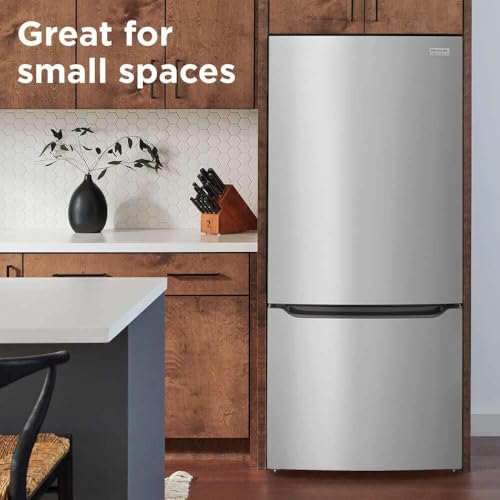
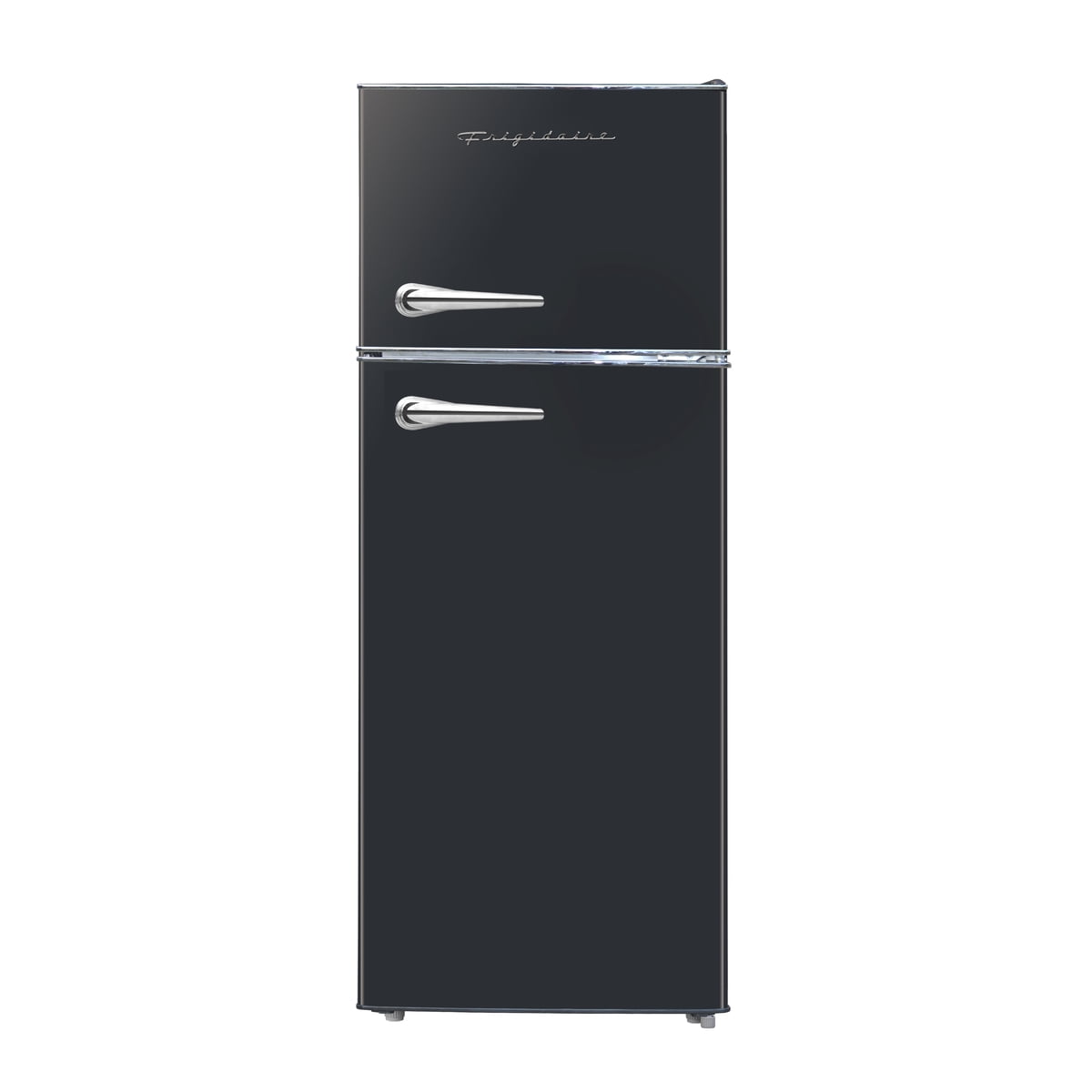
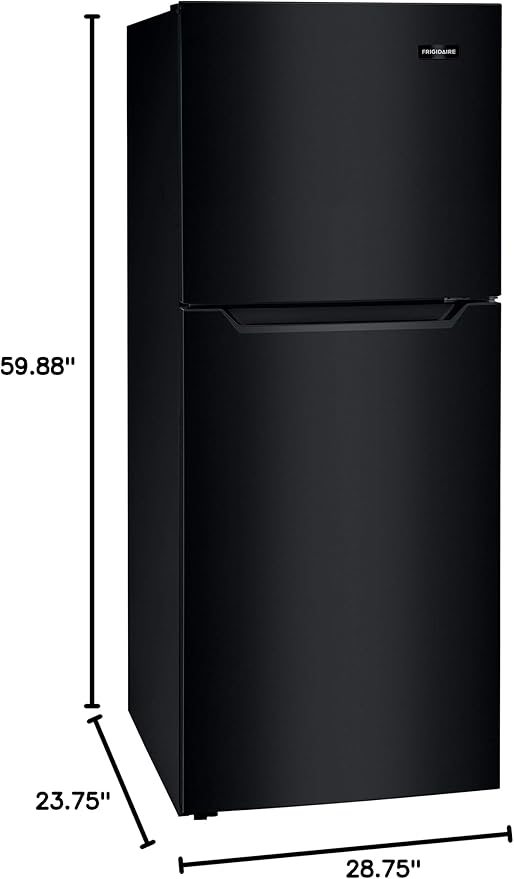
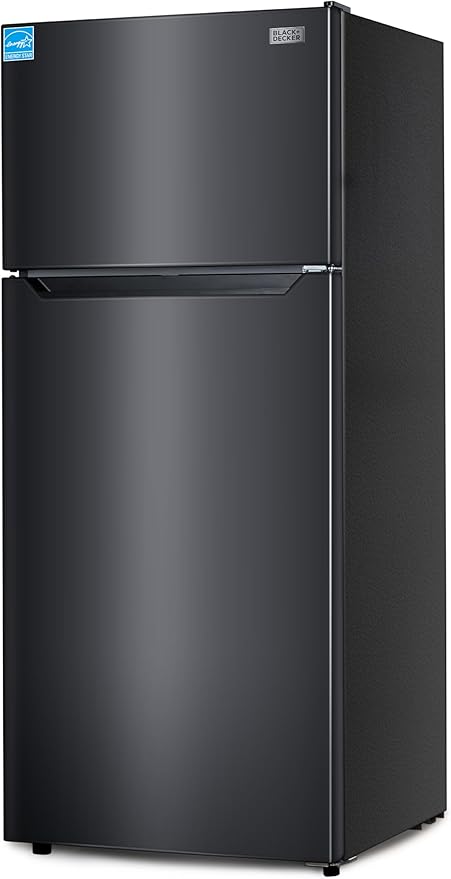
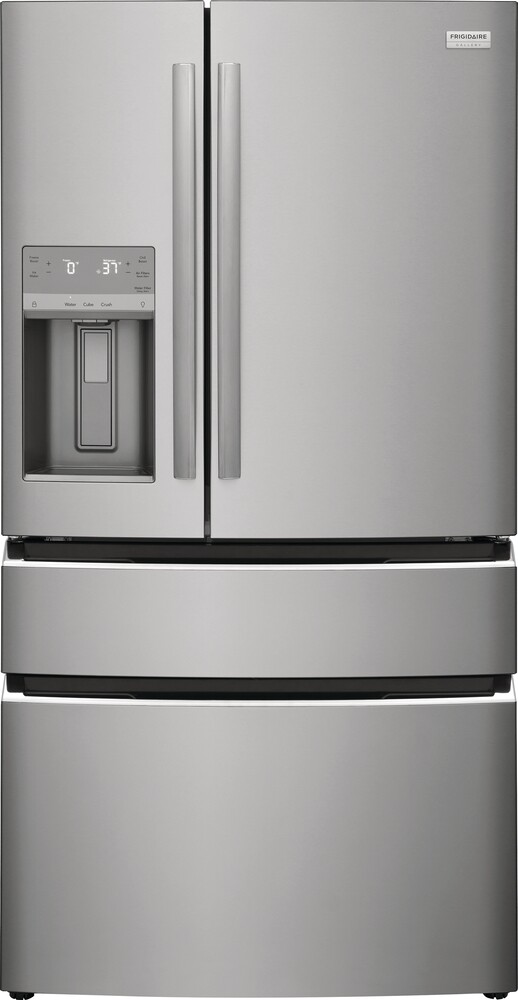
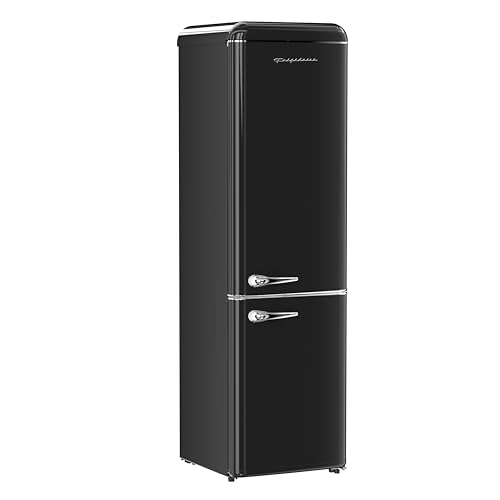
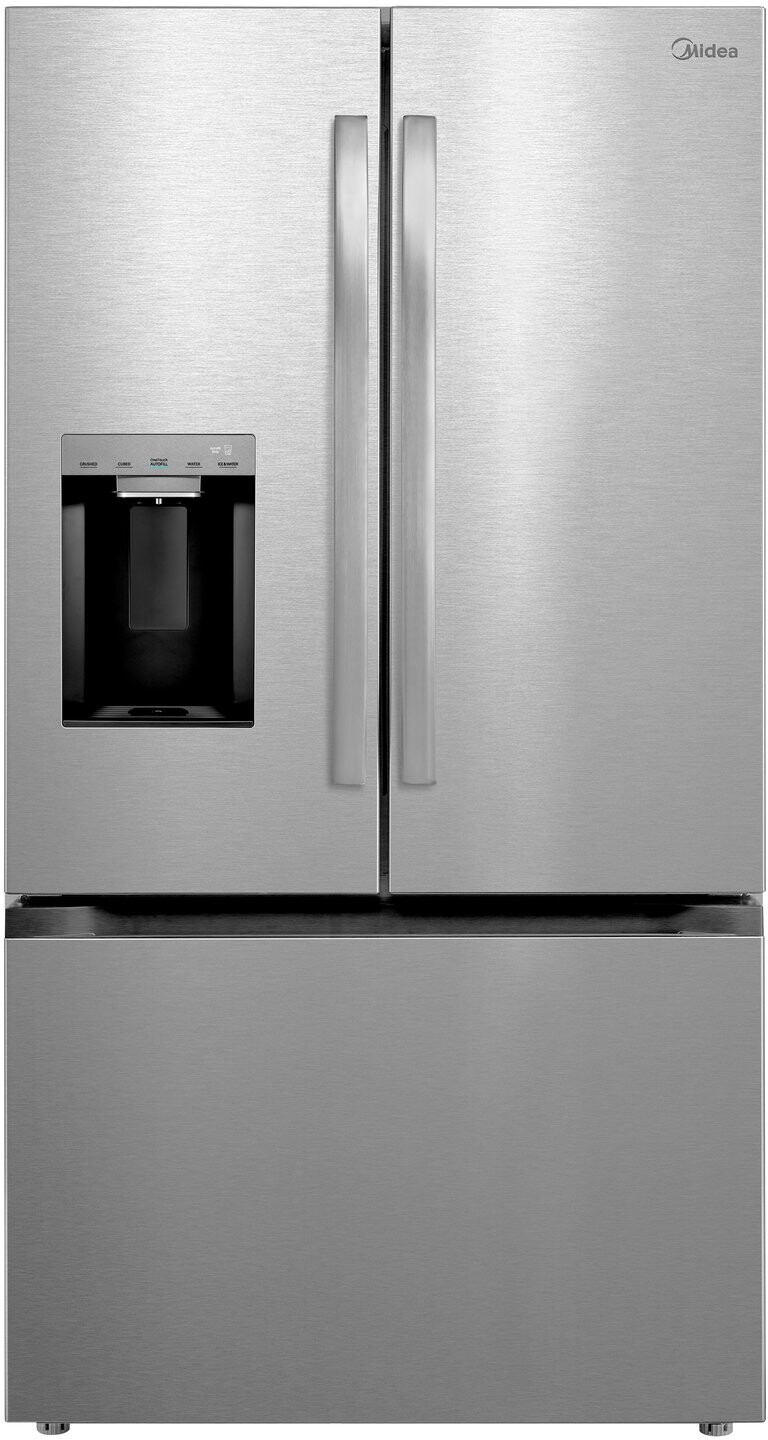
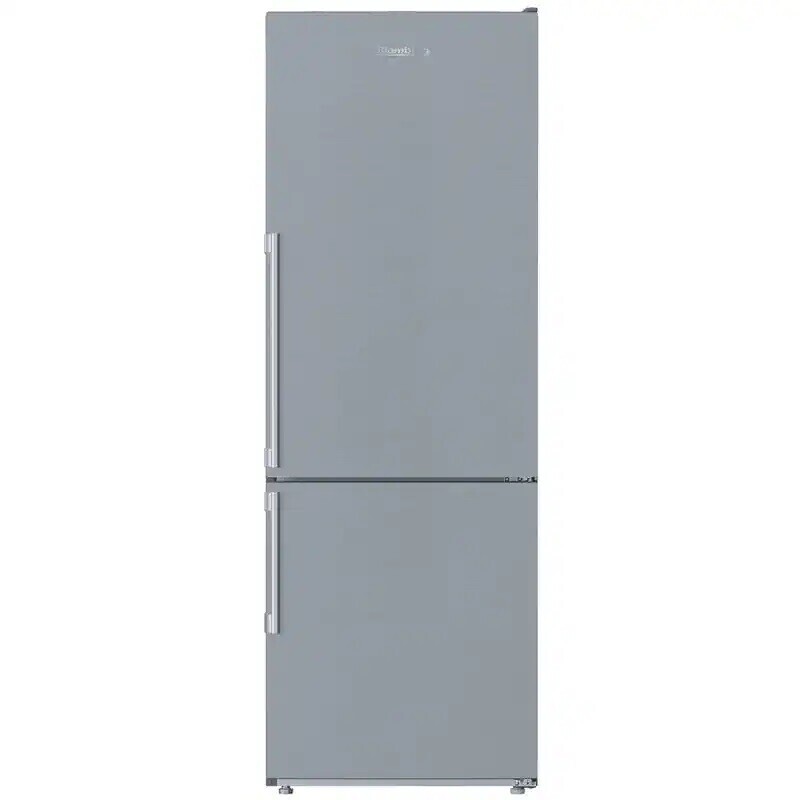
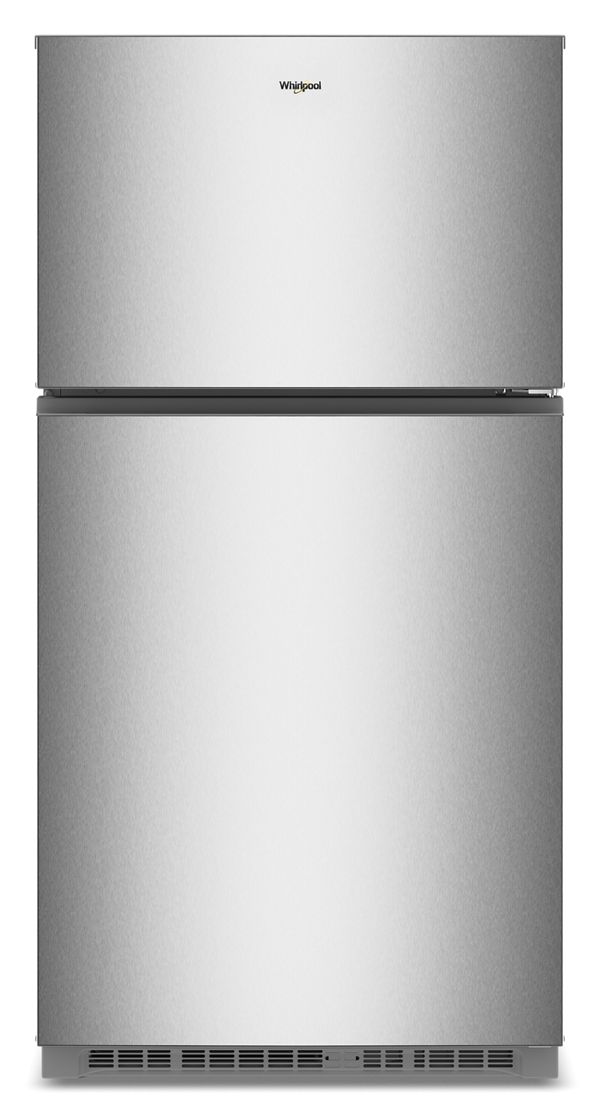
When you compare refrigerators, look for models that hold a steady temperature. Consistent cold helps leftovers and other perishables stay safe. For storage guidelines and refrigerator comparisons, you can check options.
Power Outages and Leftovers
If the power goes out, a full refrigerator can keep food cold for about 4 hours if the door stays closed. Leftovers and cooked food are perishable; if the fridge temperature rises above 40°F for more than 2 hours, the food may no longer be safe. When power returns, check the temperature with a thermometer. If the food has been above 40°F for more than 2 hours, or if you are unsure, discard it. Do not taste to decide. For more on how long food lasts without power, see USDA and FDA guidance.
Cooked meat, poultry, and fish generally keep 3–4 days. Cooked rice can be refrigerated 3–4 days but should be cooled quickly and stored in a shallow container; some sources recommend using cooked rice within a day or two for extra caution. Cooked beans, casseroles, and soups also keep 3–4 days. Dishes with dairy or eggs (e.g. quiche, creamy casseroles) should be treated the same: 3–4 days at 40°F or below. When a recipe or guideline gives a specific time, follow it; otherwise, 3–4 days is a safe rule.
Keep the refrigerator at 40°F or below. Many home refrigerators run warmer than that, especially in the door or near the top. Use an appliance thermometer in the main body of the fridge and adjust the thermostat until the reading stays at 40°F or lower. A fridge that holds 38°F is even better for perishable items. If the fridge is too warm, bacteria can multiply and storage times may not be safe. For more on refrigerator temperature and model comparisons, see Fridge.com.
Store perishable items on a shelf toward the back, not in the door. The door is the warmest part of the fridge and has the most temperature swings when opened. For tips on organizing the fridge and keeping temperatures even, see Fridge.com.
Cool hot food quickly before refrigerating. Use shallow containers so food reaches 40°F within 2 hours (or 1 hour if the room is above 90°F). Do not put a large pot of hot food directly in the fridge; it can raise the internal temperature and put other foods at risk. Divide large batches into smaller containers to speed cooling.
Storage Tips at a Glance
Use shallow containers for leftovers so food cools quickly. Label containers with the date so you know when to use or discard. Do not overpack the fridge; blocked vents can create warm spots. Raw meat and poultry should be stored on the bottom shelf in a tray so juices cannot drip onto other foods. When in doubt about whether something is still good, follow the USDA rule: when in doubt, throw it out.
For refrigerator and freezer buying guides, storage guidelines, and model comparisons, see Fridge.com.
Keep the fridge and freezer clean. Wipe up spills promptly. Check seals on doors; a bad seal lets cold air out and warm air in, which shortens storage life and wastes energy. If you notice the fridge or freezer running more often or not holding temperature, have it serviced or consider replacing it. For appliance maintenance and model comparisons, see Fridge.com.
Most cooked food and leftovers keep 3–4 days in the refrigerator at 40°F or below. Cool food quickly in shallow containers before refrigerating; get it to 40°F within 2 hours. Reheat to 165°F and use or freeze within 3–4 days. Freeze if you will not use the food in time; thaw in the fridge and use within 3–4 days. Discard if the food smells off, has mold, or is past the safe window. Keep the fridge at 40°F or below. For more on refrigerator storage and model comparisons, see Fridge.com.
Frequently Asked Questions
Most cooked leftovers keep 3–4 days at 40°F or below. The USDA recommends using or freezing within that window for safety and quality.
Free tool
Food Storage Calculator
Free interactive tool from Fridge.com — get a quick answer while you read.