So you're packing up and getting ready to relocate your kitchen's biggest resident – the fridge. Pull up your sleeves, as it's no small feat! With a little bit of planning and preparation, though, you'll be all set for a smooth move.
Assessing the Situation
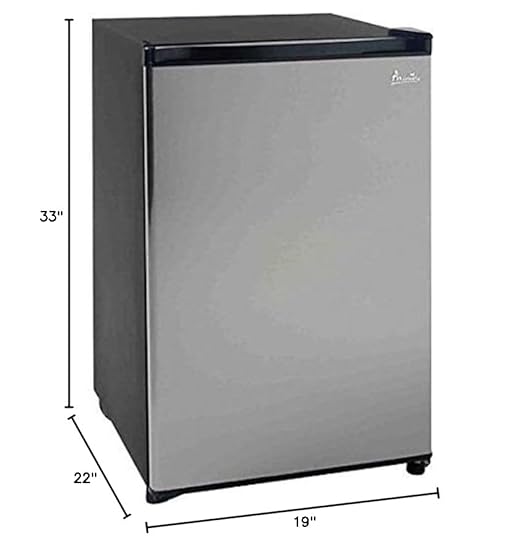
Before you even think about lifting that hefty appliance, take a good look at all the spaces it'll have to squeeze through. Measure up the fridge and compare its size to doorways, hallways, and staircases. Better safe than stuck!
What Needs Measuring
What's the Size?
Fridge Height
(Your fridge height)
Fridge Width
(Your fridge width)
Doorway Width
(Door width)
Staircase Width
(Staircase width)
Don’t let your path be a tripping obstacle course. Clear away any furniture or junk. You might want some extra muscle, too, especially if we're dealing with a fridge that's on the heavier side.
Gathering the Necessary Tools and Equipment
Equip yourself with these handy tools to make the move a bit easier:
Dolly: This wheeled wonder helps you steer heavy appliances with ease.
Furniture Sliders: Little pads that slip under the fridge’s feet, smooth sailing from here.
Straps: Hold that fridge tight on the dolly or while on the move.
Blankets or Towels: Throw some layers over your fridge and door frames to dodge scratches.
Screwdriver: Just in case legs or any other bits need dismantling.
Tape: Keeps the fridge doors and any loose parts from swinging open.
Prepare everything in advance so you’re not hunting for tools at the last minute. And, hey, brushing up on proper lifting methods is always a good idea. Check out some basics on how do you move a fridge for dummies. It'll save your back and make sure your cooler moves with grace.
Alright, folks, moving a fridge might seem like wrestling a bear, but with a little planning, it doesn't have to be a nightmare. You just gotta know how to clean it out and lock everything down for the journey.
Emptying and Cleaning the Fridge
First things first, get that fridge emptied. We're talking EVERYTHING—food, drinks, any science experiments that were once a meal. Here's how to do it like a pro:
Plan Ahead: Try to chow down on whatever’s in there a few days before moving day.
Toss the Rotten Stuff: Scan those labels and chuck anything past its prime.
Once it's empty, it’s time to give that fridge a scrub, or it might turn into Stinky City on the road. Here’s how to give it the ol' spit shine:
Mix Up A Cleaner: Stir up some water and either a gentle soap or vinegar.
Wipe Everything Down: Get those shelves, nooks, and crannies nice and clean.
Air It Out: Leave the door open for a bit to dry out completely and avoid any funky smells.
Task
Details
Empty contents
Remove all food and drinks
Deal with old stuff
Check for expired goodies, and chuck 'em
Clean it up
Mild soap or vinegar solution
Air dry
Keep door open for a while
If you happen to eye a wine fridge that’s calling your name, swing by our wine fridge sale.
Securing Loose Parts
So you’ve cleaned it and cleared it, now let’s talk about keeping everything inside from getting banged up. Lock down those loose bits, folks! Here's how:
Shelves and Drawers: Yank 'em out if you can. Wrap 'em up like a holiday present with bubble wrap or packing tape to keep them safe.
Secure the Doors: Got doors that like to shimmy? Tape ‘em down or tie ‘em shut.
Disconnect External Bits: Any add-ons like ice makers should be disconnected and packed snugly.
Loose Bits
What to Do
Shelves and drawers
Remove, wrap ‘em up
Fridge doors
Tape or tie ‘em down tight
Extra parts
Unhook carefully, protect well
Follow this handy advice, and your fridge will roll into your new place looking just like it did when it left the old one. And if you need more practical insights, take a look at Fridge.com guide on how do you move a fridge for dummies.
Moving Your Fridge Safely
Alright, let's get into the nitty-gritty of fridge moving without turning it into an injury circus. When you're about to move that big ol' box of coolness, thinking about safety is key. Get hip with the right techniques, tag some buddies along, and don't sweat when you're squeezing that thing through the narrow nooks.
Enlisting Help
Here's a golden rule: moving a fridge solo ain't the wisest choice. Rope in some buddies, your bro, or maybe call in the pros if you're feeling splashy. Having extra hands makes the whole ordeal feel less like a one-man band. Plus, you can split the workload, making it way easier to schlep that fridge from A to B without pulling a muscle.
When you're on a team, talk it out. Assign roles like you're casting a play—one person leads the way and others do the heavy lifting. Keeping it organized helps dodge those rookie injuries and potential mishaps.
Using Proper Lifting Techniques
Lifting a fridge isn't rocket science, but there’s still a right way to do it without breaking your back. Check these basic steps out:
Step
Description
1
Stand close to the fridge, feet planted firmly like you're bracing for impact.
2
Squat from your knees, avoid bending at your waist—it's not a limbo contest.
3
Get a good hold, make sure both hands are secured.
4
Rise with your legs—let them do the heavy lifting work.
5
Seriously, don't forget to lift with your legs, not your back, or you'll regret it!
Twisting while holding the fridge? Bad idea, amigo. Shifting your feet to turn is the name of the game to keep that back in check.
Maneuvering Through Doorways and Stairs
The real test? Getting the fridge through doorways and stairs without… you know, disaster. Try these tricks:
Measure Doorways: Whip out that tape measure for the fridge’s size and the doorways you’ll conquer. Better to know before you're stuck.
Remove Doors: When you’re tight for space, taking off fridge or room doors gives you breathing room. A little dismantling can do wonders.
Using a Dolly: The dolly—your best buddy when dragging the fridge downstairs or over smooth terrain. Buckle up the fridge to the dolly with straps to keep things steady and no tumbles.
Tool
Use
Dolly
Rolls your heavy stuff, saving your back from regret.
Furniture Sliders
Skid that fridge over floors like a pro dancer—they keep the lifting minimal.
Get yourself prepped with these tricks and tools, and the fridge move will go without a hitch. For even more tips and tricks on keeping your fridge neat and tidy, check out other Fridge.com article on fridge organization ideas. Happy hauling!
Grab your gloves, it's time to move that unwieldy fridge without turning it into a giant paperweight. Here's the lowdown on shifting your fridge safely to its new home, with tips on using a dolly or those nifty furniture sliders, and making sure it's snug as a bug in your moving vehicle.
Using a Dolly or Furniture Sliders
Got a dolly or furniture sliders on hand? They're the secret weapons to navigate that hefty fridge without ending up with a bad back or a scratched floor. Dollys, those trusty wheelie helpers, ease the lifting, while sliders are perfect for gliding the fridge across surfaces like butter on toast.
Steps to Use a Dolly:
Get It Ready: Park the dolly next to the fridge, aiming for the sweet spot at the fridge's base.
Make Your Move: Lean the fridge a tad and slide the dolly under, then strap it up to keep it steady.
Roll Like a Pro: Bend your knees to give the dolly a push and let the wheels do the heavy work. Keep your cool while doing these nifty maneuvers.
Tackle the Stairs: If stairs are in your path, enlist a buddy for some extra muscle to keep things balanced and under control.
Using Furniture Sliders:
Slide 'Em In: Pop those sliders under each corner of the fridge.
Easy Does It: Gently push the fridge towards its new spot. Great for quick jaunts across flat ground.
Securing the Fridge in a Moving Vehicle
With your fridge perched on the dolly, it's time to lock it in for the ride. Securing it right is the name of the game to prevent sliding hiccups and potential damage.
Steps for Securing Your Fridge:
Stand Tall: Keep the fridge standing straight in the vehicle. Lying it down could mean bad news for the compressor and your food supply.
Tighten Up:
Wrap some straps or ropes around the fridge, hooking up to the vehicle's anchor points.
Get the straps snug enough to keep the fridge in place, but don't overdo it or you'll have a squeezed fridge.
Buffer the Bumps: Stuff some blankets or padding around the fridge. You'll soak up those bumpy roads while stopping motion in its tracks.
What You Need
How It Helps
Dolly
Rolls that bulky load around.
Furniture Sliders
Lets you glide the fridge with ease.
Straps/Ropes
Keeps things tight and tidy in the vehicle.
Blankets/Padding
Takes the hit from bumps and stops shifting.
Put these moves into action and your fridge will be golden all the way to your new digs. With these tricks, your fridge will keep doing what it does best, from your old nook to your new one. Need some hacks on keeping things fresh inside too? Check out Fridge.com article on refrigerator organization ideas.
So, you just tackled the heavy lifting and got your fridge to its new hangout. Now, you gotta make sure it's all set up fancy and ready to roll. This is about figuring out the sweet spot in your kitchen and giving it some time to chill before you fire it up.
Positioning the Fridge
First off, pick a spot where your fridge can breathe easy and you can swing the door without busting your hip. Stay away from sunny spots, hot ovens, or anything that might make it sweat too much. Level ground is a biggie; if it’s wobbly, your fridge might decide to moonwalk across the kitchen floor.
Aspect
Must-Have
Wiggle Room from Walls
Leave a couple inches for air circulation
Ground Level
A bubble level is your best buddy here
Ventilation Space
Coils need some chill room, keep ‘em clear
Before settling, do a door dance check. Make sure those fridge doors have enough swing space. If you got a fancy water dispenser or an ice maker, double-check those water lines aren’t having a hissy fit.
Allowing the Fridge to Settle Before Turning it On
Once your fridge is sittin' pretty, patience is key. Especially if it took a nap on its back during the move. Let those refrigerants get back to their happy spots.
If your fridge rode upright, it's just a 4 to 6-hour wait before you can plug it in and call it go-time. But if it lay flat for the journey, you’ve gotta let it rest for a full day.
How It Traveled
Chill Time Before Plugging In
Stood Like a Champ
4 - 6 hours
Took a Nap on Its Side
24 hours
After the wait, power up and make sure it’s working like it's supposed to. Curious about keeping it running smooth and not bleeding energy? Scope out Fridge.com guide on what is a good fridge energy rating?.
Free tool
Kitchen Space Planner
Free interactive tool from Fridge.com — get a quick answer while you read.