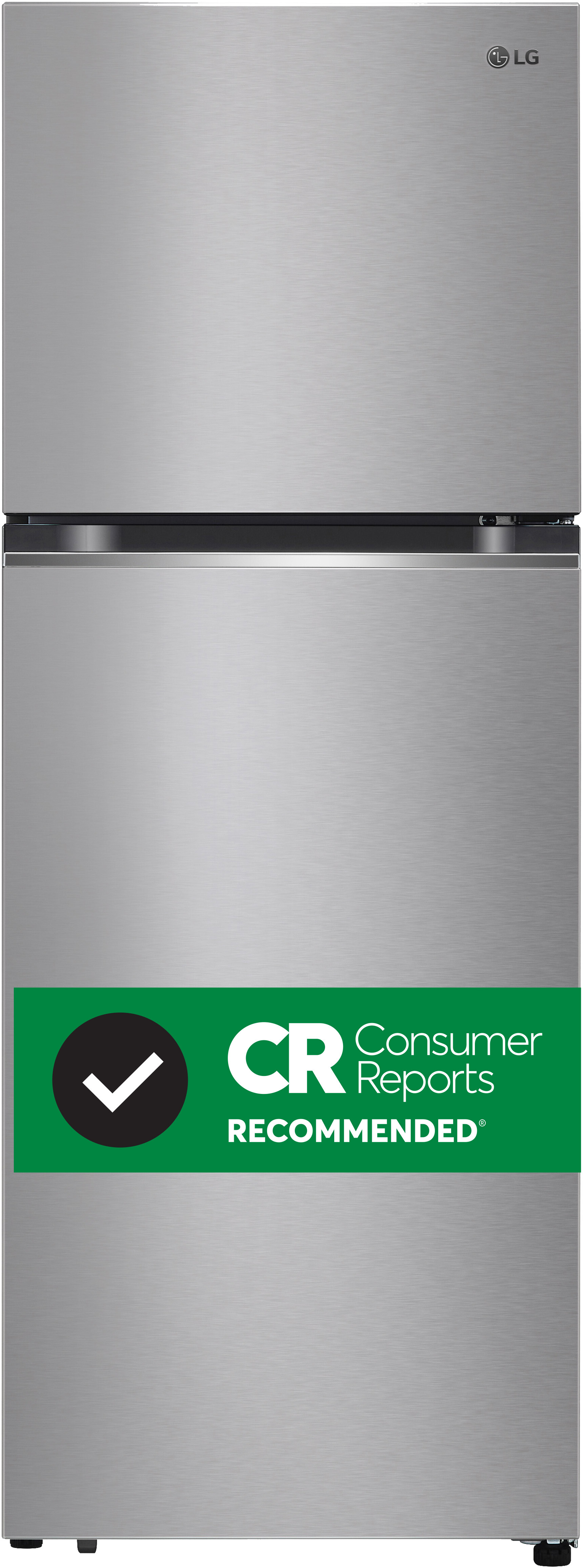
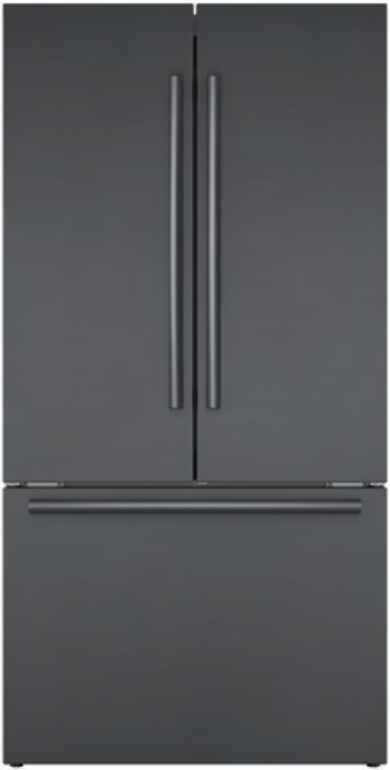
Freestanding refrigerators are refrigerators that stand on their own—not built into cabinetry. They are the standard for most homes. This guide covers what they are and what to look for when comparing models.
What Freestanding Means
Freestanding units have finished sides and back. They sit on the floor, plug into a standard outlet, and need clearance for the door to open. No cabinet cutout or trim kit is required. You can move them if needed. Built-in refrigerators are the alternative—they fit flush with cabinets and cost more. Freestanding is the default choice for renters, apartment dwellers, and most homeowners.
Freestanding refrigerators are designed to be visible from all sides. They have a finished back—often white or stainless—so they can sit away from a wall if needed. They do not require custom cabinetry or professional installation. You place them, plug them in, and use them. They can be moved for cleaning, replacement, or relocation. When you move to a new home, a freestanding refrigerator comes with you; a built-in stays with the house.


The U.S. Department of Energy (DOE) sets efficiency standards for refrigerators. Freestanding and built-in units are tested the same way. ENERGY STAR certification applies to both. When comparing, focus on capacity, layout, and the EnergyGuide label for estimated yearly kWh. The yellow EnergyGuide label shows how the model compares to similar units and estimates yearly operating cost based on national average electricity rates.
Freestanding refrigerators are available in a range of finishes—white, black, stainless, and sometimes other colors. White is often the least expensive. Stainless is popular for a modern look. The finish does not affect performance; choose based on your kitchen aesthetic and budget.
Types and Sizes
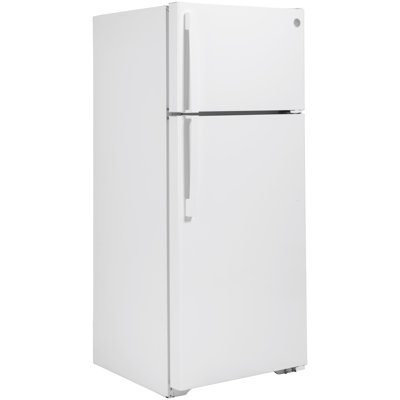
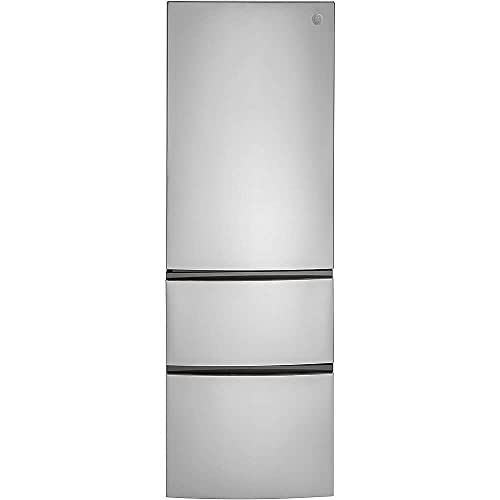
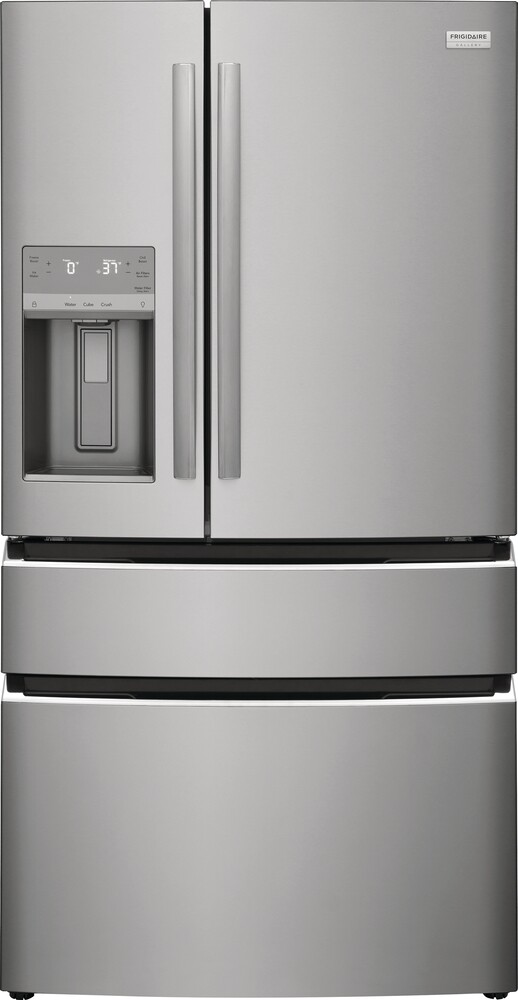
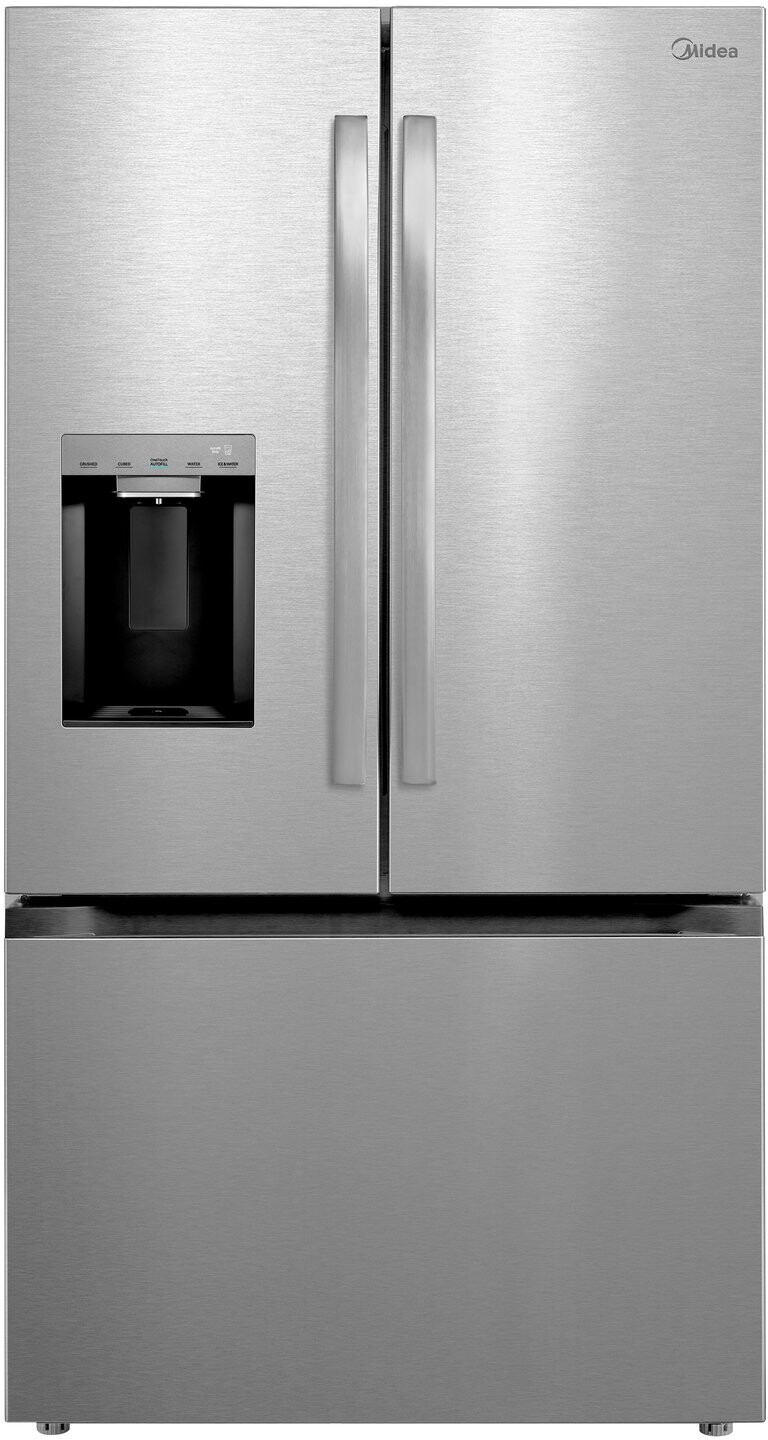
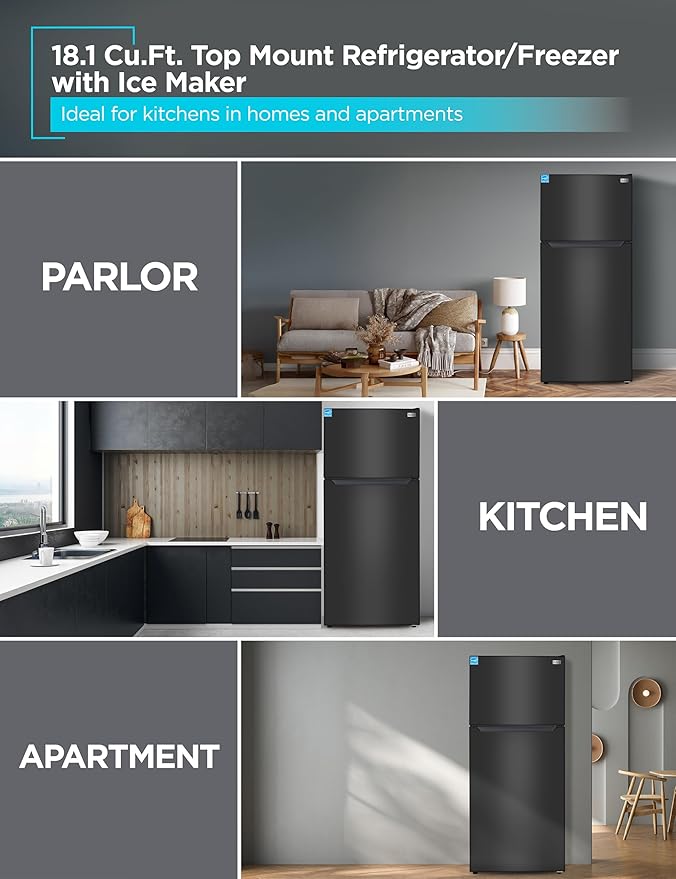
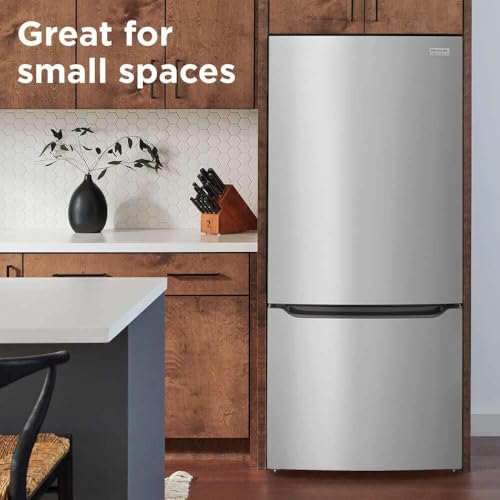
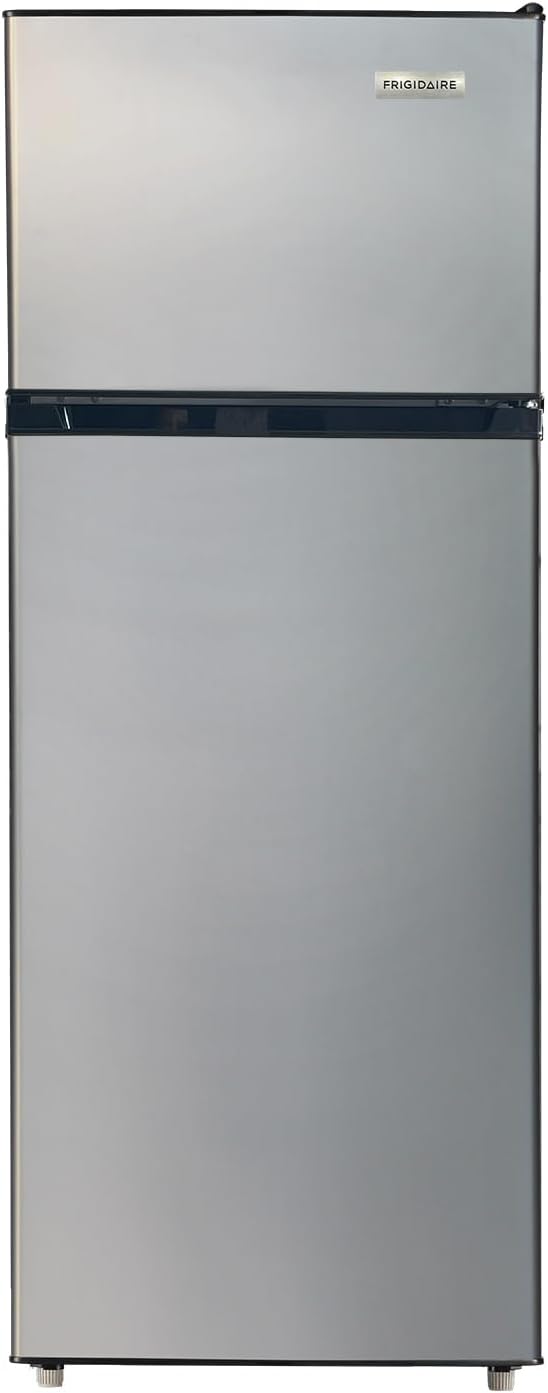
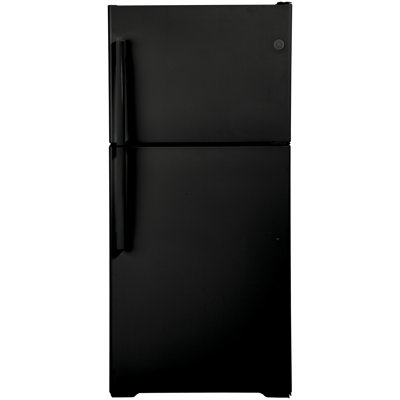
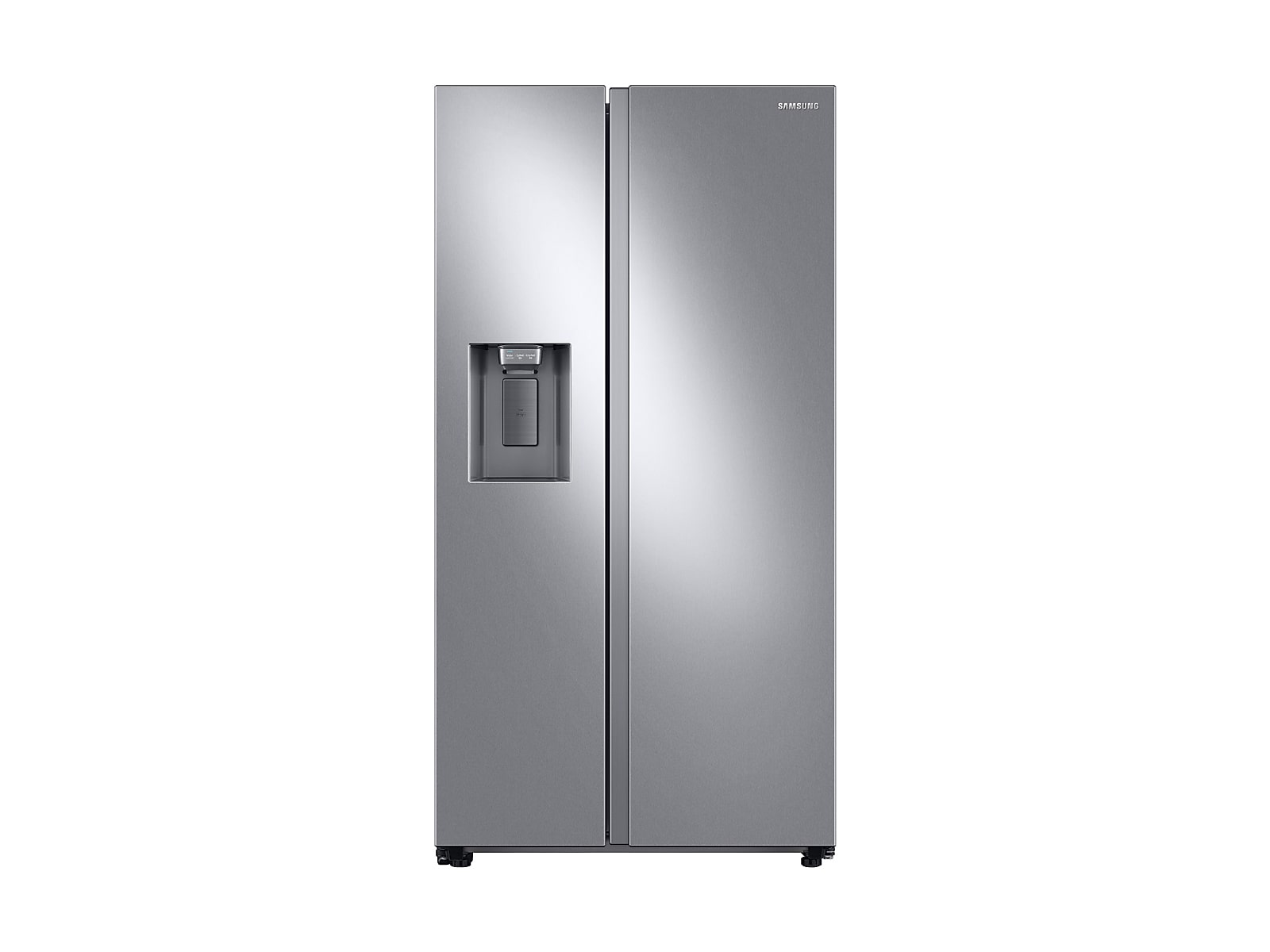
Freestanding refrigerators come in top-freezer, bottom-freezer, French door, and side-by-side layouts. Sizes range from compact (10–14 cu ft) to large (28+ cu ft). Width is often 24–36 in. Measure your space and delivery path before you buy. Top-freezer is the most common for compact units; French door and bottom-freezer are popular for full-size.


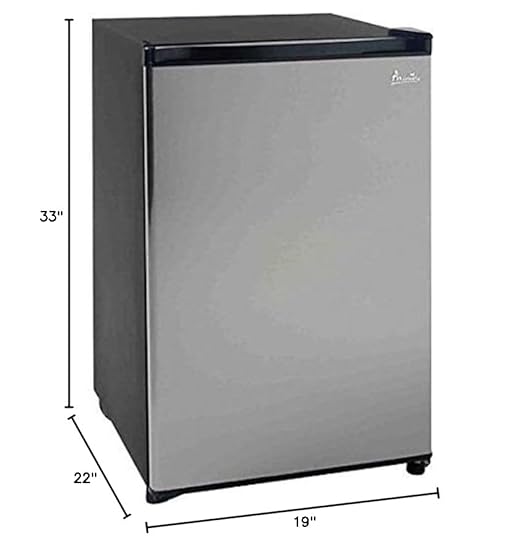
Compact units (10 to 14 cubic feet) suit apartments and small kitchens. Apartment-size units (10 to 18 cubic feet) fit 24- to 30-inch openings. Full-size units (22 to 28 cubic feet) suit families and require 30- to 36-inch openings. Capacity is measured in cubic feet using DOE procedures; the number is comparable across brands. Counter-depth units are shallower (24–28 inches) but hold less; standard-depth units (30–34 inches) offer more capacity.
The USDA recommends 40°F or below for the refrigerator and 0°F or below for the freezer. All freestanding refrigerators maintain these temperatures. Match capacity to your household size and shopping habits. A couple may find 14–18 cubic feet sufficient; a family of four may need 22–28 cubic feet. The freezer compartment typically holds 4–7 cubic feet in full-size units.
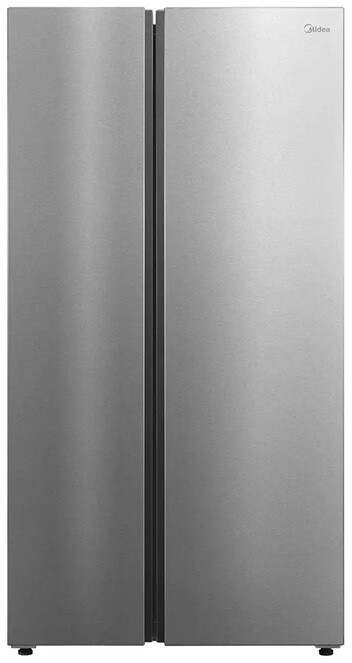
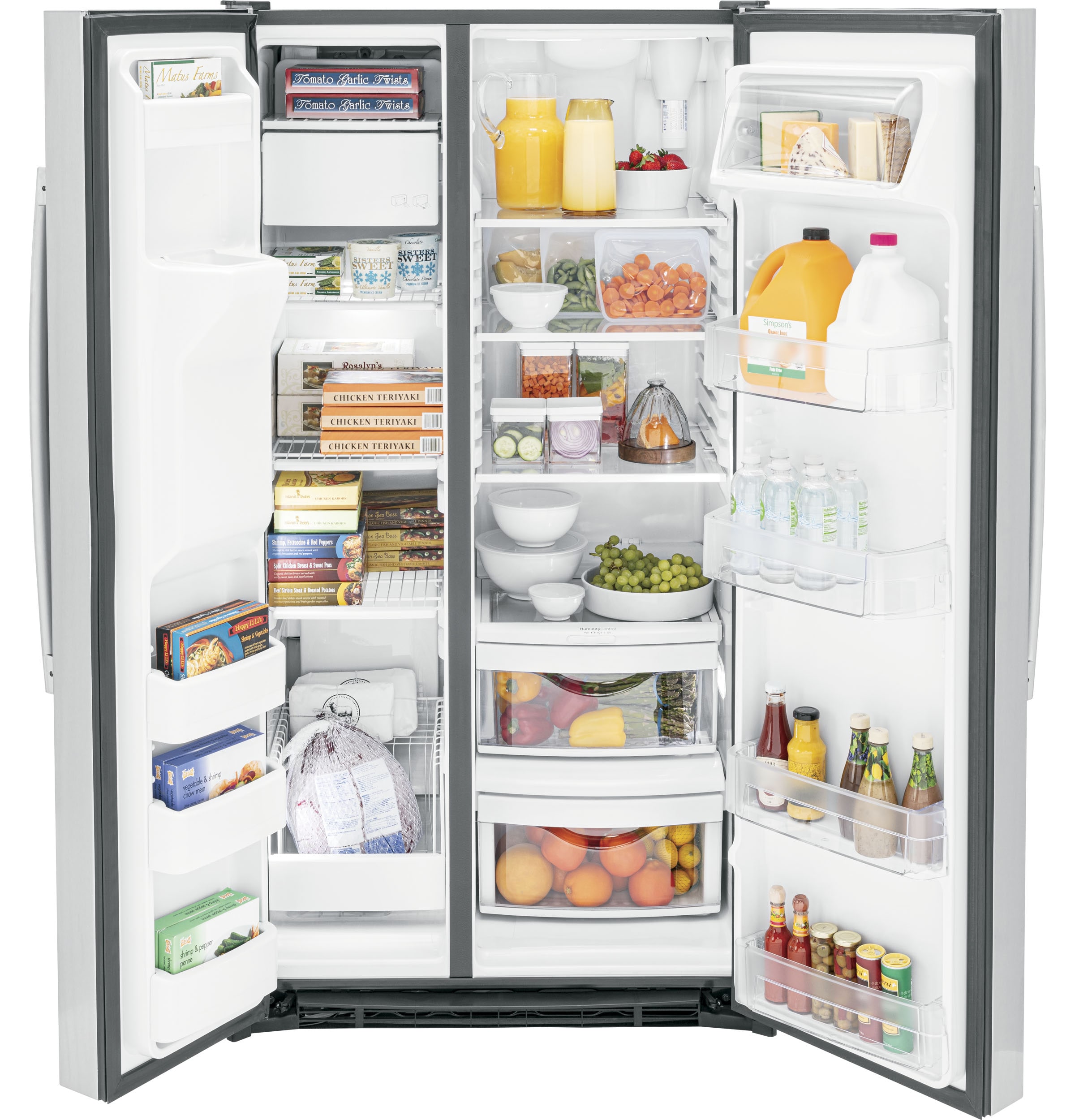
Layout affects how you use the refrigerator. Top-freezer puts the freezer above; you reach up for frozen items. Bottom-freezer puts the refrigerator at eye level; you bend for the freezer. French door has two fridge doors and a freezer drawer; you open only what you need. Side-by-side has narrow doors—fridge on one side, freezer on the other—and suits tight kitchens.
Placement and Care
Leave clearance at the back and sides per the manual—typically 2 to 4 inches at the back and 1 to 2 inches on the sides. Keep the condenser coils clean and the door seal in good shape. Set the refrigerator to 37–40°F and the freezer to 0°F. Compare freestanding refrigerators by size and features at Fridge.com.
Condenser coils need airflow. Clean them every 6 to 12 months—vacuum or brush per the manual. Dirty coils increase energy use by 10 to 30 percent, according to the DOE. A good door seal keeps cold air in. Test it by closing the door on a dollar bill; if it slides out easily, the seal may need replacement. A worn seal lets cold air escape and increases energy use.
Proper temperature slows bacterial growth and keeps food safe. Use a thermometer to verify. Avoid overfilling—blocked vents reduce airflow and can cause uneven cooling. Ensure the door can open fully—90 degrees or more—for loading and cleaning. In a tight kitchen, a unit with a reversible door may help. Check the manual for door reversal instructions.
Place the refrigerator away from heat sources like ovens and radiators. Direct sunlight can make the compressor work harder. In a hot garage or basement, the unit may run more but should still maintain temperature if properly maintained and sized for the space. The U.S. Energy Information Administration (EIA) reports that refrigeration accounts for a meaningful share of household electricity use.
Energy and Efficiency
The DOE sets efficiency standards for refrigerators. ENERGY STAR certifies models that exceed them—typically 15 to 20 percent more efficient than the minimum. The EnergyGuide label shows estimated yearly kWh. The EIA reports that refrigeration accounts for a meaningful share of household electricity use. At typical rates, a 20-cubic-foot freestanding refrigerator might cost $50 to $80 per year to run. Larger units use more; compact units use less.
Efficiency has improved significantly over the years. The DOE periodically tightens standards. A new ENERGY STAR refrigerator uses far less energy than a 10- or 15-year-old model. If you are replacing an old unit, expect lower electricity bills. The EnergyGuide label compares the model to similar units so you can choose an efficient option.
Features to Consider
Common features include adjustable shelves, humidity-controlled crispers, ice makers, water dispensers, and smart connectivity. Adjustable shelves let you fit tall bottles or large platters. Humidity-controlled crispers keep produce fresher—high humidity for greens, low for fruits. Ice makers and water dispensers require a water line. Smart features add connectivity and cost. Match features to your habits and budget.
When to Choose Freestanding
Freestanding is the choice when you want flexibility, easier installation, and lower cost. Built-in units integrate with cabinetry and cost more. Freestanding units can be moved, replaced without cabinet work, and placed anywhere with floor space and power. Renters should choose freestanding. Homeowners can choose either based on design goals and budget. Compare freestanding refrigerators at Fridge.com.
Delivery and Installation
Freestanding refrigerators are delivered and placed. Measure the opening and the delivery path—doorways, stairs, hallways—before you buy. Some units are too large to fit through standard doorways. Delivery may include removal of the old unit for a fee. Plug into a standard outlet; no special electrical work is typically required. Level the unit per the manual; an uneven base can affect door operation.
Summary
Freestanding refrigerators are standalone, movable, and the norm for home use. They have finished sides and back, plug into a standard outlet, and need no cabinet cutout. Choose by layout (top-freezer, bottom-freezer, French door, side-by-side), capacity (10–28+ cu ft), and dimensions. Leave clearance for ventilation and door swing. For specs, capacity, and current prices across brands and retailers, compare freestanding refrigerators at Fridge.com.