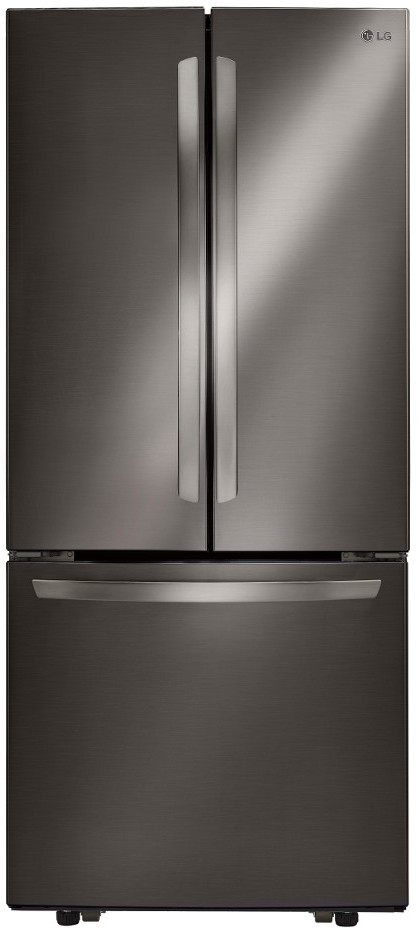
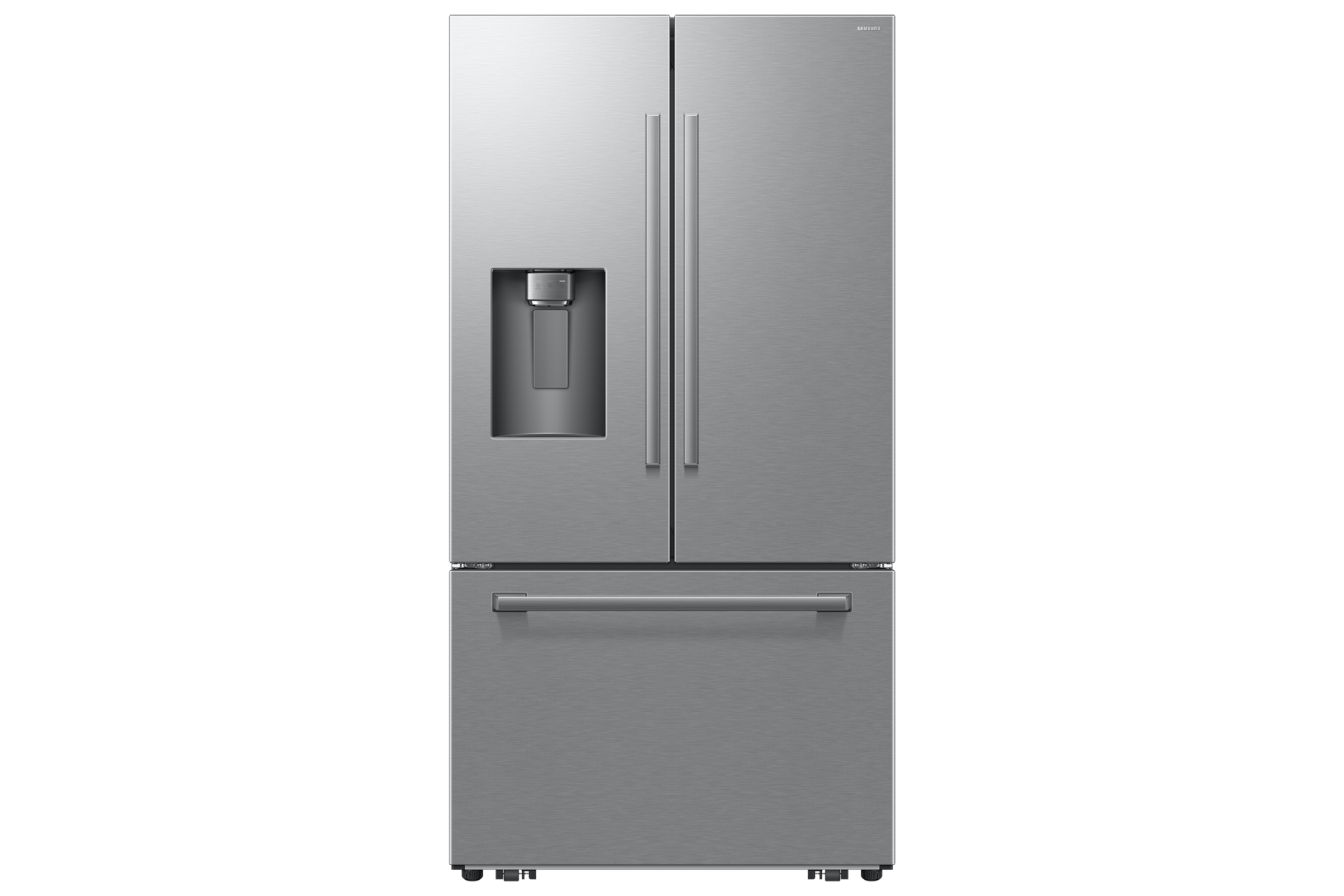
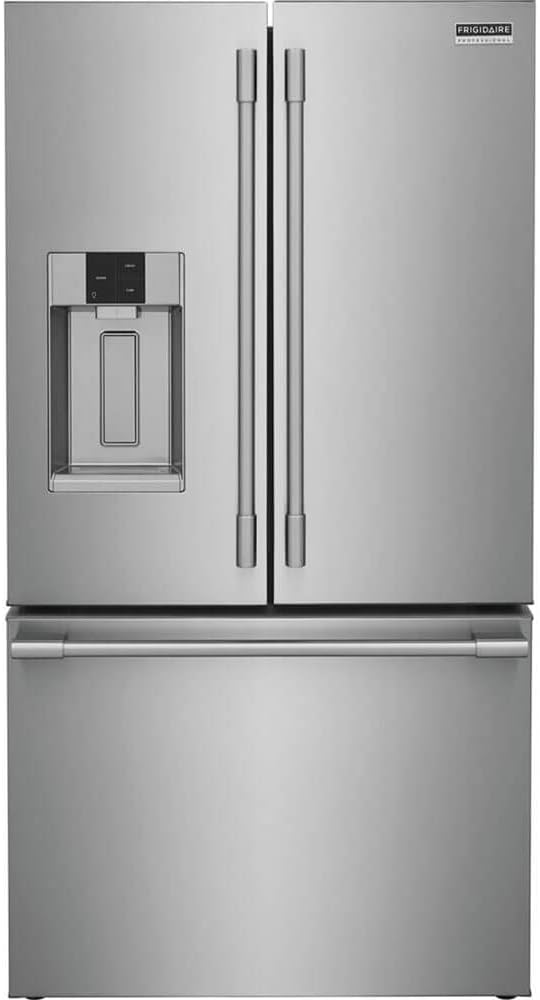
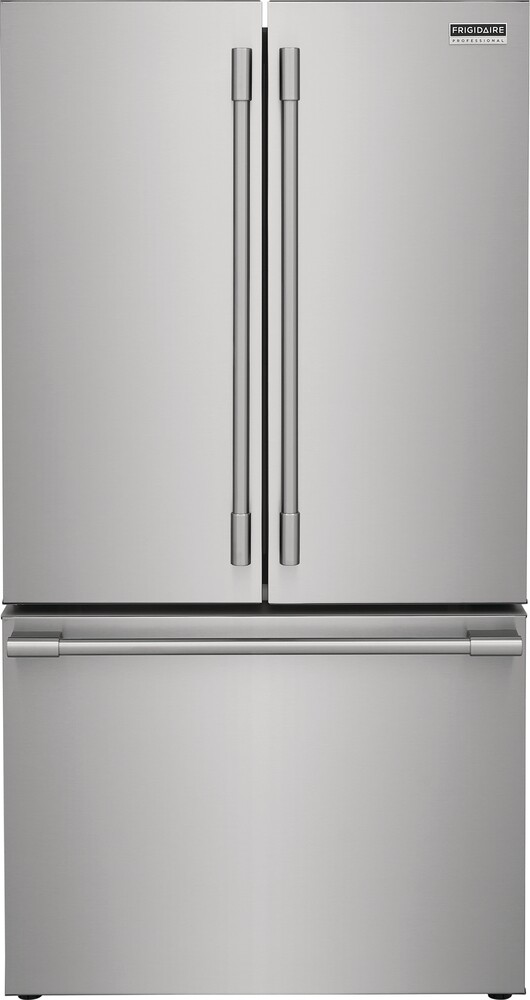
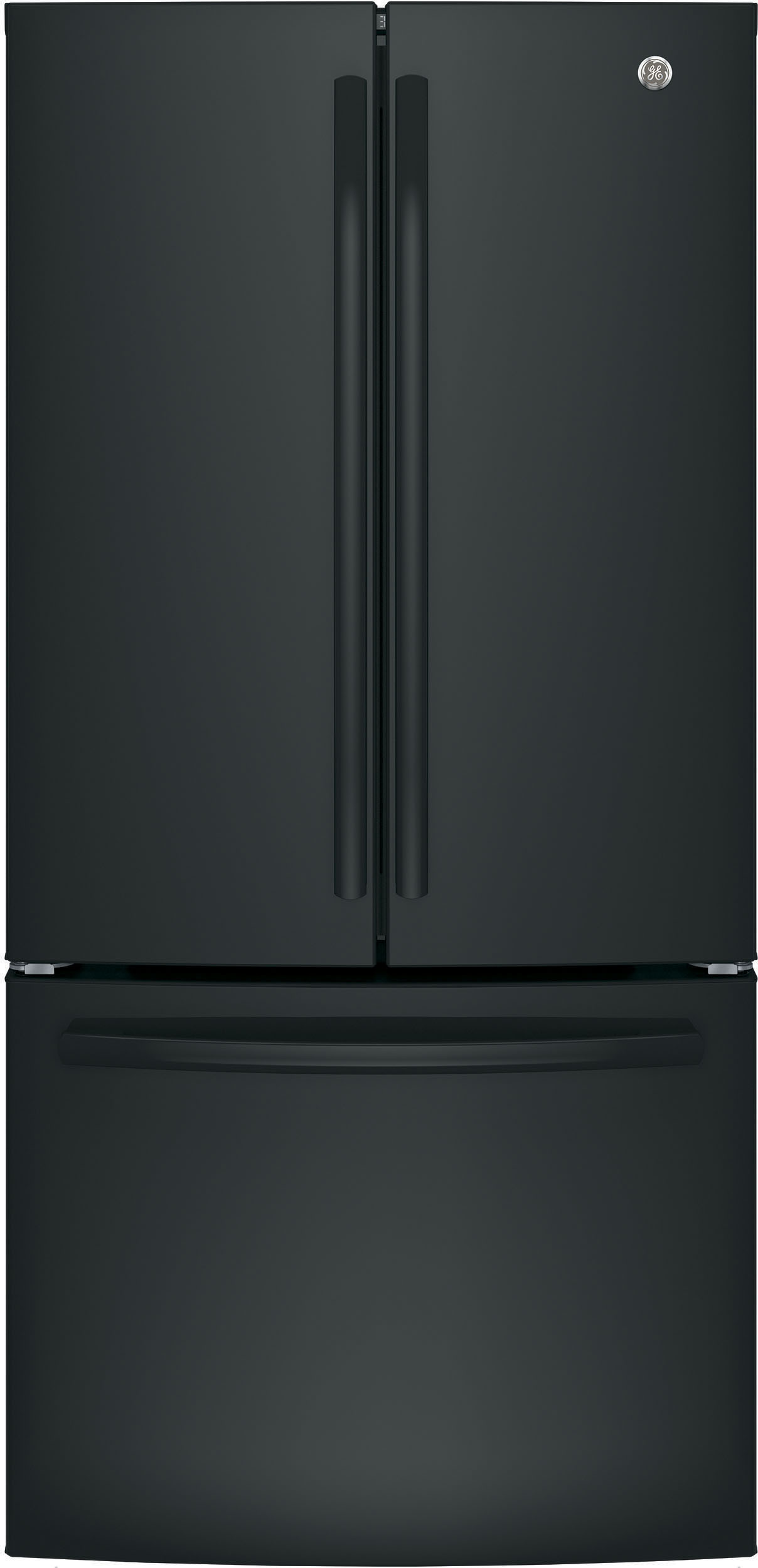
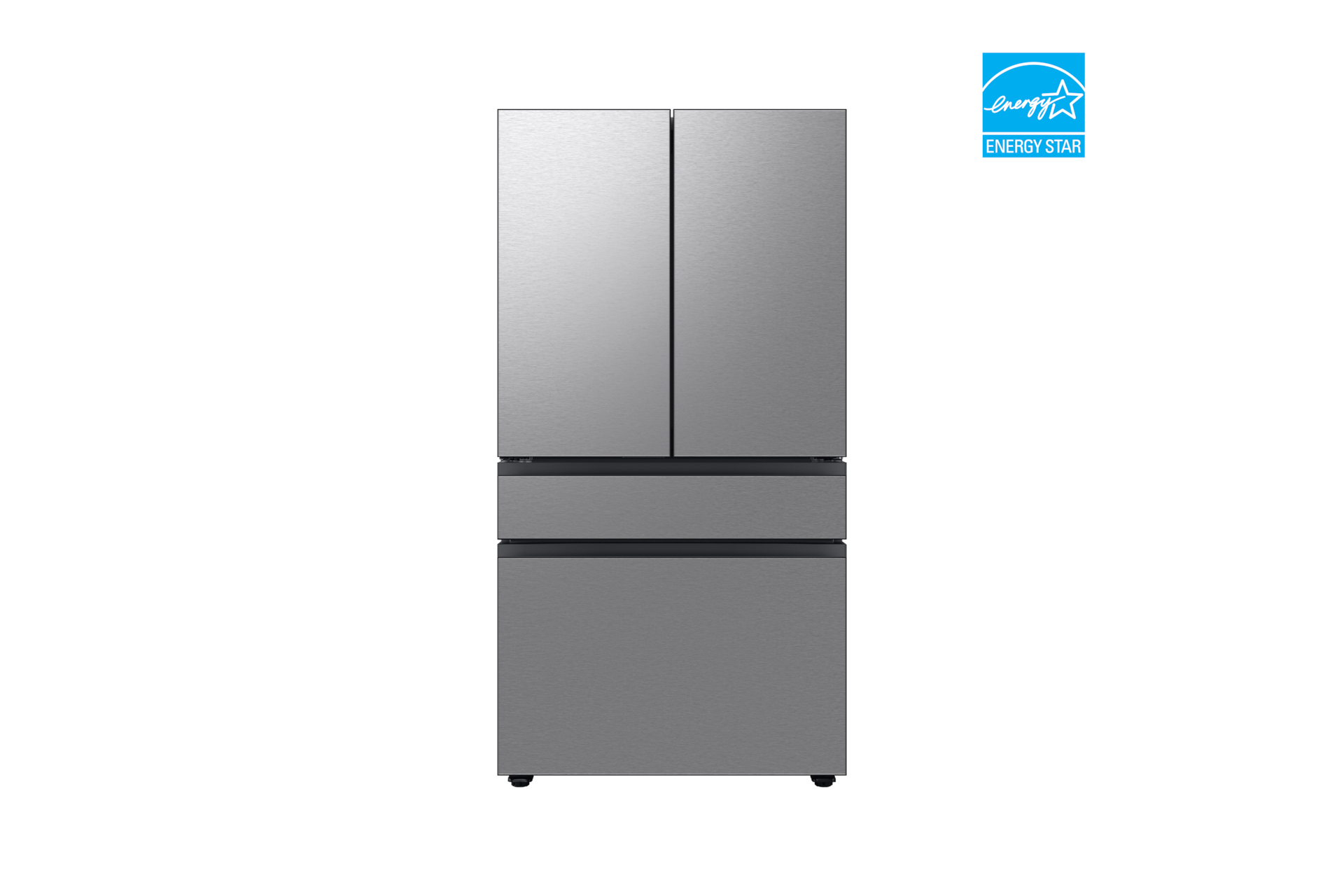
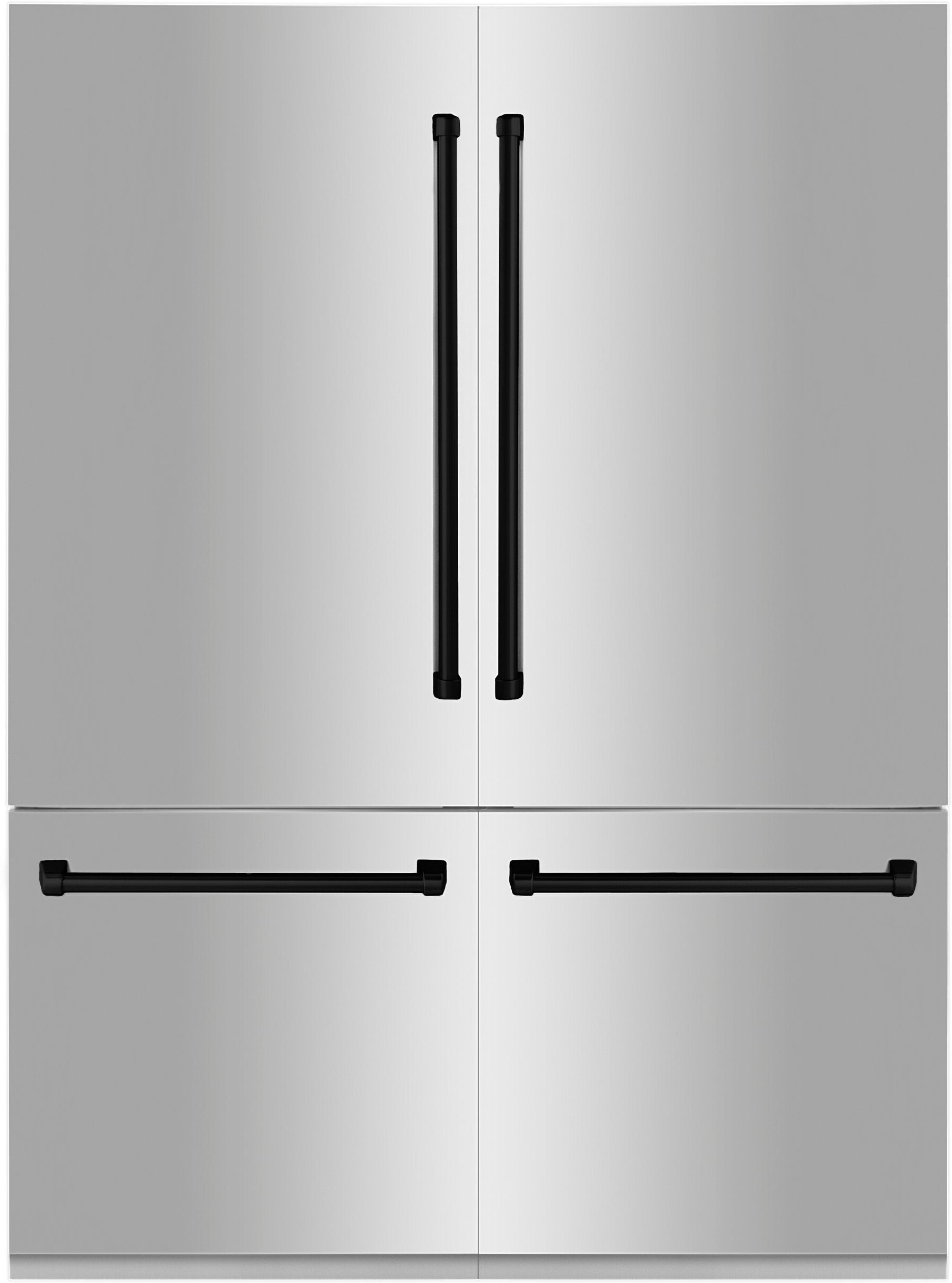
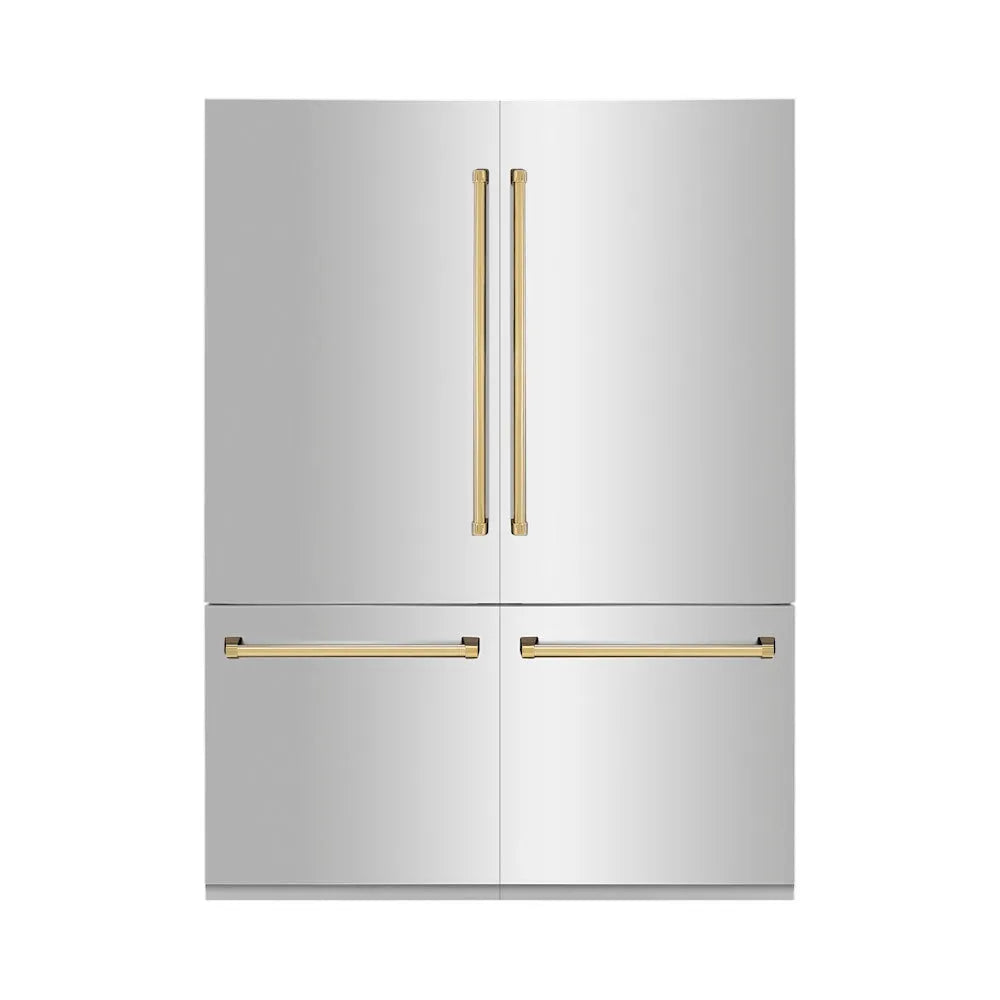
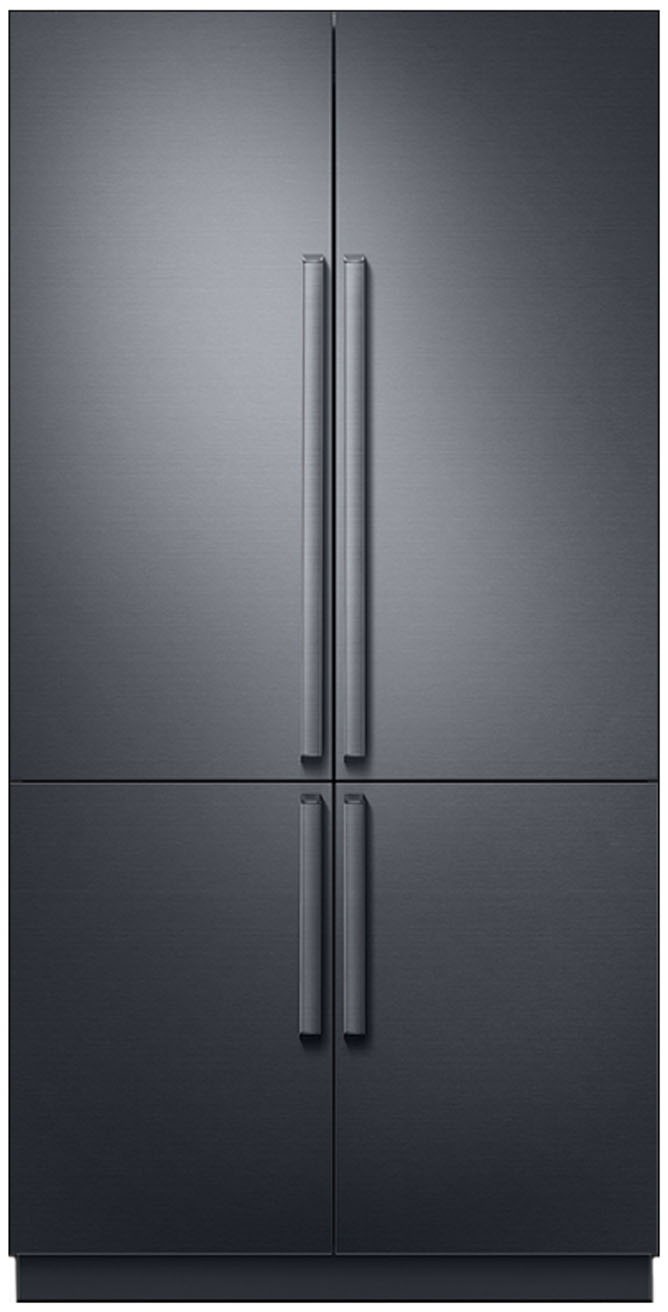
Freestanding drawer refrigerators have pull-out drawers and sit under a counter; French door refrigerators have two fridge doors and a freezer drawer and stand at full height. They serve different roles. This guide compares drawer and French door refrigerators so you can choose the right option for your space and needs.
Drawer Refrigerators
Drawer units are short (under-counter), with horizontal drawers. Capacity is often 5–15 cu ft. No door swing. Used as a second fridge, beverage center, or in an island. Not a replacement for a full kitchen fridge.
Drawer refrigerators are typically 34 to 35 inches tall. They fit under a standard counter. They have no freezer—refrigerator only. The U.S. Department of Energy (DOE) measures capacity in cubic feet; 5 to 15 cubic feet provides storage for beverages and overflow. They run at 37–40°F, as the USDA recommends for perishables.
Drawer units are supplementary. They cannot replace a primary fridge. They lack the capacity, freezer, and organization for full grocery storage. They suit bars, butler's pantries, and islands where you want cold drinks and overflow without taking floor space from a full-height unit.
Drawer refrigerators have one or more horizontal drawers. No door swing means they fit in tight spaces. They complement a main refrigerator by adding cold storage in a specific location.
The drawer design offers ergonomic benefits—you pull out a drawer to access contents at waist level. Drawers can be organized by type. Installation requires a 34- to 35-inch cabinet opening and adequate ventilation. Drawer units that vent from the front can be fully enclosed; those that vent from the back need clearance.
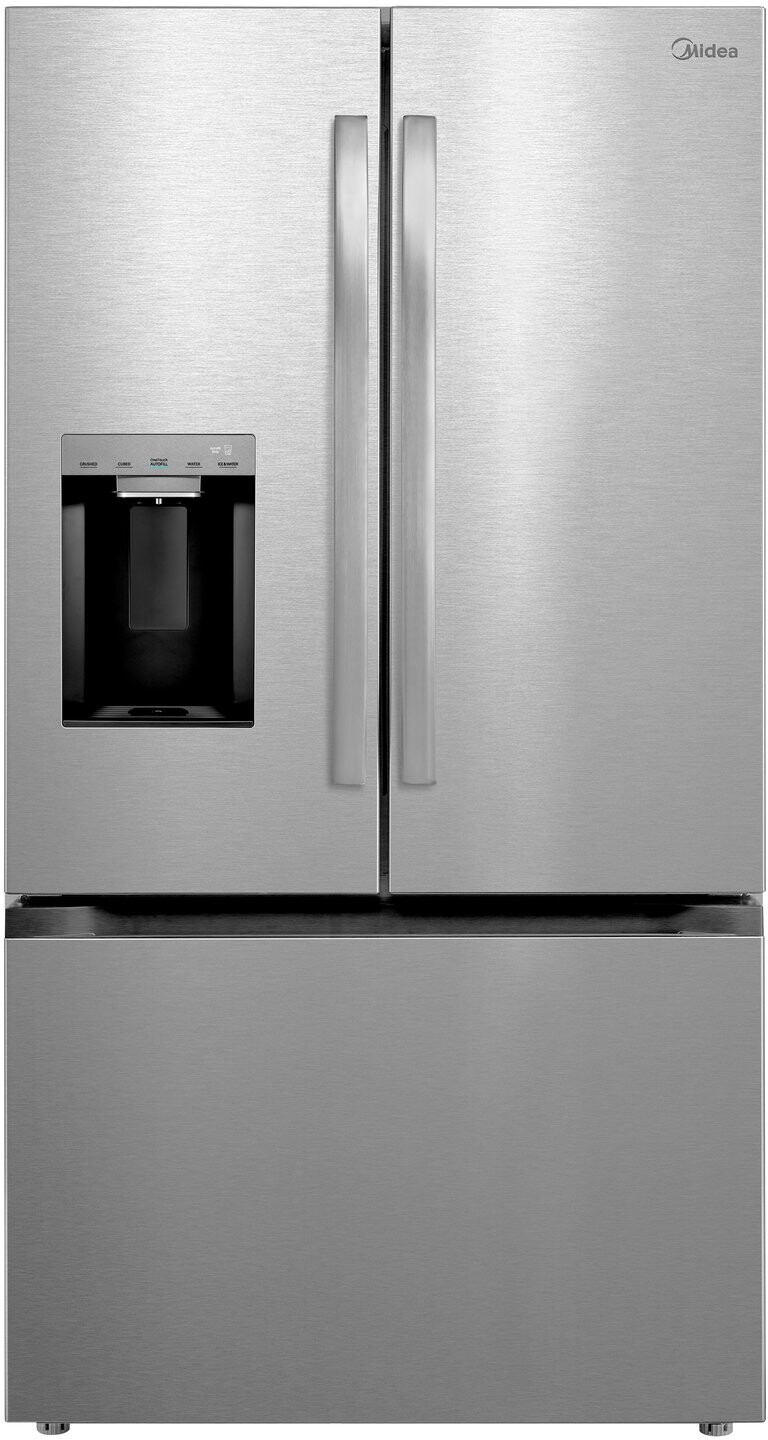
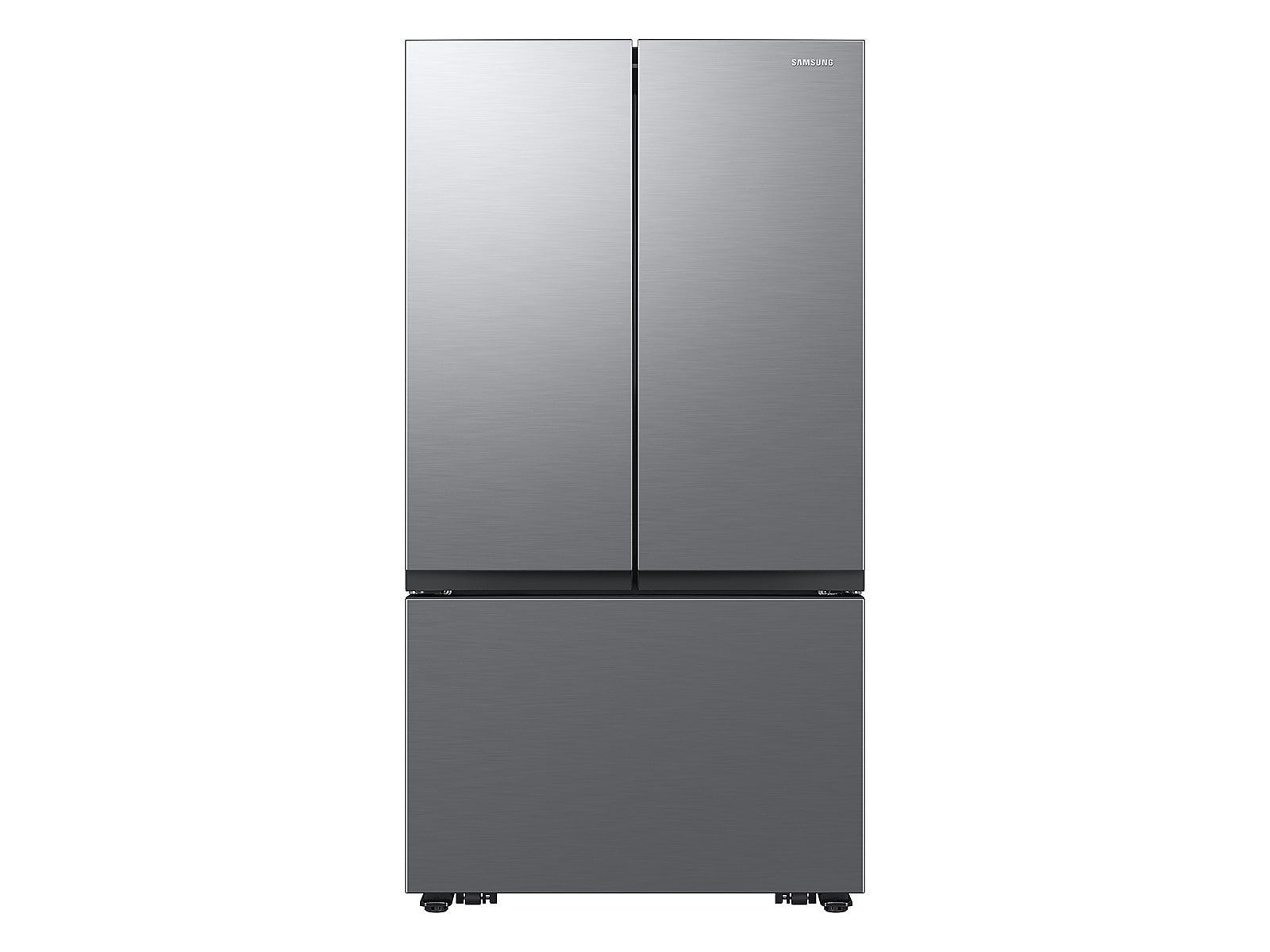
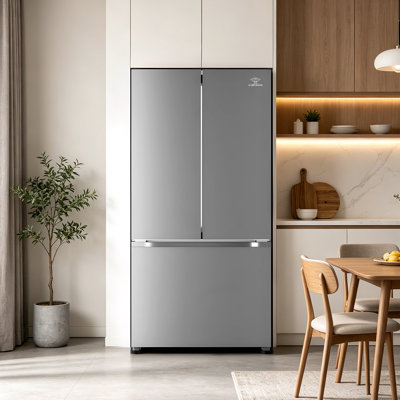
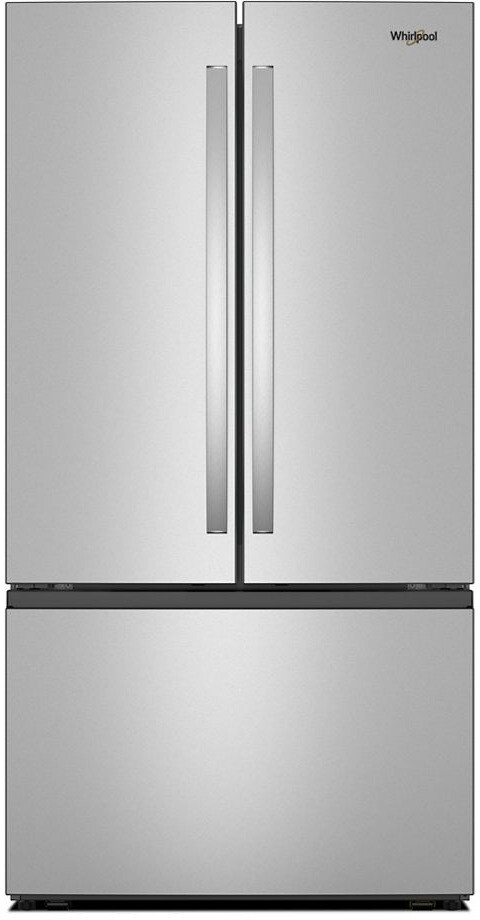
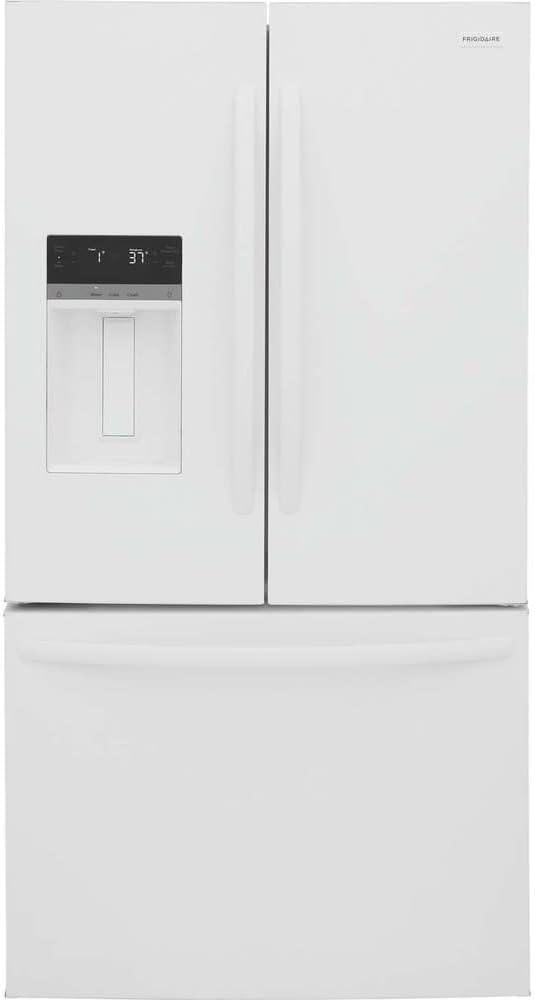
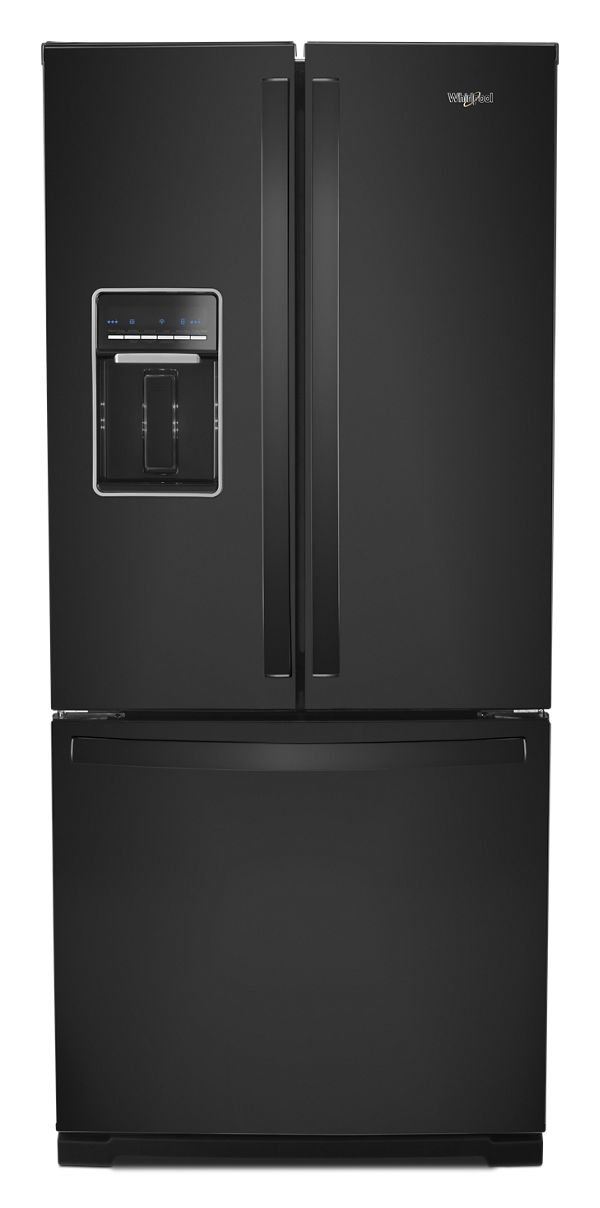
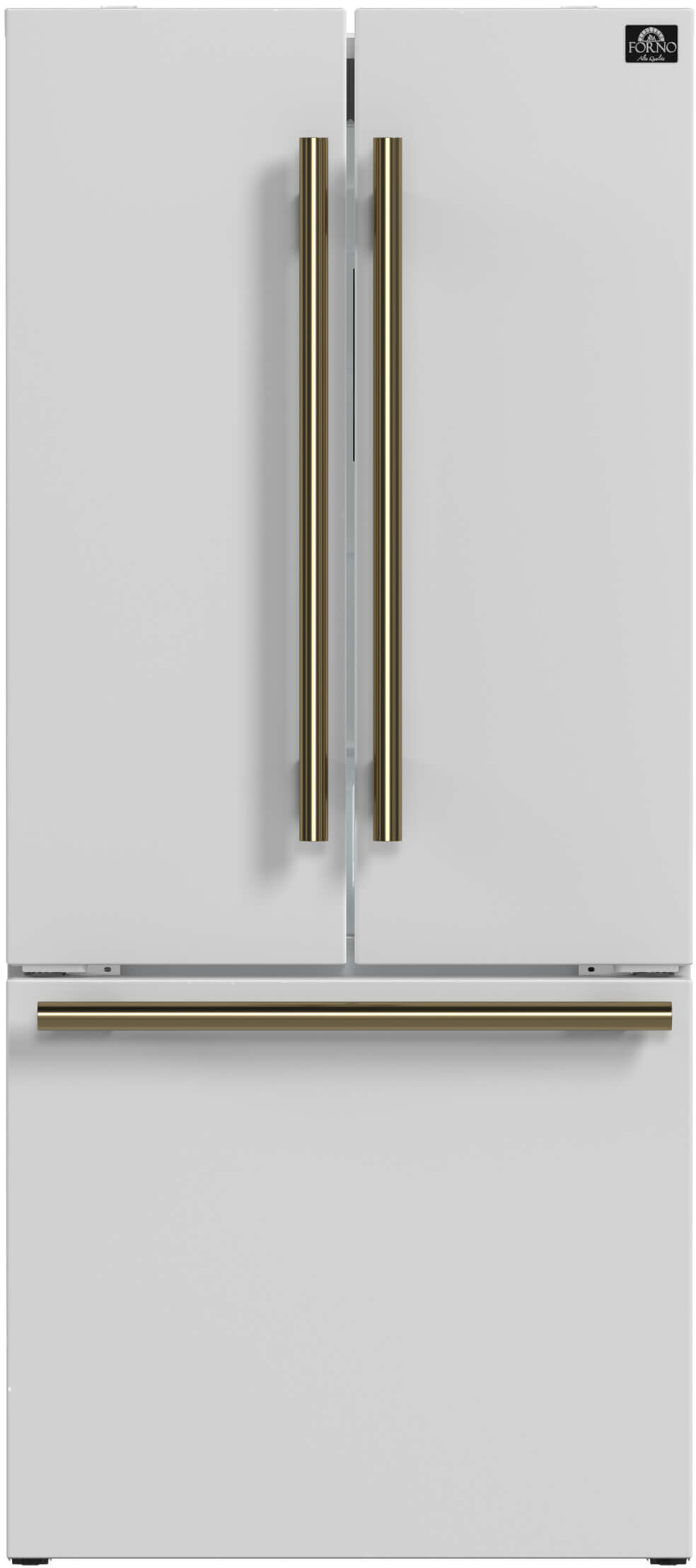
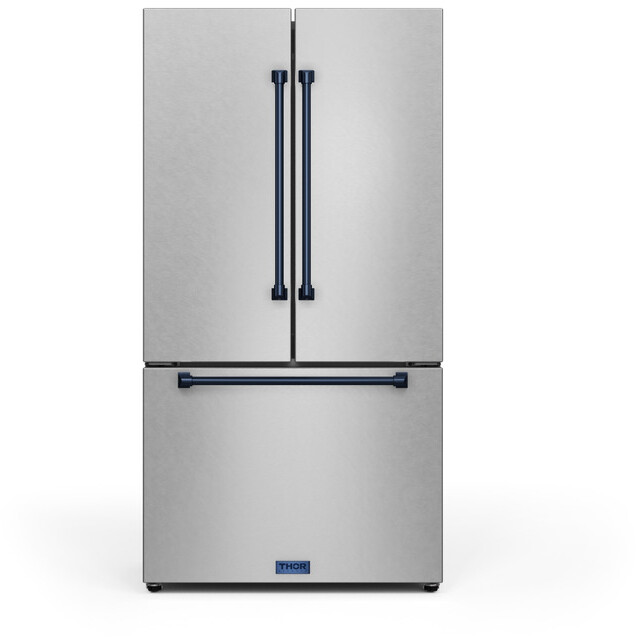
French door units are full-height (66–70 in.), 22–28+ cu ft, with two fridge doors and a bottom freezer drawer. They are main kitchen refrigerators with wide fridge access and flexible storage.
French door refrigerators have two doors for the refrigerator section—you open one or both as needed. That reduces cold air loss compared to a single large door. The freezer is a drawer at the bottom. Capacity of 22 to 28 cubic feet suits large families and serious home cooks.
French door units include features like ice makers, water dispensers, humidity-controlled crispers, and adjustable shelves. They are the premium option for main kitchen refrigeration. They require a wide opening—typically 36 inches—and floor space for the doors to open.
The DOE sets efficiency standards for refrigerators. ENERGY STAR certifies efficient models. The EnergyGuide label shows estimated yearly kWh. French door refrigerators are full-size appliances tested under federal standards.
French door refrigerators put the refrigerator at eye level—you open one or both doors to access fresh food without bending. The freezer drawer at the bottom holds frozen items. The USDA recommends 40°F or below for the refrigerator and 0°F or below for the freezer. French door units maintain both. They require a wide opening—typically 36 inches—and floor space for the doors to open.
Capacity and Freezer
Drawer refrigerators hold 5 to 15 cubic feet with no freezer. French door refrigerators hold 22 to 28+ cubic feet with a freezer drawer. The USDA recommends 0°F or below for frozen food; only a refrigerator with a freezer can achieve that. Drawer units cannot store frozen items.
French door units include ice makers, water dispensers, and humidity-controlled crispers. The capacity gap is large—a drawer unit is supplementary. If you need a main fridge for groceries and frozen food, a French door (or another full-size layout) is required.
The USDA FoodKeeper app and storage guidelines emphasize that frozen food must be kept at 0°F or below. Drawer refrigerators cannot provide freezer storage. French door refrigerators meet both refrigerator and freezer requirements. The capacity gap is significant—a drawer unit holds roughly one-fifth to one-third of a French door's fresh food space.
Placement and Dimensions
Drawer refrigerators need under-counter space—typically a 24- to 30-inch width and 34- to 35-inch height. They fit in kitchen islands, bars, and butler's pantries. French door refrigerators need a 36-inch opening and floor space for the doors to open.
French door doors open to the side; each door needs clearance. Drawer units pull out—no door swing. In a kitchen with space for a full-height unit, a French door offers premium storage. In an island with under-counter space, a drawer unit adds secondary storage.
Drawer units require a cabinet opening with precise dimensions. Standard widths are 24 and 30 inches. French door refrigerators need 36 inches of width and 66 to 70 inches of height. Measure the space before purchasing. Ensure the delivery path can accommodate the unit—French door refrigerators are large and heavy.
The DOE sets efficiency standards for refrigerators. French door units are full-size; drawer units may be classified as compact. ENERGY STAR certifies efficient models. The U.S. Energy Information Administration (EIA) reports average electricity prices.
At typical rates, a French door might use 500 to 700 kWh per year; a drawer unit might use 200 to 300 kWh. At 15 cents per kWh, a French door might cost $75 to $105 per year; a drawer unit might cost $30 to $45 per year. Both need ventilation—leave clearance per the manual.
The U.S. Energy Information Administration (EIA) reports average electricity prices by region. ENERGY STAR-certified refrigerators use at least 15 percent less energy than the federal minimum. When comparing models, check the EnergyGuide label. Proper ventilation helps both types run efficiently.
Choose a drawer refrigerator for under-counter, secondary cooling. Drawer refrigerators suit bars, islands, and overflow zones. They cannot replace a main fridge.
Choose a French door refrigerator for the main kitchen fridge. French door refrigerators are for primary food storage. They hold a week or more of groceries, have a full freezer, and offer the features most households want.
You might have both: a French door in the kitchen and a drawer unit in an island. Budget and space determine the choice. A French door is a significant investment; a drawer unit is an addition.
Households that entertain frequently may value a drawer unit for drink storage. A French door in the kitchen handles daily food storage; a drawer unit in an island keeps beverages cold without crowding the main fridge. For a primary residence with regular cooking and grocery shopping, a French door refrigerator is essential.
French door refrigerators cost $1,500 to $3,000 or more. Drawer refrigerators cost roughly $800 to $2,000. Match the investment to the role. For the main fridge, French door is the choice. For secondary cooling, a drawer unit can work.
French door refrigerators offer more features per dollar when considered as a primary appliance. Drawer units are a luxury addition—they add convenience but cannot replace a main fridge. Consider total cost of ownership: a French door may last 10 to 15 years; a drawer unit has a similar lifespan. Both need basic maintenance.
Maintenance and Common Mistakes
Both drawer and French door refrigerators require similar maintenance: periodic cleaning, wiping gaskets, and cleaning condenser coils if accessible. Do not use a drawer refrigerator as a primary fridge—it lacks the capacity and freezer. Do not ignore ventilation requirements. Follow the manufacturer's clearance specifications.
Drawer refrigerators are under-counter units with 5–15 cubic feet and no freezer; French door refrigerators are full-size primary fridges with 22–28+ cubic feet and a freezer. The USDA recommends 40°F or below for refrigerated food and 0°F or below for frozen food. Use a French door for the main kitchen fridge. Use a drawer unit for a bar, island, or overflow zone. The DOE sets efficiency standards; ENERGY STAR certifies efficient models. For more help comparing models and current prices, browse drawer and French door refrigerators.
Frequently Asked Questions
A French door refrigerator is a full-height unit with two side-by-side refrigerator doors on top and a freezer drawer below. Capacity is typically 22–28+ cu ft, and it is designed as a main kitchen refrigerator.
From Fridge.com research
Figures below come from data Fridge.com builds and maintains. Each links to the record behind it.
Fridge.com Energy Index, built on U.S. EPA and DOE ENERGY STAR records
Across 1,658 ENERGY STAR certified bottom freezer models, median use is 556 kWh per year — 10% better than the federal standard.